
MARPE Without Pain Meds:
Non-Pharmacologic
Comfort Toolkit for Skeletal Expansion
Evidence-based techniques to optimize patient comfort during miniscrew-assisted rapid palatal expansion without routine analgesic use. Enhance compliance and clinical outcomes.
TL;DR Non-pharmacologic comfort management in miniscrew-assisted rapid palatal expansion (MARPE) relies on precise activation protocols, patient education, and strategic use of cold therapy, timing optimization, and psychological preparation. Recent clinical evidence supports scheduled expansion intervals over continuous loading. These evidence-based techniques reduce anxiety and discomfort without pharmaceutical intervention, improving patient tolerance and treatment adherence.
Patient comfort during miniscrew-assisted rapid palatal expansion (MARPE) significantly influences treatment compliance and clinical outcomes in both adolescent and adult populations. While pharmacologic pain management has traditional support, evidence-based non-pharmacologic comfort strategies offer orthodontists a robust alternative toolkit grounded in biomechanics and behavioral science. Dr. Mark Radzhabov emphasizes at Orthodontist Mark that optimizing activation protocols, managing patient expectations, and implementing evidence-backed comfort measures can achieve skeletal expansion without routine analgesic dependence. This article synthesizes clinical best practices and research-supported techniques to guide your MARPE comfort management strategy.
What Is Non-Pharmacologic Comfort
Management
in Miniscrew-Assisted Expansion?
Non-pharmacologic comfort management in MARPE involves strategic clinical decisions—activation timing, force magnitude, patient education, and psychological support—that collectively reduce discomfort without routine pain medication. The evidence base demonstrates that miniscrew-assisted rapid palatal expansion inherently produces less buccal tipping of anchor teeth compared to conventional RPE, which itself contributes to lower overall discomfort profiles. A prospective randomized clinical trial using low-dose CBCT documented that MARPE groups showed lesser buccal displacement of anchor teeth through expansion and consolidation periods compared to tooth-borne RPE, suggesting reduced mechanical irritation and soft-tissue impingement. Patient psychology plays an equally critical role: anxiety amplifies perceived pain intensity, while structured pre-treatment education and realistic expectation-setting reduce fear-related responses. The clinical toolkit combines biomechanical optimization (precise activation protocols), temporal management (scheduled expansion intervals), and behavioral strategies (patient communication, environmental cues) to create a multimodal comfort approach grounded in both orthodontic science and pain psychology literature.
Optimizing Activation Protocols
for Comfort
and Skeletal Response
The activation schedule represents the single most controllable variable in MARPE comfort management. Clinical research supports the principle that incremental, scheduled expansion produces more predictable tissue adaptation and lower acute discomfort than aggressive or continuous loading. The evidence-based Russian protocol for palatal expansion specifies 4 turns on the expansion day of the procedure, followed by 3 turns daily for 10 days post-procedure, then a brief deactivation phase (3 turns for narrowing), repeated in four cycles over a minimum 8-week intensive expansion window, followed by 6 months retention. This structured, interrupt-load-rest cadence allows periodontal ligament and skeletal tissues to remodel incrementally rather than under sustained high-load stress. Patients report substantially lower discomfort when expansion is distributed across multiple short activations rather than consolidated into single large turns. Additionally, intermittent force application permits tissue recovery between expansion events, reducing inflammatory cytokine accumulation and bone resorption irritation. Clinicians who adopt a “less frequent, precisely timed” philosophy—rather than daily activation—often observe improved patient tolerance and comparable skeletal outcomes. The activation protocol should be individualized: younger patients with more compliant midpalatal sutures may tolerate slightly more aggressive schedules, while older adults or male patients (who demonstrate lower suture separation success rates, particularly after age 25) benefit from conservative, extended protocols.
The Non-Pharmacologic
Comfort Toolkit
Five Evidence-Backed Strategies
The non-pharmacologic comfort approach in miniscrew-assisted expansion integrates five interconnected strategies validated in clinical practice and orthodontic pain management literature. First, cold therapy application—ice packs applied to the palatal region immediately post-activation for 10–15 minutes—reduces neurogenic inflammation and numbs local pain receptors without systemic side effects. Second, patient education and expectation alignment are paramount: explaining the timeline, normal sensations (pressure vs. acute pain), and the intermittent nature of activation significantly attenuates fear-related pain amplification. Third, timing optimization—scheduling activations on Fridays or before weekends when patients can rest and avoid chewing stress—reduces mechanical load superimposition on expanding tissues. Fourth, topical oral rinses (warm salt water or anti-inflammatory rinses) support soft-tissue comfort between activations without oral absorption. Fifth, psychological preparation and cognitive coping—teaching patients brief mindfulness or breathing techniques during activation—shift their neurological response from fear amplification to controlled acknowledgment. Research in dental pain psychology demonstrates that patient-centered communication and coping skill instruction reduce pain intensity reporting by up to 30–40% independent of pharmaceutical intervention. Dr. Mark Radzhabov integrates these techniques into a stepwise pre-treatment consultation, establishing a psychological contract with patients that reframes expansion as a managed, predictable process rather than an unpredictable medical event.
Age-Dependent Considerations
in MARPE Comfort
Management
Patient age profoundly influences both skeletal expansion success and comfort experience in MARPE treatment. A 2022 clinical investigation examining 215 MARPE patients across age ranges 6–60 years (Jeon et al., 2022, Clinical Oral Investigations) documented that male patients over 25 years showed significantly lower suture separation success rates (61.05% vs. 94.17% in females), with age-dependent decline in suture separation amount in both sexes. This age-related fibrosis and interdigitation of the midpalatal suture creates both increased resistance to expansion and increased mechanical stress during activation, which directly translates to higher discomfort perception in older adult males. Clinically, this means older adult males require more conservative activation protocols, extended expansion timelines (10–12 weeks minimum vs. 8 weeks in younger patients), and potentially enhanced non-pharmacologic comfort support—including more frequent cold therapy, more granular activation schedules (lower turns per session), and closer psychological reassurance. Younger patients (adolescents and adults under 25) tolerate slightly more robust activation schedules and exhibit faster tissue remodeling with lower reported discomfort, though baseline education remains essential. Female patients across all age groups demonstrate superior suture separation success and generally report lower discomfort intensity, likely related to lower bone density and greater sutural compliance. Individualizing your comfort toolkit based on patient age, sex, and baseline bone density assessment (via CBCT) optimizes both outcomes and patient experience.
Pre-Treatment Education
and Informed Consent
as Comfort Strategies
The pre-treatment consultation represents the most underutilized non-pharmacologic comfort intervention in orthodontics. Comprehensive patient education addressing realistic sensations, timeline transparency, and behavioral expectations directly reduces anxiety-driven pain amplification before treatment begins. A structured pre-treatment conversation should cover: (1) what “normal” expansion sensations feel like (pressure, mild soreness, no acute sharp pain); (2) the timeline of discomfort (peak typically 24–48 hours post-activation, subsiding thereafter); (3) expected skeletal changes and visual progress markers; (4) the rationale for intermittent activation schedules and retention phases; (5) explicit reassurance that pain meds are available if truly necessary, but rarely needed with optimized protocols. And (6) a clear mechanism for patient contact if concerns arise. Patients who understand the *why* behind the expansion schedule report significantly lower pain intensity and higher compliance. Additionally, establishing a brief daily comfort ritual—such as a scheduled evening rinse with warm salt water or a brief cold-therapy session—creates psychological anchoring that empowers patients to manage their own comfort experience rather than passively endure treatment. Research in pain psychology demonstrates that perceived control and predictability reduce pain intensity independent of actual nociceptive input. Dr. Mark Radzhabov emphasizes written informed consent documents that include realistic comfort expectations, scheduled follow-up contact protocols, and explicit patient responsibilities in the comfort plan—transforming the patient into an active partner rather than a passive recipient.
Implementing a Sustainable
Comfort Protocol
Across Your Patient Population
Translating non-pharmacologic comfort strategies into routine clinical practice requires three foundational steps: standardization, documentation, and feedback integration. First, standardize your activation protocol using a written clinical guideline that specifies turn count, frequency, and deactivation phases tailored to patient age and baseline bone quality. Post this protocol visibly at the chair and in patient materials so both staff and patients understand the rationale. Second, document comfort outcomes at each activation visit using a brief numerical pain rating scale (0–10) and qualitative notes on patient-reported tolerance. This creates a longitudinal record that identifies which protocol adjustments correlate with improved comfort for your specific patient population. Third, integrate feedback loops: ask patients directly what comfort strategies worked, which didn't, and refine your toolkit iteratively. Consider scheduling shorter, more frequent appointments (5–7 day intervals) early in MARPE treatment to monitor tissue response and comfort trajectory. If pain exceeds the patient's tolerance threshold despite protocol optimization, analgesic support becomes appropriate and evidence-based rather than reflexive. A practical workflow includes: (1) pre-treatment comfort education appointment; (2) activation with cold therapy immediately post-procedure; (3) brief phone check-in 24–48 hours post-activation; (4) standardized comfort assessment at each follow-up visit. This approach transforms comfort from a “side effect to manage” into an integrated clinical outcome with measurable data, improving your evidence-based practice reputation and patient satisfaction simultaneously.
Free Clinical Guide
Which Expansion Appliance at Which Age?
Get Dr. Mark Radzhabov's guide to skeletal-expansion appliances — indications, pros & cons, and how to choose by patient age. Free to your inbox.
Prefer video? Watch the free demo lesson on MARPE appliance types, features and trade-offs.
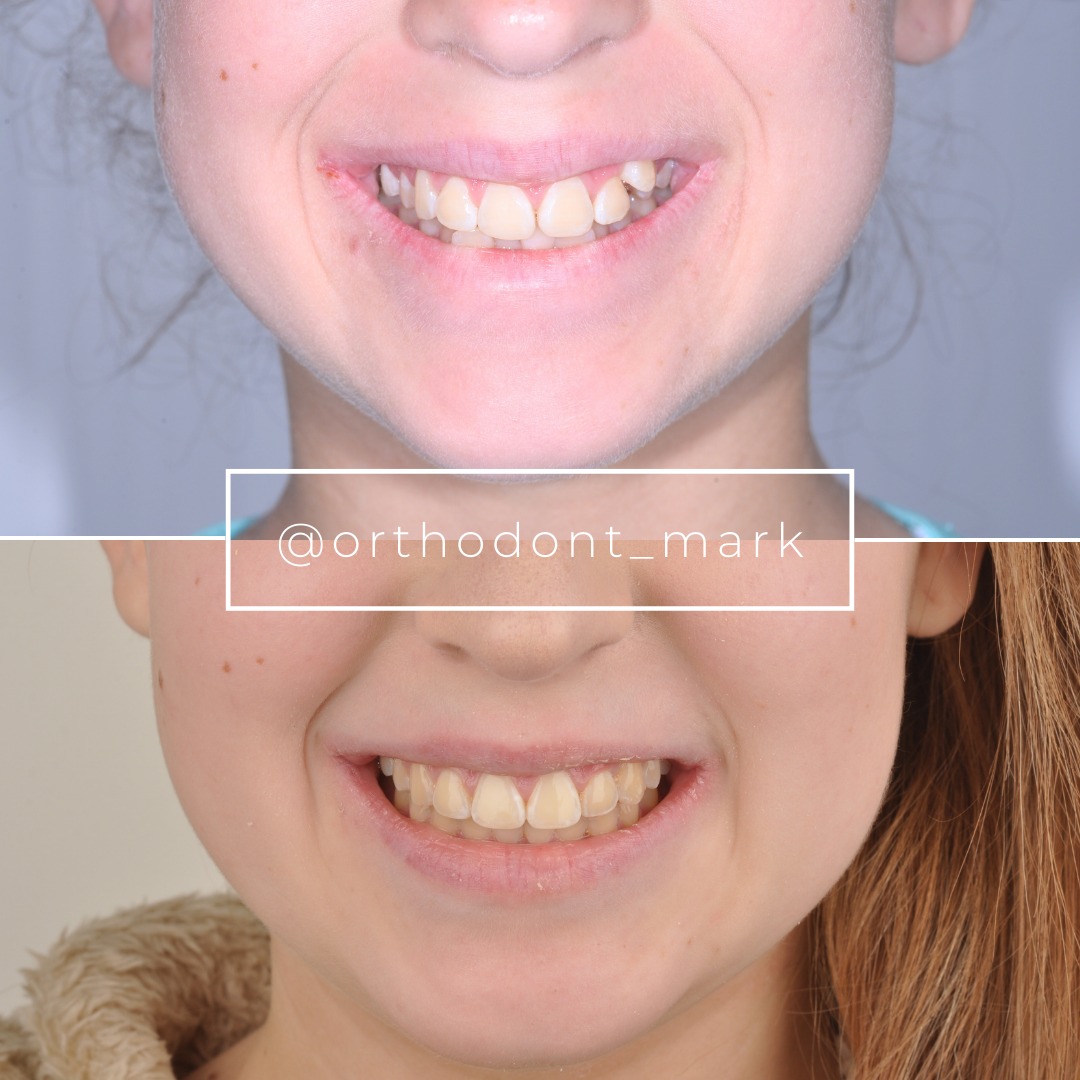
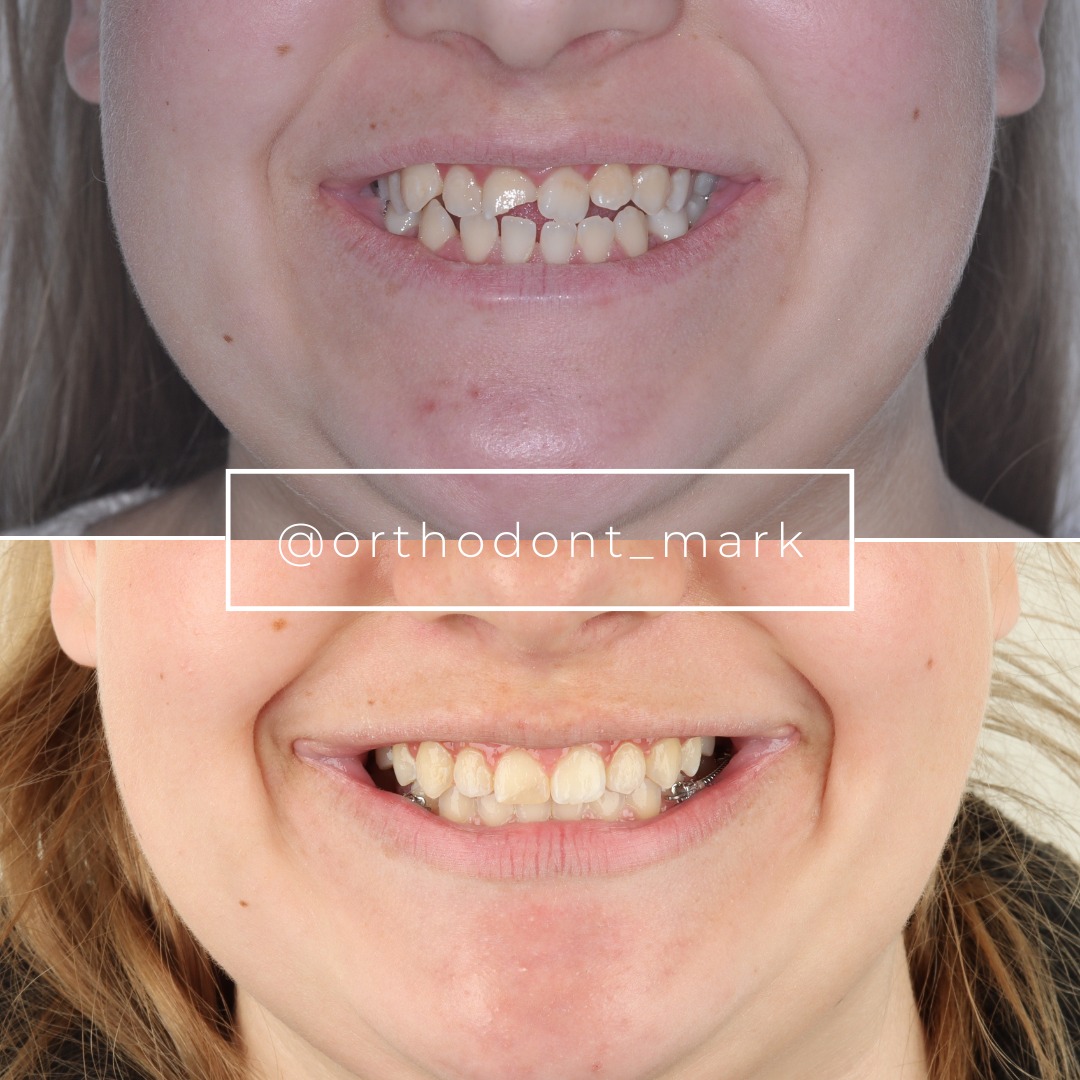
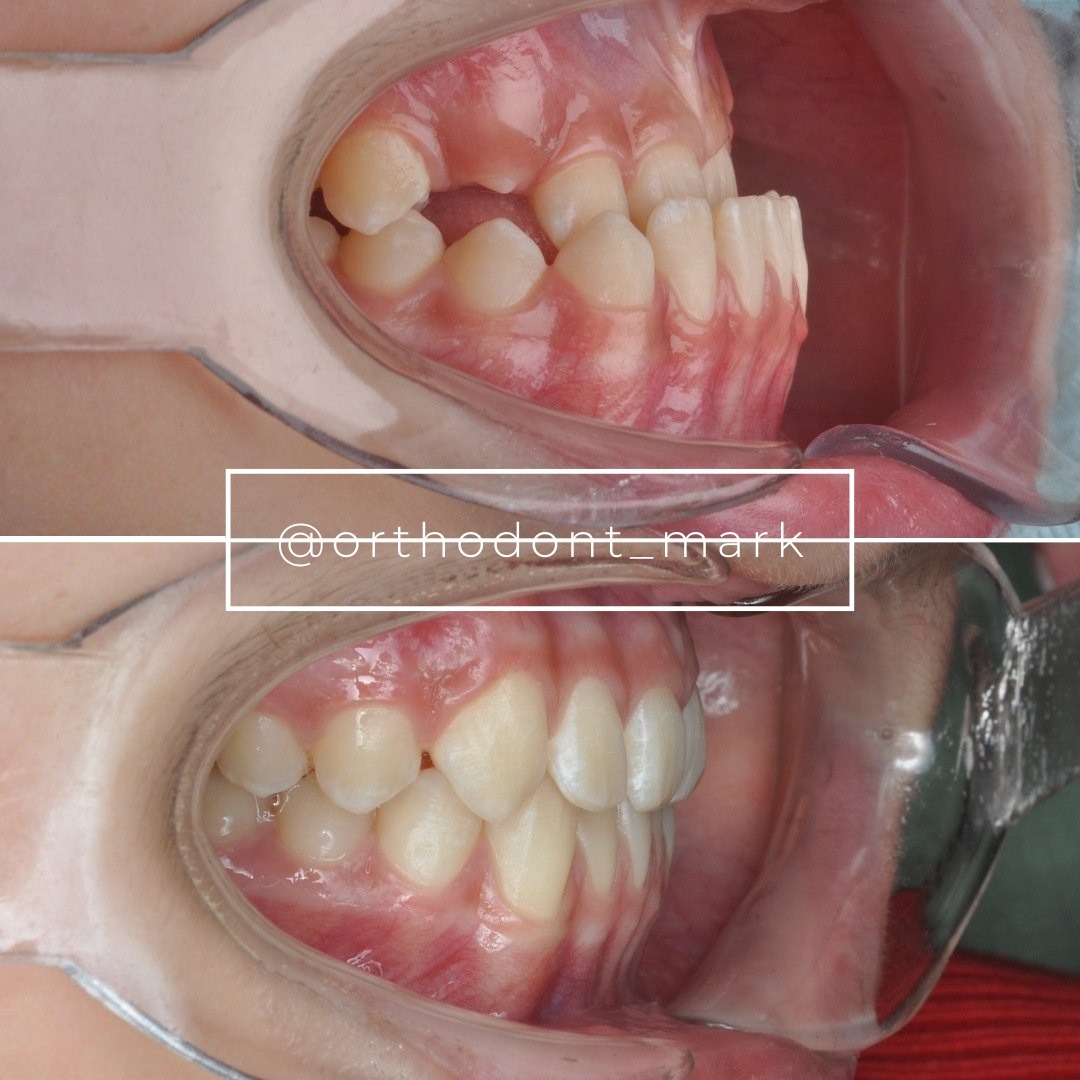
Documented outcomes
Clinical cases from Dr. Mark Radzhabov's practice
Learn the full MARPE protocol from Dr. Mark Radzhabov
Fundamental course covering CBCT patient selection, miniscrew planning, activation protocols, and 60+ clinical cases. Choose the access level that fits your practice.
Essentials of rapid palatal expansion for practicing orthodontists.
- Core RPE concepts and biomechanics
- 6 structured video lessons
- Clinical decision checklists
- Lifetime access to recordings
Deep-dive into MARPE protocol, diagnostics, and clinical execution.
- 6 modules covering MARPE from A to Z
- CBCT case selection walkthroughs
- Miniscrew placement and activation
- 60+ annotated clinical cases
- Direct Q&A with Dr. Mark Radzhabov
5-element medical consultation framework for dentists and orthodontists.
- Trust-building consultation protocol
- 5 lesson modules
- Templates for treatment plan delivery
- Works with any clinical specialty
Clinical FAQ
What is the optimal activation schedule for MARPE to minimize patient discomfort?
Evidence supports 4 turns on procedure day, then 3 turns daily for 10 days, followed by brief deactivation phases repeated over 8+ weeks. Intermittent loading with scheduled rest periods reduces inflammatory accumulation and tissue irritation compared to aggressive continuous activation.
How does cold therapy reduce MARPE discomfort without medication?
Cold application numbs local pain receptors and reduces neurogenic inflammation immediately post-activation. Apply ice packs to the palatal region for 10–15 minutes post-procedure to decrease acute pain perception and swelling without systemic side effects.
Why do male patients experience higher discomfort and lower expansion success with MARPE?
Male patients show significantly lower suture separation rates than females (Jeon et al. (2022), Clinical Oral Investigations: 61.05% versus 94.17% across a 6–60 year sample) due to greater midpalatal suture fibrosis and interdigitation with age. This increased mechanical resistance generates higher stress and discomfort. Older adult males require extended timelines and conservative activation protocols.
What pre-treatment education reduces anxiety-driven pain perception in MARPE patients?
Clear communication on normal sensations (pressure vs. acute pain), timeline transparency, visual progress markers, and explicit reassurance about pain management reduces anxiety by 30–40%. Patients who perceive control and predictability report significantly lower pain intensity independent of pharmaceutical input.
How can I integrate cold therapy, timing optimization, and psychological coping into daily clinical workflow?
Standardize a written protocol specifying activation timing (Friday preferred), provide ice packs at visit, teach brief mindfulness coping techniques, and schedule brief post-activation phone check-ins. Document comfort outcomes systematically to build a practice-specific evidence base.
What is the success rate of non-pharmacologic comfort management without routine pain medication in MARPE?
When multimodal strategies (activation optimization, cold therapy, patient education, psychological preparation) are integrated, most patients tolerate MARPE without analgesic dependence. Pain meds should be available for true medical necessity, not reflexive routine use.
How does patient age influence both skeletal expansion outcomes and comfort tolerance in MARPE?
Younger patients (under 25) show higher suture separation success and lower discomfort. Older adults require extended 10–12 week timelines and more granular activation schedules. CBCT assessment of bone density guides protocol individualization by age and sex.
What role does psychological preparation and expectation alignment play in MARPE comfort management?
Structured pre-treatment informed consent covering realistic sensations, timeline, and behavioral expectations builds patient trust and reduces fear-related pain amplification. Perceived control and predictability reduce pain intensity independent of nociceptive input.
How frequently should I monitor and document comfort outcomes during MARPE treatment?
Use brief 0–10 pain rating scales and qualitative notes at each activation visit. Schedule shorter 5–7 day follow-ups early in treatment to monitor tissue response. Integrate systematic feedback loops to refine protocols and build practice-specific evidence.
What is the evidence for intermittent force application versus continuous loading in MARPE discomfort reduction?
Intermittent, scheduled expansion with rest intervals allows periodontal ligament and bone tissue recovery, reducing inflammatory cytokine accumulation. Clinical protocols with interrupt-load-rest cadences demonstrate superior patient tolerance and comparable skeletal outcomes versus continuous high-load approaches.
Non-pharmacologic comfort management in MARPE represents a clinically pragmatic and evidence-supported approach that enhances patient experience without compromising expansion efficacy. By integrating activation optimization, patient education, cold therapy, and psychological preparation into your expansion protocols, you create a comprehensive comfort toolkit that your patients will trust and tolerate across the full treatment timeline. Dr. Mark Radzhabov and the Orthodontist Mark team recommend consulting your institutional protocols and patient feedback to refine these strategies for your practice. Ready to elevate your MARPE comfort outcomes? Review case studies and expand your technique at ortodontmark.com.