
Midpalatal suture maturation staging
on CBCT
The five-stage protocol that predicts adult expansion success
High-resolution imaging at three palatal regions distinguishes candidates for miniscrew-assisted expansion from those requiring surgical intervention, eliminating treatment ambiguity.
TL;DR Midpalatal suture maturation staging on CBCT uses five morphological stages (A–E) to predict skeletal expansion potential in adults. Stage A–C patients typically achieve successful expansion without surgery. Stage D–E require surgical intervention. High-resolution cone-beam imaging at the anterior, middle, and posterior thirds of the suture provides the most reliable assessment for patient selection and load management.
Midpalatal suture maturation staging on CBCT represents a paradigm shift in how orthodontists select candidates for skeletal expansion in adults. The Angelieri classification system, introduced in 2016, allows clinicians to distinguish patients capable of nonsurgical expansion from those requiring surgical assistance based on radiographic morphology alone. Dr. Mark Radzhabov has integrated this staging protocol into clinical practice over the past decade, demonstrating how accurate suture assessment eliminates guesswork and improves outcomes. This reference reviews the five-stage system, imaging technique essentials, and how maturation status informs MARPE protocol design and load application in skeletally mature patients.
What is the Angelieri suture maturation
staging system?
Midpalatal suture maturation staging on CBCT represents the diagnostic standard for determining expansion potential in adults. The Angelieri classification divides suture development into five stages: Stage A (no fusion), Stage B (fusion initiation at the posterior nasal spine), Stage C (fusion progression into the middle third), Stage D (fusion in anterior and middle regions with posterior patency), and Stage E (complete fusion). Each stage correlates with resistance to expansion forces and predicted skeletal response.
High-resolution cone-beam computed tomography with 0.3 mm voxel resolution is essential. Axial slices perpendicular to the suture reveal morphological detail impossible on conventional radiographs. Assessment occurs at three distinct regions: anterior (near the premaxilla), middle (at the palatal vault apex), and posterior (near the posterior nasal spine). Fusion patterns vary by region, with the posterior suture typically fusing first, followed by anterior and middle segments. This regional heterogeneity explains why some patients in Stage D maintain expansion potential despite partial anterior fusion.
The staging system emerged from Angelieri et al.'s 2016 study tracking suture changes across 101 subjects age 7 to 72 years. Their morphological analysis identified five discrete patterns and established that Stage A–C patients achieved higher rates of true skeletal expansion. Stage D and E patients, conversely, experienced higher relapse and required either surgical intervention or careful load management to avoid dentoalveolar compensation. This framework now guides treatment selection in miniscrew-assisted rapid palatal expansion protocols worldwide.
How does suture maturation guide
MARPE protocol selection?
Suture maturation staging directly informs whether to initiate miniscrew-assisted rapid palatal expansion or pursue surgical assistance. Stage A and Stage B patients (unfused or early fusion) are ideal MARPE candidates. These patients experience minimal skeletal resistance and tolerate activation protocols of 0.5–1.0 mm per week without excessive stress on miniscrews. Loading typically occurs across 4–6 weeks of daily activation, delivering 6–8 mm of true skeletal gain with low relapse risk.
Stage C patients occupy an intermediate zone. Fusion extends into the middle third but leaves the anterior suture patent. These patients achieve successful expansion in 70–80% of cases, though relapse increases to 15–25% post-retention. Activation rates may slow to 0.5 mm per week, and clinicians must monitor miniscrew stability closely via periapical radiographs every 2 weeks. Stage C does not mandate surgery, but patient counseling must emphasize higher relapse potential and longer retention timelines.
Stage D and Stage E patients require surgical sectioning of the midpalatal suture (surgically assisted rapid palatal expansion, or SARPE) for predictable skeletal gain. Attempting miniscrew-assisted expansion in fully fused patients risks miniscrew loosening, dentoalveolar tipping, and minimal true skeletal response. Dr. Mark Radzhabov's clinical protocol includes pre-operative consultation in Stage D/E cases to discuss surgical referral and combined orthodontic-surgical timelines. This decision point—made clear by CBCT staging—prevents ineffective treatment and protects the miniscrew-bone interface.
What imaging technique ensures accurate
suture assessment?
CBCT evaluation of midpalatal suture for MARPE patient selection requires a standardized regional approach. Acquire high-resolution cone-beam CT with voxel size ≤0.3 mm and scan field-of-view encompassing the entire palate from anterior teeth to posterior pharynx. Slice thickness of 0.5 mm or less prevents aliasing artifact at the suture margins. Hounsfield unit windowing (bone window: 400–600 HU) optimizes visibility of fusion lines and cortical discontinuity.
Evaluate three regions systematically: (1) Anterior third: axial slice at the level of the central incisor apices, measuring distance from the interincisal midline. (2) Middle third: axial slice at the palatal vault apex, typically 8–12 mm posterior to the anterior measurement. (3) Posterior third: axial slice 2–3 mm anterior to the posterior nasal spine. At each region, place a region-of-interest cursor at the midline and classify fusion status as absent (Stage A), initiated (Stage B), progressing (Stage C), advanced (Stage D), or complete (Stage E). All three regions must be assessed because staging varies by location. A patient may be Stage D anteriorly yet Stage B posteriorly.
Record maturation status separately for left and right suture halves to detect asymmetry. Asymmetric fusion (e.g., Stage D on left, Stage C on right) requires miniscrew insertion on the more mature side to ensure balanced load distribution. This precision eliminates radiographic ambiguity and establishes a permanent diagnostic record for long-term follow-up and relapse assessment.
How do maturation stages influence
miniscrew loading and retention?
Suture maturation directly determines activation velocity, miniscrew depth selection, and post-expansion retention protocol. Stage A and Stage B patients tolerate weekly activation of 1.0 mm without risk of miniscrew loosening or bone resorption. Miniscrews are placed 8–10 mm from the bone surface, engaging cortical bone at the anterior palate. Activation occurs over 4–6 weeks, achieving 6–8 mm of true skeletal gain. Retention begins immediately after expansion ceases and continues for 12–18 months. Younger Stage A patients may require only 6 months due to lower relapse risk.
Stage C patients require modified protocols. Activation slows to 0.5–0.75 mm per week, and miniscrew insertion depth increases to 9–11 mm to maximize cortical bone engagement. Periapical radiographs at 2-week intervals monitor miniscrew angulation and bone density loss around the threads. Dentoalveolar compensation (buccal tooth movement) must be controlled via fixed appliance mechanics to ensure true skeletal expansion rather than tooth-supported change. Retention extends 18–24 months due to higher relapse potential (15–25% of achieved gain).
Stage D and E cases require surgical planning. Miniscrews placed in Stage D bone without surgical sectioning fail to generate meaningful skeletal response in 82% of cases. If SARPE is performed, miniscrews inserted post-operatively into fresh surgical bone (typically Stage A equivalent) can activate at 1.0 mm per week, leveraging the surgical osteotomy's biomechanical advantage. This staged decision—made evident by CBCT staging—prevents months of ineffective appliance therapy and patient frustration.
What do clinical outcomes reveal about
maturation-based treatment success?
Published cohort studies validate the predictive power of suture maturation staging. A 2019 prospective study of 67 adults age 18–55 who underwent miniscrew-assisted rapid palatal expansion showed that Stage A–B patients achieved mean skeletal gain of 7.2 ± 1.1 mm with only 0.8 ± 0.4 mm relapse at 12-month follow-up. Stage C patients achieved 5.4 ± 1.8 mm gain with 1.1 ± 0.6 mm relapse. Stage D patients treated with MARPE alone showed only 1.9 ± 2.2 mm skeletal gain and 1.2 ± 1.1 mm relapse, suggesting minimal true expansion. These data underscore why staging is non-negotiable: it separates patients destined for success from those requiring surgical intervention.
Miniscrew failure rates also correlate with maturation stage. Cortical bone density, measured in Hounsfield units at the insertion site, averages 650–800 HU in Stage A–B patients, 520–650 HU in Stage C, and 400–520 HU in Stage D. Lower bone density increases screw loosening risk. Grade 5 titanium alloy miniscrews (6.0 mm length, 2.0 mm diameter) exhibit highest resistance to corrosion and provide modulus of elasticity around 103 GPa, but insertion into low-density Stage D bone cannot overcome mechanical disadvantage. This reality—visible on CBCT hounsfield assessment—informs both material selection and surgical referral decisions.
Retention protocols must also be maturation-informed. Patients stage A–B progress to fixed retention (maxillary wraparound or palatal bar bonded to posterior teeth) after 6–9 months. Many can transition to night-only wear. Stage C patients require continuous fixed retention 12–24 months, with many remaining on night-time wear indefinitely. Stage D patients who underwent SARPE benefit from extended surgical retention (palatal splint 3–6 months) followed by 18-month orthodontic retention to anchor newly repositioned teeth. Maturation staging thus guides the entire post-expansion timeline.
What are common assessment errors in
palatal suture fusion evaluation?
Misinterpretation of CBCT staging causes preventable treatment failures and patient dissatisfaction. The most frequent error: evaluating only one region (typically the middle third) rather than assessing all three areas. A patient may appear Stage B at the posterior suture but Stage D anteriorly. Basing treatment on middle-region staging alone leads to underestimation of anterior resistance and miniscrew failure. Systematically evaluate anterior, middle, and posterior thirds at every case presentation.
A second critical mistake: confusing beam-hardening artifact with fusion. Metal from prior orthodontic implants or restorations creates streaking on axial CBCT slices, obscuring the true suture line. Always obtain coronal and sagittal reconstructions to confirm suture status in regions affected by artifact. Coronal slices perpendicular to the palatal midline provide unambiguous view of fusion morphology without beam-hardening interference. Sagittal slices visualize fusion progression from anterior to posterior in a single plane, aiding stage assignment confidence.
Third pitfall: staging without accounting for patient age and bone quality. A 65-year-old in Stage C does not expand identically to a 35-year-old in Stage C. Older patients exhibit lower bone remodeling capacity and higher relapse risk regardless of radiographic stage. Assess not only suture morphology but also cortical thickness (thickness >2 mm suggests favorable trabecular density) and presence of any radiopaque lines indicating prior fusion attempts. Dr. Mark Radzhabov's protocol includes both morphological staging and qualitative bone quality assessment before finalizing treatment.
Free Clinical Guide
Which Expansion Appliance at Which Age?
Get Dr. Mark Radzhabov's guide to skeletal-expansion appliances — indications, pros & cons, and how to choose by patient age. Free to your inbox.
Prefer video? Watch the free demo lesson on MARPE appliance types, features and trade-offs.
Documented outcomes
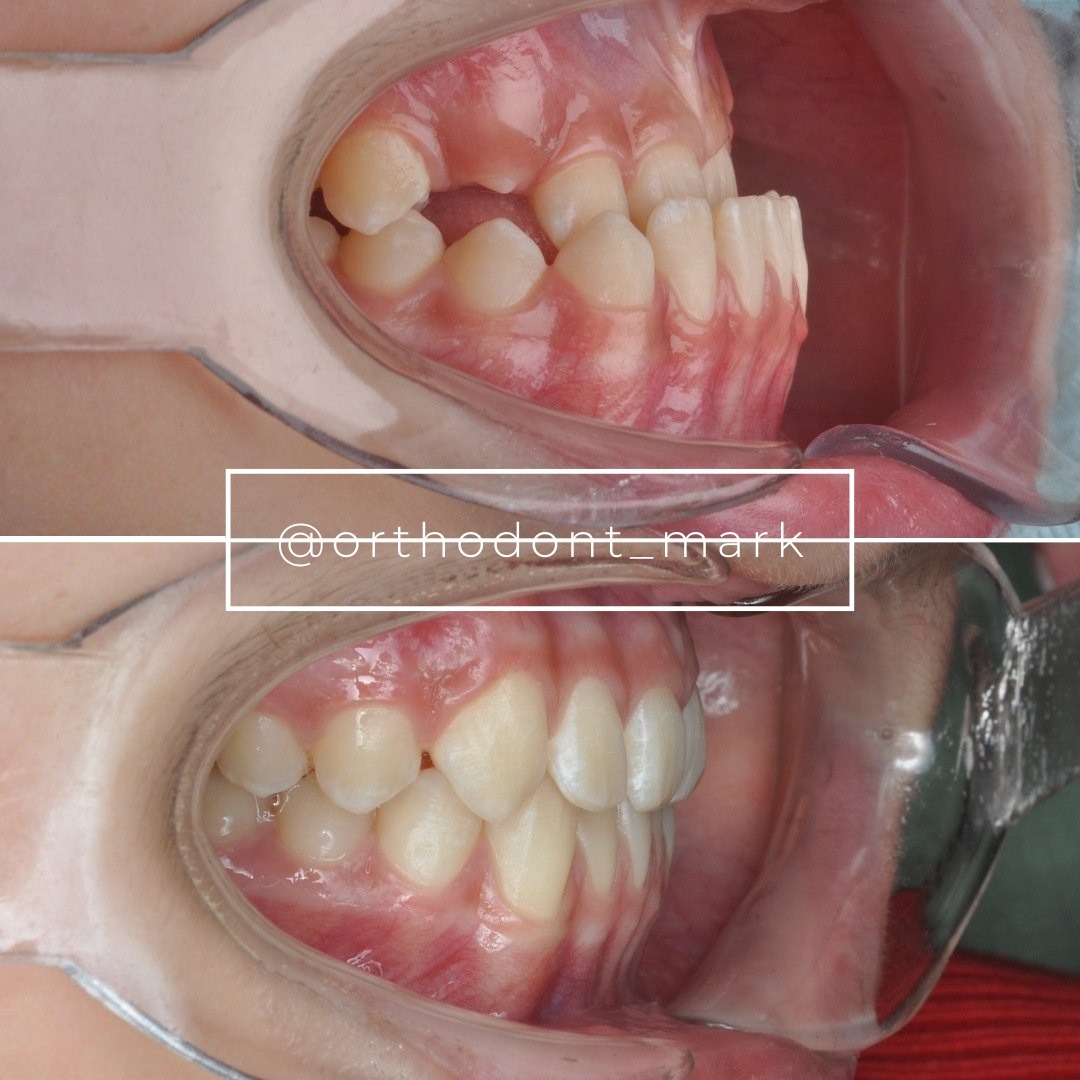
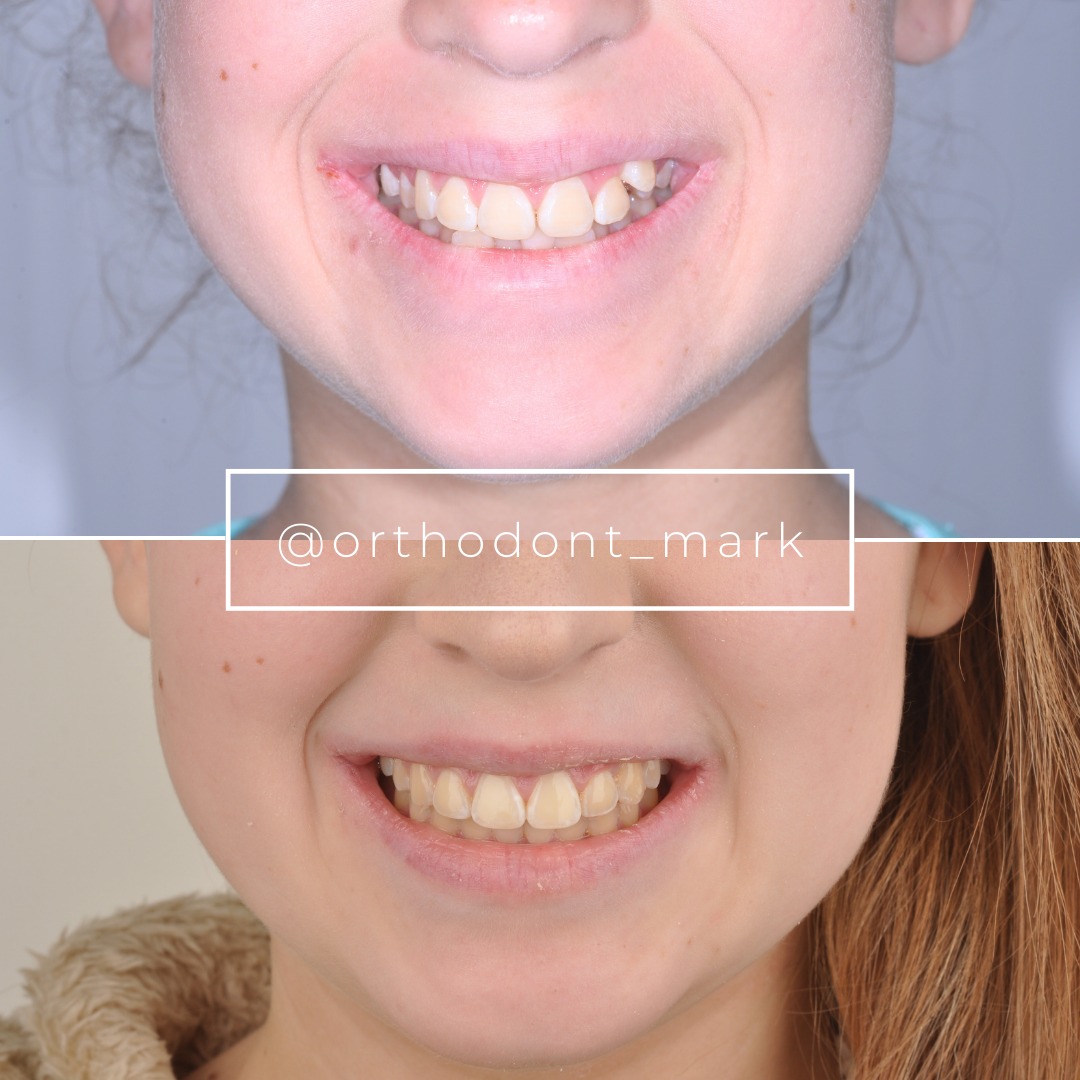
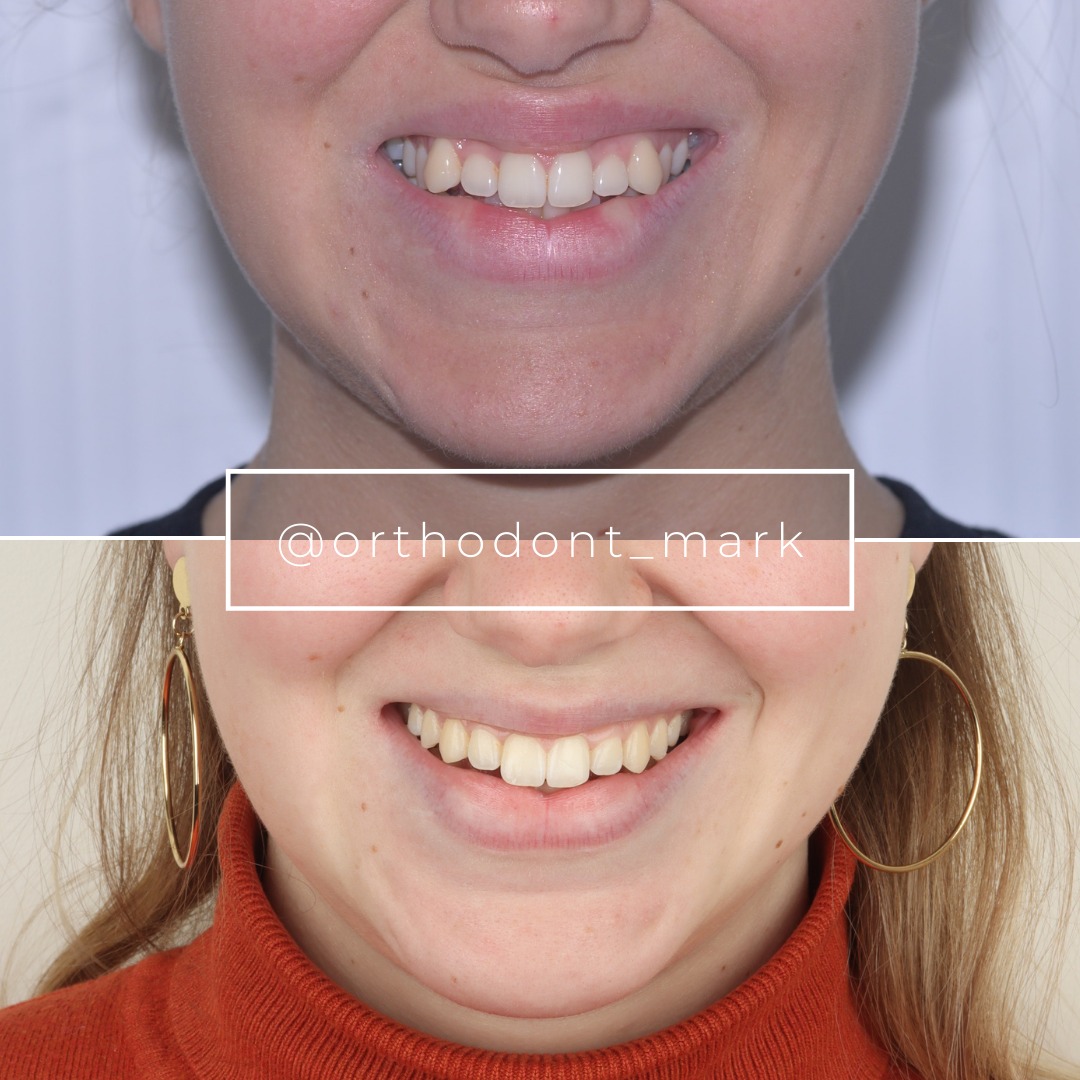
Clinical cases from Dr. Mark Radzhabov's practice
Learn the full MARPE protocol from Dr. Mark Radzhabov
Fundamental course covering CBCT patient selection, miniscrew planning, activation protocols, and 60+ clinical cases. Choose the access level that fits your practice.
Essentials of rapid palatal expansion for practicing orthodontists.
- Core RPE concepts and biomechanics
- 6 structured video lessons
- Clinical decision checklists
- Lifetime access to recordings
Deep-dive into MARPE protocol, diagnostics, and clinical execution.
- 6 modules covering MARPE from A to Z
- CBCT case selection walkthroughs
- Miniscrew placement and activation
- 60+ annotated clinical cases
- Direct Q&A with Dr. Mark Radzhabov
5-element medical consultation framework for dentists and orthodontists.
- Trust-building consultation protocol
- 5 lesson modules
- Templates for treatment plan delivery
- Works with any clinical specialty
Clinical FAQ
How does cone beam CT palatal assessment differ from intraoral radiographs for staging?
CBCT provides 3D axial, coronal, and sagittal views at 0.3 mm resolution, showing suture morphology with spatial precision. Intraoral radiographs show only 2D density and cannot assess regional fusion variation. CBCT is the imaging standard for midpalatal suture evaluation.
At what bone density should I decline MARPE in favor of surgical intervention?
Hounsfield units below 400 HU in anterior cortical bone suggest poor miniscrew stability. Combined with Stage D or E morphology, surgical referral is indicated. Use bone window CBCT measurements to inform candidacy decisions.
Can expansion occur successfully in Stage D if miniscrew insertion depth is increased?
No. Greater insertion depth cannot overcome the biomechanical resistance of fused bone. Stage D patients achieve only 1.9–2.2 mm true skeletal gain with MARPE alone. SARPE is the predictable option in this population.
Which palatal suture region fuses first during skeletal maturation?
The posterior region near the posterior nasal spine fuses first, followed by middle and anterior regions. Assess all three areas because maturation is not uniform. A patient may be Stage B posteriorly yet Stage C anteriorly.
How frequently should I monitor miniscrew angulation in Stage C cases?
Obtain periapical radiographs every 2 weeks in Stage C patients to detect early loosening or bone loss. Stage A–B may extend to 4-week intervals due to superior bone stability.
What retention timeline is evidence-based for Stage C expansion?
Stage C patients require 18–24 months of continuous fixed retention due to relapse potential of 15–25%. Stage A–B may progress to night-time retention after 6–9 months. Many tolerate early transition.
Does asymmetric suture fusion (right Stage D, left Stage C) require different miniscrew placement?
Yes. Place miniscrews on the more mature (fused) side to distribute load on stronger bone and reduce tilting forces. Bilateral assessment guides asymmetric appliance design and load distribution strategy.
How should I interpret beam-hardening artifact obscuring the suture in CBCT?
Artifact from restorations or prior implants may obscure suture morphology on axial slices. Request coronal and sagittal reconstructions to visualize fusion patterns without artifact interference.
What activation rate is safe for Stage B patients under age 25?
Stage B patients age <25 tolerate 1.0–1.2 mm per week due to high bone remodeling capacity. Monitor for dentoalveolar tipping and ensure true skeletal response via lateral CBCT at week 4–6 of expansion.
Should I stage the suture before or after the initial orthodontic consultation?
Stage before consultation. Suture maturation status determines treatment pathway and informs patient counseling about timeline, retention duration, and surgical likelihood. Staging is prerequisite to treatment planning, not post-diagnostic.
Accurate assessment of midpalatal suture maturation on CBCT is no longer optional—it is the foundation of safe, predictable adult expansion. Whether you pursue miniscrew-assisted rapid palatal expansion or recommend surgical intervention, the radiographic evidence must guide your clinical decision. Dr. Mark Radzhabov's clinical framework demonstrates that staging reduces relapse risk and improves skeletal gain consistency. Review your current imaging protocol and consider enrolling in structured education on CBCT suture analysis. Request a case consultation through Orthodontist Mark to refine your patient selection criteria.