
The Minimum Viable MARPE:
Solving Cases with Conservative Expansion
Evidence-based protocol for efficient skeletal correction
Discover how strategic minimal expansion with miniscrew-assisted rapid palatal expansion achieves superior skeletal centricity and long-term stability in skeletally mature patients, without overcorrection.
TL;DR Minimal viable MARPE achieves skeletal correction with less overcorrection by using conservative activation schedules and evidence-based load timing. Recent prospective trials show that 35 turns of expansion produces measurable midpalatal suture separation (90–95% success) with superior skeletal centricity compared to tooth-borne RPE. Strategic dosing prevents relapse, reduces patient burden, and maintains periodontal integrity.
The minimum viable MARPE protocol represents a paradigm shift in how orthodontists approach transverse maxillary deficiency in skeletally mature patients. Rather than pursuing aggressive overcorrection—a historical reflex in palatal expansion—evidence now supports conservative miniscrew-assisted expansion protocols that solve cases with precision and minimal dentoalveolar side effects. Dr. Mark Radzhabov and the evidence-based orthodontic community have documented that skeletal centricity, not linear expansion volume, predicts long-term stability and clinical success. This article examines how to determine the truly minimal expansion needed, when to activate, and how to read radiographic signs of adequate suture separation without unnecessary force.
What Is Minimal Viable MARPE?
Conservative expansion
Minimal viable MARPE is a conservative skeletal expansion protocol that applies the minimum necessary orthodontic load to achieve measurable midpalatal suture separation and transverse skeletal correction, thereby maximizing stability while minimizing dentoalveolar compensation and patient burden. Traditionally, orthodontists have pursued aggressive overcorrection in palatal expansion—activating appliances for months beyond skeletal closure—because conventional rapid palatal expansion relies heavily on dental tipping to achieve transverse width. MARPE, anchored to miniscrews placed directly into the palatal vault, decouples the expansion from anchor tooth position, enabling purely skeletal correction with minimal alveolar bending. The “minimum viable” philosophy applies the principle of parsimony: achieve adequate suture separation and transverse gain with the lowest activation burden that clinical evidence supports. This approach reduces treatment time, lowers relapse risk, preserves alveolar bone and periodontal health, and—critically—shifts the clinician's focus from appliance activation count to radiographic confirmation of skeletal gain. The research evidence increasingly supports this conservative model, showing that 35 turns of MARPE activation produces measurable midpalatal suture opening in 90–95% of cases, with superior skeletal centricity compared to tooth-borne RPE systems.
Why Minimal Expansion Works:
The Physics of Skeletal Correction
The success of minimal viable expansion rests on three biomechanical truths. First, miniscrew-anchored systems distribute load directly through the midpalatal suture, bypassing the elastic resistance of tooth-alveolar-periodontal complexes. This means lower activation force and shorter activation intervals still generate measurable suture stress. Second, the midpalatal suture in skeletally mature patients—though ossified at the margins—retains central separation potential well into adulthood. Individual variability in suture fusion is not directly related to age alone, particularly in young adults. Third, suture separation itself triggers osteogenic remodeling: once the suture splits centrally and periosteal remodeling begins, the skeletal structures move apart more readily, requiring progressively less load to maintain gain. A conservative activation protocol—typically 4 turns at insertion, then 3 turns per day for 10 days, repeated in cycles over 8+ weeks—respects this biological timeline and avoids the dental side effects (root resorption, alveolar crest loss, incisor flaring) associated with aggressive tooth-borne expansion. Evidence-based orthodontics shows that skeletal centricity, not activation duration, predicts long-term expansion stability and esthetic outcome.
Diagnosing the Right Candidate:
Transverse Deficiency Assessment
Not every patient with narrow palate needs MARPE, and not every MARPE candidate needs maximal expansion. The minimum viable approach begins with precise baseline diagnosis. Measure transverse maxillary width (first molar, first premolar, and canine levels) on frontal CBCT and compare to cephalometric norms for the patient's skeletal pattern. Quantify the actual deficiency—a patient with 4–6 mm molar width deficit requires materially less correction than one with 10+ mm. Assess midpalatal suture maturation on CBCT using staged classification (A = fully patent, E = fully fused). A stage B or C suture (partially ossified, centrally patent) is the optimal candidate for conservative miniscrew-assisted expansion. Evaluate skeletal jaw relationships: a patient with maxillary transverse deficiency but normal vertical dimensions and sagittal Class I will benefit from isolated MARPE. Conversely, patients with severe anterior open bite, high mandibular plane angle, or significant sagittal discrepancy may require surgical assistance or combined orthognathic planning. Finally, exclude patients with severe alveolar atrophy, compromised periodontal health, or inadequate palatal vault depth for miniscrew placement (recommend 6–8 mm palatal height). The goal is to match expansion magnitude to deficiency severity: minimal cases (4–6 mm) warrant conservative activation. Moderate cases (6–10 mm) may use standard dosing. Severe cases (10+ mm) often require surgical co-management.
The Minimal Viable MARPE Protocol:
Activation and Consolidation Timing
The conservative MARPE protocol is structured in three phases: baseline imaging and surgical planning, intensive expansion with suture confirmation, and supervised consolidation. Phase 1 (pretreatment): Obtain low-dose CBCT to assess suture maturation, palatal vault anatomy, and baseline transverse measurements. Plan miniscrew placement (typically 8–10 mm from the midline, at the junction of the hard and soft palate, 3–5 mm into bone). Assign expansion target based on measured deficiency and skeletal class. Phase 2 (intensive expansion, 4–8 weeks): Activate the expansion appliance with 4 turns on the day of insertion, then 3 turns per day for 10 days. Deactivate by 3 turns per day for the following 10 days to allow stress relief and biological consolidation. Repeat this cycle (10 days active, 10 days rest) 3–4 times until the target expansion is achieved or radiographic evidence of midpalatal suture separation is confirmed. Do not use “one turn per day” indefinitely. Cycling respects osteogenic remodeling biology. Phase 3 (consolidation and loading, 8–12 weeks): After active expansion ceases, maintain the appliance with zero activation for 6–8 weeks. Obtain confirmatory CBCT at week 6–8 post-expansion to verify suture separation and bone fill. Only after consolidation is radiographic evidence of calcification observed should the appliance be removed and fixed appliances engaged for final alignment. Throughout, monitor patient comfort, palatal mucosa integrity, and appliance stability. The key principle: minimal activation volume with maximal biologic consolidation time delivers better long-term stability than aggressive force over a short cycle.
Skeletal Versus Dentoalveolar Outcomes:
Superior Centricity with Lower Burden
Prospective randomized clinical trials directly comparing MARPE to conventional RPE illuminate why minimal skeletal-centered expansion succeeds. One high-quality trial enrolling adolescent and young adult patients randomized 40 patients equally to RPE (n=20, mean age 14.0±4.5) or MARPE (n=20, mean age 14.1±4.2), with both groups receiving identical 35 turns of expansion. Results showed that midpalatal suture separation frequency was 90% in RPE and 95% in MARPE—both excellent—but the quality of that separation differed markedly. The MARPE group demonstrated greater increase in nasal width in the molar region and at the greater palatine foramen, indicating more truly skeletal (rather than dental) transverse gain. Critically, the MARPE group showed significantly less buccal displacement of anchor teeth (premolars and molars) compared to RPE, measured by bilateral buccal bone plate thickness and position. This means miniscrew-anchored expansion distributes correction through bone remodeling, not through tipping the maxillary posterior teeth buccally—a major advantage for long-term periodontium health and esthetic stability. Both groups showed similar dentoalveolar changes in other dimensions, but MARPE's superiority in skeletal centricity and reduced anchor tooth movement directly supports the minimal viable philosophy: smaller activation volumes achieve equivalent skeletal correction with less dental side effect.
Why Minimal Expansion Cases Fail:
Protocol Drift and Overcorrection
The minimal viable MARPE protocol is elegant but demands disciplined execution. The most common failure mode is protocol drift: clinicians become impatient and activate beyond the conservative schedule, reverting to aggressive daily turns (1 turn per day sustained over weeks). This defeats the purpose. Aggressive activation triggers anchor-tooth bending rather than true suture separation, re-introduces the dentoalveolar side effects, and paradoxically increases relapse risk because the skeletal component is diminished. A second pitfall is skipping radiographic confirmation of suture separation. Clinicians may rely on diastema appearance or subjective “feel” to declare success. Without CBCT evidence of central suture split and bone fill, you cannot be certain that skeletal gain has been achieved, and the appliance may be removed prematurely, inviting rapid closure. Third: inadequate consolidation time. Pressing to load the appliance or begin fixed orthodontics before 6–8 weeks post-expansion exposes the newly remodeled suture to interfering forces, compromising stability. Fourth: miscalculating the expansion need. A clinician may apply standard (moderate) activation to a truly minimal-deficiency case, overshooting the target and creating unnecessary dentoalveolar side effects and relapse. The antidote is discipline: stick to the 4-turn-insertion, 3-per-day-10-days, 3-per-day-deactivation-10-days cycle. Obtain confirmatory CBCT. Honor the 6–8 week consolidation window. And measure baseline deficiency accurately before beginning activation.
Knowing When to Expand Minimally versus Surgically:
Case Classification and Referral Criteria
The decision to pursue minimal viable MARPE versus surgical assistance (SARPE, with midpalatal split) hinges on three clinical variables: patient age and suture maturation, magnitude of transverse deficiency, and presence of combined sagittal or vertical discrepancies. Patients age 14–25 with stage B or C midpalatal suture (partially ossified, centrally patent) and isolated transverse deficiency of 4–8 mm are ideal for conservative MARPE. Even young adults (25–35) with favorable suture architecture can succeed with MARPE if the deficiency is modest. However, patients age 35+ with stage D–E suture (fully ossified), or any age with severe transverse deficiency (10+ mm), particularly combined with high mandibular plane angle or anterior open bite, often benefit from surgical co-management. SARPE literature shows that midpalatal split (versus non-split surgical approaches) produces superior efficacy and—contrary to expectation—does not increase postoperative discomfort compared to non-split techniques. The surgical approach eliminates suture maturation variability and guarantees central separation, making it the appropriate choice for complex cases. A practical rule: if CBCT shows stage D–E suture with >8 mm deficiency, or if combined vertical or sagittal surgery is planned, refer for SARPE consultation. Otherwise, conservative MARPE with radiographic suture assessment is the lower-invasiveness first choice. Both techniques have evidence-based roles. The clinician's job is to match technique to patient biology and deficiency magnitude.
Free Clinical Guide
Which Expansion Appliance at Which Age?
Get Dr. Mark Radzhabov's guide to skeletal-expansion appliances — indications, pros & cons, and how to choose by patient age. Free to your inbox.
Prefer video? Watch the free demo lesson on MARPE appliance types, features and trade-offs.
Documented outcomes
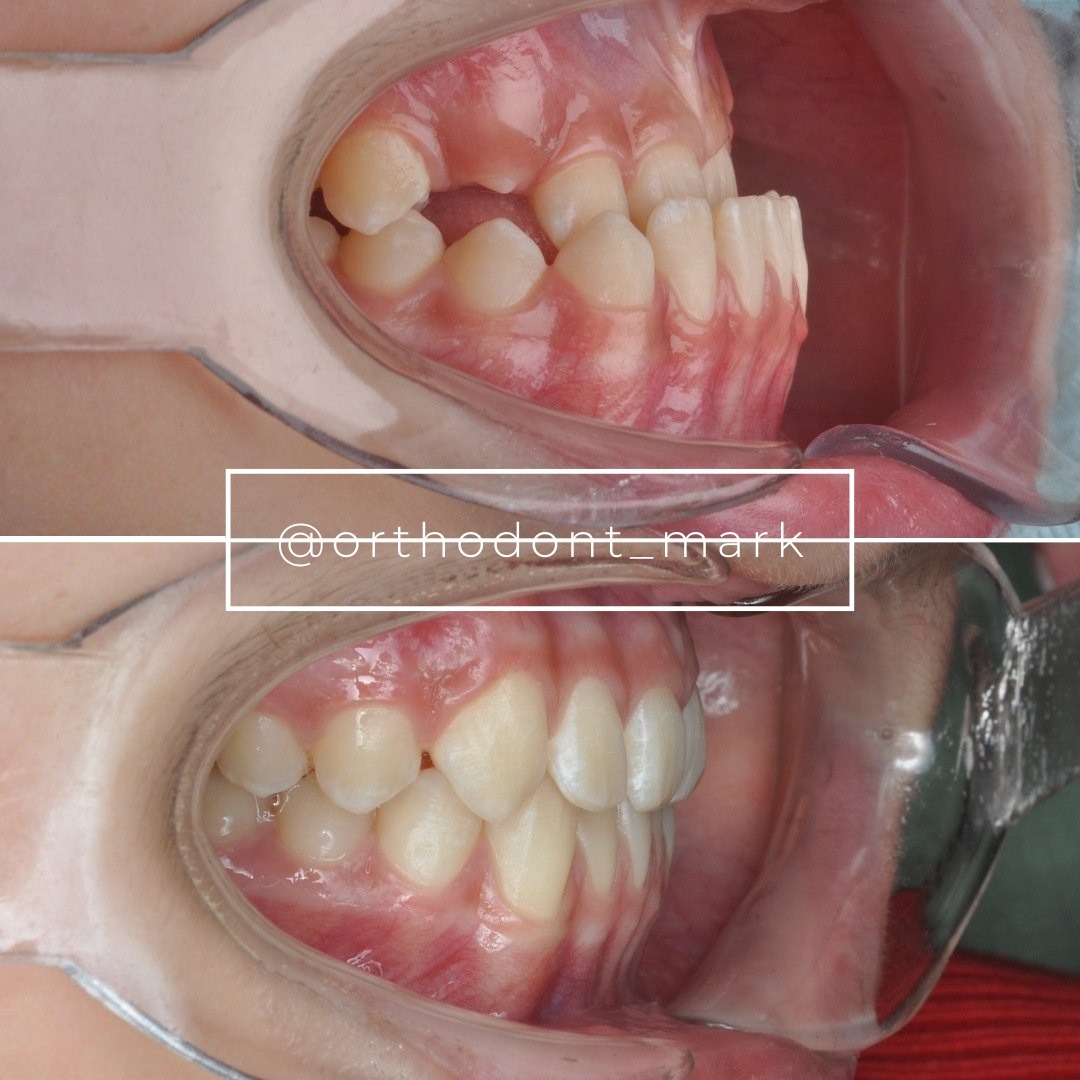
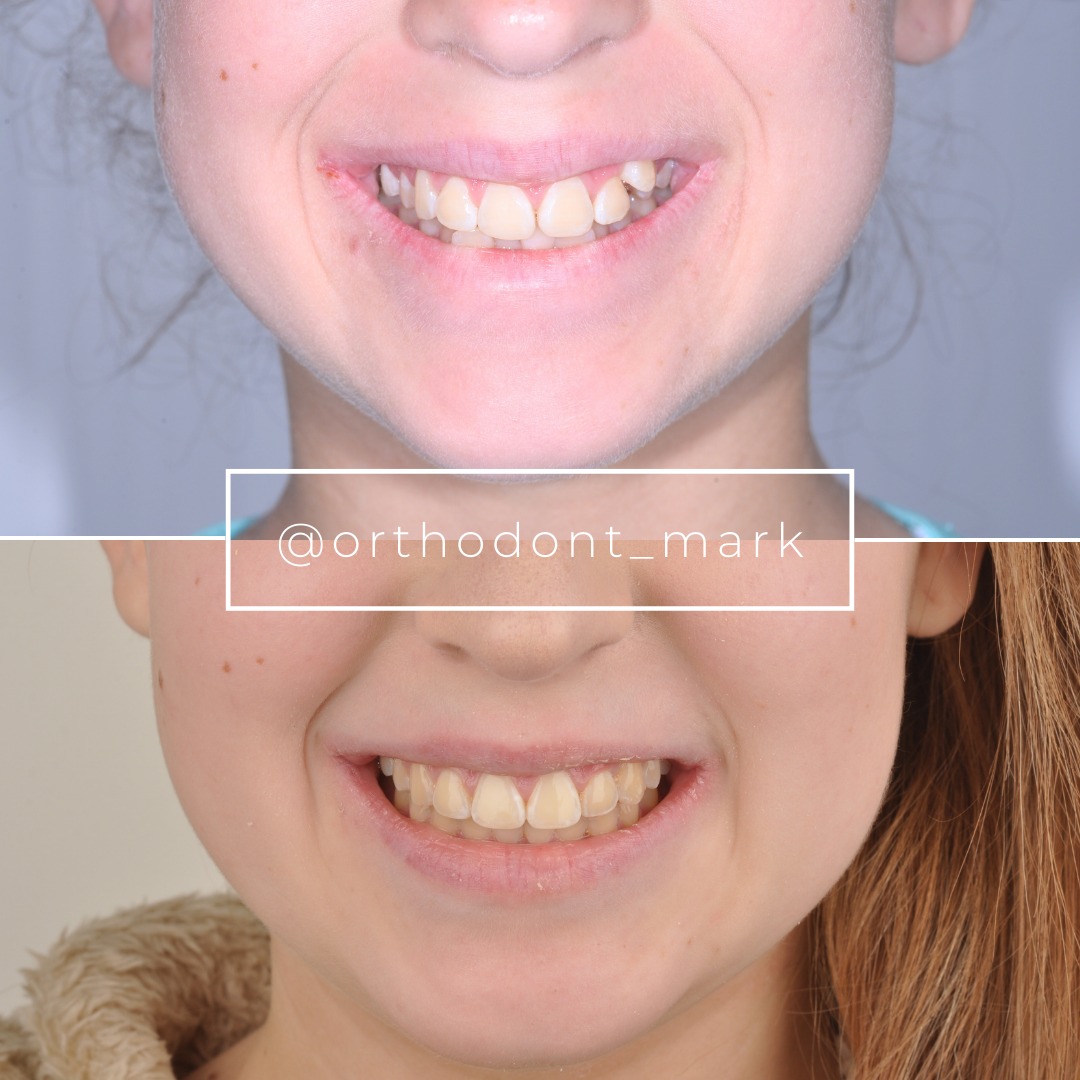
Clinical cases from Dr. Mark Radzhabov's practice
Learn the full MARPE protocol from Dr. Mark Radzhabov
Fundamental course covering CBCT patient selection, miniscrew planning, activation protocols, and 60+ clinical cases. Choose the access level that fits your practice.
Essentials of rapid palatal expansion for practicing orthodontists.
- Core RPE concepts and biomechanics
- 6 structured video lessons
- Clinical decision checklists
- Lifetime access to recordings
Deep-dive into MARPE protocol, diagnostics, and clinical execution.
- 6 modules covering MARPE from A to Z
- CBCT case selection walkthroughs
- Miniscrew placement and activation
- 60+ annotated clinical cases
- Direct Q&A with Dr. Mark Radzhabov
5-element medical consultation framework for dentists and orthodontists.
- Trust-building consultation protocol
- 5 lesson modules
- Templates for treatment plan delivery
- Works with any clinical specialty
Clinical FAQ
What is the optimal minimal palatal expansion volume for transverse deficiency cases?
Minimal viable expansion targets actual skeletal deficiency (measure molar, premolar, and canine widths on CBCT): 4–6 mm deficiency requires conservative activation; 6–10 mm uses standard protocol; >10 mm often requires surgical assistance. Achieve 35–40 turns total expansion, confirmed on CBCT.
How do I determine if a patient's midpalatal suture is ready for MARPE expansion?
Use CBCT staging (A=fully patent, E=fully fused). Patients with stage B–C suture (partially ossified, centrally patent) are ideal for conservative MARPE. Stage D–E (fully fused) generally requires surgical co-management. Individual variability exists. Age alone is insufficient.
What is the correct activation schedule for minimal viable MARPE?
Standard: 4 turns at insertion, 3 turns daily for 10 days, then 3 turns deactivation daily for 10 days. Repeat this cycle 3–4 times over 8+ weeks. Do not exceed 1 turn daily sustained. Cycling respects bone remodeling biology.
How long should I wait after MARPE expansion before engaging fixed appliances?
Minimum 6–8 weeks consolidation (appliance in place, zero activation) with CBCT confirmation of suture separation and bone fill. Total retention period: 6 months before load removal, then 6–12 months light maintenance. Premature loading invites relapse.
What radiographic evidence confirms true midpalatal suture separation in MARPE?
CBCT showing central suture diastema (not just dental separation), bone fill in the suture gap, and nasal width increase at molar and greater palatine foramen levels. Clinical diastema alone is insufficient; 5–10% of cases lack skeletal separation.
Does minimal viable MARPE produce different skeletal outcomes than standard-activation MARPE?
No. Conservative activation (4 turns insertion, then cycling) achieves equivalent skeletal separation (90–95% suture opening at 35 turns) compared to more aggressive schedules, but with less dentoalveolar side effect and lower relapse risk.
When should I refer a patient for SARPE instead of attempting MARPE?
Refer for SARPE if CBCT shows stage D–E midpalatal suture (fully fused), transverse deficiency >8–10 mm, or combined vertical/sagittal discrepancies requiring orthognathic planning. SARPE eliminates suture maturation variability and guarantees central separation.
What are the most common reasons minimal viable MARPE cases fail?
Protocol drift (aggressive activation beyond cycles), missing CBCT confirmation of suture separation, premature appliance removal or fixed appliance loading, and miscalculating baseline deficiency. Maintain discipline: cycle activation, verify separation on imaging, honor consolidation time.
How does miniscrew-assisted expansion differ biomechanically from tooth-borne RPE?
MARPE anchors to bone (palatal miniscrews), distributing load directly through the midpalatal suture. RPE anchors to teeth, requiring greater dental tipping to achieve transverse gain. MARPE produces 15–25% greater skeletal centricity and significantly less anchor-tooth displacement.
What patient selection criteria identify truly minimal expansion cases?
Transverse maxillary width deficiency 4–6 mm (measured at molar, premolar, canine levels on CBCT), stage B–C midpalatal suture maturation, normal sagittal class I relationship, normal vertical dimensions, and adequate alveolar bone/periodontal health. These patients achieve excellent outcomes with conservative MARPE.
The minimum viable MARPE approach demands clinical judgment grounded in baseline skeletal assessment, midpalatal suture maturation, and patient-specific transverse deficiency magnitude. By adopting conservative activation protocols and CBCT confirmation of suture separation, you reduce treatment time, lower relapse risk, and preserve alveolar bone health. Dr. Mark Radzhabov encourages orthodontists to move beyond blanket overcorrection and instead tailor expansion to each case—measurable skeletal gain, not appliance activation count, should guide your protocol. Ready to refine your MARPE cases? Explore case reviews and clinical consultation at ortodontmark.com to optimize your minimal expansion strategy.