
Miniscrew fracture MARPE:
diagnosis & retrieval
Evidence-based protocol for practitioners
Rare but critical: learn systematic diagnosis, cause analysis, and step-by-step retrieval techniques to prevent treatment delay and secondary complications.
TL;DR Miniscrew fracture during MARPE occurs when excessive stress, improper insertion angle, or material fatigue compromises screw integrity. Clinical diagnosis relies on mobility testing and radiography. Retrieval requires careful soft-tissue elevation, counter-torque application, and possible surgical extraction. Prevention through proper case selection and load management is superior to repair.
Mini-implant fracture during MARPE represents a rare but high-consequence complication that demands swift recognition and systematic management. Although miniscrew-assisted rapid palatal expansion achieves a high success rate—reported near 92.5% in recent systematic analysis—hardware failure can disrupt treatment continuity and compromise skeletal expansion goals. This article details the etiology of miniscrew fracture, clinical diagnostic protocols, and evidence-based retrieval techniques, drawing on clinical experience and peer-reviewed literature to equip orthodontists with a practical management framework. Dr. Mark Radzhabov's approach emphasizes prevention-first strategies and decision-ready algorithms for practitioners managing this challenging scenario.
What is miniscrew fracture in MARPE?
structural failure
Miniscrew fracture during MARPE is relatively uncommon. Studies suggest overall TAD failure rates (including loosening, mobility, and breakage) range from 3–15% depending on insertion technique, patient age, and bone density. Complete fracture—separation of the screw body—represents the most severe manifestation. Fracture occurs when shear or tensile stress exceeds material yield strength, typically during insertion (especially with high-speed torque), during the activation phase (when palatal forces exceed bone resorption tolerance), or during removal attempts. The titanium alloys (Ti-6Al-4V) and stainless-steel grades used in FDA-approved miniscrews are highly fatigue-resistant under normal clinical loading. Failure usually signals either insertion error, patient compliance failure (excessive jaw clenching, trauma), or underestimation of bone density resistance.
The clinical presentation varies. If fracture occurs at insertion, the practitioner may observe sudden loss of thread engagement or a sharp “pop” sensation. During activation, patients report sudden mobility, loss of resistance, or clicking. Post-fracture, the coronal fragment remains visible in the soft tissue and palatal mucosa, while the apical portion remains buried in bone. Both fragments must be retrieved to prevent chronic inflammation, foreign-body reaction, and secondary bone loss around the socket.
Two primary fracture patterns emerge: (1) neck fracture, occurring just below the undercut or collar, often due to high shear during insertion. And (2) body fracture, occurring mid-screw and usually reflecting cyclic stress fatigue during prolonged expansion. Radiographic diagnosis relies on periapical or cross-sectional CBCT imaging. Intraoral photography documenting coronal mobility also confirms the failure.
Causes of miniscrew fracture during MARPE
biomechanical & surgical
Miniscrew fracture causes fall into surgical, biomechanical, and patient-related categories. Surgical causes include insertion at an excessive angulation (deviating from the palatal curvature perpendicular, as recommended in insertion protocol), use of manual hand-drivers without torque feedback, over-insertion creating stress concentration at the collar, or insertion into inadequate bone volume (thin palatal mucosa, low crestal bone height, or previous extraction sites). High-speed contra-angle insertion without proper deceleration amplifies shear stress and can propagate micro-cracks in the screw body before full seating.
Biomechanical causes stem from excessive or uncontrolled expansion force. Although MARPE systems use 3–4 mm per activation (0.25 mm per quarter-turn), individual patient tolerance varies. Patients with dense, consolidated palatal bone or those with high muscular resistance (bruxism, clenching) may experience stress spikes that exceed fatigue limits. Asymmetric screw loading—when one miniscrew bears disproportionate force due to appliance angulation or uneven palatal anatomy—creates stress concentration and accelerates failure.
Patient-related causes include direct trauma (tongue pressure, chewing on the appliance, accidental impact), non-compliance with hygiene leading to peri-miniscrew inflammation and bone loss, or delayed healing from poor vascular supply. Older patients and those with compromised bone metabolism may show reduced osseointegration, rendering the screw more susceptible to cyclic loosening and eventual fracture.
Material defects (manufacturing flaws, inclusion, improper hardening) are rare in FDA-approved devices but remain a differential diagnosis when fracture occurs in ideal surgical and biomechanical conditions.
Clinical diagnosis of miniscrew fracture
mobility testing & imaging
Miniscrew fracture diagnosis begins with clinical suspicion. The practitioner should note loss of resistance during activation (the characteristic “hard feel” suddenly disappears), visible coronal mobility on gentle probing with an explorer or probe, or patient report of clicking, movement, or sharp discomfort at the site. Intraoral examination reveals mucosa inflammation, possible gingival recession around the implant, and frank mobility of the coronal portion when tested side-to-side with a dental probe or tweezers.
Radiographic confirmation is mandatory. Periapical radiographs taken at 0°, 30°, and 60° angulation help visualize radiolucency around the implant and detect fracture lines, particularly at the collar or mid-body. If doubt persists, cross-sectional CBCT imaging (restricted field-of-view, palatal region only, to minimize radiation) shows the fracture site, bone resorption pattern, and relationship to adjacent tooth roots and the median palatal suture. CBCT also guides retrieval planning by identifying screw depth and angulation.
Differential diagnosis must exclude screw loosening (mobile but intact), peri-miniscrew infection (inflammation without mobility), or stress-induced bone loss (mobility secondary to resorption rather than fracture). A loose but intact screw may be re-tightened or removed non-invasively. Fracture demands extraction. Isolate the site with gauze, apply gentle lateral pressure, and assess whether the coronal fragment moves independently of adjacent bone. If yes, fracture is likely. Absence of pus or suppuration suggests mechanical failure rather than infection. However, concurrent infection is possible if the fracture has been present for weeks.
Step-by-step miniscrew removal technique
surgical extraction
Pre-retrieval preparation is essential. Obtain informed consent, explain the brief discomfort and possible soft-tissue manipulation, and document the fracture site radiographically. Administer topical anesthesia (5% lidocaine gel or viscous solution) to the palatal mucosa for 1–2 minutes, then provide infiltration anesthesia (2% lidocaine with 1:100,000 epinephrine) in a wide zone around the miniscrew, allowing 3–5 minutes for diffusion. The epinephrine reduces bleeding and improves visualization.
Coronal fragment removal: If the coronal (exposed) fragment is mobile and accessible, it may be extracted first using forceps or tweezers with gentle upward-and-outward motion. Apply rotational force (counter-torque) only if the fragment remains threaded into bone. Continuous rotation without upward traction risks deepening the fracture or pushing the apical fragment deeper. If the coronal portion is fractured flush with mucosa, proceed directly to soft-tissue elevation.
Soft-tissue elevation: Using a #15 or #15c surgical blade, make a small incision (3–5 mm) directly over the screw site, angling slightly to preserve attached gingiva. Gently elevate a mucoperiosteal flap using a periosteal elevator, exposing 3–4 mm of the fracture site and surrounding bone. A surgical aspirator minimizes bleeding and maintains visibility. Avoid aggressive flap elevation. The palatal mucosa is thin and tears easily.
Apical fragment extraction: Once the apical portion (implant body buried in bone) is exposed, use a micromotor hand-piece with a 0.8 mm or 1.0 mm round bur to carefully enlarge the socket around the screw, removing 1–2 mm of surrounding bone (undercuts) to allow direct extraction. Work under magnification (2.5× surgical loupes or microscope) to prevent damage to adjacent tooth roots or the median palatal suture. Once undercuts are relieved, attempt gentle upward extraction using fine-tipped forceps or a small bone-file hook placed beneath the screw head. Avoid twisting. Apply steady, controlled vertical traction.
If the apical fragment remains deeply embedded, a 0.8 mm burr can create a vertical groove along one side of the screw, allowing a micro-file or self-tapping retrieval instrument to engage and extract it. Some practitioners use a small dental implant removal kit (designed for retrieval of failed dental implants). These include reverse-thread extractors and specialized forceps that grip the screw body directly. Once extracted, irrigate the socket with 0.05% chlorhexidine solution to disinfect and promote healing.
Wound closure: After complete debris removal, verify radiographically (intraoral or small-volume CBCT) that no screw fragments remain. Close the soft-tissue flap using 4–0 or 5–0 chromic gut or silk sutures with simple interrupted stitches, ensuring the flap lies flat and edges are in good approximation. Apply topical antibiotic ointment and post-operative instructions.
Complications of miniscrew fracture retrieval and prevention strategies
secondary damage & case selection
Retrieval complications include iatrogenic root trauma to adjacent teeth (especially maxillary first and second molars or premolars lying in close proximity to the midline), damage to the median palatal suture or its vasculature (risking excessive bleeding and post-operative swelling), and soft-tissue scarring or keloid formation in the palatal mucosa (rare but reported). Gentle technique, magnification, and detailed radiographic planning (especially CBCT to assess root proximity) minimize these risks. If dense scarring persists, a soft-tissue graft may be considered post-operatively.
Prevention of miniscrew fracture is the superior approach. Strategic measures include: (1) Proper case selection: Assess bone density, palatal anatomy, and patient age. Older patients, particularly males, show lower success rates in palatal expansion and higher risk of screw-related complications. Consider surgical assistance if age exceeds 45–50 and bone density is high. (2) Correct insertion technique: Place miniscrews perpendicular to the palatal curvature, use a calibrated torque hand-piece (15–25 Ncm), avoid over-insertion, and ensure adequate bone volume (minimum 6–8 mm inter-screw spacing). (3) Load management: Limit activation to 0.25 mm (quarter-turn) per week, monitor for patient compliance, and educate patients to avoid direct trauma or excessive clenching. (4) Monitoring: Check screw stability at each appointment using mobility testing and radiographic follow-up every 4–6 weeks during active expansion.
If loosening is detected early (before fracture), re-tightening with a hand-driver or removal and replacement of the screw may restore stability and prevent complete failure. Documentation of baseline screw position via radiograph allows comparison and early detection of movement or lytic changes.
Post-retrieval management and treatment resumption
socket healing & alternative mechanics
After miniscrew extraction, the palatal socket undergoes predictable healing over 4–8 weeks. Immediate post-operative (0–1 week): Apply cold compresses for the first 24 hours to reduce swelling, prescribe a broad-spectrum antibiotic (amoxicillin-clavulanate or azithromycin) to prevent infection, and recommend a soft diet with avoidance of hot foods. Analgesics (ibuprofen 600 mg TID or acetaminophen) manage discomfort. Chlorhexidine 0.05% rinses (2–3 times daily) promote wound hygiene without disrupting healing.
Weeks 2–4: Mucosal epithelialization is largely complete by week 2. At week 3–4, a follow-up periapical radiograph confirms complete extraction and assesses bone infill. Once radiographic healing is evident and the site is pain-free, the practitioner has three options: (1) Replacement miniscrew: Place a new screw 5–10 mm away from the original site, avoiding the resorbing socket. This is the preferred option if expansion is incomplete. (2) Single miniscrew continuation: If the contralateral screw is stable and properly loaded, asymmetric expansion can proceed with close monitoring. However, this may result in uneven palatal width gain and requires frequent radiographic assessment. (3) Hybrid or tooth-borne expansion: Transition to a conventional rapid palatal expander (RPE) or MSE (maxillary skeletal expander) with modified fixation if miniscrew-assisted expansion is no longer feasible.
From a biomechanical perspective, if one miniscrew fails mid-treatment, replacement is preferred over continuation with a single screw, as asymmetric loading risks collateral failure of the remaining implant and unpredictable skeletal response. Radiographic assessment of midpalatal suture separation guides the decision to resume expansion or consolidate gains with a transition phase.
Free Clinical Guide
Which Expansion Appliance at Which Age?
Get Dr. Mark Radzhabov's guide to skeletal-expansion appliances — indications, pros & cons, and how to choose by patient age. Free to your inbox.
Prefer video? Watch the free demo lesson on MARPE appliance types, features and trade-offs.
Documented outcomes
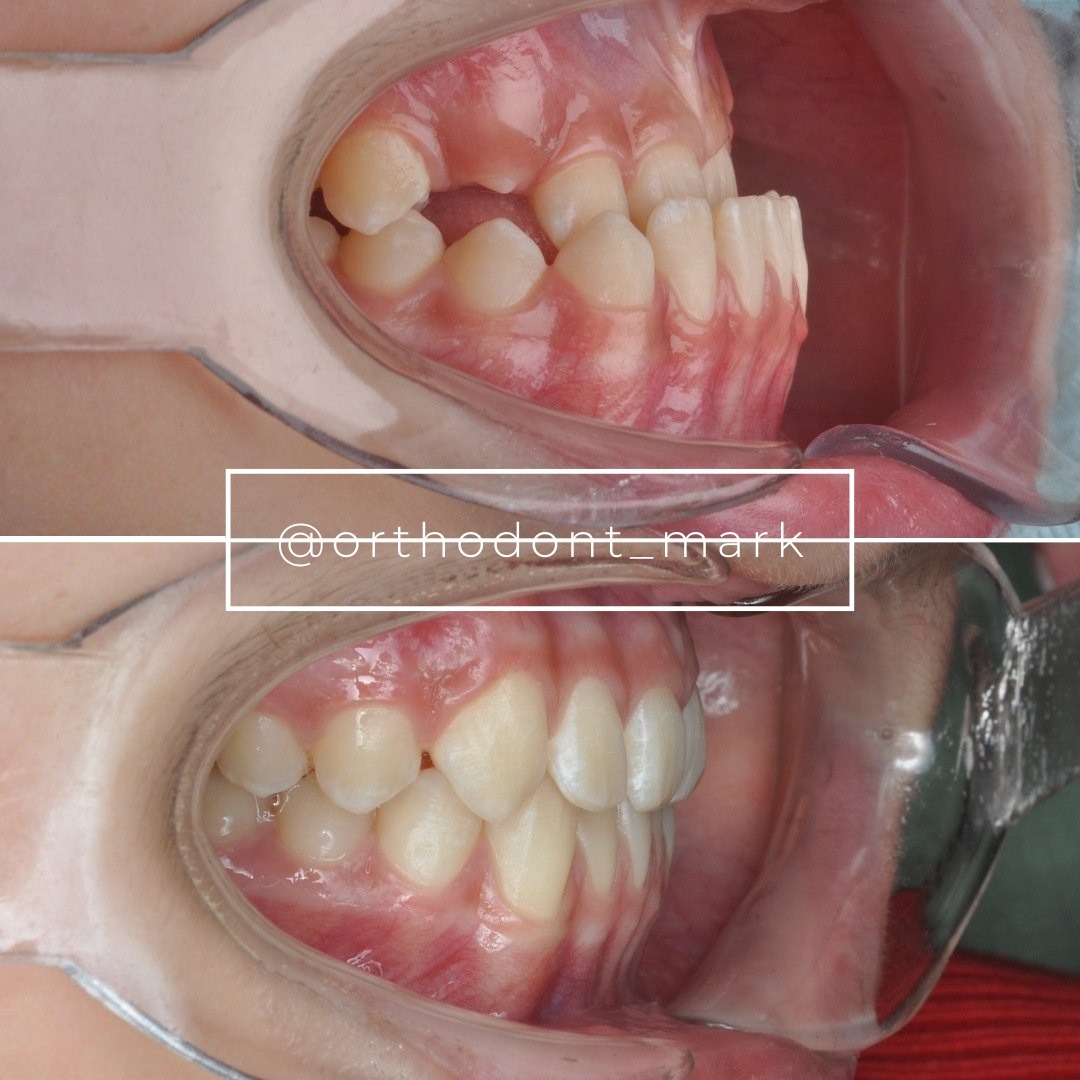
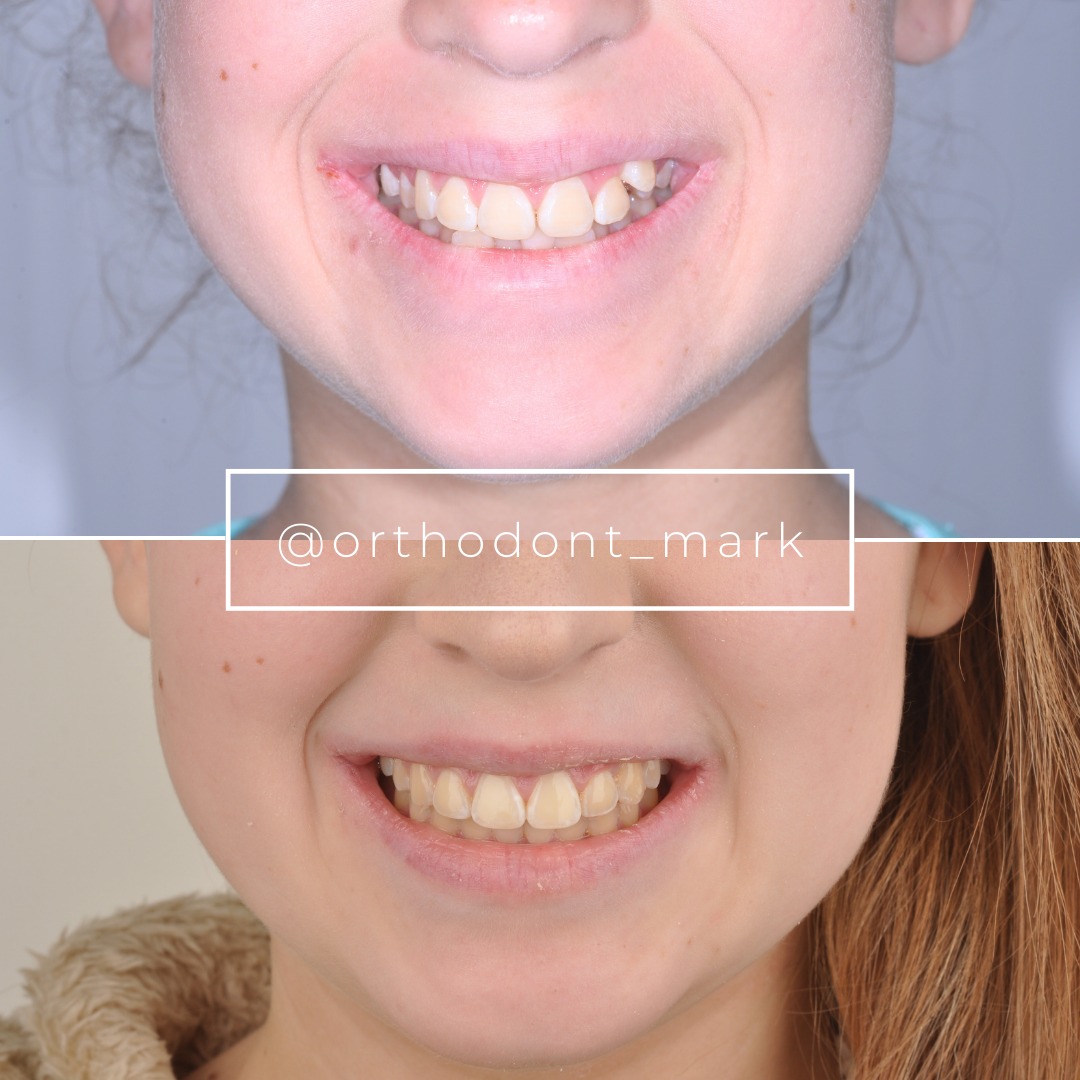
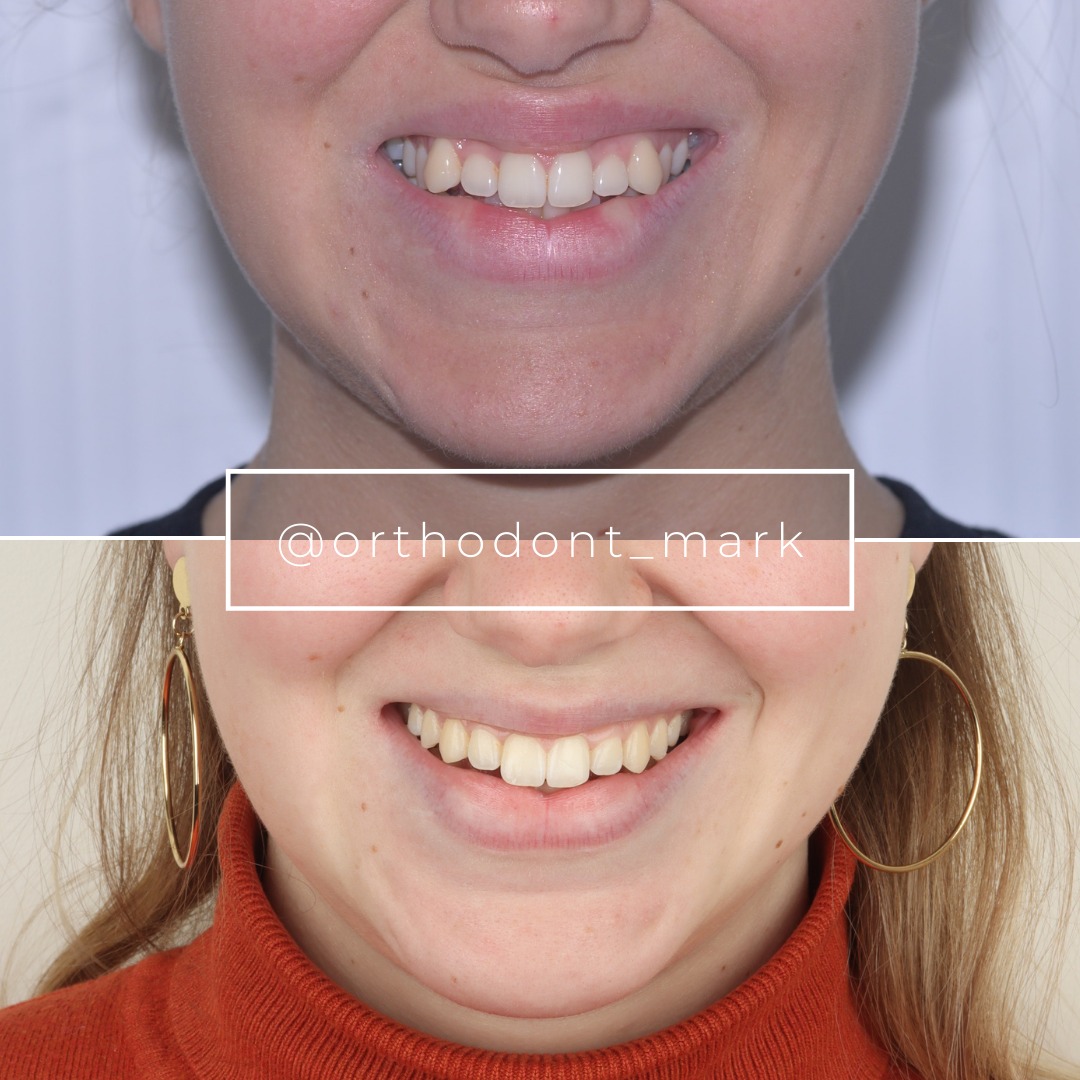
Clinical cases from Dr. Mark Radzhabov's practice
Learn the full MARPE protocol from Dr. Mark Radzhabov
Fundamental course covering CBCT patient selection, miniscrew planning, activation protocols, and 60+ clinical cases. Choose the access level that fits your practice.
Essentials of rapid palatal expansion for practicing orthodontists.
- Core RPE concepts and biomechanics
- 6 structured video lessons
- Clinical decision checklists
- Lifetime access to recordings
Deep-dive into MARPE protocol, diagnostics, and clinical execution.
- 6 modules covering MARPE from A to Z
- CBCT case selection walkthroughs
- Miniscrew placement and activation
- 60+ annotated clinical cases
- Direct Q&A with Dr. Mark Radzhabov
5-element medical consultation framework for dentists and orthodontists.
- Trust-building consultation protocol
- 5 lesson modules
- Templates for treatment plan delivery
- Works with any clinical specialty
Clinical FAQ
What is the incidence of miniscrew fracture during MARPE treatment?
Miniscrew fracture is uncommon, occurring in roughly 3–5% of MARPE cases. Overall TAD failure (including loosening and loss) ranges 3–15% depending on insertion technique and patient factors. Complete fracture is the most severe but least frequent failure mode.
How do I differentiate between a loose miniscrew and a fractured one?
A loose screw is mobile but intact—it may be re-tightened. A fractured screw shows independent mobility of the coronal fragment, typically with a distinct “give” or clicking sensation. Radiography confirms fracture via radiolucency or visible fracture line. Loosening shows halo effect without clear break.
What causes miniscrew fracture during MARPE—is it the screw quality?
FDA-approved miniscrews are fatigue-resistant. Fracture usually reflects insertion error (wrong angle, over-insertion), excessive load, asymmetric stress, patient trauma, or high bone density resistance. Material defects are rare in regulated devices.
Can I remove a fractured miniscrew without surgery or flap elevation?
If the coronal fragment is mobile and accessible, gentle removal with forceps may succeed. However, if the apical portion is deeply seated in bone, soft-tissue elevation under magnification is necessary to safely relieve periosteal undercuts and extract the embedded fragment.
What is the correct anesthesia protocol before miniscrew extraction?
Apply topical anesthesia (5% lidocaine gel) for 1–2 minutes, then infiltrate with 2% lidocaine + 1:100,000 epinephrine in a wide zone around the site. Wait 3–5 minutes for diffusion and vasoconstriction before incising, improving visualization and reducing bleeding.
How do I prevent root damage to adjacent molars during miniscrew retrieval?
Obtain pre-operative CBCT to assess root proximity to the fracture site. Use surgical magnification (2.5× loupes or microscope), a 0.8–1.0 mm burr under the microscope, and steady vertical (not rotational) extraction technique. Careful flap elevation and radiographic planning are essential.
After miniscrew extraction, how long must I wait before placing a replacement screw?
Soft-tissue healing is complete by 3–4 weeks. Radiographic bone infill is evident by week 4. Place the replacement screw 5–10 mm away from the original site to avoid the resorbing socket, once periapical radiographs confirm healing.
Can I continue MARPE with only one miniscrew after the other fractures?
Continuation with a single screw is not recommended. Asymmetric loading increases risk of contralateral screw failure and unpredictable skeletal response. Replacement of the fractured screw is preferred. If replacement is contraindicated, transition to hybrid or conventional RPE mechanics.
What radiographic findings confirm miniscrew fracture versus loosening?
Fracture shows a discontinuity line on multi-angle periapical or CBCT imaging, often at the collar or mid-body. Loosening presents as a radiolucent halo around the intact screw without a visible break. CBCT cross-section clarifies fracture location and guides retrieval depth.
Are older patients or specific sexes at higher risk for miniscrew fracture?
Literature indicates male patients and those over 45 years show lower MARPE success rates and higher complication risk, including hardware failures. Dense, consolidated palatal bone in older males increases fracture susceptibility. Careful case selection and load management are critical in this cohort.
Miniscrew fracture during MARPE, though uncommon, demands a systematic diagnostic and retrieval protocol that balances patient safety with treatment preservation. Early recognition through mobility testing and imaging, combined with deliberate extraction technique, minimizes secondary soft-tissue trauma and allows treatment resumption. The evidence and clinical protocols presented here reflect best practices from high-volume MARPE centers. For detailed case review, treatment planning guidance, or advanced protocol training, contact Orthodontist Mark's consultation team or enroll in the comprehensive MARPE clinical curriculum.