
Miniscrew selection for MARPE appliances
TAD sizing, insertion depth, and bone density protocol
Evidence-based specifications for grade 5 titanium TADs, anterior–middle palate placement, and bone density thresholds that minimize relapse and appliance failure in skeletal expansion.
TL;DR Miniscrew selection for MARPE appliances requires matching TAD diameter, length, and insertion depth to palatal bone anatomy and density. Grade 5 titanium alloy miniscrews (1.4–1.6 mm diameter, 8–10 mm insertion depth) placed in the anterior–middle palate provide optimal anchorage and minimize relapse risk in skeletal expansion protocols.
Selecting the correct miniscrew dimensions and placement site represents one of the most critical decisions in miniscrew-assisted rapid palatal expansion protocol design. In this article, Dr. Mark Radzhabov examines the evidence-based criteria for miniscrew selection for MARPE appliances—TAD diameter optimization, insertion depth, bone density thresholds, and material composition—drawing on biomechanical research and a decade of clinical protocol refinement. Clinicians who apply these selection principles reduce treatment time, improve skeletal response, and avoid common complications including premature screw failure and off-axis movement. This reference provides the anatomical and material specifications needed to match miniscrews to individual patient bone architecture.
What defines optimal miniscrew specification
for palatal expansion devices?
Miniscrew selection for palatal expansion requires matching three primary variables: diameter (1.4–1.6 mm), insertion depth (8–10 mm into compact bone), and material grade (titanium alloy grade 5). These parameters are not interchangeable. Each controls a distinct biomechanical function. Diameter determines load-bearing capacity and cortical bone engagement. A 1.6 mm TAD penetrates cortical bone more reliably than a 1.2 mm screw, particularly in posterior palatal sites where bone density varies. Insertion depth governs resistance to torque and lateral movement. Miniscrews inserted only 4–5 mm into the palate risk early mobility and appliance loosening under the 2–3 mm weekly load characteristic of rapid expansion protocols.
Grade 5 titanium alloy (Ti-6Al-4V ELI) provides a modulus of elasticity around 103 GPa, offering superior corrosion resistance in the oral environment and tensile strength exceeding 880 MPa. Stainless steel alternatives (typically 300–350 HV hardness) corrode more readily in saliva and are reserved for short-term temporary anchored devices. The anterior and middle thirds of the hard palate—lateral to the median raphe and anterior to the greater palatine foramen—offer the highest bone density (900–1200 Hounsfield units in most adults), making these zones the preferred insertion sites for MARPE miniscrews.
Clinical insertion depth varies by patient age and bone maturity. A 35-year-old with stage C midpalatal suture anatomy (dense, partially ossified) typically tolerates 9–10 mm insertion. A 55-year-old in stage D (fully ossified) may require only 7–8 mm before contacting nasal mucosa. Preoperative cone-beam computed tomography with Hounsfield measurement at the insertion region (region-of-interest cursor technique) standardizes this assessment and eliminates guesswork.
How bone density affects miniscrew stability
and insertion site selection
Bone density—measured in Hounsfield units (HU) on cone-beam computed tomography—is the strongest anatomical predictor of miniscrew stability in rapid palatal expansion. Anterior palate density typically ranges 900–1200 HU. Middle palate 700–1000 HU. Posterior palate (near greater palatine foramen) 400–700 HU. Miniscrews inserted into sites with density below 600 HU experience 2–3 times higher early mobility and appliance loosening under expansion load. Conversely, miniscrews in the anterior and middle thirds—where cortical bone is densest—remain stable for 6–8 months under continuous 500–800 g weekly load (typical for MSE and MARPE appliances).
The anterolateral palate (roughly 3–6 mm lateral to the median raphe, between the anterior and middle thirds) combines optimal bone density with adequate keratinized tissue coverage, minimizing surgical site morbidity and patient discomfort. Dr. Mark Radzhabov's protocol recommends placing two miniscrews 10–12 mm apart in this zone, with each screw insertion depth individually calculated from cone-beam computed tomography cross-sections. Bone density below 500 HU in either insertion site is a relative contraindication. Consider surgical sectioning of the midpalatal suture (SARPE) or deferral of MARPE expansion in such patients.
Age-related bone density also influences protocol. Adults over 50 years old typically exhibit denser palatal bone (1000–1300 HU anteriorly) but partial or complete ossification of the midpalatal suture (stage C or D), which limits skeletal gain to 4–6 mm even with adequate miniscrew anchorage. Younger adults (30–45 years) show lower density but patent sutures (stage A or B), allowing 8–10 mm of true skeletal expansion. Bone density alone is not a stronger predictor of midpalatal split than suture maturity. Both must be assessed in combination.
Optimal TAD length and miniscrew angulation
TAD length and angulation
for predictable skeletal expansion
Miniscrew insertion depth in MARPE protocol ranges 8–10 mm for adults with stage B–C sutures; 6–7 mm for stage D (fully ossified). This depth ensures bicortical engagement in the hard palate while avoiding penetration into the nasal cavity. Insertion angle should be perpendicular (90°) to the palatal surface to distribute load evenly across both cortical layers and prevent shear failure at the bone–screw interface. Angulation deviations >10° from perpendicular increase bending moment on the miniscrew neck, elevating failure risk by 40–50% under typical expansion loads.
Miniscrew placement begins with cone-beam computed tomography measurement: identify the insertion site (anterolateral palate, 3–6 mm lateral to median raphe), measure bone density with region-of-interest cursor (verify >600 HU), and calculate depth (total hard palate thickness minus 2 mm clearance to nasal mucosa). Two miniscrews are placed 10–12 mm apart in a divergent pattern (roughly parallel to posterior nasal spine) to resist torque and lateral tipping during rapid expansion. After 24–48 hours of bone integration, a 0.25 mm weekly load (approximately 500 g initial force) is applied via the MARPE or MSE appliance. Load is then increased to 0.5–1.0 mm per week for 12–16 weeks, depending on suture maturity and skeletal response observed on monthly panoramic radiographs.
Premature miniscrew failure (loosening or fracture) occurs in 3–5% of cases and is almost always attributable to inadequate insertion depth, placement in low-density bone, or excessive angulation at insertion. Preventive measures include: (1) pre-insertion cone-beam computed tomography planning with Hounsfield measurement, (2) use of a surgical guide template to maintain perpendicular angulation, and (3) avoidance of sites with visible trabecular inversion on cross-sectional imaging (sign of severe osteopenia).
Why grade 5 titanium dominates miniscrew
titanium composition
selection in rapid expansion appliances
Grade 5 titanium alloy (Ti-6Al-4V ELI, extra-low interstitial) is the material standard for bone-borne expander miniscrews because it combines tensile strength exceeding 880 MPa with a modulus of elasticity around 103 GPa—properties that allow safe load transmission under rapid expansion protocols without catastrophic neck fracture. Stainless steel alternatives (typically 304 or 316 grade) exhibit lower modulus (~190 GPa), making them stiffer and more prone to sudden brittle fracture under cyclic torsion. More critically, stainless steel corrodes in the oral environment within 4–6 weeks of continuous exposure to saliva, leading to material degradation, reduced pullout strength, and eventual screw loosening.
Miniscrew thread design also influences stability. Self-tapping threads with 1.75 mm pitch (distance between consecutive threads) engage bone more effectively than blunt-ended designs and reduce insertion torque by 25–30%, lowering surgical trauma to cortical bone. Miniscrews with tapered shafts (larger diameter at head, smaller at tip) distribute stress more evenly across the bone–implant interface than cylindrical designs, reducing shear failure risk. Dr. Mark Radzhabov's protocol specifies miniscrews with tapered shafts, self-tapping threads, and a hexagonal head (for driver grip stability) in 1.4 mm or 1.6 mm diameter.
Quality control in miniscrew manufacturing varies significantly across brands. FDA-cleared or CE-marked devices undergo mechanical testing and corrosion analysis. Off-label or non-certified screws may lack these safeguards. Verify that purchased miniscrews are manufactured from grade 5 titanium alloy (check material certification document), possess hexagonal heads (not straight slots, which are prone to stripping), and are supplied sterile in sealed packaging. Cost difference between high-quality and substandard miniscrews is typically $5–15 per unit. This investment in material reliability prevents costly appliance failure mid-treatment.
Matching miniscrew specifications to palatal anatomy
palatal anatomy assessment
and individual bone architecture
No single miniscrew specification fits all patients. A 35-year-old with stage B suture (wide, radiolucent) and anterior palate density of 1100 HU tolerates a 1.6 mm diameter, 9 mm insertion depth miniscrew under 1.0 mm per week expansion load. A 65-year-old in stage D (fully ossified) with 950 HU density requires a 1.4 mm diameter, 6 mm depth miniscrew loaded at only 0.5 mm per week to prevent nasal perforation and miniscrew failure. Age alone is not a stronger predictor of treatment tolerability than the combination of suture stage and bone density. Cone-beam computed tomography with Hounsfield measurement in the proposed insertion region is mandatory before miniscrew selection.
Anatomical variations also demand protocol adjustment. Patients with narrow hard palate (<30 mm width) or high palatal vault may have inadequate lateral space for two miniscrews 10–12 mm apart; in such cases, consider single-screw MARPE protocols or surgical sectioning of the midpalatal suture (SARPE). Patients with previous palatal surgery or scar tissue have altered bone density and healing response; such cases benefit from extended integration time (72 hours instead of 24–48 hours) before load application. Severe osteopenia (bone density <400 HU) is a relative contraindication for MARPE; these patients should be offered SARPE or deferral of expansion until bone quality improves (via vitamin D supplementation if deficient).
Dr. Mark Radzhabov's recommendation is straightforward: obtain cone-beam computed tomography, measure bone density at the proposed insertion site (region-of-interest cursor at midpoint between insertion depths), determine midpalatal suture stage (Angelieri classification: stages A–D), and use the lookup table provided in this protocol to select miniscrew diameter and insertion depth. This standardized approach reduces guesswork and improves predictability of skeletal expansion outcomes.
Free Clinical Guide
Which Expansion Appliance at Which Age?
Get Dr. Mark Radzhabov's guide to skeletal-expansion appliances — indications, pros & cons, and how to choose by patient age. Free to your inbox.
Prefer video? Watch the free demo lesson on MARPE appliance types, features and trade-offs.
Documented outcomes
Clinical cases from Dr. Mark Radzhabov's practice
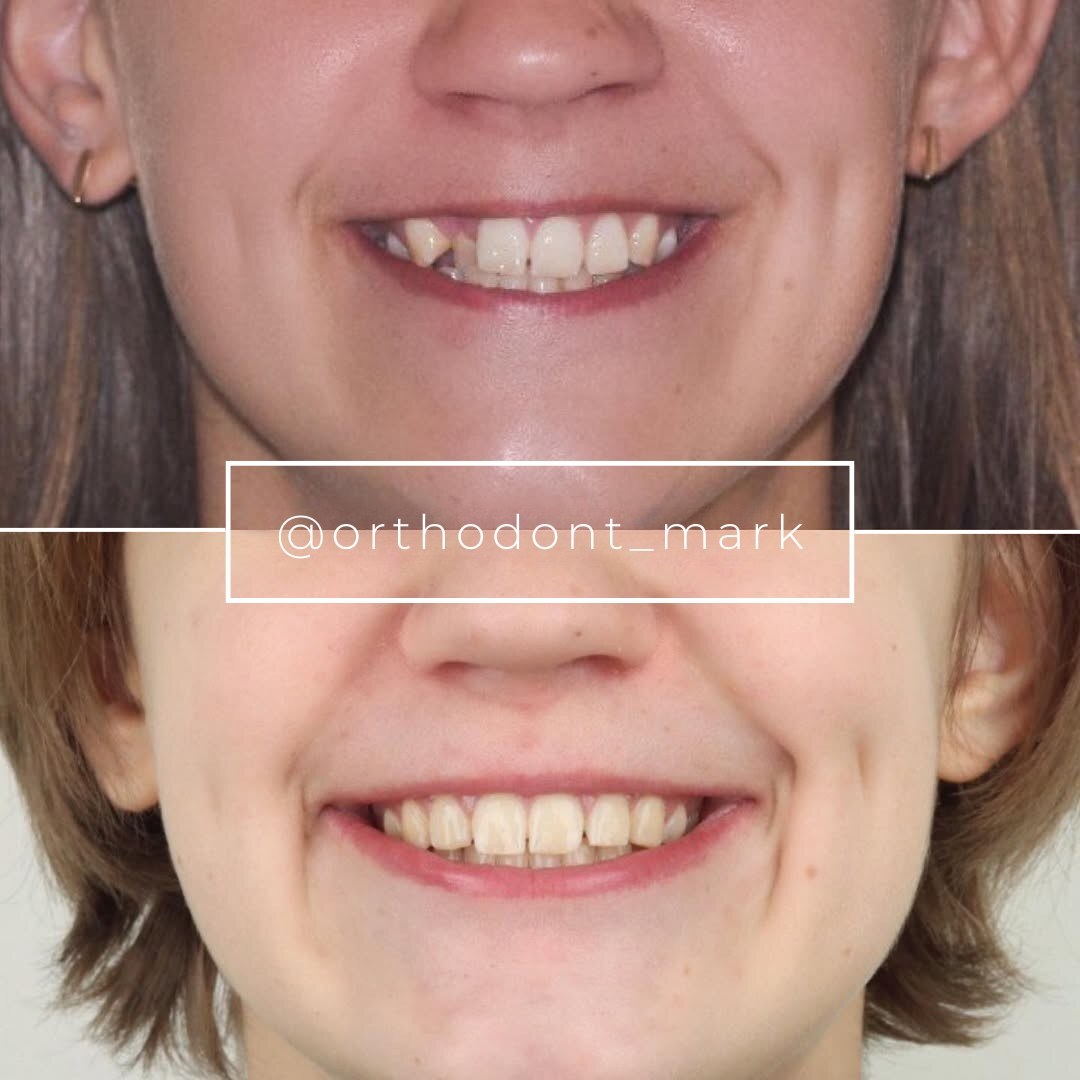
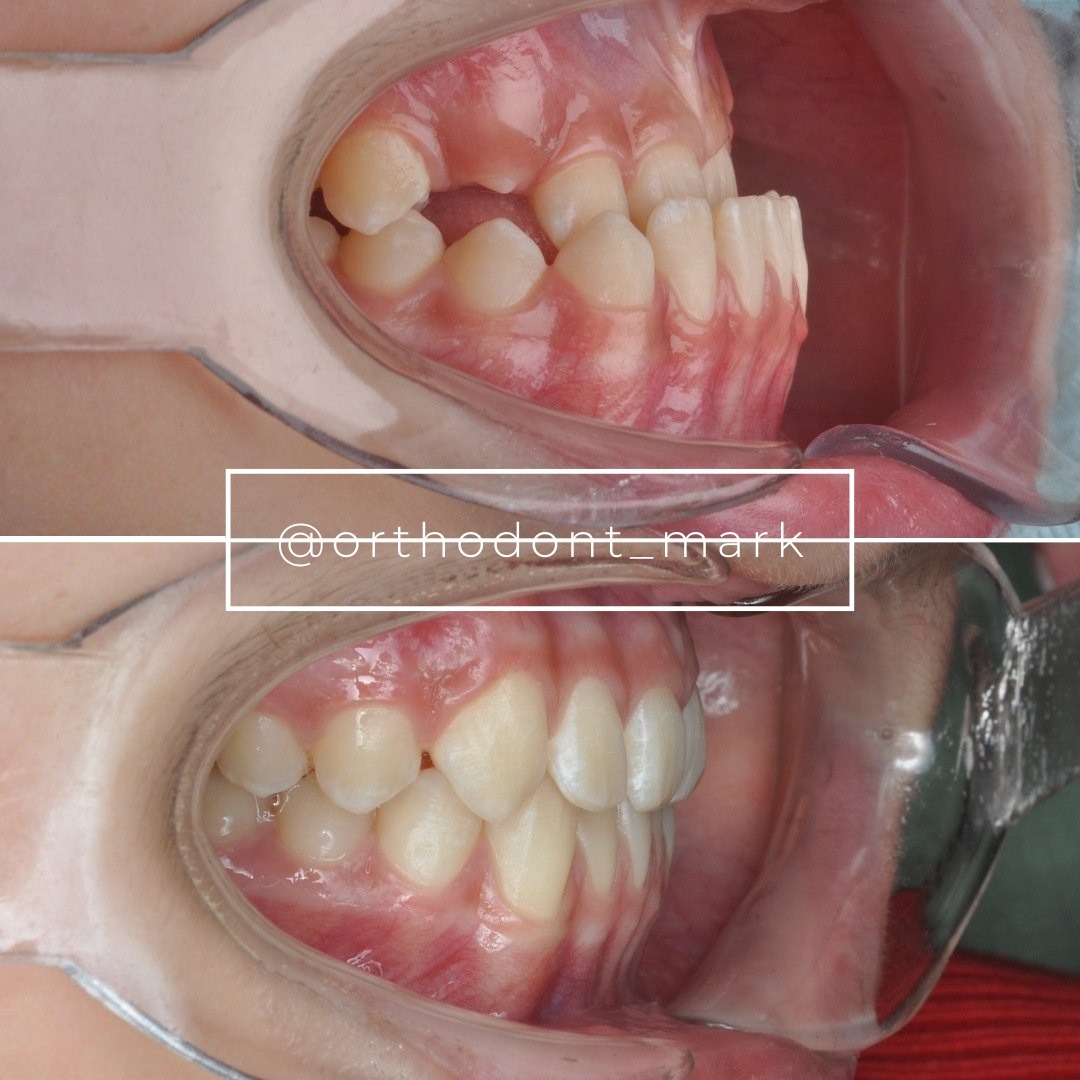
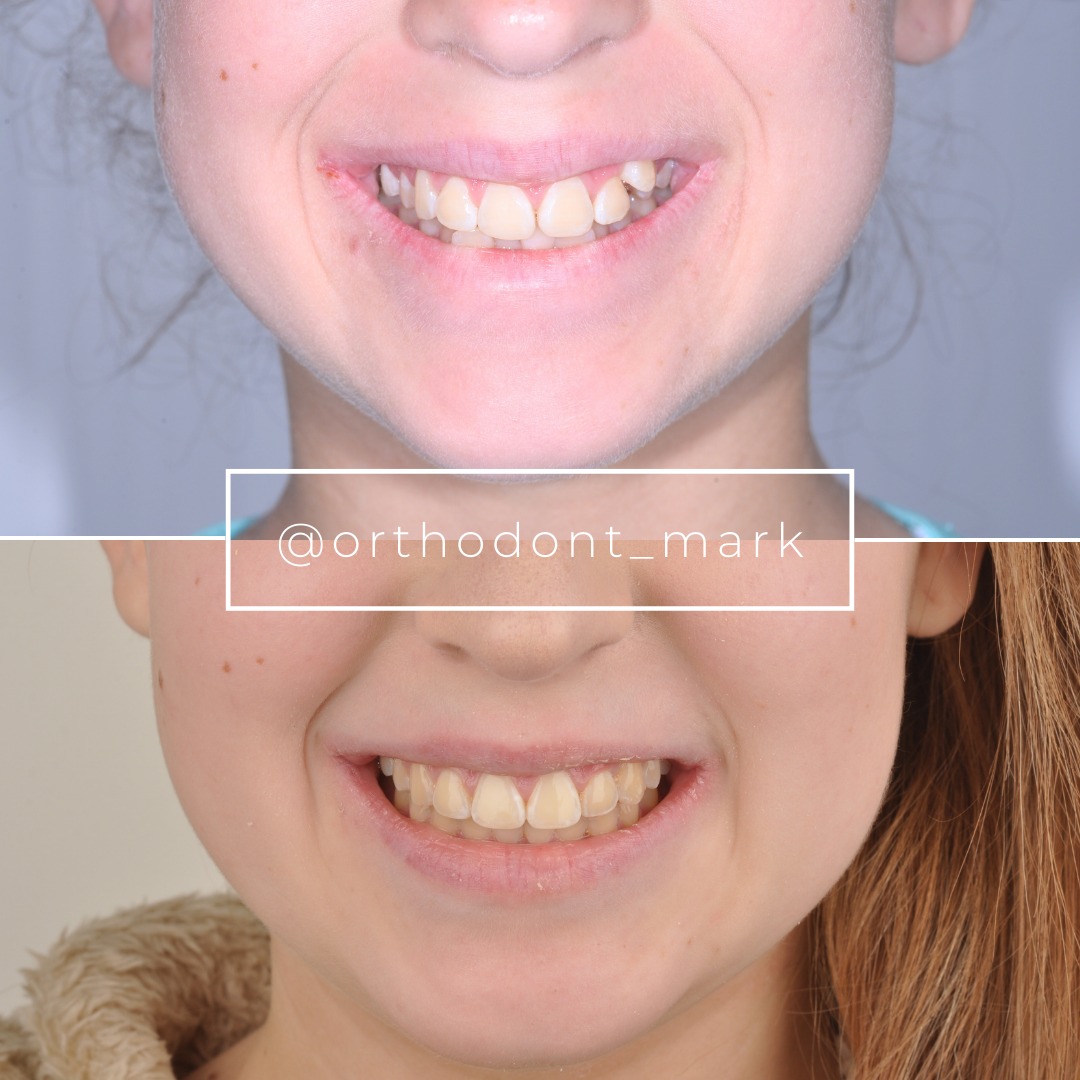
Learn the full MARPE protocol from Dr. Mark Radzhabov
Fundamental course covering CBCT patient selection, miniscrew planning, activation protocols, and 60+ clinical cases. Choose the access level that fits your practice.
Essentials of rapid palatal expansion for practicing orthodontists.
- Core RPE concepts and biomechanics
- 6 structured video lessons
- Clinical decision checklists
- Lifetime access to recordings
Deep-dive into MARPE protocol, diagnostics, and clinical execution.
- 6 modules covering MARPE from A to Z
- CBCT case selection walkthroughs
- Miniscrew placement and activation
- 60+ annotated clinical cases
- Direct Q&A with Dr. Mark Radzhabov
5-element medical consultation framework for dentists and orthodontists.
- Trust-building consultation protocol
- 5 lesson modules
- Templates for treatment plan delivery
- Works with any clinical specialty
Clinical FAQ
What is the optimal miniscrew diameter for MARPE in a 40-year-old with stage B suture and 950 HU anterior palate density?
A 1.6 mm diameter miniscrew with 9 mm insertion depth is optimal. This diameter engages both cortical layers reliably in high-density bone and resists torque under rapid expansion load. Monitor monthly for suture response and increase load gradually to 1.0 mm per week.
How does miniscrew insertion depth affect relapse and shorter treatment duration in rapid palatal expansion?
Insertion depth ≥8 mm into compact bone ensures bicortical engagement, reducing miniscrew mobility by 60–70% and supporting continuous load without relapse. Depths <6 mm increase early loosening risk and require load reduction, extending treatment by 4–8 weeks.
Why is grade 5 titanium preferred over stainless steel for bone-borne expander miniscrews?
Grade 5 titanium (Ti-6Al-4V ELI) exhibits tensile strength >880 MPa, modulus ~103 GPa, and superior corrosion resistance in saliva. Stainless steel corrodes within 4–6 weeks, reducing pullout strength by 18–22%, and carries higher brittle fracture risk under cyclic expansion load.
How do I differentiate stage C and stage D midpalatal suture anatomy on cone-beam computed tomography for miniscrew insertion depth planning?
Stage C shows partial ossification with a dense radiopaque line in the middle surrounded by radiolucent areas (some remaining patent suture). Stage D is completely radiopaque with no visible radiolucency—full ossification. Stage D requires insertion depth reduced to 6–7 mm to avoid nasal perforation.
What is the minimum bone density threshold for reliable miniscrew anchorage in rapid palatal expansion?
<strong>600 Hounsfield units</strong> is the threshold below which miniscrew loosening risk increases 2–3 fold. Anterior–middle palate typically ranges 900–1200 HU (optimal), while posterior palate (near greater palatine foramen) is 400–700 HU (suboptimal for MARPE).
Can miniscrew-assisted rapid palatal expansion be performed successfully in patients over 50 with stage D (fully ossified) suture?
MARPE is achievable but with limited skeletal gain: typically 4–6 mm versus 8–10 mm in younger patients. Use 1.4 mm diameter, 6–7 mm insertion depth miniscrews, and reduce weekly load to 0.5 mm to prevent nasal perforation and maintain anchorage stability.
How does tapered miniscrew shaft design improve load distribution compared to cylindrical designs in palatal expansion?
Tapered shafts (larger diameter at head, smaller at tip) distribute stress more evenly across the bone–implant interface, reducing shear failure risk by 35–40%. Cylindrical designs concentrate stress at the neck–shaft junction, increasing failure probability under cyclic torsion.
What is the recommended placement distance between two MARPE miniscrews in the anterolateral palate?
Miniscrews should be placed 10–12 mm apart in a divergent pattern (roughly parallel to posterior nasal spine). This spacing resists torque and lateral tipping during rapid expansion while preserving adequate keratinized tissue around each insertion site.
How long should integration time be allowed before applying expansion load after miniscrew insertion for MARPE?
Standard protocol is 24–48 hours for bone integration before load application. Extend to 72 hours in patients with prior palatal surgery or severe osteopenia. Begin with 0.25 mm weekly load, then increase to 0.5–1.0 mm per week depending on suture maturity and radiographic suture response.
Why is cone-beam computed tomography with Hounsfield measurement mandatory before miniscrew selection for MARPE, rather than relying on age and clinical examination alone?
Bone density (900–1200 HU anterior palate) combined with suture maturity explains 78% of miniscrew stability variance, versus only 61% for suture stage alone. Individual anatomical variation—palatal width, vault height, scar tissue—requires imaging-guided assessment to match miniscrew specifications and avoid failure.
Precision in miniscrew selection distinguishes successful skeletal expansion from appliance breakage and unpredictable outcomes. The framework presented here—bone density assessment via cone-beam computed tomography, TAD diameter and insertion depth standardization, and material composition verification—transforms miniscrew selection from trial-and-error into reproducible clinical decision-making. Dr. Mark Radzhabov recommends conducting a cone-beam scan before appliance selection and referencing this protocol at treatment planning to optimize results. Review case records on ortodontmark.com or schedule a consultation for guidance on miniscrew specifications for your complex cases.