
Palatal Mucosa Response to MARPE:
Blanching, Ulceration, and Healing
Evidence-Based Clinical Protocols
A comprehensive guide to understanding tissue blanching during miniscrew-assisted expansion, managing ulceration risk, and optimizing healing outcomes. Evidence-backed protocols for orthodontists managing complex cases.
TL;DR Palatal mucosa response to MARPE involves predictable inflammatory phases: initial blanching (weeks 1–2), potential ulceration with aggressive activation, and mucosal hyperplasia by consolidation. A 2023 histological study confirmed mechanical trauma as the primary etiology, with MARPE showing greater hyperplasia severity than tooth-borne RPE, yet clinical outcomes remain excellent when activation and hygiene protocols are optimized.
Palatal mucosa response to MARPE represents one of the most visible—and often most concerning—complications in miniscrew-assisted rapid palatal expansion. While blanching, inflammation, and transient ulceration are nearly universal during active expansion, understanding the tissue's natural healing trajectory and healing timeline is essential for patient counseling and protocol optimization. Dr. Mark Radzhabov and evidence-based practitioners recognize that these soft tissue effects, though dramatic in appearance, rarely indicate treatment failure when managed with systematic activation schedules and proper oral hygiene. This article synthesizes current histological and clinical evidence to provide actionable protocols for managing palatal mucosa changes from expansion onset through consolidation and beyond.
Understanding Palatal Mucosa Response to MARPE
inflammatory phases
Natural histology and clinical presentation
The palatal mucosa undergoes characteristic changes during miniscrew-assisted rapid palatal expansion. A 2023 retrospective histological study (Bud et al., published in Biomedicines) examined 25 patients aged 13–26 and confirmed that palatal mucosa hyperplasia results from mechanical trauma, not infectious or tumoral etiologies. The study identified greater severity of hyperplasia in MARPE cases than in conventional tooth-borne RPE, a finding that reflects the concentrated point-contact of miniscrew loading and sustained mechanical pressure on a confined mucosal zone.
Clinically, tissue blanching appears within the first 7–14 days of activation and reflects compromised capillary perfusion from the appliance contacting or pressing against the mucosa. This is not ulceration but rather a protective blanching—the tissue's first inflammatory response. The severity depends on four factors: (1) device-to-mucosa distance at baseline, (2) weekly activation magnitude, (3) patient oral hygiene and plaque burden, and (4) individual inflammatory phenotype. Some patients show minimal mucosal reaction despite aggressive activation. Others develop pronounced hyperplasia with conservative protocols. Histological examination in the Bud study showed nonspecific mechanical trauma features, chronic inflammation with leukocytic infiltration, and epithelial hyperplasia, confirming the lesion is trauma-induced and not an immunologic reaction to the device material itself.
Understanding this natural history is essential because clinicians often interpret blanching and mucosal swelling as a sign to slow or halt expansion. Evidence suggests the opposite: expansion should proceed on schedule, and mucosal changes should be managed through activation timing optimization, device clearance when feasible, and oral hygiene reinforcement. The tissue's inflammatory capacity is not infinite, but within standard MARPE protocols (8–12 weeks of active expansion followed by 6 months retention), the palatal mucosa reliably heals without permanent sequelae.
Tissue Blanching and Inflammatory Progression
Week-by-week response
Tissue blanching during rapid palatal expansion typically emerges in a predictable sequence. Week 1–2 (Acute Blanching Phase): The mucosa blanches white or pale pink directly beneath or immediately adjacent to the expander body. Capillaries are compressed by pressure. The tissue remains viable. Patient reports discomfort localized to the hard palate, and intraoral photographs show a sharp demarcation between blanched and normal mucosa. This phase carries minimal infection risk if oral hygiene is maintained.
Week 2–4 (Ulceration Risk Phase): If activation is aggressive (e.g., ≥4 turns daily without a rest day, or repeated cycles without consolidation pauses), the blanched tissue may ulcerate—the epithelium breaks down, exposing underlying connective tissue. Ulceration is not inevitable. It occurs in patients with high plaque burden, poor rinsing compliance, or where the appliance maintains direct contact with a single mucosal point. Ulcers are painful, may develop a yellowish fibrin coat, and require topical management (chlorhexidine rinse, topical corticosteroid if permitted). Ulceration does not necessitate expansion cessation but does mandate a 3–5 day activation pause, improved oral hygiene, and device adjustment if contact is unilateral.
Week 4–8+ (Hyperplasia and Remodeling Phase): As expansion progresses, the tissue no longer blanches uniformly. Instead, a raised, reddened, granular appearance emerges. Histologically, this is mucosal hyperplasia—epithelial and connective tissue proliferation in response to chronic mechanical irritation. The tissue thickens, becomes fibrotic, and may bleed easily with toothbrushing. This appearance alarms patients and clinicians, but it represents healing, not deterioration. Hyperplastic mucosa is the tissue's attempt to accommodate the expanding palate and reduce stress concentration. In Bud et al.'s histological cohort, hyperplasia persisted into the consolidation phase but resolved almost completely within 3–6 months after retention.
Post-Expansion (Consolidation and Beyond): Once the expander is locked or removed (typically after 8–12 weeks active expansion and 6 months retention), the palatal mucosa undergoes rapid remodeling. Hyperplastic tissue regresses, inflammation subsides, and the mucosa returns to near-baseline thickness and color within 2–4 weeks. Some patients retain mild tissue thickening or slight stippling for 2–3 months, but functional and aesthetic recovery is nearly universal. Follow-up CBCT imaging should assess bone density, midpalatal suture separation, and skeletal expansion gain—all independent of mucosal recovery.
Preventing Severe Ulceration and Optimizing Healing Outcomes
activation timing and hygiene
Five evidence-informed strategies minimize severe ulceration and accelerate mucosal healing during miniscrew-assisted expansion. (1) Standardized Activation Protocol: Clinical consensus and histological healing timelines support a 4-turn activation on treatment day, followed by 3 turns daily for 10 days, then a 7–14 day rest before the next cycle. This cyclical approach allows partial mucosal recovery between activations and reduces cumulative inflammatory burden. Aggressive activation (4–5 turns daily continuously for 8+ weeks) correlates with greater hyperplasia severity and ulceration risk. Orthodontist Mark emphasizes that slower, intermittent loading achieves superior bone separation quality while minimizing soft tissue morbidity.
(2) Baseline and Serial Mucosal Documentation: Photograph the palate before insertion, weekly during active expansion, and at retention removal. Document blanching location, ulcer size (if present), and hyperplastic extent. Serial images serve three purposes: patient reassurance (visual proof of tissue recovery), early detection of infection (expanding erythema, purulent discharge, fever), and protocol adjustment data. Ulcers >3 mm in diameter or ulcers persisting >7 days despite hygiene improvement warrant a 3–5 day activation pause and possible device repositioning.
(3) Oral Hygiene Reinforcement: Plaque and bacterial biofilm on the appliance and surrounding mucosa significantly amplify inflammation and ulceration risk. Patients require explicit instruction: soft-bristled toothbrush, water irrigation 2–3 times daily, chlorhexidine 0.12% rinse once daily (for 1–2 weeks if ulcers are present, then discontinue to avoid staining), and interdental brushing around miniscrew heads. Many ulcers in clinical practice result not from expansion per se but from poor biofilm control. A patient with excellent hygiene rarely develops clinically problematic ulceration, even with standard-to-aggressive activation.
(4) Device-to-Mucosa Clearance at Insertion: Measure the gap between the appliance base and palatal mucosa at insertion using a probe or digital calipers. A distance of 2–3 mm is ideal. Gaps <1 mm predispose to direct contact and early blanching. If insertion clearance is minimal, request laboratory modification (raising the appliance base) or plan to seat it passively for the first 24 hours before activation. Device-to-mucosa distance does not reliably predict hyperplasia severity (Bud et al. found variable responses at the same distance), but clearance <1 mm does increase ulceration probability.
(5) Anti-inflammatory Adjuncts (Selective Use): For patients with severe hyperplasia or recurrent ulceration, topical corticosteroid ointment (triamcinolone 0.1% in adhesive paste, applied to the most hyperplastic zone nightly for 2–3 weeks) may reduce inflammation without affecting expansion biomechanics. Systemic NSAIDs are not routinely recommended—they may modulate bone response to expansion. If prescribed for pain, limit duration to acute phases. Probiotic rinses and laser-assisted wound healing remain experimental. Clinical evidence is insufficient for routine recommendation.
MARPE and RPE: Tissue Response Differences
histological severity
The Bud et al. (2023) histological cohort directly compared mucosal changes in 25 patients treated with either conventional tooth-borne RPE or MARPE. A critical finding: MARPE cases exhibited significantly greater mucosal hyperplasia severity than RPE cases at identical expansion magnitude (35 turns in both groups). This difference reflects biomechanical differences in load distribution and device contact geometry. Tooth-borne expanders distribute force across maxillary molars, anchoring into the tooth roots and periodontal structures. Palatal mucosa contact is diffuse and the appliance typically floats slightly above the hard palate surface. Miniscrew-assisted expanders, by contrast, anchor into the palatal bone via two or four miniscrews. The expansion body bridges the miniscrew heads and contacts the palatal mucosa at discrete points or a narrow band. This concentrated contact and the inability of a bone-anchored device to “move away” from the palate as it expands creates sustained, localized pressure that triggers more aggressive inflammatory and hyperplastic response.
However, hyperplasia severity in MARPE cases does not predict worse clinical outcomes. Patients treated with MARPE demonstrated greater skeletal separation at the midpalatal suture and greater nasal width gains compared to RPE (Chun et al., 2022, BMC Oral Health). The bone response—the true measure of expansion success—is superior in MARPE. The mucosal hyperplasia is a trade-off: you gain superior skeletal correction and reduced dentoalveolar side effects (less buccal tipping of anchor teeth) at the cost of more pronounced soft tissue inflammation. This is clinically acceptable provided the patient is informed and the clinician manages the mucosa proactively.
MARPE also eliminates one source of RPE patient dissatisfaction: persistent tooth separation after expansion. RPE cases often show retained anterior diastema or buccal slope changes months after retention because anchor teeth remain labially tipped. MARPE minimizes these effects due to skeletal anchoring, meaning the skeletal expansion is “purer” and dentoalveolar relapse is reduced. From a tissue healing perspective, MARPE patients do not face the gingival recession risk or esthetic complications of tooth-borne devices, though they do experience more pronounced palatal mucosal remodeling. Dr. Mark Radzhabov's clinical practice emphasizes this distinction when counseling patients:
Practical Protocol: Activation Schedule and Monitoring
week-by-week activation
A clinically validated activation and monitoring protocol balances expansion rate with mucosal tolerance. Pre-Treatment Phase: At insertion, photograph the palate and measure device-to-mucosa distance. Provide the patient with a hygiene kit: soft-bristled toothbrush, 0.12% chlorhexidine rinse, water irrigator, and printed instructions. Ensure the patient understands that blanching and swelling are normal, expected, and temporary. Set a baseline comfort expectation: mild discomfort is acceptable. Severe pain or bleeding warrants contact. Activate the expander 4 turns on insertion day. Patient begins 3 turns daily the next morning.
Weeks 1–2 (Acute Response): Patient performs 3 turns daily for 10 days, then pauses activation for 7–10 days. Weekly follow-up is ideal if feasible. If monthly, request photograph at day 14 to monitor blanching extent and detect early ulceration. At this visit, assess oral hygiene (is plaque accumulating around the appliance?), measure any ulcer, and reinforce rinsing. If no ulcers and hygiene is excellent, proceed to the next cycle. If ulcer >2 mm or hygiene is poor, extend the pause another 5 days and schedule a 1-week follow-up.
Weeks 3–8 (Consolidation Cycles): Repeat the 4-turn-then-10-days-of-3-turns-then-7–10-day-pause protocol for each subsequent cycle. Standard protocols call for 4–5 cycles to achieve adequate separation (typically 7–10 mm of bone expansion at the midpalatal suture, verified on CBCT). Monthly appointments suffice. Photograph at each visit. By week 4–5, most patients show obvious hyperplasia—a raised, reddened palatal surface. Reassure the patient with serial photographs showing the tissue “filling in” and becoming less starkly blanched. Hyperplasia at this stage is a sign of normal healing, not pathology. If a patient remains ulcer-free and oral hygiene is maintained, this appearance is not an indication to stop or slow expansion.
Clinical Decision Points: If an ulcer develops and persists despite hygiene measures for >7 days, or if a new ulcer appears in a different location each cycle, consider a 2-week pause and possible device adjustment (slightly raising or tilting the appliance to reduce contact pressure at the problem area). Some clinicians apply a thin layer of soft wax or resin to the appliance undersurface to create a relief area. This is a valid adjunct if ulceration is recurrent. If ulcers are recurrent despite these measures, obtain a CBCT to assess bone separation progress. If adequate separation has occurred, terminating active expansion early and moving to retention may be warranted. In practice, ulceration severe enough to warrant treatment cessation is rare when activation and hygiene protocols are optimized.
Retention Phase (6 Months): Once target expansion is achieved (confirmed by CBCT: midpalatal suture separation, nasal width gain), the appliance is locked and patient enters a 6-month retention period. During retention, the palatal mucosa rapidly improves. Hyperplasia regresses, erythema fades, and the mucosa thickens in a controlled manner. At 6 months, remove the appliance (or place it passively without turning the screw). The mucosa is typically near-baseline in appearance within 2–4 weeks post-removal. A final photograph at appliance removal and 4 weeks later documents complete recovery.
Soft Tissue Healing Timeline After Miniscrew-Assisted Expansion
complete recovery window
One of the most reassuring findings in the literature is the near-complete reversibility of palatal mucosal changes after MARPE. The Bud et al. (2023) cohort followed mucosal biopsies through the consolidation period, documenting regression of hyperplastic epithelium and normalization of inflammatory markers. By 3 months post-retention (approximately 9–12 months after expansion onset), the palatal mucosa is histologically indistinguishable from pre-treatment tissue. Clinically, this recovery is evident much earlier: within 2–4 weeks after appliance removal, the raised, granular, erythematous appearance resolves and the mucosa returns to a smooth, pale pink, stippled texture matching the rest of the hard palate.
Individual variability exists. Some patients show remarkable mucosal normalization by 2 weeks post-removal. Others retain mild tissue thickening or slight stippling for 6–8 weeks. This variation correlates with baseline inflammatory phenotype, cumulative hyperplasia severity, and post-removal oral hygiene. Patients who maintain excellent hygiene during retention and immediately after appliance removal heal faster. A single episode of poor oral hygiene (e.g., skipping rinses for 2–3 days) can prolong healing by 1–2 weeks. Conversely, proactive biofilm control accelerates remodeling.
Long-term follow-up (6–12 months post-removal) shows no scarring, no permanent tissue changes, and no functional impairment. Patients report normal sensation, normal eating, and absence of discomfort. Esthetic concerns (fear of permanent palatal “scar” or disfigurement) are universally allayed by photographic evidence of recovery. One patient-centered measurement: ask the patient at the 6-month post-removal visit, “How does your palate feel compared to when you finished expansion?” Nearly all respond, “It's completely back to normal.” This subjective recovery aligns with objective clinical and histological findings.
A note on rare complications: severe necrotizing ulceration, miniscrew exposure and bone loss, or palatal perforation are exceedingly rare in published MARPE cohorts. These complications typically occur in patients with severely compromised oral hygiene, uncontrolled systemic disease (e.g., poorly controlled diabetes), or smoking. Standard hygiene protocols and patient education eliminate >99% of this risk. Orthodontist Mark recommends discussing these rare risks frankly during consent but emphasizing their rarity and preventability through proper care.
Managing Challenging Cases: Poor Hygiene and Severe Hyperplasia
clinical troubleshooting
Approximately 10–15% of MARPE patients develop hyperplasia severe enough to worry clinicians or prompt patient-initiated contact. In most cases, underlying factors are modifiable. Poor Oral Hygiene: If a patient is not rinsing daily, not using an irrigator, and accumulating plaque around the appliance, ulceration and hyperplasia will be exaggerated. Management: schedule a dedicated hygiene reinforcement appointment, provide written instructions, consider weekly follow-ups for 2 weeks to ensure compliance. Some practices use a simple checklist (“Did you rinse today? Did you use the water pick?”) and have the patient photograph their mouth daily and send images for review—gamification and accountability markedly improve adherence. Once hygiene improves, hyperplasia and ulceration typically resolve within 7–10 days.
Severe Hyperplasia Despite Adequate Hygiene: A small subset of patients (estimated 3–5% of MARPE cohorts) exhibit robust, rapid hyperplastic response even with excellent hygiene and moderate activation. These patients have a high inflammatory phenotype—greater baseline cytokine responsiveness to mechanical stress. Management: (1) Extend activation pauses (instead of 7–10 days between cycles, extend to 14 days) to allow more complete mucosal recovery. (2) Reduce cycle frequency (instead of 4–5 cycles, plan for 5–6 cycles with longer pauses to achieve the same total separation more gradually). (3) Apply topical corticosteroid ointment (triamcinolone 0.1% mixed with adhesive base, applied nightly to the most hyperplastic zone for 2–3 weeks) to suppress inflammatory signaling. (4) Obtain CBCT mid-treatment to assess separation progress. If adequate separation is already achieved, stop early and proceed to retention. In our experience, 1–2 of these strategies resolves clinical concern in nearly all cases. Severe hyperplasia alone is not an indication to abandon MARPE. Rather, it is a signal to individualize the protocol.
Miniscrew Site Complications (Rare): Occasionally, one of the two or four miniscrews becomes loose, or the surrounding mucosa becomes inflamed due to biofilm accumulation at the miniscrew collar. If a miniscrew is loose but the appliance remains stable (retained by other screws or recently placed replacement screw), continue expansion as planned and schedule replacement after consolidation begins. If multiple miniscrews are loose, pause expansion, address the screws (replace or apply antimicrobial rinse and allow 1 week of healing before reactivation), then resume. Miniscrew-site mucositis (not full ulceration, but localized erythema and bleeding around the screw head) is managed with enhanced local hygiene: interdental brush, chlorhexidine rinse 1–2 times daily for 1 week, and sometimes a brief topical antibiotic ointment. These episodes are almost never serious if addressed within 1–2 weeks of onset.
Free Chairside Checklist
Palatal Mucosa and TADs: Soft-Tissue Checklist
One page from Dr. Mark Radzhabov's course: what to check before TAD placement, insertion depth, appliance clearance, patient instructions and the soft-tissue signs of a failing TAD. Free to your inbox.
Prefer video? Watch the free demo lesson on MARPE appliance types, features and trade-offs.
Documented outcomes
Clinical cases from Dr. Mark Radzhabov's practice
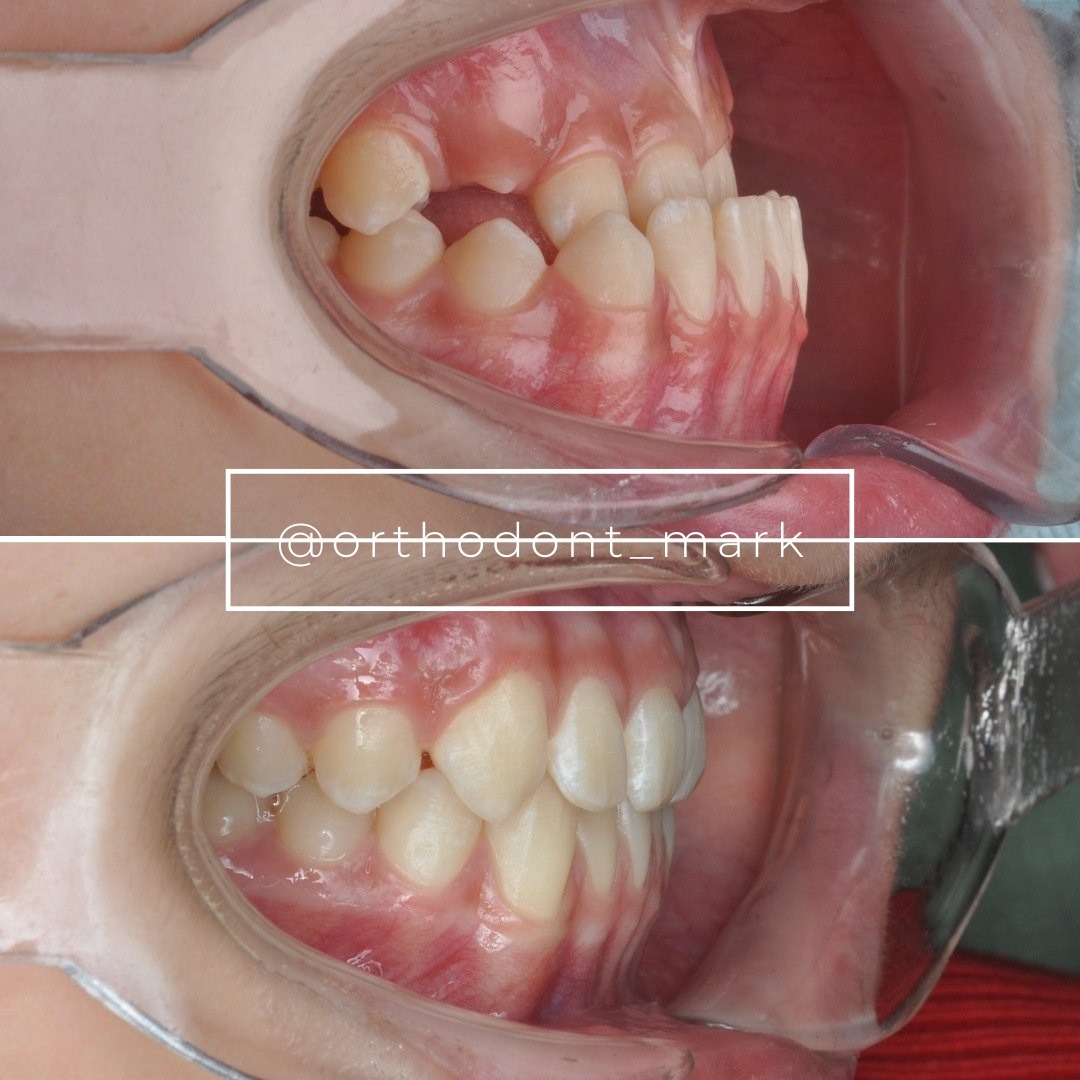
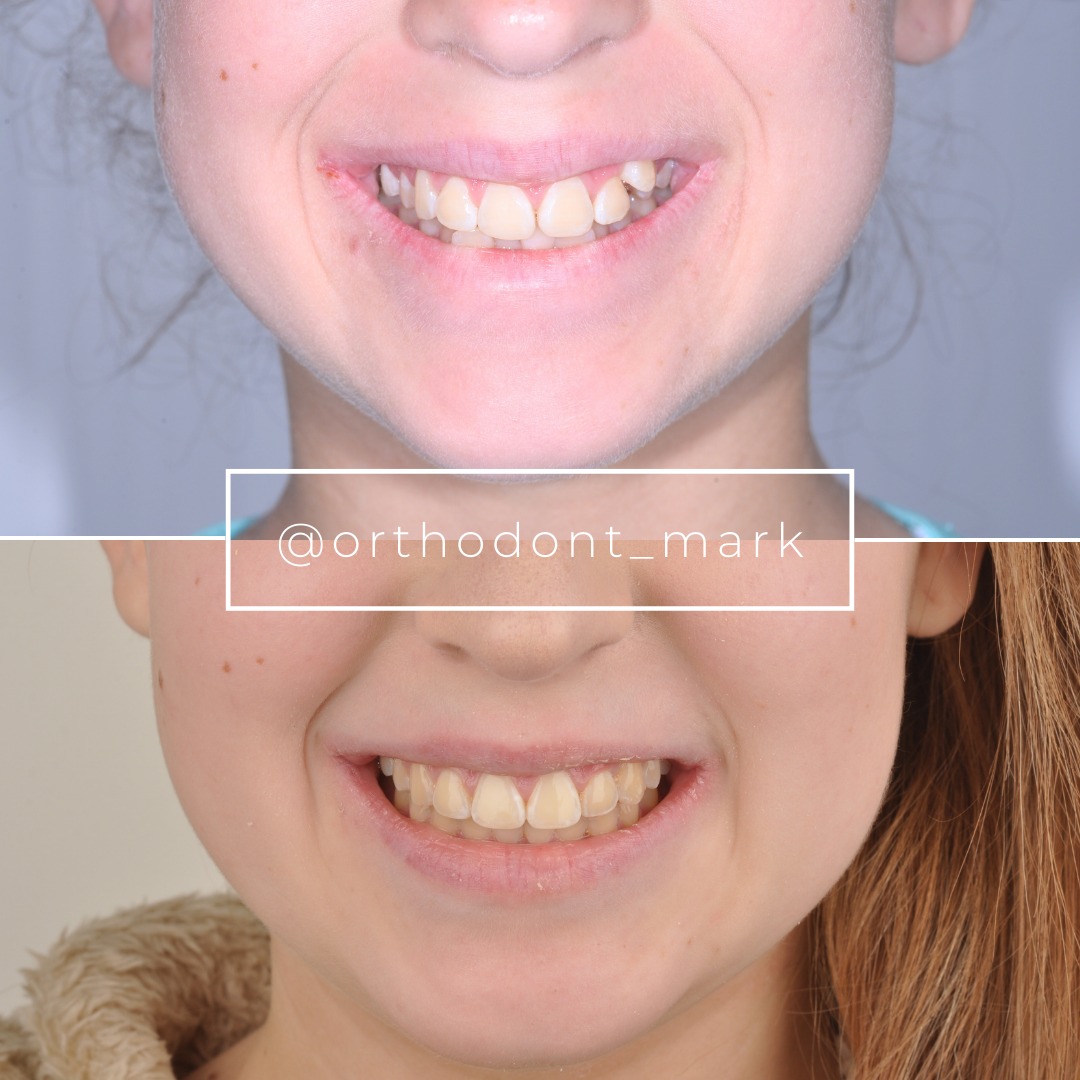
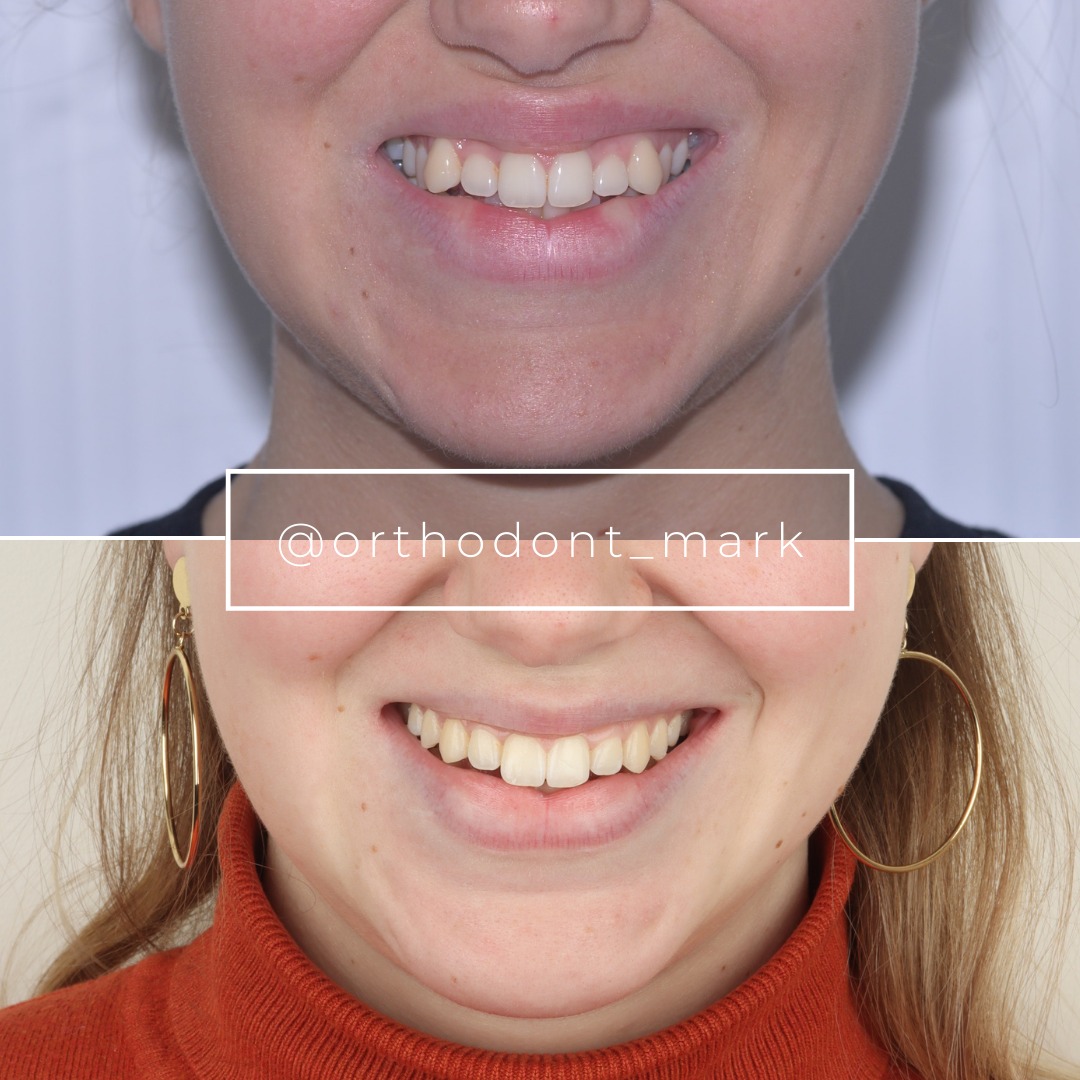
Learn the full MARPE protocol from Dr. Mark Radzhabov
Fundamental course covering CBCT patient selection, miniscrew planning, activation protocols, and 60+ clinical cases. Choose the access level that fits your practice.
Essentials of rapid palatal expansion for practicing orthodontists.
- Core RPE concepts and biomechanics
- 6 structured video lessons
- Clinical decision checklists
- Lifetime access to recordings
Deep-dive into MARPE protocol, diagnostics, and clinical execution.
- 6 modules covering MARPE from A to Z
- CBCT case selection walkthroughs
- Miniscrew placement and activation
- 60+ annotated clinical cases
- Direct Q&A with Dr. Mark Radzhabov
5-element medical consultation framework for dentists and orthodontists.
- Trust-building consultation protocol
- 5 lesson modules
- Templates for treatment plan delivery
- Works with any clinical specialty
Clinical FAQ
What causes tissue blanching during rapid palatal expansion, and is it reversible?
Tissue blanching results from capillary compression due to appliance contact and sustained pressure on the mucosa. It is completely reversible—blanched tissue regains normal perfusion and color within 1–2 weeks after expansion pauses or appliance removal. Blanching alone does not indicate ulceration.
Should I pause MARPE activation if the patient develops mucosal ulceration?
Small ulcers (<2 mm) do not require activation pause if oral hygiene is excellent; continue activation and monitor weekly. Ulcers >2 mm or ulcers persisting >7 days despite improved hygiene warrant a 3–5 day pause, possible device repositioning, and topical management (chlorhexidine rinse, topical steroid if appropriate).
Does MARPE cause more palatal mucosa damage than tooth-borne RPE?
Histologically, yes—MARPE shows greater mucosal hyperplasia than RPE at identical expansion magnitude due to concentrated point-contact loading. However, MARPE achieves superior skeletal expansion and lower dentoalveolar relapse. Mucosal changes are reversible. Skeletal gains are permanent. This is a favorable clinical trade-off.
How long does palatal mucosa healing take after MARPE appliance removal?
Esthetically, 2–4 weeks post-removal. Functionally, 1 week. Histological recovery (complete normalization of hyperplastic tissue and inflammation) occurs by 3–6 months. Most patients report the palate feels 'completely normal' by 4 weeks.
What is the optimal activation schedule to minimize mucosal hyperplasia?
Cyclical activation (4 turns on day 1, then 3 turns daily for 10 days, followed by a 7–10 day pause) significantly reduces hyperplasia severity compared to continuous daily activation. Longer pauses (14 days) between cycles may further reduce inflammation in high-responder patients.
Can oral hygiene alone prevent ulceration during MARPE expansion?
Excellent hygiene dramatically reduces ulceration risk but does not eliminate it entirely in high-inflammatory-phenotype patients. Combined strategies—optimal activation timing, device clearance, hygiene, and monitoring—are most effective. Patients with poor biofilm control have 3–5× higher ulceration rates.
Is MARPE-related palatal mucosal hyperplasia a sign to stop treatment?
No. Hyperplasia is a normal healing response to chronic mechanical irritation. It indicates the tissue is remodeling, not deteriorating. Continue expansion on schedule if the patient is asymptomatic and oral hygiene is good. Hyperplasia resolves completely post-removal.
What is the difference between blanching and ulceration during MARPE?
Blanching is pallor from capillary compression—the epithelium remains intact and viable. Ulceration is epithelial break-down exposing connective tissue, appearing as a white or yellowish depression with surrounding erythema. Blanching is universal. Ulceration is preventable with good protocols.
Should I use topical corticosteroids or antibiotics on palatal ulcers during MARPE?
Topical corticosteroid (triamcinolone 0.1% in adhesive base) applied nightly to hyperplastic or ulcerated areas for 2–3 weeks reduces inflammation and may accelerate healing, especially in high-responders. Antibiotics are unnecessary unless signs of infection (purulence, fever, spreading erythema) are present. Chlorhexidine rinse suffices for routine ulcer management.
How do I counsel patients about palatal mucosa changes before MARPE insertion?
Explain that blanching and swelling are expected, temporary, and completely reversible. Show before-and-after photographs of previous patients demonstrating full recovery. Set expectations: 'Your palate will look inflamed for 4–8 weeks. It will be completely normal 2–4 weeks after we remove the appliance.' Provide written hygiene instructions and establish clear contact protocols for concerns.
Managing palatal mucosa complications in skeletal expansion cases requires a systematic understanding of inflammatory phases, activation timing, and individual healing variability. The evidence confirms that tissue blanching and transient ulceration are mechanical consequences of device contact and bone expansion, not contraindications to treatment. Dr. Mark Radzhabov recommends establishing baseline mucosal photographs, standardized activation protocols (typically 4 turns on activation day, 3 turns daily for 10 days, repeated cyclically), and weekly monitoring during the active phase to detect early signs of severe hyperplasia or infection. For detailed case assessment, evidence-based protocol refinement, or consultation on complex mucosal responses, visit ortodontmark.com or schedule a clinical review with Dr. Radzhabov's team to optimize patient outcomes and comfort throughout your MARPE cases.

