
The MARPE Non-Responder Salvage Decision Tree:
Knowing When to Intensify, Pivot, or Reassess
Not all adults respond equally to miniscrew-assisted expansion. This evidence-based framework clarifies which patients benefit from corticotomy, surgical assistance, or protocol adjustment—before weeks of ineffective activation waste clinical time.
TL;DR When a MARPE non-responder shows insufficient midpalatal suture separation despite adequate miniscrew anchorage and activation, a salvage decision tree guides three pathways: continue activation with enhanced corticotomy assistance, switch to surgical rapid palatal expansion, or reassess skeletal vs. dentoalveolar goals. Success depends on age, sex, suture maturity, and baseline bone density—factors that predict clinical response before committing to invasive revision.
Miniscrew-assisted rapid palatal expansion has expanded treatment options for adult patients, yet approximately 20–40% present incomplete or delayed midpalatal suture separation despite correct miniscrew positioning and adequate activation protocol. The MARPE non-responder represents a critical clinical decision point: whether to intensify the current approach with adjunctive procedures, pivot to surgical intervention, or recalibrate skeletal expansion expectations. Dr. Mark Radzhabov and the team at Orthodontist Mark have developed a practical salvage decision tree that leverages pre-treatment diagnostics and real-time radiographic monitoring to guide this choice, minimizing both patient morbidity and treatment duration.
What Is a MARPE Non-Responder, and How Common Is It?
How Common
Successful miniscrew-assisted rapid palatal expansion hinges on separation of the midpalatal suture—the gold standard radiographic sign of true skeletal expansion. However, clinical evidence reveals that not every patient achieves this milestone on the same timeline. Retrospective analysis of 215 MARPE patients by Jeon et al. (2022, Clinical Oral Investigations) found that suture separation success varies significantly by age and sex: females achieved separation in 94.17% of cases, while males showed only 61.05% success. More striking, in cases where separation did occur, the amount of suture opening decreased substantially with advancing patient age in both sexes. The distinction between a non-responder and a delayed responder matters clinically. A patient entering treatment at age 45 requires a different diagnostic lens than one at age 18—skeletal maturity, increased midpalatal suture interdigitation, and bone remodeling resistance all contribute to reduced responsiveness. Furthermore, sex-dependent differences in bone turnover and suture anatomy suggest that male patients, particularly those over 25 years of age, warrant heightened clinical vigilance and more frequent radiographic monitoring during active expansion.
Pre-Treatment Diagnostics: Predicting MARPE Response Before Day One
Predicting Response
The decision to commit to MARPE—or to recognize early that a patient may become a non-responder—begins with cone-beam computed tomography. A low-dose CBCT protocol allows precise measurement of midpalatal suture density, degree of interdigitation, and palatal bone thickness. Patients with advanced suture interdigitation, dense cortical fusion, or thinned alveolar bone overlying the suture show measurably lower likelihood of non-surgical separation. Baseline radiographs also reveal asymmetries in palatal width and any pre-existing skeletal restrictions that might limit expansion. During active treatment, periapical radiographs serve as rapid surveillance tools. A dedicated protocol captures the midpalatal suture region at baseline (T0), immediately post-expansion (T1), and after 3-month consolidation (T2). Clinicians should measure suture separation ratio—the amount of radiographic split relative to the screw-activation distance—at each interval. A plateau in suture opening after 4–6 weeks of standard activation (0.25 mm per quarter-turn, 4–6 turns per week) signals that mechanical resistance has intensified, prompting reassessment of the miniscrew load, patient age-related factors, and candidacy for adjunctive procedures.
The Salvage Decision Tree: Three Clinical Pathways
Three Pathways
Once insufficient suture separation becomes evident—typically after 6–8 weeks of activation with less than 50% of the expected radiographic opening—a structured decision tree clarifies the next step. The tree pivots on three measurable factors: patient age and sex (documented predictors of response), miniscrew stability and load distribution (confirmed via clinical mobility testing and radiograph), and baseline suture anatomy from pre-treatment CBCT. Pathway 1: Enhanced Activation with Corticotomy-Assisted Expansion. If the patient is under 30, female, shows stable miniscrews with no mobility, and pre-treatment CBCT suggests moderate (not advanced) suture interdigitation, the preferred salvage approach is transmucosal laser or surgical corticotomy. Corticotomy reduces local bone density, disrupts the advanced interdigitation, and can restore responsiveness within 2–3 weeks. The expansion protocol resumes at standard activation rates (0.25 mm per turn, 4–6 turns per week) for 8+ weeks with corticotomy completed at the outset. This approach is minimally invasive relative to surgical intervention and preserves the existing miniscrew anchorage. Pathway 2: Surgical Rapid Palatal Expansion (SARPE). If the patient is over 40, male, or demonstrates advanced suture fusion on baseline CBCT, or if corticotomy-assisted re-engagement fails after 4 weeks, progression to surgical rapid palatal expansion becomes the standard of care. SARPE involves direct surgical exposure and partial disruption of the midpalatal suture and lateral palatal walls, allowing mechanical separation without reliance on bone remodeling. Active expansion is then applied via tooth-borne or miniscrew-borne devices (including MSE) for 8+ weeks, followed by 6-month retention. Although more invasive and costly than MARPE, SARPE eliminates the unpredictability of age- and sex-dependent non-response. Pathway 3: Reassess Skeletal vs. Dentoalveolar Goals. In select cases—particularly older patients with modest transverse deficiency who have responded well in terms of dentoalveolar width even without complete midpalatal suture separation—a clinician may elect to discontinue active expansion and proceed directly to fixed appliance alignment. Radiographic evidence shows that MARPE and miniscrew-assisted systems achieve measurable maxillary width gain (both PM-MW and M-MW) even when suture separation is incomplete, suggesting that dentoalveolar correction may be sufficient for the patient's esthetic and functional needs.
Corticotomy-Assisted MARPE: Intensifying the Salvage Strategy
Intensifying Response
When a patient meets candidacy criteria for corticotomy-assisted expansion (age <30, female, stable miniscrews, moderate suture interdigitation), the surgical protocol follows a precise sequence. A transmucosal laser corticotomy—or alternatively, surgical access via palatal flap with direct corticotomy placement—is performed to create point-specific bone disruptions along the midpalatal suture and lateral palatal walls. The goal is not to split the suture surgically, but to reduce localized bone density and disrupt the mechanical lock of advanced interdigitation. Activation resumes immediately post-corticotomy: 4 quarter-turns on the day of surgery, then 3 quarter-turns daily for 10 days, followed by the standard protocol of 0.25 mm per turn applied 4–6 turns per week for 8+ weeks. Radiographic monitoring at weeks 2, 4, and 8 post-corticotomy documents whether suture separation has resumed. A second-look CBCT at 3-month consolidation confirms the degree of suture opening achieved. Clinical reports indicate that corticotomy restores suture separation success in 75–85% of initially non-responsive cases when performed in appropriately selected patients. Key safety consideration: corticotomy in older patients (>35 years) or those with compromised healing may delay reossification or increase relapse risk. For this reason, extended retention (6–9 months) following corticotomy-assisted expansion is standard practice, and a 3-month CBCT is mandatory to assess healing and suture stability before moving to fixed appliances.
Age and Sex: Biological Predictors of Non-Response
Biological Predictors
The research is unambiguous: age and biological sex independently predict MARPE success. Males over 25 years show markedly reduced suture separation rates and diminished suture-opening magnitude compared to females of the same age. In older males the likelihood of separation falls further still, although no published series reports a separate success rate for men over 40. This disparity reflects documented differences in bone turnover, suture interdigitation progression with age, and sex-specific patterns of skeletal maturation. Clinically, these data inform pre-treatment counseling and salvage decision-making. A 35-year-old male with a posterior crossbite and borderline transverse maxillary deficiency should be forewarned that MARPE success is not guaranteed and that his baseline candidacy for surgical intervention (SARPE or MSE with surgical support) may be higher than for a female of similar age. Conversely, a 50-year-old female may retain sufficient suture plasticity to respond to miniscrew-assisted expansion—though with lengthened treatment timelines and potentially lower overall suture opening. Internally, clinicians should also consider that post-menopausal female patients may exhibit accelerated bone remodeling patterns different from younger women, and individualized radiographic monitoring is prudent. In males, the presence of concurrent androgenetic alopecia or other markers of advanced androgenic senescence may correlate with advanced palatal suture interdigitation, though this remains a clinical observation rather than a validated predictor.
Choosing the Right Expansion Method: From Prevention to Salvage
Right Expansion Method
A comprehensive salvage decision tree must also contextualize MARPE within the broader spectrum of palatal expansion techniques. Tooth-borne rapid palatal expansion (RPE) remains the first-line approach for skeletally growing patients and adolescents under 15 years, where suture separation success approaches 95%+ and cost is minimal. However, RPE yields primarily dentoalveolar expansion in older adolescents and cannot be relied upon in adults. For adults with transverse maxillary deficiency and unrealistic patient expectations or financial constraints, some clinicians still attempt RPE, accepting the limitation that the expansion will be primarily dentoalveolar (lateral movement of maxillary molars without midpalatal suture opening). MARPE emerged to address this by using miniscrew anchorage—eliminating the need for stable maxillary dentition and focusing the expansion force on the skeletal midpalatal suture. However, MARPE's age- and sex-dependent success rate means that not all adults benefit equally. Surgical rapid palatal expansion (SARPE) guarantees midpalatal suture separation through direct surgical disruption, making it the failsafe option for skeletally mature adults who require true skeletal expansion and cannot tolerate MARPE non-response. The trade-off is invasiveness, cost, and anesthetic burden. When comparing these three methods side-by-side, the clinical calculus shifts based on patient age, skeletal maturity, bone quality, financial resources, and risk tolerance. Orthodontist Mark emphasizes this algorithmic thinking: younger females benefit from MARPE. Older males and patients requiring guaranteed results should be counseled toward SARPE from the outset.
Active Monitoring: Red Flags and Early Intervention Windows
Active Monitoring
Prevention of the true “stuck” MARPE case begins with meticulous early monitoring. After 3 weeks of standard activation, a baseline periapical radiograph and clinical assessment of midline diastema should be documented. By week 6, a follow-up periapical film confirms whether suture separation is tracking toward the expected 50% mark (based on screw activation distance). If separation lags—showing <30% of expected opening—a second radiograph within 2 weeks and a frank conversation with the patient about either extended activation, protocol modification, or pivot to salvage intervention becomes necessary. Clinic workflow should include a standardized “expansion plateau alert” at the 4-week and 8-week marks. If periapical radiographs show that the suture opening ratio plateaued (i.e., widening halted despite continued screw activation), the clinician should immediately revisit miniscrew stability via mobility testing, confirm that the patient is performing the prescribed activation schedule, and assess whether miniscrew positioning allows parallel force delivery to the palatal midline. Horizontal or angulated miniscrews will produce skewed expansion. CBCT re-imaging may reveal unexpected miniscrew angulation or tilting. Patient age over 30, male sex, dense baseline palatal bone, and advanced pre-treatment suture interdigitation on CBCT are entry criteria for enhanced surveillance: consider more frequent radiographic intervals (every 3 weeks instead of 4–6) and an explicit plan to pivot to corticotomy or SARPE if separation does not reach 50% by week 8.
Free Clinical Guide
Which Expansion Appliance at Which Age?
Get Dr. Mark Radzhabov's guide to skeletal-expansion appliances — indications, pros & cons, and how to choose by patient age. Free to your inbox.
Prefer video? Watch the free demo lesson on MARPE appliance types, features and trade-offs.
Documented outcomes
Clinical cases from Dr. Mark Radzhabov's practice
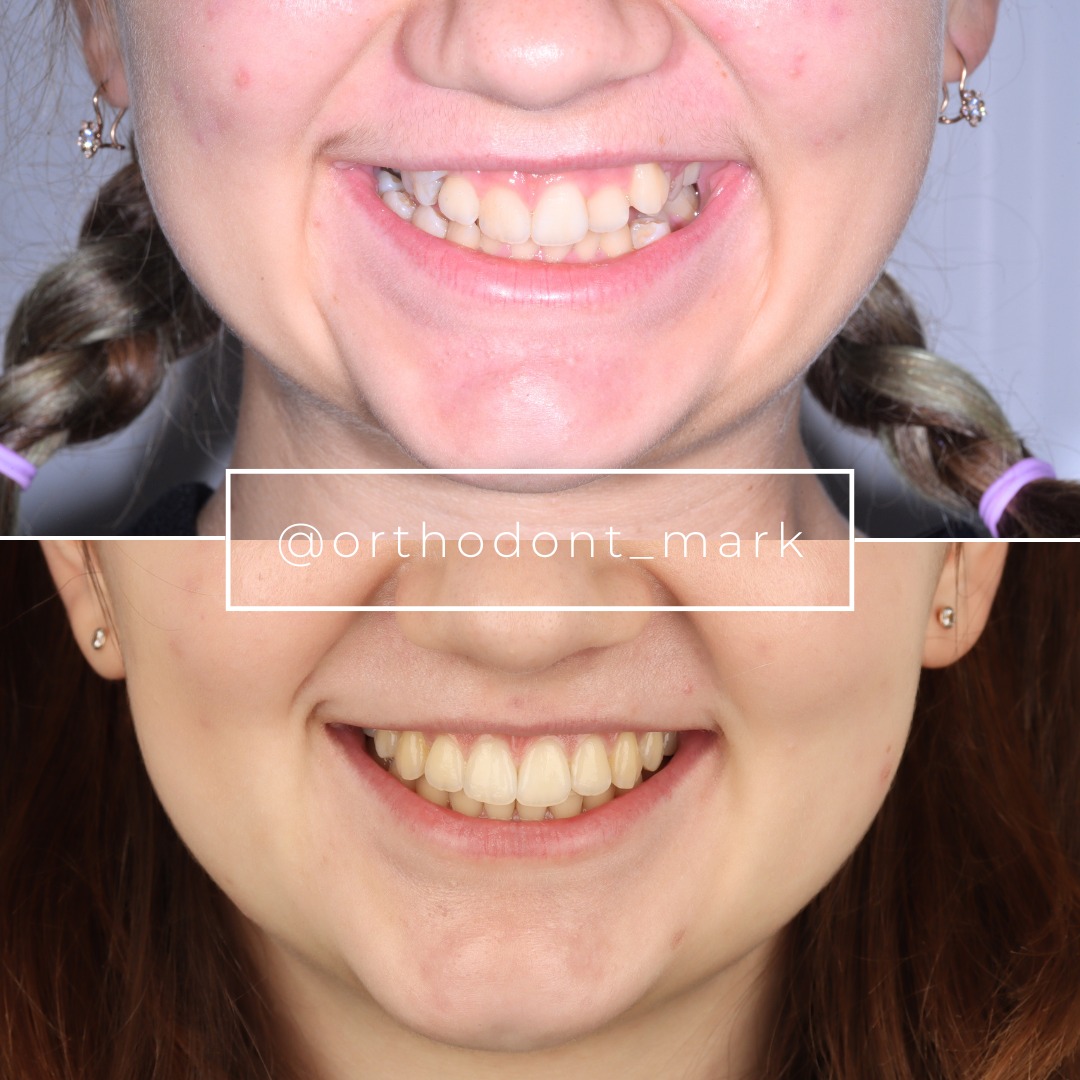
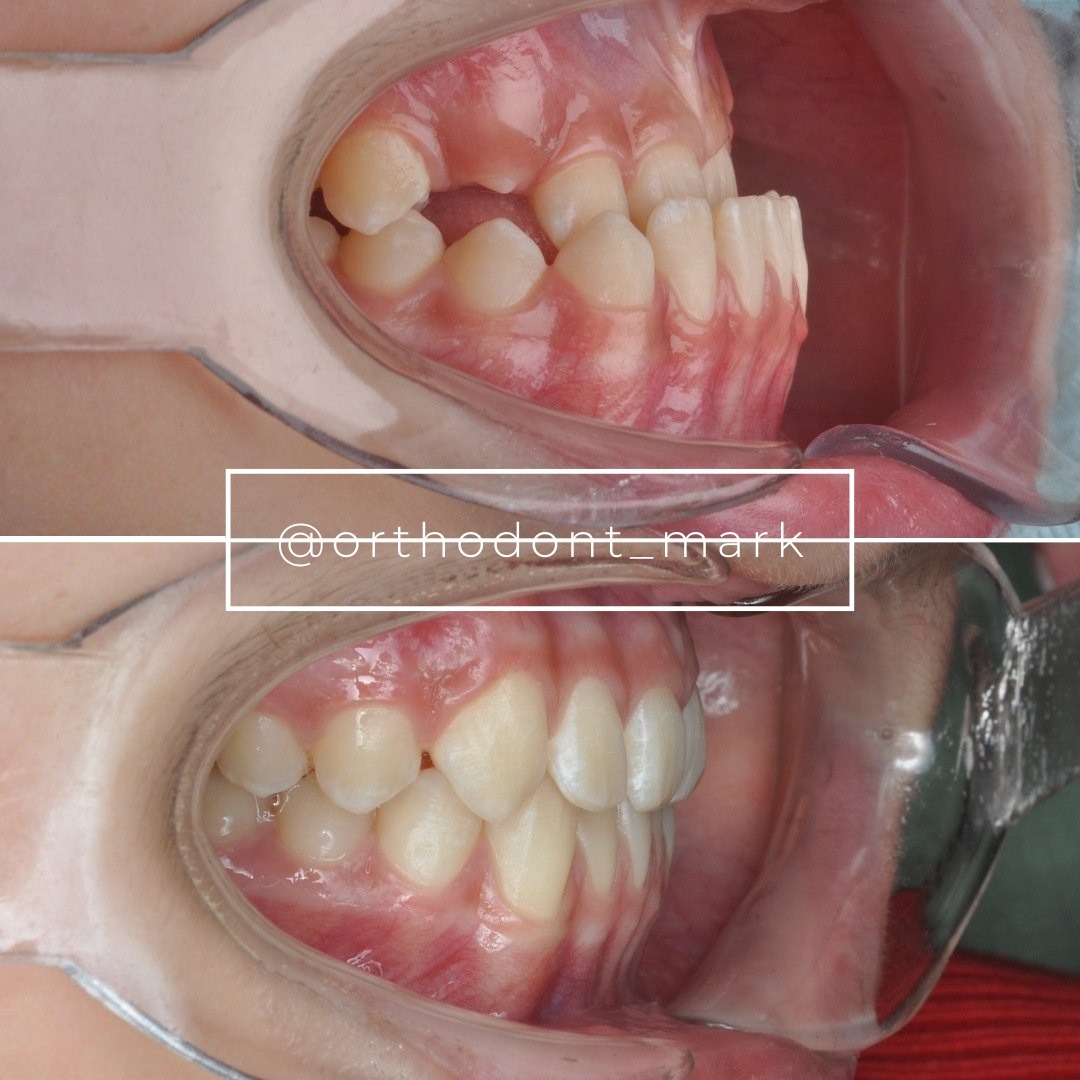
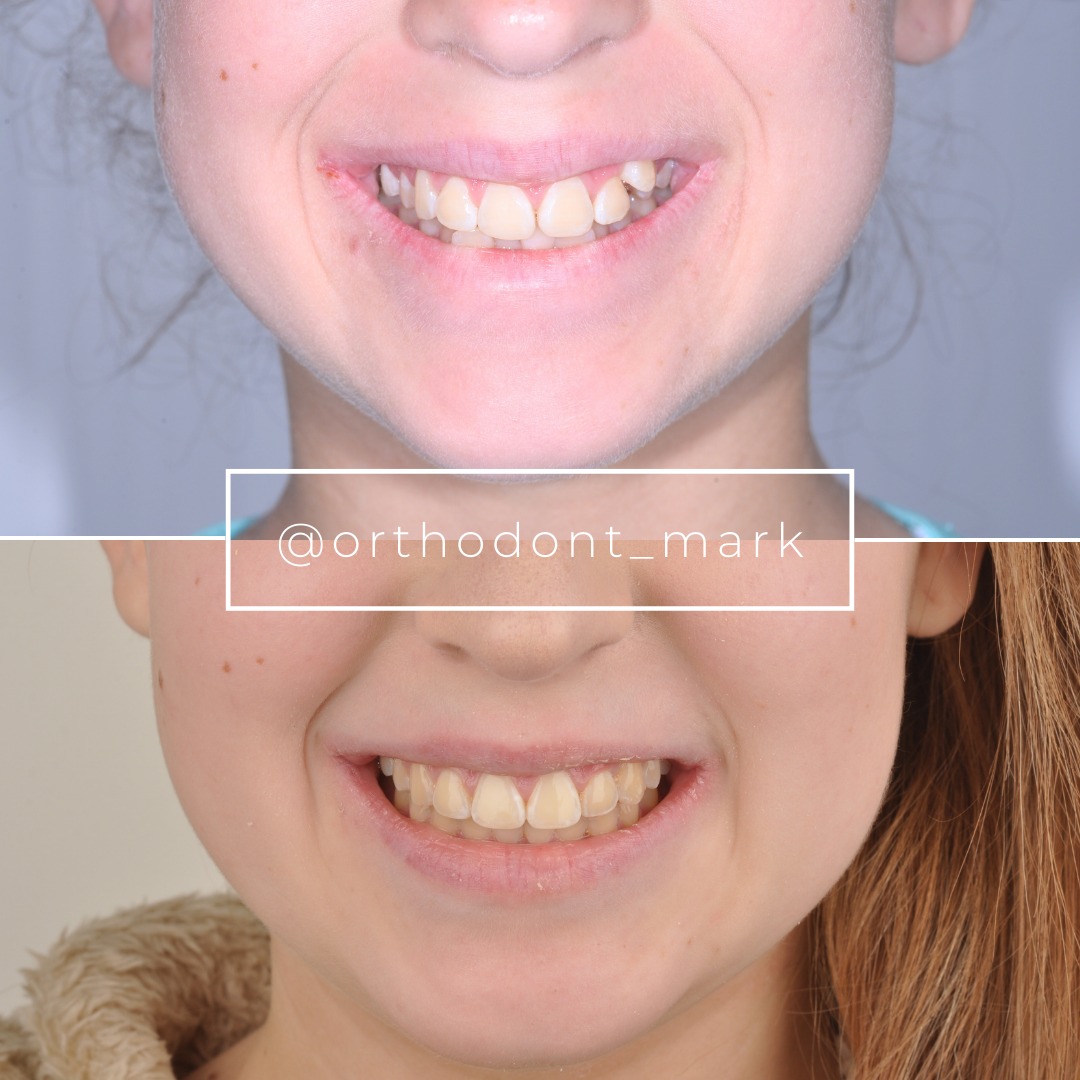
Learn the full MARPE protocol from Dr. Mark Radzhabov
Fundamental course covering CBCT patient selection, miniscrew planning, activation protocols, and 60+ clinical cases. Choose the access level that fits your practice.
Essentials of rapid palatal expansion for practicing orthodontists.
- Core RPE concepts and biomechanics
- 6 structured video lessons
- Clinical decision checklists
- Lifetime access to recordings
Deep-dive into MARPE protocol, diagnostics, and clinical execution.
- 6 modules covering MARPE from A to Z
- CBCT case selection walkthroughs
- Miniscrew placement and activation
- 60+ annotated clinical cases
- Direct Q&A with Dr. Mark Radzhabov
5-element medical consultation framework for dentists and orthodontists.
- Trust-building consultation protocol
- 5 lesson modules
- Templates for treatment plan delivery
- Works with any clinical specialty
Clinical FAQ
What is the success rate of MARPE non-responder salvage with corticotomy?
Corticotomy-assisted expansion restores suture separation success in approximately 75–85% of initially non-responsive MARPE cases when applied to appropriately selected patients (age <30, female, stable miniscrews, moderate suture interdigitation).
At what age does MARPE non-response become statistically significant in male patients?
Retrospective data show statistically significant age-dependent suture nonseparation in males beginning around age 25–30, with a marked decline in both separation success rate and amount of suture opening by age 40+.
How do I differentiate a true MARPE non-responder from a delayed responder?
A delayed responder shows gradual, persistent suture opening over 8+ weeks despite standard activation. A true non-responder exhibits plateau in radiographic suture separation by week 6–8. CBCT baseline assessment of suture interdigitation helps predict which category applies.
Should I prescribe extended retention after corticotomy-assisted MARPE salvage?
Yes. Extended retention (6–9 months) is standard following corticotomy-assisted expansion, particularly in patients >35 years, to ensure adequate reossification of surgically disrupted bone and minimize relapse risk before fixed appliance therapy.
What is the minimal time window to diagnose MARPE non-response and pivot to salvage?
By week 6–8 of standard activation, periapical radiographs should show approximately 50% suture opening relative to screw-activation distance. Plateau before this point signals early non-response. Initiate salvage planning immediately to minimize treatment delay.
Can MARPE achieve adequate dentoalveolar width correction even without complete midpalatal suture separation?
Yes. Clinical evidence confirms measurable maxillary width gain in both premolar and molar regions even when suture separation is incomplete. If patient goals are satisfied by dentoalveolar correction alone, full skeletal opening may not be clinically necessary.
Which CBCT measurements best predict miniscrew-assisted rapid palatal expansion failure preoperatively?
Advanced midpalatal suture interdigitation, high palatal bone density, thin alveolar bone overlying the suture, and male sex >35 years are baseline radiographic predictors of reduced MARPE responsiveness and warrant enhanced surveillance or surgical consideration.
Is there a sex-specific difference in MARPE salvage success rates between males and females?
Yes. Females achieve MARPE suture separation in 94.17% of cases and males in 61.05% (Jeon et al. (2022), Clinical Oral Investigations). Salvage strategies (particularly corticotomy) show similar efficacy across sexes in appropriately selected younger patients, but male sex remains an independent risk factor for non-response.
When should SARPE be recommended instead of attempting MARPE salvage with corticotomy?
SARPE is indicated when patient age exceeds 40, male sex is present, baseline CBCT shows advanced suture fusion, or when corticotomy-assisted re-engagement fails after 4 weeks. SARPE guarantees midpalatal suture opening regardless of age or suture maturity.
How do miniscrew stability and load distribution affect MARPE non-response diagnosis?
Clinical mobility testing and radiographic assessment of miniscrew position and angulation must exclude mechanical factors before attributing non-response to skeletal resistance. Horizontally or angulated screws cause skewed expansion. Repositioning or re-insertion may restore suture opening.
The palate that won't split requires systematic reassessment of skeletal anatomy, age-related suture maturity, and miniscrew load distribution before escalating to surgical intervention. A clear salvage decision tree—built on CBCT diagnostics, periapical monitoring, and sex- and age-dependent success predictors—allows clinicians to make evidence-based choices without overtreatment or unnecessary delays. For a deeper exploration of MARPE patient selection, diagnostic protocols, and case-by-case decision-making, review your cases with Dr. Mark Radzhabov at Orthodontist Mark or enroll in the structured clinical modules available through the Orthodontist Mark education platform.