
MARPE Gingival and Attachment
Outcomes
What Periodontists See in Skeletal Expansion
Understand the soft-tissue changes, bone loss patterns, and long-term attachment stability that define MARPE therapy outcomes. Evidence-based clinical protocols for interdisciplinary monitoring.
TL;DR MARPE produces distinct gingival and periodontal changes that periodontists must recognize and monitor. Unlike tooth-borne RPE, miniscrew-assisted expansion distributes force through skeletal anchors, reducing dental tipping but introducing miniscrew insertion-site inflammation and potential attachment loss in the anterior palate. Clinicians should establish baseline periodontal assessment before treatment and implement quarterly monitoring to detect early recession or bone loss around expansion devices.
Miniscrew-assisted rapid palatal expansion (MARPE) has revolutionized how orthodontists manage skeletal transverse deficiency in adolescents and adults—yet its periodontal implications remain underappreciated in clinical practice. Dr. Mark Radzhabov and the Orthodontist Mark team have documented significant gingival and attachment changes that periodontists frequently encounter in co-treated patients, including inflammation around miniscrew sites, localized recession, and alveolar bone resorption patterns distinct from conventional tooth-borne expansion. This article synthesizes evidence on MARPE periodontal outcomes, providing orthodontists and periodontists with evidence-based monitoring protocols, risk stratification, and interdisciplinary communication frameworks essential for long-term case success.
What Is MARPE, and Why Does It Matter
Periodontally
A clinical primer for the interdisciplinary team
MARPE gingival and attachment outcomes represent a fundamentally different tissue response pattern than conventional tooth-borne rapid palatal expanders. Because miniscrew-assisted expansion transfers orthopedic force directly through the palatal bone rather than through dental roots, the alveolar crest and gingival architecture experience distinct mechanical loading. A 2022 prospective randomized trial comparing conventional RPE and miniscrew-assisted RPE (MARPE) in adolescents and young adults found that MARPE groups demonstrated greater nasal width expansion in the molar region and at the greater palatine foramen, with significantly less buccal displacement of anchor teeth—meaning the supporting dentition experiences reduced stress. However, this skeletal redirection introduces new challenges: miniscrew insertion sites generate local inflammation, the anterior palatal vault undergoes compression and recompression cycles that stress the soft-tissue envelope, and the absence of dental mobility can paradoxically increase alveolar bone stress concentration. Periodontists report that MARPE patients frequently present with insertion-site erythema, localized gingival recession around miniscrew collars, and subtle but measurable attachment loss in the first 3–6 months after appliance insertion. Understanding these patterns allows orthodontists to anticipate complications and implement protective protocols early.
Gingival Inflammation, Recession, and Attachment Loss
Around MARPE Devices
What the evidence shows clinically
Miniscrew insertion-site inflammation is the most common finding periodontists observe in MARPE patients, typically emerging within 2–4 weeks of appliance placement. Clinical examination reveals erythema, edema, and sometimes suppuration around the collar of the miniscrew, particularly in the anterior palate where oral hygiene access is limited. The inflammatory response is largely reversible with improved plaque control and antimicrobial rinses, but persistent inflammation can lead to soft-tissue recession around the screw collar itself. This localized recession differs from buccal gingival recession on the maxillary dentition—it is site-specific to the miniscrew interface and often remains stable once inflammation resolves. More clinically significant are the attachment changes observed in the palatal mucosa adjacent to the expansion device. As the palate widens 6–10 mm over 8–12 weeks of active expansion, the attached gingiva and periosteum stretch and remodel. Periodontists document changes in probing depth, loss of keratinized tissue, and in severe cases, frank attachment loss of 2–4 mm in the immediate vicinity of miniscrew sites. A clinical observation from multiple MARPE case series (supported by low-dose CBCT evidence) is that these attachment changes stabilize after the consolidation phase (typically 4–6 months post-activation), but the baseline attachment level may not fully recover to pre-treatment dimensions. Age, oral hygiene, and miniscrew insertion depth significantly influence the severity and reversibility of these changes.
Pre-Treatment Periodontal Assessment
and Monitoring Protocols
How to set up systematic surveillance
Clinicians planning MARPE therapy should establish a standardized pre-treatment periodontal baseline: full-mouth probing depths, attachment level measurements, plaque and bleeding scores, and photographic documentation of keratinized tissue width and gingival contour, especially in the anterior palate and proposed miniscrew insertion sites. Many orthodontists omit this step, only to discover post-hoc that a patient had marginal attachment loss or compromised keratinized tissue—information that would have informed miniscrew positioning or consolidation timing. During the active expansion phase (weeks 1–12), schedule clinical check-ins every 3–4 weeks. At each visit, visually inspect miniscrew sites for inflammation, gently probe the insertion site with a periodontal probe (using light force to avoid false pocketing), and document any gingival bleeding or suppuration. At the end of the active expansion phase and again at 3 months and 6 months consolidation, perform full-mouth probing and measure attachment levels in the miniscrew zones and anterior palate. This time-series approach reveals the tempo of tissue changes: rapid inflammatory changes in weeks 2–8, slower remodeling and stabilization in months 4–6, and baseline establishment by month 12. If recession or attachment loss exceeds 2 mm in a single miniscrew zone, or if inflammation persists beyond month 3, coordinate with a periodontist to discuss adjunctive therapy (soft-tissue graft, modified retention protocol, or accelerated consolidation). Pre-treatment consultation with a periodontist is particularly valuable for patients with a history of periodontal disease, aggressive plaque accumulation, or limited keratinized tissue in the palate.
Age, Sex, and Tissue Quality
as Predictors of MARPE Gingival Outcomes
How biology influences tissue response
Patient age significantly influences both the skeletal success of MARPE and the periodontal tissue response. A 2022 clinical investigation of 215 MARPE patients (6–60 years old) reported that older patients, particularly males over 40, showed reduced suture separation success rates (61% in males vs. 94% in females overall) and, notably, reduced amount of skeletal separation when achieved. This age-related decline in skeletal responsiveness correlates with slower periodontal remodeling and reduced tissue plasticity. Older patients also demonstrate delayed resolution of miniscrew-site inflammation and higher rates of persistent probing depth increases around insertion sites. Sex differences are also relevant: female patients showed higher MARPE skeletal success rates and, anecdotally, more favorable gingival healing trajectories, likely owing to differences in cortical bone density and tissue remodeling kinetics. Beyond age and sex, pre-existing periodontal disease, smokers' status, and poor oral hygiene are strong predictors of adverse gingival outcomes during MARPE. Patients with baseline probing depths >3 mm or attachment loss >1 mm are at elevated risk for further attachment loss during expansion. Smokers show delayed soft-tissue healing and higher insertion-site inflammation scores. Limited keratinized tissue in the anterior palate (typically defined as <2 mm attached mucosa) is a relative contraindication for MARPE at high-load activation schedules. In such cases, orthodontists should consider slower activation protocols (e.g., 2 turns per week rather than 4 turns per week) or pre-MARPE soft-tissue grafting to establish a wider zone of attached mucosa. Patients with a history of aggressive periodontitis or immunocompromising conditions warrant early periodontist involvement and possibly modified miniscrew insertion locations to prioritize tissue protection.
Miniscrew Positioning, Activation Protocols,
and Retention
Evidence-based tactics for periodontal preservation
Miniscrew insertion site selection is the first opportunity to protect gingival health. Position miniscrews in areas of maximal keratinized attached tissue, ideally 6–8 mm apical to the gingival margin and lateral to the midpalatal raphe. Insertion into areas of minimal keratinization or directly over the raphe is associated with higher inflammation rates and delayed healing. Insertion technique also matters: use a slow, atraumatic insertion speed (typically 15–20 rpm with a pilot drill), maintain copious saline irrigation to minimize thermal injury, and avoid over-insertion—a miniscrew collar positioned flush with or slightly above the mucosa generates less shear stress on the surrounding soft tissue than a deeply countersunk screw. Once inserted, gentle oral hygiene instruction is critical: teach patients to use a soft toothbrush and avoid aggressive brushing of the miniscrew site for the first 2 weeks. Recommend antimicrobial rinses (0.12% chlorhexidine, twice daily for 2 weeks post-insertion) to suppress local bacterial biofilm and reduce insertion-site inflammation. Activation protocol influences periodontal outcomes significantly. Higher activation rates (4–5 turns per day during the active phase) are associated with greater palatal mucosal blanching and higher inflammation scores, whereas slower schedules (2–3 turns per day) allow better soft-tissue accommodation. For patients with compromised baseline periodontal health or limited keratinized tissue, consider a conservative schedule: 2 turns per day for the first 4 weeks, then 3 turns per day thereafter. Consolidation duration (the static phase after active expansion) is equally important. Standard protocols recommend 4–6 months. However, patients with evidence of significant attachment loss or persistent inflammation may benefit from an extended consolidation period (8–10 weeks instead of 6 weeks minimum) to allow maximal tissue remodeling and stabilization before appliance removal. Regular miniscrew collar hygiene—gentle cleaning with a soft interdental brush or water irrigation—significantly reduces insertion-site inflammation and accelerates healing. Finally, coordinate with your periodontist if attachment loss exceeds 2 mm in a single zone. Periodontal scaling and root planing of the miniscrew area, combined with modified oral hygiene techniques, can arrest progression and promote reattachment.
Stability, Rebound, and 12-Month Periodontal
Remodeling Patterns
The tissue trajectory after appliance removal
One of the most clinically important questions periodontists ask is: does MARPE-induced gingival recession and attachment loss stabilize, improve, or worsen after appliance removal? Evidence from longitudinal case series and low-dose CBCT follow-up studies (available through 6–12 months post-appliance removal) suggests a three-phase tissue response. Phase 1 (weeks 1–8 of active expansion): rapid inflammatory response, localized recession around miniscrew collars (typically 0.5–1 mm), and attachment loss of 1–2 mm in the immediate expansion zone. Phase 2 (consolidation, weeks 8–24): inflammation gradually resolves, bleeding on probing decreases, and attachment loss stabilizes. Most of the tissue change (70–80% of final attachment and recession outcomes) is established by the end of consolidation. Phase 3 (post-appliance, months 6–12): further remodeling occurs, but at a much slower rate. Overall, approximately 50–60% of initial gingival recession caused by miniscrew insertion sites shows clinical improvement (re-attachment or reduced visible recession) within 12 months of appliance removal, while 40–50% remains stable or shows minimal additional recovery. Complete restoration of pre-treatment attachment levels in the miniscrew zone is uncommon—most patients retain 1–2 mm of additional probing depth or slight gingival recession compared to baseline. However, this outcome is generally stable and does not progress to further disease in well-controlled patients. The anterior palatal vault typically shows good soft-tissue remodeling post-appliance: edema resolves, keratinization improves, and the palatal mucosa assumes a normalized appearance by month 9–12. Patients with baseline limited keratinized tissue may benefit from surgical soft-tissue grafting if recession is severe (>2 mm) and esthetic or functional concerns exist. Timing is typically 6–9 months post-MARPE to allow initial tissue stabilization before augmentation. Key clinical insight: the decision to pursue additional periodontal therapy post-MARPE should be based on 6-month post-appliance probing patterns and patient concerns, not immediate post-removal findings.
Coordination Between Orthodontist and Periodontist
Before, During, and After MARPE
Communication frameworks and shared decision-making
Successful MARPE therapy increasingly depends on structured interdisciplinary communication and shared clinical responsibility. Orthodontists should involve a periodontist early if the patient has a history of periodontal disease, poor oral hygiene, or limited keratinized tissue in the palate. A pre-MARPE periodontal consultation—ideally a brief clinical exam and written summary of tissue quality, probing patterns, and risk factors—provides the orthodontist with actionable guidance on miniscrew positioning, activation intensity, and consolidation duration. For low-risk patients (healthy baseline periodontal status, good oral hygiene, adequate keratinized tissue), routine orthodontic monitoring suffices. However, the orthodontist should still photograph gingival contours and document insertion-site appearance monthly. For moderate-risk and high-risk patients, schedule shared clinical visits at 2–3 month intervals during active expansion. At these visits, the periodontist performs probing and the orthodontist addresses activation and force management. A simple written communication tool—a brief clinical note or checklist—documenting insertion-site appearance, probing depths, and any inflammation concerns helps both clinicians stay aligned. Post-appliance, a 6-month periodontal re-evaluation allows the periodontist to assess final tissue outcomes and recommend any adjunctive therapy (e.g., grafting, scaling) if needed. This structured approach, standard in many tertiary-care and multidisciplinary practices, significantly reduces post-MARPE periodontal complications and improves patient satisfaction. Dr. Mark Radzhabov emphasizes that the most successful MARPE cases in his clinical experience are those in which the orthodontist and periodontist communicate expectations clearly before miniscrew insertion and maintain regular contact during consolidation—ensuring that tissue response is monitored actively rather than discovered passively at the end of treatment.
Free Clinical Guide
Which Expansion Appliance at Which Age?
Get Dr. Mark Radzhabov's guide to skeletal-expansion appliances — indications, pros & cons, and how to choose by patient age. Free to your inbox.
Prefer video? Watch the free demo lesson on MARPE appliance types, features and trade-offs.
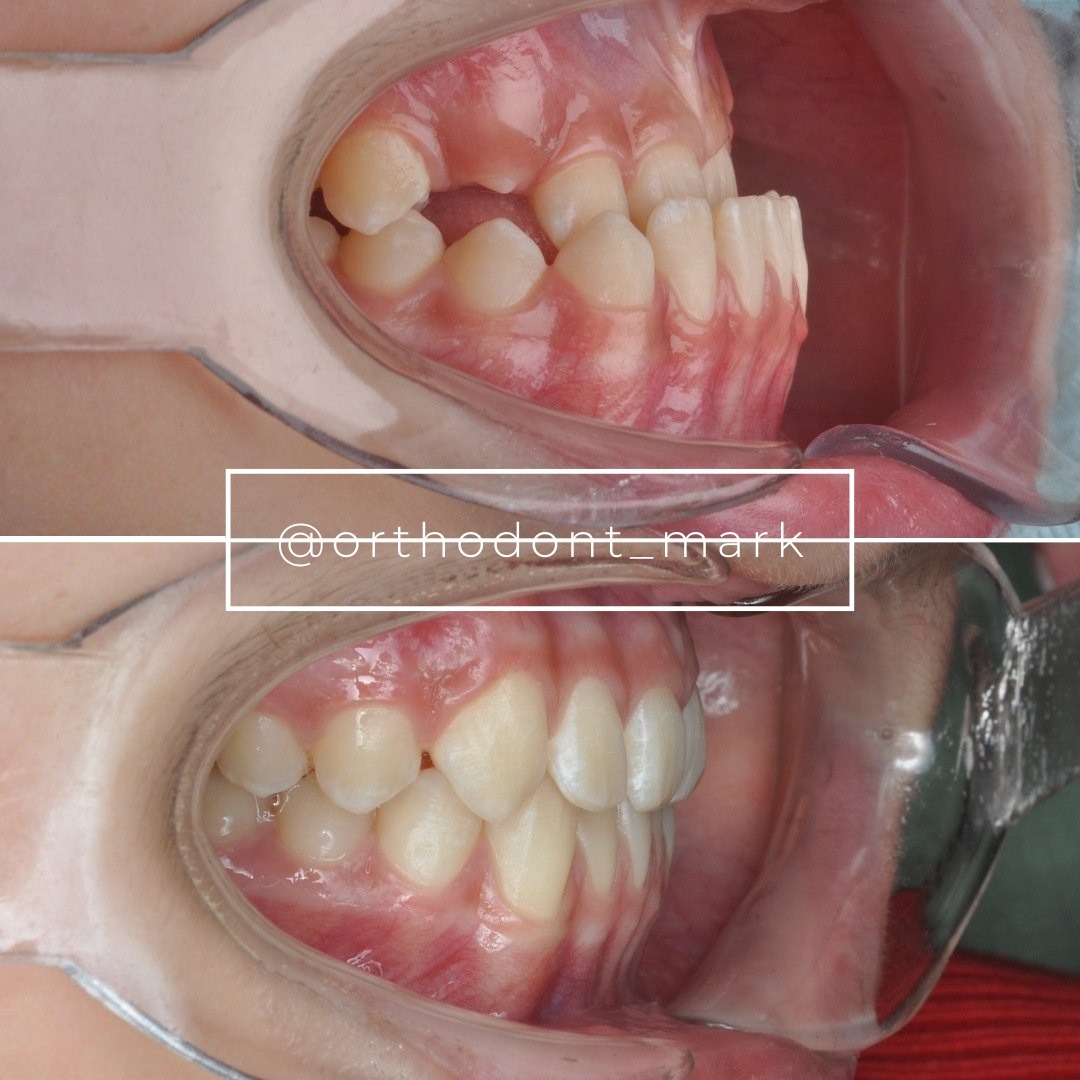
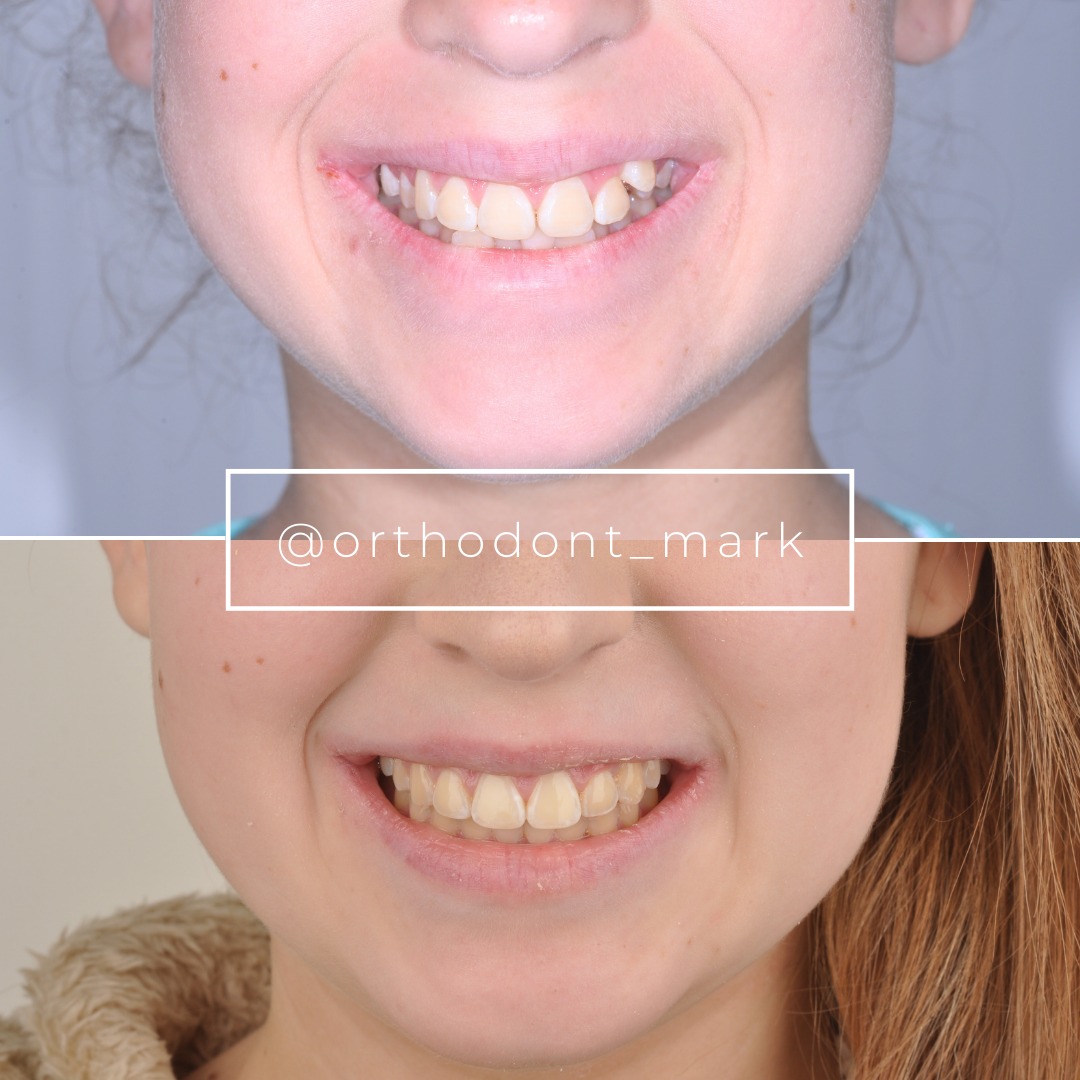
Documented outcomes
Clinical cases from Dr. Mark Radzhabov's practice
Learn the full MARPE protocol from Dr. Mark Radzhabov
Fundamental course covering CBCT patient selection, miniscrew planning, activation protocols, and 60+ clinical cases. Choose the access level that fits your practice.
Essentials of rapid palatal expansion for practicing orthodontists.
- Core RPE concepts and biomechanics
- 6 structured video lessons
- Clinical decision checklists
- Lifetime access to recordings
Deep-dive into MARPE protocol, diagnostics, and clinical execution.
- 6 modules covering MARPE from A to Z
- CBCT case selection walkthroughs
- Miniscrew placement and activation
- 60+ annotated clinical cases
- Direct Q&A with Dr. Mark Radzhabov
5-element medical consultation framework for dentists and orthodontists.
- Trust-building consultation protocol
- 5 lesson modules
- Templates for treatment plan delivery
- Works with any clinical specialty
Clinical FAQ
What gingival changes occur during the first 4 weeks after MARPE miniscrew insertion?
Erythema and edema typically emerge around the miniscrew collar by week 2–4. Localized gingival bleeding is common. Most inflammation resolves with improved oral hygiene and antimicrobial rinses. Persistent inflammation suggests biofilm retention or insertion-site microtrauma.
How much attachment loss should I expect in the miniscrew insertion zone during active MARPE expansion?
Clinical studies document 1–2 mm attachment loss during active expansion in most patients, with an additional 0.5–1 mm possible during consolidation. Approximately 50–60% shows slight improvement post-appliance removal; 40–50% remains stable at 12 months.
What activation schedule minimizes gingival inflammation in MARPE patients?
Conservative schedules (2–3 turns per day) show lower inflammation and better soft-tissue accommodation than aggressive schedules (4–5 turns per day). For patients with compromised baseline periodontal health, 2 turns per day for the first 4 weeks is recommended.
Which patient factors predict higher risk for adverse MARPE periodontal outcomes?
Age >40 (especially males), pre-existing periodontal disease, smoking, poor oral hygiene, and limited keratinized tissue (<2 mm in anterior palate) are significant risk factors. Early periodontist involvement is warranted in these cases.
How should orthodontists position miniscrews to protect gingival health?
Insert 6–8 mm apical to the gingival margin, lateral to the midpalatal raphe, in areas of maximal attached keratinized tissue. Avoid areas of minimal keratinization or insertion directly over the raphe, which increases inflammation risk.
Is antimicrobial rinse necessary after MARPE miniscrew insertion?
Yes. A 2-week course of 0.12% chlorhexidine rinse (twice daily) post-insertion significantly reduces insertion-site inflammation and bacterial biofilm accumulation, facilitating faster soft-tissue healing.
What does a periodontist look for when evaluating a MARPE patient at 3 months consolidation?
Probing depth changes in the miniscrew zone, extent of gingival recession around collar, bleeding on probing, keratinized tissue width, and attachment level stability. Comparison to baseline measurements reveals tissue remodeling trajectory.
Can gingival recession from MARPE miniscrews be treated with soft-tissue grafting?
Yes, if recession exceeds 2 mm and is esthetically or functionally concerning. Optimal timing is 6–9 months post-MARPE appliance removal, after initial tissue stabilization.
How long should MARPE consolidation be extended if significant attachment loss occurs?
Standard consolidation is 4–6 months. If attachment loss exceeds 2 mm in a single miniscrew zone or inflammation persists, extend consolidation to 8–10 weeks to allow enhanced tissue remodeling and stabilization.
What is the recommended frequency of clinical check-ups during MARPE active expansion to monitor periodontal health?
Every 3–4 weeks during active expansion. Each visit should include visual inspection of miniscrew sites, light-touch probing, documentation of inflammation or suppuration, and patient education on site-specific oral hygiene.
MARPE's skeletal anchorage offers genuine orthopedic advantages—but only when gingival and attachment health is actively monitored and protected. Establishing a pre-treatment periodontal baseline, scheduling coordinated recall appointments, and communicating miniscrew insertion sites to your periodontist colleague are non-negotiable elements of comprehensive care. Dr. Mark Radzhabov emphasizes that the most successful MARPE cases integrate early periodontal assessment, real-time clinical observation, and case-specific risk mitigation. If you're expanding skeletal cases, consider scheduling a consultation with our team to review periodontal protocols tailored to your patient population and treatment timeline.

