
Pre-Expansion Suture Softening:
Evidence and Clinical Timing
When Priming Matters in MARPE
A practical evidence-based guide to suture conditioning: anatomy, surgical outcomes, and biomechanical rationale for skeletal expansion in adults.
TL;DR Pre-expansion suture conditioning—whether surgical or mechanical—remains clinically debated but evidence suggests selective priming may improve parallel midpalatal split and reduce relapse risk in skeletally mature patients. The decision depends on individual suture maturation status, patient age, and appliance biomechanics rather than a universal protocol.
Adult palatal expansion success hinges on midpalatal suture status, yet the question of whether to soften the suture first remains contentious in contemporary orthodontics. Pre-expansion suture conditioning—ranging from corticotomy-assisted microosteoperforations to surgical midpalatal split—promises improved force distribution and reduced dental tipping. This article examines the clinical evidence for pre-expansion protocols, drawing on anatomical development timelines, biomechanical principles, and surgical outcomes from Dr. Mark Radzhabov's research and evidence-based practice at Orthodontist Mark. The goal is to equip you with a decision-ready framework: when priming offers genuine clinical advantage versus when miniscrew-assisted rapid palatal expansion alone suffices.
What Is Pre-Expansion Suture
Conditioning?
Pre-expansion suture conditioning refers to planned surgical or mechanical intervention performed before or concurrent with miniscrew-assisted rapid palatal expansion to reduce midpalatal suture resistance. The rationale is anatomical: by age 17, the palatine suture begins significant ossification and progressive fusion continues into adulthood. Individual variability in this timeline is substantial—some adults retain unfused or partially patent sutures, while others show advanced ossification decades earlier. Surgical approaches range from full midpalatal osteotomy (the gold standard in surgically assisted rapid maxillary expansion, or SARME) to percutaneous microosteoperforations or selective corticotomy of the nasal floor and palatal cortex. Mechanical priming relies on low-force, sustained loading phases to encourage creep and resorption before aggressive screw activation. The clinical question is not whether suture fusion occurs universally, but rather at what maturation threshold it justifies preparatory intervention versus direct MARPE loading.
How Skeletal Expansion Works:
Force Redistribution
Across Suture and Bone
The expansion screw generates orthopedic force that must be distributed to the midpalatal suture and surrounding maxillary skeletal structures rather than dissipated in dental tipping. Bicortical miniscrew fixation (anchoring to both palatal and nasal cortical bone) promotes parallel suture opening and reduces lateral movement of the screw assembly—improving force efficiency. Without adequate suture compliance, force concentrates on the teeth and anterior alveolus, producing unwanted buccal tipping and only minimal skeletal expansion at the nasal aperture. Pre-expansion conditioning—whether surgical or mechanical—reduces suture resistance, lowering the force threshold needed to initiate true skeletal displacement. This is particularly relevant in older adults or those with dense palatal bone: priming allows the same appliance and activation protocol to achieve greater skeletal gain with less dental side effect. Conversely, in younger patients with patent or early-stage sutures, conventional MARPE often achieves adequate skeletal expansion without priming, as the suture itself offers less resistance.
Surgical Midpalatal Split:
Efficacy and Patient Response
Surgically assisted rapid maxillary expansion (SARME) with full midpalatal osteotomy is the most aggressive form of suture priming. Clinical trials comparing SARME with osteotomy to SARME without osteotomy demonstrate clear efficacy advantage: patients undergoing full midpalatal split achieve greater incisor diastema formation and radiographic evidence of complete bone separation at the suture (P = 0.00). However, surgical intervention carries cost, morbidity, and patient acceptance challenges. Importantly, postoperative discomfort during appliance activation and the early healing phase is significantly higher in non-osteotomized cases, suggesting that partial bone continuity creates localized stress concentrations. This paradox informs MARPE decision-making: full surgical split eliminates suture resistance entirely, but the majority of adult orthodontic patients do not require surgery—they require thoughtful timing and appliance selection. Percutaneous or minimally invasive microosteoperforations (selective corticotomy of the palatal and nasal floor cortices without complete midpalatal separation) offer a middle ground: they reduce suture resistance without the commitment and morbidity of full osteotomy, though evidence on outcomes remains limited in the orthodontic literature.
When to Prime and When to
Proceed Directly
The decision to prime rests on four clinical anchors: (1) patient age and skeletal maturity status (confirmed by cervical vertebral maturation stage or hand-wrist radiography if CBCT is unavailable), (2) CBCT assessment of midpalatal suture maturation (using visual staging or morphometric analysis of suture density), (3) severity of maxillary constriction (mild to moderate vs. severe), and (4) appliance design and bicortical fixation capability. Patients under age 25 with radiographic evidence of partial suture patency and mild-to-moderate constriction are candidates for direct MARPE without priming. The suture's inherent compliance and ongoing bone remodeling favor expansion. Patients aged 25–40 with early-stage ossification (Stage 2–3 on visual maturation scores) and moderate constriction benefit from a 4–6 week mechanical priming phase (low-force screw activation, 0.2–0.3 mm/week) before standard MARPE activation. Patients over 40, those with advanced suture ossification (Stage 4–5), or those with severe constriction and failed prior expansion attempts are candidates for surgical priming (either full SARME if severity justifies it, or selective corticotomy as a compromise). Dr. Mark Radzhabov's clinical practice emphasizes individual CBCT assessment and transparent discussion with the patient regarding time, cost, and surgical commitment rather than algorithm-driven protocols.
Clinical Evidence Gaps and
Evidence-Based Conclusions
The evidence for pre-expansion suture softening is strong at the extremes (surgical osteotomy clearly improves efficacy in fully ossified sutures. No priming is needed in young patients with patent sutures) but sparse in the clinically common middle ground. High-quality randomized controlled trials comparing mechanical priming vs. direct MARPE in Stage 2–3 sutures are limited. Most evidence derives from surgical studies (SARME with vs. without osteotomy) or animal models of skeletal expansion. Human studies confirm that suture maturation is age-independent and highly variable, supporting CBCT-based assessment over age-based cutoffs. Biomechanical modeling and clinical observation suggest that priming reduces force threshold and encourages parallel suture opening, but long-term follow-up data on relapse rates are insufficient to establish priming as mandatory for any age group. Published outcomes from microosteoperforations (percutaneous corticotomy) are anecdotal and lack standardized outcome measures. This evidence gap does not mean priming is ineffective—it means clinicians must integrate anatomical reasoning, biomechanical principles, and individual patient factors rather than relying on a universal protocol. Dr. Mark Radzhabov's approach emphasizes transparency with patients: discuss the trade-off between priming time, cost, and surgical risk versus the likelihood of direct MARPE success based on CBCT maturation.
Free Clinical Guide
Which Expansion Appliance at Which Age?
Get Dr. Mark Radzhabov's guide to skeletal-expansion appliances — indications, pros & cons, and how to choose by patient age. Free to your inbox.
Prefer video? Watch the free demo lesson on MARPE appliance types, features and trade-offs.
Documented outcomes
Clinical cases from Dr. Mark Radzhabov's practice
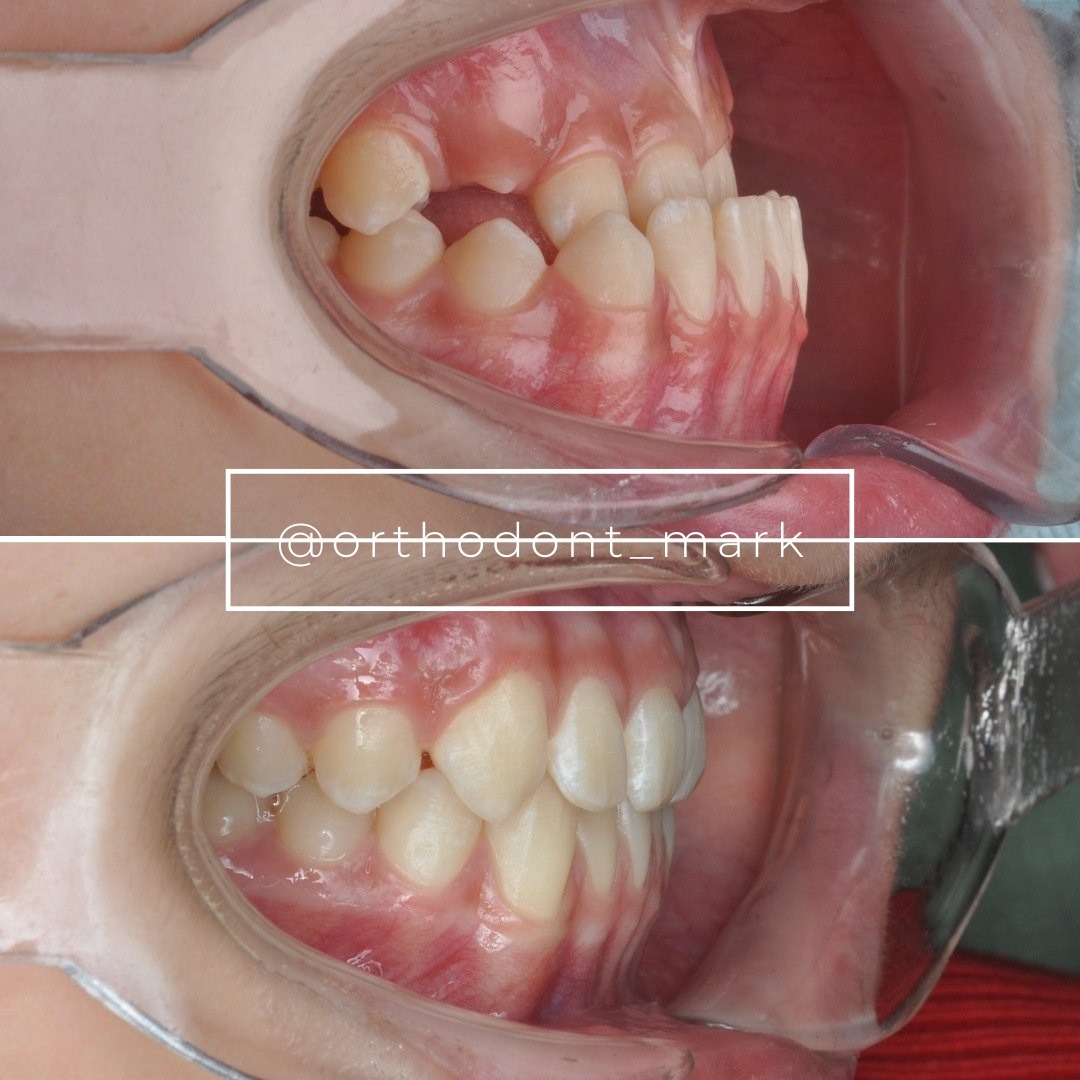
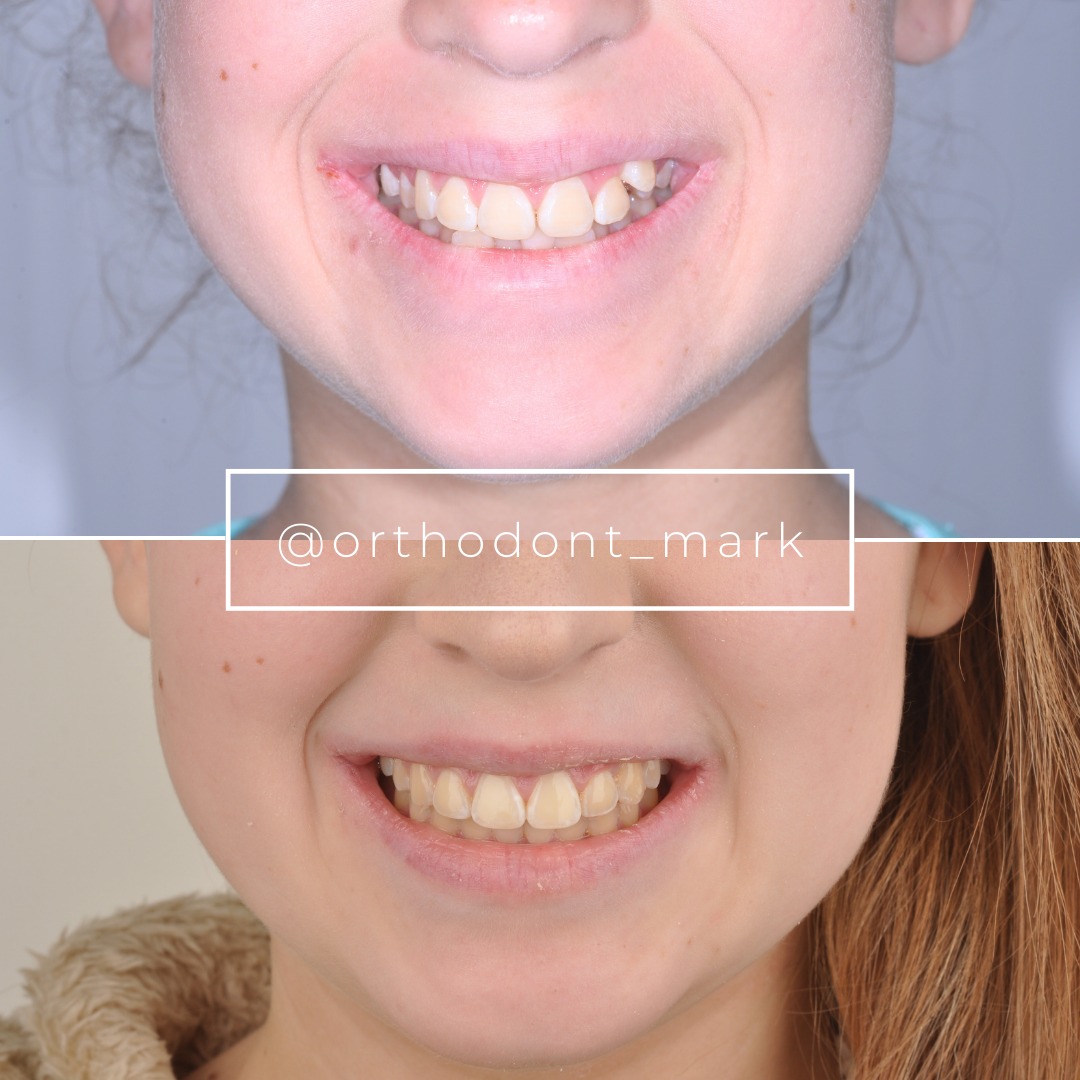
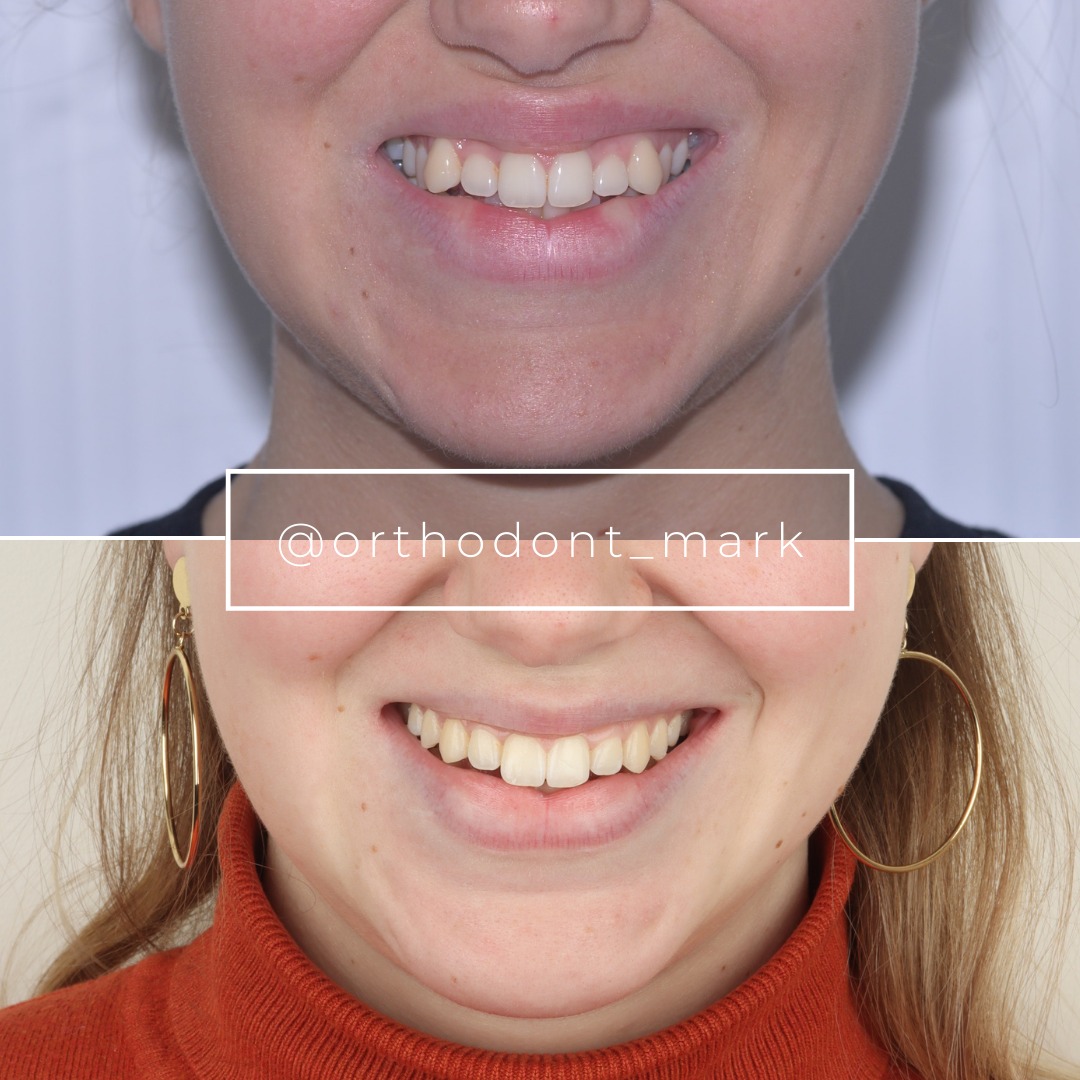
Learn the full MARPE protocol from Dr. Mark Radzhabov
Fundamental course covering CBCT patient selection, miniscrew planning, activation protocols, and 60+ clinical cases. Choose the access level that fits your practice.
Essentials of rapid palatal expansion for practicing orthodontists.
- Core RPE concepts and biomechanics
- 6 structured video lessons
- Clinical decision checklists
- Lifetime access to recordings
Deep-dive into MARPE protocol, diagnostics, and clinical execution.
- 6 modules covering MARPE from A to Z
- CBCT case selection walkthroughs
- Miniscrew placement and activation
- 60+ annotated clinical cases
- Direct Q&A with Dr. Mark Radzhabov
5-element medical consultation framework for dentists and orthodontists.
- Trust-building consultation protocol
- 5 lesson modules
- Templates for treatment plan delivery
- Works with any clinical specialty
Clinical FAQ
What is the optimal age window for miniscrew-assisted rapid palatal expansion without priming?
Patients under 25–30 with radiographic evidence of suture patency (CBCT Stage 1–2) are candidates for direct MARPE without priming. Age alone is not predictive. Suture maturation status is decisive. Mechanical priming may be beneficial in the 25–40 age group depending on CBCT findings.
How does CBCT suture maturation staging guide treatment selection?
Stage 1–2 (patent or early fusion): direct MARPE. Stage 3 (50–75% ossification): consider 4–6 week priming phase. Stage 4–5 (complete fusion): surgical priming (corticotomy or SARME) likely necessary. Visual staging outperforms age-based prediction.
What is the evidence for mechanical priming compared to surgical priming?
High-quality comparative trials are limited. Surgical osteotomy clearly improves efficacy in fully ossified sutures. Mechanical priming (low-force activation) is clinically accessible and reduces force threshold, but long-term outcome data are sparse. Both are evidence-supported at different suture maturation levels.
Does bicortical miniscrew fixation improve expansion outcomes independent of priming?
Yes. Bicortical fixation (anchoring to palatal and nasal cortices) enhances force distribution, reduces TAD stress, and promotes parallel suture opening. This applies whether or not priming is performed. Proper TAD placement is fundamental regardless of priming strategy.
What are the discomfort and morbidity differences between surgical osteotomy and direct MARPE?
Surgical osteotomy carries greater upfront morbidity (anesthesia, surgical time, postoperative healing) but eliminates suture resistance completely. Direct MARPE avoids surgery but relies on adequate suture compliance. Selective corticotomy offers intermediate morbidity. Patient preference and anatomy guide selection.
Should you soften the midpalatal suture before MARPE in all skeletally mature patients?
No. Priming is not universal. CBCT-guided suture assessment determines necessity. Young, skeletally mature patients with patent sutures succeed with direct MARPE. Older patients or those with advanced ossification benefit from priming. Individual variation mandates case-by-case evaluation rather than routine priming.
How long should a mechanical priming phase last, and what activation rate is safe?
Typical protocol: 4–6 weeks of low-force activation at 0.2–0.3 mm/week (roughly one quarter-turn every 3–4 days). This rate encourages bone creep and suture resorption without excessive stress. After priming, transition to standard MARPE activation (0.5 mm/day) if suture resistance remains.
Can microosteoperforations or selective corticotomy replace full SARME in adult expansion?
Possibly, but evidence is limited. Microosteoperforations target palatal and nasal cortices without complete midpalatal separation, reducing morbidity compared to full osteotomy. Long-term outcome data and standardized protocols are lacking. Consider as intermediate option in Stage 4 sutures if patient declines surgery.
What radiographic signs predict successful expansion without surgical priming?
Visible suture patency on CBCT (Stage 1–2), absence of complete midline fusion, and normal marrow spaces at the suture line suggest priming is unnecessary. Advanced ossification (Stage 4–5), sclerotic appearance, and fused borders favor surgical priming or conservative force management.
How does Orthodontist Mark approach pre-expansion decision-making in clinical practice?
Dr. Mark Radzhabov emphasizes CBCT-based suture maturation assessment, bicortical TAD placement, and transparent patient discussion of timing and cost trade-offs. Rather than universal priming, he tailors strategy to individual suture anatomy, patient age, and constriction severity for evidence-based, patient-centered outcomes.
Pre-expansion suture softening is not universally mandatory—it is a clinical judgment anchored in individual suture maturation, patient age, and appliance design. For skeletally mature patients with advanced suture ossification or severe maxillary constriction, selective priming (surgical or mechanical) may improve parallel expansion and lower complications. For younger adults or those with favorable suture anatomy, MARPE alone often achieves excellent skeletal results. Review your patient's CBCT maturation score, assess force distribution capacity with your chosen appliance, and consider Dr. Mark Radzhabov's clinical framework at Orthodontist Mark to tailor your pre-expansion decision to the individual case.