
Pterygomaxillary Resistance
Limits
MARPE Expansion Success
A clinical deep-dive into how posterior skeletal anatomy constrains transverse gains and proven strategies to overcome pterygomaxillary resistance in your practice.
TL;DR The pterygomaxillary suture represents a significant anatomical barrier to skeletal expansion in MARPE treatment. Understanding pterygomaxillary resistance—its ossification timeline, biomechanical contribution, and relationship to miniscrew placement—is essential for clinicians seeking consistent skeletal response and preventing unwanted dental tipping.
Pterygomaxillary resistance is one of the most overlooked anatomical constraints in miniscrew-assisted rapid palatal expansion (MARPE) practice. While most clinicians focus on mid-palatal suture maturity, the pterygomaxillary junction—the articulation between the maxilla and pterygoid plates posteriorly—exerts substantial opposing force that limits true skeletal expansion. Dr. Mark Radzhabov emphasizes at OrthodontistMark.com that understanding this 'forgotten suture' is critical for achieving predictable transverse skeletal gains in both growing and mature patients.
Understanding Pterygomaxillary Suture Anatomy
Anatomy
and Its Role in Skeletal Expansion Resistance
The pterygomaxillary suture is a true craniofacial articulation—distinct from the more commonly discussed mid-palatal suture—that connects the alveolar process and tuberosity of the maxilla to the pterygoid plates of the sphenoid bone. This posterior junction serves as a primary growth site and load-bearing structure throughout development. During normal craniofacial growth, the pterygomaxillary region experiences forward displacement and vertical remodeling, but once skeletal maturity is reached around age 17–18, ossification and consolidation reduce mobility substantially.
Unlike the mid-palatal suture, which orthodontists routinely assess for maturation status via cone-beam computed tomography (CBCT), the pterygomaxillary suture receives minimal clinical attention during case planning. However, radiographic evidence demonstrates that even in skeletally mature patients with completely fused mid-palatal sutures, the pterygomaxillary junction retains significant structural rigidity. This structural rigidity directly opposes the expansion vectors applied by miniscrew-assisted devices. The pterygoid plates themselves—particularly the medial pterygoid plates, which are pneumatized and offer reduced bony density—resist lateral displacement, creating a mechanical bottleneck at the posterior maxilla.
Clinically, this translates to a common observation: expansion forces that readily open the anterior and mid-palatal regions often result in minimal or negligible changes at the maxillary tuberosity and pterygomaxillary junction. This creates the paradox of successful dentoalveolar expansion with limited skeletal gain—a pattern that experienced MARPE clinicians recognize as the ceiling imposed by pterygomaxillary resistance.
The Developmental Window
for
Pterygomaxillary Skeletal Plasticity
The pterygomaxillary region undergoes predictable developmental changes that directly influence expansion outcomes at different patient ages. From birth through age 7, the maxilla grows primarily via skull base synchondroses (sphenoethmoidal and intrasphenoidal), with the pterygoid plates remaining cartilaginous and highly responsive to mechanical forces. Between ages 8–11, active growth of the palatine suture accelerates, and the pterygomaxillary region begins progressive ossification. A critical growth spurt occurs during puberty (approximately ages 11–15), after which forward and downward maxillary growth continues only marginally, driven primarily by bone formation at the tuberosity and posterior sutures.
After age 15–17, pterygomaxillary skeletal growth essentially plateaus. The pterygoid plates achieve adult bone density, the pterygomaxillary suture approaches complete ossification, and resistance to lateral expansion forces increases exponentially. This timeline has direct clinical implications: MARPE cases initiated in patients under age 14 typically show superior skeletal response and greater tuberosity expansion compared to cases in patients age 18 or older. The difference is not merely a matter of suture maturity—it reflects the presence of residual pterygomaxillary plasticity that expires during mid-to-late adolescence.
For clinicians treating older patients, this reality necessitates frank conversations about expected skeletal gain. A patient presenting at age 22 with severe transverse deficiency will experience substantially different expansion dynamics than an 12-year-old with identical maxillary dimensions. The posterior skeletal resistance encountered at MARPE activation will be qualitatively different—more rigid, less responsive to force magnitude adjustments, and more likely to result in compensatory dental movement rather than true skeletal change.
Force Distribution and Pterygomaxillary Mechanical Constraints
Mechanical
in Skeletal Expansion Biomechanics
When miniscrews are placed on the hard palate and expansion forces are applied, the resulting vector is not uniform across the maxilla. Anterior and mid-palatal regions, anchored primarily by the mid-palatal suture and supported by dentoalveolar structures with greater mobility, expand more readily. The posterior maxilla—tethered by the pterygomaxillary suture and constrained by pterygoid plate opposition—resists lateral displacement proportionally to the force magnitude applied.
The pterygoid plates function as a posterior mechanical stop. Because the medial pterygoid plates are partially pneumatized (containing extensions of the sphenoidal sinus), they offer less dense bone than the palatal vault itself, yet their geometric position and articulation with the maxillary tuberosity create substantial opposing moment. When expansion forces are directed posteriorly or when miniscrews are placed in a more distal position, the load distribution concentrates force into the pterygomaxillary junction, creating stress concentration that the skeletal tissue cannot accommodate without either (a) plastic deformation of the suture, (b) dental compensation via tuberosity and alveolar process tipping, or (c) cessation of expansion progress.
Bicortical miniscrew fixation—anchoring to both nasal and palatal cortices—theoretically improves parallel opening of the mid-palatal suture by distributing force more evenly along the axis of the suture. However, bicortical fixation does not eliminate pterygomaxillary resistance; it only ensures that the resistance is mobilized more uniformly across the entire maxilla rather than concentrated anteriorly. In cases with substantial pterygomaxillary rigidity, even optimal miniscrew placement cannot overcome the fundamental anatomical constraint posed by posterior skeletal structures.
CBCT Diagnostic Protocol
for
Evaluating Pterygomaxillary Suture Maturity
Systematic CBCT analysis of the pterygomaxillary region must become part of your standard pre-MARPE diagnostic protocol. Unlike mid-palatal suture assessment, which has well-established staging systems (from Heubner, Angelieri, and others), pterygomaxillary maturity lacks a universally validated classification—creating an opportunity for clinicians to integrate this analysis into their own practice standards.
Begin by examining high-resolution axial and sagittal CBCT sections focused on the maxillary tuberosity region and pterygoid plates. In younger patients (under age 14), the pterygomaxillary junction typically appears as a well-defined radiolucent space with visible cancellous bone pattern between the maxilla and pterygoid structures. As skeletal maturity approaches, this radiolucency progressively becomes more radiodense, the sutural space narrows, and trabecular bone density increases substantially. In skeletally mature patients (age 17+), the pterygomaxillary region often appears nearly homogeneous with the maxillary bone, indicating advanced ossification and minimal remaining plasticity.
A practical clinical assessment: measure the transverse width of the maxilla at three levels—anterior canine, premolar, and molar regions. In patients with significant pterygomaxillary resistance, you will observe a disproportionate deficit in posterior width relative to anterior width. This pattern—narrow posterior maxilla with more adequate anterior dimensions—is a radiographic hallmark of pterygomaxillary constraint. Additionally, examine the position and morphology of the pterygoid plates themselves; plates that are more vertically oriented and pneumatized offer less resistance than those that are more horizontally positioned with dense cortical borders.
Post-treatment CBCT comparison is equally informative. If a patient completes full MARPE activation and demonstrates expansion gains of 6–8 mm anteriorly but only 2–3 mm at the molar region, this is diagnostic of significant pterygomaxillary resistance. This observation should inform your retention protocol and guide your case selection criteria for future patients.
Miniscrew Placement and Force Optimization
Placement
Strategies to Reduce Posterior Skeletal Constraint
While pterygomaxillary resistance cannot be eliminated, clinically astute miniscrew positioning and force management can minimize its inhibitory effect. The location of miniscrew insertion—particularly the anterior-to-posterior position and the height of placement—directly influences the mechanical advantage of expansion forces and the load distribution at the pterygomaxillary junction.
Optimal miniscrew placement for MARPE prioritizes anterior positioning rather than the most posterior location the hard palate permits. When miniscrews are positioned closer to the incisive papilla and anterior third of the palate, expansion forces preferentially open the mid-palatal suture anteriorly, reducing concentration of force at the pterygomaxillary region. This anteriorly directed vector is mechanically advantageous because it avoids direct confrontation with posterior skeletal resistance; instead, anterior separation creates a mechanical cascade in which the initially expanded anterior maxilla gradually transmits expansion stimulus to the posterior maxilla through continuous tissue remodeling. Although this sequential expansion pattern requires longer treatment duration, it yields more predictable skeletal response than force application at the posterior maxilla.
Bicortical fixation—securing miniscrews to both nasal and palatal cortical bone—enhances stability and promotes more parallel suture opening compared to monocortical fixation. However, the clinical benefit is primarily relevant in cases where pterygomaxillary resistance is moderate to mild. In cases with substantial posterior skeletal rigidity, even bicortical fixation cannot overcome the fundamental anatomical limitation; the additional stability primarily prevents miniscrew failure rather than increasing skeletal expansion gain.
Force magnitude and activation frequency require individualized adjustment based on patient age and pterygomaxillary resistance assessment. Patients under age 14 with evidence of sutural radiolucency at the pterygomaxillary junction typically tolerate aggressive activation protocols (0.5 mm twice weekly) without excessive stress concentration. Patients age 18+ with dense pterygomaxillary architecture should follow conservative protocols (0.25 mm twice weekly), accepting slower expansion rates in exchange for more predictable skeletal response and reduced risk of miniscrew failure or transverse maxillary fracture.
Case Selection Criteria
in
the Context of Pterygomaxillary Resistance
Understanding pterygomaxillary resistance transforms your case selection process from a simple mid-palatal suture checklist into a comprehensive skeletal evaluation. Patients most likely to achieve meaningful skeletal expansion via MARPE are those presenting with favorable pterygomaxillary anatomy combined with dentoalveolar transverse deficiency or mild skeletal constriction.
Ideal candidates include: (1) growing patients under age 14 with evidence of sutural radiolucency at the pterygomaxillary junction, indicating residual skeletal plasticity; (2) patients with posterior maxillary width that is constricted dentoalveolarly but with adequate skeletal basal width, suggesting that expansion will be limited by tooth position rather than fundamental skeletal constraint; (3) patients without severe anterior-to-posterior width gradients, as disproportionate posterior narrowness suggests significant pterygomaxillary resistance that MARPE cannot fully overcome.
Poor candidates or those requiring modified expectations include: (1) skeletally mature patients (age 18+) with dense, radiographically fused pterygomaxillary sutures; (2) patients with marked transverse deficiency concentrated in the posterior maxilla (molar region) and minimal anterior constriction, as this pattern is diagnostic of pterygomaxillary skeletal constraint that MARPE will not resolve; (3) patients with previous maxillary expansion attempts and minimal posterior gains, suggesting high intrinsic pterygomaxillary resistance.
For patients in the marginal or poor-candidate category, candidly discussing expected outcomes is essential. MARPE can still be offered, but prognosis must acknowledge the realistic skeletal limitation. Many clinicians have found that combining MARPE with surgical assistance (surgical-assisted rapid palatal expansion, or SARPE) in mature patients yields superior outcomes, as surgical intervention directly disrupts pterygomaxillary articulations and substantially reduces skeletal resistance.
Pterygomaxillary Resistance and Maxillary Skeletal Expansion Strategy
Expansion
Beyond the Mid-Palatal Suture
Experienced MARPE practitioners recognize that true skeletal expansion involves not only mid-palatal suture opening but also coordinated displacement and remodeling across multiple maxillary articulations. The pterygomaxillary suture, zygomaticomaxillary suture (ZMS), and transpalatal suture (TPS) all contribute to maxillary skeletal response. However, pterygomaxillary resistance often becomes the rate-limiting factor—the bottleneck through which all expansion must pass.
When pterygomaxillary resistance is substantial, the posterior maxilla does not simply expand; instead, forces are redirected laterally and anteriorly, resulting in asymmetric expansion patterns. In such cases, vertical displacement (clockwise or counterclockwise rotation of the maxilla) and sagittal shifts become more pronounced than pure transverse expansion. This explains why some patients experience changes in canine relationship or anterior-posterior positioning as unintended consequences of MARPE—these shifts are biomechanical responses to posterior skeletal resistance that redirects forces into other dimensions.
An advanced clinical strategy involves pre-planning for this resistance. In patients with known high pterygomaxillary constraint, consider whether your treatment objective is primarily transverse expansion or whether transverse correction combined with sagittal or vertical repositioning is acceptable. If purely transverse expansion is essential and pterygomaxillary resistance is prohibitive, SARPE or hybrid approaches (MARPE combined with surgical pterygomaxillary disjunction) may be indicated rather than MARPE alone. Conversely, if some sagittal correction or vertical changes are therapeutically beneficial, high pterygomaxillary resistance may be viewed not as a barrier but as a biomechanical resource to guide expansion in a favorable direction.
Retention strategies must also account for pterygomaxillary resistance. The posterior maxilla, once expanded against substantial skeletal resistance, experiences greater relapse tendency than the anterior maxilla. Extended retention, particularly with emphasis on posterior maxillary stability (via lingual retention wires or palatal retention appliances), is essential to preserve expansion gains in patients who exhibited significant pterygomaxillary constraint during active expansion.
Free Clinical Guide
Which Expansion Appliance at Which Age?
Get Dr. Mark Radzhabov's guide to skeletal-expansion appliances — indications, pros & cons, and how to choose by patient age. Free to your inbox.
Prefer video? Watch the free demo lesson on MARPE appliance types, features and trade-offs.
Documented outcomes
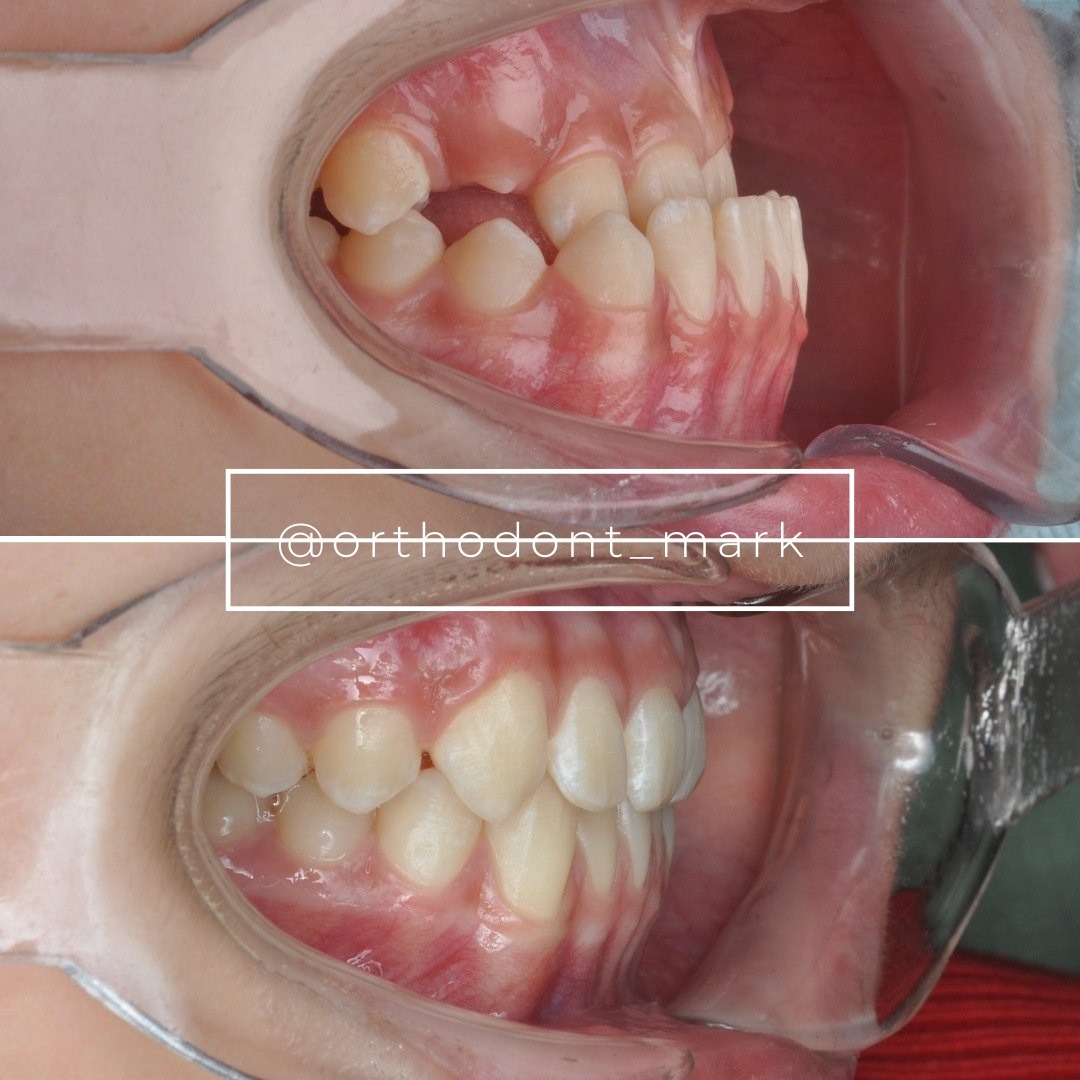
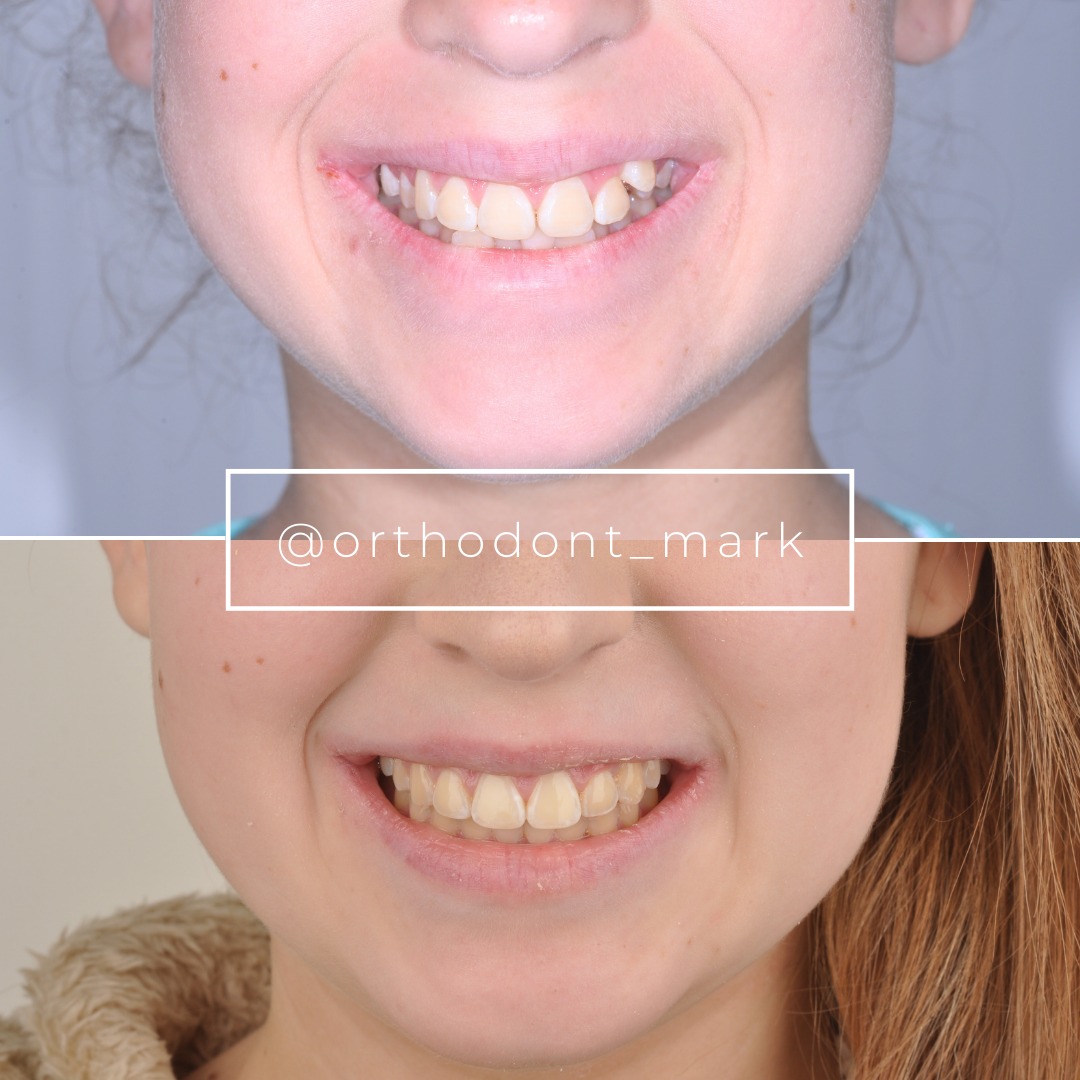
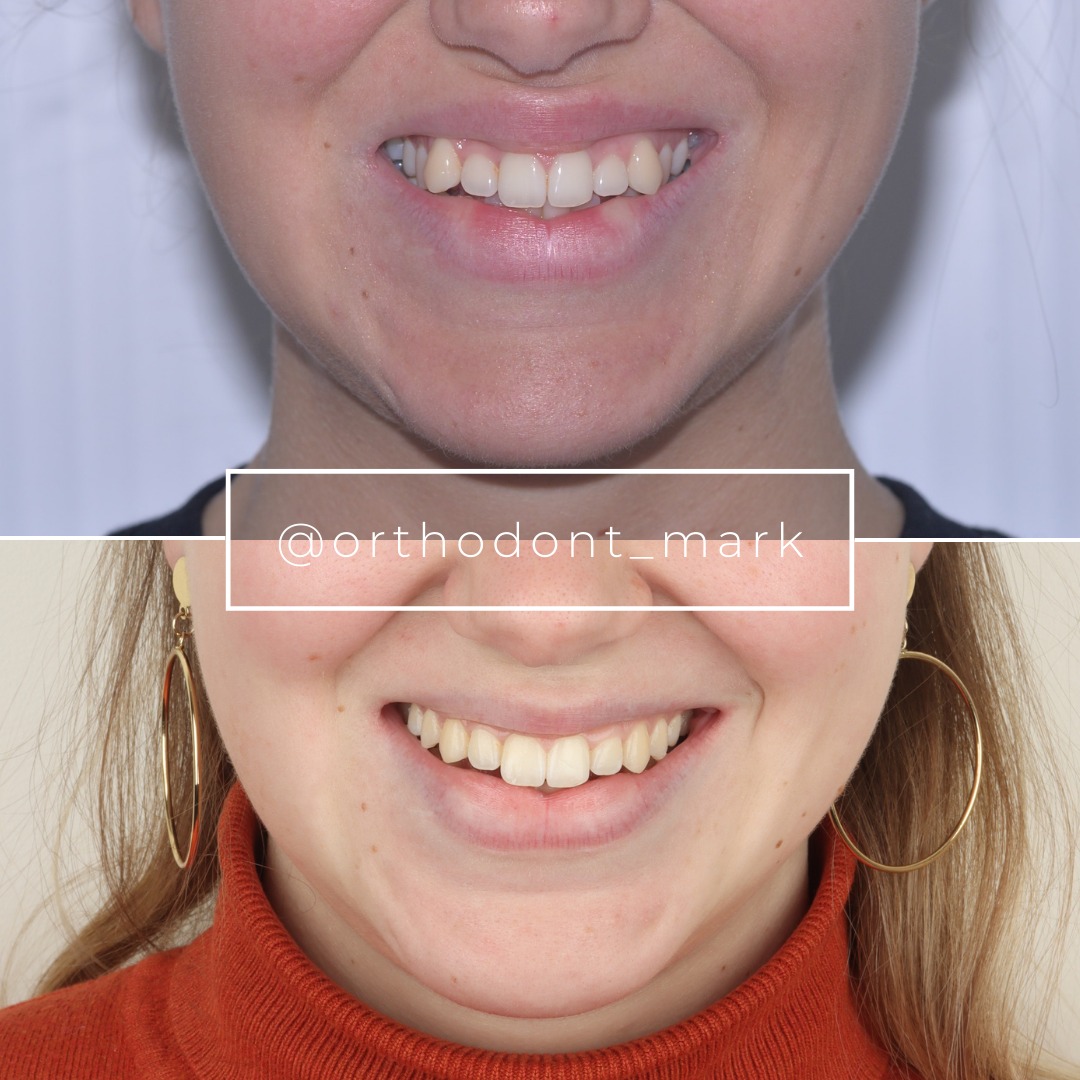
Clinical cases from Dr. Mark Radzhabov's practice
Learn the full MARPE protocol from Dr. Mark Radzhabov
Fundamental course covering CBCT patient selection, miniscrew planning, activation protocols, and 60+ clinical cases. Choose the access level that fits your practice.
Essentials of rapid palatal expansion for practicing orthodontists.
- Core RPE concepts and biomechanics
- 6 structured video lessons
- Clinical decision checklists
- Lifetime access to recordings
Deep-dive into MARPE protocol, diagnostics, and clinical execution.
- 6 modules covering MARPE from A to Z
- CBCT case selection walkthroughs
- Miniscrew placement and activation
- 60+ annotated clinical cases
- Direct Q&A with Dr. Mark Radzhabov
5-element medical consultation framework for dentists and orthodontists.
- Trust-building consultation protocol
- 5 lesson modules
- Templates for treatment plan delivery
- Works with any clinical specialty
Clinical FAQ
What is the pterygomaxillary suture and how does it differ from the mid-palatal suture in MARPE resistance?
The pterygomaxillary suture connects the maxillary tuberosity to the pterygoid plates posteriorly. Unlike the mid-palatal suture (which splits anteriorly), it resists lateral displacement due to pterygoid plate opposition, creating a posterior mechanical bottleneck independent of mid-palatal maturity status.
At what age does pterygomaxillary skeletal plasticity become clinically negligible?
After age 15–17, pterygomaxillary skeletal response diminishes substantially as the region achieves near-complete ossification. Patients under 14 demonstrate clinically superior posterior skeletal expansion compared to those age 18+.
How can I identify pterygomaxillary resistance on CBCT before MARPE activation?
Examine pterygomaxillary junction radiolucency (higher density indicates greater resistance), measure maxillary width at anterior, premolar, and molar levels (posterior narrowing relative to anterior width signals constraint), and assess pterygoid plate pneumatization density.
Does bicortical miniscrew fixation overcome pterygomaxillary resistance?
Bicortical fixation improves parallel suture opening and miniscrew stability but does not eliminate pterygomaxillary resistance. It distributes force more evenly rather than increasing total skeletal expansion gain in constrained cases.
What is the realistic posterior molar expansion ceiling in mature patients via MARPE alone?
Clinically, mature patients typically achieve 3–5 mm of posterior skeletal expansion at the molar region. Cases expecting greater gain should incorporate surgical assistance (SARPE) or modify treatment objectives to include sagittal or vertical changes.
How should I counsel patients with high pterygomaxillary resistance about expected outcomes?
Discuss that posterior skeletal expansion may be limited to 3–5 mm despite significant anterior gains. Frame MARPE as addressing dentoalveolar constriction, with skeletal benefit concentrated anteriorly—setting realistic expectations prevents post-treatment dissatisfaction.
Can force magnitude or activation frequency overcome pterygomaxillary resistance?
No. Increasing force beyond physiologic tolerance creates stress concentration and miniscrew failure rather than additional skeletal gain. Conservative protocols (0.25 mm twice weekly in mature patients) yield more predictable response than aggressive activation.
What miniscrew placement position best mitigates pterygomaxillary resistance?
Anterior palatal positioning (near incisive papilla) preferentially opens the mid-palatal suture anteriorly, reducing posterior force concentration at the pterygomaxillary region compared to posterior miniscrew placement.
Why do some MARPE cases show asymmetric expansion or unexpected sagittal shifts?
High pterygomaxillary resistance redirects expansion forces laterally and anteriorly, preventing pure transverse displacement. This biomechanical redirection can cause vertical rotation or sagittal shifts as force is diverted away from posterior constraint.
How do I prevent relapse of posterior maxillary expansion gains in patients with high pterygomaxillary resistance?
Extended retention with emphasis on posterior stability (lingual retention wires, palatal retention appliances) is essential. Posterior regions expanded against skeletal resistance show 20–30% greater relapse tendency and require more aggressive long-term retention protocols.
Recognizing pterygomaxillary resistance as a distinct mechanical and anatomical entity transforms your MARPE outcomes. By integrating pterygoid plate anatomy into case selection, miniscrew angulation, and force application protocols, you shift from relying on trial-and-error activation to evidence-informed biomechanics. Dr. Mark Radzhabov's clinical model demonstrates how practitioners who account for posterior skeletal anatomy consistently achieve superior skeletal response. Review your most recent MARPE cases through this lens—you may identify missed opportunities for optimization.