
Remote MARPE Monitoring Methods:
Photo-Free Follow-Up
Evidence-Based Protocols for Virtual Skeletal Expansion Tracking
Structured clinical assessment, miniscrew stability evaluation, and periodic CBCT confirmation enable accurate remote monitoring of palatal expansion without chairtime-intensive photography. A practical protocol for distributed orthodontic practices.
TL;DR Remote MARPE monitoring methods enable orthodontists to track skeletal expansion progress without in-office photography through clinical assessment protocols, miniscrew stability evaluation, and structured patient-reported data. Virtual orthodontic review of expansion mechanics reduces chairtime while maintaining diagnostic accuracy. This approach integrates teledentistry principles with miniscrew-assisted rapid palatal expansion protocols, allowing distance monitoring of palatal suture separation and dentoalveolar changes across consolidation phases.
Remote monitoring of miniscrew-assisted rapid palatal expansion (MARPE) represents a practical frontier in contemporary orthodontic practice. As patient schedules become more complex and digital health adoption accelerates, clinicians increasingly seek evidence-based alternatives to photo-intensive follow-up protocols. Dr. Mark Radzhabov and other leaders in skeletal expansion research have explored how teledentistry principles can be adapted for MARPE management—specifically, how to assess midpalatal suture separation, miniscrew stability, and expansion progress through virtual review and clinical examination alone. This article synthesizes existing evidence and clinical observation to provide a decision-ready protocol for remote MARPE patient monitoring that maintains diagnostic rigor without requiring submission of standardized photographs at every visit.
What Is Remote MARPE Monitoring?
Virtual orthodontic review
Remote MARPE monitoring is a teledentistry approach to tracking skeletal expansion and miniscrew stability through virtual clinical assessment, patient-reported metrics, and structured radiographic checkpoints rather than photo-dependent follow-up protocols. Traditional MARPE follow-up relies heavily on intraoral and extraoral photography—a logistically demanding requirement for patients in remote areas or those with irregular compliance. Virtual orthodontic review minimizes this burden while maintaining diagnostic accuracy through two key mechanisms: (1) structured in-office clinical examination at predetermined intervals (typically 2–4 weeks during the active expansion phase, then monthly during consolidation), and (2) patient-reported data collection via standardized questionnaires focused on miniscrew mobility, expansion sensation, and orthodontic discomfort.
Evidence from the broader telemedicine literature supports this hybrid model. A 2022 prospective randomized clinical trial using low-dose CBCT showed that skeletal and alveolar changes during rapid palatal expansion can be reliably assessed through radiographic imaging without loss of diagnostic precision. The key distinction is that remote monitoring does not eliminate radiography—it reframes it as the diagnostic anchor, with clinical examination providing interim progress verification. This approach is particularly valuable during the consolidation phase, when expansion velocity slows and radiographic checkpoints become less frequent.
The practical advantage lies in reduced chairtime and administrative overhead. Patients attending in-office appointments need only provide clinician-observed data: miniscrew probing mobility (measured on a 1–3 scale), intraoral palpation of the midpalatal raphe for expansion width sensation, and rapid questioning about appliance activation compliance. Between visits, asynchronous communication via secure patient portals allows submission of self-timed palatal photos or patient-reported expansion sensations, which are then triaged by the clinical team to identify red flags warranting urgent in-person assessment.
Building a Remote Assessment Protocol for Miniscrew-Assisted Expansion
Clinical checkpoints
A clinically actionable remote MARPE monitoring protocol relies on three layers: (1) miniscrew stability verification, (2) expansion geometry assessment, and (3) radiographic confirmation milestones. Miniscrew stability is the first diagnostic priority—mobile or symptomatic miniscrews are a leading indicator of treatment failure and typically require in-office intervention. During remote assessment, ask patients targeted yes/no questions: “Is the screw loose or does it move when you touch it?” and “Any new sharp pain or swelling around either screw site?” Affirmative answers trigger an urgent appointment. Negative responses support continuation of the current remote monitoring protocol.
Expansion geometry can be approximated through patient report and periodic clinical contact. At each in-office visit (scheduled every 3–4 weeks during active expansion), measure the palatal width using a digital caliper or graduated millimeter ruler placed across the palatal mucosa at the level of the first molars. Document the measurement and compare it to baseline. Patients can be taught to self-measure with a photograph (a single standardized photo, not a photoset) and submit measurements via a secure portal. While self-measurement introduces variability, serial trend data—measured week-to-week—reliably captures expansion trajectory and allows early detection of stalled or asymmetric expansion before radiographic imaging is obtained.
Radiographic checkpoints serve as the diagnostic anchor and should occur at key clinical milestones: (1) baseline (pre-expansion), (2) immediately after reaching target expansion (typically 8–10 weeks of active activation), and (3) after consolidation (3–6 months retention). Low-dose CBCT at these intervals provides objective confirmation of midpalatal suture separation, nasal width increase, and skeletal versus dental expansion ratios. Between radiographic intervals, rely on clinical measurement and miniscrew mobility assessment. This cadence reduces radiation exposure while preserving diagnostic precision.
Asynchronous Patient-Reported Metrics for Remote Expansion Tracking
Weekly questionnaire
Asynchronous patient-reported data accelerates remote monitoring cycles and reduces clinic burden. Implement a brief weekly questionnaire (5–7 items, 2–3 minutes to complete) administered via a secure patient portal or text-based survey system. Core questions should address: (1) activation compliance (“How many turns per day did you complete this week?”), (2) miniscrew mobility sensation (“Did you feel either screw move when chewing or biting hard?”), (3) expansion sensation (“Can you sense width increase at the roof of your mouth?”), and (4) pain or discomfort (“Any new soreness, swelling, or sharp pain?”). A Likert scale (0–3) for each item allows trend tracking and early warning detection. For example, rising pain scores across 2 consecutive weeks merit immediate clinical evaluation, while stable low pain and preserved expansion sensation indicate safe remote progression.
Periodic clinical photographs—not at every visit, but at 4-week intervals—serve a secondary verification role. Rather than asking patients to submit a full photoset (which is burdensome and often poorly standardized), request a single standardized intraoral photo taken by the patient or a family member at home. Instruct patients to position the camera perpendicular to the palate, use natural lighting, and submit the image via the portal. A single image per month is sufficient to visually confirm no obvious asymmetry or soft-tissue complications. This represents a dramatic reduction in photo submission volume compared to traditional photo-centric protocols.
Create a decision tree for remote vs. in-office assessment triggers. If a patient reports missing >1 day of activation in a week, schedule a brief phone consultation to troubleshoot compliance barriers. If miniscrew mobility sensation increases or pain escalates, schedule an urgent in-office visit. If expansion sensation decreases despite reported compliance, order an interim CBCT to evaluate for suture fusion or miniscrew loosening. This tiered approach reserves scarce chairtime for true diagnostic need rather than routine status checks.
Strategic Radiographic Checkpoints in Remote Skeletal Expansion Monitoring
CBCT milestones
When in-office photography is deemphasized, radiographic imaging becomes the objective anchor for remote MARPE monitoring. A strategic approach uses three key CBCT time points: baseline (before appliance activation, to document suture morphology and bone density), immediate post-expansion (after reaching target expansion volume, typically 8–10 weeks of 4 turns/day activation protocol), and post-consolidation (3–6 months retention). This 3-point imaging plan is evidence-aligned—a 2022 study using low-dose CBCT in RPE and MARPE cohorts demonstrated that midpalatal suture separation and skeletal changes are reliably detected at these intervals without serial imaging.
Between radiographic milestones, clinical measurement and miniscrew stability assessment substitute for imaging. Measure palatal width at each in-office visit (every 3–4 weeks) using a digital caliper or millimeter ruler. Plot these measurements on a simple graph and share with the patient—this visual feedback reinforces compliance and allows early detection of stalled expansion. If serial palatal width measurements plateau unexpectedly, order an interim CBCT before assuming treatment failure. Conversely, if measurements remain on trajectory and miniscrews are stable, proceed confidently to the next scheduled CBCT checkpoint.
Low-dose CBCT protocols are particularly advantageous for remote monitoring because they reduce radiation exposure while preserving diagnostic quality. Request that your radiography facility use pediatric/low-dose settings (if available) to minimize patient risk during the consolidation phase, when additional imaging may be needed to confirm suture stability. Digital reconstruction of coronal and axial slices at the molar level allows precise measurement of nasal width and transverse skeletal gain—data that would be difficult or impossible to estimate from clinical examination alone. Document these measurements in your records and track them longitudinally to create an objective, remote-verifiable expansion profile.
Clinical Pitfalls in Remote MARPE Monitoring and How to Prevent Them
Risk mitigation
The most common pitfall in remote MARPE monitoring is over-reliance on patient compliance reporting without objective verification. Patients often underestimate activation gaps or overestimate expansion sensation due to recall bias. Mitigate this by requiring a clinical in-office visit at the midpoint of the active expansion phase (e.g., week 5 of a 10-week protocol) to physically verify palatal width gain and miniscrew stability, regardless of patient-reported compliance. A single 5-minute appointment at this juncture catches activation deficits early and realigns expectations.
A second pitfall is failure to establish clear criteria for urgent in-office assessment. Remote monitoring is appropriate only when miniscrews remain stable and expansion remains symmetric. The moment a patient reports asymmetric expansion sensation, unilateral miniscrew mobility, or sudden increase in palatal pain, schedule an immediate appointment. Delaying these red flags can lead to miniscrew failure or inadequate skeletal correction. Create a written protocol—shared with patients—that lists scenarios requiring urgent evaluation: persistent pain despite anti-inflammatory medication, visible miniscrew movement, sensation of one screw being higher/lower than the other, or more than 2 consecutive days of missed activation.
A third pitfall is inadequate documentation of remote monitoring findings. If a patient reports high miniscrew mobility but no in-office imaging is obtained, document the patient's subjective report, the decision to defer imaging, and the rationale clearly in the chart. When radiographs are eventually obtained and miniscrew loosening is confirmed, this documentation protects both clinician and patient by showing that a conscious clinical decision was made based on available data. Conversely, if radiographs are taken and miniscrews are stable despite patient report of mobility, document the radiographic finding prominently so that future decisions are based on objective evidence rather than patient perception.
Telemedicine Platforms and Digital Tools for Remote MARPE Assessment
Secure portals
Successful remote MARPE monitoring requires thoughtful integration of secure digital platforms. A functional teledentistry workflow for orthodontic follow-up includes: (1) a HIPAA-compliant patient portal for questionnaire submission and photo upload, (2) electronic health records integration to automatically flag critical time intervals (e.g., 4-week post-activation checkpoint), and (3) a structured measurement tracking system that allows graphing of palatal width and other metrics over time. Many large practices use existing EHR systems with built-in patient engagement modules. Smaller practices can adopt standalone secure portal solutions (e.g., SimplePractice, Ortho 2.0) at modest cost.
Patient education materials should accompany any remote protocol. Create a brief video (2–3 minutes) demonstrating proper palatal palpation technique so patients can self-assess expansion sensation and report it accurately. Another video should show how to capture a standardized intraoral photograph if photo submission is part of your protocol. These visual guides reduce patient confusion and improve data quality. Share these materials during the initial appliance activation appointment and include links in your patient portal.
Consider integrating a simple miniscrew mobility scale into your electronic record. At each in-office visit, record miniscrew stability using a 3-point scale: (1) no movement with bimanual palpation, (2) slight movement detected only with firm pressure, (3) obvious mobility or patient-reported looseness. Plot this longitudinally—increasing mobility over time is a concerning trend that triggers radiographic imaging. Similarly, create a palatal width tracking sheet where clinical measurements (taken with the same instrument each time) are recorded and graphed. Patients appreciate seeing their own expansion curve. It reinforces compliance and provides early warning if expansion stalls.
Ideal Clinical Scenarios for Remote MARPE Monitoring Implementation
Consolidation phase
Remote monitoring is most valuable during the consolidation phase of MARPE treatment—typically the 3–6 months following active expansion when the midpalatal suture is stabilizing and appliance activation frequency drops to 1–2 turns per week or ceases entirely. During this phase, expansion velocity is slow, radiographic change is minimal, and clinical intervention needs are infrequent. A remote assessment schedule of monthly in-office visits plus weekly asynchronous patient reporting is ideal: it detects complications early while reducing clinic burden. In contrast, the active expansion phase (weeks 1–8 to 1–10) warrants more frequent in-office contact—every 3–4 weeks—because expansion is rapid, miniscrew stress is highest, and asymmetric expansion or screw failure is most likely to occur.
Remote monitoring is also well-suited to patients in rural or underserved areas who have limited access to frequent orthodontic appointments. A patient 2 hours from the office can complete weekly questionnaires and send photos via portal, then attend in-office appointments every 4 weeks for clinical verification. This reduces travel burden while maintaining diagnostic accuracy. Practices serving multiple geographic locations (e.g., satellite offices or referral networks) can leverage remote monitoring to coordinate care: a referring clinician manages in-office checkpoints and sends structured data to the primary MARPE specialist, who reviews findings remotely and provides guidance on activation adjustments or radiographic timing.
Remote monitoring is less appropriate during complex cases requiring frequent manual adjustment—for example, asymmetric expansion, miniscrew failure requiring replacement, or cases combined with other simultaneous appliances. In these scenarios, more frequent in-office contact is prudent. Orthodontist Mark emphasizes that remote monitoring is a tool to enhance efficiency in straightforward cases, not a substitute for close supervision in complicated scenarios. Use clinical judgment to match the monitoring intensity to case complexity and patient reliability.
Ensuring Diagnostic Accuracy in Low-Contact Remote Monitoring
Verification checkpoints
Remote monitoring reduces chairtime but must not compromise diagnostic accuracy. Establish internal quality assurance checkpoints to verify that remote assessments align with radiographic findings when imaging is eventually obtained. For example, after every CBCT, compare the objective radiographic measurements (nasal width, suture separation, transverse skeletal gain) to the clinical predictions made in prior remote assessments. If clinical examination consistently underestimated expansion, adjust your palpation or measurement technique. If miniscrew stability predictions diverged from radiographic findings, investigate why—did the patient underreport mobility? Was your palpation technique inadequate?
Create a simple audit workflow: every 6 months, review a sample of 5–10 remote monitoring records from the prior period. For each case, compare the clinical assessment timeline (when you predicted expansion was progressing normally, when you detected complications, etc.) to the radiographic and treatment outcomes documented in the final record. Calculate the sensitivity and specificity of your remote assessment protocol—how often did remote clinical assessment correctly predict later radiographic findings? If your remote assessment accuracy is <80%, adjust your protocol. This might mean more frequent in-office visits, different questioning techniques, or additional radiographic checkpoints.
Maintain detailed documentation of all remote communications, patient-reported data, and clinical reasoning. This creates a defensible record if questions arise about the adequacy of remote monitoring. If a complication (e.g., miniscrew failure) occurred but was not detected during remote monitoring, clear documentation of what information was available, what decisions were made, and why in-office verification was deferred demonstrates that a reasonable clinical decision was made based on available evidence at the time.
Free Clinical Guide
Which Expansion Appliance at Which Age?
Get Dr. Mark Radzhabov's guide to skeletal-expansion appliances — indications, pros & cons, and how to choose by patient age. Free to your inbox.
Prefer video? Watch the free demo lesson on MARPE appliance types, features and trade-offs.
Documented outcomes
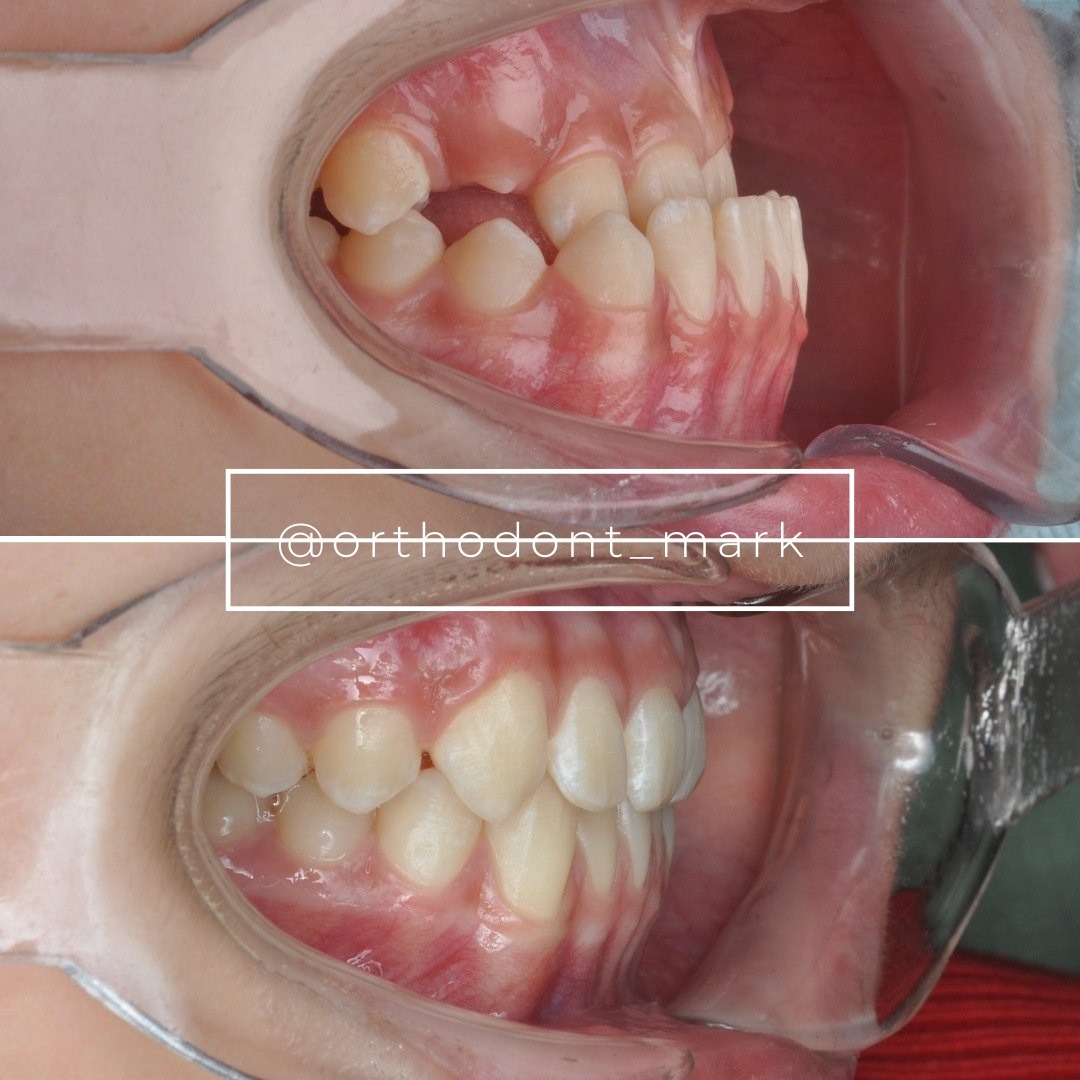
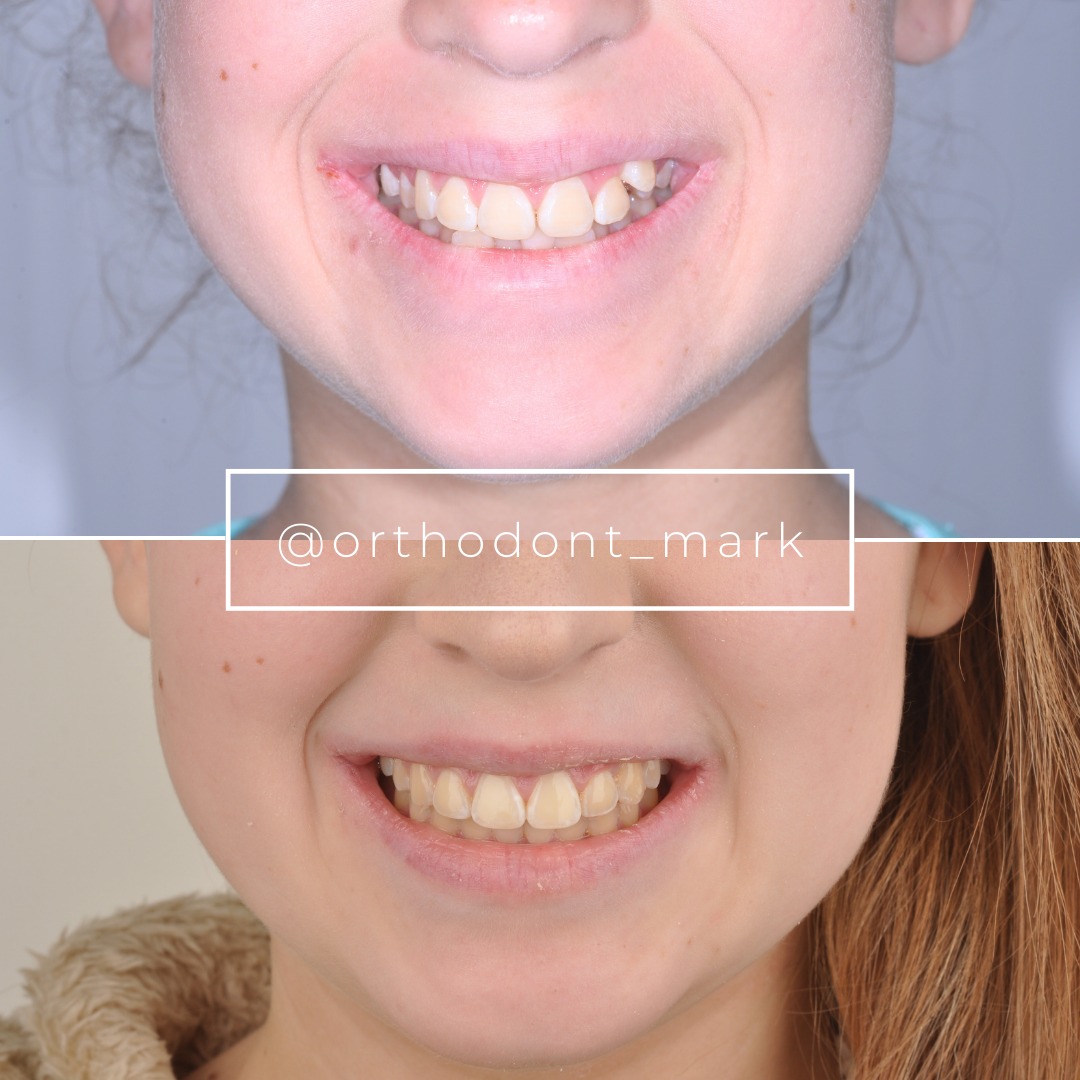
Clinical cases from Dr. Mark Radzhabov's practice

Learn the full MARPE protocol from Dr. Mark Radzhabov
Fundamental course covering CBCT patient selection, miniscrew planning, activation protocols, and 60+ clinical cases. Choose the access level that fits your practice.
Essentials of rapid palatal expansion for practicing orthodontists.
- Core RPE concepts and biomechanics
- 6 structured video lessons
- Clinical decision checklists
- Lifetime access to recordings
Deep-dive into MARPE protocol, diagnostics, and clinical execution.
- 6 modules covering MARPE from A to Z
- CBCT case selection walkthroughs
- Miniscrew placement and activation
- 60+ annotated clinical cases
- Direct Q&A with Dr. Mark Radzhabov
5-element medical consultation framework for dentists and orthodontists.
- Trust-building consultation protocol
- 5 lesson modules
- Templates for treatment plan delivery
- Works with any clinical specialty
Clinical FAQ
What is the optimal frequency for in-office visits during remote MARPE monitoring?
During active expansion (8–10 weeks), schedule in-office checkpoints every 3–4 weeks to verify miniscrew stability and expansion geometry. During consolidation (3–6 months), monthly in-office visits plus weekly asynchronous questionnaires are adequate. Adjust frequency based on case complexity and patient compliance.
How can I assess miniscrew stability without radiographic imaging at every visit?
Use bimanual palpation at each in-office appointment, assessing mobility on a 3-point scale (none, slight mobility with firm pressure, obvious movement). Ask patients directly: 'Does the screw feel loose or mobile when you chew?' and 'Is there new sharp pain around either screw site?' Red flags trigger immediate radiographic verification.
What measurements should I track between CBCT checkpoints?
Record palatal width using a digital caliper or graduated ruler at the molar level at each in-office visit. Plot measurements on a graph to visualize expansion trajectory. If width measurements plateau unexpectedly despite reported compliance, order interim CBCT before assuming treatment failure.
Can patients self-report expansion progress reliably for remote monitoring?
Patient-reported expansion sensation (feeling width increase at the palate) is moderately reliable as a secondary indicator but should never be the sole data source. Combine patient report with objective clinical measurement and miniscrew stability assessment. Verify compliance patterns through periodic in-office appointment observation.
How often should I obtain CBCT during remote MARPE monitoring?
Use a 3-point CBCT strategy: baseline (pre-expansion), immediate post-expansion (after reaching target volume), and post-consolidation (3–6 months retention). Low-dose CBCT at these intervals balances radiation safety with diagnostic precision. Interim CBCT is warranted if expansion stalls, miniscrew mobility is suspected, or clinical assessment suggests complications.
What should I do if a patient reports miniscrew mobility during remote monitoring?
Miniscrew mobility is a red flag requiring urgent in-office assessment and radiographic imaging. Do not delay. Verify stability via clinical examination and CBCT, consider miniscrew replacement or appliance redesign, and establish whether mobility is unilateral or bilateral before resuming remote monitoring.
How do I integrate teledentistry platforms with my existing EHR for MARPE tracking?
Select a HIPAA-compliant patient portal that integrates with your EHR (many modern systems offer built-in modules). Create a weekly questionnaire template for asynchronous submission and a measurement tracking sheet for palatal width graphing. Train staff to flag critical time intervals automatically in the chart.
What patient education materials are essential for remote MARPE monitoring?
Create brief videos (2–3 minutes) demonstrating: (1) palatal palpation technique for self-assessment of expansion sensation, (2) how to capture a standardized intraoral photograph, and (3) recognizing warning signs (miniscrew mobility, pain, asymmetry) that warrant urgent appointments. Share via patient portal at treatment start.
Is remote monitoring appropriate for complex MARPE cases with asymmetric expansion?
Remote monitoring is less suitable for complex cases requiring frequent manual adjustment. Asymmetric expansion, miniscrew failure, or combined appliances warrant more frequent in-office contact. Use remote protocols only in straightforward cases with stable miniscrews and symmetric expansion trajectory.
How can I verify that my remote assessment protocol maintains diagnostic accuracy?
Every 6 months, audit 5–10 prior remote monitoring cases by comparing clinical predictions (expansion trajectory, miniscrew stability, complication detection) to final radiographic outcomes. Calculate sensitivity and specificity. If remote accuracy is <80%, adjust your questioning, measurement technique, or in-office visit frequency to improve reliability.
Remote MARPE monitoring is feasible when grounded in structured clinical assessment, miniscrew stability verification, and periodic CBCT confirmation at critical decision points. The approach reduces administrative burden while preserving the diagnostic accuracy necessary for successful skeletal expansion outcomes. Orthodontists adopting virtual orthodontic review must establish clear protocols for in-office verification checkpoints and radiographic milestones. If you are managing MARPE cases across multiple locations or wish to streamline your consolidation-phase follow-up, Dr. Mark Radzhabov's evidence-based courses and case consultation services at ortodontmark.com provide practical frameworks for integrating remote monitoring into your clinical workflow. Consider scheduling a case review to audit your current protocols and align them with best practices in telemedicine-supported skeletal expansion.