
Removable Palatal Expander:
Compliance vs. Skeletal Control
Evidence-Based Limits in Adult Expansion
Clinical decision framework for selecting removable versus bonded expansion appliances. Review force limitations, midpalatal suture response, and outcomes data from prospective trials.
TL;DR Removable palatal expanders prioritize patient compliance over skeletal force control, making them suitable for motivated adolescents with partial sutural maturity but inadequate for achieving true skeletal expansion in adults. Bonded or miniscrew-assisted systems provide superior midpalatal suture separation and dentoalveolar stability. Evidence supports hybrid protocols only in selected cases.
The removable palatal expander remains an attractive option for practitioners seeking to minimize chair time and maximize patient cooperation during transverse maxillary expansion. However, clinical evidence raises critical questions about whether removable appliances can generate sufficient force to achieve skeletal (rather than purely dentoalveolar) expansion, particularly in older adolescents and adults. Dr. Mark Radzhabov and his team at Orthodontist Mark have documented that removable systems work best when combined with skeletal anchorage or in carefully selected younger patients with incomplete midpalatal suture fusion. This article examines the biomechanical limits, clinical outcomes, and evidence-based decision rules for choosing a removable versus bonded rapid palatal expansion appliance.
What Is a Removable Palatal Expander and How Does It Differ
from Bonded Systems?
A removable palatal expander is a non-bonded orthodontic appliance that relies on patient-driven activation to separate the midpalatal suture, typically using a central jackscrew mechanism without fixed anchorage to teeth or bone. Unlike tooth-borne rapid palatal expansion, which distributes force through bands or bonded brackets, and unlike miniscrew-assisted rapid palatal expansion (MARPE), which anchors to skeletal bone, removable systems depend entirely on patient compliance and intermittent force application. The critical difference lies in force magnitude and consistency: removable appliances generate lower peak forces (typically 0.5–2.0 kg) applied only during patient activation, whereas bonded and miniscrew-assisted systems maintain continuous or semi-continuous force (3–5 kg or higher) across the entire treatment phase. This distinction has profound implications for midpalatal suture response, dentoalveolar side effects, and the likelihood of achieving true skeletal separation rather than tooth tipping alone. Practitioners must understand that removable systems were historically designed for compliance-dependent populations (motivated adolescents) rather than for maximum skeletal effect.
Midpalatal Suture Separation: When Removable Appliances Fail
to Achieve Skeletal Change
The fundamental limitation of removable palatal expanders is their inability to generate sufficient force for reliable midpalatal suture separation in skeletally mature patients. Research comparing conventional tooth-borne expansion to skeletal expansion techniques shows that suture response is highly dependent on both maturity stage and force magnitude. In adolescents with incomplete calcification of the midpalatal suture (typically before age 16–18), removable systems may achieve 50–70% suture separation rates. However, once the suture begins calcification, success rates plummet to 20–40% unless surgical or miniscrew-assisted intervention is employed. The clinical paradox is that removable appliances are most appealing to practitioners managing younger, compliant patients—yet these same patients often have sufficient skeletal potential that they warrant more aggressive (bonded or miniscrew) expansion to maximize permanent skeletal gain and minimize relapse. Conversely, adult patients with true transverse deficiency require skeletal expansion but are often offered removable systems precisely because the practitioner assumes lower compliance. This mismatch between indication and appliance choice leads to treatment failure and patient frustration. CBCT imaging at treatment start (maturation assessment) and at T1 (post-expansion) is essential for determining whether midpalatal suture separation actually occurred or whether tooth tipping alone was achieved.
When Does a Removable System Make Clinical Sense?
Patient Selection and Compliance Factors
Removable palatal expanders remain clinically appropriate in highly specific scenarios: (1) motivated adolescents aged 12–15 with partial midpalatal suture maturity and moderate transverse deficiency; (2) patients requiring <4 mm of expansion; (3) cases where dentoalveolar expansion alone is acceptable or where the patient will transition to bonded mechanics afterward for skeletal consolidation. And (4) retention and consolidation phases after primary expansion with a bonded or miniscrew-assisted device. The practitioner must establish baseline expectations: removable systems should be presented as compliance-enhancing tools, not as equivalent to tooth-borne rapid palatal expansion or MARPE. A candid conversation before appliance delivery prevents disappointment and dropout. Activation protocols differ significantly: removable appliances typically require patient activation of 0.25 mm (one quarter turn) once or twice daily, whereas bonded systems activate at the chair (0.5–1.0 mm per visit, once weekly). This means removable systems place the entire burden of force consistency on the patient. If compliance falters—which is common in this age group—the treatment timeline extends, consolidation becomes protracted, and relapse risk increases. Dr. Mark Radzhabov recommends a pre-treatment questionnaire assessing patient's baseline motivation, remote-learning or school schedule predictability, and family supervision capacity. Cases flagged as “high-variable compliance” should proceed directly to bonded or miniscrew-assisted options despite the patient's stated preference for removable appliances.
Removable Versus Bonded Rapid Palatal Expansion:
Dentoalveolar Changes and Stability
Head-to-head comparison of removable and bonded expansion systems reveals significant differences in dentoalveolar outcomes and long-term stability. A prospective randomized clinical trial using low-dose CBCT showed that bonded RPE and miniscrew-assisted rapid palatal expansion (MARPE) produced greater nasal width increase in the molar region and greater increase in the greater palatine foramen region compared to removable alternatives. Importantly, miniscrew-assisted systems demonstrated lesser buccal displacement of anchor teeth during expansion—a key clinical advantage because reduced tooth tipping means faster consolidation, more stable retention, and lower need for corrective mechanics in the final alignment phase. Removable systems, by contrast, consistently produced greater dentoalveolar side effects (buccal tipping of premolars and molars, labial inclination of incisors) because force was distributed through the tooth structure rather than dissipated through skeletal anchorage. This difference becomes clinically significant in patients with pre-existing periodontal concerns or thin buccal plates. Removable expansion in these patients accelerates gingival recession and increases post-treatment mobility risk. The consolidation period—critical for bone remodeling and relapse prevention—is also longer with removable systems (12–24 weeks) compared to bonded/miniscrew protocols (8–12 weeks). This extended timeline, combined with greater dentoalveolar side effects, makes removable expanders a less attractive primary choice for practitioners prioritizing predictable outcomes and patient satisfaction.
Avoiding Treatment Failure: Six Evidence-Based Decision Points
for Removable Expansion Selection
Practitioners frequently prescribe removable expanders without adequate diagnostic imaging, patient counseling, or realistic outcome expectations—resulting in treatment failure, patient dropout, and retreatment costs. Six evidence-based decision points can guide appropriate appliance selection: (1) Maturity assessment via CBCT: obtain sagittal and coronal views of the midpalatal suture at treatment start. Stage the suture using published classification systems (Haataja stages A–H). If stage F or later, removable systems have <20% probability of skeletal success and should be abandoned for miniscrew or surgical options. (2) Quantify transverse deficiency: measure maxillary intercanine, interpremolar, and intermolar widths on plaster models or 3D scans. Deficiency >6 mm requires skeletal approach (not removable). (3) Assess compliance stability: conduct face-to-face interview about school schedule, extracurricular commitments, and previous appliance use. Families with history of bracket breakage or poor oral hygiene signal low compliance risk. (4) Examine periodontal status: if pre-existing recession, reduced keratinized tissue, or Class III mobility exists, removable expansion increases risk of irreversible periodontal damage. Miniscrew anchorage is safer. (5) Plan consolidation and retention carefully: removable systems require 6–12 months of retention with possible transition to bonded mechanics. Communicate this timeline explicitly or patient will perceive treatment as incomplete. (6) Document outcomes with CBCT: post-expansion and at 3-month consolidation, obtain repeat imaging to verify midpalatal suture separation. If suture shows little-to-no separation despite maximum patient compliance, transition immediately to miniscrew-assisted expansion to salvage case.
Strategic Integration: Removable Phase in Multi-Stage Expansion
Protocols
The most successful removable expander applications occur within hybrid protocols—phase 1 removable expansion followed by phase 2 bonded or miniscrew-assisted consolidation. This approach maximizes early compliance (removable phase appeals to younger patients and families), then transitions to skeletal mechanics once permanent dentition is fully erupted and suture maturity is re-assessed. A typical hybrid protocol proceeds as follows: (1) removable expansion, 4–8 weeks, activation 0.25 mm daily, target 4–5 mm expansion; (2) clinical and CBCT assessment at midpoint. If suture shows <50% separation, transition immediately to bonded RPE or miniscrew-assisted expansion (MARPE) rather than continuing removable phase; (3) if adequate suture separation is confirmed, continue removable phase but begin concurrent fixed appliance bonding; (4) after removable removal, activate bonded mechanics at higher force (0.75–1.0 mm per week) during 8–12 week consolidation window; (5) final 6-month retention with removable palatal retainer (transverse expansion maintenance). This strategy allows practitioners to leverage removable appliances' compliance advantages while ensuring skeletal response through bonded or miniscrew adjuncts. Crucially, hybrid protocols require careful coordination between removable and bonded mechanics—simultaneous expansion forces can overwhelm anchor teeth and compromise periodontal health. Dr. Mark Radzhabov's clinical approach emphasizes sequential timing: complete removable expansion and confirm CBCT suture separation before advancing to bonded load.
Clinical Decision Tree: When to Choose Removable Versus
Miniscrew-Assisted Expansion
A systematic decision framework helps practitioners match appliance choice to patient characteristics and treatment goals. Start with midpalatal suture maturity assessment via CBCT. This single variable predicts ~70% of outcome variance. If suture is stage A–D (immature), removable expansion has reasonable chance of success. Stages E–H (mature) favor miniscrew or surgical options. Next, quantify transverse deficiency: <3 mm favors removable (dentoalveolar correction acceptable), 3–6 mm favors bonded RPE (moderate skeletal requirement with tooth tipping acceptable), >6 mm strongly favors miniscrew-assisted expansion (maximal skeletal control required). Third, assess patient age and compliance: age <14 with high motivation allows removable-first strategy; age >16 with variable compliance warrants bonded or miniscrew systems. Fourth, evaluate periodontal status: healthy periodontium allows removable mechanics. Thin buccal plate, reduced keratinized tissue, or pre-existing recession mandate miniscrew anchorage. Finally, confirm expansion goals with patient and parent: if true skeletal correction is necessary (Class II molar relationship, nasal width deficiency, anterior crowding), explain that removable systems are supplementary and plan transition to bonded or miniscrew mechanics. This framework, used prospectively in consultation, prevents inappropriate appliance selection and improves case acceptance and outcomes. Documentation of the decision rationale in the chart protects against revisional treatment claims and demonstrates clinical judgment.
Free Clinical Guide
Which Expansion Appliance at Which Age?
Get Dr. Mark Radzhabov's guide to skeletal-expansion appliances — indications, pros & cons, and how to choose by patient age. Free to your inbox.
Prefer video? Watch the free demo lesson on MARPE appliance types, features and trade-offs.
Documented outcomes
Clinical cases from Dr. Mark Radzhabov's practice
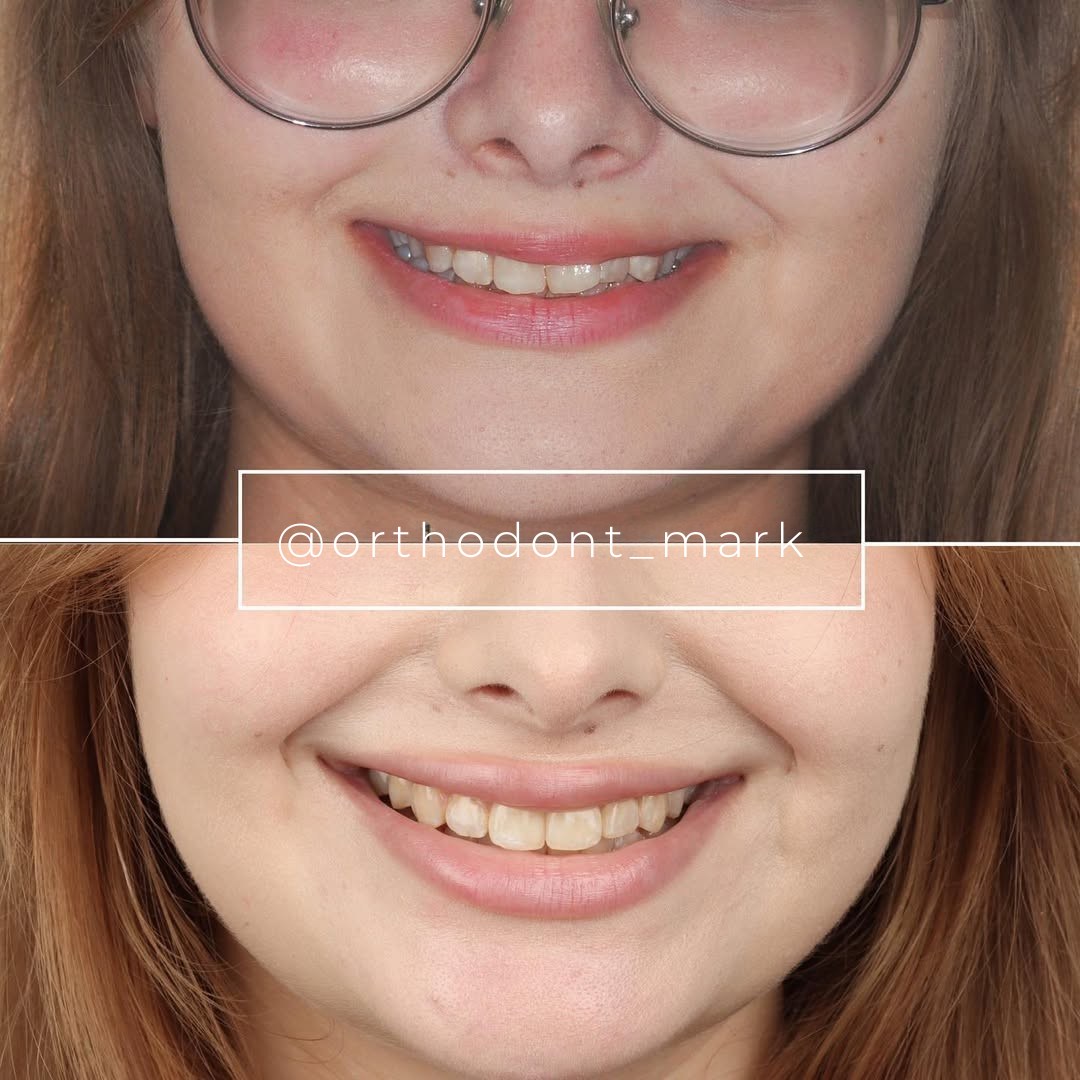
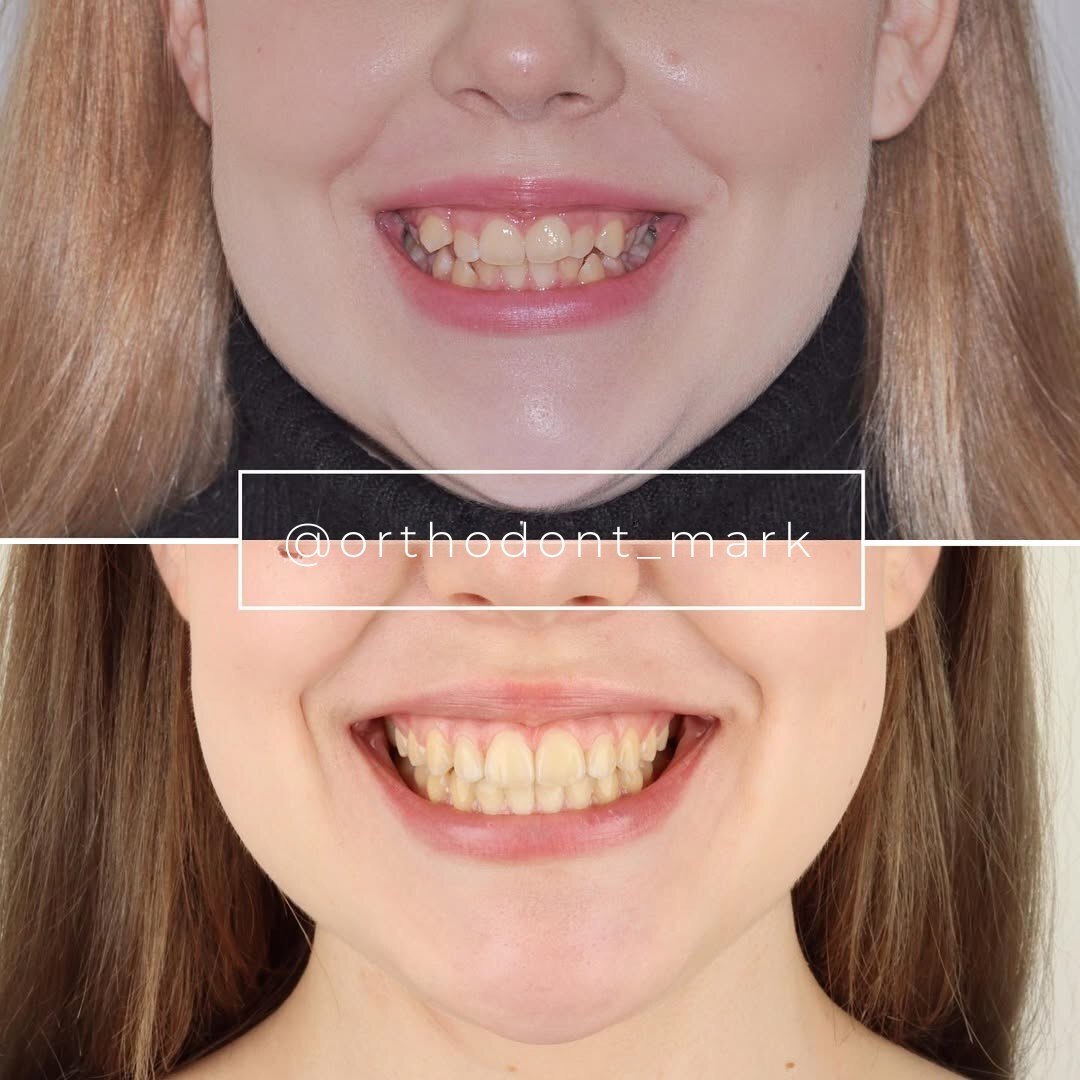
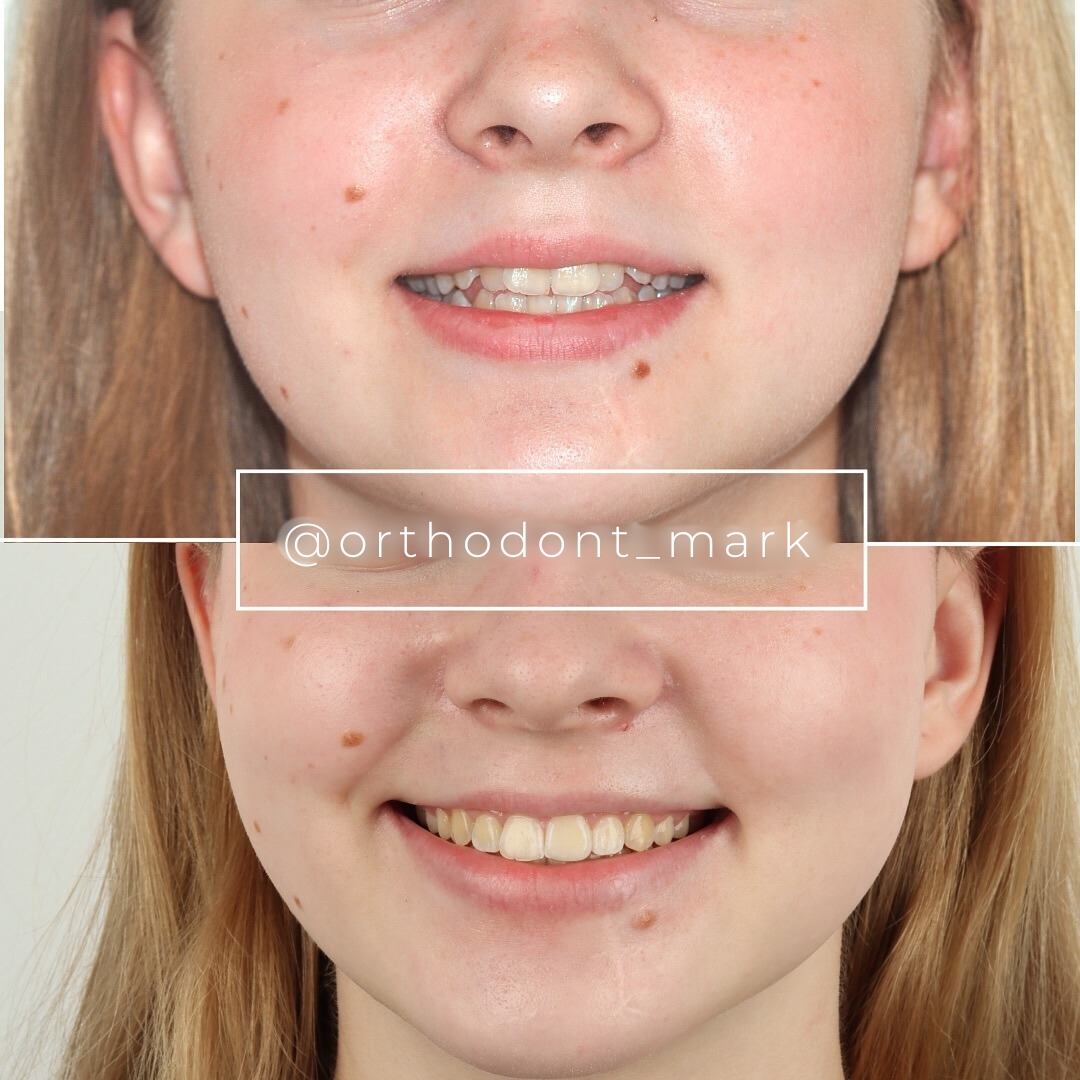
Learn the full MARPE protocol from Dr. Mark Radzhabov
Fundamental course covering CBCT patient selection, miniscrew planning, activation protocols, and 60+ clinical cases. Choose the access level that fits your practice.
Essentials of rapid palatal expansion for practicing orthodontists.
- Core RPE concepts and biomechanics
- 6 structured video lessons
- Clinical decision checklists
- Lifetime access to recordings
Deep-dive into MARPE protocol, diagnostics, and clinical execution.
- 6 modules covering MARPE from A to Z
- CBCT case selection walkthroughs
- Miniscrew placement and activation
- 60+ annotated clinical cases
- Direct Q&A with Dr. Mark Radzhabov
5-element medical consultation framework for dentists and orthodontists.
- Trust-building consultation protocol
- 5 lesson modules
- Templates for treatment plan delivery
- Works with any clinical specialty
Clinical FAQ
Can a removable palatal expander achieve true skeletal expansion in adults?
Rarely. Clinical evidence shows <20% skeletal suture separation success in adults using removable systems. Miniscrew-assisted or surgical expansion is required for reliable skeletal response in skeletally mature patients.
What is the difference between removable rapid palatal expansion and MARPE in terms of force delivery?
Removable systems generate 0.5–2.0 kg intermittent force. Miniscrew-assisted expansion (MARPE) delivers 3–5+ kg continuous skeletal load. Continuous force produces superior midpalatal suture separation and reduces dentoalveolar side effects.
How do I determine whether my patient's midpalatal suture is mature enough for removable expansion?
Obtain CBCT imaging and classify the suture using Haataja stages (A–H). Stages A–D (immature) are candidates for removable systems. Stages E–H (calcifying or mature) require miniscrew or surgical options.
What are the most common complications of removable palatal expanders?
Buccal tooth tipping (10–15 mm displacement), extended consolidation timelines (24+ weeks), high relapse rates if compliance lapses, and patient frustration from delayed results. Miniscrew systems mitigate these risks.
Is a hybrid protocol combining removable and bonded expansion more effective than removable alone?
Yes. Hybrid approaches maximize early compliance (removable phase) while ensuring skeletal response via phase 2 bonded or miniscrew mechanics. Sequential timing prevents force overload and improves outcomes.
How much transverse maxillary deficiency can a removable expander correct?
Removable systems reliably correct 3–4 mm of dentoalveolar width. Deficiency >6 mm requires skeletal anchorage. Ensure realistic expectations before appliance delivery to prevent patient disappointment.
What consolidation timeline should I communicate to patients selecting removable expansion?
Plan 12–24 weeks of active consolidation plus 6 months retention with removable palatal retainer. Total treatment time is longer than bonded or miniscrew protocols. Transparency prevents dropout.
How do I know if my patient's removable expansion is failing to achieve skeletal separation?
Obtain CBCT at 4–6 weeks post-activation. If midpalatal suture shows minimal (<30%) separation despite maximum patient compliance, transition immediately to miniscrew-assisted expansion (MARPE) to salvage case.
What periodontal findings contraindicate removable palatal expansion?
Thin buccal plates, pre-existing gingival recession, reduced keratinized tissue, or Class III mobility. These factors increase iatrogenic periodontal damage risk. Miniscrew anchorage is safer.
How does compliance impact removable expander outcomes, and how should I screen for it?
Daily screw activation is non-negotiable. Missed days extend timeline and reduce skeletal response. Screen patients using prior appliance history, school schedule stability, and parental supervision capacity before prescription.
The evidence strongly suggests that true skeletal expansion requires either direct bonding to teeth or miniscrew support. Removable systems excel primarily in enhancing patient compliance during the retention and consolidation phases. For practitioners managing adult transverse deficiency, removable expanders should be considered supplementary rather than primary expansion tools. Dr. Mark Radzhabov recommends a thorough CBCT assessment of midpalatal suture maturity and a candid discussion of force limitations before committing to a removable protocol. If your caseload includes mixed-stage patients, consider scheduling a consultation with Orthodontist Mark to explore hybrid expansion strategies and review real clinical cases demonstrating optimal appliance selection.