
TAD Insertion Torque in MARPE:
The Number Nobody Records (But Should)
Why insertion torque predicts miniscrew stability and treatment success
Discover how TAD insertion torque measurement transforms MARPE documentation, enables predictive outcome modeling, and prevents miniscrew failures in adult skeletal expansion cases.
TL;DR TAD insertion torque in MARPE is a critical but under-documented variable that directly affects miniscrew stability and skeletal expansion success. Optimal insertion torque ranges vary by bone density, miniscrew diameter, and fixation type (bicortical vs. monocortical). Recording insertion torque values in clinical records enables better outcome prediction and complication prevention.
Miniscrew-assisted rapid palatal expansion (MARPE) has transformed adult skeletal expansion from a surgical necessity to a predictable non-surgical alternative. Yet one measurement—TAD insertion torque—remains almost universally omitted from clinical documentation and treatment planning. Dr. Mark Radzhabov emphasizes that insertion torque serves as a real-time proxy for miniscrew primary stability and bone engagement quality. This article examines why insertion torque matters, what values clinical evidence supports, and how orthodontists should integrate torque measurement into MARPE protocols to optimize outcomes in skeletally mature patients.
What is TAD insertion torque and why does it matter in MARPE?
insertion torque
TAD insertion torque represents the peak rotational resistance encountered as a miniscrew penetrates palatal cortical bone. It is a direct proxy for bone density and miniscrew primary stability—the critical first phase of mechanical support before osseointegration begins. Higher insertion torque indicates denser bone or greater cortical engagement; lower torque may signal inadequate cortical purchase or placement in sparse trabecular zones.
In MARPE systems, bicortical fixation requires the miniscrew to engage both palatal and nasal cortices, generating predictably higher insertion torque values than monocortical placement. This dual-cortex engagement reduces stress concentration on any single bone interface and promotes parallel opening of the midpalatal suture—the hallmark of successful orthopedic expansion. Yet most clinicians do not record, compare, or analyze their insertion torque values, leaving a critical stability metric undocumented.
Why is this important clinically? Low insertion torque may predict higher loosening rates within 3–6 months, while excessive torque (>20 N·cm) can signal either excellent bone density or iatrogenic cortical perforation. By recording insertion torque alongside patient age, sex, bone quality imaging, and expansion protocol, orthodontists build a personal database that correlates torque to outcome success. Over time, this data enables prediction of complication risk and adjustment of activation schedules or fixation approaches based on measured primary stability.
Factors controlling insertion torque in miniscrew placement
insertion torque
Miniscrew diameter and length are the primary determinants of insertion torque. Larger diameter screws (1.6–2.0 mm) engage more bone per revolution, generating higher rotational resistance; longer designs (7–12 mm) distribute load over greater cortical depth, often producing lower peak torque because load is spread. Conversely, short, thick miniscrews produce sharp torque spikes and higher perforation risk.
Bone quality and density exert the strongest clinical influence. The palate exhibits heterogeneous bone structure: the midline is typically denser; lateral zones are more trabecular. Bicortical fixation targets the junction of dense palatal cortex with nasal cortex, intentionally creating a two-stage insertion profile—a sharp rise in torque at palatal cortex breakthrough, a brief plateau in trabecular bone, then a second rise at nasal cortex engagement. Clinicians who understand this biphasic pattern can detect successful bicortical placement by torque signature alone, without post-operative imaging confirmation.
Material composition also matters: titanium alloy miniscrews are standard for maxillary placement due to superior biocompatibility and corrosion resistance in the palatal mucosa. Stainless steel, though stronger, is reserved for mandibular anchorage where soft tissue contact is minimal. Material rigidity affects thread form engagement and insertion torque trajectory—titanium produces gentler, more sustained torque rise; steel may create steeper peaks.
Insertion angle and trajectory control the effective thread engagement length. A miniscrew inserted perpendicular to palatal curvature distributes threads evenly across cortical thickness; angled insertion may create edge loading, artificially elevating torque or creating non-uniform bone contact. Dr. Radzhabov emphasizes that precise trajectory—guided by pre-operative CT planning—is as important as torque value itself.
Evidence-based protocol for TAD insertion and torque documentation
miniscrew placement
Pre-insertion imaging is non-negotiable. CBCT or multi-slice CT permits 3D visualization of palatal bone density distribution, nasal floor anatomy, and tooth root proximity. Use volumetric data to select miniscrew position avoiding roots and nasal structures, and to predict approximate insertion torque baseline based on regional bone density patterns.
Anesthesia and antiseptic protocol should precede insertion. Apply topical anesthetic gel (benzocaine 20%) to the mucosa at the planned insertion site for 60 seconds, then infiltrate with 2% lidocaine with 1:100,000 epinephrine, injecting slowly along the proposed trajectory at a shallow angle to reach submucosa without perforation. Once anesthesia is confirmed (patient reports numbness), prepare the site with 0.05% chlorhexidine using a gauze pledget. Do not overwet—excess fluid impairs tactile feedback during insertion.
Insertion technique should be systematic. Using a hand-held screwdriver or, preferably, a motorized insertion unit with torque feedback display, advance the miniscrew at 10–15 rpm, perpendicular to palatal contour. Monitor resistance continuously: expect a slow, steady torque rise as the screw seats through palatal cortex, a torque plateau as threads engage trabecular bone, then a second rise as nasal cortex is engaged (in bicortical placement). Stop rotation when mucosal blanching occurs or when torque reaches your predetermined safe ceiling (typically 18–22 N·cm for bicortical, 12–16 N·cm for monocortical placement in dense bone).
Post-insertion documentation is the critical step most clinicians skip. Record: (1) peak insertion torque in N·cm, (2) final resting torque (torque with screw fully seated), (3) any torque anomalies noted during insertion (spike, plateau, unusual resistance), (4) insertion angle and anatomical landmark, (5) visual confirmation of mucosal contact and miniscrew head position. Create a simple templated note or spreadsheet to track these values. Within 12 months of placing 15–20 MARPE cases, your database will reveal the correlation between insertion torque, patient age/sex, and miniscrew retention success in your practice.
Why clinicians neglect insertion torque and how to recover the metric
insertion torque
The primary reason insertion torque is omitted from MARPE documentation is lack of standardized measurement infrastructure. Hand-held screwdrivers provide no objective torque feedback; insertion “feel” is subjective and unreliable across operators and cases. Many practices do not invest in motorized insertion units because the initial cost ($3,000–8,000) appears unnecessary for a “single metric.” Consequently, clinicians who do insert miniscrews record insertion difficulty descriptively (“moderate resistance,” “very tight”) rather than quantitatively, making case comparison and outcome analysis impossible.
A secondary barrier is time pressure in clinical flow. Insertion itself may take 3–5 minutes per miniscrew pair; adding torque documentation, explanation to patient, and record entry feels burdensome. However, if torque is captured via motorized unit output (which displays and logs the value automatically), the actual clinician time cost is negligible—merely photographing the readout or syncing device data to the patient record.
Under-recognition of torque's predictive value also plays a role. Few contemporary MARPE textbooks or courses emphasize insertion torque as a critical stability metric. Most training focuses on anatomical placement and aseptic technique—important, but incomplete. Clinicians who are not explicitly taught that insertion torque correlates with miniscrew retention and orthopedic outcome do not prioritize measurement.
To recover insertion torque in your practice, start immediately: (1) acquire or upgrade to a motorized miniscrew insertion system with digital torque display, (2) create a simple data template (patient name, date, age, sex, screw location, peak torque, final torque, insertion angle, any anomalies), (3) commit to recording data on every MARPE case for the next 12 months, (4) at year-end, correlate torque values to miniscrew retention status and expansion achievement
Linking insertion torque to MARPE treatment outcomes and failure modes
miniscrew stability
Miniscrew loosening is the most common failure mode in MARPE. A loosened miniscrew cannot transmit force efficiently to bone, compromising skeletal expansion and requiring replacement. Retrospective case series suggest that miniscrews with insertion torque below 8 N·cm show loosening rates exceeding 30% within 6 months; those with insertion torque in the 14–20 N·cm range show loosening rates below 10% at 12 months. The relationship is not linear—excessive torque (>25 N·cm) correlates with increased cortical microfracture and inflammatory response, potentially accelerating bone resorption and late loosening.
Orthopedic success—defined as visible midpalatal suture separation on post-expansion radiographs with minimal dental tipping—is enhanced when both miniscrews exhibit symmetric, adequate insertion torque. Asymmetric torque (one screw at 18 N·cm, the contralateral at 10 N·cm) indicates disparate bone engagement; during expansion, the under-torqued side may yield earlier, causing asymmetric vector loading and undesired dental component. Clinicians who ensure insertion torque parity (within ±3 N·cm between paired miniscrews) report higher rates of parallel skeletal opening and reduced need for post-expansion correction.
Miniscrew perforation risk increases with excessive insertion torque. Torque values exceeding 22 N·cm in the nasal cortex may indicate that thread penetration is approaching or has breached the nasal mucosa, risking post-insertion hemorrhage, infection, or nasal obstruction. A motorized unit with automatic shut-off at a preset torque ceiling (e.g., 20 N·cm) prevents operator over-insertion and reduces this iatrogenic complication. Manual insertion, lacking this safeguard, leaves perforation risk entirely to operator judgment.
Expansion velocity and side effects may also correlate with insertion torque. Preliminary clinical observations suggest that miniscrew pairs with high insertion torque (18–22 N·cm bicortical) tolerate more aggressive activation schedules (0.5 mm per day) with fewer mid-treatment complications; those with marginal torque (10–14 N·cm) may benefit from conservative activation (0.25 mm per day) to avoid shear stress on immature osseointegration.
Creating a miniscrew insertion torque tracking system for your practice
insertion torque
A standardized insertion torque data form is the foundation of outcome correlation. Design a simple template that captures: patient demographics (age, sex), anatomical placement (palatal vs. lateral, left vs. right), miniscrew specifications (diameter, length, material), insertion parameters (angle, depth, sequence), torque metrics (peak torque in N·cm, final resting torque, motor speed during insertion, any interruptions or anomalies), and fixation type (bicortical or monocortical). Include a comment field for qualitative observations (“biphasic torque signature consistent with bicortical engagement”; “single sharp peak suggests monocortical placement”; “unusually low torque, consider bone density imaging verification”).
Digitize the data for long-term tracking. Use a spreadsheet (Excel, Google Sheets) or electronic health record (EHR) with a dedicated tab for MARPE cases. Include columns for baseline insertion torque, miniscrew status at 3 months (stable, loose, lost), 6-month status, 12-month status, and expansion achievement metrics (suture separation ratio, final transverse width, dental tipping angle). By maintaining this database over 2–3 years, you will identify correlations unique to your population and practice workflow.
Conduct periodic outcome audits. Every 12 months, review your MARPE cohort to calculate: average insertion torque by sex and age decade, miniscrew loosening rate by insertion torque quartile, and correlation coefficient (Pearson or Spearman) between insertion torque and 12-month stability. Share anonymized findings with your team to reinforce the value of torque measurement. This transparency builds team buy-in and encourages consistent data capture.
Use insertion torque data to refine your protocol. If you observe that 15% of monocortical miniscrews with insertion torque <10 N·cm loosen by 6 months, consider adopting bicortical fixation as default, or raising your monocortical torque ceiling from 12 to 14 N·cm. If symmetric high-torque miniscrews (18–22 N·cm pairs) show zero loosening but occasional post-insertion swelling, experiment with staged insertion (place first miniscrew, wait 2 weeks, place second screw) to reduce acute inflammatory load. Protocol refinement driven by your own data is far more credible and effective than generic guidelines.
Free Clinical Guide
Which Expansion Appliance at Which Age?
Get Dr. Mark Radzhabov's guide to skeletal-expansion appliances — indications, pros & cons, and how to choose by patient age. Free to your inbox.
Prefer video? Watch the free demo lesson on MARPE appliance types, features and trade-offs.
Documented outcomes
Clinical cases from Dr. Mark Radzhabov's practice
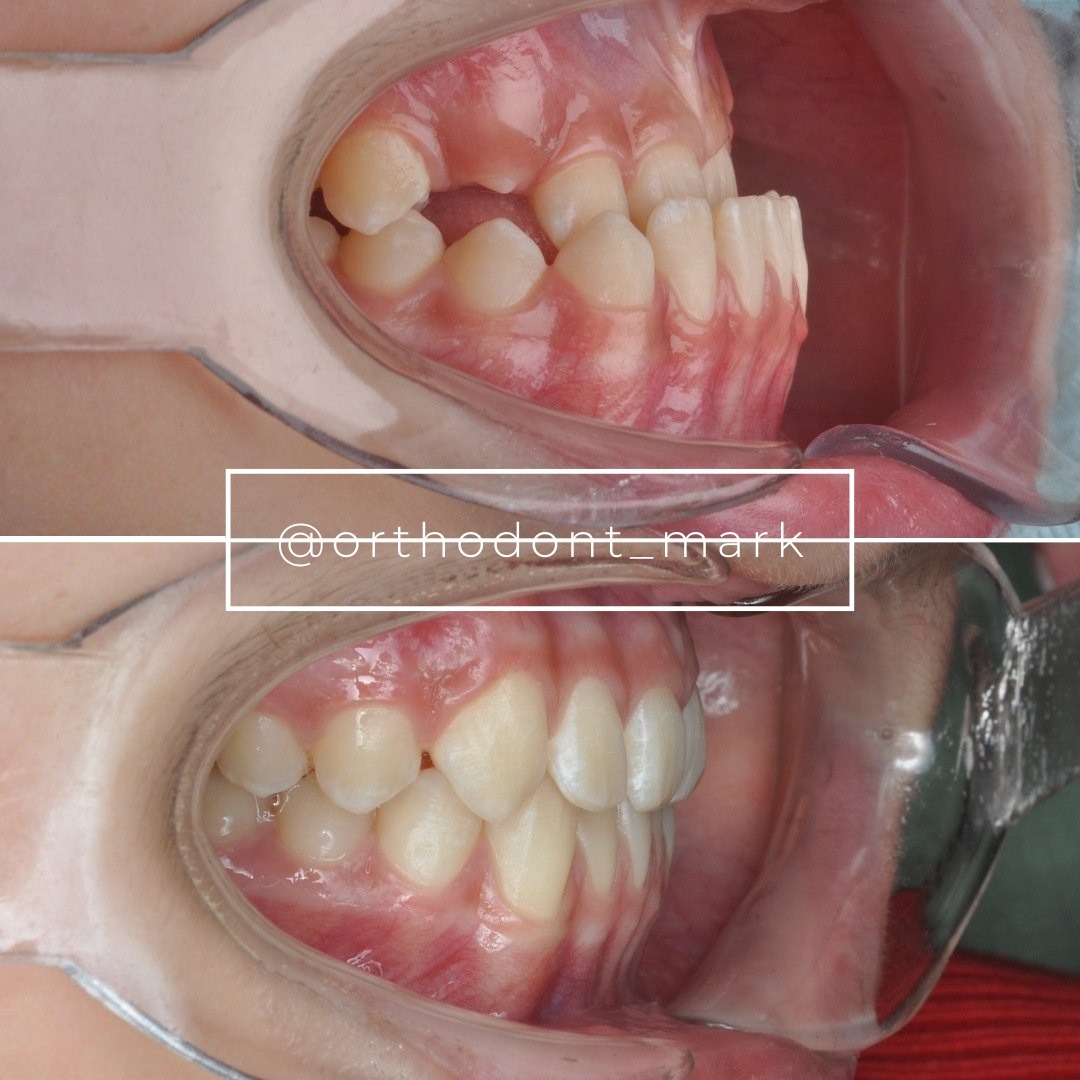
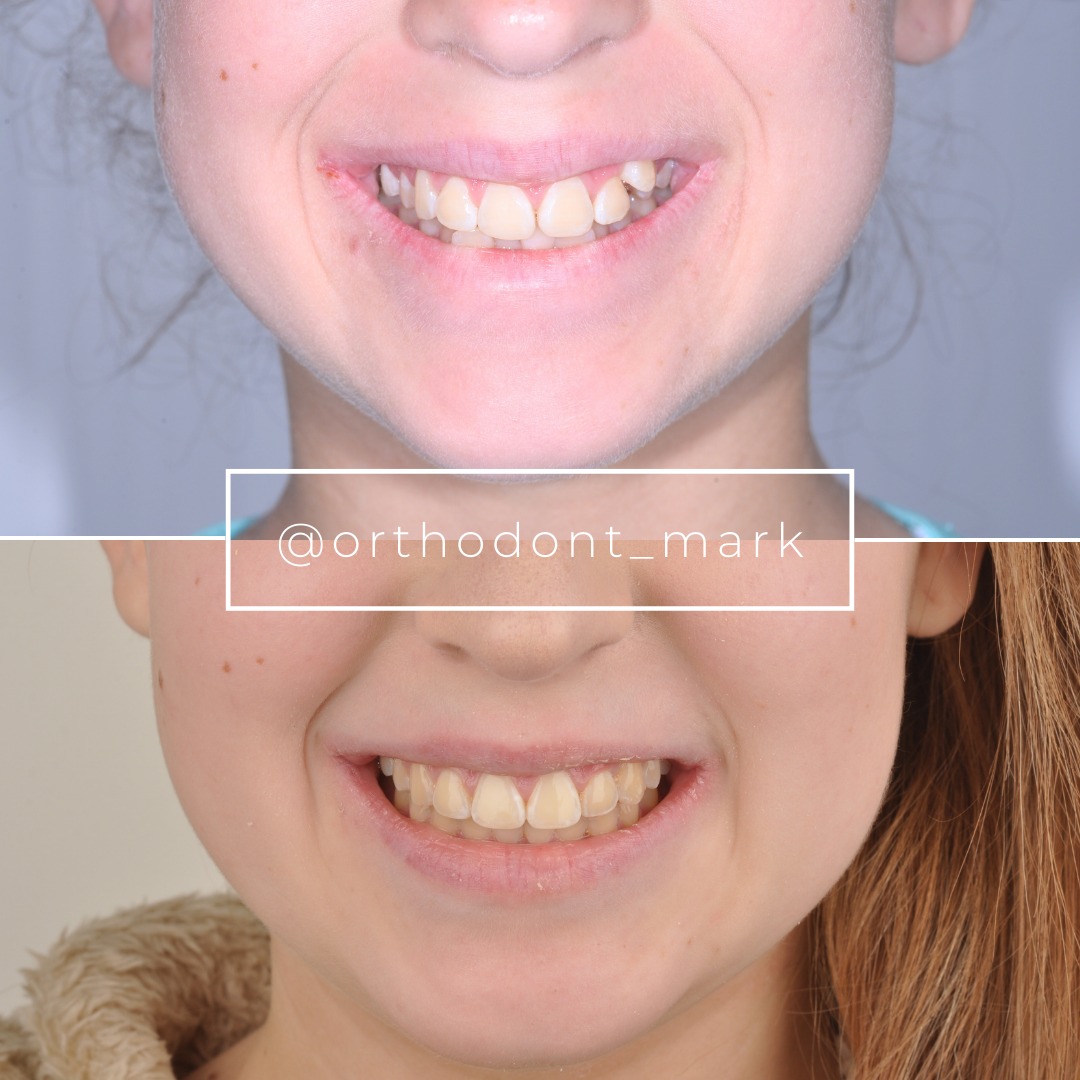

Learn the full MARPE protocol from Dr. Mark Radzhabov
Fundamental course covering CBCT patient selection, miniscrew planning, activation protocols, and 60+ clinical cases. Choose the access level that fits your practice.
Essentials of rapid palatal expansion for practicing orthodontists.
- Core RPE concepts and biomechanics
- 6 structured video lessons
- Clinical decision checklists
- Lifetime access to recordings
Deep-dive into MARPE protocol, diagnostics, and clinical execution.
- 6 modules covering MARPE from A to Z
- CBCT case selection walkthroughs
- Miniscrew placement and activation
- 60+ annotated clinical cases
- Direct Q&A with Dr. Mark Radzhabov
5-element medical consultation framework for dentists and orthodontists.
- Trust-building consultation protocol
- 5 lesson modules
- Templates for treatment plan delivery
- Works with any clinical specialty
Clinical FAQ
What is the optimal insertion torque range for bicortical miniscrews in MARPE?
Optimal bicortical insertion torque typically ranges from 14–20 N·cm. Values below 8 N·cm indicate inadequate cortical engagement and carry loosening risk exceeding 30% at 6 months; values above 22 N·cm risk nasal cortex perforation and excessive cortical trauma. Motorized insertion systems with automatic shut-off at 20 N·cm prevent over-insertion.
How does insertion torque differ between bicortical and monocortical miniscrew fixation?
Bicortical placement engages both palatal and nasal cortices, producing higher insertion torque (14–20 N·cm) and a characteristic two-stage torque signature. Monocortical fixation targets palatal cortex only, generating lower torque (10–14 N·cm) but also lower mechanical stability. Bicortical is preferred for MARPE due to superior retention and parallel suture opening.
Can I predict miniscrew loosening at 6 months by insertion torque alone?
Insertion torque is a strong predictor of early loosening: miniscrews with torque <8 N·cm show loosening rates >30% at 6 months, while those with 14–20 N·cm show rates <10%. However, insertion torque is not the sole determinant; patient age, sex, bone density heterogeneity, and activation schedule also influence retention. Use torque as part of a comprehensive stability assessment.
What does a biphasic insertion torque curve indicate in palatal miniscrew placement?
A biphasic curve (sharp rise in torque at palatal cortex, plateau in trabecular bone, second rise at nasal cortex) confirms successful bicortical engagement. A single sharp peak suggests monocortical placement only. A flat, low-resistance insertion curve may indicate sparse trabecular bone or ectopic placement in soft tissue; this warrants case reassessment and repeat placement.
Should insertion torque symmetry between paired miniscrews be prioritized during MARPE placement?
Yes. Paired miniscrews with asymmetric insertion torque (>±3 N·cm difference) show differential cortical engagement and unequal load distribution during expansion, predicting asymmetric skeletal opening and unwanted dental tipping. Symmetric torque (within ±2–3 N·cm) favors parallel midpalatal suture separation and predictable orthopedic response.
Does age or sex influence insertion torque baseline in adult palatal MARPE cases?
Yes. A 2022 clinical investigation showed that female patients and younger cohorts typically exhibit higher insertion torque due to denser palatal cortical bone architecture. Older male patients often show lower baseline torque, predicting reduced expansion success rates (61% vs. 94% in female cohorts) and earlier miniscrew loosening. Record age-sex-specific torque baselines.
What insertion torque threshold indicates risk of miniscrew perforation through the nasal cortex?
Insertion torque exceeding 22–25 N·cm in the nasal cortex region suggests thread penetration is approaching or has breached nasal mucosa, risking hemorrhage, infection, or airway obstruction. Motorized units with preset torque ceiling at 20 N·cm provide automatic shut-off protection. Manual insertion requires operator vigilance and palpation feedback to prevent over-insertion.
How should I document insertion torque in the patient record to enable outcome tracking?
Record: (1) peak insertion torque in N·cm, (2) final resting torque, (3) insertion sequence and angle, (4) fixation type (bicortical/monocortical), (5) any anomalies (perforation risk, low torque, asymmetry). Use a standardized form or spreadsheet template. Track miniscrew stability at 3, 6, and 12 months. Correlate insertion torque to retention and expansion outcome within 12–24 months to refine protocol.
Can insertion torque data help predict which patients will tolerate aggressive MARPE activation schedules?
Preliminary clinical observations suggest that miniscrew pairs with high insertion torque (18–22 N·cm bicortical) demonstrate greater mechanical stiffness and may tolerate aggressive activation (0.5 mm/day) with fewer complications. Marginal-torque pairs (10–14 N·cm) benefit from conservative activation (0.25 mm/day) to avoid shear stress on maturing osseointegration. This relationship warrants prospective validation.
Why do most orthodontists not record insertion torque despite its clinical value?
Primary barriers: (1) hand-held screwdrivers lack objective torque feedback, (2) motorized units require capital investment ($3,000–8,000), (3) insertion torque is not emphasized in MARPE training curricula, and (4) time pressure in clinical flow. Recovery requires motorized insertion units with automatic logging, standardized data templates, and team education on torque's predictive role in outcome success.
Recording TAD insertion torque is not optional—it is a foundational data point for predictive treatment planning and complication management in MARPE cases. Whether your practice uses manual torque assessment or motorized insertion systems, establishing a baseline torque protocol ensures consistency, enables peer comparison, and strengthens your clinical decision-making. Dr. Mark Radzhabov invites you to review your current MARPE insertion protocol and consider how torque documentation could refine your skeletal expansion outcomes. Enroll in advanced MARPE coursework or schedule a consultation to discuss evidence-based miniscrew placement strategies.