
Transferring a MARPE Case
Mid-Treatment
Documentation, Assessment & Continuity Protocol
Complete clinical guide to MARPE case transfer: miniscrew viability, suture status confirmation, activation protocols, and best practices for seamless orthodontic continuity.
TL;DR Transferring a MARPE case mid-treatment requires systematic documentation of miniscrew position, suture separation status, and activation history. Key steps include CBCT imaging, detailed clinical notes, radiographic records, and clear communication of the expansion protocol. Success depends on accurate baseline assessment and continuity of the treatment plan to avoid complications or relapse.
Patient relocation mid-treatment poses unique challenges for miniscrew-assisted rapid palatal expansion cases. A well-executed MARPE case transfer demands meticulous documentation, radiographic clarity, and seamless communication between clinicians to preserve skeletal gains and maintain treatment momentum. In this article, Dr. Mark Radzhabov outlines a practical handover protocol—including miniscrew viability assessment, suture separation confirmation, activation schedules, and retention strategies—drawn from clinical experience and current evidence. This reference serves orthodontists and residents navigating the complexities of case continuity in skeletal expansion therapy.
What Is a MARPE Case Transfer?
Systematic Handoff
Between Clinicians
A MARPE case transfer occurs when a patient undergoing miniscrew-assisted rapid palatal expansion relocates and requires care from a new orthodontist. Unlike simple appliance adjustments, this handover demands comprehensive clinical records, precise radiographic documentation, and detailed protocol communication to maintain skeletal gains and avoid complications. The receiving clinician must quickly assess miniscrew stability, confirm midpalatal suture separation status, verify activation history, and align with the original treatment plan. Continuity of care is not merely administrative—it is a clinical imperative. Interrupted or misaligned protocols can compromise the skeletal response, lead to miniscrew failure, or result in undesired dentoalveolar changes. The transfer process typically spans 1–2 weeks of careful assessment before the new clinician commits to the next activation cycle. This section outlines why meticulous handover prevents setbacks and preserves the orthopedic benefit of the miniscrew-assisted approach.
Evaluating Miniscrew Viability
& Palatal Status
Before Resuming Treatment
Upon receiving the MARPE case, the new orthodontist's first task is to clinically assess miniscrew stability and confirm palatal anatomy integrity. Intraoral examination should document miniscrew mobility (none is expected—any movement is a red flag), gingival health around each screw, and evidence of inflammation or mucosa recession. Gentle probing with a mirror or probe will immediately signal loosening. If either miniscrew shows any play, imaging must be urgently obtained to evaluate bone resorption or thread fracture. Periapical radiographs taken in the frontal plane allow visual confirmation of screw seating and integrity. CBCT imaging—ideally low-dose to minimize radiation—provides the gold standard for miniscrew position verification and bone density assessment. CBCT also confirms midpalatal suture separation status, which is critical: if suture separation is incomplete or asymmetrical, the activation rate must be adjusted accordingly. Radiographic comparison with the original treatment records reveals whether the patient's bone resorption or appliance drift has occurred during the interim period. If miniscrews appear compromised, replacement before continuing expansion is safer than risking catastrophic failure mid-cycle. Clinical judgment, supported by imaging, informs the decision to proceed, reinforce, or replace.
Essential Documentation for Case Handover
Records & Protocol
Requirements
The original orthodontist must provide a comprehensive handover package that becomes the new clinician's roadmap. At minimum, this includes: (1) detailed clinical notes documenting the expansion protocol (activation rate: turns per day, days per week), total turns completed to date, and any pauses or modifications; (2) miniscrew dimensions (diameter, length, manufacturer, insertion date); (3) baseline and most recent CBCT scans with measurements of midpalatal suture separation and nasal width; (4) periapical radiographs in the frontal plane taken before treatment, immediately post-expansion, and at recent recall; (5) intraoral and extraoral photos documenting facial symmetry and dentoalveolar changes; (6) a summary of any adverse events, patient compliance issues, or miniscrew-related concerns. And (7) the planned retention duration and consolidation timeline. A standardized handover form—even a simple one-page summary—accelerates the receiving clinician's understanding and reduces the risk of missed details. The activation history is particularly critical: if a patient has completed 35 turns of a prescribed 40-turn protocol, the new clinician must know this precisely to avoid over-expansion. Digital imaging archives (CBCT, photos, radiographs) should be transferred securely. Paper copies of key radiographs are also prudent. This documentation package transforms a potentially chaotic transition into a clinical continuum.
Continuing the Activation Protocol
After Transfer
& Monitoring for Success
Once the receiving orthodontist has verified miniscrew viability and confirmed suture status, the next step is deliberate protocol alignment. If the original protocol specified 4 turns per day for active expansion, the new clinician must honor that rate—neither accelerating (risking root resorption or dentoalveolar tipping) nor decelerating (prolonging active phase unnecessarily). However, if miniscrew-assisted rapid palatal expansion has already been active for 8+ weeks, clinical judgment may indicate a transition to consolidation mode: reducing activation to 2–3 turns per week for an additional 4–6 weeks before appliance removal. This allows newly separated suture edges to harden and reduces relapse risk. The new clinician should establish a clear activation schedule with the patient, typically in writing, to promote compliance and accountability. Patient education is crucial, especially if the prior clinician did not provide detailed instructions. Many patients do not fully understand the relationship between daily activation, discomfort, and long-term skeletal gain. Intraoral examination at each 2-week recall should confirm screw stability, assess gingival health, and monitor for dentoalveolar side effects (buccal tipping of anchor teeth, for example). If the new clinician observes asymmetrical suture opening or stalled midline diastema widening, protocol adjustment—perhaps extending active expansion or seeking CBCT re-imaging—is warranted. Regular documentation of progress in clinical notes ensures accountability and provides evidence of sound clinical decision-making.
Red Flags & Complications
During Transferred Care
Management & Prevention
Several complications can emerge during a MARPE case transfer if the receiving clinician is not vigilant. Miniscrew loosening—the most common issue—may manifest as patient-reported clicking, visible appliance mobility, or radiographic evidence of bone resorption around the screw. If detected early (within 1–2 weeks of transfer), the screw can often be re-tightened or, if necessary, replaced with a slightly longer screw in the same site or relocated slightly. Delayed detection risks complete screw failure and loss of skeletal anchorage. A second complication is asymmetrical suture separation: if the midline diastema widens unevenly or one side of the suture lags behind the other, the activation rate should be modified (for example, pausing one side or reducing overall rate) to encourage balanced opening. Over-expansion—rare but possible if activation rates are misaligned—can result in reverse crossbite, nasal airway obstruction, or excessive dentoalveolar tipping. This is largely preventable through careful protocol adherence. Root resorption of maxillary molars is a recognized risk in any rapid expansion case. The receiving clinician should obtain periapical radiographs at 6-month intervals to screen for this complication. If root resorption becomes evident, cessation of expansion and transition to consolidation or retention is appropriate. Finally, patient non-compliance—failure to activate the appliance or excessive activation beyond the prescribed rate—can occur if the handover communication is unclear. A simple written activation schedule, reinforced verbally at each appointment, mitigates this risk. The Orthodontist Mark approach emphasizes that routine radiographic monitoring and frank patient communication prevent most transfer-related complications.
Retention & Consolidation
Post-Expansion Phase
Before Appliance Removal
Retention is the overlooked hero of skeletal expansion therapy. After the active expansion phase—typically 8–12 weeks—the midpalatal suture undergoes initial ossification, but complete consolidation takes months. The receiving clinician must understand that ceasing activation too early invites relapse: the suture edges will re-approximate, and hard-won skeletal width can be partially lost. Industry standard recommends a minimum 6-month retention period, during which the miniscrew remains in place and the expansion screw is turned minimally or not at all, allowing the suture to harden and the surrounding alveolar bone to remodel. During this phase, patient compliance is lower-stakes: the appliance is static, activation ceases, and discomfort resolves. However, the clinician must still monitor miniscrew stability, gingival health, and patient tolerance of the appliance during this longer holding period. Some clinicians advocate a gradual closure protocol: after active expansion, turning the screw backward (closing) 2–3 turns per week for 4–6 weeks before full cessation. This may reduce the elastic rebound and post-expansion relapse, though evidence is mixed. The receiving clinician should review the original treatment plan to determine whether such a closure protocol was intended. If not documented, maintaining static retention is the safer default. At 6 months post-expansion, CBCT re-imaging and periapical radiographs confirm suture consolidation and allow quantification of any relapse. If relapse is minimal (<15% of active gain), appliance removal proceeds. If relapse is substantial, extended retention or additional activation cycles may be considered. Clear patient expectations—set at the time of transfer—regarding the retention timeline and the reasons for it promote compliance and reduce anxiety about the extended appliance duration.
Clinician-to-Clinician Communication
& Patient Education
During Transition
The receiving orthodontist must proactively communicate with both the patient and the referring clinician to establish trust and prevent gaps in understanding. A brief phone or email conversation with the original clinician—lasting 10–15 minutes—clarifies any ambiguities in the handover notes, discusses the patient's compliance history, and confirms the rationale for the current activation protocol. This conversation also allows the original clinician to ask follow-up questions if complications arise later, preserving the collaborative relationship and supporting the patient's overall care. Communication with the patient is equally important: a clear, concise explanation of why the case is transferring, confirmation that the expansion plan remains unchanged, and reassurance about miniscrew stability builds confidence. Many patients worry that a new clinician will change the treatment plan or compromise their results. Explicit reassurance—backed by comparison of baseline and current radiographs—allays this concern. A written summary, even a simple one-page handout, explaining the remaining treatment timeline, activation schedule, and retention phase helps patients understand what to expect. Some clinicians invite the original orthodontist to provide a written summary email or letter to the patient, signed by both clinicians, formalizing the continuity and accountability. This formal approach, while sometimes viewed as overly cautious, significantly reduces patient anxiety and medicolegal risk. The Orthodontist Mark approach emphasizes that clear, documented communication—between clinicians and with the patient—is as important to successful case transfer as clinical assessment itself.
Free Clinical Guide
Which Expansion Appliance at Which Age?
Get Dr. Mark Radzhabov's guide to skeletal-expansion appliances — indications, pros & cons, and how to choose by patient age. Free to your inbox.
Prefer video? Watch the free demo lesson on MARPE appliance types, features and trade-offs.
Documented outcomes
Clinical cases from Dr. Mark Radzhabov's practice
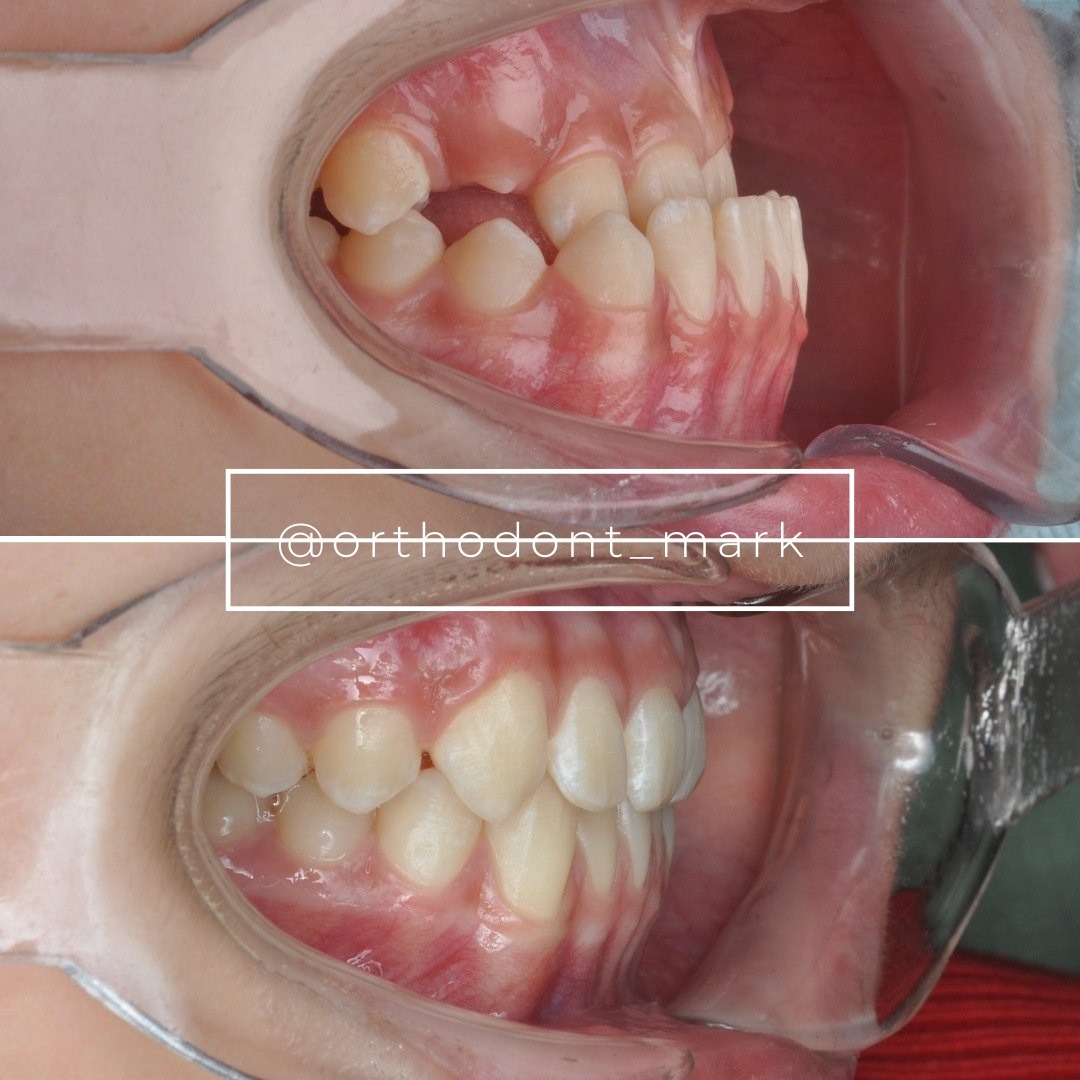
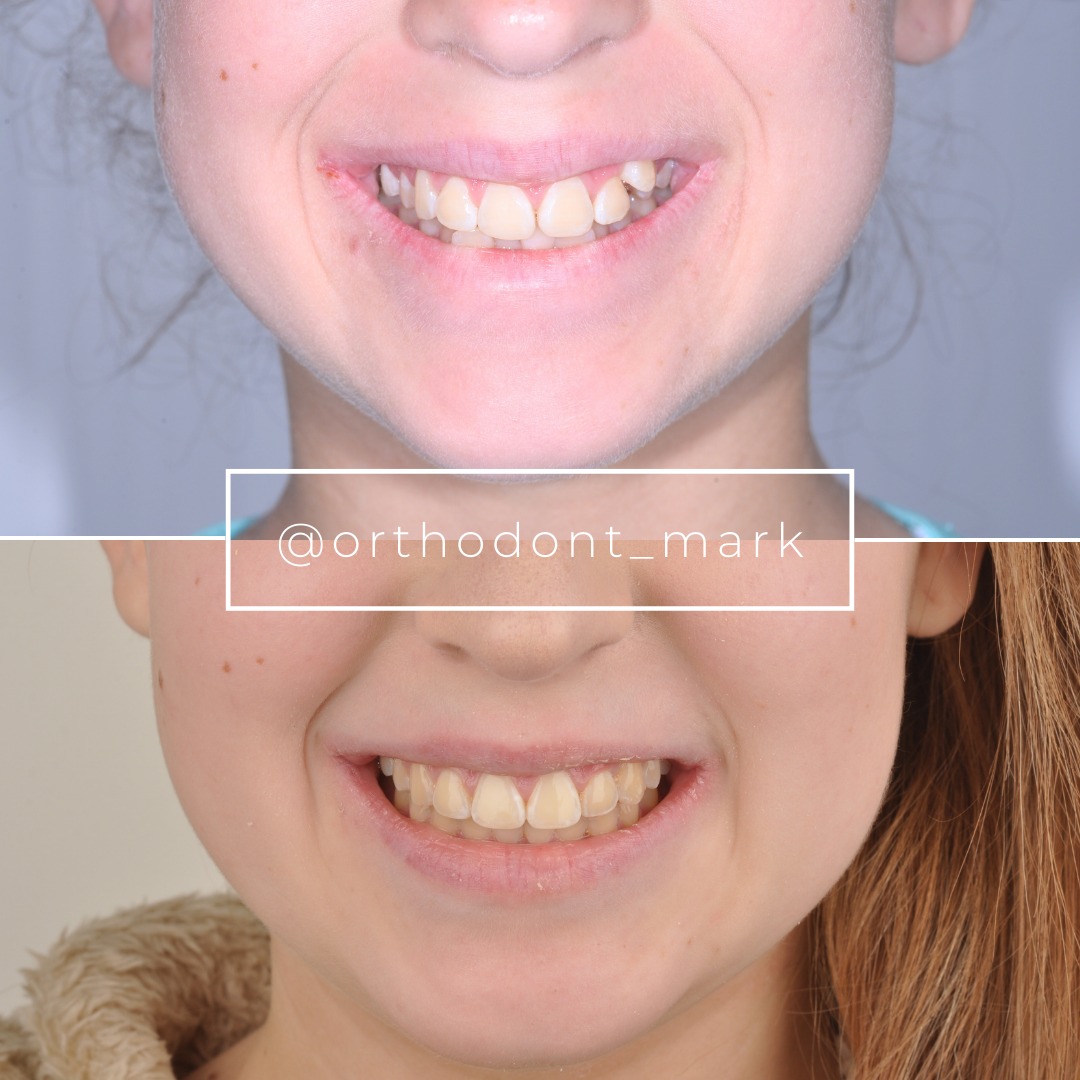

Learn the full MARPE protocol from Dr. Mark Radzhabov
Fundamental course covering CBCT patient selection, miniscrew planning, activation protocols, and 60+ clinical cases. Choose the access level that fits your practice.
Essentials of rapid palatal expansion for practicing orthodontists.
- Core RPE concepts and biomechanics
- 6 structured video lessons
- Clinical decision checklists
- Lifetime access to recordings
Deep-dive into MARPE protocol, diagnostics, and clinical execution.
- 6 modules covering MARPE from A to Z
- CBCT case selection walkthroughs
- Miniscrew placement and activation
- 60+ annotated clinical cases
- Direct Q&A with Dr. Mark Radzhabov
5-element medical consultation framework for dentists and orthodontists.
- Trust-building consultation protocol
- 5 lesson modules
- Templates for treatment plan delivery
- Works with any clinical specialty
Clinical FAQ
What is the first clinical step when receiving a MARPE case mid-treatment?
Assess miniscrew stability via gentle probing. Inspect gingival health and margins. Obtain periapical radiographs in the frontal plane and review prior CBCT to confirm suture separation status before resuming activation.
How do I verify midpalatal suture separation in a transferred MARPE case?
Measure midline diastema width intraorally. Compare periapical radiographs pre- and post-expansion. Low-dose CBCT provides the gold standard, showing suture gap, nasal width, and molar expansion symmetry in three dimensions.
What documentation must the original orthodontist provide for MARPE case transfer?
Activation protocol (turns per day/week), miniscrew specifications (diameter, length, date), baseline and recent CBCT and periapical radiographs, photos, adverse events, retention timeline, and planned consolidation duration.
Should I continue the original activation rate or modify it after case transfer?
Honor the original rate (typically 3–4 turns daily) if active expansion is ongoing. After 8+ weeks of expansion, transition to consolidation: 2–3 turns weekly for 4–6 weeks, then static retention for 6 months before appliance removal.
What is the minimum retention duration after MARPE expansion?
Six months of static retention is recommended. The miniscrew remains in place. The screw is activated minimally or not at all. This allows midpalatal suture ossification and reduces relapse to <10% of active gain.
How do I detect miniscrew loosening in a transferred MARPE case?
Gently probe each miniscrew head with a mirror or explorer. Normal miniscrews have zero mobility. Any detectable movement indicates loosening. Confirm with periapical radiographs and plan re-tightening or replacement if bone resorption is evident.
What complications should I watch for during MARPE case transfer?
Miniscrew loosening, asymmetrical suture separation, over-expansion (rare), and root resorption. Screen with periapical radiographs every 6 months. Address miniscrew issues within 1–2 weeks to prevent treatment failure.
How do I manage asymmetrical midpalatal suture separation in a transferred case?
Modify activation: reduce rate, pause one side, or obtain new CBCT to guide protocol changes. Asymmetry often responds to adjusted activation within 2–4 weeks. Monitor at each recall for re-balancing.
Should I close the expansion screw gradually after active MARPE expansion?
Not routinely. Review the original treatment plan. If closure protocol was not specified, maintain static retention for 6 months instead. Closure protocols reduce relapse risk but are not essential if retention is strict and prolonged.
How do I explain MARPE case transfer to a patient to build confidence?
Show baseline and current radiographs side-by-side, confirm the expansion plan is unchanged, reassure about miniscrew stability, and provide a written timeline for remaining activation and retention phases. A joint letter from both orthodontists formalizes continuity.
Transferring a MARPE case mid-treatment is entirely manageable when grounded in rigorous documentation and transparent clinician-to-clinician communication. The receiving orthodontist must verify miniscrew stability, confirm midpalatal suture status via CBCT, and honor the established activation protocol to avoid setbacks. For complex transfers or when treatment escalation is anticipated, Dr. Mark Radzhabov and the Orthodontist Mark team offer case consultation and clinical mentorship. Visit ortodontmark.com to discuss your transfer case or enroll in advanced MARPE management training.