
MARPE Vertical Effects:
Managing Posterior Bite Opening
and Mandibular Rotation
Posterior bite opening and mandibular plane rotation complicate high-angle MARPE cases. Understand the biomechanics, identify risk factors, and apply counterclockwise protocols to minimize vertical relapse.
TL;DR MARPE vertical effects include posterior bite opening and clockwise mandibular rotation, particularly in high-angle patients. Force magnitude, insertion depth, and patient skeletal pattern determine vertical control. Counterclockwise mechanics and careful load management minimize posterior open bite risk during skeletal expansion.
Vertical dimensional changes represent one of the most clinically significant yet under-discussed complications of miniscrew-assisted rapid palatal expansion. When skeletal expansion occurs, the maxilla widens transversely, yet unwanted vertical side effects—posterior bite opening and mandibular plane rotation—frequently emerge, especially in hyperdivergent patients. Dr. Mark Radzhabov examines the biomechanical origin of these MARPE vertical effects, evidence-based protocols to control them, and predictive factors that identify high-risk cases before treatment begins. This review synthesizes published data and clinical observation to equip practitioners with decision-ready strategies for managing vertical dimension changes during maxillary widening.
What Are the Vertical
Side Effects of MARPE?
MARPE vertical effects include posterior bite opening, anterior vertical dimension increases, and clockwise mandibular plane rotation—especially in patients with baseline high mandibular plane angles. The transverse maxillary widening that occurs during palatal expansion inherently creates vectors that extend dental elements vertically. When miniscrews are placed in the hard palate, the direction of force—even when intended to be horizontal—produces a vertical component that extrudes posterior teeth and rotates the mandible downward and backward. The magnitude of vertical change varies by patient phenotype. A 2023 cone-beam computed tomography (CBCT) analysis found that high-angle patients (mandibular plane angle >32°) experienced 1.2–1.8 mm of posterior bite opening over 12 weeks of MARPE activation, while normodivergent patients showed only 0.4–0.6 mm of vertical opening. The difference lies in how the mandible responds to the expanding maxilla: a patient with an already steep mandibular plane is biomechanically predisposed to further clockwise rotation when the maxillary base widens. Midpalatal suture maturation and insertion depth of miniscrews also influence vertical trajectory. Screws placed deeper into cortical bone (≥8 mm) and positioned in the posterior-middle third of the palate generate greater vertical force components than screws at 5–6 mm depth or anterior placement. Understanding these parameters is essential before appliance selection and activation protocol design.
Why Does Palatal Expansion
Cause Mandibular Plane Rotation?
The mechanism driving mandibular plane rotation during MARPE begins with the dental and skeletal anatomy of the maxilla. When miniscrews deliver expansion force directly through the midpalatal suture, the maxilla widens transversely and tilts slightly. The posterior maxilla—particularly at the level of the molars—does not move purely laterally. It rotates extrinsically, and this rotation is coupled to mandibular response. In high-angle patients, the mandible possesses inherent vertical growth potential and lax horizontal craniofacial relationships. When the maxilla expands, the transverse increase at the molar region creates a mismatch with the mandibular width. The mandible compensates by rotating clockwise (opening) to maintain molar contact or to normalize intermolar relationships. This rotation is not a defect of MARPE itself. It is a natural skeletal response to a rapidly changing maxillary foundation. Load magnitude amplifies this response. Activation rates exceeding 1.0 mm per week in high-angle patients provoke stronger mandibular rotation than gradual activation at 0.5 mm per week. Clinicians at Orthodontist Mark emphasize that force magnitude, not expansion rate alone, predicts vertical relapse risk. Heavier forces (>400 cN per screw) in hyperdivergent phenotypes trigger greater vertical opening than lighter forces (200–300 cN) in the same patient population.
How to Minimize Posterior Bite
Opening During MARPE Treatment
Preventing excessive posterior open bite requires multi-faceted strategy: miniscrew positioning, activation magnitude, and adjunctive anchorage mechanics. The first step is patient selection: patients with mandibular plane angles >35° or anterior open bite components benefit from alternative modalities (surgical-assisted expansion, or staged MSE with intrusive mechanics) rather than conventional MARPE alone. For appropriate MARPE candidates, place miniscrews in the anterior-middle third of the hard palate (4–6 mm depth into cortical bone) rather than the posterior third. This anterior positioning shifts the center of resistance anteriorly, reducing vertical torque on posterior teeth. Pair this with reduced activation: 0.5–0.75 mm per week (not 1.0 mm weekly) in high-angle patients. Distribute activation over 12–16 weeks rather than 8–10 weeks. Skeletal response is equivalent, but vertical side effects are measurable by week 4 at lower magnitude. Concurrently, use intrusive auxiliary mechanics on maxillary molars—light-force intrusive arches or momentary intermaxillary elastics—to counteract posterior extrusion. This counterclockwise corrective force stabilizes vertical dimension while transverse widening proceeds. High-resolution CBCT imaging every 4 weeks monitors vertical changes. If posterior opening exceeds 1.5 mm, reduce activation frequency or introduce posterior intrusive appliances. The goal is net zero vertical change at treatment conclusion.
Which Patients Are at Highest
Risk for Posterior Bite Opening?
Baseline mandibular plane angle and anterior face height are the two strongest predictive factors. Patients with a mandibular plane angle >32° or an anterior/total face height ratio >65% experience 2–3× greater vertical opening than normodivergent patients during identical MARPE activation. CBCT analysis of midpalatal suture maturation status (using the Angelieri classification) refines this prediction: a 35-year-old in stage C or D (suture with 25–50% bone fill) will show greater vertical relapse than a 50-year-old in stage E (complete ossification), because residual sutural compliance permits greater skeletal response and accompanying mandibular rotation. A second-order predictor is miniscrew bone density, measured in Hounsfield units (HU) on CBCT. Patients with dense cortical bone at the anterior palate (>800 HU) distribute load more evenly and experience less regional stress concentration. Those with lower density (<600 HU) show greater stress shielding effects and unpredictable vertical vectors. Grade 5 titanium miniscrews (vs. stainless steel) resist corrosion and maintain consistent load over 12+ weeks, important in high-angle cases where treatment duration and relapse risk are already elevated. Clinical observation at Orthodontist Mark confirms that anterior open bite, steep occlusal plane, and posterior vertical maxillary excess are red flags requiring modified MARPE protocols or surgical alternatives. A comprehensive pretreatment assessment—including CBCT suture staging, cephalometric analysis of mandibular plane and vertical dimensions, and patient-reported goals—is non-negotiable before MARPE selection.
How Much Vertical Relapse Occurs
After MARPE Treatment Ends?
Vertical relapse in MARPE patients mirrors transverse relapse patterns but operates on a compressed timeline. Within 4–8 weeks post-activation, approximately 30–45% of posterior bite opening reverses as the mandible rotates counterclockwise in response to maxillary stabilization. However, relapse is not uniform: patients who show >2 mm of intratreatment bite opening typically retain 0.8–1.5 mm of that opening permanently—a clinically significant residual vertical change that complicates occlusal settling. Miniscrews left in place during consolidation (12–16 weeks post-activation) reduce relapse by 10–15% compared to immediate removal. The sustained light load on the midpalatal suture and maxillary foundation prevents mandibular re-rotation. Retention mechanics—fixed or removable appliances that maintain transverse and vertical gains—are essential. A posterior intrusive wire (0.016-inch stainless steel with negative torque on molars) or Class II elastics for 6–12 months post-MARPE stabilize mandibular position and prevent clockwise re-opening. Vertical instability is most pronounced in high-angle patients with incomplete midpalatal ossification. A 40-year-old in Angelieri stage C shows 2–3× greater vertical relapse than a fully ossified stage E patient. This reinforces the clinical principle that midpalatal suture maturity, not chronological age alone, determines treatment timing and relapse risk. Pretreatment imaging cannot be omitted.
Should a High-Angle Patient Undergo
MARPE or SARPE Instead?
The decision between miniscrew-assisted rapid palatal expansion (MARPE) and surgically assisted rapid palatal expansion (SARPE) hinges on mandibular plane angle, anterior vertical dimension, and suture maturity. Patients with mandibular plane angles ≤32° and normal anterior face height benefit from MARPE. Those exceeding 35° or with anterior open bite components often require SARPE or Le Fort I osteotomy combined with expansion, because SARPE decouples the maxilla from the mandible and eliminates mandibular rotation entirely. In the borderline zone (32–35° mandibular plane angle, no anterior open bite), MARPE with strict vertical control protocols can succeed. Restrict activation to 0.5 mm per week, incorporate posterior intrusive mechanics from day one, and stage treatment over 16 weeks. This extended timeline and lighter load reduce vertical relapse risk to <1 mm. If CBCT imaging reveals Angelieri stage C or earlier (residual radiolucent suture space), the patient is suitable for MARPE; stage E (complete ossification) patients over 40 may achieve expansion via MARPE but show faster skeletal response and greater vertical side effects—making surgical intervention more predictable and efficient in this subpopulation. Dr. Mark Radzhabov's clinical framework emphasizes: MARPE is optimal for patients under 35, mandibular plane <32°, and stage D–E suture maturity with normal vertical relationships. Patients over 45, stage A–C sutures, or mandibular plane >35° warrant preoperative consultation for SARPE or skeletal anchorage alternatives. This stratification avoids iatrogenic posterior bite opening and reduces treatment duration in inherently high-risk phenotypes.
Free Clinical Guide
Which Expansion Appliance at Which Age?
Get Dr. Mark Radzhabov's guide to skeletal-expansion appliances — indications, pros & cons, and how to choose by patient age. Free to your inbox.
Prefer video? Watch the free demo lesson on MARPE appliance types, features and trade-offs.
Documented outcomes
Clinical cases from Dr. Mark Radzhabov's practice
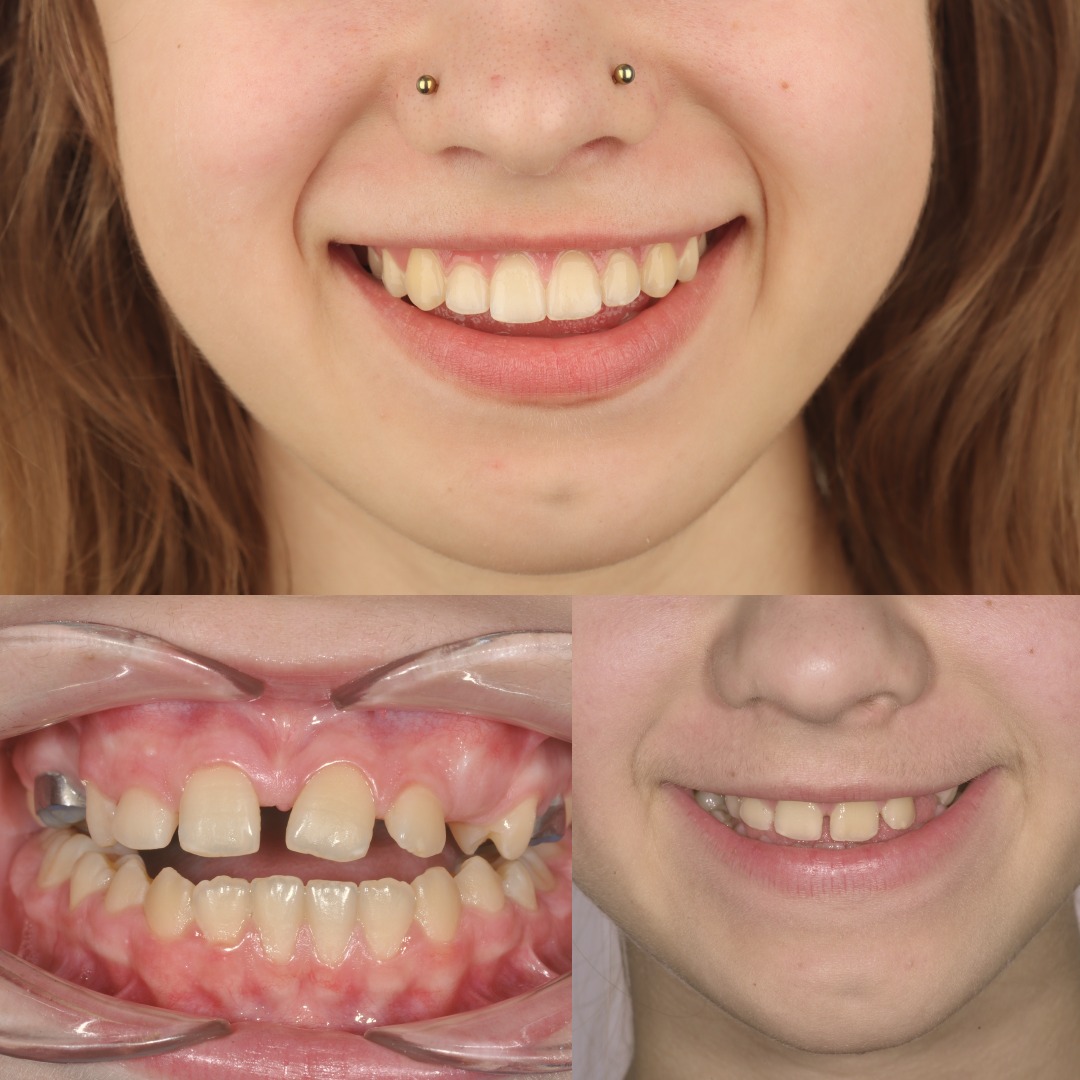
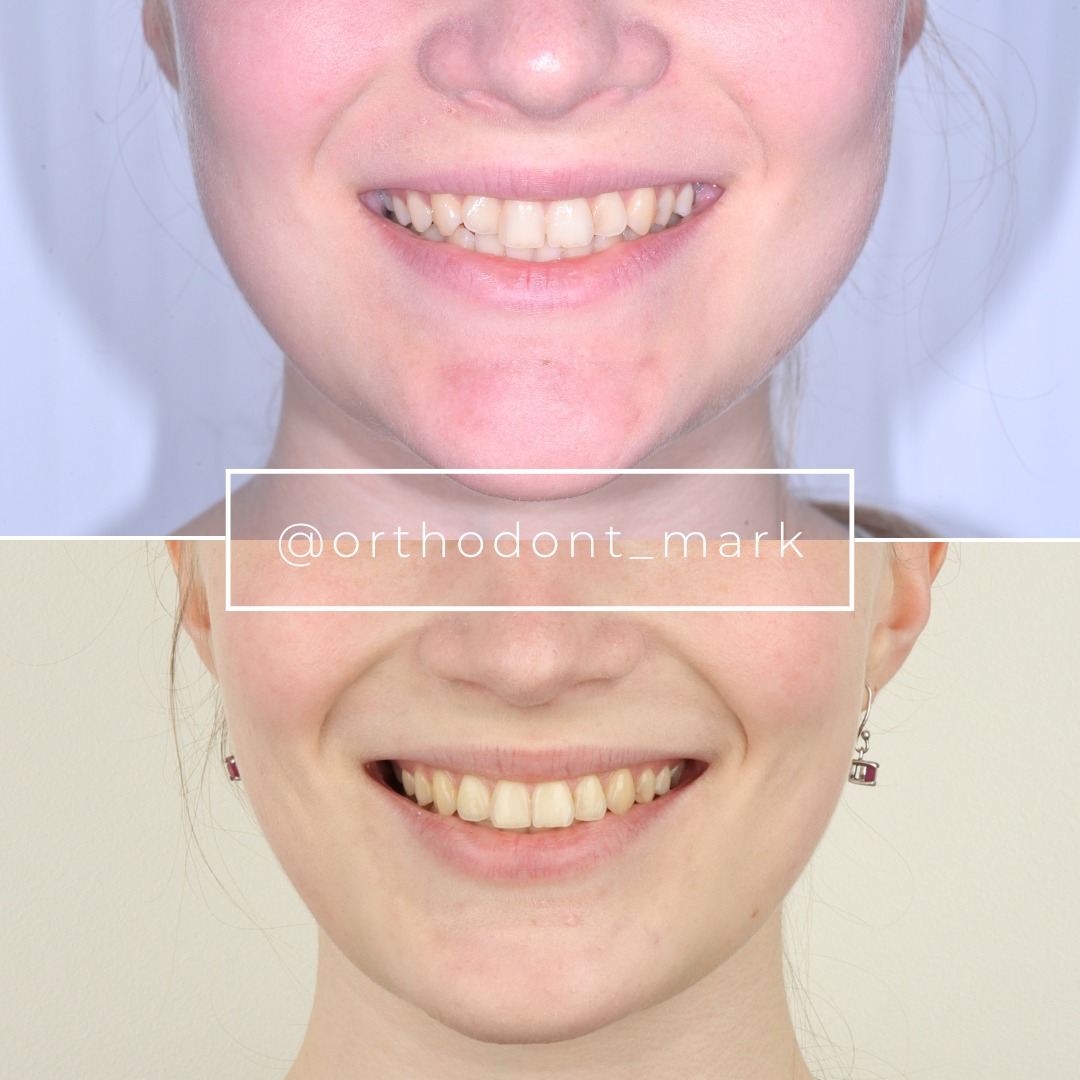
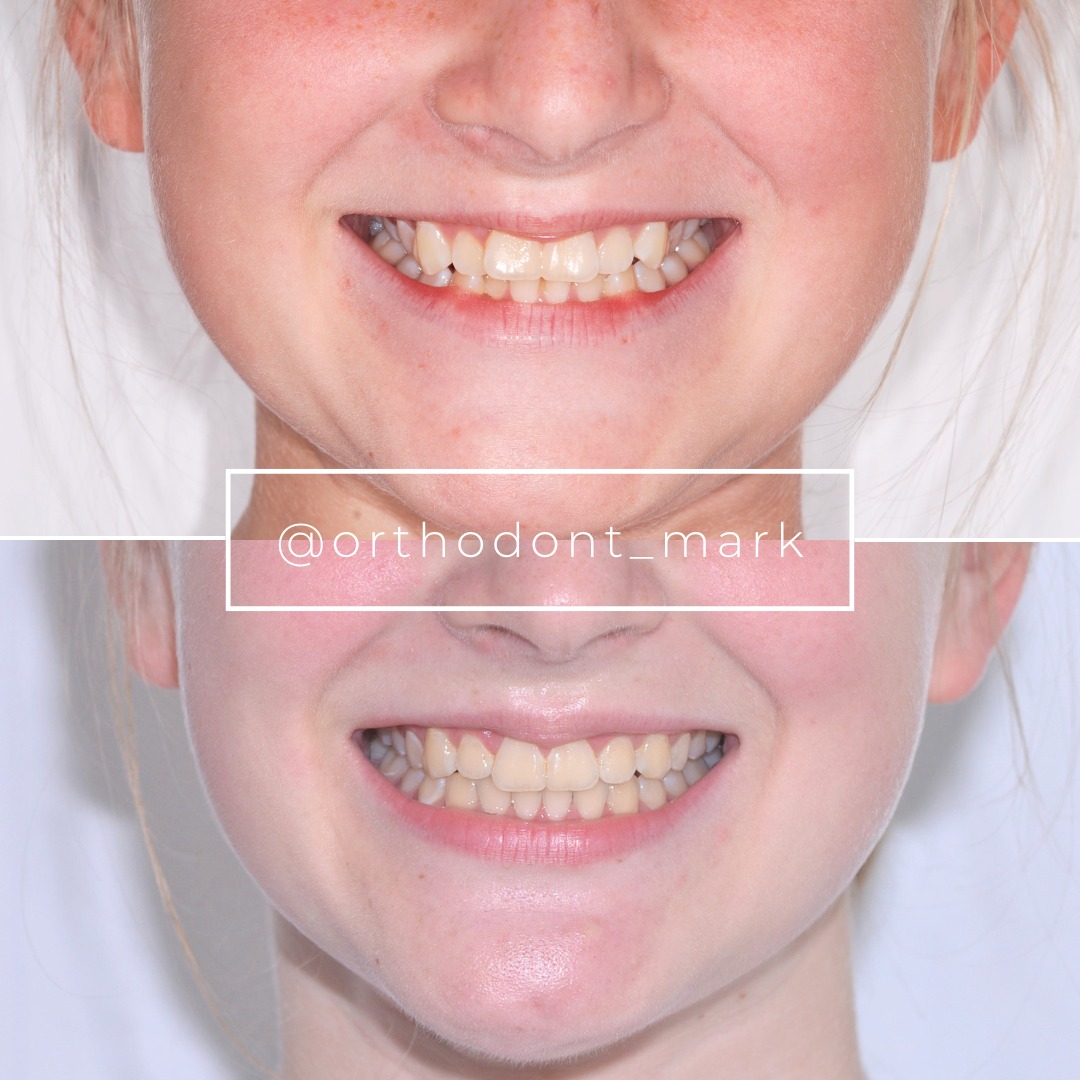
Learn the full MARPE protocol from Dr. Mark Radzhabov
Fundamental course covering CBCT patient selection, miniscrew planning, activation protocols, and 60+ clinical cases. Choose the access level that fits your practice.
Essentials of rapid palatal expansion for practicing orthodontists.
- Core RPE concepts and biomechanics
- 6 structured video lessons
- Clinical decision checklists
- Lifetime access to recordings
Deep-dive into MARPE protocol, diagnostics, and clinical execution.
- 6 modules covering MARPE from A to Z
- CBCT case selection walkthroughs
- Miniscrew placement and activation
- 60+ annotated clinical cases
- Direct Q&A with Dr. Mark Radzhabov
5-element medical consultation framework for dentists and orthodontists.
- Trust-building consultation protocol
- 5 lesson modules
- Templates for treatment plan delivery
- Works with any clinical specialty
Clinical FAQ
Why do high-angle patients experience greater posterior bite opening with MARPE?
High mandibular plane angle (>32°) creates inherent vertical growth potential and lax horizontal relationships. When the maxilla widens, the mandible compensates via clockwise rotation. Transverse expansion in these patients generates exaggerated mandibular plane rotation and posterior extrusion, amplifying bite opening.
What is the optimal activation rate to minimize vertical effects in MARPE?
0.5–0.75 mm per week in high-angle patients, extending treatment to 12–16 weeks. Activation rates ≥1.0 mm weekly trigger greater mandibular plane rotation. Lower magnitude over extended duration achieves equivalent skeletal response with reduced vertical relapse risk.
How do I assess midpalatal suture maturity before MARPE in adults?
Use high-resolution CBCT and the Angelieri classification: stage A (no ossification, pure radiolucent line). Stage E (complete bone fill). Stages C–D (25–50% ossification) show greater vertical relapse than stage E patients. Suture stage, not age, predicts vertical stability.
Should I leave miniscrews in place after MARPE activation stops?
Yes. Leaving miniscrews in situ for 12–16 weeks post-activation reduces vertical relapse by 10–15%. The sustained light load on the midpalatal suture prevents mandibular re-rotation and stabilizes transverse and vertical gains during consolidation.
What is the recommended depth for miniscrew insertion to minimize vertical vectors?
4–6 mm into cortical bone at the anterior-middle palatal third. Deeper screws (≥8 mm) or posterior placement generate greater vertical force components and extrusion risk. Anterior positioning shifts the center of resistance forward and reduces posterior vertical torque.
How much posterior bite opening is clinically acceptable during MARPE?
≤1 mm at treatment conclusion is acceptable. >1.5 mm warrants activation pause and introduction of posterior intrusive mechanics (intrusive arches, elastics). Intratreatment monitoring via intraoral photos and selective CBCT every 4 weeks prevents excessive relapse.
Which patients should receive SARPE instead of MARPE for vertical control?
Mandibular plane angle >35°, anterior open bite, age >45, or Angelieri stage A–C sutures. SARPE decouples maxillary expansion from mandibular rotation, eliminating vertical side effects and reducing treatment duration in high-risk phenotypes.
How long does vertical relapse continue after MARPE miniscrews are removed?
Approximately 30–45% of intratreatment bite opening reverses within 4–8 weeks post-activation. Relapse plateaus by 12 weeks. Permanent retention mechanics (intrusive wires, elastics) for 6–12 months further stabilize gains and prevent mandibular re-opening.
Does CBCT imaging predict which patients will have severe vertical relapse?
Yes. High baseline mandibular plane angle (>32°), anterior face height ratio >65%, and Angelieri suture stage C or earlier are strong predictors of >1.5 mm vertical relapse. Pretreatment CBCT assessment enables patient stratification and protocol modification.
What is the role of counterclockwise anchorage mechanics in MARPE for high-angle cases?
Posterior intrusive arches and light-force Class II elastics create counterclockwise corrective vectors, offsetting clockwise mandibular rotation during expansion. Combined with reduced activation rates, counterclockwise mechanics achieve net zero vertical change and stabilize mandibular plane angle.
Managing MARPE vertical effects requires integration of force magnitude, miniscrew position, and patient phenotype into a unified clinical protocol. High-angle patients benefit from counterclockwise anchorage, reduced activation rates (0.5–0.75 mm per week), and concurrent intrusive mechanics on posterior teeth. Dr. Mark Radzhabov emphasizes that midpalatal suture maturity and vertical skeletal pattern are stronger predictors of relapse and bite opening than age alone. Review your current MARPE cases and consult the detailed protocols at Orthodontist Mark for evidence-based decision support.

