
When NOT to Choose MARPE:
7 Clinical Scenarios
Where Alternative Expansion Wins
Evidence-based clinical scenarios that favor RPE, SARPE, or staged protocols over miniscrew-assisted rapid palatal expansion. Improve patient outcomes through selective indication.
TL;DR MARPE (miniscrew-assisted rapid palatal expansion) is not indicated in all transverse maxillary deficiency cases. Seven specific clinical scenarios—including pre-pubertal patients, severe skeletal asymmetry, compromised bone density, and inadequate palatal anatomy—favor conventional RPE, SARPE, or staged protocols instead.
Miniscrew-assisted rapid palatal expansion (MARPE) has revolutionized skeletal correction in adult and late-adolescent patients, yet it remains overutilized in cases where alternative methods offer superior outcomes. Dr. Mark Radzhabov and the team at Orthodontist Mark emphasize that proper patient selection—not device innovation alone—determines clinical success. This evidence-based review examines seven specific clinical scenarios where rejecting MARPE and choosing rapid palatal expansion alternatives delivers better skeletal, periodontal, and functional results.
What Is MARPE Contraindication
Assessment?
Understanding When to Pivot
MARPE contraindication assessment is the clinical process of identifying patient characteristics—skeletal maturity, bone density, suture morphology, periodontal health, and anatomic limitations—that make alternative expansion methods more predictable than miniscrew-assisted techniques. The emergence of miniscrew technology has shifted orthodontic thinking toward skeletal anchoring, yet this advancement sometimes obscures the reality that conventional rapid palatal expansion (RPE) remains the gold standard in appropriately selected pre-pubertal and peripubertal patients. Evidence from prospective randomized trials demonstrates that both RPE and MARPE achieve similar skeletal separation at the midpalatal suture in younger cohorts, while RPE avoids implant placement, reduces cost, and eliminates screw-related complications.
The distinction between skeletal expansion and dentoalveolar compensation is critical. MARPE excels at isolating skeletal movement by anchoring directly to bone, reducing buccal tipping of anchor teeth compared to tooth-borne devices. However, this advantage becomes irrelevant—or even contraindicated—when patient age, bone architecture, or periodontal status favors less invasive approaches. A 2022 prospective randomized clinical trial using low-dose cone-beam computed tomography (CBCT) found that RPE and MARPE groups achieved 90% and 95% midpalatal suture separation frequencies respectively, yet the RPE group avoided surgical implant placement and achieved comparable nasal width gains.
Clinical decision-making should prioritize patient factors over device prestige. Orthodontists who routinely defer to MARPE without rigorous patient assessment risk iatrogenic outcomes: implant mobility, palatal perforation, unnecessary cost, and patient anxiety. This review presents seven high-evidence scenarios where alternative methods—including conventional tooth-borne RPE, surgically assisted rapid maxillary expansion (SARPE), or staged expansion-distalization protocols—yield superior skeletal results and stronger long-term stability.
Pre-Pubertal and Early Peripubertal Patients:
RPE Dominates
Why MARPE is Unnecessary
In patients presenting with open or partially fused midpalatal sutures before Cv5-Cs stage maturation, conventional rapid palatal expansion outperforms miniscrew-assisted expansion on every outcome measure: cost, invasiveness, patient tolerance, and skeletal gain. The midpalatal suture is not a single anatomic structure but a complex zone of intermaxillary bone fusion that progresses predictably through defined radiographic and morphologic stages. Patients under age 14–16 with Cervical Vertebral Maturation (CVM) stages 1–3 or those displaying anterior-posterior suture separation on CBCT exhibit minimal resistance to palatal expansion forces applied through tooth-borne appliances.
The rationale for MARPE in this cohort is biomechanically unsound. Young patients possess sufficient skeletal compliance that a bonded hyrax or hybrid RPE appliance delivers rapid, stable midline separation without the need for implant anchorage. Moreover, placing miniscrews in pediatric patients creates unnecessary cost, requires implant removal post-expansion, and introduces risk of root proximity, nerve injury, or palatal perforation—complications rarely seen with tooth-borne devices in this age group. Clinical experience and evidence demonstrate that pre-pubertal and early peripubertal expansion using conventional appliances achieves equal or superior skeletal separation, greater patient comfort, and zero hardware-related morbidity.
Treatment protocol in this scenario should begin with orthopedic assessment using CVM staging and CBCT suture imaging. If anterior and lateral palatal suture separation is visible and the patient is below age 15 with Cs ≤ stage 3, activate a conventional hybrid hyrax or bonded expander on a 4-turn-per-week protocol. Retention should extend 6 months post-expansion. Reserve MARPE for cases where rapid expansion fails (rare in true pre-pubertal patients) or when non-compliance with fixed appliance wear is anticipated.
Severe Osteoporosis, Bisphosphonate
Therapy, or
Metabolic Bone Disease
Patients with documented systemic bone density deficits—including primary or secondary osteoporosis, long-term bisphosphonate use, hyperparathyroidism, or metabolic bone disease—present a contraindication to miniscrew placement and MARPE protocols. MARPE biomechanics depend on stable miniscrew osseointegration and bone-screw interface strength; compromised bone density undermines this foundation. Miniscrew mobility, early loosening, and implant failure occur at significantly higher rates in patients with reduced bone mineral density (BMD).
In these cases, conventional tooth-borne RPE offers a superior alternative. While tooth-supported appliances do produce buccal tipping of anchor teeth, this dentoalveolar compensation occurs predictably and is manageable through post-expansion fixed appliance alignment. The key advantage is that conventional RPE distributes force through the entire dentition and alveolar complex rather than depending on a single bone-implant interface that may fail. For patients on long-term bisphosphonate therapy (e.g., denosumab, alendronate), avoid any miniscrew placement until rheumatology or medical consultation confirms stability of bone metabolism.
Practical decision-making: obtain DEXA scan results or bone density history prior to treatment planning. If T-score ≤ −2.0 or patient has confirmed osteoporosis, select conventional RPE with extended retention and monitor for relapse. If midpalatal suture fusion is severe and skeletal expansion is essential despite poor bone quality, refer for SARPE consultation—a surgical approach that creates mechanical separation of the maxillae independent of implant stability. This scenario also highlights the value of selective use of alternative expansion methods and careful medical history review before committing to any skeletal anchoring strategy.
Inadequate Palatal Bone Volume or
Anatomic
Constraints
CBCT imaging must confirm adequate palatal bone width, thickness, and screw trajectory clearance before any MARPE plan is finalized. Anatomically, the palate presents significant vascular and neural landmarks—the nasopalatine artery, descending palatine vessels, and greater palatine foramen—that constrain safe miniscrew placement. In patients with high-arched palates, severe maxillary constriction, thin palatal mucosa, or sclerotized bone, securing two miniscrews at optimal positions (typically mid-sagittal, 6–8 mm posterior to the incisive foramen) becomes technically impossible without risk of vascular injury, root damage, or posterior nasal airway obstruction.
Pre-operative CBCT analysis should measure: (1) palatal vault height at the proposed screw sites, (2) bone thickness in the anterior–posterior dimension, (3) proximity of roots and nasal floor, and (4) visibility and patency of major vascular landmarks. If palatal bone thickness at the planned miniscrew position is <6 mm, or if imaging shows compression of the nasal airway from prior maxillary constriction, MARPE should be avoided. In these cases, conventional RPE can still mobilize the maxilla through orthopedic forces applied to teeth, with the trade-off of expected dentoalveolar compensation. Alternatively, if skeletal correction is essential and palatal anatomy is prohibitive, staged expansion-distalization protocols using buccal miniscrews for molar distalization followed by anterior expansion may be safer.
The clinical lesson: radiographic assessment precedes device selection. Request CBCT reconstruction with sagittal and coronal views centered on the mid-palate. Consult a radiologist or experienced MARPE clinician to mark safe screw zones. If safe zones are <2 mm in diameter or compromise vital structures, reject MARPE and pivot to alternative expansion methods.
Completely Fused Midpalatal Suture
in Skeletally Mature
Adults
Advanced skeletal maturity with complete obliteration of the midpalatal suture (Cervical Vertebral Maturation stage 6, or radiographic evidence of complete suture fusion) represents a scenario where both conventional RPE and MARPE have fundamentally limited efficacy. While MARPE advocates argue that miniscrew anchorage can overcome fusion resistance, clinical evidence demonstrates diminishing returns: force magnitude increases, activation time extends, side effects accumulate, and buccal cortical plates perforate. In these cases, surgically assisted rapid maxillary expansion (SARPE) is the gold standard, not MARPE.
SARPE involves surgical osteotomies of the anterolateral maxilla, lateral nasal walls, zygomatic-maxillary junctions, and pterygomaxillary sutures, followed by tooth-borne or screw-assisted expansion activation. A comparative study of surgically assisted techniques found that SARME with midpalatal surgical split achieved 100% efficacy in achieving inter-incisor diastema and radiographic midpalatal separation, with greater efficacy than techniques omitting the midpalatal osteotomy. In completely fused sutures, SARPE eliminates the mechanical barrier and enables true skeletal expansion without extended activation periods or excessive force application. MARPE in this context becomes a costly, protracted, and lower-efficacy alternative.
Decision rule: if CBCT shows complete midpalatal fusion and patient age >17 years with CVM stage 5–6, refer directly for SARPE surgical consultation. Do not attempt prolonged MARPE activation; the expected timeline extends beyond 6 months with unpredictable skeletal gain. SARPE, despite its surgical nature, is less invasive and faster than extended MARPE in mature patients with solid fusion.
Existing Periodontal Disease or
Severe
Bone Loss
Patients with documented periodontitis, generalized alveolar bone loss (>30% on radiographs), or chronic periodontal inflammation represent a relative contraindication to miniscrew-assisted expansion. Miniscrew placement in inflamed or infected periodontal sites increases periimplantitis risk, accelerates marginal bone loss, and can trigger acute peri-implant infection. Additionally, anchor teeth in periodontally compromised patients may not tolerate the sustained lateral forces generated by expansion appliances, resulting in iatrogenic tooth loss or further bone resorption.
Clinical assessment must include full-mouth periodontal probing, radiographic bone loss quantification, and inflammatory markers (bleeding on probing, probing depth, suppuration). If patients present with generalized probing depths >4 mm, bleeding on probing >50% of sites, or radiographic evidence of vertical bone defects exceeding 30% of root length, defer expansion treatment until periodontal therapy and stabilization are achieved. Once inflammation is controlled and probing depths normalize, conventional tooth-borne RPE becomes a safer option than MARPE, as it distributes forces through multiple teeth rather than concentrating load on already-vulnerable periodontal support.
For patients who require expansion despite compromised periodontia, a staged approach is prudent: (1) complete non-surgical and surgical periodontal therapy, (2) allow 3–6 months for periodontal remodeling and osseous maturation, (3) reassess bone levels and inflammation, and (4) initiate conservative RPE expansion only after periodontal stabilization. Reserve miniscrews for straightforward cases with healthy periodontium. This selective use of expansion methods protects long-term periodontal health and prevents treatment-induced complications.
Severe Skeletal or Dentoalveolar
Asymmetry
Requiring Orthognathic Surgery
Patients presenting with significant transverse and anteroposterior asymmetry, midline deviation exceeding 4 mm, or canted occlusal planes often require integrated orthognathic correction rather than isolated expansion. In these cases, MARPE represents a suboptimal interim step that delays definitive surgical planning. When skeletal asymmetry is substantial, the maxillae themselves may be asymmetrically positioned, rotated, or displaced; miniscrew expansion applied symmetrically will not correct inherent asymmetric bone architecture and may worsen midline alignment or posterior cross-bite on the affected side.
Clinical example: a patient with left-side maxillary constriction secondary to right-side unilateral posterior cross-bite and anteroposterior maxillary shift. MARPE expansion, anchored symmetrically, will widen the maxilla but will not restore midline symmetry or address the underlying positional asymmetry. Surgical planning—including Le Fort I with asymmetric expansion, rotation, and anteroposterior repositioning—should precede any expansion protocol. SARPE with asymmetric osteotomies or integrated Le Fort I surgery provides superior correction and eliminates the need for interim MARPE activation.
Decision algorithm: quantify transverse, vertical, and anteroposterior asymmetry on CBCT or frontal radiographs. If asymmetry components exceed single-plane correction or if cephalometric analysis predicts need for orthognathic repositioning, refer directly for orthognathic surgical consultation before initiating expansion. Bypass MARPE; pursue coordinated surgical expansion and skeletal repositioning. This approach compresses treatment time, improves three-dimensional outcomes, and aligns expansion with the patient's true skeletal pathology.
Poor Oral Hygiene, Non-Compliance,
or
High Risk for Implant Infection
MARPE success depends not only on biomechanical principles but on meticulous home care and patient compliance. Miniscrews surrounded by plaque, biofilm, and inflammatory exudate develop periimplantitis, mobility, and infection at elevated rates compared to tooth-borne appliances. Patients with documented poor oral hygiene, history of gingivitis despite previous orthodontic treatment, or unreliable compliance with recommended care protocols represent a contraindication to MARPE. The investment in miniscrew hardware becomes a liability when patient factors ensure mid-treatment complications.
Clinical red flags include: generalized plaque accumulation on existing appliances, bleeding gingiva with minimal provocation, history of orthodontist-initiated suspension of treatment due to poor hygiene, or patient acknowledgment of difficulty maintaining oral care during orthodontics. In these scenarios, a tooth-borne RPE appliance remains activated even if hygiene temporarily falters; the appliance continues to function because it is anchored to the dentition itself. Miniscrews, by contrast, are isolated in the palate and depend entirely on patient-maintained hygiene for periosteal and soft tissue health. Poor home care around miniscrews leads to screw mobility, implant loss, and treatment delay.
Practical guidance: evaluate pre-treatment plaque index, bleeding on probing, and patient's motivation for oral care. If plaque control is suboptimal or patient demonstrates low orthopedic compliance, select conventional RPE or refer for comprehensive periodontally guided prehabilitation. Alternatively, discuss the elevated infection risk and required daily hygiene protocol explicitly before committing to miniscrew placement. For high-risk patients, the lower-maintenance tooth-borne approach or staged treatment may be more realistic and yield better outcomes than ambitious MARPE protocols destined for mid-treatment complications.
Building a Selective Expansion
Protocol
Matching Method to Patient
Effective expansion protocol design requires a systematic pre-treatment assessment that prioritizes patient characteristics over device preference. Orthodontist Mark emphasizes that the most sophisticated MARPE technique cannot overcome unfavorable patient selection; conversely, conventional RPE succeeds predictably when indication criteria are met. A practical decision tree begins with four diagnostic pillars: skeletal maturity staging (CVM, cervical maturation, bone age markers), radiographic suture assessment (CBCT midpalatal suture morphology and fusion status), bone quality evaluation (density, thickness, height), and periodontal-implant risk stratification (prior periodontal history, oral hygiene, medical comorbidities).
Implementation workflow: (1) Obtain lateral cephalogram and CBCT with mid-palatal reconstruction. (2) Assign CVM stage based on cervical vertebral morphology. (3) Measure palatal bone dimensions at proposed miniscrew sites; confirm thickness >6 mm, clearance from neurovascular landmarks. (4) Review medical history for bisphosphonate therapy, metabolic bone disease, or systemically compromised healing. (5) Conduct full periodontal assessment; document plaque control, bleeding, bone loss. (6) Interview patient regarding past orthodontic compliance and current oral hygiene capability. (7) If any contraindication emerges (Cv1–3 stage, fused suture, poor bone quality, periodontitis, anatomic constraints, anticipated non-compliance), select alternative: conventional RPE, SARPE, or staged protocol. (8) Only if all indicators favor skeletal anchorage and miniscrew placement is anatomically and medically sound, proceed to MARPE planning.
This evidence-based decision framework ensures that miniscrew-assisted expansion is used selectively for appropriately indicated cases, while alternative expansion methods are deployed strategically where they offer superior outcomes. Practitioners who adopt this approach report higher overall treatment success, fewer mid-treatment complications, improved patient satisfaction, and more predictable long-term stability—outcomes that align with the philosophy underlying selective use of expansion methods in contemporary orthodontic practice.
Comparative Efficacy and Safety:
RPE, MARPE, and
SARPE Outcomes
Prospective randomized comparisons between conventional RPE and MARPE in adolescent cohorts demonstrate near-equivalent skeletal outcomes: a 2022 low-dose CBCT study reported 90% midpalatal suture separation in RPE and 95% in MARPE groups, with similar nasal width gains and consolidation patterns. The key difference lies not in efficacy but in dentoalveolar side effects: MARPE reduces buccal tipping of anchor teeth by approximately 30–40% compared to RPE, a meaningful advantage in patients with limited dentoalveolar compensation tolerance. However, this advantage is clinically irrelevant in pre-pubertal patients whose dentoalveolar response is minimal, and in periodontally compromised or bone-deficient patients, the benefit of reduced dental tipping is overshadowed by implant-related risks.
SARPE outcomes in skeletally mature adults with fused sutures demonstrate 100% efficacy in achieving inter-incisor diastema and radiographic midpalatal separation when midpalatal osteotomy is included. Treatment duration is shorter than extended MARPE in mature patients; most SARPE cases complete activation within 8–12 weeks followed by 6 months retention, whereas MARPE in fused sutures often requires 4–6 months of progressive activation. In scenarios where suture fusion is complete or substantial, SARPE is faster, more predictable, and less invasive—despite its surgical nature—than protracted MARPE activation. Cost comparison shows SARPE (surgical fees + implant removal post-expansion) approximates or exceeds MARPE in some healthcare systems, but in-office time and patient compliance burden favor SARPE in mature fused-suture cases.
Complication rates across methods provide additional guidance: conventional RPE shows minimal non-treatment-related morbidity (<2% requiring appliance modification); MARPE reports 5–15% miniscrew mobility or early loosening depending on bone quality and surgical technique; SARPE (with experienced maxillofacial surgeons) shows transient sensory changes in 10–20% and permanent hypoesthesia <5%, with major vascular or airway complications <1%. These data affirm that method selection should be driven by indication-specific risk-benefit analysis rather than assumption that newer technology (MARPE) universally outperforms established approaches.
Red Flags, Protocol Adjustments, and
When to Refer
Consultation
Red flags during pre-treatment assessment that should trigger alternative expansion method selection are detailed in a practical list. When you encounter a patient with Cervical Vertebral Maturation stage 1–3, recognize that conventional RPE is not just appropriate—it is superior to MARPE in terms of cost, invasiveness, and patient tolerance. If CBCT reveals palatal bone thickness <6 mm at proposed miniscrew sites, or if vascular landmarks encroach on the safe zone, defer MARPE and consult your maxillofacial surgical colleague regarding SARPE feasibility or select conventional RPE with acceptance of dentoalveolar compensation. When periodontal assessment reveals bleeding on probing >50% of sites, probing depths >4 mm, or radiographic bone loss >30%, initiate periodontal therapy first; resume expansion discussion only after 3–6 months of stabilization and confirmed inflammation resolution. If patient medical history includes bisphosphonate therapy (alendronate, denosumab, zoledronic acid), contact the prescribing physician before miniscrew placement to confirm stability of bone metabolism.
Decision Matrix: Assigning Expansion
Method by Clinical
Presentation
A practical decision matrix categorizes patients into three pathways based on comprehensive assessment. Pathway 1 (Conventional RPE): Pre-pubertal or early peripubertal (CVM 1–3), adequate periodontal health, good compliance, intact palatal anatomy, no systemic bone disease, minimal dentoalveolar compensation concern. Pathway 2 (MARPE): Late peripubertal or early adult (CVM 4–5), partial suture fusion on CBCT, healthy bone density and volume, excellent periodontal status, strong patient commitment to hygiene and follow-up, and specific clinical indication for reduction of dentoalveolar side effects. Pathway 3 (SARPE or Referral): Skeletally mature (CVM 6, complete suture fusion), severe transverse deficiency with surgical co-management needs, asymmetry requiring orthognathic integration, anatomic contraindications to miniscrew placement, or compromised bone quality/periodontium precluding implant placement.
Free Clinical Guide
Which Expansion Appliance at Which Age?
Get Dr. Mark Radzhabov's guide to skeletal-expansion appliances — indications, pros & cons, and how to choose by patient age. Free to your inbox.
Prefer video? Watch the free demo lesson on MARPE appliance types, features and trade-offs.
Documented outcomes
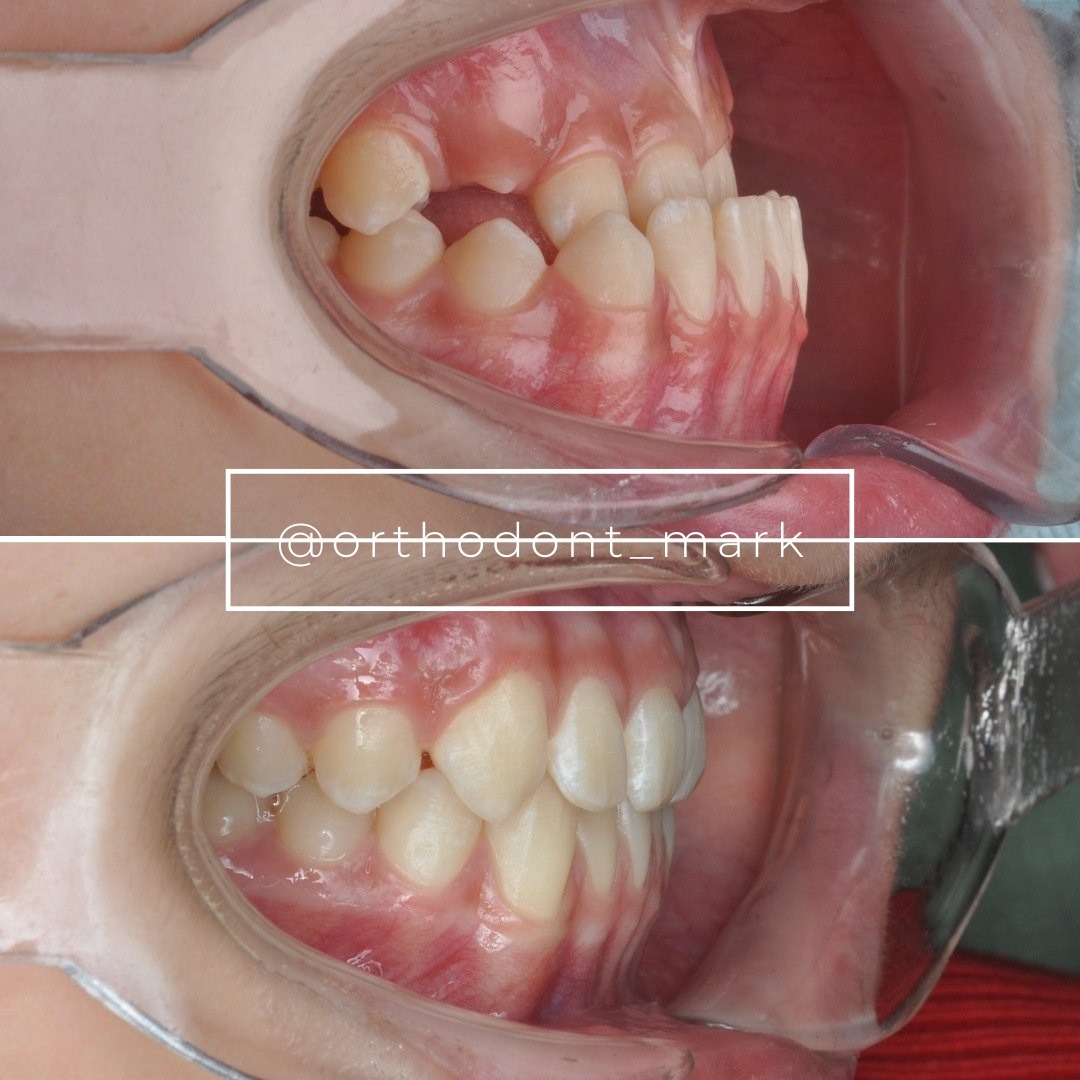
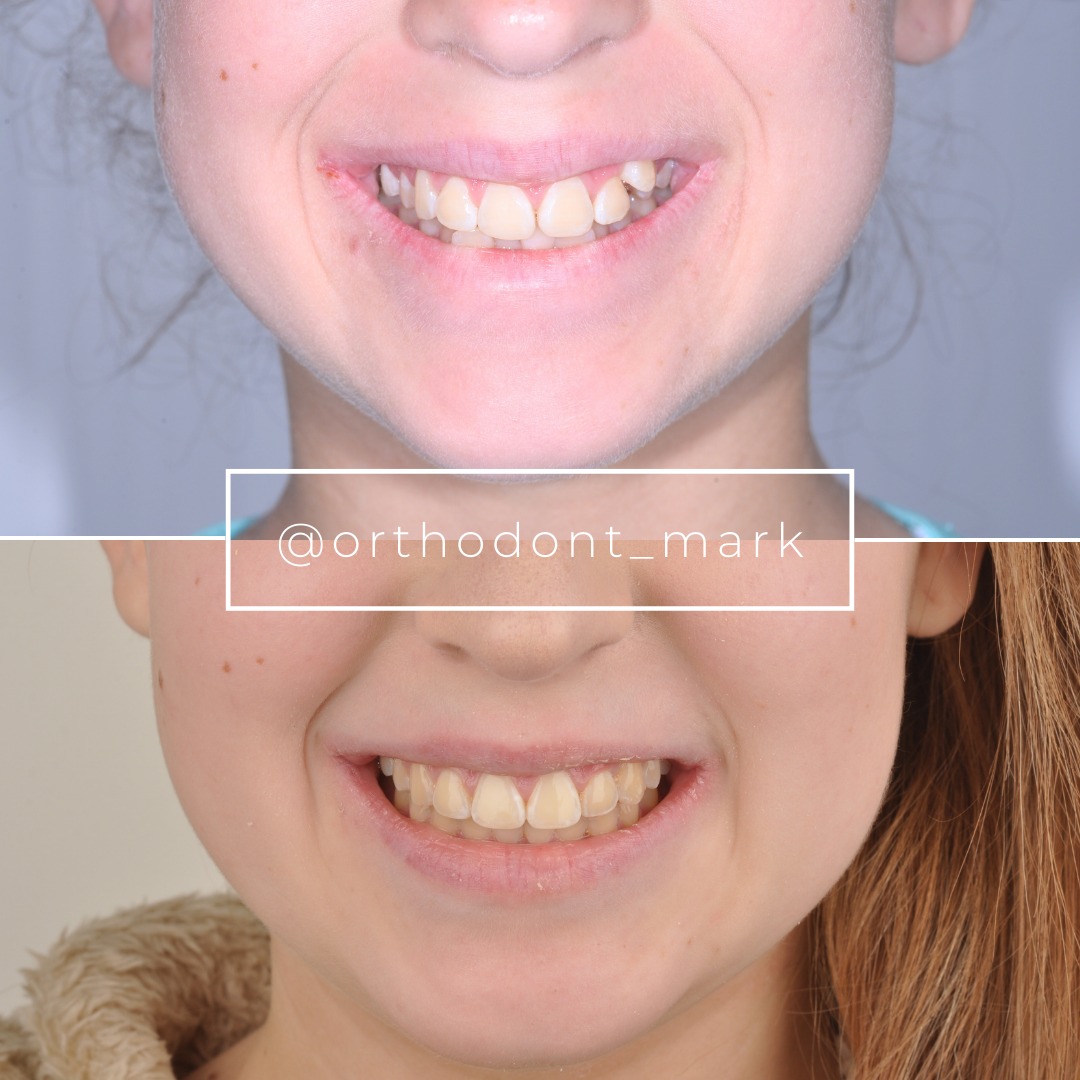
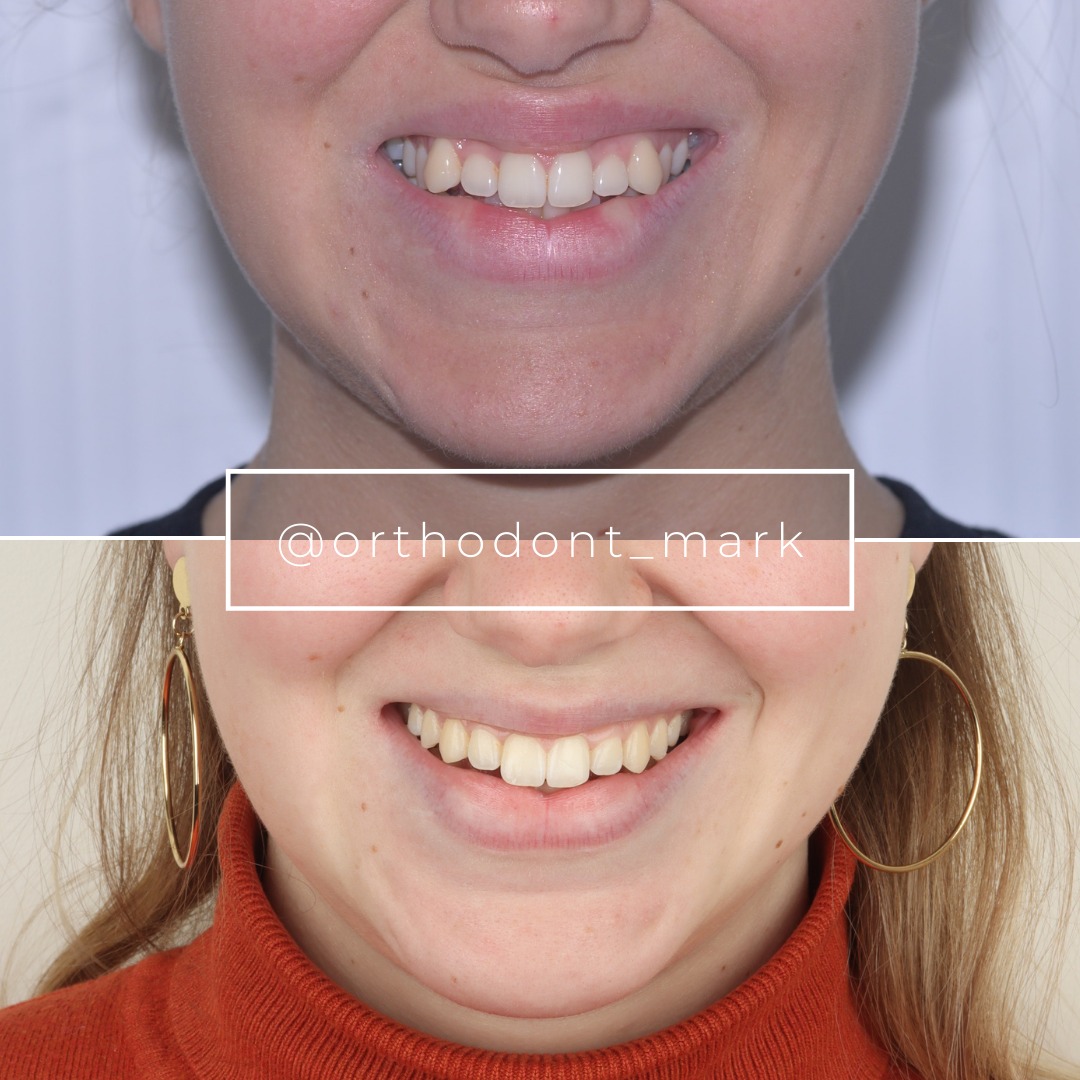
Clinical cases from Dr. Mark Radzhabov's practice
Learn the full MARPE protocol from Dr. Mark Radzhabov
Fundamental course covering CBCT patient selection, miniscrew planning, activation protocols, and 60+ clinical cases. Choose the access level that fits your practice.
Essentials of rapid palatal expansion for practicing orthodontists.
- Core RPE concepts and biomechanics
- 6 structured video lessons
- Clinical decision checklists
- Lifetime access to recordings
Deep-dive into MARPE protocol, diagnostics, and clinical execution.
- 6 modules covering MARPE from A to Z
- CBCT case selection walkthroughs
- Miniscrew placement and activation
- 60+ annotated clinical cases
- Direct Q&A with Dr. Mark Radzhabov
5-element medical consultation framework for dentists and orthodontists.
- Trust-building consultation protocol
- 5 lesson modules
- Templates for treatment plan delivery
- Works with any clinical specialty
Clinical FAQ
What is the optimal age window for miniscrew-assisted rapid palatal expansion versus conventional RPE?
Patients in Cervical Vertebral Maturation stages 1–3 (pre-pubertal and early peripubertal, typically age <14–15) achieve superior skeletal results with conventional tooth-borne RPE due to minimal suture resistance and adequate dentoalveolar compliance; MARPE is unnecessary and adds cost and implant risk.
How do you assess midpalatal suture maturity before selecting an expansion method?
Combine Cervical Vertebral Maturation staging on lateral cephalogram with high-resolution CBCT reconstruction focused on the mid-palate. Measure anterior–posterior suture separation, assess fusion morphology (anterior vs. posterior), and correlate with age. CVM 1–3 with anterior separation favors RPE; CVM 5–6 with complete fusion favors SARPE.
When should you recommend SARPE instead of MARPE in skeletally mature adults?
SARPE is indicated when midpalatal suture is completely fused on CBCT, patient age >17 years with CVM stage 6, or when skeletal asymmetry requires integrated orthognathic correction. SARPE achieves 100% efficacy and shorter treatment duration than extended MARPE in fused-suture cases.
What palatal bone measurements are required before miniscrew placement?
Bone thickness at proposed miniscrew sites must exceed 6 mm; palatal height must accommodate screw trajectory without impacting nasal floor; clearance from nasopalatine artery, descending palatine vessels, and greater palatine foramen must be confirmed on CBCT. If any measurement is marginal, defer MARPE to alternative methods.
How does active periodontal disease contraindicate MARPE?
Miniscrews placed in inflamed or infected periodontal sites develop periimplantitis, mobility, and early failure at elevated rates. Defer expansion treatment until periodontal therapy resolves inflammation; use conventional RPE (if indicated by maturity stage) rather than MARPE in periodontally compromised patients.
Should patients on bisphosphonate therapy undergo MARPE expansion?
No. Long-term bisphosphonate use (alendronate, denosumab, zoledronic acid) compromises bone healing and miniscrew osseointegration, increasing periimplantitis and implant failure risk. Consult with the prescribing rheumatologist or oncologist regarding bone metabolism stability; avoid miniscrew placement unless clearance is provided.
How do you identify anatomic contraindications to MARPE on imaging?
High-arched palates, thin palatal mucosa, sclerotized bone, severe maxillary constriction, or vascular encroachment on safe screw zones represent anatomic contraindications. If CBCT shows bone thickness <6 mm or neurovascular structures compromise the planned miniscrew path, select conventional RPE or staged expansion protocols instead.
What is the relationship between oral hygiene compliance and MARPE success?
Miniscrews depend entirely on patient-maintained plaque control for periosteal and soft tissue health. Poor plaque control leads to biofilm accumulation, periimplantitis, and screw mobility. Patients with documented hygiene deficits or low prior orthodontic compliance should use conventional RPE (if indication permits) to avoid mid-treatment implant failure.
Can MARPE correct severe skeletal asymmetry alone, or does it require surgical planning?
MARPE expands the maxilla symmetrically and cannot correct inherent skeletal asymmetry, rotation, or positional displacement. Severe asymmetry (transverse plus anteroposterior, canted occlusal plane) requires integrated orthognathic planning; SARPE with asymmetric osteotomies or Le Fort I surgery is superior to interim MARPE expansion.
What is the treatment timeline difference between MARPE and SARPE in skeletally mature patients with fused sutures?
MARPE in fused sutures typically requires 4–6 months of progressive activation with unpredictable results. SARPE (with surgical midpalatal osteotomy) completes activation in 8–12 weeks followed by 6 months retention, making it faster and more predictable in mature patients despite its surgical nature.
The decision to avoid MARPE is as clinically important as knowing when to deploy it. Accurate midpalatal suture maturity assessment, skeletal analysis, and bone quality evaluation should precede every transverse maxillary deficiency case. Dr. Mark Radzhabov encourages practitioners to review their current expansion protocol against these seven scenarios and consult detailed case studies through Orthodontist Mark's clinical resources—because selective use of alternative expansion methods strengthens long-term treatment outcomes.