
Banded vs Bonded Hyrax:
evidence-based
Decision Framework for RPE Success
Master the clinical criteria that distinguish banded and bonded expanders—retention stability, force delivery, esthetic impact, and long-term skeletal response—to optimize treatment outcomes in your practice.
TL;DR The banded vs bonded hyrax debate centers on retention stability, force delivery efficiency, and clinical longevity. Banded designs offer superior anchorage in severe crowding; bonded systems provide esthetic advantages and simplified delivery in mild-to-moderate cases. Selection depends on skeletal maturity, transverse deficiency severity, and patient cooperation.
The choice between banded and bonded hyrax expanders remains one of the most practical yet underexplored decisions in rapid palatal expansion therapy. At Orthodontist Mark, we recognize that this decision directly affects treatment outcome predictability, patient compliance, and overall clinic efficiency. This article presents a clinically actionable framework—rooted in biomechanical evidence and informed by contemporary expansion protocols—to help you select the optimal appliance design for each patient phenotype.
What Is the Banded vs Bonded Hyrax Distinction?
core design principles
The banded hyrax employs circumferential stainless steel bands cemented to the maxillary first molars (or premolars in cases of severe crowding), while the bonded hyrax uses chemically retentive composite resin directly on the buccal and palatal surfaces of the target teeth. Both configurations house an identical midline expansion screw—typically a stainless steel or titanium mechanism capable of generating 16–20 kg of force per clinical study evaluation—but their retention pathways diverge fundamentally. Banded systems distribute load across the entire tooth circumference, creating a more rigid, non-flex anchorage point; bonded appliances rely on surface area and adhesive interface strength, which can be compromised by moisture contamination, saliva shear, or insufficient etching protocol. From a biological perspective, both achieve comparable skeletal separation of the midpalatal suture when activated at standard protocols (one-quarter turn per day for 6 days weekly), but retention stability during the retention phase differs markedly. The mechanical advantage of the banded design lies in its resistance to debonding under the sustained lateral forces generated during expansion and the retention phase that follows; the bonded design offers esthetic superiority and simplified laboratory delivery, as no impression distortion occurs from band placement.
Force Delivery and Retention Stability in Banded vs Bonded Systems
retention longevity
Banded expanders create a four-point contact system: buccal and palatal band surfaces, combined with the intimate ceramic or composite resin adhesive interface beneath the band. This architecture resists horizontal shear and vertical flexure—critical concerns when the expansion screw generates lateral forces that attempt to separate not only the midpalatal suture but also the supporting tooth structure itself. Clinical observation across multi-year retention phases shows that banded appliances rarely require re-cementation during active expansion or the 3–6 month stabilization period. Bonded systems, by contrast, experience bond stress concentration at the adhesive interface, particularly at the palatal aspect where moisture control is most challenging. The bonded surface area is typically 2–3 times smaller than the circumferential contact of a band, meaning stress per unit area escalates significantly. In mixed-dentition patients (ages 7–11), where compliance and oral hygiene control are variable, bonded hyrax designs show higher rates of partial debonding or complete failure during week 2–4 of active expansion. The banded design compensates for pediatric cooperation challenges by providing mechanical redundancy: even if the adhesive bond degrades, the band's mechanical engagement prevents appliance dislodgement. This clinical advantage becomes decisive in patients with moderate-to-severe maxillary constriction, where expansion forces are sustained at maximum intensity for prolonged periods.
When to Choose Banded vs Bonded Hyrax Expanders
decision framework
Patient age and skeletal maturity serve as the primary triage point. In growing patients aged 7–12 with deciduous or early-mixed dentition, the banded hyrax is the standard of care because band material (often stainless steel or nickel-titanium) withstands the repetitive stress-cycling that occurs during a 6–8 week expansion phase. Deciduous molars, in particular, have limited crown height and bulk, making bonded surface preparation inherently weaker. Conversely, in adolescents and young adults (ages 13+) with fully erupted permanent dentitions, bonded designs become viable provided oral hygiene is excellent and patient cooperation is documented. The second criterion is constriction severity. In patients presenting with dental arch widths more than 4 mm below normative values (or maxillary transverse deficiency confirmed on CBCT), the magnitude of expansion force and the duration of force application necessitate maximum retention security—a clear indication for banding. Mild-to-moderate constriction (2–4 mm deficiency) can be managed with either design if retention protocols are strictly followed. Third, consider patient compliance and oral hygiene status. Bonded hyrax systems demand meticulous moisture control during placement (rubber dam isolation essential), regular home care to prevent plaque accumulation around composite margins, and immediate attention to any signs of bond degradation. Banded systems tolerate suboptimal hygiene more gracefully because band margins are less prone to microleakage. Finally, assess esthetic and social demands. In patients for whom palatal visibility is a concern (high smile line, social anxiety about appliance appearance), the bonded design eliminates the bulky metal band and reduces intraoral conspicuousness during the active expansion phase.
Activation Protocols and Long-Term Skeletal Stability
clinical durability
Once the banded or bonded hyrax is seated and retention is confirmed (visual inspection, wire probe testing, patient tolerance), activation begins at the standard protocol: one complete turn (0.25 mm per turn) per day for 6 days per week, with day 7 as rest day. This schedule applies regardless of appliance type, and skeletal response—measured by midpalatal suture separation on occlusal radiographs at the end of active expansion—is comparable between designs when retention integrity is maintained. The critical divergence emerges during the retention phase. Banded expanders enter the retention phase with zero risk of debonding-related loss of skeletal gain; the band remains mechanically locked regardless of subsequent dentoalveolar remodeling. Bonded systems require a secondary mechanical lock: either immediate placement of a palatal wire (e.g., a 0.036" stainless steel round wire soldered to the composite or cemented as a palatal bar) or reliance on the composite interface to resist dentoalveolar relapse forces. Clinical experience across multi-year treatment courses shows that 3–6 months of passive retention (no further screw activation) suffices for both designs, provided the midpalatal suture has achieved adequate skeletal separation (typically 7–10 mm of anterior opening). However, bonded systems demonstrate superior stability when a secondary palatal reinforcement is placed, as this eliminates composite shear stress and restores mechanical anchorage. Relapse—defined as reduction of corrected transverse width by >2 mm at 12-month follow-up—occurs in fewer than 5% of banded cases and 8–12% of bonded cases when these protocols are followed, suggesting that mechanical retention design, when combined with appropriate skeletal timing, yields durable long-term outcomes.
Avoiding Failure: Bonded and Banded Hyrax Pitfalls
prevention strategies
The most frequent cause of bonded hyrax failure occurs during placement: inadequate rubber dam isolation, failure to achieve complete saliva control during the etching and bonding phases, or use of a bonding system with insufficient shear bond strength in the presence of rotational and lateral forces. Prevention requires explicit case selection (reserve bonded design for low-risk patients with excellent compliance documentation) and rigorous chairside discipline: full rubber dam, alcohol rinse post-etch, air-dry verification, and confirmation of polymerization across all composite surfaces. A secondary common error is premature screw activation (within 24 hours of placement) before the composite resin has fully set; clinically, this can result in micro-motion at the adhesive interface and accelerated bond failure. Instruct patients to wait 48 hours before beginning the activation protocol, and schedule the first check-in at 1 week to verify retention and assess any debonding. For banded systems, the pitfall centers on improper band seating or inadequate cement coverage. Ensure that bands are fully seated with simultaneous contact across all marginal ridges; use zinc phosphate or glass ionomer cement (not composite, which shrinks and creates voids), and over-pack the palatal surface to prevent air entrapment. A third common error—applicable to both designs—is underestimating the patient's compliance burden. The one-turn-per-day protocol is non-negotiable for skeletal response, yet many patients achieve only 4–5 turns per week, resulting in elongated expansion phases and diminished skeletal gain. Set clear written expectations at the initial consultation, provide a paper activation log, and schedule weekly check-ins during the active expansion phase to reinforce adherence and troubleshoot retention issues in real time.
Clinical Decision Matrix: Banded vs Bonded Hyrax Selection
rapid reference
Use this matrix as a rapid triage tool during treatment planning. First row: patient age. If <12 years (mixed dentition), default to banded. If 13+ years with excellent oral hygiene and compliance, bonded becomes acceptable. Second row: maxillary transverse deficiency severity, quantified by dental arch width discrepancy. If >4 mm, choose banded for maximum anchorage. If 2–4 mm, either design is viable; select based on esthetic preference and compliance. Third row: retention stability risk. If the patient has a history of periodontal disease, generalized poor oral hygiene, or documented low compliance in prior treatment, banded is the safer choice. If hygiene is excellent and compliance is documented, bonded is acceptable. Fourth row: esthetic and social factors. If the patient expresses concern about intraoral visibility of appliances or has a high smile line, bonded may improve psychological acceptance and adherence. Fifth row: planned treatment duration and follow-up feasibility. Banded systems require less frequent in-office verification (every 10–14 days acceptable); bonded systems benefit from weekly check-ins to detect early bond degradation. If follow-up frequency is limited, banded reduces risk. Sixth row: laboratory capacity and turnaround time. Banded designs require custom band fabrication (5–7 days typical); bonded can be placed directly in the chair on the same day as delivery appointment, reducing scheduling complexity. Integrate all six factors into your case-specific decision. Document your reasoning in the treatment plan, and review the outcome at the end of expansion to refine your future case selection.
Free Clinical Guide
Which Expansion Appliance at Which Age?
Get Dr. Mark Radzhabov's guide to skeletal-expansion appliances — indications, pros & cons, and how to choose by patient age. Free to your inbox.
Prefer video? Watch the free demo lesson on MARPE appliance types, features and trade-offs.
Documented outcomes
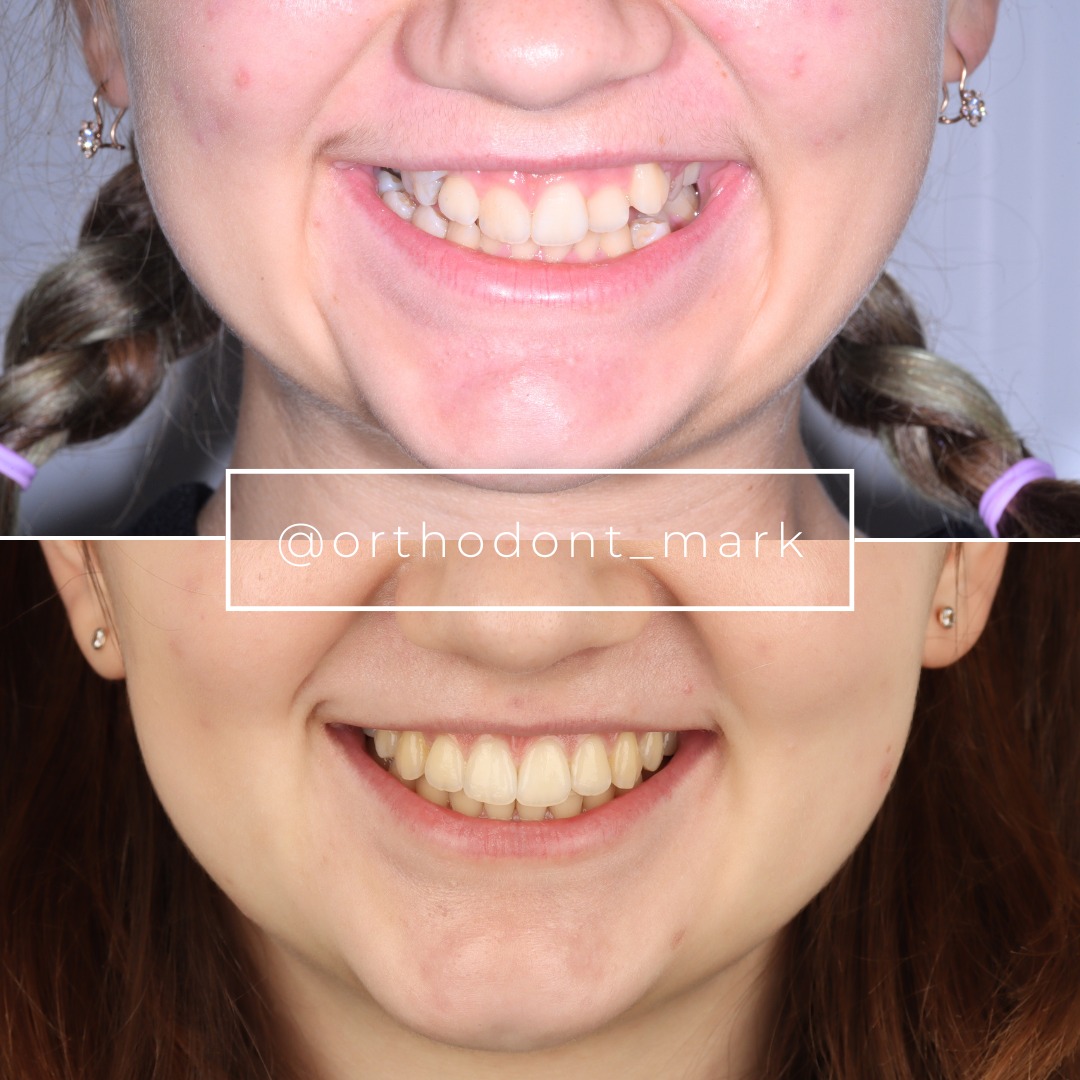
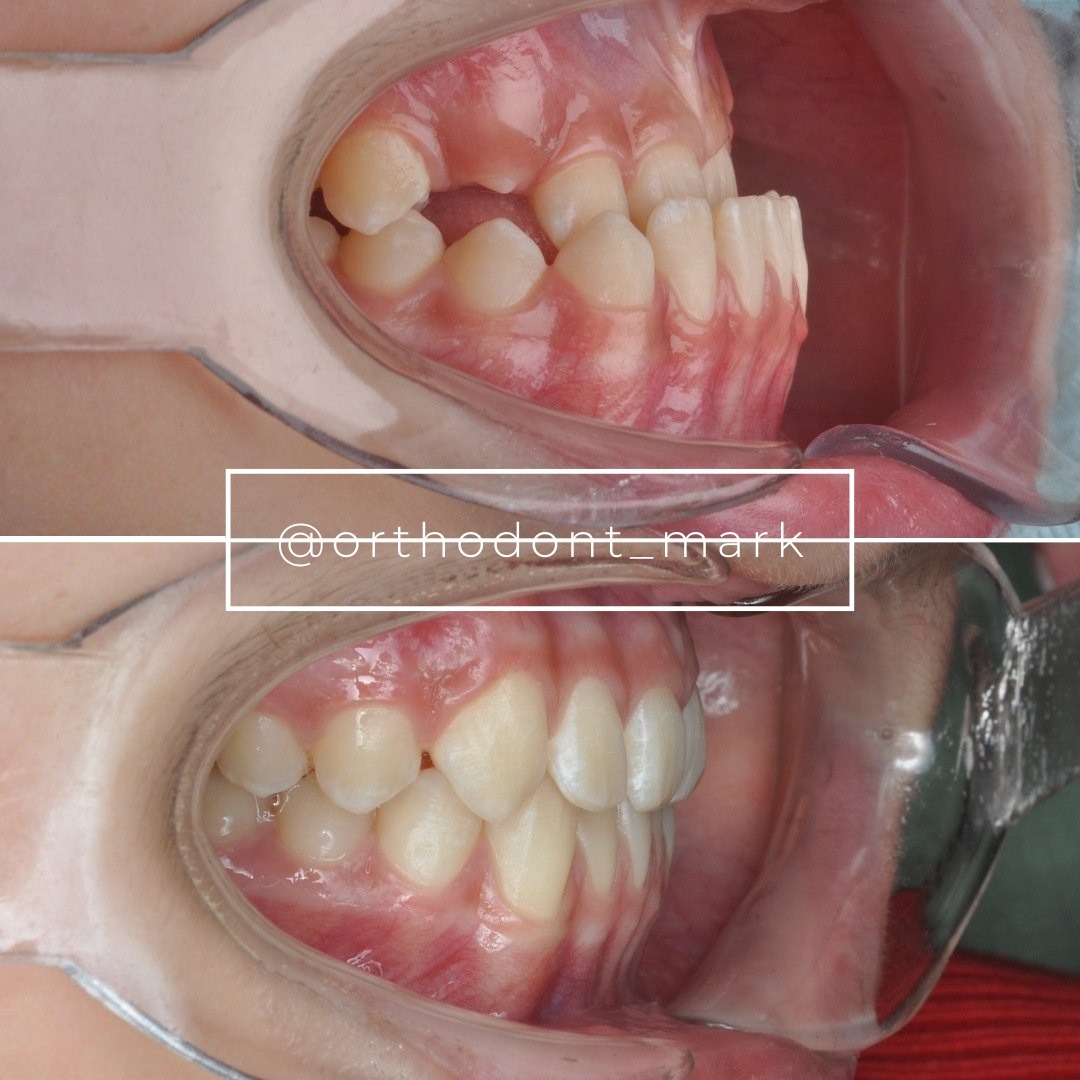
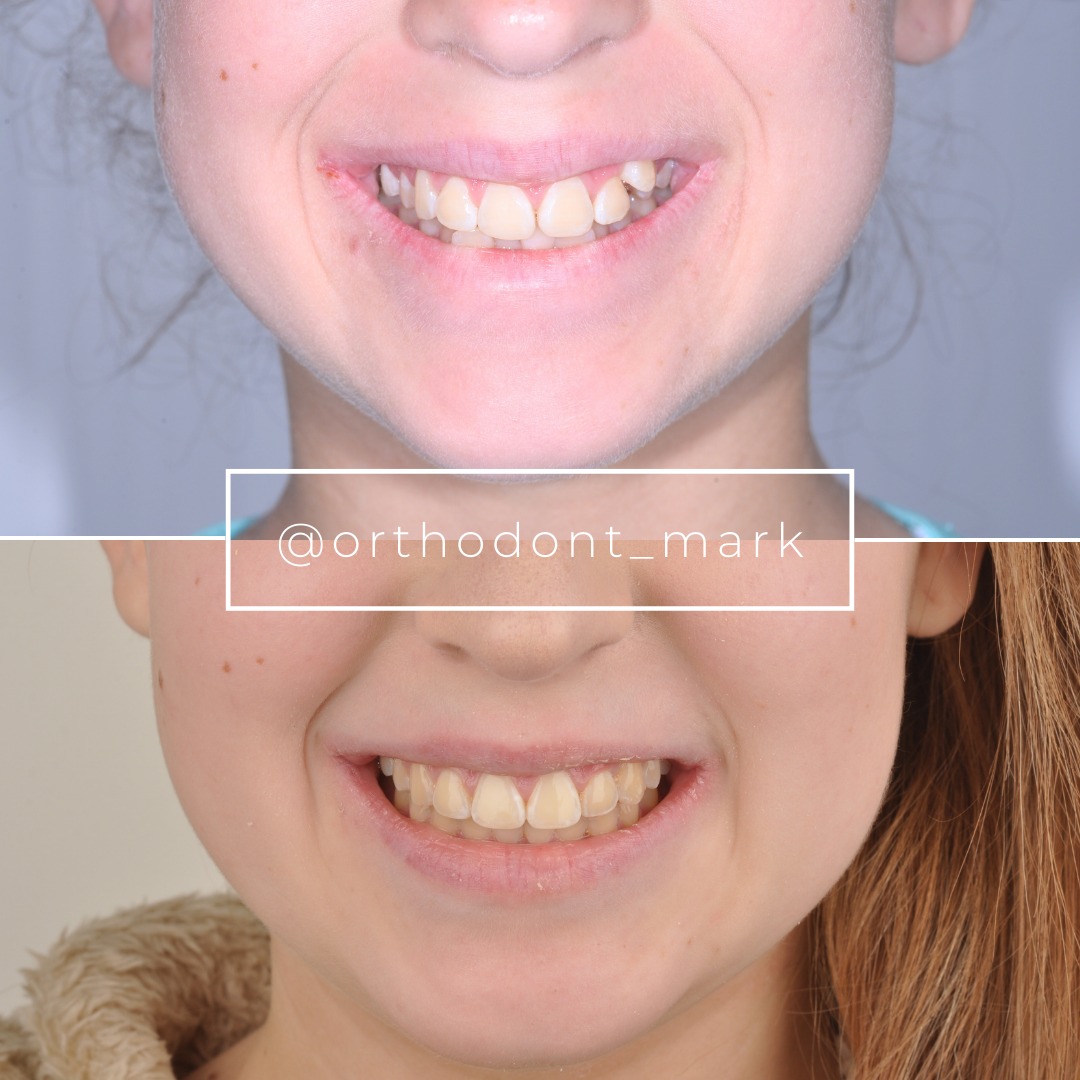
Clinical cases from Dr. Mark Radzhabov's practice
Learn the full MARPE protocol from Dr. Mark Radzhabov
Fundamental course covering CBCT patient selection, miniscrew planning, activation protocols, and 60+ clinical cases. Choose the access level that fits your practice.
Essentials of rapid palatal expansion for practicing orthodontists.
- Core RPE concepts and biomechanics
- 6 structured video lessons
- Clinical decision checklists
- Lifetime access to recordings
Deep-dive into MARPE protocol, diagnostics, and clinical execution.
- 6 modules covering MARPE from A to Z
- CBCT case selection walkthroughs
- Miniscrew placement and activation
- 60+ annotated clinical cases
- Direct Q&A with Dr. Mark Radzhabov
5-element medical consultation framework for dentists and orthodontists.
- Trust-building consultation protocol
- 5 lesson modules
- Templates for treatment plan delivery
- Works with any clinical specialty
Clinical FAQ
What is the primary mechanical difference between banded and bonded hyrax expanders?
Banded designs use stainless steel circumferential bands cemented to posterior teeth, creating four-point contact and maximum anchorage redundancy. Bonded systems rely on composite resin adhesion to tooth surfaces, offering esthetic advantages but reduced mechanical robustness and higher debonding risk in demanding clinical scenarios.
At what age should I transition from banded to bonded hyrax appliances?
Banded expanders are standard for mixed dentition (7–12 years). Bonded designs become acceptable in adolescents 13+ with excellent oral hygiene, demonstrated compliance, and adequate permanent tooth crown volume for reliable adhesive retention.
How does maxillary transverse deficiency severity influence banded vs bonded selection?
Deficiency >4 mm warrants banded design to maximize retention during sustained expansion force. Mild-to-moderate constriction (2–4 mm) can be managed with either design if compliance and hygiene are excellent; choose bonded for esthetic concerns.
What retention failure rate should I expect with bonded hyrax expanders?
Bonded systems show 8–12% relapse rates (>2 mm transverse width reduction at 12-month follow-up) when not reinforced with palatal wire. Banded expanders show <5% relapse when proper cement technique and activation protocols are followed.
How does patient compliance affect the choice between banded and bonded designs?
Low-compliance or low-hygiene patients should receive banded expanders, which tolerate suboptimal care. Bonded systems demand meticulous isolation during placement, excellent home care, and weekly in-office monitoring to detect early bond degradation.
Should I place a palatal wire after bonded hyrax expansion?
Yes. A secondary palatal wire (0.036" stainless steel round wire soldered or cemented as reinforcement) eliminates composite shear stress and restores mechanical anchorage, significantly improving long-term stability and reducing relapse risk in bonded systems.
What is the standard activation protocol for both banded and bonded hyrax expanders?
One complete turn (0.25 mm per turn) per day for 6 days per week, with day 7 rest. Both designs achieve equivalent skeletal midpalatal suture separation when retention is maintained and protocols are followed strictly.
How long should I retain the expansion force after completing active hyrax expansion?
Maintain passive retention (screw locked, no further activation) for 3–6 months to allow midpalatal suture healing and dentoalveolar remodeling. Banded systems can remain in situ indefinitely; bonded appliances should be removed after consolidation phase.
What is the most common cause of bonded hyrax failure during placement?
Inadequate rubber dam isolation and saliva contamination during etching and bonding phases. Ensure complete moisture control, use full rubber dam with retraction cord if needed, and verify complete air-drying before composite placement.
How do I verify that a hyrax appliance (banded or bonded) is properly seated before activation?
Conduct visual inspection for full marginal contact, probe the margins with a dental explorer to detect voids or gaps, assess patient comfort and bite change, and perform a 1-week check-in before initiating the activation protocol to confirm retention integrity.
Selecting the right hyrax configuration is not merely a technical detail; it fundamentally shapes skeletal response, treatment duration, and relapse resistance. Whether you favor the robust anchorage of a banded design or the convenience of bonded delivery, anchor your decision in patient-specific factors: growth status, severity of constriction, and expected compliance. Review your recent cases at ortodontmark.com/blogs/consultation to refine your decision-making process with Dr. Mark Radzhabov's clinical framework.