
CBCT Analysis of Circummaxillary Suture Displacement
Suture Displacement
After RPE: Age-Dependent Skeletal Response
Evidence-based review of CBCT findings on sutural opening modes, age-dependent biomechanics, and clinical implications for rapid palatal expansion protocol selection in growing patients.
TL;DR Cone-beam computed tomography reveals age-dependent patterns of circummaxillary suture displacement after rapid palatal expansion, with younger patients (< 10 years) showing parallel opening and adolescents (≥ 12 years) demonstrating V-shaped displacement. Understanding these sutural mechanics optimizes expansion protocol selection and predicts skeletal versus dentoalveolar outcomes.
Circummaxillary suture displacement during rapid palatal expansion remains one of the most precisely measurable indicators of skeletal response in growing orthodontic patients. In this article, Dr. Mark Radzhabov reviews CBCT findings on sutural separation patterns, age-dependent biomechanical changes, and how suture maturation status directly influences treatment planning and expansion protocol selection. Whether you are selecting between RPE and miniscrew-assisted approaches, this evidence-based analysis will inform your diagnostic protocol and expected skeletal outcomes.
What Is Circummaxillary Suture Displacement on CBCT?
Suture Displacement
Measuring skeletal response in real time
Circummaxillary suture displacement is the radiographic separation and spatial repositioning of the midpalatal suture and supporting maxillary sutural complex measured on cone-beam computed tomography during and after rapid palatal expansion. Unlike two-dimensional cephalometric analysis, CBCT permits true three-dimensional assessment of suture opening width, directional tilt, and secondary effects on the transverse palatine suture, greater palatine foramen region, and adjacent skeletal landmarks. The midpalatal suture itself is the primary load-bearing structure during expansion; its morphology—from a high-density line in early childhood to fused bone in adulthood—directly determines whether expansion force produces sutural separation or dentoalveolar tipping. By quantifying suture displacement at the axial, coronal, and sagittal planes, clinicians can verify that skeletal gain is occurring rather than relying solely on clinical arch width changes, which may mask substantial dentoalveolar compensation. This imaging approach has become the gold standard for distinguishing successful skeletal expansion from cases in which excessive dental tipping masks inadequate sutural opening.
How Age Modifies the Pattern of Palatal Expansion Suture Displacement
Age Modifies
From parallel to V-shaped opening
Palatal expansion suture displacement follows a predictable but age-dependent geometric pattern. Children under age 10 exhibit predominantly parallel opening of the midpalatal suture across all vertical planes, with sutural separation increasing relatively uniformly from anterior to posterior regions. The transverse palatine suture also fully opens in this younger cohort, allowing generalized maxillary widening with minimal dentoalveolar tipping. As patients progress into the 10–12-year age window, the opening mode begins to shift toward a V-shaped pattern: width gains become greater anteriorly (at the canine and premolar regions) than posteriorly, and vertical palatal height increase concentrates in the anterior region while posterior palatal height shows minimal change. By age 12 and beyond, this V-shaped pattern is pronounced, with greater anterior-transverse gain, minimal posterior skeletal widening, and markedly reduced posterior palatal height increase. This transition reflects two biomechanical factors: first, age-progressive rigidity of the pterygopalatomaxillary junction (the posterolateral buttress of the maxilla) becomes increasingly resistant to posterior-directed expansion forces; second, the transverse palatine suture, which is a secondary load path, undergoes morphological maturation and begins to ossify earlier in older adolescents, effectively reducing its compliance. Consequently, expansion forces in older patients concentrate at the midpalatal suture itself, producing greater anterior separation and a forward-directed center of rotation.
Skeletal Expansion Effects on Nasal Width and Palatal Dimensions
Nasal Width
Secondary displacement patterns reveal biomechanical efficiency
Beyond midpalatal suture separation, circummaxillary suture displacement measurably affects nasal width, palatal height, and foramen positioning—markers of true skeletal rather than purely dentoalveolar change. Immediately after expansion and during the 3-month consolidation phase, CBCT studies document significant increases in nasal width at the molar region, with miniscrew-assisted approaches producing greater transverse nasal gain than conventional RPE. This occurs because miniscrew anchorage positions expansion forces more orthopedic to the skeletal midline, reducing the dentoalveolar compensation that occurs when expansion is delivered through tooth-borne mechanisms. Palatal height changes also vary with age: younger patients show statistically significant increases in both anterior and posterior palatal height, while adolescents show anterior height gain only, with posterior palatal height remaining essentially unchanged or even decreasing slightly. The position of the greater palatine foramen—a fixed anatomical landmark on the maxilla—shifts laterally and inferiorly during expansion, providing independent confirmation of maxillary skeletal displacement. Clinicians can interpret these secondary landmarks as biomarkers of true skeletal response; if nasal width increases are minimal and palatal height changes are confined to the anterior region alone, expansion has been primarily dentoalveolar rather than skeletal. This distinction is critical when assessing treatment efficacy and planning long-term retention or subsequent orthognathic surgery, as dentoalveolar-only expansion is far more likely to relapse.
Suture Maturation Classification and Its Role in Treatment Planning
Maturation Classification
Five-stage morphological assessment guides protocol selection
Individual assessment of midpalatal suture maturation on CBCT is now the standard-of-care diagnostic approach for deciding between tooth-borne rapid palatal expansion, miniscrew-assisted approaches, and surgically assisted procedures. A five-stage morphological classification system identifies sutural maturity: Stage A (straight high-density sutural line, minimal interdigitation) typically appears up to age 13 and predicts optimal responsiveness to conventional RPE with expected parallel opening. Stage B (scalloped appearance of the sutural line) also occurs in younger patients and indicates good sutural compliance. Stage C (two parallel scalloped high-density lines separated by small low-density spaces) is observed primarily from age 11–17 and represents partial ossification; patients in this stage show mixed parallel and V-shaped patterns depending on exact age and other growth factors. Stage D (fusion completed in the palatine bone with no visible suture) indicates advanced maturation and typically occurs after age 11 in girls only; boys in the 14–17 age range may show stage D fusion. Stage E (fusion extending anteriorly into the maxilla) represents near-complete suture ossification and typically precludes successful non-surgical expansion. By classifying patients pre-treatment, clinicians can counsel families on realistic expansion magnitude, predict the need for miniscrew augmentation or surgical assistance, and modify force magnitude and activation frequency accordingly. Stage A and B patients respond to standard RPE protocols; Stage C patients often benefit from miniscrew-assisted approaches or extended activation schedules; Stage D and E patients require surgically assisted procedures or miniscrew-assisted rapid palatal expansion, which bypasses sutural dependence altogether.
CBCT Monitoring Intervals and Expansion Protocol Optimization
CBCT Monitoring
Real-time imaging validates skeletal response at critical timepoints
Modern evidence supports a structured CBCT monitoring protocol that captures sutural displacement at three critical timepoints: baseline (pre-treatment), immediately post-expansion (after the planned number of turns or weeks), and post-consolidation (3–6 months after activation ceases). Baseline CBCT confirms suture maturation stage, measures initial skeletal dimensions (intercanine width, nasal width, palatal vault height, and greater palatine foramen position), and documents any pre-existing asymmetries. Immediate post-expansion imaging verifies that midpalatal suture separation has occurred and quantifies the magnitude of opening across the three planes; this is the critical quality-control step that distinguishes successful skeletal gain from cases in which excessive activation has produced predominantly dentoalveolar tipping without adequate sutural opening. In younger patients (Stage A–B), the expectation is parallel suture opening with symmetric anterior and posterior gains; if imaging shows concentrated anterior opening or asymmetric separation, activation rate may have been excessive or individual anatomical variation may warrant protocol modification. In older Stage C patients, V-shaped opening is expected; imaging that reveals near-complete anterior-only opening with minimal posterior transverse gain guides the decision to stop expansion and transition to retention. Post-consolidation imaging (3–6 months later) documents the stability of sutural separation and quantifies any relapse; true skeletal gains show minimal change, while dentoalveolar-dominant cases typically show measurable dentoalveolar relapse. Activation protocols should be individualized: younger patients tolerate standard 4 turns/day; Stage C patients (age 10–12) may benefit from reduced schedules (3 turns/day) with extended duration; older adolescents should use miniscrew-assisted approaches with 0.2–0.3 mm/week advancement to minimize skeletal side effects.
Dentoalveolar Side Effects and How CBCT Distinguishes Them From Skeletal Gain
Dentoalveolar Side Effects
Quantifying buccal tooth displacement and alveolar tipping
Buccal displacement of the anchor teeth (the first premolars and molars) is an inevitable consequence of rapid palatal expansion but can be dramatically reduced through miniscrew-assisted approaches. Conventional tooth-borne RPE distributes expansion force through the dentition; the posterior teeth experience buccal crown tilting (palatal root apex displacement), while anterior teeth may intrude or show palatal inclination changes. CBCT measurement of buccal outer plate positioning (BBPT) and buccal alveolar crest displacement (PBPT) at the premolar and molar regions quantifies this dentoalveolar compensation. Studies comparing RPE to miniscrew-assisted RPE document significantly less buccal tooth and alveolar displacement in the miniscrew group, permitting greater percentage of the expansion to remain skeletal rather than being dissipated in dental tipping. In Stage A–B patients, some dentoalveolar compensation is acceptable and expected; however, in older adolescents (Stage C and beyond) where skeletal gains are already limited by sutural maturity, every effort should be made to minimize dental side effects through miniscrew-assisted protocols or surgical assistance. Periodontal consequences merit explicit attention: buccal alveolar plate thinning and dentoalveolar stretching increase bone loss risk, particularly in patients with pre-existing thin biotype. CBCT assessment of alveolar thickness and bone height at the buccal plate before and after expansion allows individualized risk stratification. Patients with thin buccal plates or shallow vestibules should receive more conservative expansion targets or miniscrew-assisted approaches to reduce compensatory dental movement.
Free Clinical Guide
Which Expansion Appliance at Which Age?
Get Dr. Mark Radzhabov's guide to skeletal-expansion appliances — indications, pros & cons, and how to choose by patient age. Free to your inbox.
Prefer video? Watch the free demo lesson on MARPE appliance types, features and trade-offs.
Documented outcomes
Clinical cases from Dr. Mark Radzhabov's practice
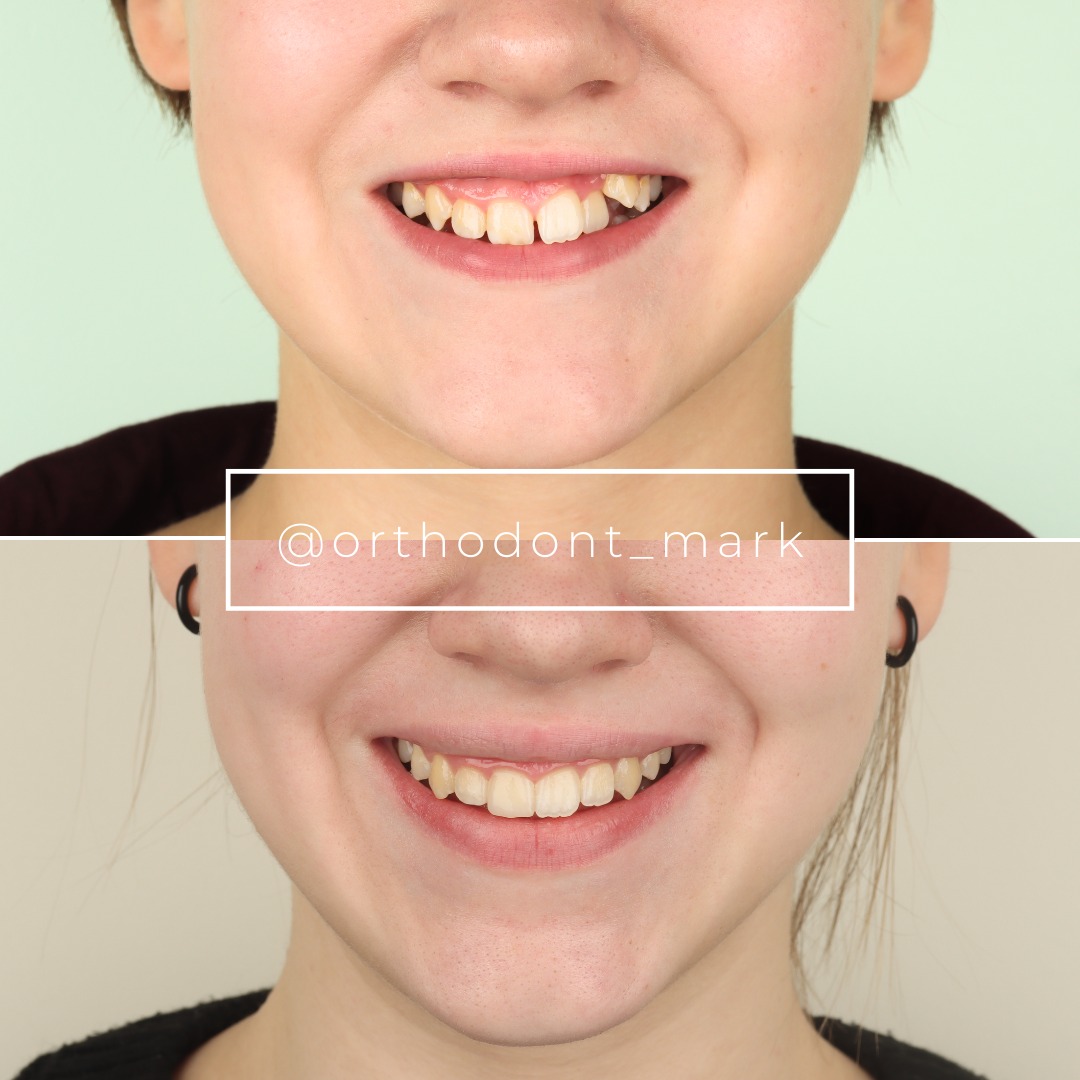
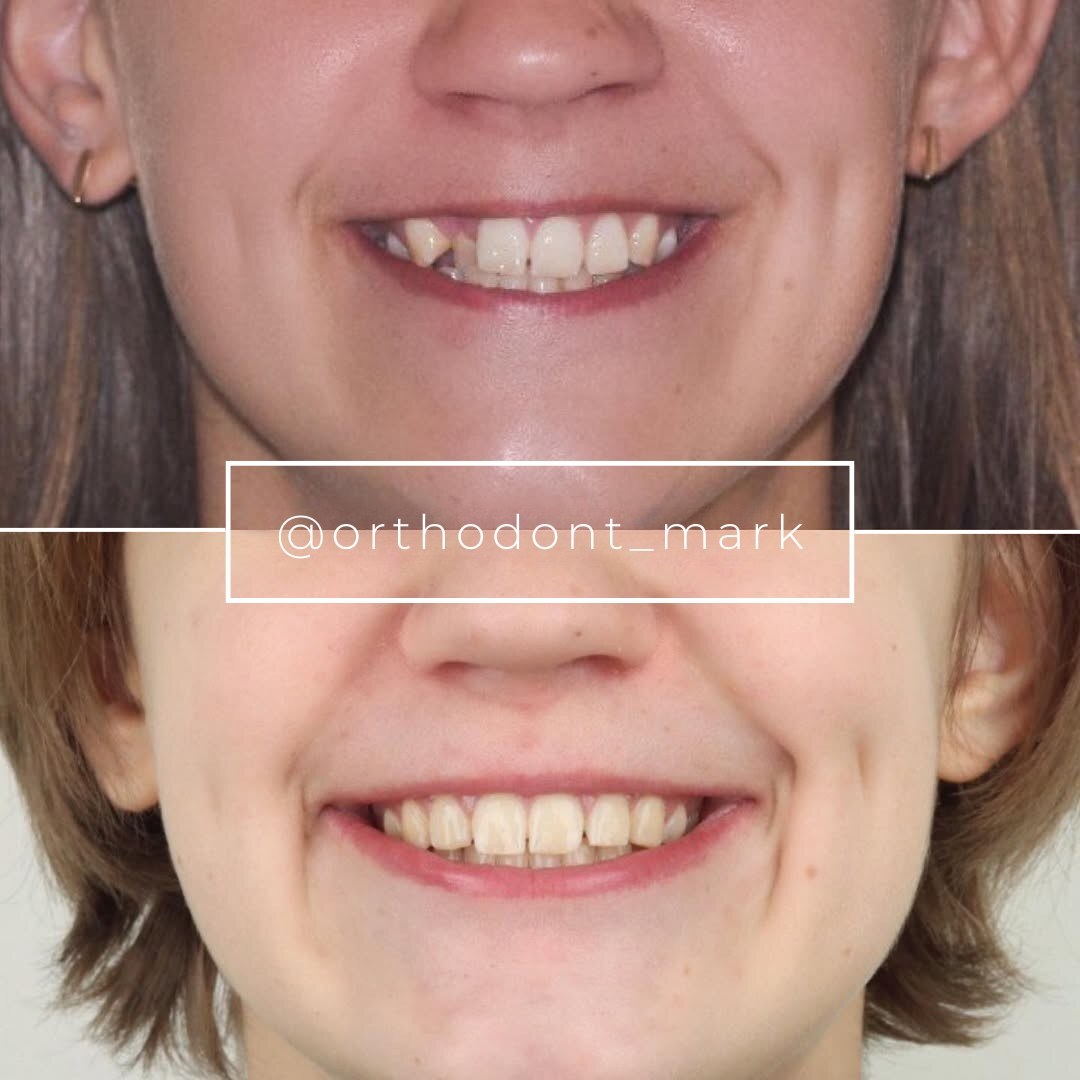
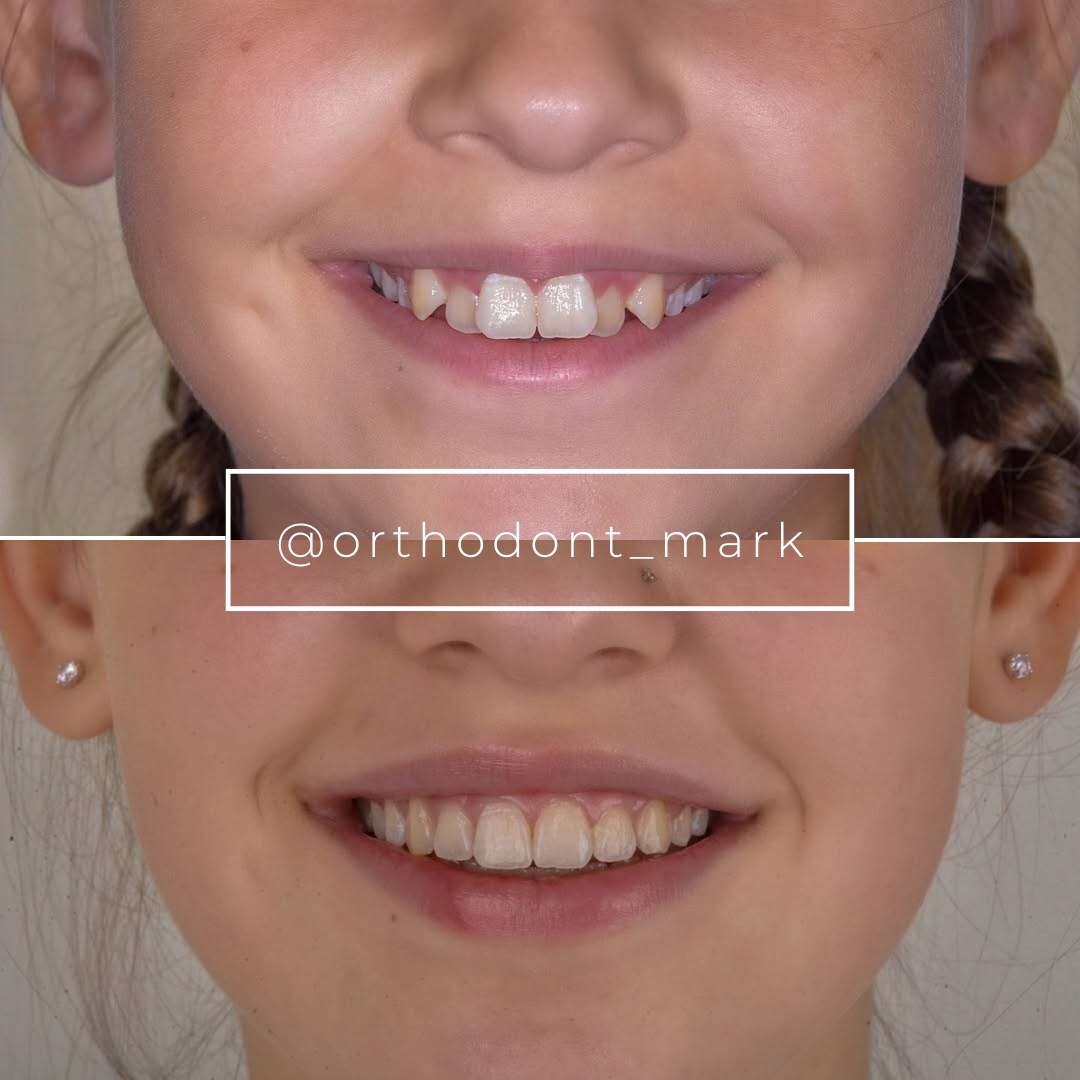
Learn the full MARPE protocol from Dr. Mark Radzhabov
Fundamental course covering CBCT patient selection, miniscrew planning, activation protocols, and 60+ clinical cases. Choose the access level that fits your practice.
Essentials of rapid palatal expansion for practicing orthodontists.
- Core RPE concepts and biomechanics
- 6 structured video lessons
- Clinical decision checklists
- Lifetime access to recordings
Deep-dive into MARPE protocol, diagnostics, and clinical execution.
- 6 modules covering MARPE from A to Z
- CBCT case selection walkthroughs
- Miniscrew placement and activation
- 60+ annotated clinical cases
- Direct Q&A with Dr. Mark Radzhabov
5-element medical consultation framework for dentists and orthodontists.
- Trust-building consultation protocol
- 5 lesson modules
- Templates for treatment plan delivery
- Works with any clinical specialty
Clinical FAQ
What does CBCT analysis of circummaxillary sutures reveal that lateral cephalometrics cannot?
CBCT provides true three-dimensional visualization of midpalatal suture separation width, sutural tilt, transverse palatine suture integrity, nasal cavity expansion, and greater palatine foramen displacement. Lateral cephalometrics show only sagittal plane movement and miss asymmetries and vertical palatal height changes essential for protocol optimization.
How does midpalatal suture maturation stage predict rapid palatal expansion success?
Stages A–B (high-density, minimal ossification) predict excellent conventional RPE response. Stage C (partial ossification) shows variable outcomes requiring miniscrew augmentation. Stages D–E (fused) require surgical or miniscrew-assisted approaches. Pre-treatment classification prevents failed conventional cases.
Why does palatal expansion produce V-shaped rather than parallel opening in adolescents ≥ 12 years?
Age-progressive ossification of the transverse palatine suture and increasing rigidity of the pterygopalatomaxillary junction shift the center of resistance anteriorly. Expansion force produces greater anterior-transverse gain and anterior palatal height increase while posterior regions remain nearly unchanged.
What is the clinical significance of greater palatine foramen displacement on CBCT after RPE?
The greater palatine foramen is a fixed maxillary landmark; its lateral and inferior shift during expansion provides independent confirmation of true maxillary skeletal displacement rather than dentoalveolar compensation. Minimal foramen displacement suggests predominantly dental tipping rather than skeletal gain.
How do I distinguish true skeletal palatal expansion from dentoalveolar-only opening on CBCT?
Measure nasal width increase, palatal height change, foramen displacement, and buccal tooth/alveolar plate positioning. Skeletal cases show significant nasal widening and foramen shifts; dentoalveolar cases show minimal nasal gain and substantial tooth buccal tipping despite apparent clinical arch width increase.
Should I use conventional RPE or miniscrew-assisted expansion in a 14-year-old stage C patient?
Miniscrew-assisted RPE (MARPE) is strongly preferred in stage C patients ≥ 12 years. MARPE reduces buccal anchor tooth displacement, minimizes alveolar plate stress, and permits greater percentage of expansion to remain skeletal despite age-related sutural rigidity and V-shaped opening patterns.
What CBCT timepoints are essential for monitoring palatal expansion efficacy?
Baseline (suture staging, dimensional baseline), T1 (immediately post-expansion to verify sutural opening), and T2 (3–6 months post-consolidation to assess stability and relapse). This three-point protocol quantifies true skeletal gain and detects dentoalveolar compensation.
How much buccal alveolar plate resorption typically occurs during conventional RPE in growing patients?
Conventional RPE produces measurable buccal alveolar plate thinning and dentoalveolar displacement; miniscrew-assisted approaches significantly reduce this. Patients with thin buccal biotype are at higher risk for bone loss and warrant MARPE or reduced expansion magnitude.
Is parallel suture opening in young children (< 10 years) always superior to V-shaped opening in adolescents?
Parallel opening in children permits proportional skeletal gain but over greater posterior regions, potentially creating excessive posterior width and requiring later incisor correction. V-shaped opening in adolescents concentrates gain anteriorly, which may be more esthetically favorable and requires less incisor torque adjustment.
How can I counsel families on realistic expansion magnitude based on pre-treatment CBCT maturation classification?
Stage A–B patients expect 7–9 mm anterior skeletal gain and proportional posterior gain; stage C patients expect 4–6 mm anterior gain with minimal posterior skeletal change; stages D–E require 8+ week MARPE protocols or surgical assistance. Imaging-based classification eliminates vague prognostic statements and builds credibility.
CBCT-guided assessment of circummaxillary suture displacement transforms rapid palatal expansion from a purely mechanical procedure into a biomechanically informed intervention tailored to individual skeletal maturity. By integrating suture morphology classification, age-dependent response patterns, and real-time imaging verification, you can optimize skeletal gain and minimize unwanted dentoalveolar side effects. Dr. Mark Radzhabov invites you to review case studies demonstrating these principles—schedule a consultation or explore our MARPE clinical modules on ortodontmark.com to deepen your diagnostic confidence.

