
Cervical Vertebral Maturation
and RPE Timing
A Clinical Guide for Adolescent Expansion Therapy
Learn how CVM staging refines patient selection, predicts skeletal response, and determines whether conventional RPE, MARPE, or surgical intervention is indicated for your patient.
TL;DR Cervical vertebral maturation (CVM) staging predicts the optimal window for rapid palatal expansion (RPE) timing, with pre-pubertal and early-pubertal patients (CVM 1–3) showing significantly greater skeletal expansion response. Treatment initiated before peak skeletal growth velocity yields superior long-term transverse craniofacial changes compared to late-adolescent intervention.
Timing rapid palatal expansion relative to skeletal maturation is one of the most clinically consequential decisions in mixed-dentition and early-adolescent orthodontics. This evidence-based guide from Dr. Mark Radzhabov at Orthodontist Mark examines how cervical vertebral maturation (CVM) staging informs RPE protocol selection, patient stratification, and expected skeletal outcomes. By integrating maturation assessment into your treatment planning, you can maximize expansion efficacy, minimize relapse, and avoid unnecessary surgical intervention in adult patients.
What Is Cervical Vertebral Maturation Staging?
skeletal assessment system
Cervical vertebral maturation (CVM) is a radiographic staging system that assesses skeletal maturity by analyzing morphologic changes in cervical vertebrae (C2–C4) on lateral cephalograms, reliably predicting the pubertal growth peak and optimal timing for orthopedic interventions such as rapid palatal expansion.
Traditional age-based protocols for RPE have proven inconsistent; chronologic age alone poorly predicts skeletal maturation due to wide individual variation in growth timing. A landmark study comparing early and late RPE cohorts revealed that patients treated before peak skeletal growth velocity (CVM 1–3) showed significantly greater short-term gains in nasal cavity width and superior long-term increases in maxillary skeletal width, lateronasal width, and orbital dimensions compared to late-treated adolescents. This difference persists into adulthood, underscoring the importance of precise timing.
The CVM method overcomes age-dependent variability by stratifying patients into maturation stages visible on the routine lateral cephalogram. Unlike skeletal hand-wrist radiographs or dedicated growth-prediction software, CVM assessment leverages anatomy already present in your standard cephalometric records—requiring no additional imaging and reducing radiation exposure. This practical advantage has made CVM the gold standard for timing orthopedic expansion therapy in clinical practice.
Clinically, understanding your patient's CVM stage transforms decision-making. Early-stage patients (CVM 1–3) are ideal candidates for conventional tooth-borne RPE, offering predictable skeletal gain with minimal morbidity. Borderline or late-stage patients (CVM 5–6) are better served by miniscrew-assisted rapid palatal expansion (MARPE), which bypasses dental anchorage and provides skeletal vectors needed in partially fused or fully fused midpalatal sutures. Adults with completed fusion may require surgical assistance, whereas adolescents identified early unlock years of orthopedic potential.
Cervical Vertebral Morphology and Growth Stage
identifying maturation stages
The CVM method stratifies patients into 6 stages by observing progressive osseous changes in the anterior and posterior borders of the cervical vertebral bodies (C2, C3, C4). Stage 1 (earliest) shows flat or minimal concavity; stage 6 (latest) shows pronounced concavity and deep vertebral bodies. This morphologic progression correlates tightly with skeletal growth velocity, allowing clinicians to pinpoint whether a patient is approaching, at, or past their pubertal growth peak.
In clinical practice, CVM staging is performed directly on lateral cephalograms using a standardized visual algorithm. Stages 1–3 represent the pre-pubertal and early-pubertal phases (lowest growth velocity before and immediately after peak). Stages 4–6 encompass mid-to-late pubertal and post-pubertal phases (declining growth velocity after peak). The transition from stage 3 to stage 4 typically coincides with peak height velocity and peak skeletal growth velocity—the most favorable window for growth modification with conventional orthopedic appliances.
Accuracy of CVM staging is high when using standardized lateral cephalograms with consistent head position and image quality. Interexaminer and intraexaminer agreement is strong, making this method reproducible in routine practice. However, CVM staging is most reliable when the entire cervical vertebral column (C2–C4) is clearly visible; poor image quality or patient positioning can obscure landmarks. Always verify visibility before making treatment-timing decisions based on CVM alone.
Importantly, CVM staging should be integrated with midpalatal suture maturation assessment, which independently predicts fusion timing. A patient may be CVM 3 (early pubertal growth) yet show advanced midpalatal suture maturation (stage C or D), suggesting local palatal fusion despite ongoing overall skeletal growth. Conversely, a CVM 5 patient with stage A sutures is still a candidate for conventional RPE. Combining both assessments yields the highest diagnostic precision for protocol selection.
Integrating Cervical Vertebral Maturation Into RPE and MARPE Selection
protocol algorithm
Patient stratification by CVM stage directly informs appliance selection, activation protocol, and retention duration. Early-stage patients (CVM 1–3) are ideal candidates for conventional tooth-borne rapid palatal expansion (RPE), utilizing devices such as the Haas or hybrid Hyrax appliance. These patients benefit from maximum skeletal response: studies show significantly greater nasal cavity widening, maxillary width gain, and orbital dimension increases when treated before peak skeletal growth velocity. Activation is typically 4–5 quarter-turns daily for 8–14 days, followed by retention. Retention duration should be at least 2 months to allow initial bone modeling, though 6 months is preferred to capture long-term skeletal consolidation.
Mid-to-late stage patients (CVM 4–6) require more nuanced decision-making. Those with early suture maturation (stages C–D) or mature facial morphology may benefit from miniscrew-assisted rapid palatal expansion (MARPE), which provides skeletal vectors independent of dental anchorage and accommodates reduced skeletal responsiveness. MARPE is particularly indicated when conventional RPE risks excessive dentoalveolar decompensation or when skeletal expansion is the primary objective. Activation protocols for MARPE typically involve slower rates (1–2 turns daily over 3–4 months) due to increased bone density and cortical remodeling demands. Post-expansion retention in MARPE often exceeds 6 months because palatal bone remodeling is slower than in younger patients.
Late-adolescent and adult patients with completed midpalatal suture fusion (stage E) and CVM 6 status are rarely suitable for conventional RPE or MARPE alone. These patients typically require surgical-assisted rapid palatal expansion (SARPE) to fracture circummaxillary sutures and permit skeletal separation. However, a subset of older adolescents (age 15–17, CVM 5–6, midpalatal stage D) may still benefit from MARPE with extended activation timelines (4–6 months) if skeletal expansion is essential for treatment objectives. Case-by-case assessment of suture maturity and clinical goals is mandatory in this cohort.
Dr. Mark Radzhabov emphasizes that CVM staging is not deterministic but rather a guide for probability-weighted decision-making. Two patients of identical chronologic age may present with CVM 2 and CVM 5 maturity, completely reversing expansion-protocol recommendations. By integrating CVM assessment into your diagnostic workflow, you convert chronologic age into biological maturity—the true predictor of orthopedic response and long-term stability.
Midpalatal Suture Maturation Classification and Integration With CVM
dual-assessment approach
While CVM staging predicts overall skeletal maturation and growth velocity, midpalatal suture maturation—assessed via cone-beam computed tomography (CBCT)—directly evaluates fusion status of the target expansion site. A five-stage classification system has been validated: Stage A (straight, high-density sutural line; no interdigitation), Stage B (scalloped appearance; early interdigitation), Stage C (two parallel, scalloped high-density lines with small low-density spaces in between), Stage D (fusion completed in the palatine bone; no suture visible), and Stage E (fusion extending anteriorly into the maxilla).
Stages A–C represent patent sutures amenable to orthodontic separation; stages D and E indicate substantial or complete fusion. Clinical data show that stages A and B are typically observed up to age 13, stage C occurs primarily from age 11–17 but extends into young adulthood, and fusion (stages D–E) is completed after age 11 in girls and extends into late adolescence in boys. Critically, individual variation is substantial: some 17-year-old boys show only stage D (palatine fusion) while maxillary fusion remains incomplete, permitting MARPE even in late adolescence.
Integration of midpalatal suture stage with CVM status yields the highest diagnostic precision. A patient who is CVM 3 (early pubertal) with suture stage A is an ideal RPE candidate, with maximum skeletal response expected. Conversely, a CVM 5 patient with suture stage C may still achieve meaningful skeletal expansion via MARPE if the clinician accepts slower activation and extended treatment time. The worst-case scenario—CVM 6 + stage E—mandates SARPE if expansion is essential. However, favorable scenarios exist: a CVM 4 patient with stage B sutures may still benefit from conventional RPE, delaying miniscrew intervention.
CBCT imaging for suture staging adds radiation and cost compared to cephalometric-only assessment. Reserve suture CBCT imaging for borderline cases (ages 12–15) where CVM staging suggests transition phase maturity and treatment timing is critical. Routine CBCT is justified when MARPE is being considered, as visualization of suture anatomy and available palatal bone width informs miniscrew positioning and insertion angle. For early-stage patients with clear CVM 1–3 status, suture staging via CBCT may be deferred unless clinical presentation suggests unusually advanced maturation.
Skeletal Expansion Response: Early vs. Late Treatment
comparative outcomes
Longitudinal outcome studies have consistently demonstrated that early RPE treatment (CVM 1–3, pre-pubertal or early-pubertal phase) produces greater short-term skeletal gains and superior long-term stability compared to late-adolescent intervention. Specifically, early-treated patients show significantly larger increases in maxillary skeletal width, nasal cavity width, lateronasal width, and orbital dimensions. These skeletal changes are largely orthopedic—driven by sutural separation and bone modeling—rather than primarily dentoalveolar.
In contrast, late-treated cohorts (CVM 4–6, during or after peak skeletal growth) show reduced skeletal responsiveness but still achieve meaningful expansion in favorable suture maturation cases. Late-treated patients exhibit increases in lateronasal width and intermolar widths (dentoalveolar and skeletal combined) but not the pronounced maxillary basal width increases seen in early cohorts. The reduction in skeletal response reflects decreased skeletal growth velocity and increased sutural ossification, requiring more intense activation forces and longer retention.
Relapse patterns differ significantly by timing. Early-treated patients, expanded during active skeletal growth, benefit from natural growth patterns that consolidate expansion gains over years. Retention duration of 2–3 months is often sufficient for long-term stability. Late-treated patients, with minimal growth-driven consolidation, show greater relapse risk; retention durations of 6–12 months are recommended. MARPE, in particular, requires extended retention (6–12+ months) because miniscrew-driven expansion bypasses natural growth-remodeling pathways.
A critical finding is that early RPE does not compromise future mandibular or vertical growth. Long-term follow-up studies (10+ years post-treatment) show that early-treated and control cohorts converge in final sagittal and vertical dimensions, suggesting that transverse expansion does not trigger undesirable cascading changes. This evidence reassures clinicians that early treatment carries no long-term skeletal penalty and maximum orthopedic benefit.
Clinical Workflow: From Diagnosis to Appliance Selection
treatment planning algorithm
A systematic workflow integrates CVM and suture assessment into your diagnostic sequence. Step 1: Obtain lateral cephalogram as part of routine records. On the lateral cephalogram, visualize cervical vertebrae C2–C4 and assign CVM stage (1–6) using the standardized morphologic criteria. CVM assignment takes 2–3 minutes and requires no additional imaging. Document the stage in your treatment plan.
Step 2: If CVM is 1–3 (early stage), proceed with conventional RPE planning. Measure maxillary and mandibular widths, transverse dental discrepancy, and molar relationship. Assess crowding severity and airway space. Conventional tooth-borne RPE (Haas, hybrid Hyrax, or similar) is appropriate. Order CBCT only if clinical presentation suggests unusual findings or if you wish to visualize suture anatomy for treatment communication with the patient and parent. Proceed with standard RPE activation (4–5 turns/day × 8–14 days).
Step 3: If CVM is 4–6 (mid-to-late stage), order CBCT for midpalatal suture staging. CBCT adds 15–30 minutes to diagnostic time and ~100–300 µSv additional radiation but provides definitive suture maturity and palatal bone anatomy. Assign suture stage (A–E) and measure palatal width, bone density, and available space for miniscrew insertion. At this juncture, three pathways are possible: (a) If suture stage A–B and patient age is 13–14, conventional RPE is still viable with awareness of reduced skeletal response; (b) If suture stage C or patient prefers minimal dental involvement, proceed with MARPE; (c) If suture stage D–E and patient age ≥15, discuss MARPE with realistic expectations or SARPE if severe skeletal deficiency exists.
Step 4: If CVM is 5–6 AND suture stage is D–E, plan for SARPE or conservative management. MARPE may still be offered to late-adolescent patients (age 15–17, CVM 5, suture stage D) with realistic expectations of 3–6 months slower activation and 6–12 months retention. However, if skeletal expansion is essential and patient/parent accept surgical intervention, SARPE (with corticotomy or surgical sutural fracture) is indicated. Discuss risk–benefit and alternative approaches (functional/dentoalveolar correction, tooth extractions) with the family.
Step 5: Implement activation protocol and retention schedule based on CVM stage. Early-stage (CVM 1–3) RPE: 4–5 turns/day × 8–14 days, followed by 2-month retention minimum (6 months preferred). Mid-stage (CVM 4) RPE or early MARPE: 4 turns/day × 10–14 days for RPE, or 1–2 turns/day × 3–4 months for MARPE, followed by 4–6 months retention. Late-stage (CVM 5–6) MARPE: 1–2 turns/day × 4–6 months, followed by 6–12 months retention. These timelines reflect both skeletal biology and relapse risk, reducing the need for post-retention re-expansion.
Free Clinical Guide
Which Expansion Appliance at Which Age?
Get Dr. Mark Radzhabov's guide to skeletal-expansion appliances — indications, pros & cons, and how to choose by patient age. Free to your inbox.
Prefer video? Watch the free demo lesson on MARPE appliance types, features and trade-offs.
Documented outcomes
Clinical cases from Dr. Mark Radzhabov's practice
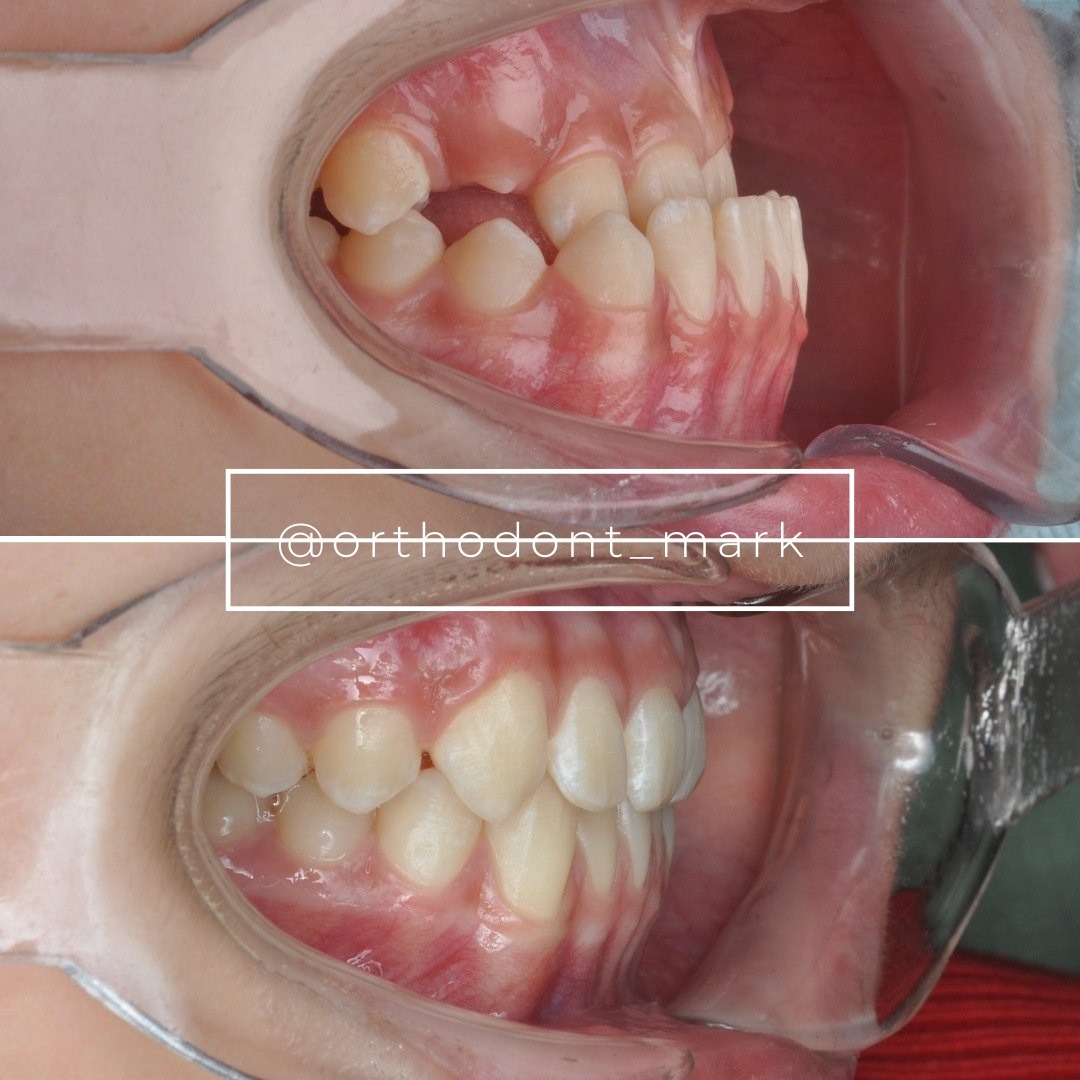
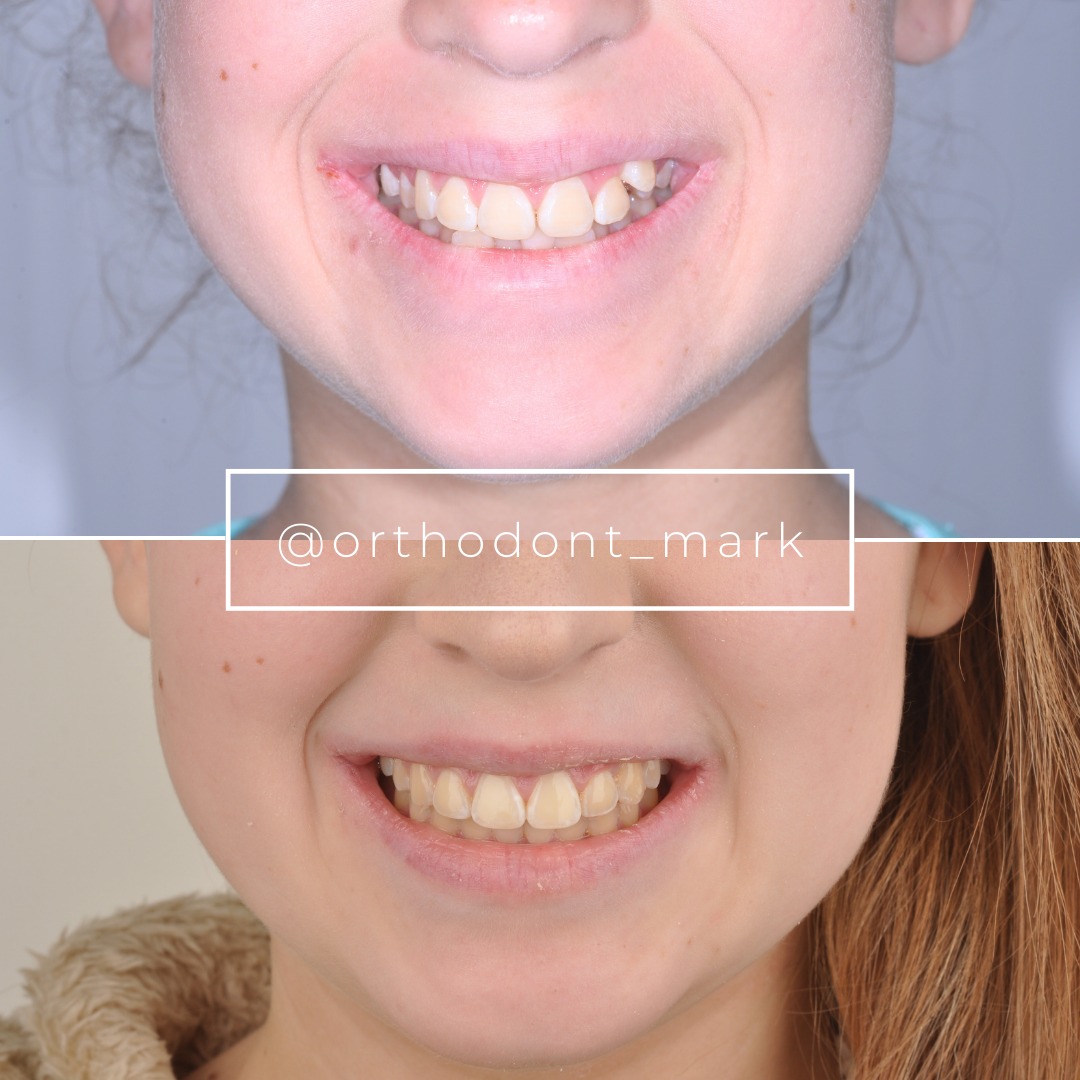
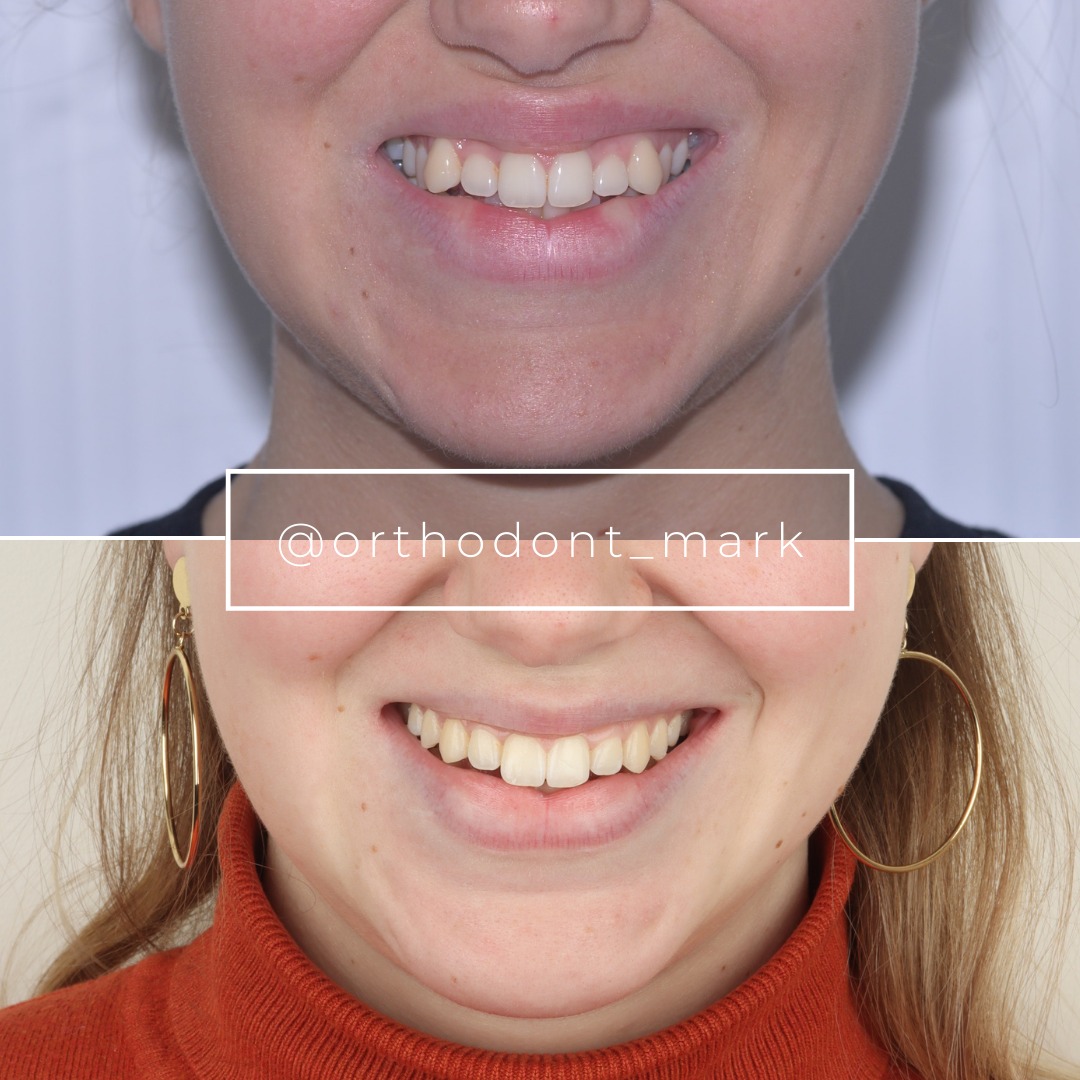
Learn the full MARPE protocol from Dr. Mark Radzhabov
Fundamental course covering CBCT patient selection, miniscrew planning, activation protocols, and 60+ clinical cases. Choose the access level that fits your practice.
Essentials of rapid palatal expansion for practicing orthodontists.
- Core RPE concepts and biomechanics
- 6 structured video lessons
- Clinical decision checklists
- Lifetime access to recordings
Deep-dive into MARPE protocol, diagnostics, and clinical execution.
- 6 modules covering MARPE from A to Z
- CBCT case selection walkthroughs
- Miniscrew placement and activation
- 60+ annotated clinical cases
- Direct Q&A with Dr. Mark Radzhabov
5-element medical consultation framework for dentists and orthodontists.
- Trust-building consultation protocol
- 5 lesson modules
- Templates for treatment plan delivery
- Works with any clinical specialty
Clinical FAQ
What does cervical vertebral maturation staging tell me about a patient's readiness for rapid palatal expansion?
CVM stage predicts skeletal growth velocity and optimal expansion timing. CVM 1–3 (early) indicates maximum skeletal response and ideal RPE candidacy; CVM 4–6 (late) shows reduced skeletal responsiveness, favoring MARPE or surgical approaches if expansion is needed.
How should I integrate CVM staging into my diagnostic workflow without adding time or cost?
CVM staging is performed on your routine lateral cephalogram in 2–3 minutes using standardized morphologic criteria for cervical vertebrae C2–C4. No additional imaging required. Document the stage in your treatment plan to guide appliance selection.
What is the difference between CVM staging and midpalatal suture maturation assessment, and when should I use each?
CVM staging (cephalometric, quick, routine) predicts overall skeletal growth velocity and general responsiveness. Midpalatal suture staging (CBCT, more detailed) directly assesses fusion status at the expansion site. Use CVM first; order CBCT for borderline cases (CVM 4–6) to confirm suture patency before choosing MARPE vs. conventional RPE.
If a patient is age 15 but shows CVM 3 maturity, is conventional RPE appropriate?
Yes. CVM stage overrides chronologic age in determining skeletal responsiveness. CVM 3 indicates early-pubertal status with robust growth potential, making conventional RPE suitable and likely to yield superior skeletal gains, regardless of chronologic age. Confirm midpalatal suture stage (CBCT) if available.
What is the optimal retention duration after RPE based on CVM stage?
CVM 1–3 (early): 2–3 months retention minimum; growth-driven consolidation supports stability. CVM 4–6 (late): 6–12 months retention advised due to reduced growth-driven remodeling and higher relapse risk. MARPE requires 6–12+ months due to slower bone remodeling.
When is MARPE preferable to conventional RPE in a borderline-mature adolescent?
MARPE is preferable when: (1) midpalatal suture maturation is stage C or D, (2) patient is CVM 4–5 with limited growth velocity, (3) dentoalveolar decompensation from conventional RPE is unacceptable, or (4) skeletal expansion vectors independent of dental anchorage are clinically necessary.
How does early RPE treatment (CVM 1–3) differ in long-term skeletal response compared to late treatment (CVM 5–6)?
Early-treated patients show 2–3× greater long-term increases in maxillary skeletal width, nasal cavity width, and orbital dimensions. Late-treated patients achieve smaller skeletal gains and greater relapse; however, stable expansion is still possible in favorable suture maturity cases, especially with MARPE.
Can I use CVM staging alone to decide between RPE and SARPE, or do I also need CBCT?
For CVM 1–3, CVM staging alone suffices; use conventional RPE. For CVM 4–6, order CBCT to assess midpalatal suture stage. If suture is stage D–E plus CVM 6, SARPE is indicated. If suture is stage C or D with CVM 5, MARPE is viable with extended timeline.
Does early RPE treatment negatively affect mandibular or vertical growth patterns long-term?
No. Long-term studies show that early-treated and control cohorts converge in final sagittal and vertical dimensions at 10+ year follow-up, confirming that transverse expansion carries no skeletal penalty and maximum orthopedic benefit without disrupting normal vertical or sagittal growth.
How do I communicate CVM-guided expansion timing to parents so they understand why their 12-year-old CVM 5 patient requires MARPE rather than conventional RPE?
Explain that skeletal maturation (CVM), not age, determines expansion response. Show the vertebral morphology on the cephalogram. Clarify: early-stage patients (CVM 1–3) use simpler tooth-borne expanders; your child's mature skeletal stage requires miniscrews for stronger, more controlled expansion. Discuss expected timeline (3–6 months slower) and retention (6–12 months).
Cervical vertebral maturation staging has transformed how we time rapid palatal expansion, allowing clinicians to predict skeletal response and optimize long-term outcomes. Rather than relying on age alone, CVM assessment—combined with midpalatal suture evaluation—enables precision case selection and protocol design. Dr. Mark Radzhabov recommends integrating this assessment into your diagnostic routine. Contact Orthodontist Mark to review CVM-guided expansion cases or explore advanced MARPE and MSE protocols for borderline-mature patients.

