
Crossbite Without Crowding:
When RPE Solves Both
and When It Only Hides One
Master the diagnostic distinction between isolated transverse deficiency and cases where palatal expansion unmasks latent crowding—ensuring stable, predictable treatment outcomes.
TL;DR Crossbite without crowding responds predictably to rapid palatal expansion, but clinicians must distinguish skeletal transverse deficiency from dental compensation. When RPE expands the palate, it may unmask crowding that was previously hidden—requiring careful pre-treatment diagnosis via CBCT and clear treatment sequencing to avoid post-expansion relapse.
Distinguishing true crossbite without crowding from cases where expansion simply unmasks latent crowding is a critical diagnostic and treatment planning skill. In this article, Dr. Mark Radzhabov examines the clinical decision points—imaging protocols, skeletal maturity assessment, and expansion device selection—that determine whether RPE solves the problem or merely reveals another. This evidence-based framework helps orthodontists at Orthodontist Mark's clinical practice and beyond plan more predictable, stable outcomes.
What Is Crossbite Without Crowding?
distinction
Crossbite without crowding represents a specific phenotype: a patient whose posterior maxillary teeth are positioned lingually relative to the mandibular teeth, yet whose anterior dentition has adequate space and intercanine width. This differs critically from cases presenting with anterior crowding alongside posterior crossbite, where the etiology involves both transverse constriction and anteroposterior space discrepancy. The challenge lies in recognizing that palatal expansion alone resolves the transverse problem but does not create arch perimeter. Many clinicians encounter the phenomenon where, following successful expansion, the patient's smile reveals crowded incisors that were previously aligned because the posterior teeth were locked in crossbite, reducing effective intercanine distance. This is not failure; it is unmasking of pre-existing crowding that the crossbite itself was compensating for. Accurate diagnosis requires three-dimensional imaging and careful space analysis. A cone-beam computed tomography (CBCT) scan with measurement of palatal width at three levels (anterior, middle, posterior nasal floor) combined with standard models and panoramic radiography provides the evidence necessary to predict post-expansion outcomes. Without this baseline, clinicians risk patient dissatisfaction when crowding emerges after an otherwise successful expansion.
The Biomechanics of Masked Crowding
interplay
When maxillary transverse deficiency forces posterior teeth into lingual crossbite, the arch is narrower than its skeletal base would permit. This constriction acts as a constraint on the entire dental complex: the posterior region occupies less mesiodistal space than available, pushing the tooth-bearing perimeter inward and effectively compressing the anterior region. The result is that a patient may present with perfectly aligned incisors—not because arch perimeter is adequate, but because the intercanine width has been mechanically reduced. Rapid palatal expansion, whether tooth-borne (classical RPE) or miniscrew-assisted (MARPE), targets the midpalatal suture and surrounding maxillary skeletal structures. Studies using alternate rapid maxillary expansion and constriction (Alt-RAMEC) protocols have demonstrated that expansion at a rate of 1 mm per day over 8–9 weeks achieves more predictable skeletal effects than conventional expansion, particularly in enhancing maxillary length and transverse width simultaneously. However, the expansion itself does not magically resolve anterior crowding; it simply removes the constraint that was masking it. As the palate widens, the posterior teeth move laterally and the intercanine distance increases. The anterior teeth, now with greater available perimeter, may drift into their natural positions—which may or may not be crowded, depending on whether true crowding exists. If crowding appears post-expansion, it was present pre-treatment but compensated by crossbite and posterior constriction. This is predictable and should be anticipated during treatment planning.
Distinguishing True Transverse Deficiency from Hidden Crowding
assessment
The gold standard for pre-expansion diagnosis combines clinical assessment with CBCT imaging and digital space analysis. Step 1: Measure palatal width and midpalatal suture maturation. Mature sutures (closure of 61% or greater in the midpalatal region) indicate that patient age and skeletal development should factor into device selection—girls 15 years and older often require surgically assisted expansion (SARPE) or miniscrew support, while younger patients may respond adequately to tooth-borne RPE. Step 2: Calculate pre-treatment arch perimeter. Using dental casts or digital models, determine whether the maxillary dental arch, if expanded to match the skeletal width available, would accommodate all teeth. For example, if posterior crossbite reduces intercanine width from 40 mm (available) to 34 mm (current), and crowding is absent, post-expansion closure of that 6 mm gap should create space for incisors. If anterior crowding already exists despite maximum lingual positioning of posterior teeth, you have true dual-dimension crowding. Step 3: Assess incisor position and inclination. Flared or proclined incisors may suggest the maxilla is already attempting to compensate for narrow palate width. Upright or even retroclined incisors in a crossbite patient without anterior crowding strongly suggest isolated transverse deficiency. This distinction guides your device choice and patient communication. Orthodontist Mark's clinical protocol emphasizes CBCT measurement of palatal cross-sectional area and alveolar width at the level of the first molars, second premolars, and canines—providing a three-point expansion map that predicts the geometric outcome.
Treatment Sequencing When Crowding Is Suspected
protocol
Once you have identified whether expansion will unmask crowding, your sequencing strategy becomes clear. For true crossbite without crowding: Proceed with expansion as the primary phase. Whether you choose tooth-borne RPE, MARPE, or surgical assistance depends on patient age, suture maturation, and patient cooperation. Activation rates of 0.5–1.0 mm per day for 7–9 weeks provide predictable skeletal opening of circumpalatal sutures with minimal relapse. Post-expansion retention of 6 months is standard, though longer maintenance (12 months) reduces drift in adult patients. For crossbite with masked anterior crowding: Expansion resolves the transverse component, but subsequent fixed-appliance therapy is necessary. Your informed consent conversation must acknowledge this two-phase pathway. Phase 1 expands; Phase 2 addresses residual crowding via aligner sequencing, selective extraction, or interproximal reduction—depending on the magnitude revealed post-expansion and patient esthetics. This transparency prevents patient surprise and improves compliance. The choice between tooth-borne rapid palatal expander and miniscrew-assisted expansion depends on four factors: (1) skeletal maturity and suture stage, (2) patient age and cooperation, (3) magnitude of expansion required, and (4) patient esthetic and functional expectations. Younger patients with open sutures tolerate classical RPE well; older patients and those requiring >8 mm expansion often benefit from MARPE because miniscrew anchorage bypasses dental side effects. Regardless of device, maintain meticulous activation logs and 4–6 week follow-up intervals to monitor transverse and anteroposterior changes.
Post-Expansion Relapse: Distinguishing True Rebound from Crowding Emergence
relapse
Post-expansion relapse is normal and expected to some degree. Studies document 10–20% loss of transverse gain in the first 6–12 months after cessation of active expansion, even with retention. However, distinguishing relapse (geometric rebound of the skeletal system and alveolar processes) from the emergence of previously masked crowding is critical for patient communication. True relapse appears as gradual narrowing of intercanine and intermolar widths without changes in tooth alignment. It is minimized by prolonged retention (12+ months for adults) and can be managed with fixed retention (bonded lingual wire) or nightly removable retention. If, instead, anterior crowding appears or worsens in the months following expansion despite stable transverse dimensions, you have likely unmasked pre-existing crowding. This is not relapse; it is manifestation of the crowding that was compensated by the original crossbite. The clinical lesson: Post-expansion imaging (CBCT or dental casts) should measure not only transverse dimensions but also anterior arch perimeter and tooth positions. If transverse width holds but incisors crowd, your original diagnosis was incomplete. This finding should prompt revisiting your pre-treatment models to confirm whether subtle crowding was present but overlooked. Orthodontist Mark recommends archiving pre- and post-expansion CBCT images side-by-side for all expansion cases, allowing you to quantify skeletal changes and validate your diagnostic assumptions for quality improvement.
Skeletal Maturity and Device Selection in Crossbite Cases
maturity
Patient age and skeletal development stage profoundly influence whether expansion will be successful and whether crowding will be unmasked in predictable fashion. In pre-pubertal and early pubertal patients (ages 7–12), transverse deficiency is best managed with tooth-borne RPE because the midpalatal and circumpalatal sutures are open and responsive. Activation at 0.5–1.0 mm daily produces rapid skeletal response with minimal dental tipping. If anterior crowding is not present clinically, it is unlikely to emerge post-expansion because the entire facial skeleton is still in forward growth phase; the palate will continue to develop. In adolescents (ages 13–16) and post-pubertal patients, suture maturation becomes heterogeneous. The pterygomaxillary and transpalatal sutures may be substantially closed (78–85% closure by age 15) while the midpalatal suture remains partially open (61% closure at age 15). At this stage, tooth-borne RPE remains effective but carries higher risk of relapse and dental side effects. MARPE (miniscrew-assisted rapid palatal expansion) becomes an attractive option because the miniscrew anchorage bypasses dental compensation and delivers expansion force directly to the skeletal base, reducing dentoalveolar tipping and improving long-term stability. In adults (age 18+), the midpalatal suture is typically closed or very densely calcified. Traditional RPE and MARPE are often less efficient, and surgically assisted rapid palatal expansion (SARPE) should be considered if major expansion (>8 mm) is required. However, MARPE still achieves clinically meaningful transverse gains even in mature patients, particularly when combined with laser-assisted corticotomy to reduce bone density and improve suture response. The presence of masked crowding in adult cases often becomes apparent immediately post-expansion or within weeks, as the anterior dentition is not in active growth and cannot drift into available space on its own.
Free Clinical Guide
Which Expansion Appliance at Which Age?
Get Dr. Mark Radzhabov's guide to skeletal-expansion appliances — indications, pros & cons, and how to choose by patient age. Free to your inbox.
Prefer video? Watch the free demo lesson on MARPE appliance types, features and trade-offs.
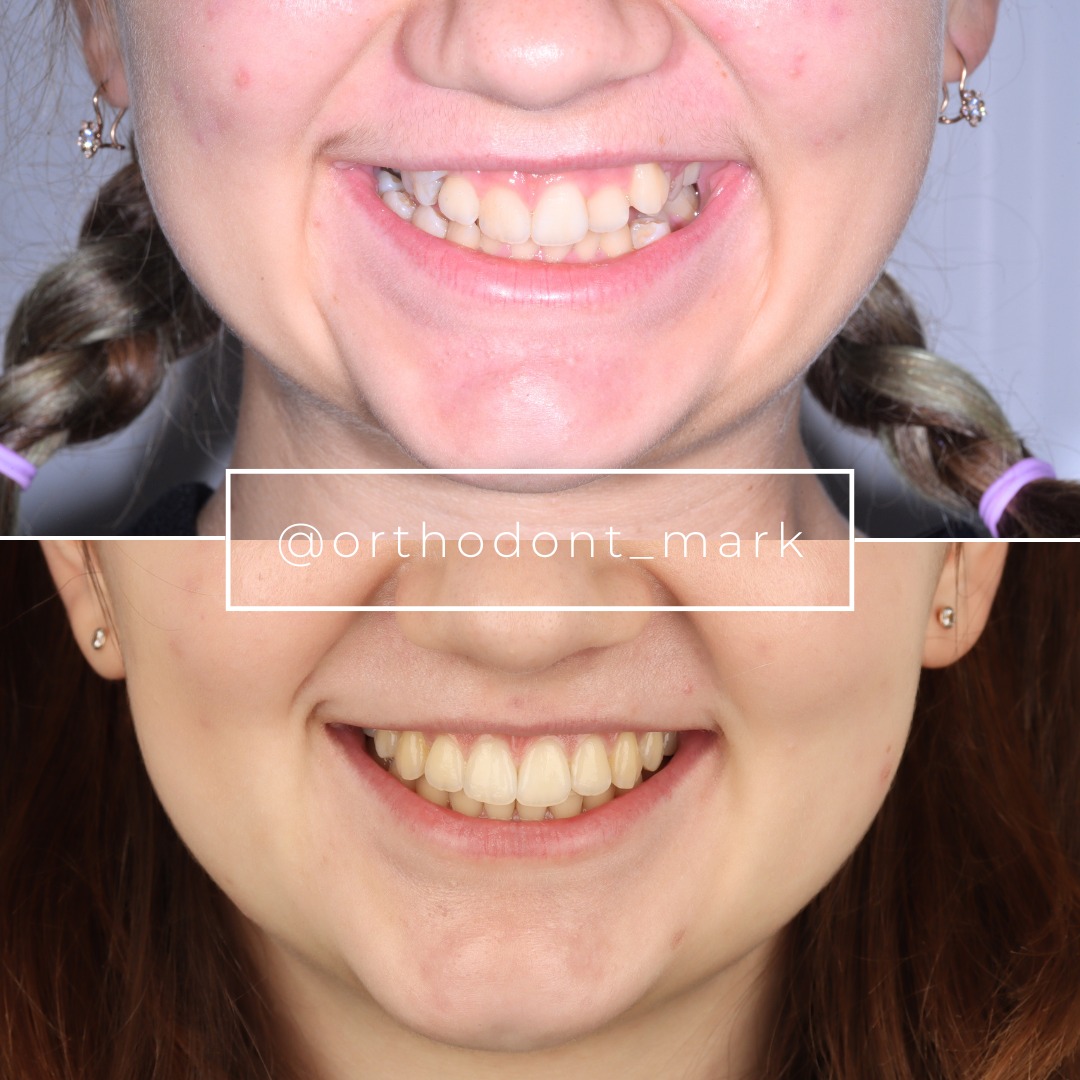
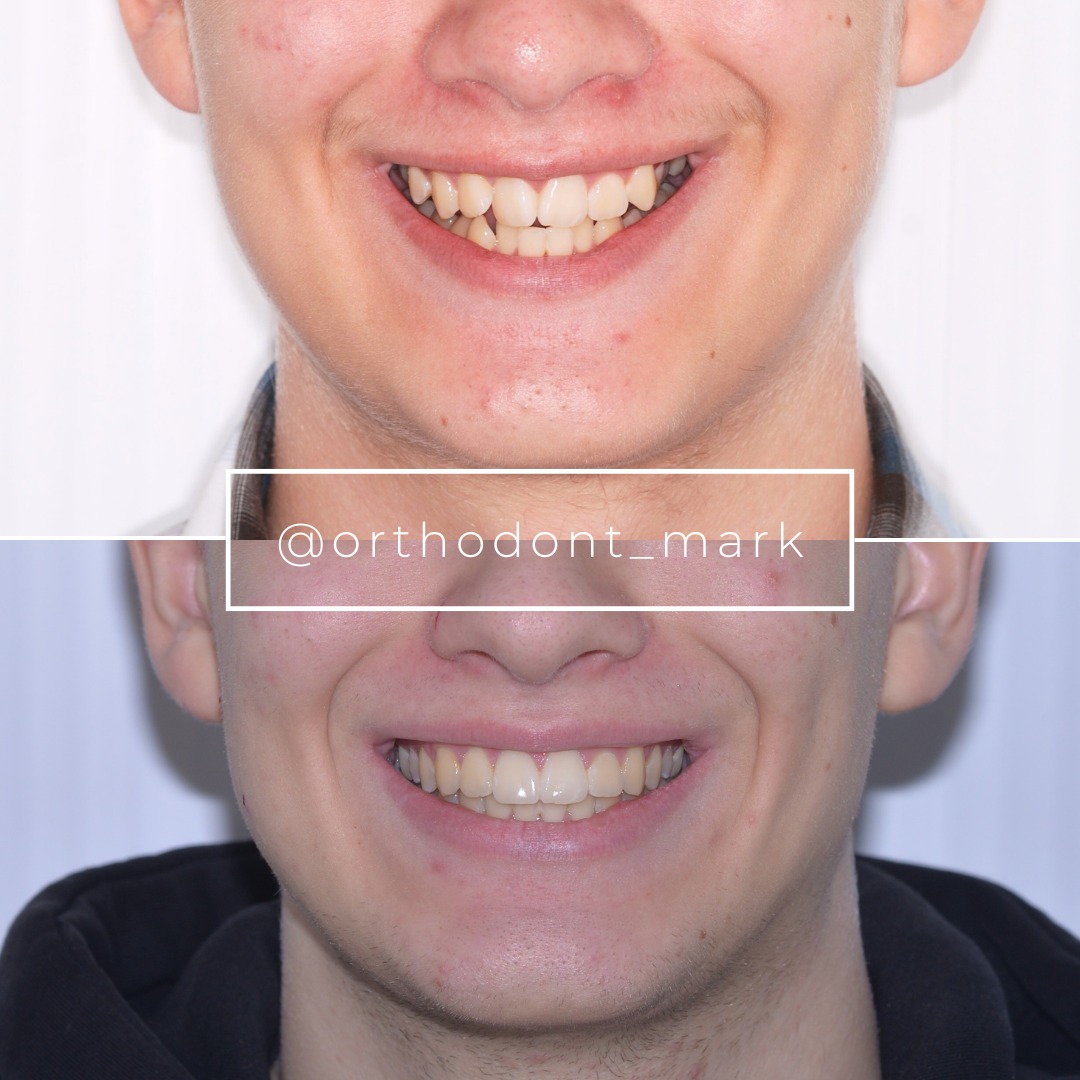
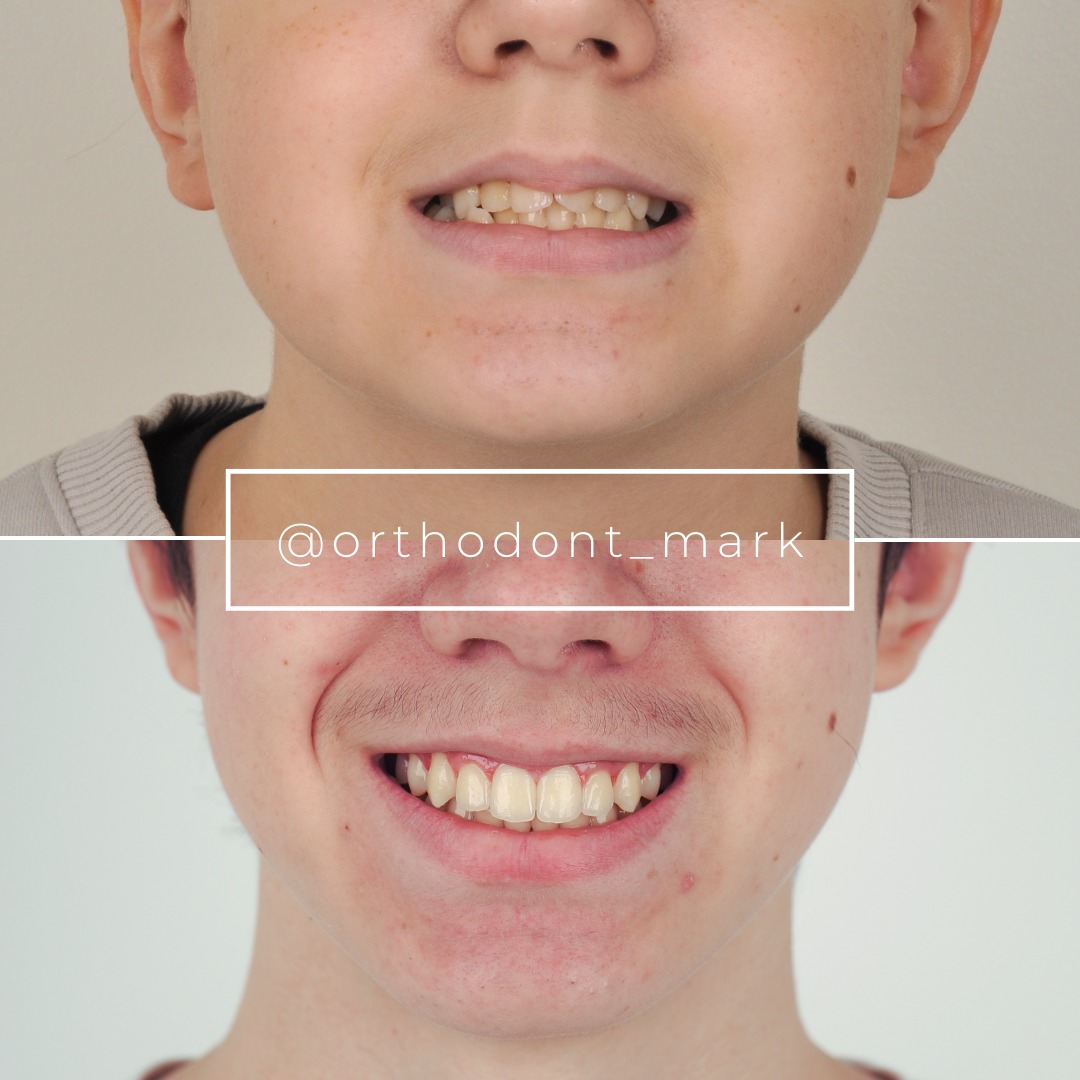
Documented outcomes
Clinical cases from Dr. Mark Radzhabov's practice
Learn the full MARPE protocol from Dr. Mark Radzhabov
Fundamental course covering CBCT patient selection, miniscrew planning, activation protocols, and 60+ clinical cases. Choose the access level that fits your practice.
Essentials of rapid palatal expansion for practicing orthodontists.
- Core RPE concepts and biomechanics
- 6 structured video lessons
- Clinical decision checklists
- Lifetime access to recordings
Deep-dive into MARPE protocol, diagnostics, and clinical execution.
- 6 modules covering MARPE from A to Z
- CBCT case selection walkthroughs
- Miniscrew placement and activation
- 60+ annotated clinical cases
- Direct Q&A with Dr. Mark Radzhabov
5-element medical consultation framework for dentists and orthodontists.
- Trust-building consultation protocol
- 5 lesson modules
- Templates for treatment plan delivery
- Works with any clinical specialty
Clinical FAQ
How do I distinguish skeletal transverse deficiency from dental compensation in a crossbite case?
Measure palatal width via CBCT at anterior, middle, and posterior levels. Compare to normal references for age and sex. Assess incisor inclination (flared suggests compensation). Calculate arch perimeter—if adequate space exists when posterior teeth are in correct width, deficiency is purely skeletal. Dental compensation appears as proclined or flared incisors despite narrow palate.
When does rapid palatal expansion unmask crowding rather than solve it?
Expansion unmasks pre-existing crowding when anterior or lateral crowding existed before treatment but was masked by crossbite and posterior constriction. Post-expansion, transverse width increases but arch perimeter is unchanged. If crowding emerges despite stable/improved transverse dimensions, it was present originally. Dental models and space analysis before expansion predict this outcome.
What is the optimal activation schedule to minimize relapse and maximize skeletal response?
1 mm per day over 8–9 weeks (Alt-RAMEC: 7 mm expansion followed by 1 mm constriction, repeating weekly for 9 weeks) achieves superior skeletal response and reduces relapse compared to rapid activation. Follow with 6–12 months bonded lingual retention for adults and 6 months for young patients. CBCT monitoring at weeks 0, 8, 16 validates skeletal gain.
At what age should I consider SARPE instead of MARPE for crossbite treatment?
SARPE is preferred when midpalatal suture is ≥75–80% fused (typically age 15–16+ in females, 17–18+ in males) and expansion >8 mm is required. MARPE remains effective in mature patients if expansion needs are modest (6–8 mm) and patient cooperation is reliable. CBCT assessment of suture stage is the primary determinant; age is secondary.
How much transverse relapse should I expect post-expansion, and how do I manage it?
Expect 10–20% loss of transverse gain in the first 6–12 months. Minimize via bonded lingual retention (12+ months for adults), nightly removable retention, or both. Distinguish relapse (narrowing of intercanine/intermolar widths) from crowding emergence (anterior alignment changes). True relapse is skeletal rebound; crowding indicates pre-existing problem was unmasked.
What imaging should I capture before expansion to predict whether crowding will emerge?
CBCT with measurement of palatal width at three levels, midpalatal suture maturation, and alveolar crest configuration. Paired with digital dental models, calculate maxillary arch perimeter (sum of mesiodistal crown diameters). If perimeter = or > available arch length when palate is in correct width, no crowding should emerge. If perimeter < available width, crowding was compensated and will appear post-expansion.
How does miniscrew-assisted rapid palatal expansion differ from tooth-borne RPE in managing masked crowding?
MARPE delivers expansion force to skeletal base via miniscrew anchorage, reducing dental tipping and relapse. In masked-crowding cases, MARPE produces more predictable transverse gain with less anterior dentoalveolar side effects than tooth-borne RPE. Particularly valuable in adolescents and adults where dental compensation is undesirable and skeletal response is priority.
Should I treat masked crowding before or after expansion—or simultaneously with fixed appliances?
Optimal sequence: expand first (phase 1), maintain 6 months, then assess post-expansion alignment (phase 2). If crowding is mild, fixed appliances can begin during final weeks of retention. If substantial, extend retention and begin comprehensive treatment afterward. Simultaneous treatment during active expansion complicates force management and reduces skeletal response.
What clinical signs indicate that my pre-treatment diagnosis of 'no crowding' was incorrect?
<strong>Red flags:</strong> Anterior incisors crowd or relapse crowded within weeks of expansion completion despite stable transverse dimensions. Incisor spacing or alignment changes while intermolar width is stable. Models show more mesiodistal spacing pre-expansion than expected. These signs indicate crowding was present but masked; revise your treatment plan to include phase-2 alignment.
How should I counsel patients about the possibility of discovering crowding after expansion?
Use pre-treatment CBCT and models to explain the diagnostic plan. If masked crowding is suspected, present as two-phase treatment: 'Phase 1 corrects the bite width; Phase 2 aligns your front teeth if needed.' If crowding is unlikely, explain expansion alone resolves the crossbite. Set realistic expectations and emphasize that post-expansion crowding, if present, was always there—expansion didn't cause it, only revealed it.
The difference between a case of isolated crossbite and one where expansion unveils crowding often lies in meticulous pre-treatment diagnosis and realistic treatment sequencing. Understanding skeletal expansion mechanics, suture maturation patterns, and the interaction between palatal width and arch perimeter enables clinicians to counsel patients accurately and select appropriate modalities—whether tooth-borne RPE, miniscrew-assisted expansion, or surgical intervention. Dr. Mark Radzhabov recommends reviewing your case selection criteria and CBCT protocols to ensure you're making this distinction consistently in your practice.