
The Five Things Pediatric Dentists
Should Know About RPE Referrals
Master early intervention with clarity and confidence
Understand when to refer, how RPE affects patient outcomes, and how to communicate effectively with orthodontists. Build stronger referral partnerships with this clinical framework.
TL;DR Pediatric dentists should understand five critical aspects of rapid palatal expansion (RPE) referrals: recognizing transverse maxillary deficiency, timing referrals before severe crowding develops, understanding RPE's impact on sleep-related breathing, ensuring functional rehabilitation post-expansion, and establishing clear communication protocols with orthodontists.
Rapid palatal expansion referrals from pediatric dentistry practices form the foundation of early skeletal intervention in growing patients. In this article, Dr. Mark Radzhabov outlines five evidence-based considerations that pediatric dentists should understand before referring patients for palatal expansion therapy—from clinical indications and patient selection through post-treatment rehabilitation and outcomes monitoring. This practical guide bridges the communication gap between general pediatric dentistry and specialist orthodontics, helping you identify candidates who will benefit most from RPE intervention.
What Is Rapid Palatal Expansion and Why It Matters in Pediatric Dentistry
transverse maxillary deficiency
Rapid palatal expansion (RPE) is a time-sensitive orthodontic intervention that corrects transverse maxillary deficiency in growing children by widening the palate at the mid-palatine suture, improving dental and skeletal alignment. Unlike fixed appliances that move teeth, RPE targets skeletal correction during the critical window of maxillary growth—typically between ages 8 and 14, when the mid-palatine suture remains patent and responsive to orthopedic forces. As a pediatric dentist, you sit at the clinical crossroads where early detection of palatal constriction becomes actionable. A narrow palate affects not only orthodontic space but also nasal airway dimensions, vertical jaw position, and breathing patterns. Research published in Sleep Medicine (2022) demonstrated that rapid palatal expansion reduces adenoid and tonsillar tissue size in pediatric patients with tonsillar hypertrophy, suggesting effects that extend beyond dental occlusion. The timing of RPE referral determines whether intervention prevents severe crowding and improves airway function—or whether the patient eventually requires more invasive surgical correction. Understanding RPE as both a skeletal and functional intervention—rather than a simple space-gaining appliance—elevates your role in patient care coordination. When you recognize a constricted palate early, you initiate a conversation with the orthodontist about timing, patient maturity, and expected skeletal response. This evidence-based approach transforms your referral from a reactive handoff into a proactive clinical partnership.
Recognizing Candidates: Clinical Signs of Palatal Constriction and When to Refer
transverse maxillary constriction
The decision to refer a pediatric patient for palatal expansion begins with recognizing the clinical phenotype of transverse maxillary constriction. Key indicators include a V-shaped palatal vault, posterior crossbite (unilateral or bilateral), crowding in the maxillary anterior region that appears disproportionate to mesiodistal tooth size, and a narrow inter-molar width relative to the patient's age and vertical dimension. Intraorally, observe whether the palate itself is narrow (U-shaped rather than rounded) and whether the patient's upper arch space cannot be resolved by extraction alone. Functional breathing patterns also signal the need for referral. A child who chronically mouth-breathes, snores, or presents with signs of sleep-disordered breathing may benefit from RPE even before occlusal crowding becomes severe. Systematic umbrella review evidence indicates that children with obstructive sleep apnea and craniofacial constriction benefit from RPE when combined with functional rehabilitation—muscle training, posture retraining, and nasal hygiene protocols—rather than expansion in isolation. This multi-modal approach is central to contemporary RPE success. Do not wait for severe crowding to justify referral. Referral timing matters: the ideal window is typically ages 8–12, when skeletal responsiveness remains high and the patient demonstrates adequate cooperation and motivation. Discuss with parents the goal of prevention—halting crowding progression and improving airway function during the critical years of maxillary growth.
Understanding RPE's Impact on Airway Function and Breathing Patterns
airway enlargement and adenoid regression
One of the most clinically relevant—yet often overlooked—outcomes of RPE is its effect on respiratory function. Palatal expansion increases nasal cavity volume, reduces nasal airway resistance, raises tongue posture away from the posterior pharyngeal wall, and enlarges the pharyngeal airway. These changes combine to create a more patent upper airway during sleep, potentially reducing obstructive events in children with mild-to-moderate sleep-disordered breathing. Recent imaging evidence demonstrates that RPE also reduces adenoid and palatine tonsillar tissue volume. A prospective cohort study using 3D cone-beam computed tomography (CBCT) in 60 pediatric patients found significant volumetric reduction in adenoid tissue 13.8 months after RPE completion—suggesting that skeletal expansion indirectly improves lymphoid tissue positioning and reduces airway obstruction. This finding bridges orthodontics and sleep medicine, making RPE a potentially disease-modifying intervention rather than purely cosmetic correction. However, the evidence quality is heterogeneous and outcomes vary. Not all children breathing-pattern shift from oral to nasal respiration after palatal expansion without functional rehabilitation. Myofunctional therapy—targeted muscle training, posture correction, and behavioral instruction—significantly amplifies the likelihood of sustained breathing pattern improvement. When RPE is performed without concurrent speech-language pathology support, a percentage of children maintain mouth breathing despite adequate palatal width. This is a critical communication point for your orthodontist partners and the families you refer.
Why Post-Expansion Functional Rehabilitation Is Non-Negotiable
myofunctional therapy and breathing pattern retraining
A critical gap in many RPE referrals is the assumption that skeletal expansion alone will restore physiologic nasal respiration. Evidence from sleep medicine literature shows this assumption is flawed: even children with structurally adequate nasal airways and expanded palatal dimensions may not spontaneously transition from mouth breathing to nasal breathing without explicit functional rehabilitation. The contemporary model of oronasal rehabilitation incorporates muscle training, hygienic instruction, and behavioral retraining alongside mechanical expansion. This integrated approach includes targeted exercises to strengthen perioral and pharyngeal musculature, nasal airway hygiene protocols (saline rinses, decongestant management), postural retraining using techniques such as Alexander method, and speech-language pathology consultation when indicated. When pediatric dentists understand this model, referrals become more sophisticated and outcomes more predictable. You can now counsel families that RPE success requires not just the orthodontist's skill but also the family's commitment to functional rehabilitation over 6–12 months post-expansion. Coordinate with speech-language pathologists and pediatric otolaryngologists. The best RPE outcomes occur within a multidisciplinary team framework. When you refer for RPE, ask the orthodontist whether functional rehabilitation is included in the treatment plan. If not, recommend that families seek concurrent support from a speech-language pathologist experienced in myofunctional therapy. This coordination elevates your practice's reputation and improves patient outcomes—positioning you as a knowledgeable advocate for comprehensive care.
Building Effective Referral Communication: Clarity and Continuity
interdental coordination and case documentation
Your referral communication sets expectations for the orthodontist and the family. When referring for RPE, provide a brief clinical summary that answers these questions: (1) Why is transverse expansion indicated now? (2) What is the patient's skeletal and dental maturity? (3) Are there complicating factors—speech concerns, sleep symptoms, breathing patterns—that the orthodontist should prioritize? (4) What is the family's motivation and compliance capacity? A well-documented referral prevents delays and ensures the orthodontist can make an informed decision about timing, appliance selection, and integration with functional rehabilitation. Include clinical photographs (intraoral and extraoral), recent radiographs (PA cephalometric view showing inter-molar width, panoramic for root development stage), and any relevant sleep or breathing history. If the child snores, has witnessed apnea, or shows behavioral signs of sleep disruption, mention this explicitly—it contextualizes RPE as a potential functional intervention, not just a cosmetic correction. Request a detailed treatment plan and progress notes from the orthodontist, establishing a feedback loop that keeps you informed of expansion completion, functional rehabilitation status, and expected outcomes. Schedule a post-expansion follow-up appointment in your office. After RPE is completed (typically 4–6 weeks of activation plus retention), see the patient to assess palatal width, oral hygiene, and breathing patterns. Ask the family whether nasal breathing has improved, whether snoring has decreased, and whether the child is cooperating with myofunctional exercises. This continuity demonstrates to the family your ongoing commitment to their care and provides the orthodontist valuable feedback about functional outcomes. It also positions your practice as a true partner in skeletal expansion management.
Evidence Quality and What It Tells Us About Patient Selection and Prognosis
heterogeneous outcomes and phenotypic assessment
The evidence supporting RPE in pediatric patients is robust for skeletal and dental outcomes (palatal width, inter-molar expansion, space creation) but more nuanced for functional outcomes like sleep-disordered breathing. A 2023 umbrella review in the Brazilian Journal of Otorhinolaryngology analyzed seven systematic reviews of RPE in pediatric obstructive sleep apnea and concluded that current evidence is low-quality and heterogeneous, with considerable variation in patient age, treatment duration, follow-up length, and outcome measurement. The review found no consistent long-term benefit of RPE as monotherapy for sleep apnea but emphasized that management decisions should be linked to phenotypic assessment (facial anatomy, breathing pattern, adenoid size, sleep study findings) rather than apnea-hypopnea index alone. What does this mean for your referral practice? It means that RPE is not a universal sleep apnea treatment but rather a targeted skeletal intervention for children with specific phenotypes: constricted palates, posterior airway restriction, and absence of severe adenotonsillar obstruction. First-line surgical treatment for adenotonsillar hypertrophy remains adenotonsillectomy per American Academy of Pediatrics guidelines. RPE becomes relevant when craniofacial anatomy (not lymphoid hypertrophy alone) contributes to airway compromise. This distinction helps you counsel families appropriately and ensures referrals target the right patients. Use evidence quality as a motivator for continued learning. The heterogeneity in the literature reflects the evolving nature of RPE science and the importance of phenotypic patient selection. Orthodontist Mark encourages pediatric dentists to deepen their understanding of craniofacial anatomy, airway imaging interpretation, and functional rehabilitation—skills that elevate your diagnostic confidence and improve referral accuracy.
Five Essential Principles: Your RPE Referral Framework
patient selection and timing
To synthesize the evidence and clinical experience into actionable practice, Dr. Mark Radzhabov distills five essential principles for every RPE referral decision: Principle 1: Recognize the transverse maxillary deficiency early. A narrow palate, V-shaped vault, and posterior crossbite are red flags. Refer during ages 8–12 when skeletal responsiveness is highest and prevention is most effective. Waiting for severe crowding squanders the critical window of growth. Principle 2: Assess breathing patterns and sleep history. Mouth breathing, snoring, and witnessed sleep disruption indicate that RPE may address both orthodontic and functional goals. Conversely, severe adenotonsillar hypertrophy (Grade 4) without palatal constriction is better managed surgically first. Principle 3: Understand that RPE affects more than teeth. Palatal expansion increases nasal volume, reduces airway resistance, and affects adenoid tissue positioning. Frame your referral to the family as a skeletal and functional intervention, not merely space creation. Principle 4: Ensure functional rehabilitation is part of the plan. Ask the orthodontist explicitly whether myofunctional therapy, nasal hygiene, and postural retraining are integrated into the treatment protocol. If not, recommend concurrent speech-language pathology support. Principle 5: Maintain continuity and feedback. Request progress notes from the orthodontist, schedule a post-expansion follow-up, and assess breathing pattern improvement. This collaboration strengthens your referral relationship and improves patient outcomes across the care team.
Free Clinical Guide
Which Expansion Appliance at Which Age?
Get Dr. Mark Radzhabov's guide to skeletal-expansion appliances — indications, pros & cons, and how to choose by patient age. Free to your inbox.
Prefer video? Watch the free demo lesson on MARPE appliance types, features and trade-offs.
Documented outcomes
Clinical cases from Dr. Mark Radzhabov's practice
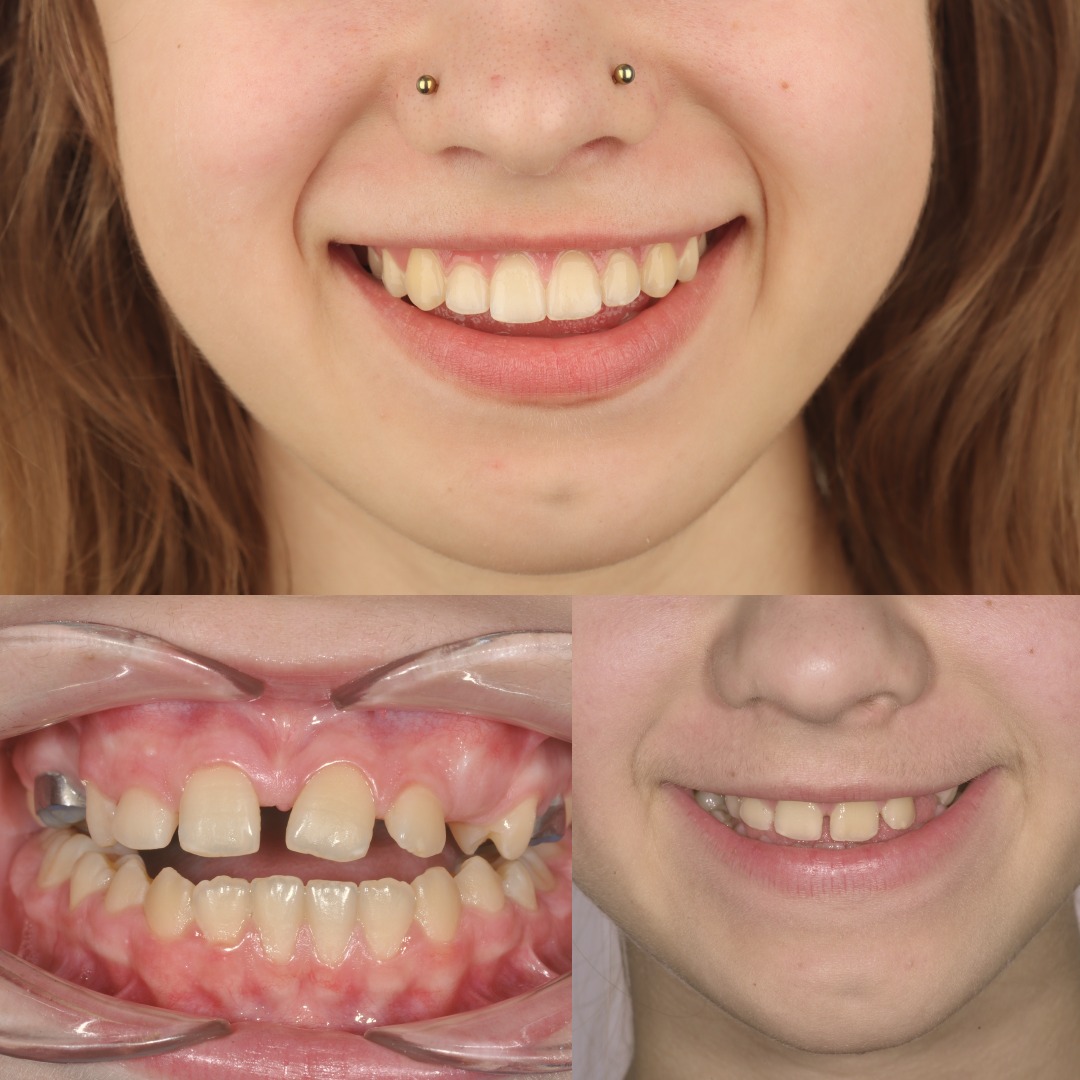
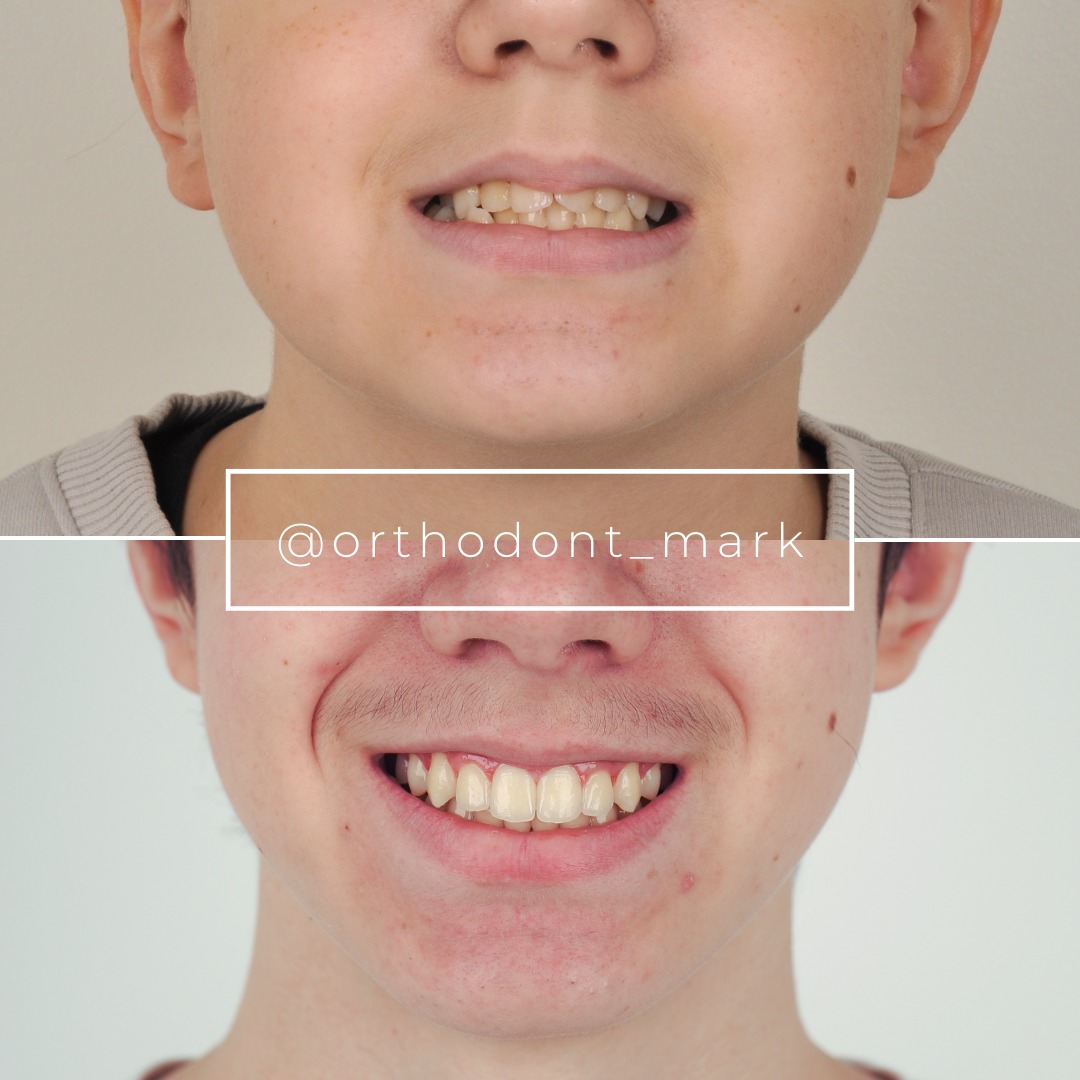
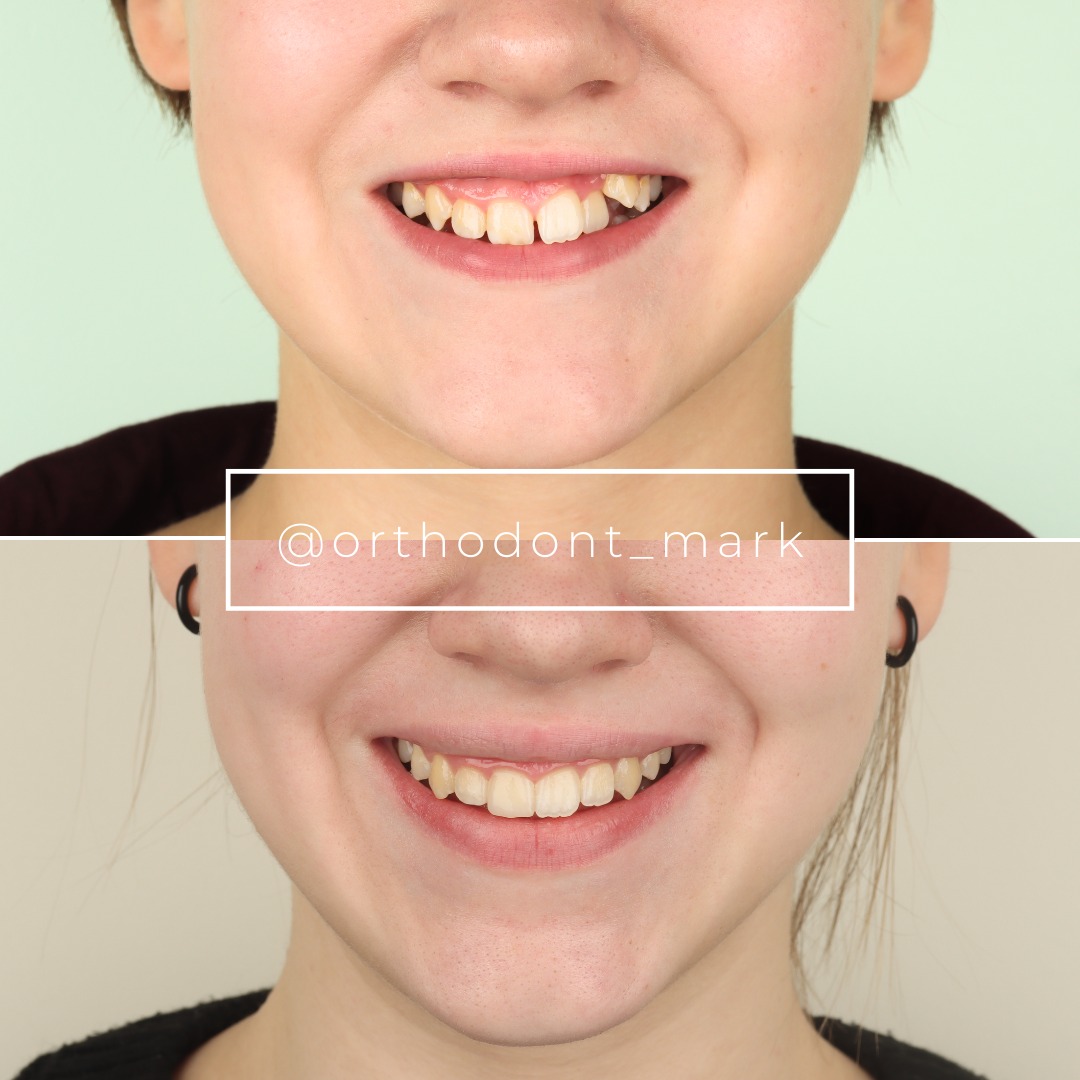
Learn the full MARPE protocol from Dr. Mark Radzhabov
Fundamental course covering CBCT patient selection, miniscrew planning, activation protocols, and 60+ clinical cases. Choose the access level that fits your practice.
Essentials of rapid palatal expansion for practicing orthodontists.
- Core RPE concepts and biomechanics
- 6 structured video lessons
- Clinical decision checklists
- Lifetime access to recordings
Deep-dive into MARPE protocol, diagnostics, and clinical execution.
- 6 modules covering MARPE from A to Z
- CBCT case selection walkthroughs
- Miniscrew placement and activation
- 60+ annotated clinical cases
- Direct Q&A with Dr. Mark Radzhabov
5-element medical consultation framework for dentists and orthodontists.
- Trust-building consultation protocol
- 5 lesson modules
- Templates for treatment plan delivery
- Works with any clinical specialty
Clinical FAQ
What is the optimal age window for RPE referral in a growing child?
Ages 8–14 represent the critical window, with peak skeletal responsiveness between 8–12. After age 14, mid-palatine suture ossification increases and skeletal response diminishes. Earlier referral (age 8+) allows prevention of severe crowding and maximizes airway improvement potential.
How do I distinguish between transverse maxillary deficiency that requires RPE versus crowding managed by extraction?
True transverse deficiency presents with narrow palatal vault, V-shaped arch, posterior crossbite, and inter-molar width below normal for age. Crowding alone without palatal constriction may resolve via extraction. RPE is indicated when skeletal width must increase to create space and improve airway.
Does rapid palatal expansion actually improve sleep-disordered breathing in children?
Evidence is heterogeneous and low-quality. RPE reduces adenoid volume and increases nasal airway dimensions, but long-term sleep apnea resolution depends on phenotypic patient selection and functional rehabilitation. RPE is not first-line for severe adenotonsillar obstruction (that is adenotonsillectomy).
What role does myofunctional therapy play in RPE treatment outcomes?
Myofunctional therapy is essential, not optional. Without muscle retraining, nasal hygiene, and postural correction, children often maintain mouth breathing despite adequate palatal expansion. Functional rehabilitation amplifies breathing pattern success and should be concurrent with or immediately follow mechanical expansion.
How should I communicate with the orthodontist when referring a child for RPE?
Provide clinical photos, recent radiographs, skeletal maturity assessment (hand, cervical stage), and details about breathing patterns or sleep symptoms. Ask explicitly whether functional rehabilitation is included. Request progress notes and offer a post-expansion follow-up in your office to assess outcomes.
When should I refer a mouth-breathing child for RPE versus sleep medicine evaluation first?
Assess palatal anatomy and inter-molar width first. If constriction is present, refer both to sleep medicine (for baseline assessment) and orthodontics (for RPE evaluation). Multidisciplinary coordination ensures appropriate sequencing: surgery for adenotonsillar disease, RPE for skeletal constriction, and functional rehabilitation for all.
What is the expected timeline from RPE referral to completion of palatal expansion?
Activation typically takes 4–6 weeks (0.25 mm daily turn of the expansion screw). Retention follows for 6–12 months to stabilize skeletal changes. Total active treatment is relatively brief, but functional rehabilitation (myofunctional therapy) should continue for 6–12 months post-expansion.
How do I assess whether a child is ready for RPE in terms of cooperation and maturity?
Children aged 8+ with adequate motivation and parental support typically succeed. RPE requires parental activation and patient tolerance of oral appliance wear. Assess behavior during routine dental visits; children who cooperate with fillings and cleanings typically tolerate RPE well.
Should I refer a child with both anterior crowding and palatal constriction for RPE or orthodontics?
If transverse deficiency is present, refer for RPE first (if age-appropriate). RPE creates space and resolves posterior crossbite, reducing extraction need. Refer to an orthodontist experienced in skeletal expansion to evaluate candidacy and sequencing with comprehensive treatment planning.
What should I document in my referral note to ensure the orthodontist understands my clinical concerns?
Include palatal vault shape, inter-molar width measurement, posterior crossbite assessment, breathing pattern observations (mouth vs. nasal), snoring history, and any sleep-related symptoms. Specify whether you suspect skeletal versus dental crowding. This context guides the orthodontist's treatment plan and expectations.
The decision to refer a pediatric patient for rapid palatal expansion requires understanding not just skeletal anatomy, but functional outcomes, airway implications, and rehabilitation protocols. By recognizing the five key principles outlined in this article, you position your practice as a knowledgeable partner in the orthodontic referral process. Dr. Mark Radzhabov encourages pediatric dentists to deepen their clinical knowledge through case reviews and direct consultation with experienced RPE practitioners—strengthening both patient outcomes and interdental collaboration.