
When the Hyrax Won't Open:
5 Mechanical
and 5 Anatomical Causes Blocking Expansion
A systematic guide to differentiating device failure from skeletal resistance—with diagnostic workflows and evidence-based correction protocols for orthodontists.
TL;DR When a hyrax won't open during activation, causes fall into two categories: mechanical (screw jamming, component misalignment, manufacturing defect, acrylic interference, activation protocol error) and anatomical (midpalatal suture maturity, palatal bone density, skeletal asymmetry, tissue resistance, anatomical variants). Clinicians must distinguish device failure from biological limitation to select appropriate intervention—repair, protocol adjustment, or alternative expansion modality.
A stalled hyrax mid-treatment creates clinical frustration and treatment delay. Distinguishing mechanical device failure from anatomical resistance to expansion is essential for rapid problem-solving. In this article, Dr. Mark Radzhabov reviews the five most common mechanical causes of hyrax expansion failure and five anatomical obstacles that clinicians encounter in clinical practice—with diagnostic protocols and evidence-based solutions drawn from device engineering and skeletal expansion literature.
Understanding Hyrax Expansion Failure:
device vs. anatomy
Hyrax expansion failure manifests as resistance to screw activation, cessation of activation midway, or inability to achieve planned skeletal opening despite correct mechanical operation. The distinction between mechanical and anatomical causes is critical because each demands different intervention. A screw jam requires device repair or replacement; anatomical resistance may necessitate protocol modification, increased activation frequency, or transition to miniscrew-assisted rapid palatal expansion (MARPE) for skeletal bypass. Clinicians often assume activation difficulty signals device defect when, in fact, biological factors such as midpalatal suture maturity or palatal bone density may be the primary limiting factor. Early differentiation prevents wasted time troubleshooting a device that is functioning normally but operating against unfavorable anatomy. This article systematizes the five most frequent mechanical obstacles and five anatomical barriers, each with diagnostic criteria and clinical management pathways.
Five Mechanical Reasons Your Hyrax
Screw Won't Turn
Mechanical failure in hyrax devices typically involves the central screw mechanism, retention components, or acrylic–fixture interface. Unlike miniscrew-assisted systems, the traditional tooth-borne hyrax relies on a single activation screw whose friction and thread geometry are calibrated to prevent unwanted reversal while permitting controlled opening. When that mechanism jams, expansion halts entirely. The following five causes account for the majority of clinical cases in which a properly cemented hyrax suddenly becomes immobile or requires excessive activation force. Understanding the anatomy of each failure point allows rapid triage—distinguishing minor adjustments (screw cleaning, lubrication) from irreversible damage (internal thread fracture, mold defect) that necessitates device replacement.
Five Anatomical Barriers to Successful
Palatal Expansion
Anatomical resistance to rapid palatal expansion arises when skeletal or soft-tissue factors exceed the force-delivery capacity of the device. Unlike mechanical jamming, anatomical blockage is often silent—the screw continues to turn, but skeletal opening slows or plateaus. This is particularly common in skeletally mature patients, those with unfavorable midpalatal suture morphology, and individuals with dense palatal bone or lateral asymmetry. Radiographic assessment (occlusal and cone-beam CT when indicated) is essential to confirm whether resistance reflects true anatomical limitation or early stage mechanical problem. The five anatomical causes below are graded by frequency and clinical severity, with evidence-based management strategies for each.
How to Differentiate Mechanical from
Anatomical Causes
Systematic diagnosis begins with patient interview and detailed device inspection. Ask the patient: When did resistance first appear? Does the screw turn freely or does it require excessive force? Is there pain or does the patient hear/feel clicking during activation? These responses often point toward device versus anatomical etiology. Mechanical jamming typically presents as sudden immobility after normal function, accompanied by high resistance force. Anatomical resistance usually develops gradually—each turn becomes slightly harder—and is often painless unless inflammation is present. Visual inspection under magnification should assess screw alignment, acrylic integrity, and visible debris. Gentle activation in your presence allows you to judge resistance force and screw behavior. If the screw turns freely but skeletal expansion has slowed, anatomy is the likely culprit. If activation force is abnormally high or the screw feels gritty or binding, mechanical failure is probable. Radiographic confirmation—occlusal radiograph to assess midpalatal suture opening and coronal bone width—provides objective evidence of skeletal progress versus stagnation. In equivocal cases, a single-turn activation attempted under direct observation, followed by same-day radiography, clarifies whether the device is advancing expansion or merely turning without skeletal effect.
Correcting Hyrax Expansion Resistance:
Repair vs. Replace vs. Escalate
Management depends on root cause. Mechanical issues are often reversible if caught early. Screw jamming from debris responds to gentle saline irrigation and lubrication; acrylic encroachment can be relieved by careful bur removal. Manufacturing defects or internal thread fracture necessitate device replacement—attempt no more than two additional activation turns if jamming is suspected, as forcing a fractured screw may splinter material into the palatal vault. Communicate with the laboratory immediately to authorize replacement and arrange logistics. Anatomical resistance requires a different strategy. If radiography confirms that the midpalatal suture is partially open but advancement has slowed after 15–20 turns, increase activation frequency (two turns daily, 0.5 mm per turn) rather than force magnitude. Monitor patient tolerance; excessive force on mature bone risks fenestration or buccal cortical perforation. If suture maturity is advanced (age >16 years or radiographic fusion evidence), consider transition to miniscrew-assisted rapid palatal expansion, which bypasses sutural resistance by applying force directly to palatal bone. Asymmetric expansion can sometimes be managed by differential screw activation (if your expander model permits), but symmetric systems may require temporary cessation on the resistant side or eventual surgical intervention for severe cases. Palatal inflammation resolves with antiseptic rinse, temporary deactivation, and topical corticosteroid if edema is significant. Anatomical variants (tori, ridge resorption) are best managed prophylactically via pre-treatment cone-beam imaging; if discovered mid-treatment, surgical removal of obstructing torus may be warranted in consultation with your surgical colleague.
How to Prevent Hyrax Expansion Problems:
Pre- and Intra-Treatment Protocols
Prevention begins with rigorous device selection and pre-treatment assessment. Screen patients radiographically for midpalatal suture maturity, palatal bone density, and anatomical variants (tori, ridge asymmetry) before appliance delivery. This single step often identifies candidates better suited to MARPE or surgical-assisted expansion upfront, avoiding mid-treatment discovery of anatomical obstacles. Ensure proper device cementation—loose bands or inadequate adhesion will result in false expansion resistance and false diagnosis of mechanical failure. Educate your patient and staff on correct activation technique: same-time-of-day activation, consistent screw-turn duration (1/4 turn per activation), and precise key insertion angle prevent protocol error. Provide written activation instructions with photographs or video; ask the patient to demonstrate their technique at recall appointments. Inspect the appliance at each visit for visible debris, acrylic damage, or looseness. If resistance begins to develop, perform immediate radiography and examination rather than assuming the patient has non-complied or that the device is broken. Document activation behavior meticulously—resistance pattern, patient tolerance, and radiographic expansion—in the chart; this information is invaluable if the case must be transferred or escalated. Finally, set realistic patient expectations: expansion is self-limited by anatomy and age. A mature 17-year-old cannot expect the same skeletal response as a 10-year-old; transparent discussion of biological limits prevents disappointment and misattribution of normal plateau to device failure. Dr. Mark Radzhabov emphasizes that clarifying these expectations before treatment begins transforms troubleshooting from reactive crisis management into collaborative, informed problem-solving.
Free Clinical Guide
Which Expansion Appliance at Which Age?
Get Dr. Mark Radzhabov's guide to skeletal-expansion appliances — indications, pros & cons, and how to choose by patient age. Free to your inbox.
Prefer video? Watch the free demo lesson on MARPE appliance types, features and trade-offs.
Documented outcomes
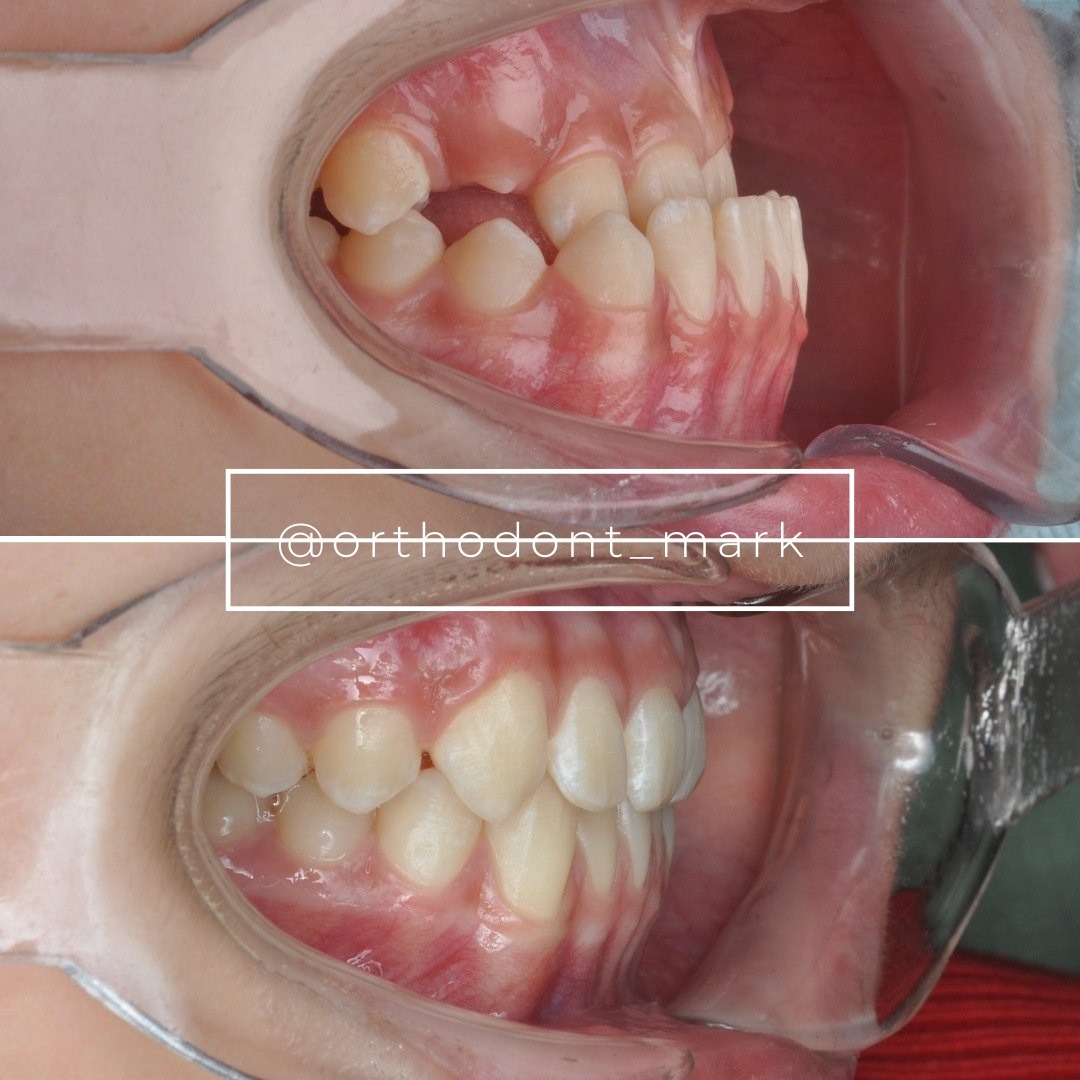
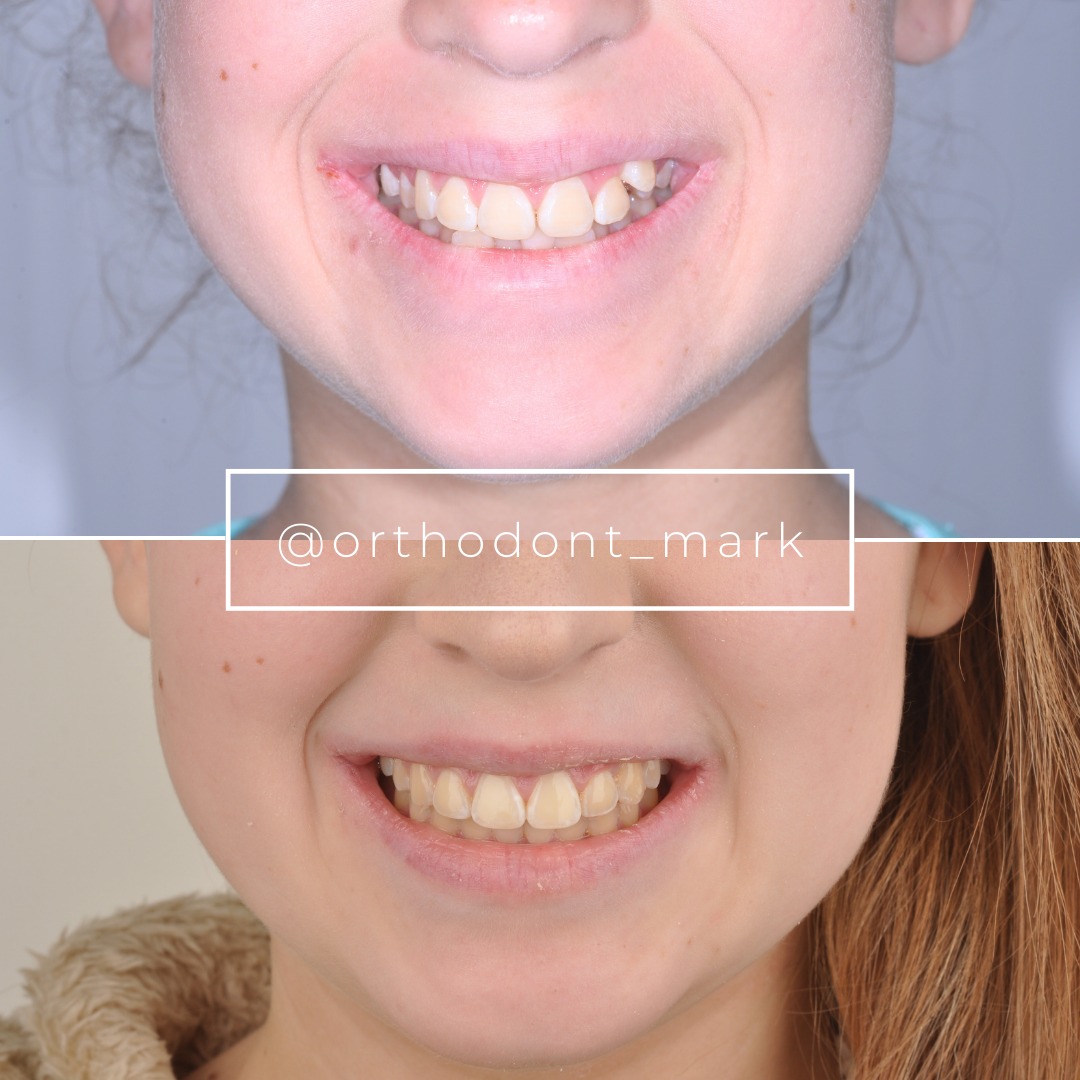
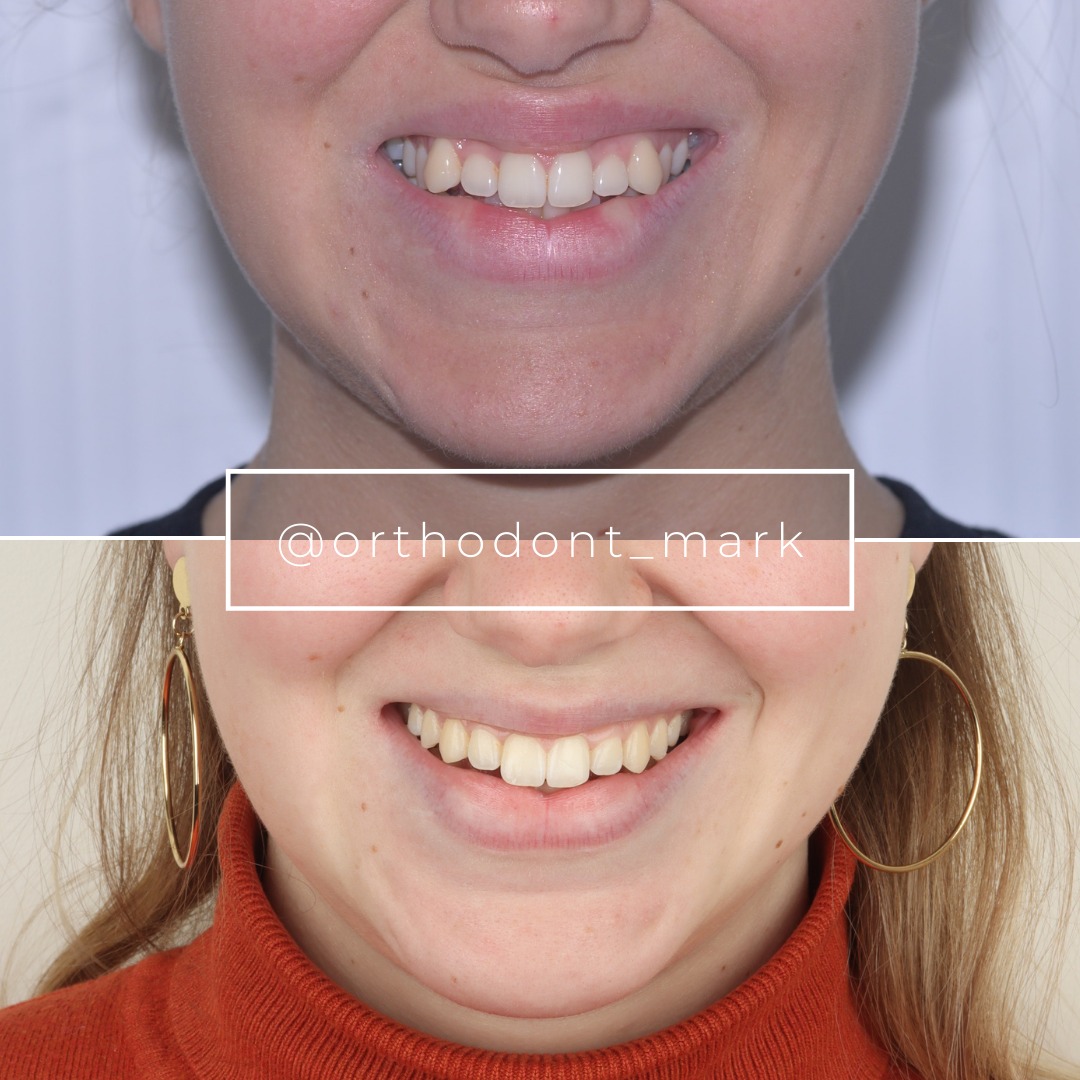
Clinical cases from Dr. Mark Radzhabov's practice
Learn the full MARPE protocol from Dr. Mark Radzhabov
Fundamental course covering CBCT patient selection, miniscrew planning, activation protocols, and 60+ clinical cases. Choose the access level that fits your practice.
Essentials of rapid palatal expansion for practicing orthodontists.
- Core RPE concepts and biomechanics
- 6 structured video lessons
- Clinical decision checklists
- Lifetime access to recordings
Deep-dive into MARPE protocol, diagnostics, and clinical execution.
- 6 modules covering MARPE from A to Z
- CBCT case selection walkthroughs
- Miniscrew placement and activation
- 60+ annotated clinical cases
- Direct Q&A with Dr. Mark Radzhabov
5-element medical consultation framework for dentists and orthodontists.
- Trust-building consultation protocol
- 5 lesson modules
- Templates for treatment plan delivery
- Works with any clinical specialty
Clinical FAQ
What is the difference between mechanical hyrax failure and anatomical expansion resistance?
Mechanical failure means the screw mechanism is jammed or broken—it will not turn or turns with excessive force despite normal bone anatomy. Anatomical resistance occurs when the screw turns freely but skeletal opening slows or stops due to suture maturity, bone density, or asymmetry.
How do I know if my hyrax screw is jammed from debris versus a manufacturing defect?
Gentle saline irrigation, drying, and light lubrication will temporarily free a debris-jammed screw. Attempt one activation turn. If the screw moves smoothly, continue normal activation. If resistance returns immediately, internal thread damage is likely—replace the device.
Can I increase activation frequency to overcome anatomical resistance?
Yes, but cautiously. Increasing to two 0.5 mm turns daily (instead of one 1 mm turn) distributes force and may overcome plateau in younger patients. Monitor for pain and tissue inflammation. This strategy fails in skeletally mature patients; consider MARPE instead.
At what age does midpalatal suture maturity become a limiting factor in hyrax expansion?
Suture maturity is progressive. By age 14–16 years, suture resistance increases significantly. Beyond age 16–18 years, skeletal opening becomes very difficult and may require MARPE or surgical assistance. Pre-treatment radiographs clarify maturity in borderline cases.
What is the safest activation frequency for a hyrax in skeletally mature patients?
Conventional protocol is one 1 mm turn per day (0.25 mm per quarter-turn). In mature patients at anatomical resistance, increase to two 0.5 mm turns daily for up to 2–3 weeks. If no progress, escalate to MARPE rather than risk fenestration or necrosis.
Should I obtain cone-beam CT if my hyrax expansion stalls midway?
Yes, if the patient is older or if stalling occurs after 15–20 successful turns. CBCT clarifies midpalatal suture anatomy, palatal bone density, and asymmetry—informing whether to increase frequency or switch modality. Occlusal radiographs are a faster initial screen.
How do I prevent acrylic from locking the hyrax screw during cementation?
Protect the screw head during impression and remount with a cap or petroleum jelly coating. Ensure screw is completely dry before cementation. After cementation, gently test screw movement before patient discharge. Excess acrylic can be carefully removed with a small bur if discovered early.
What is the typical maximum number of effective activation turns before anatomical plateau?
In mixed-dentition patients (ages 7–12 years), 20–30 turns often achieve desired expansion. In adolescents and young adults, plateau occurs earlier—around 15–20 turns—due to suture maturity. This varies by age and bone density; radiographic monitoring is essential.
Can palatal tori prevent or complicate hyrax expansion?
Large palatal tori can create focal pressure zones and misdirect expansion vectors. Identify tori on pre-treatment CBCT. If significant, discuss surgical removal before appliance delivery. Small tori rarely cause clinical problems if the expander is positioned away from the torus.
When should I transition from a hyrax to MARPE if a patient is not responding to activation?
If expansion plateaus after 15–20 turns, patient is over age 15, or suture maturity is evident on radiograph, escalate to MARPE. MARPE applies skeletal force directly to bone, bypassing sutural resistance. This transition is faster than repeatedly attempting hyrax activation on mature anatomy.
Systematic troubleshooting of a non-responsive hyrax begins with patient history and visual inspection, followed by radiographic confirmation of skeletal or device-related blockage. Whether the problem is screw friction, acrylic interference, or unfavorable bone anatomy, early diagnosis prevents prolonged stagnation and informs timely escalation to MARPE or surgical alternatives. Dr. Mark Radzhabov emphasizes the importance of documenting each activation attempt and reviewing force application mechanics to refine protocol for future cases.

