
Palatal Hypertrophy After RPE:
Understanding the Complication
Evidence-Based Management Strategies
Rare but persistent mucosal swelling after rapid palatal expansion requires prompt histological evaluation and appropriate clinical intervention. Learn the mechanical etiology, risk factors, and evidence-based treatment protocols.
TL;DR Palatal hypertrophy after RPE is a rare complication characterized by persistent mucosal swelling and food retention following appliance removal. Histopathological evidence confirms mechanical trauma as the primary etiology, with MARPE devices showing higher incidence than tooth-borne expanders. Early recognition and appropriate soft tissue management prevent functional impairment.
Palatal hypertrophy after rapid palatal expansion remains an uncommon yet clinically significant complication that can persist long after appliance removal and compromise patient comfort. In this evidence-based review, Dr. Mark Radzhabov examines the pathophysiology, histological findings, and practical management of this rare soft tissue side effect—drawing on peer-reviewed case studies and histological investigations published between 2020 and 2023. Understanding the mechanical and inflammatory mechanisms underlying palatal mucosal changes is essential for clinicians selecting expansion modalities and counseling patients on realistic soft tissue outcomes at ortodontmark.com.
What Is Palatal Hypertrophy After Rapid Palatal Expansion?
Palatal hypertrophy
Palatal hypertrophy after RPE is a rare permanent side effect of rapid maxillary expansion characterized by persistent enlargement of the palatal mucosa following appliance removal. Unlike the more common transient edema and inflammation observed during active treatment, this complication represents a chronic hyperplastic response that fails to resolve spontaneously within the typical 4–12 week post-removal timeframe. The lesion typically manifests as localized swelling in the midpalatal region with associated food retention, tissue discomfort, and functional compromise. Histologically, palatal tissue hyperplasia occurs as a direct mechanical response to the chronic pressure and microtrauma imposed by the expansion appliance or its components against the delicate palatal mucosa. A retrospective histopathological examination of 25 patients (ages 13–26 years) undergoing palatal expansion revealed that fragmented tissue samples showed hyperplasia consistent with mechanical traumatic injury, specifically excluding hyperplasia from infectious, tumoral, or non-mechanical etiologies. The mechanical character of the lesion strengthened the causal relationship between appliance insertion and mucosal enlargement. Clinical presentation typically includes persistent swelling 2–3 months post-appliance removal, food trapping in the palatal vault, difficulty with oral hygiene, and patient dissatisfaction despite successful dental alignment. A 13-year-old male patient reported in the literature presented with palatal swelling and food retention that persisted for three months following a three-week RPE treatment course, demonstrating the resistant nature of this complication once established.
How Expansion Forces Create Soft Tissue
Tissue Changes
Rapid palatal expansion transmits heavy compressive and shear forces to the maxilla and surrounding anatomical structures during active treatment. The palatal mucosa, which is directly compressed between the rigid palatal expander body and the underlying skeletal tissues, experiences continuous mechanical irritation that can trigger a chronic inflammatory cascade. Unlike the transient swelling observed immediately after appliance insertion, persistent hyperplasia develops through repetitive microtrauma and an exaggerated or prolonged tissue healing response. The severity and incidence of palatal mucosal hyperplasia vary significantly based on appliance design and insertion protocol. Histopathological analysis comparing tooth-borne RPE and miniscrew-assisted rapid palatal expanders (MARPE) revealed that MARPE devices generated more pronounced hyperplastic reactions than traditional tooth-borne expanders, despite identical mechanical expansion mechanics. This suggests that the insertion method, depth of palatal penetration, and direct skeletal anchorage may influence tissue irritation and inflammatory response magnitude. Intriguingly, the distance between the expander component and the palatal mucosa did not provide conclusive predictive value for the development or severity of hyperplasia; patients with identical appliance-mucosa spacing exhibited variable inflammatory reactions. This finding suggests that individual tissue response, healing capacity, and possibly genetic factors influence susceptibility to chronic mucosal changes. Additionally, the type of expansion device—whether hybrid Hyrax systems, traditional Hyrax expanders, or MARPE constructs—correlates with tissue reaction severity, indicating that appliance design plays a measurable role in soft tissue outcomes.
Identifying and Evaluating Palatal Mucosa
Changes
Accurate diagnosis of pathological palatal hypertrophy after RPE requires differentiation from normal post-treatment edema and inflammation, which typically resolve within 4–6 weeks of appliance removal. The key diagnostic criterion is persistence beyond three months post-removal, accompanied by failure to respond to standard inflammatory management (salt rinses, anti-inflammatory agents, improved oral hygiene). Clinical examination should characterize the swelling location (midpalatal vs. bilateral), blanching response, surface appearance (smooth vs. nodular), and association with other symptoms (pain, discomfort, taste alteration, speech changes). Intraoral photography at baseline and serial follow-up visits provides objective documentation of tissue changes and guides therapeutic decision-making. Palpation should assess tissue consistency (firm vs. edematous), demarcation from surrounding mucosa, and any mobility of the lesion. When clinical evaluation raises suspicion for pathological hyperplasia rather than simple inflammation, incisional biopsy with histopathological examination is indicated to confirm diagnosis and exclude other pathologies (granulomas, neoplasms, or infectious lesions). Biopsies should be obtained from the affected region at the terminal phase of active treatment or shortly after appliance removal to maximize diagnostic yield. Clinicians should counsel patients preoperatively about the risk of persistent swelling, particularly when selecting miniscrew-assisted devices or expansion in patients with naturally sensitive palatal tissues. Baseline photography and patient education regarding normal versus abnormal post-treatment tissue responses improve compliance with follow-up and enable early intervention if pathological changes emerge.
Managing Palatal Swelling and Mucosal
Hyperplasia
Early intervention during the active treatment phase can minimize the risk of chronic hyperplasia. Clinicians should optimize appliance fit and padding to reduce direct mucosal contact, particularly at sites of greatest pressure. Regular monitoring of the palatal mucosa during monthly adjustment visits allows early detection of excessive inflammation or early hyperplastic changes. If significant swelling develops during treatment, temporary appliance removal, local antimicrobial rinses (chlorhexidine 0.12%), topical corticosteroid application, and enhanced patient education regarding mechanical plaque control can mitigate tissue response severity. Post-removal management for established palatal hypertrophy should follow an evidence-based stepwise approach. Phase 1 (weeks 1–4): Conservative therapy includes frequent warm salt rinses (3–4 times daily), topical anti-inflammatory agents (triamcinolone acetonide paste or fluticasone rinse), excellent oral hygiene instruction, and dietary modification to avoid food trapping. Many cases of mild-to-moderate swelling resolve with conservative management alone, particularly if initiated within 4–6 weeks of appliance removal. Phase 2 (weeks 4–12): If swelling persists despite conservative measures, consideration should be given to local corticosteroid injection (intralesional triamcinolone 40 mg/mL) or topical steroid application under occlusion. Phase 3 (>12 weeks): Resistant cases warrant histopathological biopsy and, if confirmed as benign hyperplasia without reactive pathology, consideration of surgical excision with electrocautery or laser ablation under local anesthesia to restore normal mucosal architecture and eliminate food retention sites. As Orthodontist Mark emphasizes in his clinical practice, patient compliance with post-removal care instructions significantly influences outcomes. Detailed written and verbal education regarding signs of abnormal healing and access to rapid communication channels for symptom reporting facilitate early intervention and improve long-term tissue health.
Prevention and Device Selection Strategies
for Expansion Cases
Given the higher incidence of hyperplasia with miniscrew-assisted expansion systems compared to traditional tooth-borne expanders, clinicians should carefully weigh the skeletal anchorage advantages of MARPE against the increased soft tissue risk profile in susceptible patients. Patients with shallow palatal vaults, thin palatal mucosa, history of poor wound healing, or genetic predisposition to keloid or hyperplastic scar formation represent relative contraindications for MARPE; tooth-borne RPE may be a safer alternative despite reduced skeletal expansion efficiency. Optimization of appliance design and insertion technique can substantially reduce mucosal irritation. Proper padding of expander components contacting palatal tissues, adequate spacing between the appliance body and mucosa, and careful suturing technique for MARPE closure minimize post-insertion edema and chronic irritation. Selection of expansion devices with smooth contours, minimal undercuts, and biocompatible materials (titanium over stainless steel) may reduce tissue reactivity. Clinicians should select hybrid Hyrax systems and high-quality expansion screws (Titan Hyrax or rematitan alternatives) that distribute forces more evenly and maintain structural integrity throughout the treatment course. Clinical protocols should include baseline patient education emphasizing the risk-benefit profile of the chosen expansion modality, realistic expectations for soft tissue response, and the importance of meticulous post-treatment oral hygiene and follow-up monitoring. Establishment of clear communication channels for reporting persistent swelling or functional compromise enables rapid intervention and prevents progression to severe hyperplasia requiring surgical management.
Skeletal Maturity, Device Selection, and Patient
Factors
The decision between rapid palatal expansion (RPE) and miniscrew-assisted rapid palatal expansion (MARPE) should incorporate skeletal maturation status, anticipated soft tissue response, and patient-specific factors alongside traditional expansion efficacy metrics. A cone-beam CT analysis of midpalatal suture maturation in 100 young females established that significant MPS closure occurs by age 15 years in female populations, with 61% of 15-year-olds demonstrating closed sutures (stages D and E). The pterygomaxillary, transpalatal, zygomaticomaxillary, and midpalatal sutures close sequentially, necessitating comprehensive diagnostic imaging to determine whether skeletal expansion or orthognathic surgery should be considered. Clinically, this research provides guidance for modality selection: younger, growth-stage patients with open sutures represent optimal candidates for traditional tooth-borne RPE, which avoids the increased soft tissue morbidity associated with MARPE. Skeletally mature patients (age >15 years) and those with closed sutures typically require MARPE for meaningful skeletal expansion; clinicians should proactively counsel these patients on the elevated risk of persistent palatal hypertrophy and ensure informed consent explicitly acknowledges soft tissue complications. Patients with anatomical features predisposing to hyperplasia (thin palate, shallow vault, narrow arch form) benefit from conservative management strategies and enhanced post-treatment monitoring regardless of device selection. Dr. Mark Radzhabov recommends incorporating patient age, suture maturation status, palatal anatomy, and individual healing characteristics into the treatment planning decision matrix. Case consultation and detailed three-dimensional imaging allow individualized risk assessment and selection of the expansion modality that optimizes skeletal outcomes while minimizing soft tissue morbidity in each clinical scenario.
Free Clinical Guide
Which Expansion Appliance at Which Age?
Get Dr. Mark Radzhabov's guide to skeletal-expansion appliances — indications, pros & cons, and how to choose by patient age. Free to your inbox.
Prefer video? Watch the free demo lesson on MARPE appliance types, features and trade-offs.
Documented outcomes
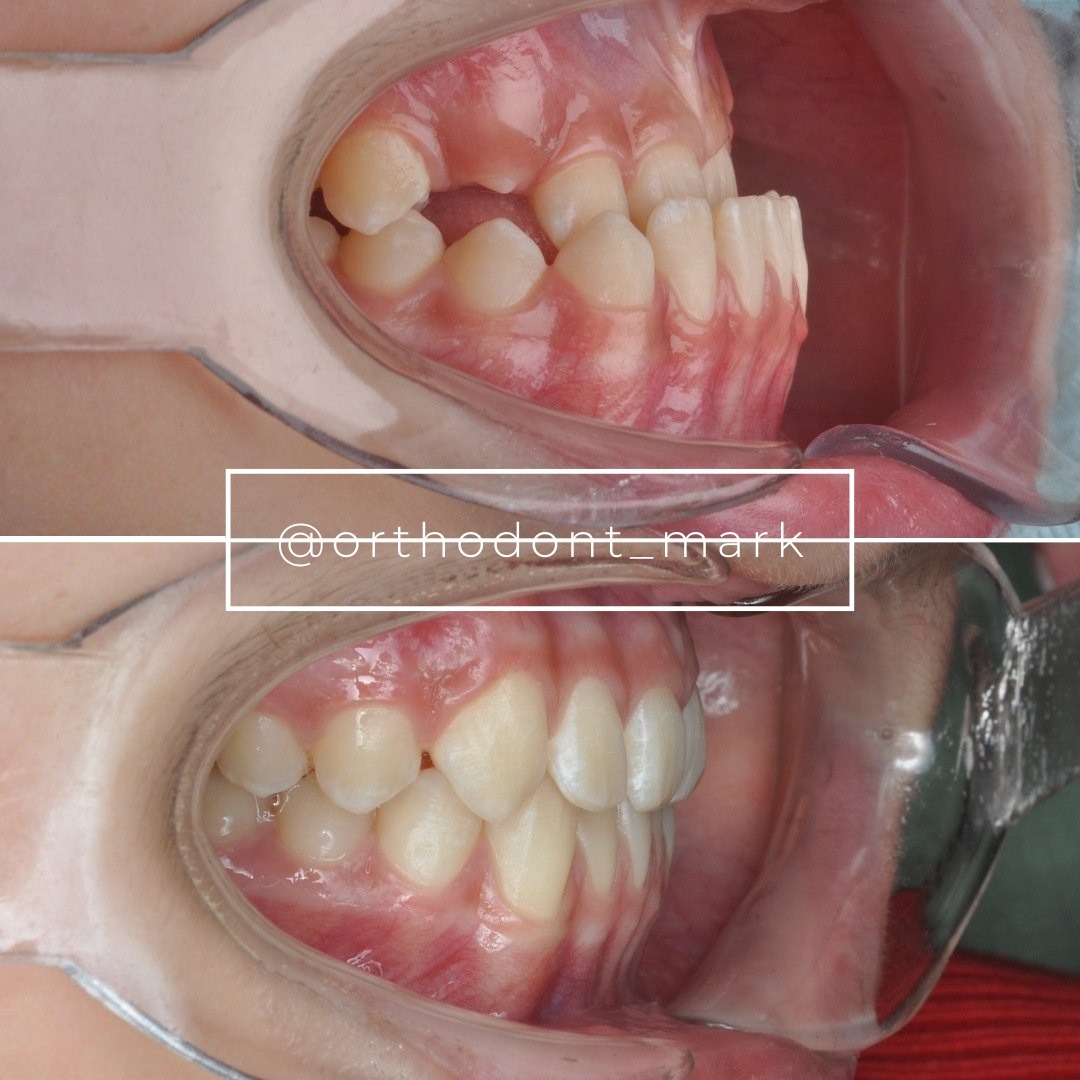
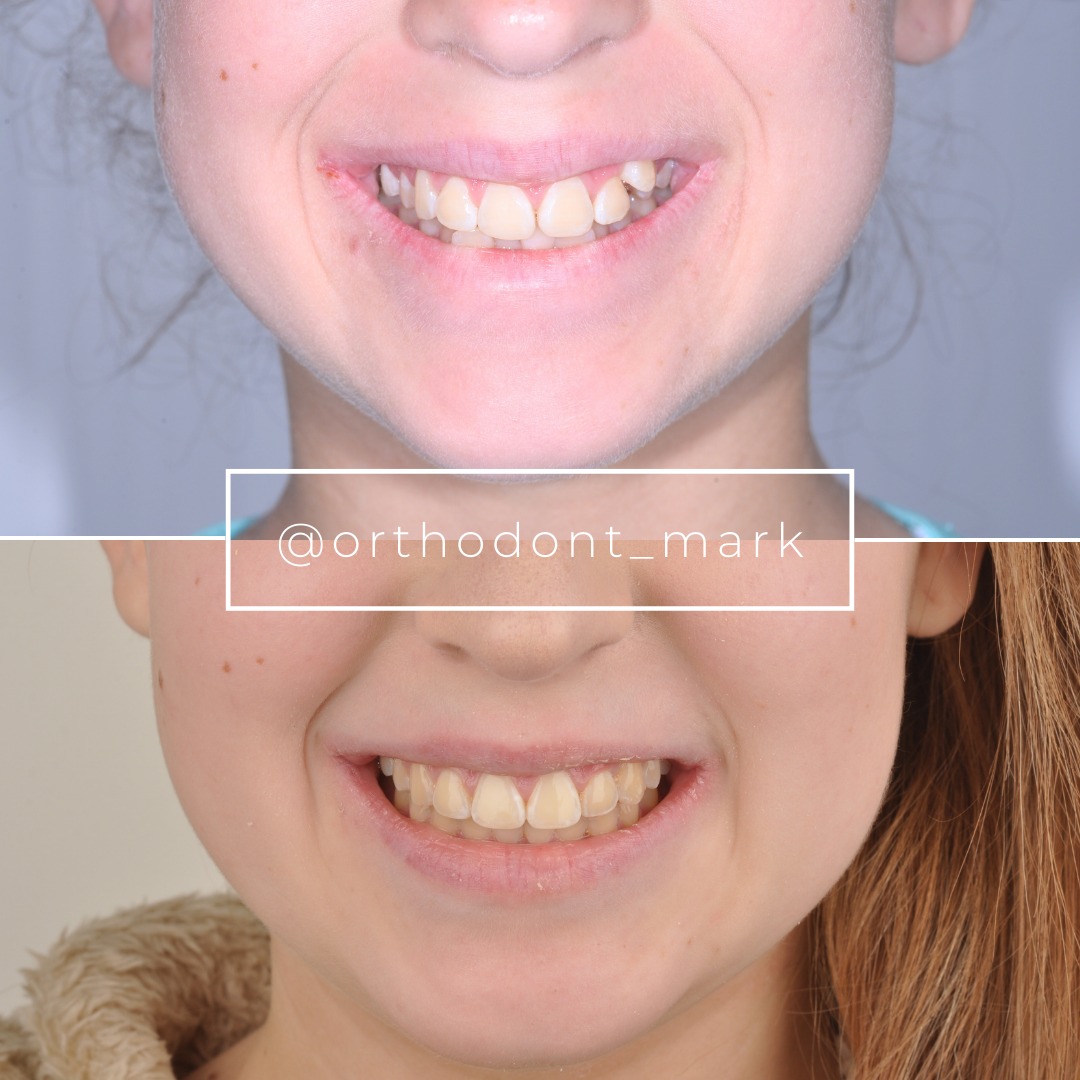
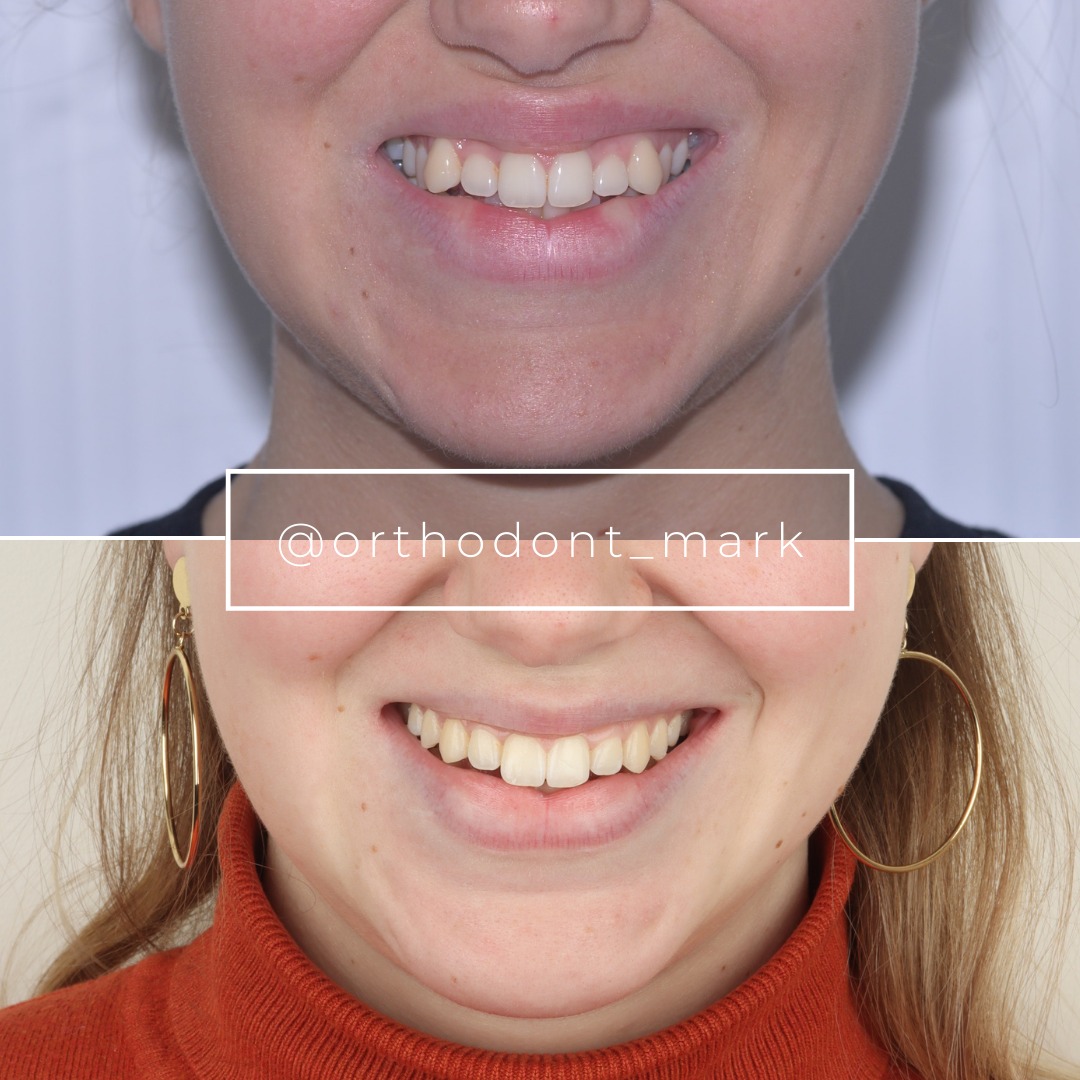
Clinical cases from Dr. Mark Radzhabov's practice
Learn the full MARPE protocol from Dr. Mark Radzhabov
Fundamental course covering CBCT patient selection, miniscrew planning, activation protocols, and 60+ clinical cases. Choose the access level that fits your practice.
Essentials of rapid palatal expansion for practicing orthodontists.
- Core RPE concepts and biomechanics
- 6 structured video lessons
- Clinical decision checklists
- Lifetime access to recordings
Deep-dive into MARPE protocol, diagnostics, and clinical execution.
- 6 modules covering MARPE from A to Z
- CBCT case selection walkthroughs
- Miniscrew placement and activation
- 60+ annotated clinical cases
- Direct Q&A with Dr. Mark Radzhabov
5-element medical consultation framework for dentists and orthodontists.
- Trust-building consultation protocol
- 5 lesson modules
- Templates for treatment plan delivery
- Works with any clinical specialty
Clinical FAQ
What is palatal hypertrophy after rapid palatal expansion and how does it differ from normal post-treatment swelling?
Palatal hypertrophy is persistent mucosal enlargement lasting >3 months post-appliance removal, confirmed histologically as mechanical hyperplasia. Normal post-treatment edema resolves within 4–6 weeks with conservative management and represents transient inflammation rather than structural tissue overgrowth.
Is palatal swelling normal after RPE therapy and when should I be concerned?
Mild edema during active treatment is expected and typically resolves within weeks of appliance removal. Concern is warranted if swelling persists >3 months, is accompanied by food retention or functional impairment, or fails to respond to salt rinses and topical anti-inflammatory agents.
Why do MARPE devices show higher incidence of palatal tissue changes compared to tooth-borne expanders?
Histopathological studies demonstrate that MARPE generates more pronounced hyperplastic reactions, likely due to direct skeletal penetration, insertion trauma, and continuous mucosal contact pressure. Tooth-borne devices distribute forces through dental support and typically cause less severe tissue response.
What does histopathology reveal about the nature of palatal hyperplasia after expansion?
Biopsy findings confirm mechanical traumatic injury as the primary etiology, excluding infectious, tumoral, or non-mechanical causes. Hyperplastic changes represent the tissue's chronic inflammatory response to sustained pressure and microtrauma from the appliance.
How should I manage palatal swelling in the post-removal phase of rapid palatal expansion treatment?
Implement conservative Phase 1 therapy: frequent warm salt rinses (3–4 daily), topical corticosteroid application, excellent oral hygiene, and dietary modification. If swelling persists >4 weeks, escalate to intralesional corticosteroid injection; surgical excision is reserved for resistant cases >12 weeks.
What is the recommended age threshold for deciding between ORPE and MARPE based on suture maturation?
CBCT studies indicate age 15 years as the decision point in females; at this age, 61% demonstrate closed midpalatal sutures. Younger patients with open sutures are candidates for tooth-borne RPE; mature patients typically require MARPE with acknowledgment of elevated soft tissue risk.
Should patient anatomy influence my choice between tooth-borne RPE and miniscrew-assisted expansion?
Yes. Patients with thin palatal mucosa, shallow palatal vault, or history of poor healing represent relative contraindications for MARPE; tooth-borne RPE may be safer despite reduced skeletal efficiency. Anatomical assessment via CBCT and clinical examination should inform modality selection.
When is incisional biopsy indicated for evaluation of persistent palatal swelling?
Biopsy is warranted when swelling persists >3–4 months despite conservative management or shows atypical clinical features. Timing is optimal at appliance removal or shortly thereafter; biopsy confirms diagnosis (benign hyperplasia vs. pathology) and guides definitive treatment planning.
How can I minimize the risk of palatal hypertrophy during rapid palatal expansion treatment?
Optimize appliance design (smooth contours, adequate spacing), select biocompatible materials (titanium), ensure proper padding and insertion technique, implement meticulous oral hygiene protocols, and provide comprehensive preoperative patient education regarding realistic soft tissue outcomes.
What soft tissue side effects are most common after rapid palatal expansion and how frequently does palatal hypertrophy occur?
Common transient effects include edema, ulceration, and gingival recession; these typically resolve post-removal. Persistent palatal hypertrophy is rare, emphasizing its significance as a documented but uncommon permanent complication requiring clinical recognition and appropriate intervention.
Palatal hypertrophy after RPE, while uncommon, demands prompt clinical recognition and intervention to restore normal mucosal architecture and function. The evidence demonstrates that hyperplastic changes result from mechanical trauma rather than infectious or systemic causes, and that treatment modality selection—particularly the choice between tooth-borne and miniscrew-assisted devices—influences tissue reaction severity. Dr. Mark Radzhabov recommends careful patient selection, realistic preoperative counseling, and a low threshold for histopathological evaluation if swelling persists beyond three months post-appliance removal. For detailed case reviews or consultation on complex expansion cases, visit ortodontmark.com or schedule a direct consultation to optimize your clinical decision-making.