
Pediatric Sleep Disordered Breathing:
7-Step Pre-RPE Workup
A Systematic Protocol for Orthodontists
Evidence-based screening, polysomnographic confirmation, and phenotype-driven treatment planning before rapid palatal expansion. Reduce failed cases. Improve patient outcomes.
TL;DR Pediatric sleep disordered breathing screening before rapid palatal expansion requires a systematic seven-step workup including polysomnography, airway phenotyping, and multidisciplinary evaluation. Current evidence supports pre-RPE assessment as essential to identify candidates most likely to benefit from skeletal expansion and avoid ineffective or harmful treatment.
Pediatric sleep disordered breathing represents a complex diagnostic and treatment challenge at the intersection of orthodontics, sleep medicine, and otolaryngology. Before initiating rapid palatal expansion (RPE), clinicians must conduct a rigorous pre-RPE workup to identify which children will genuinely benefit from skeletal expansion versus those requiring alternative or adjunctive therapies. Dr. Mark Radzhabov has developed an evidence-based seven-step protocol—outlined at ortodontmark.com—that ensures each candidate is phenotyped correctly, polysomnographically confirmed, and medically optimized before treatment begins. This article provides clinicians with a clinically actionable framework to screen, diagnose, and refer appropriately.
What Is Pediatric Sleep Disordered Breathing?
Pediatric sleep disordered breathing
And why it demands orthodontic attention
Pediatric sleep disordered breathing (SDB) encompasses a heterogeneous spectrum of conditions ranging from primary snoring and upper airway resistance syndrome (UARS) to obstructive sleep apnea (OSA). Unlike simple adenoidal hypertrophy, SDB is driven by a complex interplay of craniofacial anatomy, nasal patency, tongue position, neuromuscular tone, and sleep architecture. The prevalence in children ranges from 1.2% to 5.7%, with higher rates in boys. Early recognition is critical because untreated SDB drives craniofacial remodeling during the critical growth period, perpetuating the very anatomic constraints—maxillary constriction, posterior mandibular positioning, and vertical maxillofacial growth patterns—that orthodontists are asked to correct.
The cornerstone of diagnosis is polysomnography (PSG), which measures the apnea-hypopnea index (AHI) and captures oxygen desaturation, sleep fragmentation, and arousals. However, AHI alone is insufficient for treatment planning. A systematic review of rapid maxillary expansion in pediatric OSA found no consistent long-term evidence favoring RME as monotherapy, highlighting the need for rigorous phenotyping and outcome measurement beyond the apnea-hypopnea index. This gap between clinical enthusiasm and evidence underscores why every child presenting with potential SDB requires a structured, multidisciplinary pre-RPE workup before any skeletal expansion is undertaken.
Your role as an orthodontist is not to treat sleep apnea—that belongs to sleep physicians and ENT specialists. Rather, you must become a skilled screener and collaborative partner, identifying which children have craniofacial contributions to SDB and ensuring they are fully evaluated and medically optimized before you initiate expansion therapy. The seven-step protocol below provides that framework.
Clinical Screening and Risk Factors
Risk stratification
The foundation of the pre-RPE workup
Begin every pediatric examination with a brief SDB screening questionnaire. Key symptoms include habitual snoring, witnessed apnea episodes (reported by parents during sleep), daytime somnolence or behavior problems, sleep position preference (often supine in SDB patients), morning headaches, and failure to thrive or poor school performance. Document nasal obstruction history—chronic rhinitis, allergies, previous adenotonsillectomy outcomes, and recurrent upper respiratory infections. Ask about comorbidities: obesity (BMI > 85th percentile for age), asthma, allergic rhinitis, and craniofacial syndromes (Pierre Robin sequence, Treacher Collins, Down syndrome).
Clinical examination should include intraoral and extraoral assessment: maxillary width and depth, palatal vault height, posterior airway space (Mallampati score if age-appropriate), tongue size and position, nasal septum deviation, turbinate hypertrophy, tonsillar size (Brodsky grading), and adenoid facies (long lower face height, mouth breathing posture). Perform anterior rhinometry if available—it is non-invasive and provides objective nasal patency data. Children with maxillary constriction (defined as transverse maxillary width <34 mm at the canine level or clinical narrowness), posterior airway space narrowing, or adenoid facies should be flagged for further SDB workup.
At this stage, your role is not to diagnose sleep apnea—that requires sleep medicine evaluation. Instead, you are identifying phenotypic red flags that warrant referral and PSG before treatment planning. Document findings in a structured SDB screening form, noting which factors are present and their severity.
Polysomnography: The Diagnostic Gold Standard
Polysomnography
Before treatment, you need objective data
If Step 1 screening raises concern for SDB, the patient must undergo full-night polysomnography with an accredited sleep laboratory before any orthodontic treatment is initiated. PSG provides the diagnostic gold standard: apnea-hypopnea index (AHI in events per hour), oxygen saturation nadir, arousal index, sleep stage distribution, and periodic breathing patterns. The AHI classifies severity: normal is AHI <1, primary snoring is snoring without AHI elevation, UARS is AHI <1 but elevated arousal index (>1 arousal/hour), mild OSA is AHI 1–5, moderate OSA is AHI 5–10, and severe OSA is AHI >10.
Do not rely on daytime pulse oximetry, home sleep apnea tests (HSAT), or clinical impression alone. While HSAT is less expensive and more convenient, it misses UARS and sleep-stage-dependent patterns. PSG also captures sleep fragmentation, oxygen desaturation duration, and arrhythmia risk—all factors that inform severity and urgency of treatment. For a child with AHI >5, coordinate closely with the sleep physician before you proceed; for AHI 1–5 with symptoms, multidisciplinary discussion is essential. A child with normal PSG (AHI <1) may still benefit from maxillary expansion if there is craniofacial constriction and upper airway resistance, but the indications and expected outcomes shift dramatically.
At this stage, you are building the clinical rationale for expansion. A positive PSG combined with maxillary constriction and posterior airway space narrowing strengthens the case for rapid palatal expansion as an adjunctive therapy alongside sleep medicine and ENT management. Store the PSG report in your records and reference it throughout the treatment planning conversation with the family.
Airway Phenotyping: Beyond the Apnea Index
Airway phenotyping
Identify the anatomic signature of obstruction
Current evidence emphasizes that treatment decisions should be linked to airway phenotype, considering outcomes beyond the apnea-hypopnea index. Pediatric SDB is not monolithic: some children have pure adenotonsillar obstruction (which may resolve after adenotonsillectomy alone), others have craniofacial skeletal restriction, and many have a combination. Your job is to characterize the craniofacial component using clinical examination, imaging, and (ideally) nasal endoscopy.
Imaging protocol: Obtain lateral cephalometric radiographs and panoramic radiographs as part of your standard orthodontic workup. From the lateral cephalogram, measure posterior airway space (PAS, from the base of the tongue to the posterior pharyngeal wall), assess mandibular and maxillary skeletal position (SNB, SNA, ANB), and evaluate vertical dimensions (FMA, LFH). Children with posterior airway space <10 mm, Class II skeletal pattern (ANB >4°), or high mandibular plane angle (FMA >30°) are at higher risk for SDB. Consider cone-beam CT (CBCT) if available—it provides three-dimensional airway volumes and superior visualization of nasal septal deviation, turbinate anatomy, and the lateral pharyngeal walls. CBCT is particularly valuable if surgical intervention (septoplasty, turbinate reduction) is being considered.
If possible, coordinate a brief ENT evaluation including anterior rhinoscopy or flexible nasal endoscopy to assess turbinate size, septal deviation, adenoid position, and tonsillar size. Document the Brodsky tonsillar grading and estimate adenoid obstruction percentage. This information helps distinguish whether airway obstruction is primarily nasal, palatal, or at the level of the lateral pharyngeal walls—a critical distinction because each phenotype responds differently to treatment. A child with pure adenotonsillar hypertrophy and normal maxillary width may not benefit from RPE.
Nasal Patency and Breathing Mechanics
Nasal patency
Assess the primary route of airflow
Nasal obstruction is a powerful driver of abnormal craniofacial development and upper airway collapse during sleep. In pediatric SDB, chronic nasal resistance induces mouth breathing, which deviates tongue position posteriorly and inferiorly, narrows the transverse maxilla (because oral pressure is transmitted to the hard palate), and promotes high-arched palatal vault formation. Conversely, restoring nasal patency can improve pharyngeal anatomy and reduce apnea severity. Before you place an expander, confirm nasal airway status.
Clinical assessment: Perform bilateral nasal obstruction tests: ask the child to occlude one nostril and breathe through the other while you observe effort and airflow. Use a handheld mirror placed under the nostrils to check for asymmetric fogging. Inspect the nasal septum for deviation—a deviated septum toward one side reduces cross-sectional area on that side and often correlates with worse airway obstruction during sleep. Check turbinate size and color (enlarged, pale turbinates suggest allergic rhinitis; congestion is dynamic and may resolve with treatment).
Anterior rhinometry (if available) provides objective airway resistance measurements bilaterally. Normal nasal airway resistance is <0.25 Pa·s/mL; values >0.50 indicate obstruction. Rhinometry is non-invasive, quick, and valuable for baseline documentation. If septal deviation or turbinate hypertrophy is clinically significant, coordinate with ENT for assessment and possible intervention (septoplasty, turbinate reduction) before or concurrent with orthodontic treatment. In children with severe nasal obstruction and planned RPE, some clinicians advocate dual treatment: orthodontic expansion plus nasal surgery, since expansion alone may not restore adequate nasal airflow if structural obstruction exists.
Pre-Expansion Medical Optimization
Medical optimization
Control allergies, obesity, and comorbidities
Before you commit to an expansion appliance, ensure the child is medically optimized. Untreated allergic rhinitis, uncontrolled asthma, obesity, and gastroesophageal reflux all worsen upper airway collapse during sleep and can limit the benefit of skeletal expansion. Coordinate with the primary care physician and, if indicated, allergy/immunology, gastroenterology, or pulmonology specialists.
Allergic rhinitis: If the child has seasonal or perennial allergies with nasal congestion, initiate or optimize intranasal corticosteroids (fluticasone, mometasone) and second-generation antihistamines (cetirizine, loratadine). Allow 4–8 weeks for symptom improvement before you initiate treatment. Seasonal timing of expansion may be relevant: if allergy season exacerbates symptoms, delay treatment start until offseason if possible.
Obesity: Body mass index >85th percentile for age significantly increases OSA severity and surgical comorbidity risk. Encourage family-based lifestyle modification (diet, physical activity). A 5–10% weight reduction can yield meaningful AHI improvement. Do not proceed with treatment planning until weight is being actively managed.
Gastroesophageal reflux disease (GERD): Acid reflux worsens pharyngeal edema and inflammation, narrowing the airway. If GERD is suspected (heartburn, regurgitation, morning hoarseness), coordinate with pediatric gastroenterology. Proton pump inhibitors can provide symptomatic relief but should not be initiated without medical evaluation.
Asthma control: Children with uncontrolled asthma have worse sleep quality and airway inflammation. Ensure the asthma action plan is current and controller therapy (inhaled corticosteroids) is optimized. Document current asthma control (step 1–5 per NAEPP guidelines) in the medical record.
Role of Adenotonsillectomy in Treatment Planning
Adenotonsillectomy
Determine whether surgery should precede expansion
First-line treatment for pediatric OSA with adenotonsillar hypertrophy is adenotonsillectomy (AT). Success rates range from 25–75% depending on severity and comorbidity burden. However, AT alone is insufficient if there is significant craniofacial skeletal anomaly—particularly maxillary constriction or mandibular retrognathism. Your task is to collaborate with ENT to determine whether AT should be performed before, concurrent with, or after orthodontic treatment.
Decision framework: If the child has Brodsky tonsillar grade 3–4 (touching at midline or obstructing more than 50% of the oropharynx) and adenoid obstruction, ENT may recommend AT first. A child who undergoes AT and achieves normal PSG (AHI <1) may not require orthodontic expansion. Conversely, if PSG remains abnormal post-AT (AHI still >1), craniofacial factors are driving the obstruction, and orthodontic treatment becomes more compelling. In some cases, AT and orthodontic expansion proceed in parallel: the child undergoes AT and is simultaneously fitted with an expander, with treatment sequenced for healing (e.g., expander activation begins 2–4 weeks post-AT once pain subsides).
Coordinate closely with your ENT colleague. Request that post-AT PSG be scheduled 3–6 months after surgery (allowing time for adenoid regrowth and tissue remodeling to stabilize). If repeat PSG shows persistent obstruction, escalate to orthodontic referral. Conversely, if PSG normalizes post-AT, your expansion might be deferred unless there are dental/occlusal indications independent of SDB. Document this shared decision-making in the medical record.
Treatment Planning: RPE, MARPE, or Hybrid Approaches
Treatment planning
Select appliance and protocol based on phenotype
Now that you have phenotyped the child, confirmed SDB, optimized medical comorbidities, and coordinated with ENT, you are ready for appliance selection. The choice between tooth-borne rapid palatal expansion (RPE), miniscrew-assisted rapid palatal expansion (MARPE), or hybrid systems depends on age, skeletal maturity, bone quality, dental anatomy, and specific phenotypic drivers of obstruction.
Tooth-borne RPE remains the gold standard in young children (ages 6–11) with open sutures and favorable dental support. Activation protocol is typically 1/4-turn twice daily (0.5 mm per day) until physiologic separation of the midpalatal suture is achieved, then maintenance for 6–12 months. Expected maxillary expansion is 5–10 mm in the deciduous/early mixed dentition. Miniscrew-assisted expansion (MARPE or MSE) is indicated in older children (ages 10+) approaching skeletal maturity, those with poor dental support, or those requiring rapid symmetric expansion. MARPE provides skeletal anchorage, reduces dental side effects, and can be used across broader age ranges.
For pediatric sleep disordered breathing specifically, the goal of expansion is to increase nasal and nasopharyngeal cross-sectional area, reduce tongue-base obstruction, and restore nasal breathing posture. Measure expected outcomes using lateral cephalometric landmark superimposition (PAS change, ANB change) or, if available, CBCT airway volume analysis pre- and post-expansion. Set realistic expectations with families: expansion may improve symptoms but is not curative for OSA alone. Adjunctive measures—positional therapy (sleeping on side), weight management, allergen control, and continued sleep medicine oversight—remain essential.
Treatment Monitoring and Long-Term Outcomes
Follow-up and reassessment
Track airway changes and coordinate care
Once the appliance is placed and activation begins, maintain regular communication with the sleep medicine team and ENT. Request interim clinical notes and, if significant symptoms emerge (increased snoring, new apnea episodes), coordinate an urgent PSG repeat to assess whether expansion is yielding airway benefit or if comorbid factors have worsened.
At the completion of the active expansion phase, order post-expansion lateral cephalometric and (ideally) CBCT imaging. Compare airway measurements to baseline: has posterior airway space increased? Has maxillary width and nasal cavity volume expanded? Has the tongue repositioned anteriorly? These morphologic changes correlate with symptom improvement and AHI reduction. Schedule a 3–6 month post-expansion PSG if the child remains symptomatic or had moderate-to-severe baseline OSA. Some children show dramatic improvement (AHI reduction >50%), while others show modest gains; individual phenotypic variation is expected, and the research literature supports the need for phenotype-specific outcome measures beyond AHI alone.
Finally, counsel families on long-term sleep hygiene: adequate sleep duration (8–10 hours nightly), avoidance of sedating medications that reduce upper airway tone, and continued nasal steroid or antihistamine use if allergies persist. If expansion was part of comprehensive orthodontic treatment, retention is critical to prevent relapse of both dental and skeletal changes.
The Pre-RPE Workup Checklist
7-Step Protocol
Your framework for safe, evidence-based screening
Below is a reproducible checklist you can implement in your practice today. Print it, laminate it, and make it part of your pediatric intake form.
Free Clinical Guide
Which Expansion Appliance at Which Age?
Get Dr. Mark Radzhabov's guide to skeletal-expansion appliances — indications, pros & cons, and how to choose by patient age. Free to your inbox.
Prefer video? Watch the free demo lesson on MARPE appliance types, features and trade-offs.
Documented outcomes
Clinical cases from Dr. Mark Radzhabov's practice
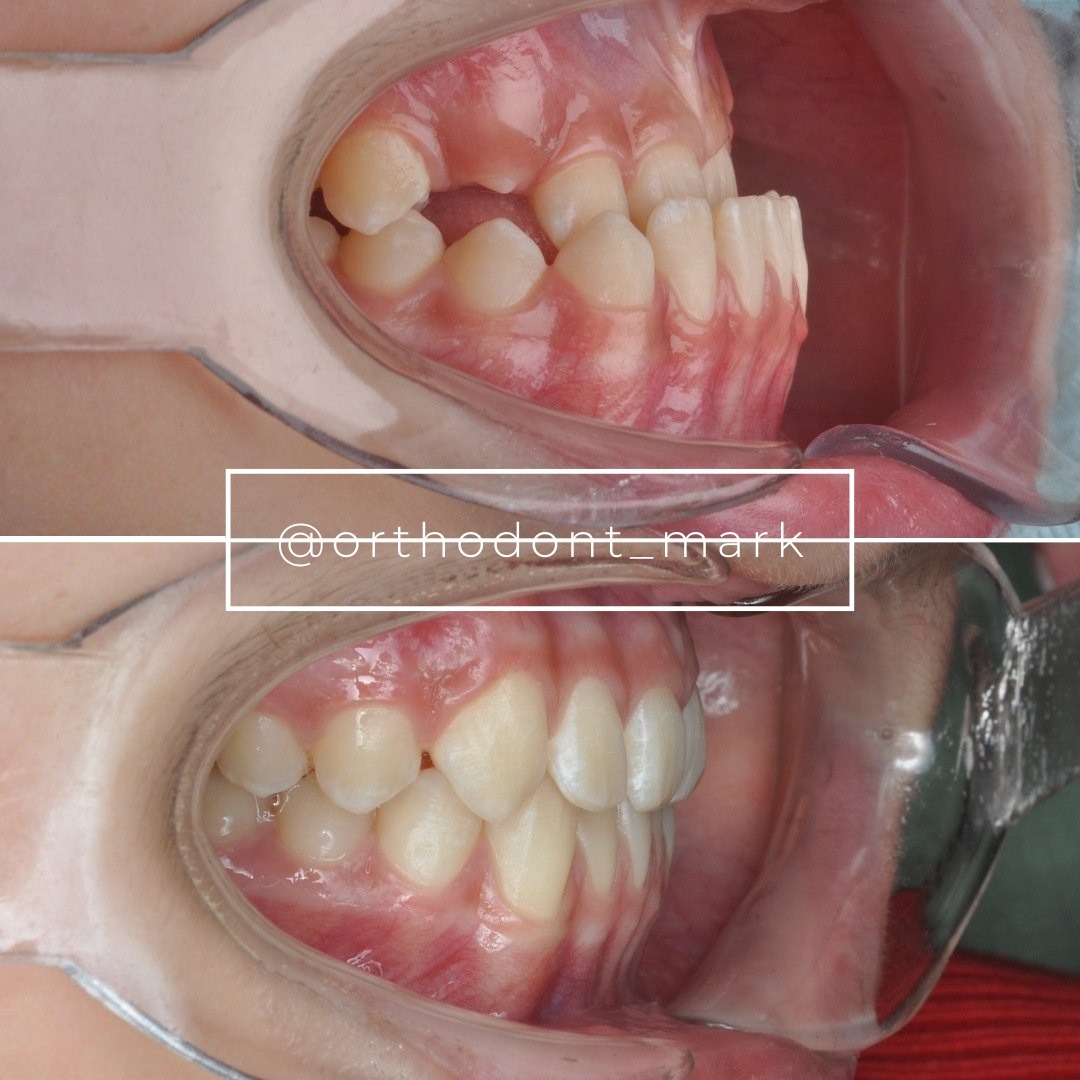
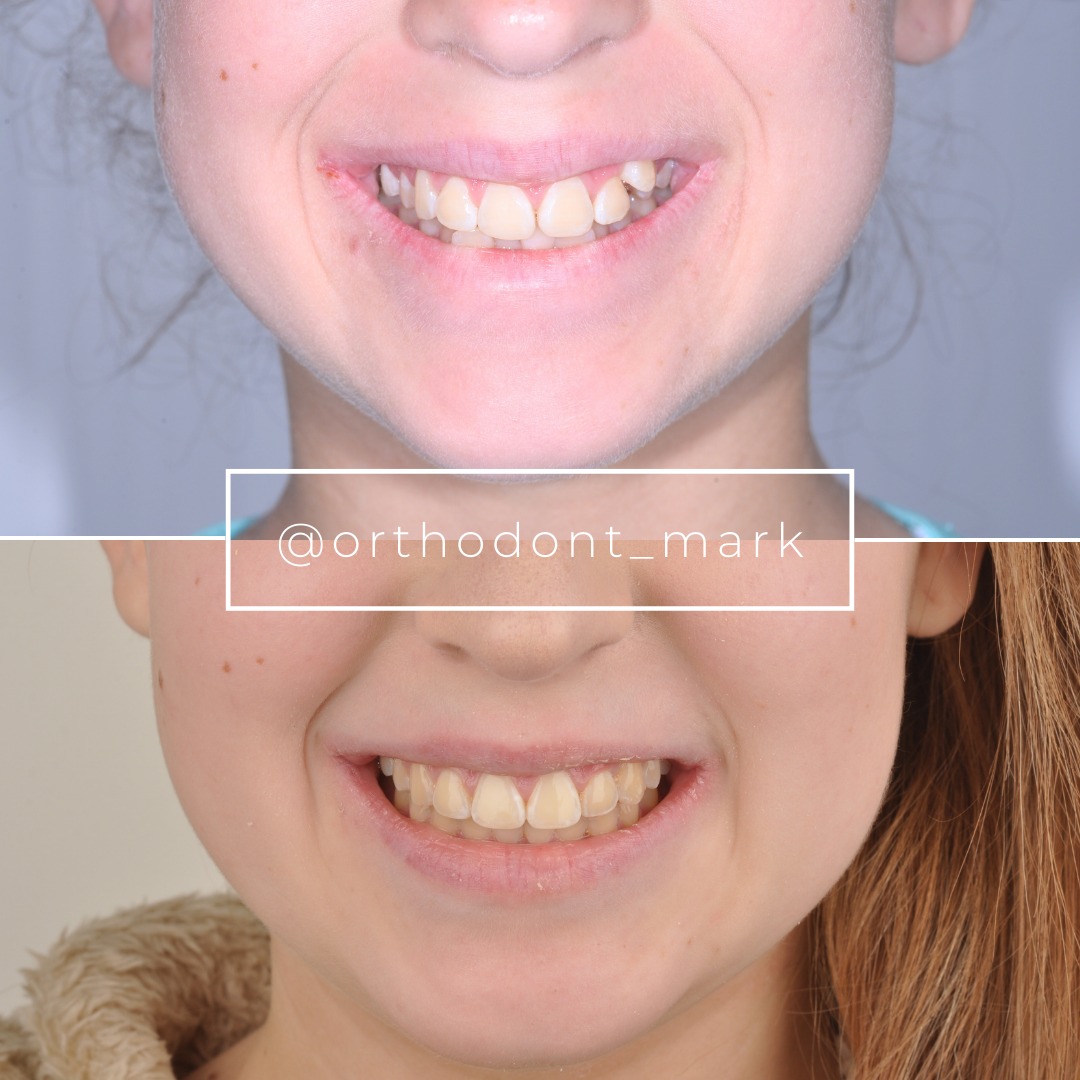
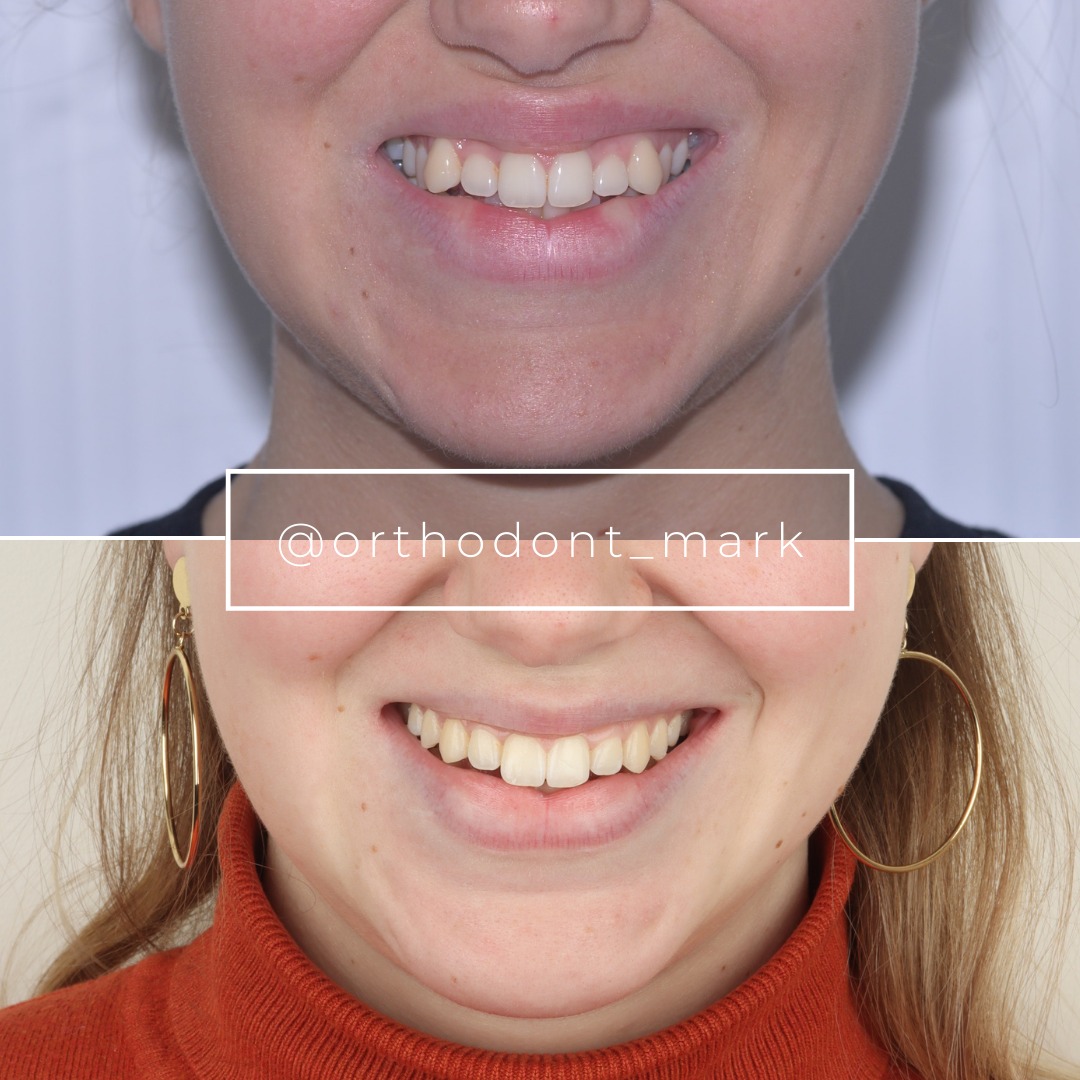
Learn the full MARPE protocol from Dr. Mark Radzhabov
Fundamental course covering CBCT patient selection, miniscrew planning, activation protocols, and 60+ clinical cases. Choose the access level that fits your practice.
Essentials of rapid palatal expansion for practicing orthodontists.
- Core RPE concepts and biomechanics
- 6 structured video lessons
- Clinical decision checklists
- Lifetime access to recordings
Deep-dive into MARPE protocol, diagnostics, and clinical execution.
- 6 modules covering MARPE from A to Z
- CBCT case selection walkthroughs
- Miniscrew placement and activation
- 60+ annotated clinical cases
- Direct Q&A with Dr. Mark Radzhabov
5-element medical consultation framework for dentists and orthodontists.
- Trust-building consultation protocol
- 5 lesson modules
- Templates for treatment plan delivery
- Works with any clinical specialty
Clinical FAQ
What is the recommended age range for rapid palatal expansion in children with sleep disordered breathing?
Tooth-borne RPE is ideal in children ages 6–11 with open midpalatal sutures and adequate dental support. Miniscrew-assisted expansion (MARPE/MSE) extends the age range to 10+ years and near-skeletal maturity, offering skeletal anchorage and reduced dental side effects.
Should I refer for polysomnography before or after clinical SDB screening?
Polysomnography should follow clinical SDB screening and risk stratification. Use your screening questionnaire and physical exam to identify candidates; if red flags are present, refer for PSG. Do not proceed with expansion without objective sleep data confirming SDB.
How does nasal obstruction relate to craniofacial development and sleep breathing disorders?
Chronic nasal resistance forces mouth breathing, which deviates the tongue posteriorly, narrows the maxilla (oral pressure transmission), and promotes high-arched palate. Restoring nasal patency via medical (steroids, antihistamines) or surgical (septoplasty, turbinate reduction) management improves airway anatomy and sleep quality.
What should I measure on the lateral cephalogram to assess obstructive sleep apnea risk?
Key measurements include posterior airway space (PAS) from tongue base to pharyngeal wall (normal >10 mm), mandibular position (SNB angle), maxillary position (SNA angle), skeletal class (ANB), and vertical dimension (FMA, LFH). These guide phenotypic diagnosis and predict expansion response.
Can I start orthodontic treatment (RPE or MARPE) before adenotonsillectomy?
Timing depends on adenoid/tonsillar size, PSG severity, and ENT recommendation. If grade 3–4 obstruction exists, ENT typically recommends AT first. Post-AT PSG (3–6 months) determines if persistent obstruction warrants orthodontic treatment. In some cases, concurrent treatment (AT + expansion activation after healing) is appropriate.
How long after adenotonsillectomy should I schedule repeat polysomnography before starting expansion?
Wait 3–6 months post-adenotonsillectomy for tissue remodeling and adenoid regrowth stabilization. Schedule repeat PSG at this interval to assess whether AT alone resolves SDB or if craniofacial factors (maxillary constriction, skeletal class) are driving persistent obstruction.
What is the role of anterior rhinometry in pre-expansion airway assessment?
Anterior rhinometry objectively measures nasal airway resistance bilaterally (normal <0.25 Pa·s/mL). Baseline measurement documents nasal obstruction severity and guides decisions about concurrent ENT intervention (septoplasty, turbinate reduction). Repeat rhinometry post-expansion can confirm improved nasal patency.
Should allergic rhinitis be treated before I initiate rapid palatal expansion?
Yes. Optimize intranasal corticosteroids and antihistamines 4–8 weeks before expansion start. Untreated allergies perpetuate nasal congestion, reduce expansion benefit, and undermine sleep quality. Allow symptom stability before appliance placement.
What post-expansion imaging should I obtain to assess airway changes?
After active expansion, obtain lateral cephalometric radiographs and compare to baseline (measure PAS, maxillary width, skeletal changes). Cone-beam CT (CBCT) provides three-dimensional airway volume; it is ideal if surgical input is needed or for research documentation.
How do I counsel families on realistic outcomes from expansion for sleep-disordered breathing?
Explain that expansion increases nasal and pharyngeal space, improving airflow and sleep quality, but is not curative for OSA alone. Emphasize that adjunctive measures—positional therapy, weight management, allergen control, continued sleep medicine oversight—remain essential. Set expectations for symptom improvement rather than AHI normalization.
The evidence is clear: not every child with a narrow palate and breathing symptoms is a candidate for RPE alone. A structured pediatric sleep disordered breathing workup before expansion protects patients, improves outcomes, and strengthens your diagnostic credibility. If you are seeing pediatric patients with suspected SDB or planning skeletal expansion, Dr. Mark Radzhabov's protocol offers a reproducible, evidence-based approach. Review case examples and download the screening checklist at ortodontmark.com—or schedule a consultation to discuss complex cases.