
Pre-RPE Screening Checklist:
14 Items Clinicians Skip
And How to Master Them
Identify skeletal expansion candidates, avoid complications, and achieve stable long-term results. This evidence-based checklist covers CBCT analysis, airway assessment, bone density, and suture maturity—essential before any rapid palatal expansion begins.
TL;DR A pre-RPE screening checklist identifies skeletal expansion candidates and prevents treatment failure. This 14-item protocol covers CBCT analysis, airway status, bone density, suture maturity, and systemic factors—overlooked by many clinicians before rapid palatal expansion begins.
Rapid palatal expansion remains a cornerstone of orthodontic treatment across age groups, yet many clinicians begin therapy without completing essential pre-treatment assessment. This article outlines the 14-item pre-RPE screening checklist that separates successful skeletal expansion outcomes from costly compromises. Dr. Mark Radzhabov's evidence-based protocol ensures patient selection, treatment predictability, and reduced relapse—drawing on current literature and two decades of clinical practice at Orthodontist Mark.
Understanding the Pre-RPE Screening Checklist: What It Is and Why It Matters
critical diagnostic protocol
A pre-RPE screening checklist is a systematic 14-point diagnostic protocol that evaluates skeletal maturity, airway anatomy, bone density, suture morphology, and systemic health before initiating rapid palatal expansion therapy. In clinical practice, many orthodontists begin expansion without completing this assessment, relying instead on visual impression or limited radiographic data. This approach frequently results in poor skeletal response, excessive dentoalveolar tilt, airway narrowing, or relapse within 12–24 months. Evidence from recent systematic reviews demonstrates that skeletal expansion success depends critically on pre-treatment characterization—bone density, suture openness, airway baseline, and growth stage all predict treatment stability. The checklist approach, adopted by leading centers using MARPE and miniscrew-assisted expansion, ensures reproducible patient selection and measurable outcomes. By systematizing screening, clinicians reduce decision bias and communicate candidacy clearly to patients before initiating active therapy.
Items 1–4: Cone-Beam CT Analysis and Skeletal Expansion Assessment
CBCT protocol
Cone-beam computed tomography (CBCT) is the diagnostic foundation for any expansion candidate. Item 1: Obtain sagittal, coronal, and axial CBCT reconstructions—these three planes reveal palatal anatomy, suture morphology, maxillary width, and airway cross-section in detail impossible to achieve on 2D radiographs alone. Item 2 requires assessment of medial pterygoid plates and posterior maxillary anatomy, because these structures guide expansion vector and predict skeletal versus dentoalveolar movement. Item 3 mandates measurement of current transverse maxillary dimension at three levels—this baseline establishes treatment goals and documents pre-treatment asymmetry. Item 4 involves evaluation of palatal suture maturity—dense, interdigitated sutures in skeletally mature patients signal lower expansion efficiency and higher relapse risk. Research on rapid palatal expansion confirms that bone density and suture stage are the strongest predictors of skeletal response. Without CBCT data, clinicians cannot differentiate true skeletal candidates from dentoalveolar-dominant cases, leading to inappropriate treatment selection and suboptimal results.
Items 5–8: Airway, Bone Density, and Skeletal Maturity Screening
airway assessment
Item 5 requires baseline airway assessment—measure pyriform aperture width, nasopharyngeal cross-section, and adenoid-to-airway ratio from CBCT. This step identifies patients who may benefit therapeutically from expansion (those with obstructive patterns) and those at risk for airway compromise. Item 6 mandates bone density evaluation using CBCT grayscale—denser palatal bone (higher Hounsfield units) indicates lower expansion potential and higher relapse likelihood. Item 7 involves assessment of skeletal maturity via cervical vertebral maturation (CVM) stage or hand-wrist radiograph—growing patients (CVM 1–4) respond far more predictably to rapid palatal expansion than skeletally mature adolescents or adults. Item 8 screens for systemic factors: cleft palate history, connective tissue disorders, medications affecting bone metabolism, or previous palatal trauma—each modifies treatment approach and prognosis. Clinical observation confirms that patients with open-suture anatomy and normal bone density achieve 2–3× greater skeletal response than skeletally mature patients with dense palatal bone. Airway baseline assessment also prevents iatrogenic narrowing; expansion should improve, not compromise, respiratory function.
Items 9–12: Dental, Periodontal, and Occlusal Pre-Expansion Screening
periodontal assessment
Item 9 screens for root morphology and dental health—assess root length, curvature, and presence of periapical pathology on CBCT. Long, curved roots in maxillary molars may restrict expansion and increase tipping. Item 10 requires periodontal probing, attached gingiva assessment, and bone level documentation—patients with compromised periodontium tolerate expansion less well and face higher relapse and bone loss risk. Item 11 evaluates existing crowding severity and molar relationship—severe crowding may limit dentition ability to accommodate expansion or may indicate dentoalveolar versus skeletal dimension inadequacy. Item 12 involves assessment of dental midline relationship, canting, and existing rotations—these observations help predict whether expansion alone will resolve the malocclusion or whether sequential treatment phases are required. Clinically, patients with healthy periodontium, adequate attached gingiva, and no severe crowding exhibit better tissue remodeling and lower relapse. Expansion forces transmitted through compromised periodontal support or through teeth with root anomalies frequently fail to achieve stable skeletal correction.
Items 13–14: Age, Growth Stage, and Treatment Method Selection
patient selection protocol
Item 13 requires precise age and growth stage documentation—rapid palatal expansion success varies dramatically by skeletal maturity. Growing patients (prepubertal through early pubertal stages) achieve predominantly skeletal expansion, while late-pubertal and post-pubertal patients respond with greater dentoalveolar tilt and lower skeletal efficiency. Age-dependent effectiveness tables from clinical research confirm that rapid palatal expansion in young patients achieves superior skeletal response with minimal relapse, whereas adolescents and adults benefit from miniscrew-assisted approaches (MARPE or MSE) to overcome dense palatal bone and provide truly skeletal correction. Item 14 finalizes treatment method selection: tooth-borne RPE for growing patients with open sutures, or miniscrew-assisted rapid palatal expansion for skeletally mature patients and those requiring absolute skeletal control. This decision directly impacts prognosis; using conventional RPE in a skeletally mature patient virtually guarantees dentoalveolar tilt, relapse, and post-treatment dental instability. Conversely, oversselecting MARPE for a 7-year-old child with ideal growth pattern and open sutures unnecessarily adds surgical complexity when simple tooth-borne expansion would succeed. Orthodontist Mark emphasizes that matching patient maturity and anatomy to the correct expansion modality is the final checkpoint before active treatment begins.
Putting the Pre-RPE Screening Checklist Into Daily Practice
workflow documentation
Create a templated checklist form within your practice management software. Each of the 14 items should be a checkbox with supporting fields for measurements, observations, or attachments (CBCT reconstructions, airway measurements, bone density notes). Establish a pre-expansion conference protocol—schedule a 15-minute meeting between clinician, assistant, and patient (ideally with guardian) to review findings, confirm candidacy, discuss realistic timeline, and set expectations for retention phase duration. Document every screening outcome: completed checklist becomes part of the permanent record and medicolegal safeguard. Use CBCT measurement tools systematically—palatal suture morphology scoring, transverse dimension at alveolar crest versus skeletal maxilla level, airway cross-section at three landmarks (nasopharynx, oropharynx, hypopharynx). Photograph baseline intraoral and extraoral views—visual baseline aids post-treatment comparison and supports claims of skeletal change. Implement a “fail-safe” rule: if any three of the 14 items suggest poor candidacy, pause and consider alternative treatment, second opinion, or delayed expansion timing. Clinics adopting this structured approach report higher treatment satisfaction, reduced complications, and improved long-term stability—measurable in retention-phase compliance and post-treatment relapse rates.
Free Clinical Guide
Which Expansion Appliance at Which Age?
Get Dr. Mark Radzhabov's guide to skeletal-expansion appliances — indications, pros & cons, and how to choose by patient age. Free to your inbox.
Prefer video? Watch the free demo lesson on MARPE appliance types, features and trade-offs.
Documented outcomes
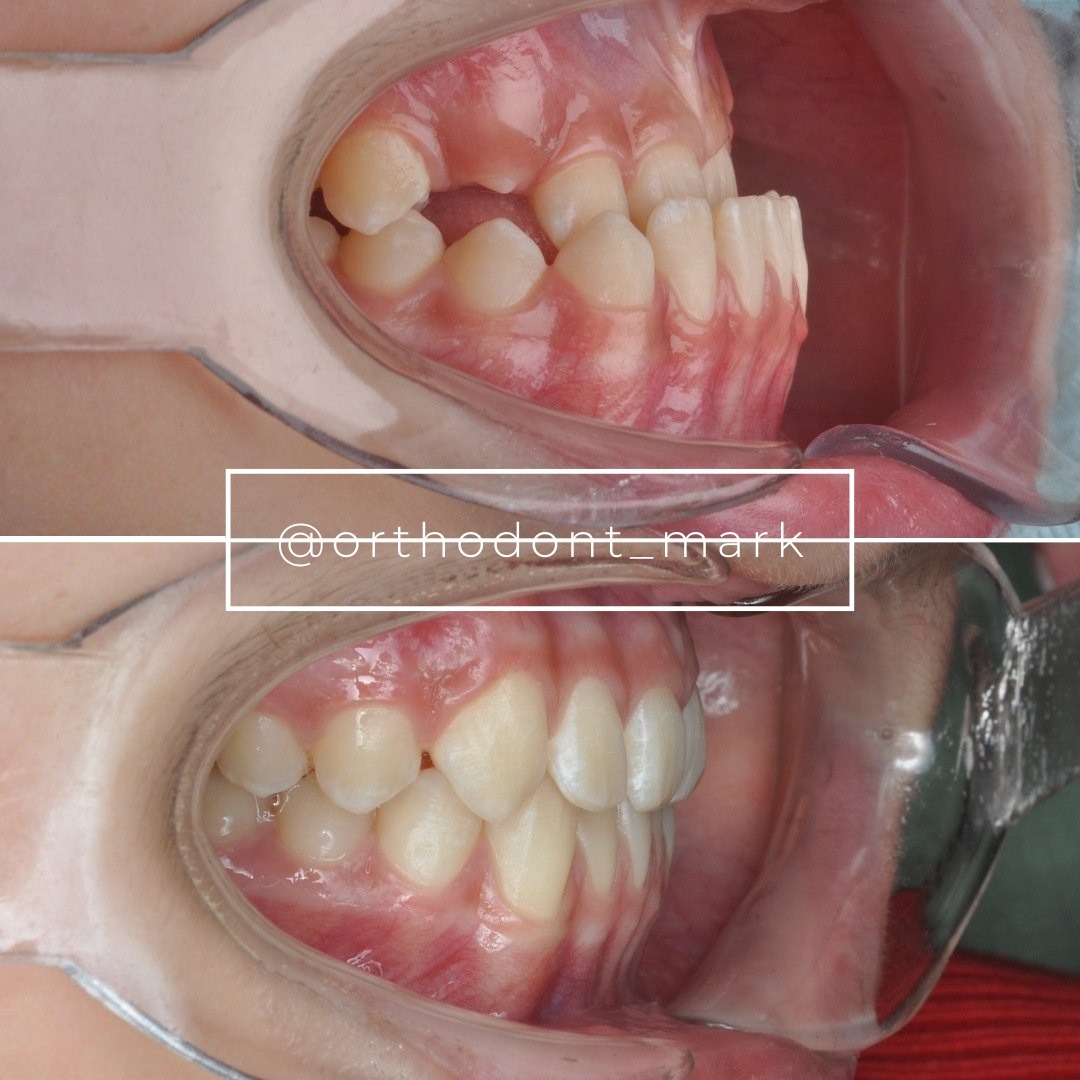
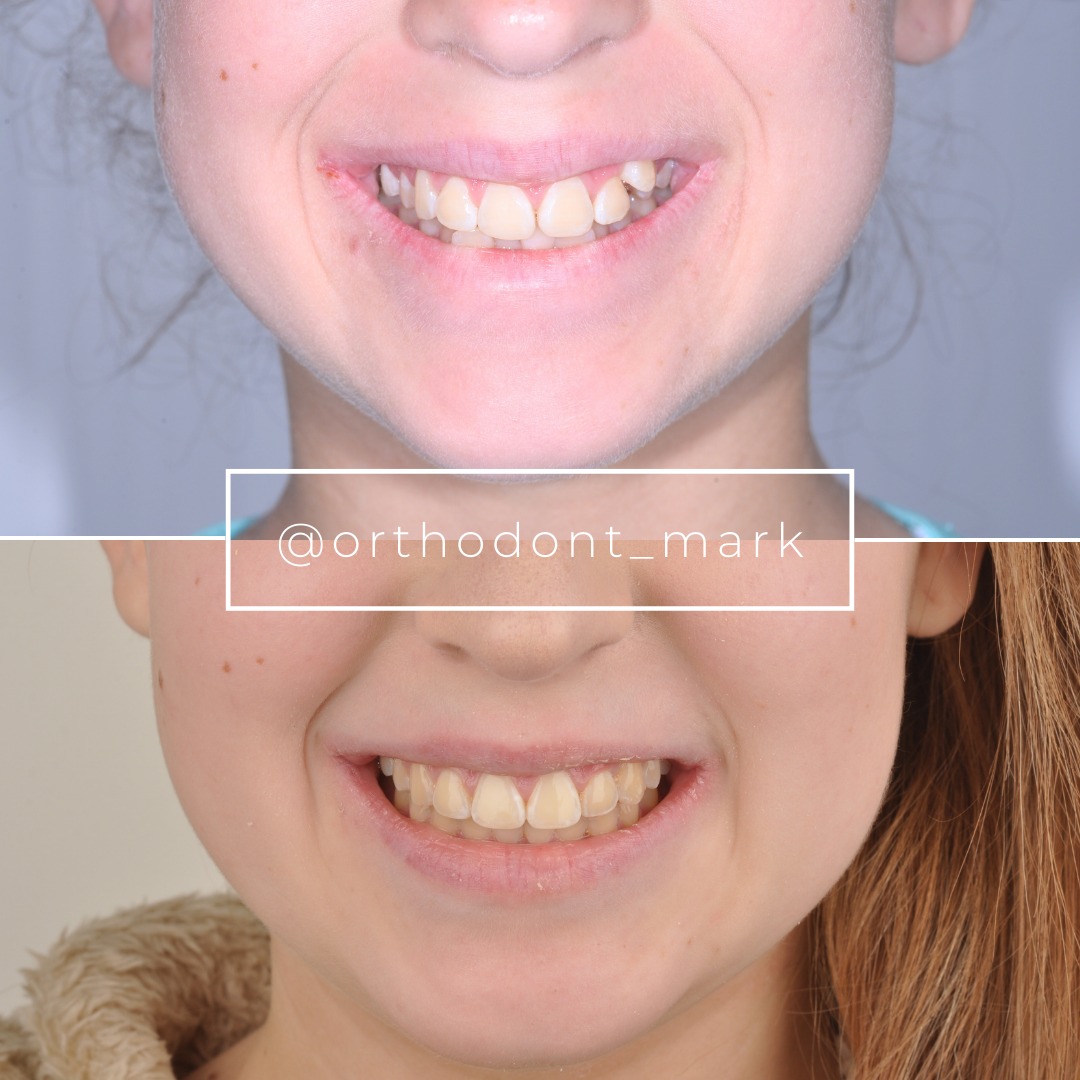
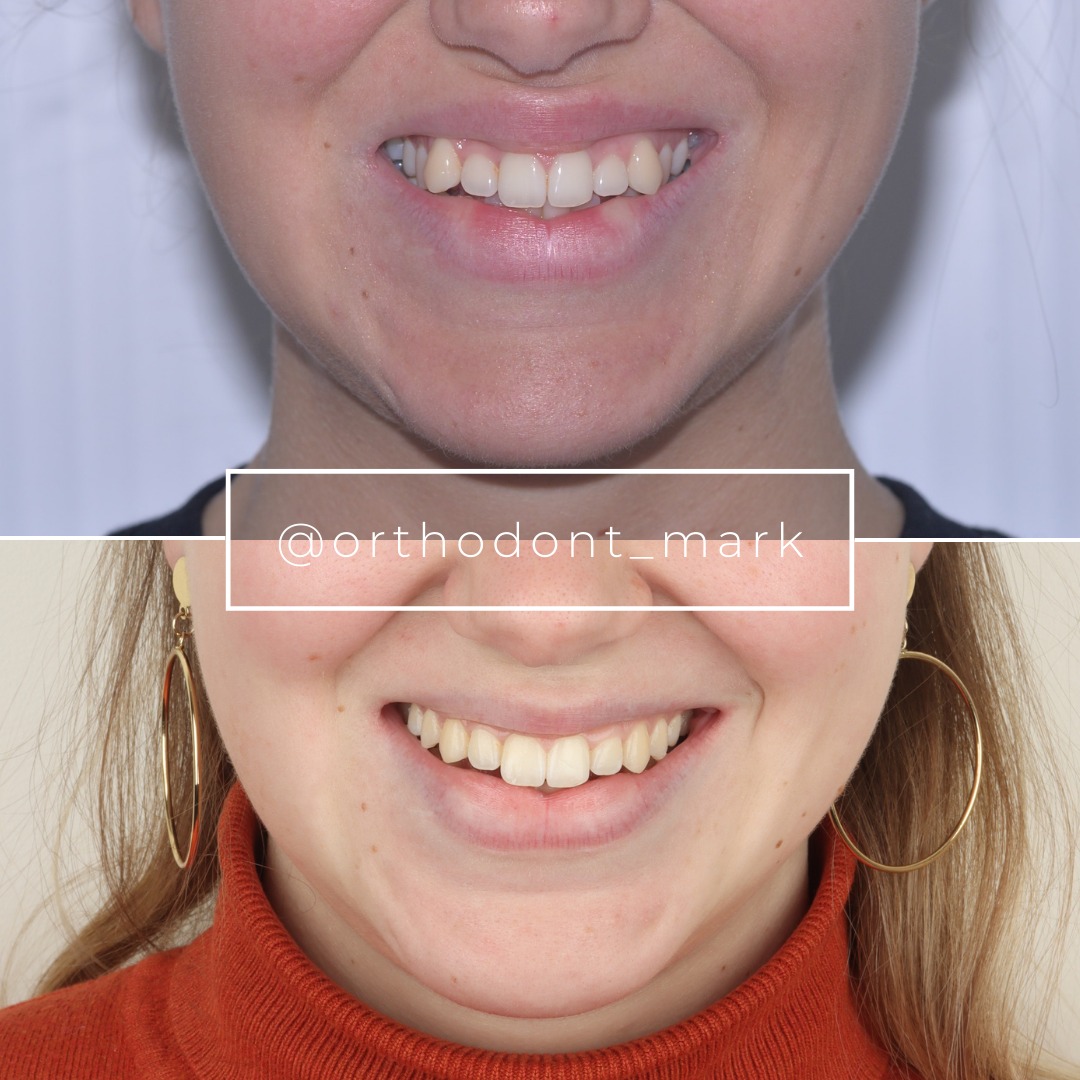
Clinical cases from Dr. Mark Radzhabov's practice
Learn the full MARPE protocol from Dr. Mark Radzhabov
Fundamental course covering CBCT patient selection, miniscrew planning, activation protocols, and 60+ clinical cases. Choose the access level that fits your practice.
Essentials of rapid palatal expansion for practicing orthodontists.
- Core RPE concepts and biomechanics
- 6 structured video lessons
- Clinical decision checklists
- Lifetime access to recordings
Deep-dive into MARPE protocol, diagnostics, and clinical execution.
- 6 modules covering MARPE from A to Z
- CBCT case selection walkthroughs
- Miniscrew placement and activation
- 60+ annotated clinical cases
- Direct Q&A with Dr. Mark Radzhabov
5-element medical consultation framework for dentists and orthodontists.
- Trust-building consultation protocol
- 5 lesson modules
- Templates for treatment plan delivery
- Works with any clinical specialty
Clinical FAQ
What is the optimal age window for conventional rapid palatal expansion before skeletal response declines?
Conventional tooth-borne RPE achieves maximum skeletal response in prepubertal and early-pubertal patients (ages 5–9 years). Post-pubertal patients show predominantly dentoalveolar response; miniscrew-assisted expansion becomes necessary for true skeletal correction in adolescents and adults.
Why is CBCT mandatory before rapid palatal expansion, and can 2D radiographs suffice?
CBCT reveals palatal suture morphology, bone density, airway anatomy, and transverse maxillary dimensions in three planes—essential for candidacy assessment and miniscrew placement planning. 2D radiographs cannot visualize suture stage or airway cross-section adequately, leading to poor case selection.
How do I assess palatal bone density from CBCT, and what density level indicates poor expansion prognosis?
Use CBCT grayscale analysis or bone-density measurement tools (Hounsfield units). Dense palatal bone (>800 HU equivalent) in skeletally mature patients predicts lower skeletal response and higher relapse risk. Open sutures with intermediate density favor skeletal expansion.
What periodontal findings contraindicate rapid palatal expansion, and when should I defer treatment?
Active periodontal disease, bone loss >25% of root length, insufficient attached gingiva (<2 mm), or recent extraction sites favor deferral or miniscrew-assisted expansion instead. Healthy periodontium is a prerequisite for tooth-borne expansion success.
Is airway baseline assessment part of standard pre-RPE screening, or only for sleep-apnea cases?
Airway baseline assessment is standard for all expansion candidates. Rapid palatal expansion should improve or maintain airway space, not compromise it. Pre-treatment baseline prevents post-treatment complications and documents therapeutic benefit in obstructed patients.
How do I differentiate skeletal versus dentoalveolar expansion adequacy using pre-treatment CBCT?
Measure transverse maxillary width at alveolar-crest level and at skeletal maxilla level (above tooth apices). If difference exceeds 5 mm, dentoalveolar components dominate; true skeletal constriction requires measurement at palatal vault and piriform aperture levels.
What is the minimum treatment duration for rapid palatal expansion expansion to achieve stable skeletal remodeling?
Evidence-based protocols recommend 8+ weeks of intensive expansion (active phase), followed by 6 months of consolidation and retention before appliance removal. Shorter duration risks incomplete suture remodeling and early relapse.
Should I order cervical vertebral maturation (CVM) staging routinely, or is it optional in pre-RPE screening?
CVM staging is recommended for all patients aged 7–15 years to confirm skeletal maturity and predict expansion response. Growing patients (CVM 1–4) warrant conventional RPE; post-pubertal patients (CVM 5–6) benefit from miniscrew support.
How does miniscrew-assisted rapid palatal expansion (MARPE) change the pre-screening protocol compared to conventional RPE?
MARPE adds assessment of palatal anatomy for miniscrew placement zones, but core screening items remain identical. MARPE expands the candidacy pool to include skeletally mature patients and those with dense bone unsuitable for tooth-borne expansion.
What specific CBCT measurements predict post-expansion relapse risk, and which patients require extended retention?
Dense palatal bone (>800 HU), interdigitated sutures, age >12 years, and baseline asymmetry >2 mm predict higher relapse. These patients require 6–12 months extended retention and periodic post-treatment monitoring to verify stability.
Implementing a comprehensive pre-RPE screening checklist transforms clinical outcomes and reduces treatment surprises. Skipping even one or two items invites relapse, poor bone remodeling, or airway complications that compromise long-term stability. If you're ready to refine your expansion protocol or need guidance on a complex case, explore Orthodontist Mark's MARPE and RPE consultation pathways or enroll in our diagnostic mastery course—Dr. Mark Radzhabov personally reviews cases to optimize your case selection.