
Adverse Effects of RPE:
Comprehensive Evidence Review
for Orthodontists
Evidence-based analysis of rapid palatal expansion complications, their reversibility, and proven management strategies to protect periodontal and skeletal outcomes.
TL;DR Rapid palatal expansion produces significant adverse effects across periodontal, skeletal, and airway domains. Key complications include temporary inflammation, root resorption risk, dental tipping, and rare palatal hypertrophy; however, most effects resolve post-treatment with proper retention protocols and patient monitoring.
Rapid palatal expansion remains a cornerstone of transverse maxillary correction in mixed and early permanent dentition, yet clinicians must navigate a complex landscape of potential adverse effects. In this systematic review, Dr. Mark Radzhabov synthesizes evidence on the complications associated with RPE—from periodontal inflammation and root resorption to skeletal and airway-related side effects. Understanding the nature, incidence, and reversibility of these complications is essential for informed patient counseling, evidence-based treatment planning, and optimization of retention protocols to minimize long-term relapse.
What Are the Main Adverse Effects of RPE?
Main Adverse Effects
Adverse effects of RPE span multiple domains: periodontal, dental, skeletal, and systemic. Periodontal complications include transient inflammation, bleeding on probing, increased plaque accumulation, and in rare cases, gingival recession or fenestration of the buccal cortex. Dental effects encompass root resorption, buccal tipping of posterior teeth, extrusion, and rotational changes in molar position. Skeletal and airway-related responses include nasal septal deviation effects, changes in adenoid and tonsillar volume, and temporary palatal edema or hypertrophy. Most complications manifest during the active expansion phase (7–20 days) or early consolidation period and show significant reversal during retention, provided the expander remains in place and periodic prophylaxis is maintained. However, certain effects—such as severe root resorption or persistent palatal swelling—can become permanent without intervention. Clinical observation suggests that patient age, bone density, activation protocol, and pre-existing periodontal health significantly influence both incidence and severity of adverse outcomes.
Periodontal Response to RPE:
Inflammation & Recovery
What the Research Shows
Clinical investigations comparing rapid and slow palatal expansion demonstrate that both modalities produce significant periodontal inflammation during the active and early consolidation phases. Plaque index and papillary bleeding index values increase from baseline through the active expansion period, reflecting microbiological shift and inflammatory mediator activation (IL-1β, β-glucuronidase). However, these indices return to baseline levels during retention without significant long-term differences between rapid and slow expansion cohorts. This pattern indicates that the periodontal response is largely transient and reversible. Probing pocket depth increases during active treatment in the rapid expansion group but remains stable in slow expansion; again, values normalize by the retention phase. The critical clinical implication is that pre-treatment prophylaxis and periodic monitoring during consolidation are essential to prevent irreversible periodontal damage. In patients with pre-existing gingivitis or poor oral hygiene, the inflammatory response is exacerbated, and the risk of persistent gingival recession or alveolar bone loss increases substantially.
Persistent Adverse Effects:
Palatal Hypertrophy & Rare Cases
When RPE Side Effects Don't Resolve
While most rapid palatal expansion adverse effects are temporary, permanent complications can occur, particularly in skeletally mature or aggressive expansion protocols. Persistent palatal hypertrophy—swelling or mucosal thickening that does not resolve after appliance removal—represents a rare but clinically significant complication. A 2020 case report documented a 13-year-old patient who experienced palatal mucosal swelling persisting three months post-treatment, resulting in food retention and patient discomfort. The etiology of persistent hypertrophy remains unclear but may relate to excessive force magnitude, prolonged consolidation, or individual inflammatory response variability. Management of persistent palatal hypertrophy may require surgical intervention, including tissue contouring or palatal flap procedures. Permanent root resorption and severe buccal fenestration are additional serious complications, more common in skeletally mature patients or those receiving high-magnitude forces. Risk factors for permanent adverse effects include activation rates exceeding 0.25 mm per day, treatment duration exceeding 20 days without adequate consolidation, and pre-existing periodontal disease. When implementing miniscrew-assisted rapid palatal expansion or skeletal expansion protocols, clinicians should use conservative activation schedules and extended consolidation periods to mitigate these risks.
Airway Response to RPE:
Nasal & Adenoid Changes
Therapeutic and Adverse Dimensions
Rapid palatal expansion produces significant airway remodeling in children, with both therapeutic and potentially adverse components. Nasal airway expansion via increased maxillary width and pyriform aperture enlargement improves nasal breathing and reduces resistance in children with maxillary constriction and obstructive sleep apnea. Studies in children with OSA demonstrate that RPE activates for 10–20 days with 4–6 weeks consolidation achieves apnea-hypopnea index reduction from baseline 12.2 events/hour to < 1 event/hour post-treatment, accompanied by mean transverse maxillary expansion of 4.32 ± 0.7 mm. However, adenoid and tonsillar hypertrophy changes during and after expansion warrant careful monitoring. Recent volumetric analysis using cone beam computed tomography shows that while some children experience adenoid size reduction following RPE, others demonstrate persistence or mild enlargement of lymphoid tissue. The mechanism likely involves remodeling of the nasopharyngeal and oropharyngeal spaces rather than true reduction in adenoid mass. Clinicians should obtain baseline and follow-up imaging in children with sleep-disordered breathing to distinguish therapeutic airway benefits from compensatory adenoid hypertrophy. In rare cases, adenoid enlargement following RPE may precipitate sleep-disordered breathing or require adenotonsillectomy despite initial airway improvement.
Minimizing Adverse Effects:
Protocol & Prevention
Best Practices for RPE Management
Prevention and early detection of rapid palatal expansion adverse effects requires a systematic clinical protocol spanning patient selection, pre-treatment optimization, activation management, and extended retention. Begin with comprehensive assessment: intraoral and extraoral photographs, periapical radiographs for root morphology, and CBCT imaging to evaluate alveolar bone thickness, root proximity, and baseline adenoid volume if airway concerns exist. Perform thorough periodontal prophylaxis and plaque removal 7 days before appliance insertion; patients with gingivitis should complete anti-inflammatory therapy beforehand. During active expansion, limit activation rate to 0.25 mm per day and educate patients on oral hygiene—soft interdental brushes and antimicrobial rinses reduce plaque accumulation and bleeding. Consolidation phase (6–12 months) is critical: maintain the expander in place without activation and schedule prophylaxis appointments every 4–6 weeks. Monitor for palatal edema, assess probing pocket depths monthly, and obtain follow-up imaging at 3 and 6 months to detect buccal fenestration or root resorption early. Extended retention (12–24 months post-consolidation) using fixed or removable palatal retainers prevents relapse and allows periodontal remodeling to stabilize. For cases with pre-existing periodontal disease, skeletal maturity, or planned expansion > 10 mm, consider miniscrew-assisted rapid palatal expansion protocols or skeletal expansion alternatives that distribute forces more favorably.
Patient Selection & Risk Stratification:
Choosing the Right Expansion Modality
RPE vs. Alternative Protocols
Not all patients are equally suitable for conventional rapid palatal expansion. Risk stratification should guide modality selection and expectations management. Low-risk candidates for standard RPE include children aged 7–13 years with healthy periodontal tissues, adequate alveolar bone thickness (≥ 5 mm labial cortex), normal root morphology, and planned maxillary expansion < 8 mm. These patients tolerate tooth-borne expansion forces well, show excellent periodontal recovery during retention, and experience minimal root resorption. Intermediate-risk patients include early adolescents (14–16 years) with mild periodontal disease history, borderline alveolar bone thickness, or expansion requirements 8–10 mm. These cases benefit from extended consolidation (9–12 months) and rigorous prophylaxis schedules; consider reduced activation rates (0.2 mm/day) to minimize inflammatory response. High-risk candidates include skeletally mature patients (> 16 years), those with pre-existing gingivitis or bone loss, thin labial cortex, or expansion requirements > 10 mm. For these patients, miniscrew-assisted rapid palatal expansion or skeletal expansion protocols distributing forces to the palatal vault rather than teeth offer superior periodontal and skeletal outcomes. Clinical observation indicates that skeletal expansion alternatives also reduce dental side effects while achieving comparable transverse correction. When implementing conventional RPE in high-risk cases, mandatory precautions include baseline CBCT assessment, conservative activation (0.2 mm/day or slower), and consideration of staged expansion across multiple phases.
Free Clinical Guide
Which Expansion Appliance at Which Age?
Get Dr. Mark Radzhabov's guide to skeletal-expansion appliances — indications, pros & cons, and how to choose by patient age. Free to your inbox.
Prefer video? Watch the free demo lesson on MARPE appliance types, features and trade-offs.
Documented outcomes
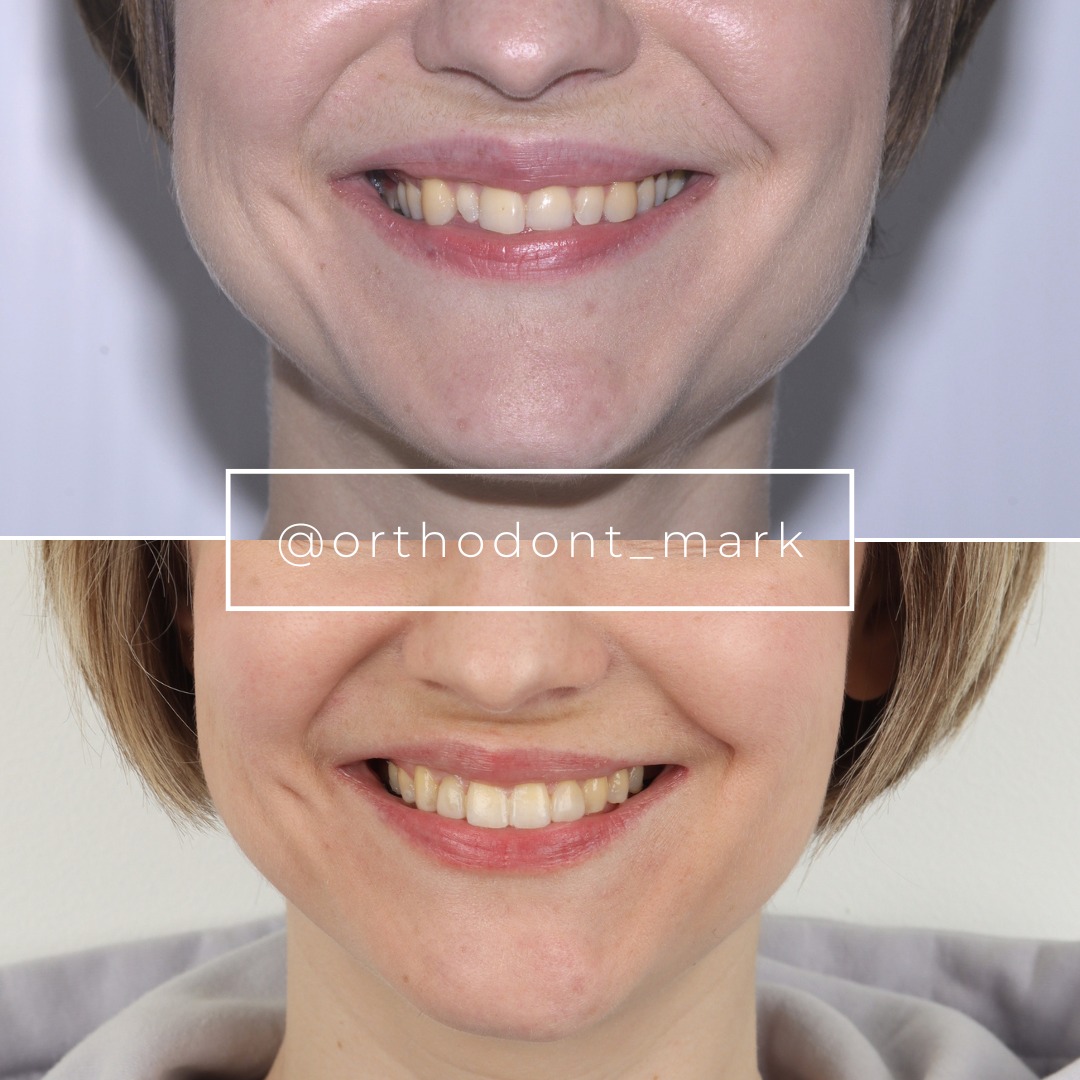
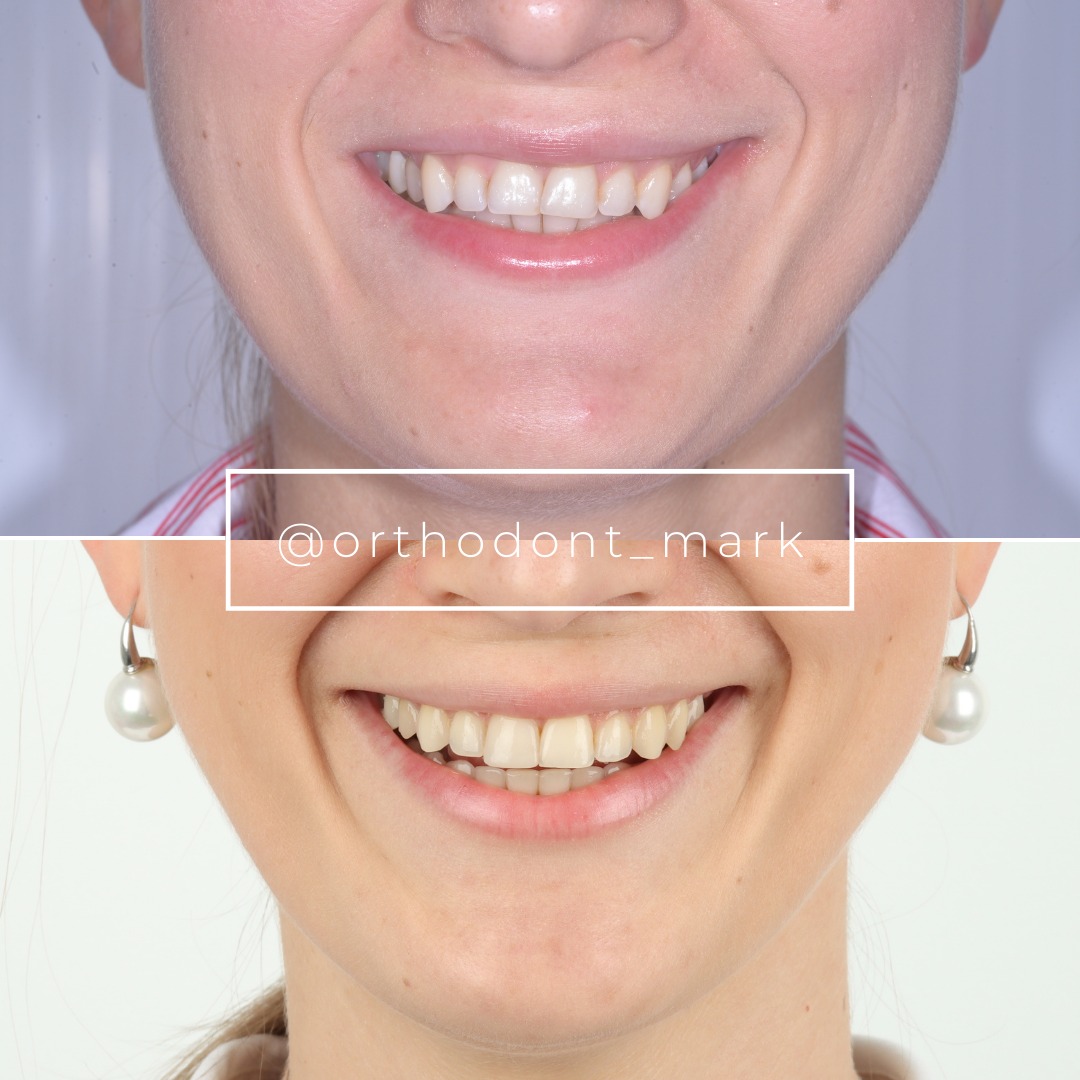
Clinical cases from Dr. Mark Radzhabov's practice
Learn the full MARPE protocol from Dr. Mark Radzhabov
Fundamental course covering CBCT patient selection, miniscrew planning, activation protocols, and 60+ clinical cases. Choose the access level that fits your practice.
Essentials of rapid palatal expansion for practicing orthodontists.
- Core RPE concepts and biomechanics
- 6 structured video lessons
- Clinical decision checklists
- Lifetime access to recordings
Deep-dive into MARPE protocol, diagnostics, and clinical execution.
- 6 modules covering MARPE from A to Z
- CBCT case selection walkthroughs
- Miniscrew placement and activation
- 60+ annotated clinical cases
- Direct Q&A with Dr. Mark Radzhabov
5-element medical consultation framework for dentists and orthodontists.
- Trust-building consultation protocol
- 5 lesson modules
- Templates for treatment plan delivery
- Works with any clinical specialty
Clinical FAQ
What are the most common adverse effects of rapid palatal expansion in children?
Temporary periodontal inflammation (increased plaque and bleeding), dental tipping, and root resorption during active treatment are most common. Most resolve during consolidation and retention with proper prophylaxis and extended appliance wear.
How long does periodontal inflammation persist after RPE treatment?
Plaque index and bleeding on probing typically normalize within 6–12 months of consolidation if prophylaxis is maintained and the expander remains in place. Extended retention (12–24 months) ensures complete periodontal remodeling.
What is the risk of root resorption with rapid palatal expansion?
Root resorption incidence ranges 5–25% depending on skeletal maturity, bone type, and activation protocol. Variable severity is reported; severe resorption is rare (< 5%) when conservative activation (0.25 mm/day) and extended consolidation are used.
Can persistent palatal swelling or hypertrophy occur after RPE removal?
Rare but documented. Persistent palatal hypertrophy affects < 5% of patients and may require surgical intervention if unresolved after 3 months. Conservative activation and extended consolidation reduce incidence.
How does RPE affect the airway and adenoid size in children with sleep apnea?
RPE improves nasal airway volume and reduces apnea-hypopnea index (mean 12.2 to < 1 event/hour). Adenoid volume response is variable; some children show reduction, others persistence. Imaging follow-up recommended.
What is the optimal activation rate to minimize adverse effects of rapid palatal expansion?
0.25 mm per day is standard; 0.2 mm/day recommended for high-risk patients (skeletally mature, thin cortex, pre-existing periodontal disease). Slower rates reduce inflammatory response and root resorption risk.
Should rapid palatal expansion be avoided in patients with pre-existing gingivitis?
Not avoided, but requires pre-treatment optimization: complete periodontal therapy, prophylaxis, and inflammatory resolution 1–2 weeks before appliance delivery. Extended consolidation (9–12 months) and monthly prophylaxis are mandatory.
How long should the RPE appliance remain in place during consolidation?
Minimum 6 months; 9–12 months recommended for optimal periodontal remodeling and relapse prevention. Extended consolidation reduces the risk of permanent adverse effects and early relapse.
What imaging protocols help detect early rapid palatal expansion adverse effects?
Baseline CBCT for alveolar bone thickness and root proximity; periapical radiographs monthly during active treatment to detect early root resorption; CBCT at 3–6 months post-consolidation to assess buccal fenestration risk.
When should MARPE or skeletal expansion be considered instead of conventional RPE?
In skeletally mature patients, those with thin labial cortex, pre-existing bone loss, or expansion requirements > 10 mm. MARPE and skeletal expansion alternatives distribute forces to palatal vault, reducing dental tipping and periodontal damage.
The evidence demonstrates that while rapid palatal expansion adverse effects are common during and immediately after treatment, most are temporary and resolve with appropriate management. Clinicians should prioritize pre-treatment prophylaxis, periodic periodontal monitoring, and comprehensive retention strategies to mitigate permanent damage. For a detailed case-based approach to RPE treatment planning and complication prevention, explore Dr. Mark Radzhabov's consultation offerings and clinical protocols at ortodontmark.com.

