
RPE Contraindications
Contraindications
Who Should NOT Get Rapid Palatal Expansion
Evidence-based clinical guidelines for identifying ineligible patients. Protect airway function, periodontal health, and skeletal integrity by mastering contraindication assessment.
TL;DR RPE contraindications include adenotonsillar hypertrophy without airway assessment, severe periodontal disease, cleft palate anatomy, and patients with ossified palatal suture. Safe expansion requires careful patient selection and skeletal maturity evaluation before commencing treatment.
Not every patient with a narrow palate is a candidate for rapid palatal expansion. Understanding who should NOT get RPE — and why — is essential for clinical safety and treatment success. In this evidence-based review, Dr. Mark Radzhabov examines the key contraindications, patient selection red flags, and anatomical factors that should guide your case planning, drawing on peer-reviewed literature and over a decade of clinical practice at Orthodontist Mark.
What Are RPE Contraindications?
Contraindications
RPE contraindications are clinical conditions or anatomical findings that make rapid palatal expansion unsafe or ineffective, requiring alternative treatment strategies or additional medical clearance. Not every narrow palate warrants expansion therapy. Patient selection is the cornerstone of predictable outcomes and complication prevention. Contraindications fall into three categories: airway-related (adenotonsillar enlargement, sleep-disordered breathing history), periodontal (advanced bone loss, severe gingival inflammation), and skeletal (cleft palate, severe asymmetry, ossified midpalatal suture in older adolescents). A systematic pretreatment evaluation — including airway imaging, sleep history questionnaire, periodontal probing, and skeletal assessment — identifies which patients benefit from rapid palatal expansion and which require modified protocols, alternative appliances, or collaborative medical intervention. Clinical observation shows that even experienced clinicians occasionally overlook subtle contraindications, leading to airway compromise or iatrogenic periodontal damage.
Adenotonsillar Hypertrophy: The Primary Airway Contraindication
Adenotonsillar Hypertrophy
Enlarged adenoids and tonsils represent a major contraindication to RPE in pediatric patients when assessed as a standalone problem. Adenotonsillar hypertrophy is present in approximately 85% of children with obstructive sleep apnea (OSA); in these cases, conventional treatment guidelines recommend adenotonsillectomy as the first-line intervention, not orthodontic expansion. However, the relationship between RPE and lymphoid tissue size is nuanced. Recent volumetric analysis using cone-beam computed tomography (CBCT) shows that RPE can reduce adenoid and tonsillar dimensions secondary to improved nasal airflow and tongue posture elevation — but only when baseline hypertrophy is mild-to-moderate and there is no documented sleep apnea diagnosis. In children with documented OSA and severe tonsillar enlargement (Grade 3–4), RPE should not be initiated without otolaryngologic clearance and polysomnography. The critical distinction: RPE is contraindicated in symptomatic sleep apnea with large adenoids; it may be therapeutic in asymptomatic airway narrowness due to palatal constriction. Practitioners must distinguish between patients suitable for expansion and those requiring ENT intervention first.
Sleep Apnea History: When Expansion Is Not the Answer
Sleep Apnea
A documented history of obstructive sleep apnea (OSA) or sleep-disordered breathing is a red flag that demands careful case assessment before RPE initiation. While some pediatric data suggest that RPE can improve OSA symptoms in children with maxillary constriction and absence of adenotonsillar hypertrophy, patients with established apnea diagnosed by polysomnography require specialist clearance and modified treatment protocols. The distinction is clinical: in children with maxillary narrowing, normal adenoid/tonsillar size, and mild OSA, RPE has been shown to reduce apnea-hypopnea index (AHI) substantially — one study reported reduction from a mean AHI of 12.2 events per hour to <1 event per hour at 4-month follow-up. Conversely, in patients with moderate-to-severe sleep apnea, adenotonsillar enlargement, or high pretreatment AHI, RPE alone is insufficient and may worsen breathing temporarily during the active expansion phase. Parents and patients must understand that sleep apnea diagnosis represents a contraindication to rapid expansion unless coordinated with sleep medicine and ENT specialists. Many clinicians advise completing adenotonsillectomy or CPAP stabilization before commencing RPE in symptomatic patients.
Periodontal Contraindications: Bone Loss and Inflammation
Periodontal Contraindications
Advanced periodontal disease and severe gingival inflammation are relative-to-absolute contraindications for RPE. The periodontal tissues experience mechanical stress during rapid expansion; the palatal mucosa is stretched, and inflammatory mediators (interleukin-1β, β-glucuronidase) elevate in response to bone remodeling. In patients with pre-existing bone loss, compromised gingival height, or active periodontitis, this additional trauma can accelerate periodontal deterioration and lead to irreversible attachment loss. Clinical assessment should include probing pocket depth (PPD), plaque index (PI), and papillary bleeding index (PBI) at baseline. A patient with PPD >4 mm in anterior or midline regions, persistent BOP, or history of periodontal surgery should be considered high-risk for RPE-induced complications. Comparative data shows that both rapid and slow palatal expansion induce temporary increases in plaque index and bleeding index during the active phase — periodontal prophylaxis and frequent monitoring are necessary in all cases. However, in patients with existing bone loss or compromised periodontal support, the cumulative risk may outweigh benefits. Consider slower expansion protocols (SARPE in adults, or SPE in selected pediatric cases) or defer RPE until periodontal health is restored through plaque control and, if necessary, non-surgical or surgical periodontal therapy.
Cleft Palate and Severe Skeletal Asymmetry
Cleft Palate
Patients with cleft palate (repaired or unrepaired) represent a contraindication to conventional RPE because the palatal anatomy is fundamentally altered. The midline structure, bone continuity, and soft tissue support are compromised; placement of an expander and the resulting force vectors can disrupt surgical repair, dislocate the vomer, or create unintended asymmetric expansion. Cleft patients require specialized skeletal and soft tissue assessment by a craniofacial team before any expansion consideration. Similarly, severe skeletal asymmetry (unilateral posterior crossbite with significant vertical or sagittal discrepancy, hemimandibular hyperplasia, or other syndromic bone dysplasia) demands careful evaluation. In some asymmetric cases, RPE can worsen the asymmetry by applying symmetric force to an asymmetric skeleton. Advanced imaging (CBCT, 3D superimposition) and cephalometric analysis are mandatory before expansion is attempted in these populations. In cleft patients requiring transverse correction, miniscrew-assisted rapid palatal expansion (MARPE) or staged surgical-orthodontic protocols may be safer than conventional appliances; however, each case requires individualized craniofacial team input. Do not assume that a narrow cleft palate is amenable to standard RPE protocols.
Ossified Midpalatal Suture: When Expansion Becomes Surgical
Ossified Midpalatal Suture
Complete fusion of the midpalatal suture is the definitive contraindication to tooth-borne or conventional rapid palatal expansion in adolescents and adults. As skeletal maturity approaches, the midpalatal suture progressively ossifies, beginning at the posterior nasal floor and advancing anteriorly. Once fusion is complete — typically by age 15–17, but highly variable — the force from a conventional expander is transmitted directly to the teeth and alveolar bone, resulting in dentoalveolar tipping rather than true skeletal expansion. CBCT imaging with sagittal sections through the midline is the gold standard for assessing suture maturity. Patients with Baccetti stage 4–5 maturation (stage 4 = interdigitation at posterior floor of nose; stage 5 = complete ossification) are not candidates for tooth-borne or Hyrax-type expanders. These patients require either miniscrew-assisted rapid palatal expansion (MARPE) to bypass the suture and apply direct orthopedic force to the palatal bones, or surgical-assisted rapid palatal expansion (SARPE) with Le Fort I osteotomy. Attempting conventional RPE in a fused or semi-fused suture is not only ineffective but also risks iatrogenic dental movement, root resorption, and alveolar bone loss. A simple clinical rule: if pretreatment CBCT shows midpalatal ossification beyond stage 2–3, conventional RPE is contraindicated. Dr. Mark Radzhabov and other MARPE researchers emphasize that skeletal maturity assessment is non-negotiable in patient selection for any expansion protocol.
Pretreatment Screening: The Mandatory Assessment Checklist
Pretreatment Screening
A systematic pretreatment evaluation is the gateway to safe patient selection. Before initiating any rapid palatal expansion protocol — conventional RPE, MARPE, or SARPE — conduct a comprehensive screening that addresses airway, periodontal, skeletal, and medical history factors. Begin with a detailed sleep history questionnaire: ask about snoring, witnessed apnea, gasping awake, daytime somnolence, and behavioral/learning concerns. If any OSA red flags emerge, refer for polysomnography and otolaryngologic evaluation. Next, perform visual and palpation-based adenoid/tonsillar assessment graded 1–4, and request CBCT imaging if Grade 3–4 enlargement is suspected. Conduct full periodontal examination: measure PPD, document BOP, assess gingival margin integrity. Identify patients with PPD >4 mm, active inflammation, or bone loss in radiographs. Then assess skeletal maturity with lateral cephalometry and CBCT sagittal sections through the midline; classify midpalatal suture maturity using the Baccetti staging system (stages 1–5). Review medical and surgical history: screen for cleft palate, nasal septal deviation, syndromic skeletal conditions, and prior airway surgery. Obtain informed consent emphasizing temporary airway narrowing during active expansion, periodic inflammatory response, and potential need for adjunctive medical intervention. Document all findings in writing; communicate with parents the rationale for proceeding or deferring RPE. A systematic checklist prevents costly case failures and protects patient safety.
When to Defer, Modify, or Refer
When to Defer, Modify, or Refer
Not every contraindication mandates absolute refusal of expansion therapy; some can be managed through protocol modification, phased treatment, or collaborative specialist input. A clinical decision tree can guide your approach. First, identify the specific contraindication: if it is mild-to-moderate adenotonsillar enlargement in an asymptomatic child with normal sleep, proceed with RPE and monitor closely; if it is severe hypertrophy with documented OSA, defer RPE and refer to ENT. Second, assess whether the contraindication is absolute (cleft palate, complete midpalatal fusion, severe bone loss) or relative (mild inflammation, stage 3–4 suture maturity). Absolute contraindications require alternative appliances or surgical protocols; relative contraindications may permit modification (e.g., slower activation rates, intensive periodontal support, or staged treatment). Third, evaluate the timeline: in a 7-year-old with developing periodontitis and early suture maturation, conventional RPE may be delayed until periodontal health improves and the child reaches an optimal age window (typically 8–11 years for maximal skeletal responsiveness). In a 16-year-old with ossified suture, defer tooth-borne expansion and refer for MARPE consultation. Effective case management requires you to distinguish between patients who need RPE now, patients who need RPE later after addressing a prerequisite condition, and patients who need a completely different treatment modality. Orthodontist Mark recommends documenting your decision logic in the patient record: this protects both the patient and your practice if complications arise.
Communicating Contraindications to Families
Families
Parents often arrive at the orthodontic office expecting rapid palatal expansion to be a straightforward solution for their child's narrow bite or breathing concerns. When you identify a contraindication, clear and compassionate communication is essential to build trust and support treatment adherence. Explain the contraindication in lay terms: instead of “your child has Baccetti stage 5 midpalatal ossification,” say, “your child's palate has matured to a point where a regular expander will move teeth rather than widen the bone; we'll need a different approach.” Provide a concrete action plan: if airway assessment is needed, explain which specialist to see and why; if periodontal health must improve first, outline plaque control instructions and recall frequency; if skeletal maturity requires MARPE instead of conventional RPE, describe the miniscrew protocol and expected outcomes. Avoid medical jargon while maintaining clinical accuracy. Use visual aids (CBCT images, diagrams of palatal anatomy) to help families understand the decision. Document informed consent in writing, including the specific contraindication, recommended alternative treatment, and the expected timeline. When parents understand that excluding them from RPE now protects their child's airway and periodontium in the long term, they become allies in the treatment plan rather than disappointed patients. This proactive, empathetic approach reduces misunderstandings and strengthens your reputation as a clinician who prioritizes patient safety over case volume.
Free Clinical Guide
Which Expansion Appliance at Which Age?
Get Dr. Mark Radzhabov's guide to skeletal-expansion appliances — indications, pros & cons, and how to choose by patient age. Free to your inbox.
Prefer video? Watch the free demo lesson on MARPE appliance types, features and trade-offs.
Documented outcomes
Clinical cases from Dr. Mark Radzhabov's practice
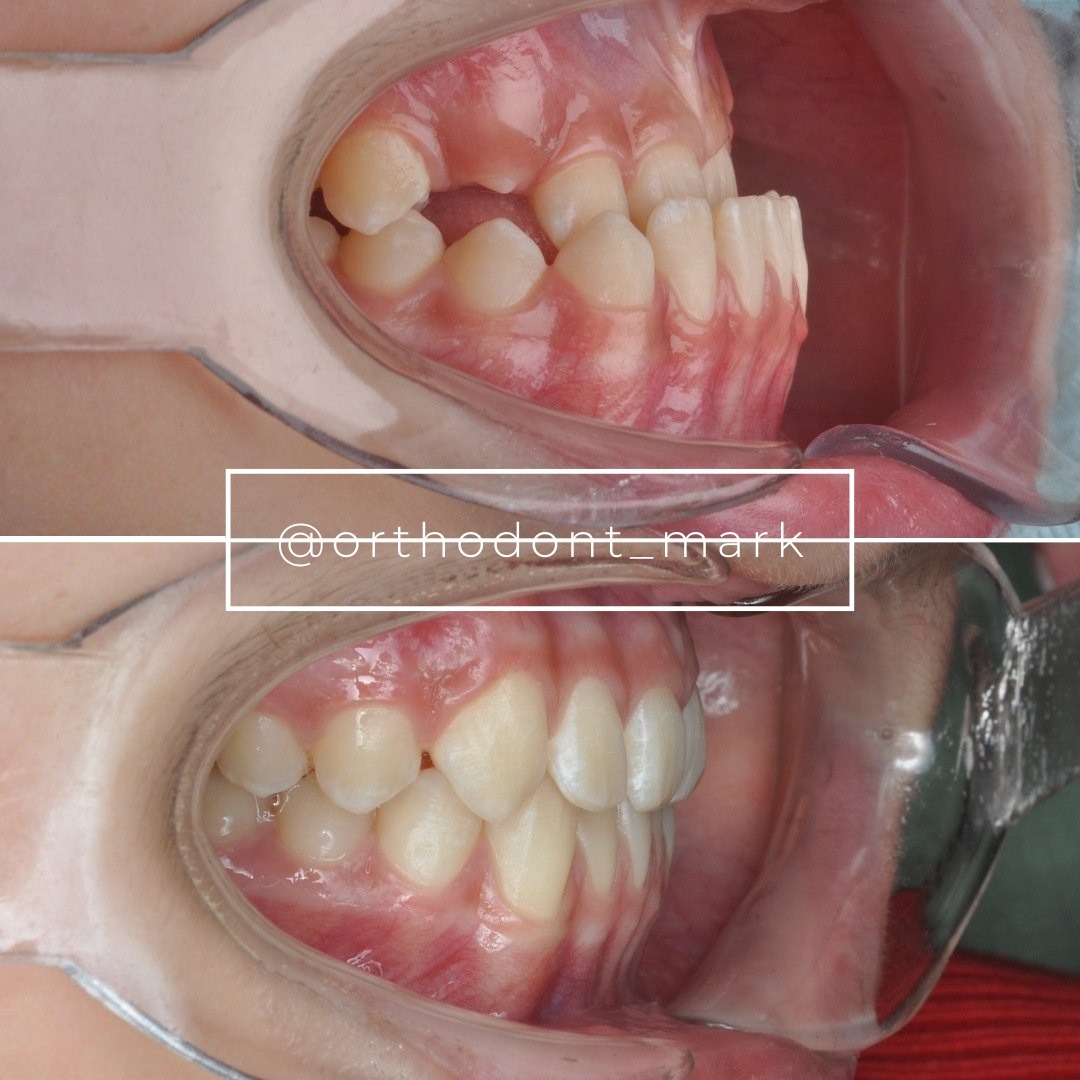
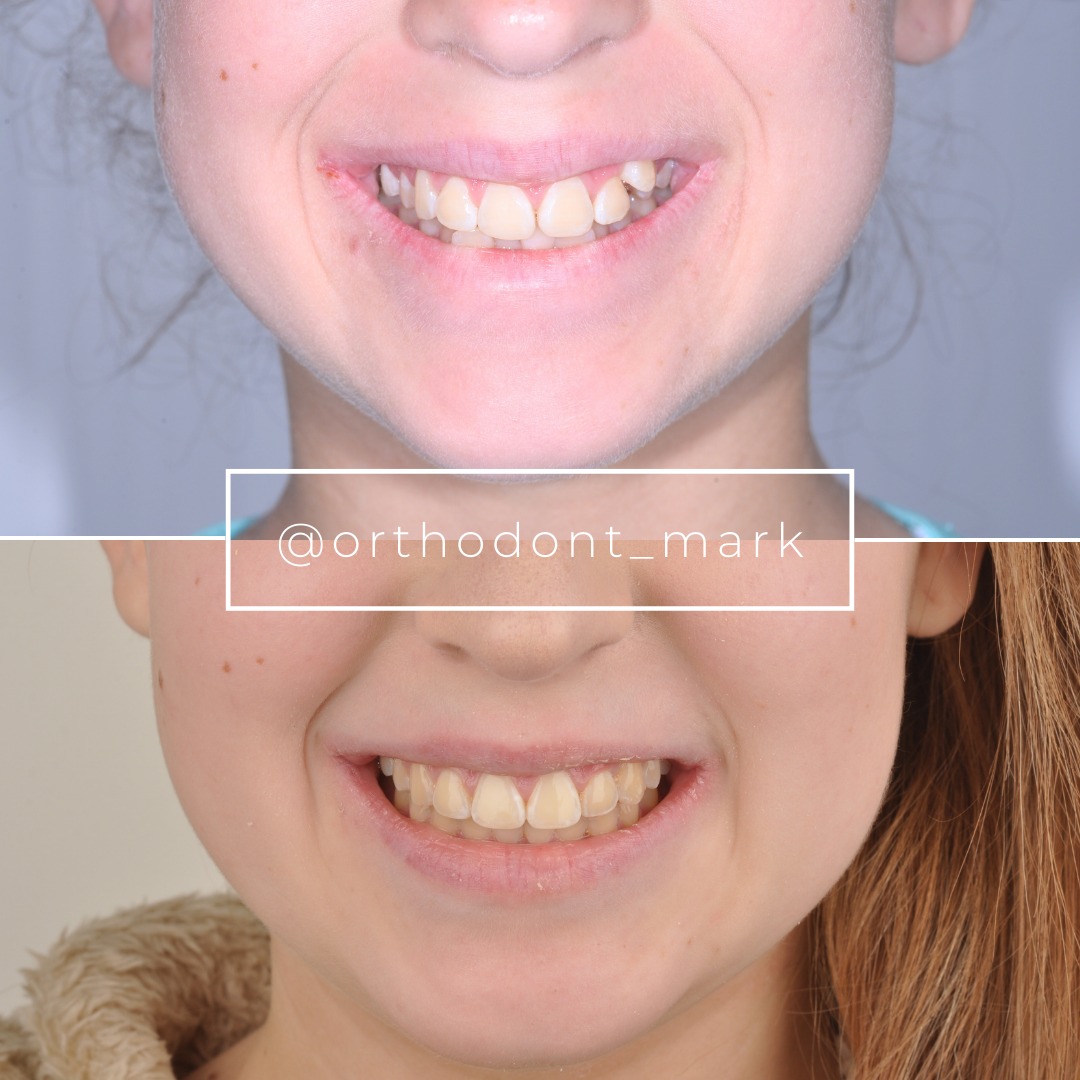
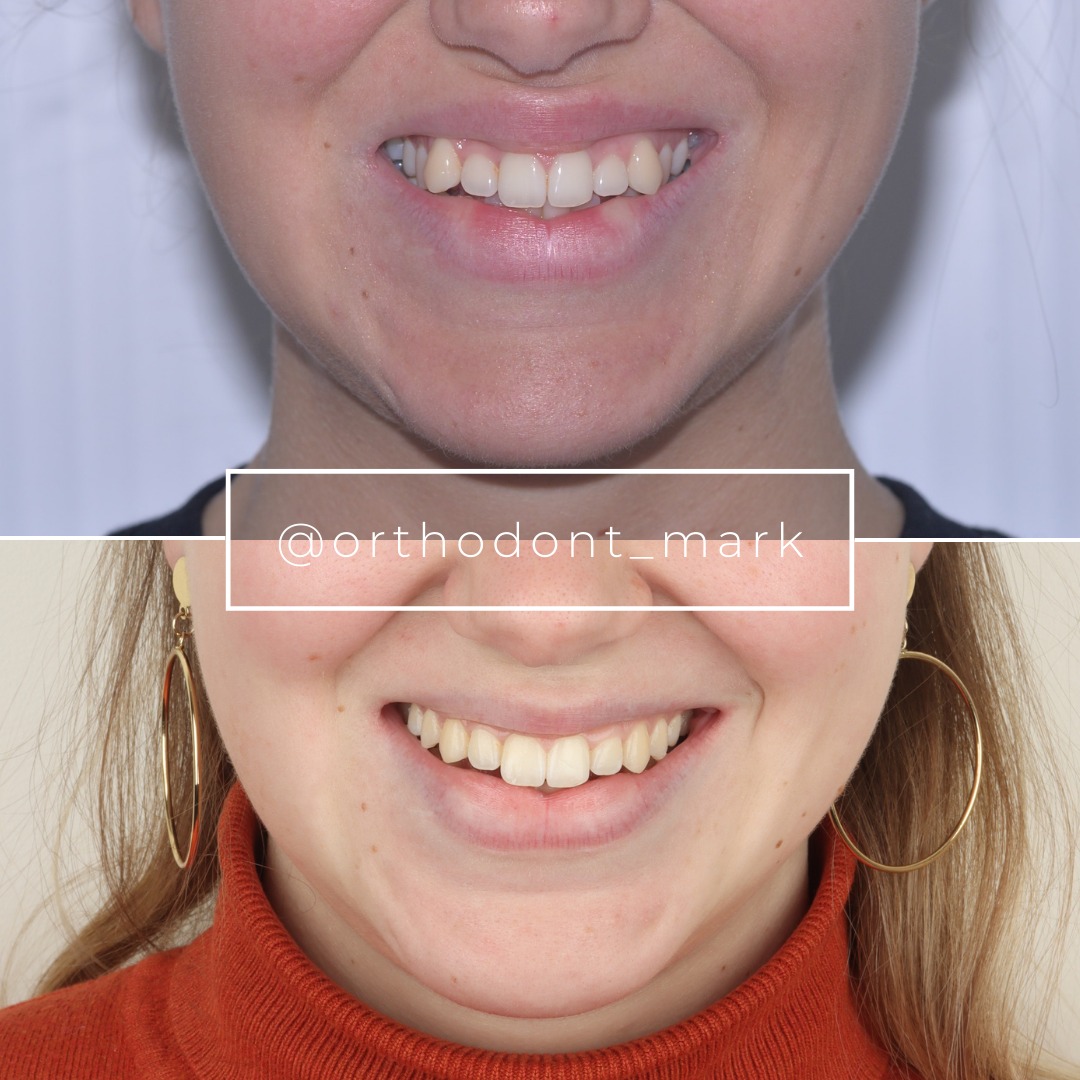
Learn the full MARPE protocol from Dr. Mark Radzhabov
Fundamental course covering CBCT patient selection, miniscrew planning, activation protocols, and 60+ clinical cases. Choose the access level that fits your practice.
Essentials of rapid palatal expansion for practicing orthodontists.
- Core RPE concepts and biomechanics
- 6 structured video lessons
- Clinical decision checklists
- Lifetime access to recordings
Deep-dive into MARPE protocol, diagnostics, and clinical execution.
- 6 modules covering MARPE from A to Z
- CBCT case selection walkthroughs
- Miniscrew placement and activation
- 60+ annotated clinical cases
- Direct Q&A with Dr. Mark Radzhabov
5-element medical consultation framework for dentists and orthodontists.
- Trust-building consultation protocol
- 5 lesson modules
- Templates for treatment plan delivery
- Works with any clinical specialty
Clinical FAQ
What is the role of sleep apnea screening before RPE in pediatric patients?
Polysomnography and sleep questionnaire (PSQ) are mandatory before RPE in children with OSA risk factors. Documented sleep apnea with adenotonsillar hypertrophy requires otolaryngologic intervention first; RPE alone is insufficient and may worsen breathing during expansion.
How do I assess midpalatal suture maturity to determine RPE candidacy?
Use CBCT sagittal sections through the midline and classify suture using Baccetti staging (1–5). Stages 1–3 permit tooth-borne RPE; stages 4–5 (ossification) contraindicate conventional expansion and require MARPE or SARPE instead.
Can children with cleft palate undergo rapid palatal expansion?
Conventional RPE is contraindicated in cleft palate due to disrupted midline anatomy and prior surgical repair. Specialized craniofacial team assessment and MARPE with surgical guidance may be feasible in select cases; routine tooth-borne expansion risks graft failure.
What periodontal findings contraindicate RPE?
Advanced bone loss, probing pocket depth >4 mm, persistent bleeding on probing, or history of periodontal surgery are red flags. Defer RPE until periodontal health is restored; consider slower expansion or alternative protocols in high-risk patients.
How do I distinguish between asymptomatic airway narrowing and clinical sleep apnea?
Asymptomatic narrow palates may benefit from RPE to improve nasal airflow. Documented OSA with AHI >5 requires sleep medicine clearance and adenotonsillar assessment first; RPE alone is not first-line treatment for established sleep apnea.
Should I perform CBCT imaging on all patients before RPE initiation?
CBCT is essential for patients with adenotonsillar hypertrophy concerns (volumetric assessment), midpalatal suture maturity evaluation, severe asymmetry, or cleft/syndromic history. Low-risk pediatric patients may proceed with panoramic and lateral cephalometric imaging alone.
What is the optimal age window for conventional RPE?
Conventional RPE (tooth-borne Hyrax or similar) is most effective between ages 8–14, during periods of active growth and early suture interdigitation (Baccetti stages 1–3). After age 15, skeletal response diminishes and suture ossification accelerates.
How do I counsel parents when RPE is contraindicated due to adenoid hypertrophy?
Explain that enlargement with documented OSA requires ENT evaluation and possibly adenotonsillectomy first. Offer to reassess for RPE after airway clearance if needed. Provide written summary of contraindication and referral recommendations.
Can slower activation rates overcome periodontal contraindications to RPE?
Slower expansion reduces initial inflammation but does not eliminate risk in patients with pre-existing bone loss or advanced periodontitis. Prioritize periodontal therapy first; consider modified appliances or alternative treatments in compromised cases.
What is the difference between relative and absolute contraindications for RPE?
Absolute contraindications (cleft palate, complete midpalatal fusion, severe bone loss) require alternative treatments. Relative contraindications (mild inflammation, early suture maturity, mild hypertrophy) may permit RPE with modifications or sequential treatment planning.
Excluding ineligible patients from RPE therapy protects airway integrity, preserves periodontal health, and improves overall treatment outcomes. Before recommending any rapid palatal expansion protocol — whether conventional RPE, SARPE, or miniscrew-assisted expansion — conduct a thorough airway and skeletal assessment. Connect with Dr. Mark Radzhabov for a detailed case review or consultation to refine your patient selection criteria and expand your clinical confidence.