
RPE in Mixed Dentition:
Digital Haas-Type Expander Workflow
Evidence-Based Protocol & Suture Monitoring
Master the biomechanical nuances of early-phase palatal expansion with age-specific activation schedules, real-time CBCT monitoring, and individualized screw selection for predictable skeletal outcomes.
TL;DR Rapid palatal expansion in mixed dentition using a digital haas-type expander requires age-dependent activation protocols and real-time suture monitoring via CBCT. Younger patients (under 10 years) achieve parallel skeletal expansion, while adolescents over 12 exhibit V-shaped expansion patterns. Careful attention to palatal mucosa response and individualized screw selection optimizes skeletal outcomes.
Rapid palatal expansion in mixed dentition remains a cornerstone of early orthopedic intervention, yet the biomechanical response varies significantly with age and palatal suture morphology. In this article, Dr. Mark Radzhabov walks through the digital haas-type expander workflow—from diagnosis and screw selection to activation protocols and skeletal monitoring—drawing on contemporary CBCT research and clinical best practices. Understanding how age-dependent suture interactions influence expansion patterns is essential for clinicians seeking to maximize skeletal effects while minimizing dentoalveolar side effects and post-treatment relapse.
Understanding Palatal Suture Anatomy
Age-Dependent Interactions
& Expansion Response
The midpalatal and transverse palatal sutures are the primary targets of rapid palatal expansion in mixed dentition. Research utilizing CBCT analysis has demonstrated that expansion mechanics vary dramatically across age groups. In patients under 10 years, expansion follows a parallel pattern: the median palatal suture opens symmetrically in the coronal and sagittal planes, and the transverse palatal suture opens completely. This parallel mode permits maximal skeletal widening with minimal vertical or anteroposterior compensation.
In children aged 10–12 years, the opening mode begins transitioning. The transverse palatal suture shows incomplete opening, and the median suture exhibits a more triangular pattern—wider posteriorly, narrower anteriorly. By age 12 and older, the pattern becomes distinctly V-shaped: anterior expansion exceeds posterior, and vertical height increase dominates anteriorly while posterior height remains relatively static. This morphological rigidity at the pterygopalatomaxillary junction increases with age, necessitating higher activation forces and potentially greater dentoalveolar compromise in older mixed dentition patients.
The positional shift in maxillary centers of rotation and resistance correlates with progressive pterygomaxillary junction rigidity and structural changes in the transverse palatal suture during normal growth. Clinicians must recognize these age-dependent differences when selecting activation protocols, predicting treatment duration, and counseling families about expected skeletal versus dentoalveolar responses. Digital imaging (CBCT) enables real-time monitoring of suture response and early detection of unfavorable expansion patterns, allowing protocol adjustment before significant side effects emerge.
Digital Haas-Type Expander Design
& Component Selection
for Mixed Dentition
The digital haas-type expander is tooth-borne, anchored to maxillary first molars and sometimes premolars, with a midpalatal screw mechanism and acrylic baseplate. Unlike miniscrew-assisted expanders, tooth-borne designs rely entirely on dental unit resistance, making them suitable for mixed dentition when primary and permanent molars provide adequate root support and periodontal health is confirmed. Expansion screw selection—stainless steel versus titanium (rematitan or Titan Hyrax)—influences both biocompatibility and activation characteristics.
Titanium screws (Titan Hyrax, rematitan) offer superior biocompatibility, reduced corrosion risk, and stable friction properties that prevent inadvertent reversal. Stainless steel screws remain cost-effective and perform reliably in mixed dentition cases when proper oral hygiene is maintained. Most digital haas designs incorporate integrated stop mechanisms to prevent screw disassembly during activation. Screw pitch (thread density) and activation speed directly affect force magnitude and bone response: standard haas screws advance 0.5 mm per half-turn, delivering modest daily forces (approximately 50–100 g per side in early mixed dentition), while larger-pitch alternatives deliver greater daily increments for accelerated expansion.
When fabricating the digital haas expander, acrylic thickness, palatal surface contour, and vertical screw height are critical variables. The screw should clear palatal mucosa by at least 2–3 mm in the resting position; insufficient clearance predisposes to palatal tissue impingement and hyperplasia, particularly during aggressive activation. Bilateral anchor arms must distribute retention forces symmetrically to prevent rotation around the medial axis. Pre-treatment impressions and digital modeling allow precise screw positioning and custom acrylic shaping, reducing chairside adjustments and improving patient comfort during the activation phase.
Activation Schedule: Age-Specific
& Force Progression
in Mixed Dentition RPE
Activation protocols for RPE in mixed dentition balance rapid skeletal response against the biological limits of the immature palatal sutures and alveolar bone. The Alt-RAMEC (Alternate Rapid Maxillary Expansion and Constriction) protocol exemplifies this balance: maxillary expansion occurs at 1 mm per day for 7 days, followed by a 1 mm per day closure period for 7 days, cycling over 9 weeks. This alternating pattern exploits bone remodeling mechanics and may reduce post-treatment relapse compared to continuous expansion.
For standard haas expander workflows without alternation, most clinicians employ a rapid phase followed by a slow consolidation phase. During rapid activation (typical in younger mixed dentition patients), the screw turns 0.5 mm per day (one full turn per 24 hours) for 5–7 days weekly until adequate transverse width is achieved—often 6–9 mm of screw advancement. The consolidation phase spans 3–6 months, during which no activation occurs but the appliance remains in place, allowing bone deposition and vascular stabilization in the expanded suture spaces. Age modulates force application: patients under 10 years tolerate rapid activation with minimal dentoalveolar tipping, while older mixed dentition patients (12+ years) may benefit from slower activation (0.5 mm every other day) to reduce anterior-flare side effects.
Clinical observation shows that midcourse CBCT imaging (after 3–4 weeks of activation) enables real-time assessment of suture opening, anterior flare magnitude, and posterior expansion. If dentoalveolar tipping exceeds acceptable limits, activation frequency can be reduced or paused temporarily. Individual patient factors—palatal suture maturity, bone density, periodontal health, and pre-existing dentoalveolar relationships—should guide final protocol customization. Documentation of weekly screw turns in patient records ensures consistency and provides evidence for retrospective analysis of force-response relationships.
Palatal Mucosa Response During
Mixed Dentition Expansion
& Evidence-Based Monitoring
Histological evidence demonstrates that palatal mucosa exposed to continuous pressure from the expander undergoes mechanical trauma, leading to hyperplasia and localized inflammation. The severity correlates with screw-to-mucosa clearance: appliances with insufficient palatal clearance (less than 2 mm) exhibit pronounced gingival overgrowth, while those maintaining 2–3 mm separation show minimal tissue response. The inflammatory reaction is nonspecific to mechanical trauma, meaning it occurs independently of expander type (tooth-borne versus miniscrew-assisted), though hyperplasia tends to be more pronounced with miniscrew-assisted designs due to direct palatal fixation.
Clinical management of palatal tissue changes includes patient education on oral hygiene—gentle brushing and interdental cleaning around the expander base to remove biofilm and reduce inflammatory stimulus. Weekly or biweekly intraoral photography documents mucosa status and serves as an objective record for treatment adjustments. If significant hyperplasia develops, reducing screw activation frequency or increasing consolidation time allows tissue resolution. In rare cases, topical antimicrobials or corticosteroid rinses may be prescribed; however, most hyperplasia resolves spontaneously within 2–4 weeks post-retention when pressure is removed.
CBCT imaging during the active expansion phase provides three-dimensional assessment of suture opening geometry, anterior dentoalveolar flare, and posterior skeletal expansion. Combined with dental cast analysis—which quantifies width, height, and depth changes in the tooth-bearing palate—CBCT enables clinicians to confirm that expansion is predominantly skeletal and not merely dentoalveolar. If radiographic evidence shows that most expansion is occurring in tooth movement rather than suture separation, activation should be slowed or halted to prevent esthetic or functional compromise. Digital workflow integration (CBCT, intraoral scan, cast analysis) positions Orthodontist Mark as a leader in evidence-based mixed dentition expansion strategies.
Implementing a Digital Workflow:
Haas Expander
Protocol in Mixed Dentition
A robust digital workflow for mixed dentition RPE begins with comprehensive diagnosis: panoramic radiography, lateral cephalometry, CBCT of the palate (or full facial scan if additional three-dimensional assessment is warranted), and maxillary dental casts. Digital analysis identifies palatal suture maturity, assesses transverse maxillary deficiency magnitude, and evaluates whether skeletal expansion is the primary treatment goal or adjunctive to subsequent fixed appliance therapy. Cone-beam imaging also reveals any anatomical variations (incomplete suture fusion, asymmetric palatal anatomy) that may necessitate protocol modification.
Impression and design phase leverages digital casts and CAD/CAM technology to optimize screw positioning and acrylic contour. Screw height, medial offset, and lateral width are calculated to ensure symmetrical bilateral activation and adequate palatal clearance. Some practices employ 3D-printed models or milling technology to fabricate custom baseplate geometry that mirrors palatal anatomy, reducing pressure points and improving retention. Fabrication typically occurs in-laboratory; delivery occurs at a dedicated appointment where the expander is cemented or bonded to maxillary molars using glass-ionomer or resin-modified cement, depending on primary or permanent molar anatomy.
Activation phase involves weekly office visits (or less frequently if the patient demonstrates compliance with home-based measurements) during which screw turns are documented. Digital photography and weekly intraoral scans capture tissue response and dentoalveolar changes. Mid-course CBCT (weeks 3–4) confirms suture opening and guides protocol adjustments. Consolidation occurs with the appliance in situ for 3–6 months; during this phase, no activation occurs, but quarterly imaging and scans monitor bone stabilization and any unwanted relapse. Retention after appliance removal often involves a fixed palatal bar or removable appliance to maintain expansion gains during the remainder of mixed dentition and into permanent dentition.
Mixed Dentition RPE: Preventing
Dentoalveolar Side Effects
& Maximizing Skeletal Gains
Excessive anterior flare is the most frequent dentoalveolar side effect in mixed dentition RPE, particularly in patients over 10 years with rigid palatal anatomy. When V-shaped expansion patterns predominate (greater anterior than posterior skeletal change), the maxillary incisors experience increased labial tipping. Prevention requires age-appropriate force reduction: younger patients tolerate rapid activation (1 mm/day) with minimal flare, while older mixed dentition patients benefit from slower schedules (0.5 mm every other day or 3–4 days per week). Intraoral photographs at weekly intervals allow early detection of excessive flare, prompting protocol adjustment before esthetic or occlusal compromise occurs.
Insufficient skeletal response occurs when expansion is predominantly dentoalveolar—teeth tip laterally rather than sutures opening. This arises from prolonged consolidation periods without activation, suboptimal screw positioning, or inadequate activation force. CBCT imaging differentiates skeletal from dentoalveolar change: suture widening on coronal sections and width increase on axial slices confirm true skeletal expansion, while isolated dental crown movement without midpalatal separation indicates failed skeletal correction. Remediation involves reactivating the screw (if consolidation is incomplete) or planning surgical suture assistance in rare cases of severe transverse deficiency unresponsive to conservative expansion.
Appliance breakage or screw slippage can occur if the baseplate is inadequately supported or if the screw is subjected to excessive lateral forces (e.g., patient biting on the appliance). Proper molar bonding and baseplate thickness (typically 5–6 mm) minimize these risks. Educating patients and caregivers on appliance care—avoiding hard foods and excessive tongue or finger pressure—reduces mechanical failures. Early detection of cracks or loosening via clinical examination and digital imaging enables timely appliance replacement, preventing treatment interruption. A digital haas-type expander fabrication and delivery protocol, as detailed by Dr. Mark Radzhabov at Orthodontist Mark, emphasizes robust construction and patient education to prevent these common setbacks.
Free Clinical Guide
Which Expansion Appliance at Which Age?
Get Dr. Mark Radzhabov's guide to skeletal-expansion appliances — indications, pros & cons, and how to choose by patient age. Free to your inbox.
Prefer video? Watch the free demo lesson on MARPE appliance types, features and trade-offs.
Documented outcomes
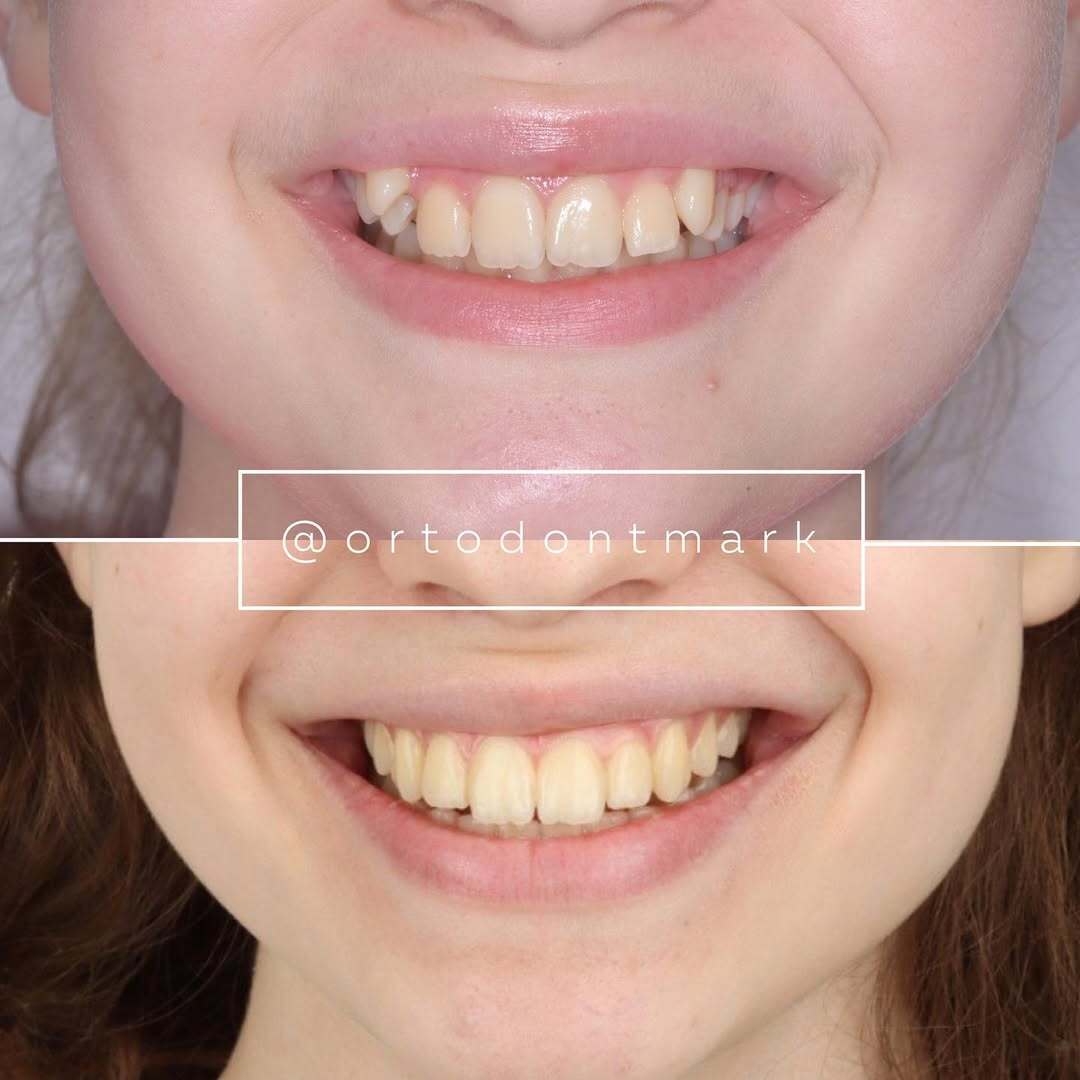
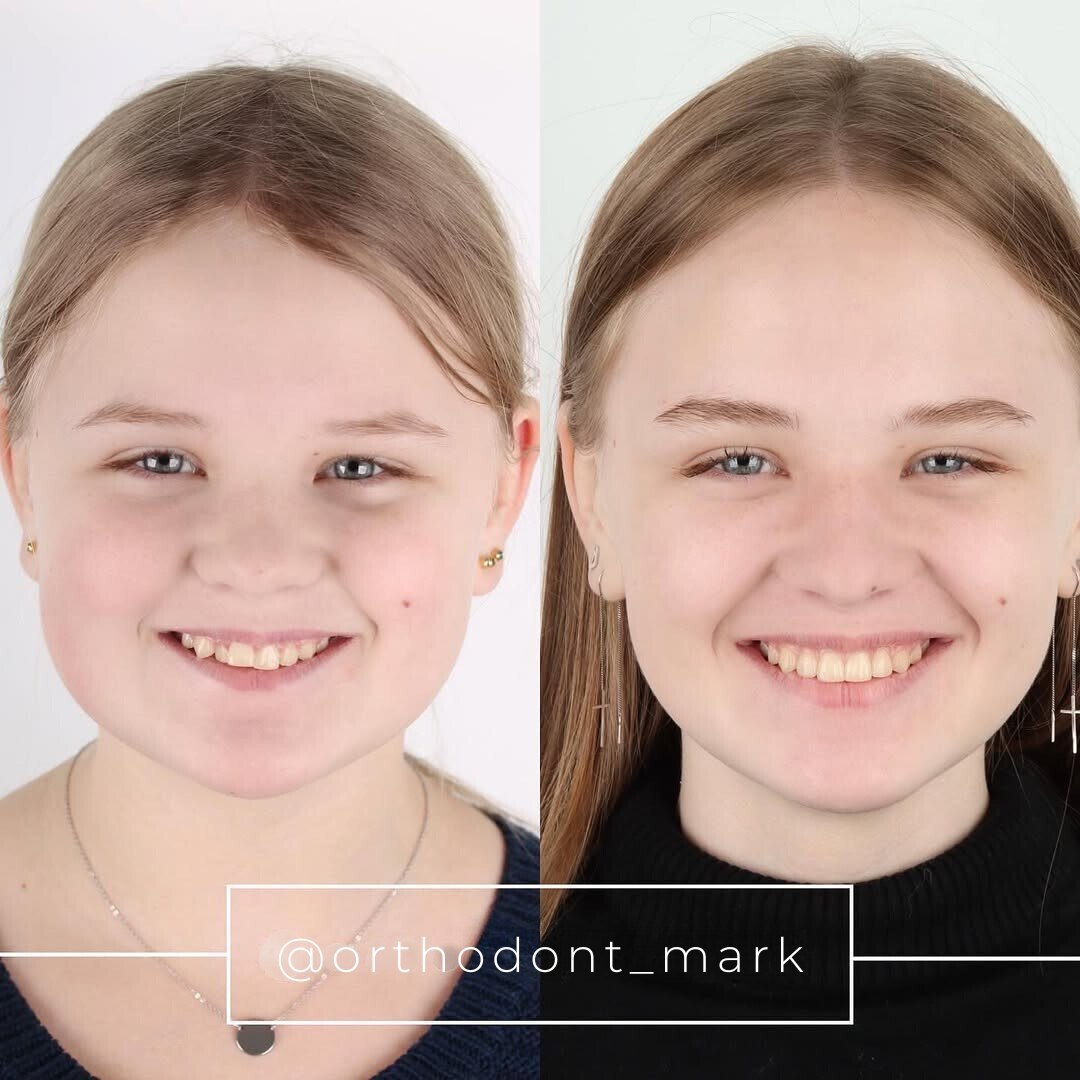
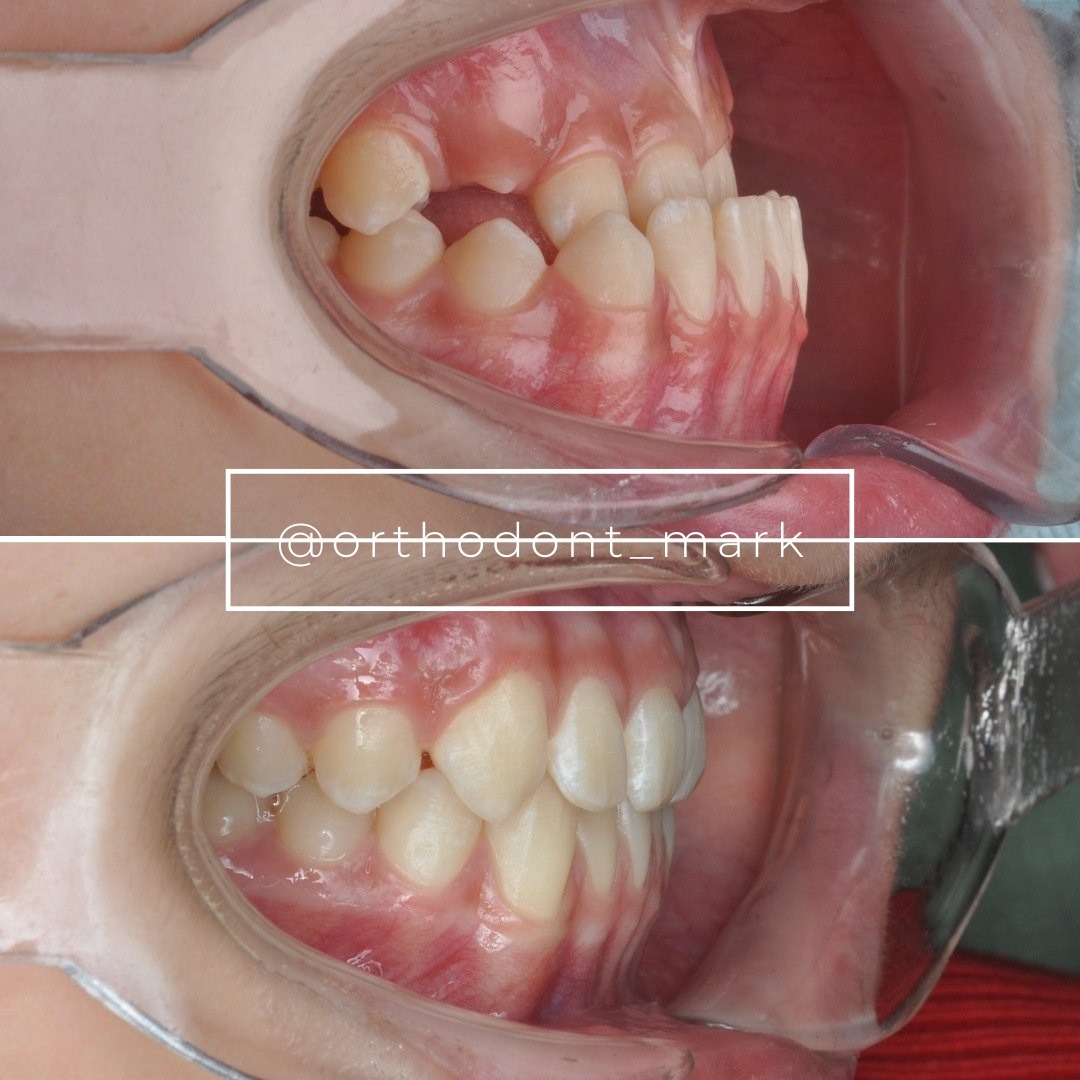
Clinical cases from Dr. Mark Radzhabov's practice
Learn the full MARPE protocol from Dr. Mark Radzhabov
Fundamental course covering CBCT patient selection, miniscrew planning, activation protocols, and 60+ clinical cases. Choose the access level that fits your practice.
Essentials of rapid palatal expansion for practicing orthodontists.
- Core RPE concepts and biomechanics
- 6 structured video lessons
- Clinical decision checklists
- Lifetime access to recordings
Deep-dive into MARPE protocol, diagnostics, and clinical execution.
- 6 modules covering MARPE from A to Z
- CBCT case selection walkthroughs
- Miniscrew placement and activation
- 60+ annotated clinical cases
- Direct Q&A with Dr. Mark Radzhabov
5-element medical consultation framework for dentists and orthodontists.
- Trust-building consultation protocol
- 5 lesson modules
- Templates for treatment plan delivery
- Works with any clinical specialty
Clinical FAQ
What is the optimal age window for initiating RPE with a digital haas-type expander in mixed dentition?
Children aged 7–10 years with open palatal sutures achieve predominantly parallel skeletal expansion with minimal dentoalveolar side effects. Older mixed dentition patients (12+ years) exhibit V-shaped patterns; expansion may still be beneficial but requires slower activation rates to minimize anterior flare.
How does palatal suture morphology change with age during rapid palatal expansion?
In patients under 10 years, the median and transverse palatal sutures open parallel to each other. By age 12+, the opening becomes triangular (wider posteriorly, narrower anteriorly) due to increased pterygomaxillary junction rigidity, resulting in V-shaped skeletal expansion patterns.
What activation protocol should I use for a child under 10 years with a digital haas expander?
Rapid activation (1 mm/day, one full screw turn per 24 hours) for 5–7 days weekly, advancing 6–9 mm total. Followed by 3–6 month consolidation phase with no activation. Midcourse CBCT at weeks 3–4 confirms skeletal response.
Why is palatal mucosa hyperplasia common during RPE, and how is it managed?
Continuous pressure from the expander causes mechanical trauma and inflammation. Severity correlates with screw-to-mucosa clearance; maintain 2–3 mm spacing. Most hyperplasia resolves spontaneously within 2–4 weeks post-retention with improved oral hygiene.
When should I use CBCT imaging during mixed dentition RPE, and what should I assess?
Obtain CBCT at baseline (diagnosis) and midcourse (weeks 3–4 of activation). Assess midpalatal suture opening geometry, transverse width increase, anterior flare magnitude, and posterior skeletal expansion to confirm skeletal (not dentoalveolar) response.
What is the difference between stainless steel and titanium expansion screws for mixed dentition haas expanders?
Titanium (Titan Hyrax, rematitan) offers superior biocompatibility and corrosion resistance with stable friction preventing inadvertent reversal. Stainless steel screws remain cost-effective and reliable with proper oral hygiene. Both include integrated stops preventing screw disassembly.
How do I prevent excessive anterior flare in mixed dentition RPE?
Age-match activation rate: younger patients tolerate rapid activation (1 mm/day) with minimal flare; older mixed dentition (12+ years) benefit from slower rates (0.5 mm every other day). Monitor weekly intraoral photographs for early flare detection.
What does the Alt-RAMEC protocol entail, and should I use it for mixed dentition expansion?
Alt-RAMEC alternates 7 days of expansion (1 mm/day) with 7 days of closure over a 9-week cycle. Evidence suggests this approach may reduce post-treatment relapse compared to continuous activation, though clinical protocols vary by practitioner.
How long should the consolidation phase last after completing rapid maxillary expansion in mixed dentition?
Standard consolidation spans 3–6 months during which the expander remains in place but no activation occurs. This period allows bone deposition and vascular stabilization in the expanded suture spaces. Retention appliance (fixed bar or removable) follows after expander removal.
How do I differentiate skeletal expansion from dentoalveolar tipping on CBCT in mixed dentition RPE?
Skeletal expansion shows widening of the midpalatal suture on coronal sections and increased palatal width on axial slices. Dentoalveolar tipping appears as isolated crown movement without suture separation. CBCT enables objective documentation and protocol adjustment if response is suboptimal.
A systematic, age-informed approach to mixed dentition RPE—anchored in CBCT imaging and evidence-based activation schedules—delivers superior skeletal outcomes and reduces relapse risk. If you're managing mixed dentition cases or preparing to integrate digital haas-type expander workflows into your practice, Dr. Mark Radzhabov offers detailed case reviews and protocol guidance through Orthodontist Mark. Consider scheduling a consultation or enrolling in the dedicated RPE module to refine your clinical decision-making and expand your treatment envelope.