
RPE and mouth breathing:
direct effect or coincidental correlation?
Evidence-based analysis for clinical decision-making
Clinicians must distinguish between genuine airway expansion and confounding variables when evaluating RPE outcomes in pediatric patients with breathing disorders.
TL;DR The relationship between RPE and mouth breathing reduction is more nuanced than direct causation. While rapid palatal expansion increases nasal airway dimensions and may improve nasal breathing patterns, the evidence shows heterogeneous outcomes, and mouth breathing cessation depends on multiple factors including phenotype, skeletal pattern, and adenoidal status.
The relationship between rapid palatal expansion and mouth breathing reduction remains one of orthodontics' most clinically relevant yet mechanistically debated questions. In this article, Dr. Mark Radzhabov examines whether RPE produces a direct effect on breathing patterns or whether observed improvements represent coincidental correlation with patient selection and growth maturation. Drawing on systematic reviews and clinical evidence from 2004–2023, this analysis helps clinicians distinguish between genuine airway effects and confounding variables when counseling families.
What is the proposed mechanism linking rapid palatal expansion to breathing improvement?
proposed mechanism
Rapid palatal expansion increases the transverse diameter of the maxilla by reopening the midpalatal suture, an effect that theoretically enlarges the nasal cavity and improves nasal airway patency. The pyriform aperture—the anterior nasal opening—expands in response to this lateral force, widening the internal nasal passages. A key 2004 study of pediatric patients with obstructive sleep apnea demonstrated that RPE achieved a mean maxillary cross-sectional expansion of 4.32 ± 0.7 mm, with a corresponding pyriform opening increase of 1.3 ± 0.3 mm. These anatomical changes create a larger nasal breathing space, which should, in principle, reduce nasal resistance and promote nasal airflow preference during sleep and wakefulness. However, airway patency depends not only on skeletal dimensions but also on soft tissue status, neuromuscular tone, and adenotonsillar hypertrophy. The mechanism is physiologically sound for patients with pure maxillary transverse deficiency, but the clinical translation to functional breathing improvement is less straightforward. Clinicians must recognize that expanding the nasal cavity does not automatically eliminate mouth breathing if adenoid hypertrophy, septal deviation, turbinate enlargement, or neuromuscular factors persist. The anatomical change is real; the behavioral and physiological consequence requires validation on a patient-by-patient basis.
What does the systematic evidence reveal about RPE outcomes?
systematic evidence
Recent systematic reviews and umbrella reviews present a more cautious picture than early case series. A 2023 umbrella review examining rapid maxillary expansion in pediatric obstructive sleep apnea synthesized seven studies with polysomnographic measurement and found no consistent evidence favoring RPE for long-term OSAS treatment in children. The analysis identified considerable heterogeneity due to variability in patient age, follow-up duration, phenotype classification, and outcome metrics beyond the apnea-hypopnea index (AHI). This discordance between early optimism and recent systematic synthesis reveals a critical limitation: most positive RPE studies enrolled highly selected cohorts—children with maxillary constriction, normal or near-normal adenoid size, and confirmed sleep-disordered breathing. The success observed in these patients cannot be generalized to all mouth breathers or all children with OSAS. Furthermore, many studies lack long-term follow-up, making it unclear whether improvements persist or whether natural growth confounds the effect. The 2024 systematic review on pediatric OSAS diagnosis and treatment confirms that RME is most effective in cases with documented craniofacial anomaly and maxillary deficiency, but OSAS remains a multifactorial disorder not wholly explained by oral cavity morphology.
How do clinicians distinguish between direct RPE effect and coincidental improvement?
direct effect
Three primary confounders complicate attribution of breathing improvement to RPE alone. First, patient selection bias: children recruited for RPE studies typically exhibit maxillary constriction plus documented sleep-disordered breathing, a phenotype associated with favorable prognosis regardless of intervention. Without a control group of untreated children with similar morphology and AHI, it is impossible to isolate the true therapeutic effect. Second, natural growth and maturation during the observation window (typically 6–12 months of active expansion plus consolidation) may independently resolve mild OSAS in younger children due to increased muscle tone and improved neuromuscular coordination during sleep. Third, concurrent adenotonsillar regression or spontaneous improvement in nasal inflammation may occur contemporaneously with RPE, contributing to improved breathing without direct causation from palatal expansion. Clinicians practicing airway-centered orthodontics must ask: Is this patient's improvement attributable to expanded nasal dimensions, or to resolution of adenoid hypertrophy, weight loss, or developmental changes? The literature provides limited evidence of causation in uncontrolled or retrospective series. The most robust evidence—controlled trials with long-term polysomnographic follow-up—shows heterogeneous outcomes, suggesting that RPE is neither universally effective nor ineffective, but rather effective in a subset of phenotypically distinct patients. As Orthodontist Mark advises in clinical mentoring, the question is not whether RPE works, but for whom, when, and in combination with what adjunctive measures.
What clinical variables predict mouth breathing reduction after palatal expansion?
phenotyping variables
Evidence-based patient selection for RPE requires assessment of multiple anatomical and functional variables beyond the AHI. Maxillary transverse deficiency (confirmed by dental casts, cone-beam CT, or clinical examination) is a necessary but insufficient criterion. Successful cases in the literature typically excluded children with significant adenotonsillar hypertrophy, nasal septal deviation, or chronic rhinitis—conditions that independently obstruct the airway and render palatal expansion ineffective. Body mass index status also influences outcomes; children with normal BMI show better response to RPE than those with obesity-related airway changes. Additionally, the sagittal mandibular position matters. A child with severe mandibular retrognathia may benefit less from maxillary expansion alone because posterior tongue position limits the airway benefit of expanded nasal dimensions. In such cases, combined treatment with mandibular advancement appliances may be necessary. Finally, skeletal maturity stage influences expansion resistance and the permanence of gains. Skeletal expansion protocols using miniscrew-assisted devices (discussed in detail in MARPE and skeletal expansion literature) achieve superior orthopedic results in patients with unfused midpalatal sutures and provide a framework for more predictable outcomes than tooth-borne RPE. Clinicians should perform pretreatment polysomnography, adenoid palpation or imaging, and three-dimensional airway assessment (CBCT or MRI) to identify which patients are likely to benefit from RPE as a primary or adjunctive intervention.
What is the expected timeline and outcome profile for palatal expansion breathing effects?
expected timeline
Active RPE typically spans 10–20 days of screw activation, followed by 6–12 months of consolidation. Polysomnographic improvements in the most successful studies occurred at 4 months post-activation, with AHI reduction from baseline levels of ~12 to <1 event per hour in carefully selected populations. However, these timelines and magnitudes apply to the subset of patients with maxillary constriction uncomplicated by adenoid hypertrophy or other airway obstructions. Clinicians must recognize that outcome measurement should extend beyond AHI. A 2023 systematic review emphasized that management decisions should be linked to patient phenotype and outcomes beyond the apnea-hypopnea index—including sleep architecture, oxygen saturation nadir, arousal frequency, and functional breathing pattern (mouth vs. nasal) during wakefulness. Children may show improved AHI but persistent mouth breathing if nasal resistance remains high due to septal deviation or turbinate hypertrophy not directly affected by palatal expansion. Conversely, a child may transition to nasal breathing at night without substantial AHI reduction if the obstruction was mild or already resolving. Long-term sustainability of gains is incompletely studied. Most published series lack follow-up beyond 12–24 months, leaving unclear whether skeletal changes remain stable into adolescence and adulthood, or whether relapse occurs in the absence of retention. This gap in the literature is significant for counseling families about durable benefit.
How should clinicians incorporate RPE into airway-centered orthodontic protocols?
clinical decision framework
Based on current evidence, RPE or miniscrew-assisted expansion should be considered a treatment option—not first-line therapy—for children with documented sleep-disordered breathing AND documented maxillary transverse deficiency. Essential prerequisites for case selection include: 1. Pretreatment polysomnography confirming OSAS or upper airway resistance syndrome and baseline AHI or obstructive index. 2. Otolaryngologic clearance excluding adenotonsillar hypertrophy, septal deviation, or chronic rhinitis as primary obstruction drivers. 3. Dental and skeletal imaging (casts, panoramic radiograph, CBCT) confirming maxillary width deficiency relative to expected norms for age. 4. Parental counseling that expansion improves airway anatomy but does not guarantee resolution of mouth breathing or sleep apnea if other factors persist. When RPE is initiated, concurrent monitoring includes rhinometry or nasal resistance measurement (if available), serial clinical observation of mouth breathing behavior, and polysomnographic re-evaluation 4–6 months post-activation. If improvement plateaus or mouth breathing persists despite adequate palatal expansion, clinicians should suspect confounding factors (adenoid regrowth, allergy-driven obstruction, neuromuscular dystonias) and refer for multidisciplinary evaluation. For skeletally mature or near-mature patients, miniscrew-assisted expansion protocols provide superior skeletal control and should be preferred over tooth-borne rapid palatal expansion to maximize orthopedic effect.
What methodological limitations constrain our understanding of RPE breathing effects?
evidence gaps
Despite decades of clinical observation, several critical knowledge gaps persist. Most published RPE studies lack randomized controlled designs with untreated age-matched controls, making it impossible to separate the effect of expansion from natural maturation, spontaneous adenoid regression, or weight changes occurring over the observation window. Heterogeneity in outcome measurement—some studies report AHI, others report subjective symptom resolution, and few measure nasal airway dimensions objectively—prevents meta-analysis and definitive conclusions. Long-term follow-up data are scarce. Studies documenting stability of skeletal expansion and persistence of breathing improvements beyond 2 years are limited, leaving clinicians uncertain about durable benefit and the risk of relapse. Additionally, very few studies systematically phenotype patients according to multiple anatomical and physiological variables (adenoid size, BMI, mandibular sagittal position, septal deviation, sleep architecture quality), making it difficult to identify which patient subtypes truly benefit from RPE. Future research should employ standardized polysomnographic protocols, include objective airway measurement (acoustic rhinometry, nasal resistance plethysmography, or CBCT volumetric analysis), implement long-term follow-up to at least 5 years, and stratify outcomes by pretreatment phenotype. Until such evidence emerges, clinicians should view RPE as a mechanically sound but not universally effective intervention appropriate for carefully selected patients with maxillary constriction and documented sleep-disordered breathing in the absence of other primary airway obstructions.
Free Clinical Guide
Which Expansion Appliance at Which Age?
Get Dr. Mark Radzhabov's guide to skeletal-expansion appliances — indications, pros & cons, and how to choose by patient age. Free to your inbox.
Prefer video? Watch the free demo lesson on MARPE appliance types, features and trade-offs.
Documented outcomes
Clinical cases from Dr. Mark Radzhabov's practice
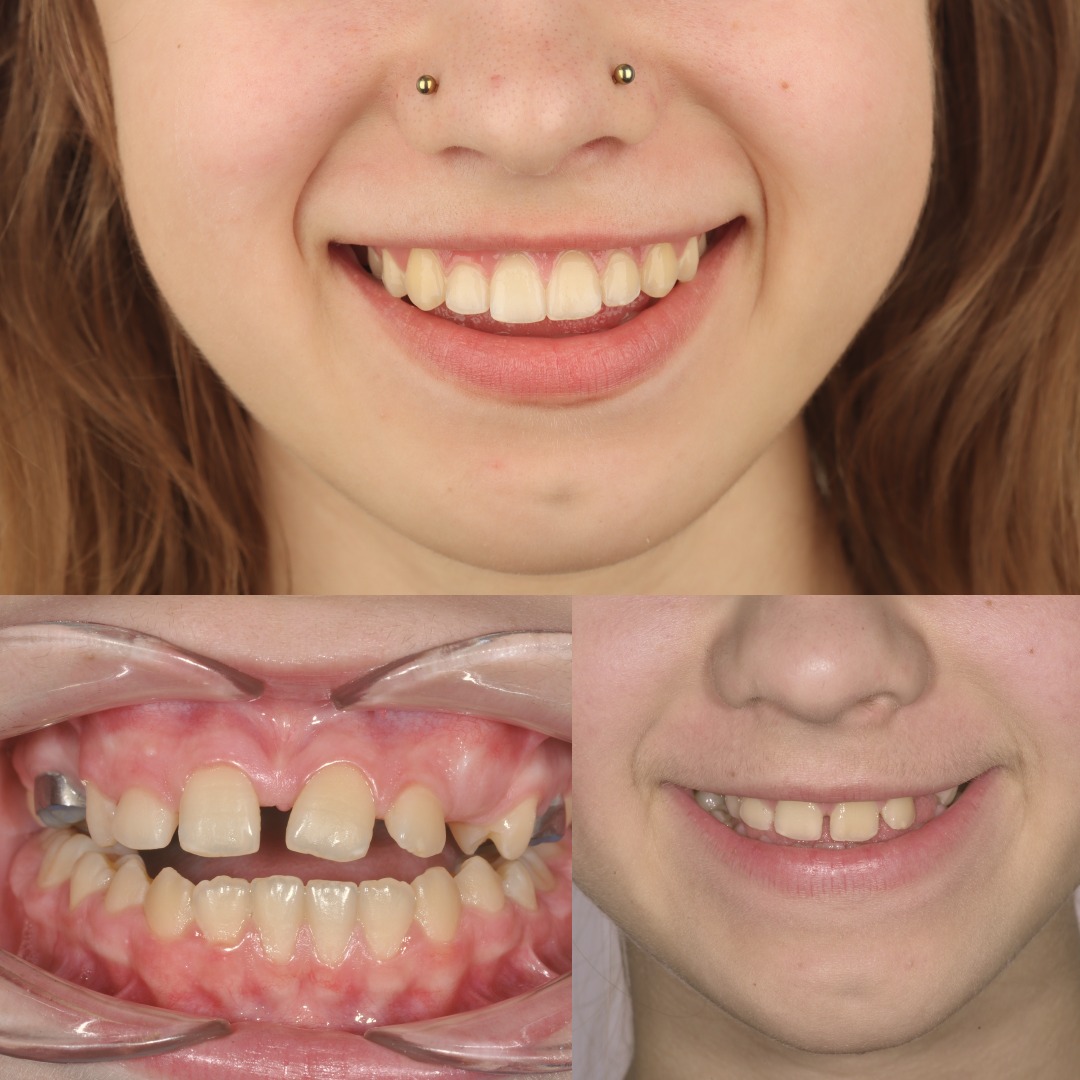
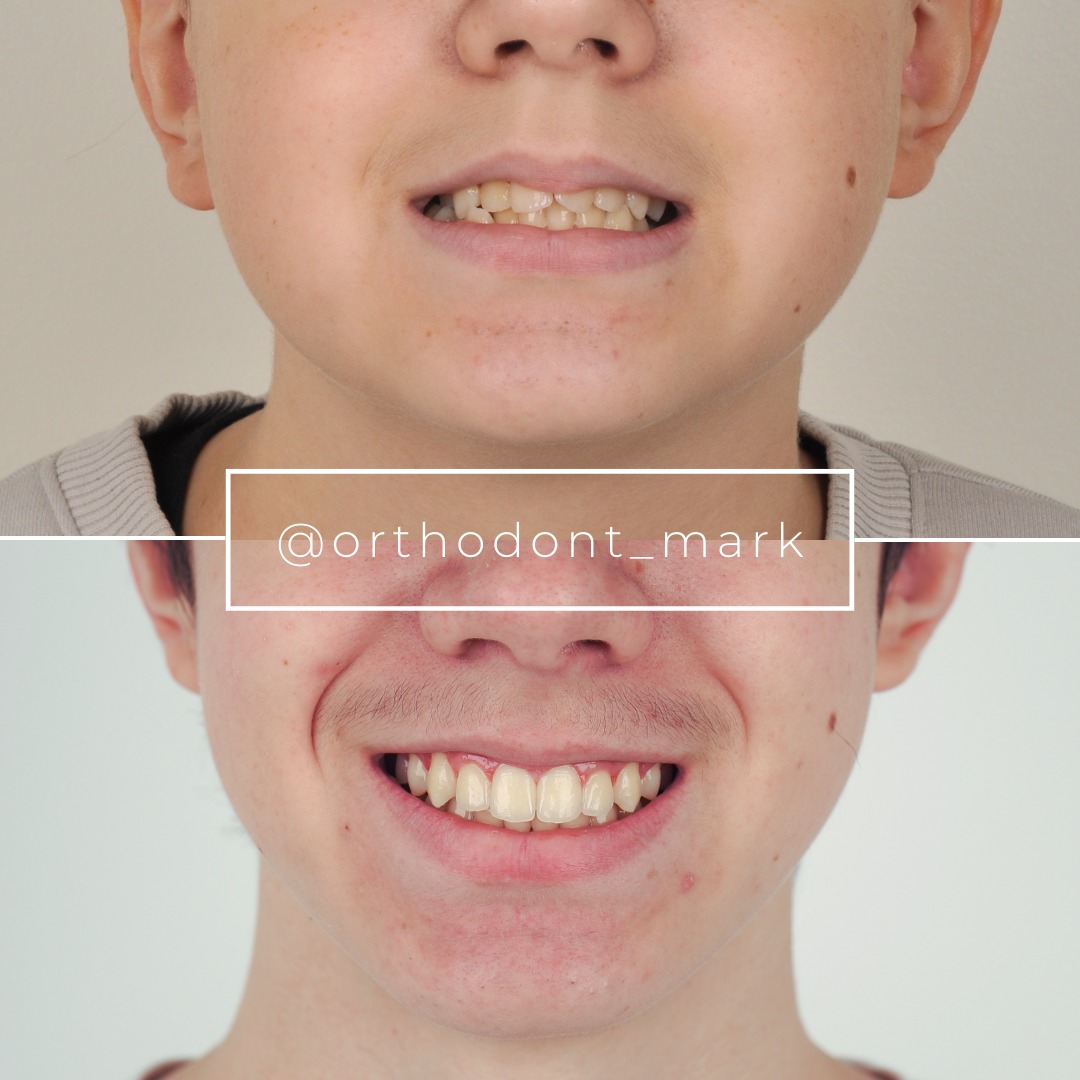
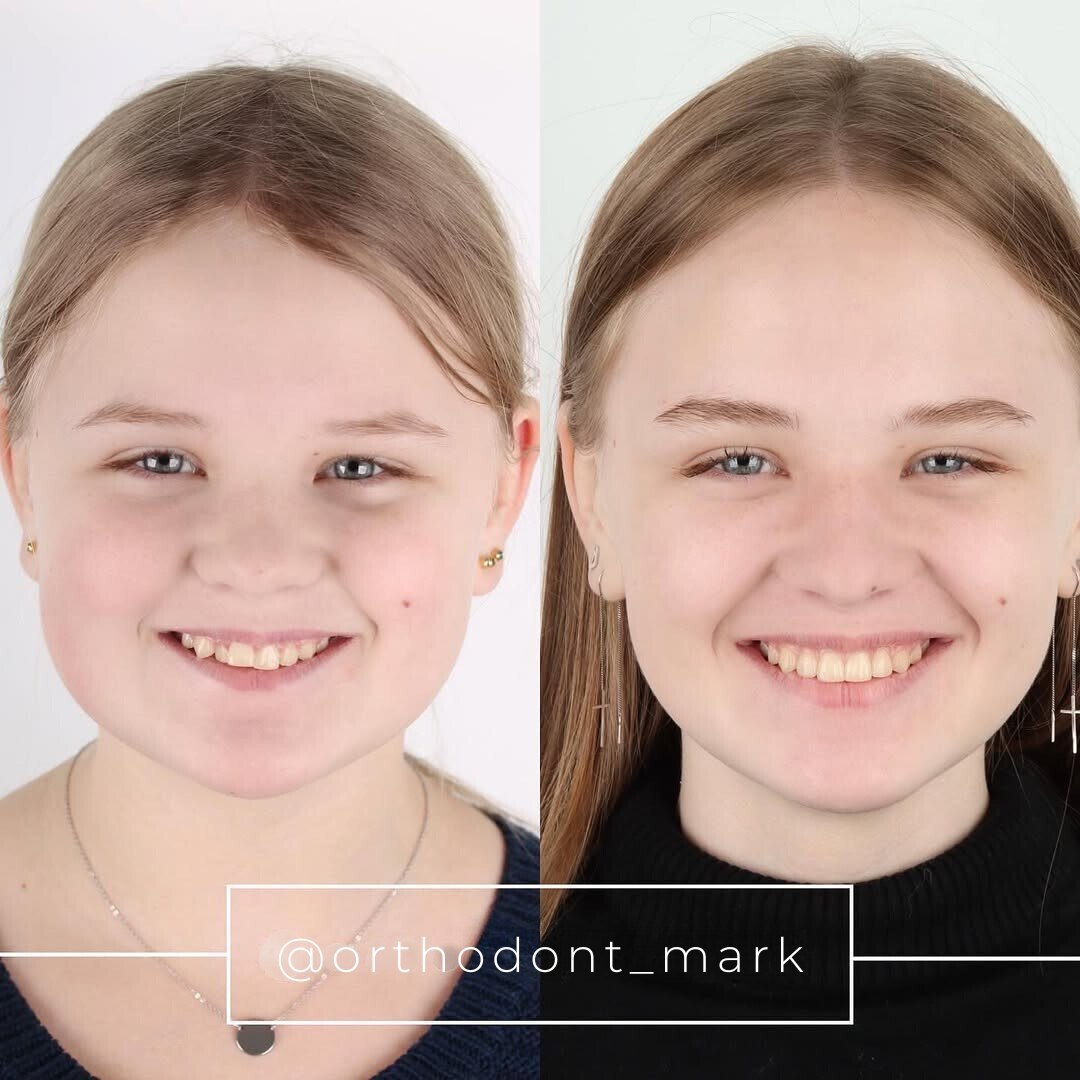
Learn the full MARPE protocol from Dr. Mark Radzhabov
Fundamental course covering CBCT patient selection, miniscrew planning, activation protocols, and 60+ clinical cases. Choose the access level that fits your practice.
Essentials of rapid palatal expansion for practicing orthodontists.
- Core RPE concepts and biomechanics
- 6 structured video lessons
- Clinical decision checklists
- Lifetime access to recordings
Deep-dive into MARPE protocol, diagnostics, and clinical execution.
- 6 modules covering MARPE from A to Z
- CBCT case selection walkthroughs
- Miniscrew placement and activation
- 60+ annotated clinical cases
- Direct Q&A with Dr. Mark Radzhabov
5-element medical consultation framework for dentists and orthodontists.
- Trust-building consultation protocol
- 5 lesson modules
- Templates for treatment plan delivery
- Works with any clinical specialty
Clinical FAQ
Does rapid palatal expansion directly reduce mouth breathing in all children, or only in selected phenotypes?
RPE directly expands nasal anatomy but reduces mouth breathing reliably only in children with maxillary constriction, normal adenoid size, and documented nasal airway obstruction. Confounding factors (adenoid hypertrophy, septal deviation, neuromuscular tone) limit generalizability.
What is the mechanism by which palatal expansion affects airway dimensions?
RPE reopens the midpalatal suture, increasing maxillary width and nasal cavity transverse diameter. The pyriform aperture widens, reducing intranasal resistance and theoretically improving nasal airflow during breathing.
How much nasal cavity expansion can clinicians expect from RPE in pediatric patients?
Studies document mean maxillary cross-sectional expansion of 4.3 mm and pyriform opening increase of 1.3 mm. However, soft tissue changes and functional nasal resistance depend on adenoid status and inflammation, not skeletal expansion alone.
What pretreatment evaluations are essential before recommending RPE for a child with suspected sleep apnea?
Polysomnography (to confirm OSAS), ENT examination (to exclude adenoid hypertrophy and septal deviation), dental casts (to confirm maxillary constriction), and CBCT or lateral cephalometry for airway and skeletal assessment.
How long does it typically take to observe breathing improvements after RPE activation?
Most studies report polysomnographic improvements within 4–6 months of active expansion completion. However, some studies show no improvement, and long-term stability beyond 12 months is poorly documented.
Can RPE alone resolve obstructive sleep apnea, or is it part of a multidisciplinary protocol?
RPE is not a standalone cure for OSAS. It addresses maxillary transverse deficiency but cannot resolve adenoid hypertrophy, septal deviation, or mandibular retrognathia. Multidisciplinary care involving orthodontists, otolaryngologists, and sleep medicine specialists is often necessary.
What is the difference between tooth-borne RPE and miniscrew-assisted expansion for airway outcomes?
Both techniques expand the nasal cavity; however, miniscrew-assisted expansion (MARPE/MSE) provides superior skeletal control in older or skeletally mature patients, reducing relapse and maximizing sustained airway enlargement.
Does mouth breathing cessation correlate reliably with AHI reduction after RPE?
Not always. A child may show improved AHI but persistent mouth breathing if nasal resistance remains elevated from turbinate hypertrophy or allergic inflammation. Conversely, nasal breathing may improve without substantial AHI reduction if obstruction was mild.
What evidence exists for long-term stability of breathing improvements after RPE?
Limited data. Most studies follow patients 6–12 months; few track outcomes beyond 2 years. Relapse risk and persistence of breathing gains in adolescence and adulthood remain incompletely understood.
How should clinicians counsel families about realistic expectations for RPE and breathing improvement?
Explain that RPE expands nasal anatomy in selected patients with maxillary deficiency, but breathing improvement depends on multiple factors. Pretreatment testing and post-treatment re-evaluation (polysomnography at 4–6 months) are essential to confirm efficacy.
Evidence suggests RPE can improve nasal airway dimensions and reduce sleep-disordered breathing in selected pediatric patients with maxillary constriction—but it is not a universal solution for mouth breathing. As Dr. Mark Radzhabov emphasizes, treatment success hinges on accurate phenotyping and recognition that OSAS and mouth breathing are multifactorial disorders. Consider a case consultation through Orthodontist Mark to align expansion therapy with your patient's specific craniofacial and respiratory profile.

