
RPE Side Effects and Safety:
Evidence
Orthodontists Can Cite
A peer-reviewed breakdown of expansion complications by patient age, tissue response, and appliance type — for clinicians navigating informed consent.
TL;DR RPE side effects depend heavily on skeletal maturity and patient age. The evidence shows that expansion patterns, nasal changes, and mucosal responses differ predictably by developmental stage. Understanding these mechanisms helps orthodontists set accurate expectations, select appropriate appliances, and manage complications before they escalate into irreversible tissue damage.
Parents walking into a consultation armed with forum threads about RPE side effects are a clinical reality, not an exception. For the orthodontist, the more useful frame is not reassurance but evidence: which complications are documented, under what conditions do they arise, and how does the literature guide protocol adjustments? Dr. Mark Radzhabov at ortodontmark.com draws on peer-reviewed imaging studies and histological data to help clinicians move beyond anecdote and toward defensible, evidence-informed decision-making on rapid palatal expansion safety.
Which RPE Side Effects Are Actually
Documented
in the Peer-Reviewed Literature?
RPE side effects are documented tissue, dental, and skeletal responses to rapid palatal expansion that vary in severity based on patient age, suture maturity, and appliance design. The clinical literature does not treat all expansion complications as equivalent — some are transient and appliance-dependent, others reflect irreversible anatomical changes when the wrong protocol is applied to the wrong patient. The most clinically serious profile emerges in skeletally mature patients. Omezli et al. (2020) document that RME in skeletally mature individuals produces buccal tipping, extrusion, periodontal recession, buccal fenestration, palatal tissue necrosis, and midpalatal suture failure to open. This cluster of findings is not an edge-case complication list — it reflects what happens when suture resistance is underestimated and force is absorbed by dental and periodontal structures rather than redirected across the midpalatal suture. For clinicians fielding parental concerns about rapid palatal expansion safety, these findings provide a precise answer: the documented risks are real, but they are largely predictable. A parent asking whether expansion causes root resorption or gum recession is raising a legitimate clinical question. The answer depends on whether the treatment plan accounts for skeletal maturity before appliance selection — not whether expansion as a category is safe or unsafe. Nasal changes add another dimension to the evidence-based RPE counseling conversation. Altorkat et al. (2016) measured a mean anterior nasal spine separation of 3.8 mm and a nasal base width increase of 1.6 mm post-treatment, quantifying the degree to which palatal expansion propagates into the nasal complex. These are structural changes that persist beyond appliance removal and should be addressed directly in consent discussions rather than minimized.
Why the Shape of Expansion Changes
After Age 12
and What That Means for Side-Effect Risk
One of the most practically useful findings in the recent expansion literature concerns not just whether RPE works, but the geometric pattern of how it works — and how that pattern shifts with age. Kinzinger et al. (2022) analysed dental casts from 60 patients divided into three age groups and found that maxillary expansion patterns differ significantly by age: children under 10 years exhibit parallel expansion, while adolescents aged 12 and older show V-shaped expansion with greater anterior than posterior transversal change. This distinction has direct implications for rapid palatal expansion safety. A V-shaped expansion pattern concentrates force anteriorly, which increases the risk of unequal dental tipping and asymmetric periodontal stress in adolescent patients. The clinician evaluating a 13-year-old cannot assume the same tissue response as in an 8-year-old, even when the same appliance is used. Protocol decisions — activation rate, retention duration, and force magnitude — should be adjusted to account for this age-dependent geometry. For the rapid palatal expander protocol selection conversation, Kinzinger et al. (2022) also provide a framework for anticipating where the greatest transversal change will occur. In adolescents showing the V-shaped pattern, posterior arch coordination may require adjunctive mechanics that would be unnecessary in younger patients with parallel expansion. Communicating this to referring dentists and families helps align expectations with actual anatomical outcomes rather than a generic 'widening the arch' narrative.
How Should Clinicians Manage Palatal
Mucosal Inflammation
During and After Expansion?
Palatal mucosal inflammation is among the most frequently cited parental concerns during RPE treatment. It is also one of the most manageable complications when identified early. Bud et al. (2023) found in a retrospective histological study that removal of the palatal expander is often sufficient to resolve palatal mucosal inflammation, providing clinicians with a clear first-line intervention that does not require pharmacological escalation in most cases. The clinical implication is straightforward: mucosal changes under the expansion appliance warrant monitoring at each activation visit, but the presence of inflammation does not automatically signal treatment failure or the need for surgical revision. Distinguishing reversible tissue irritation from the more serious tissue necrosis documented in skeletally mature patients — as described by Omezli et al. (2020) — requires clinical examination with attention to tissue colour, blanching, and ulceration rather than a single-visit snapshot. Case review and treatment planning workflows should include a tissue-check protocol at defined intervals. When inflammation persists beyond appliance removal in growing patients, secondary causes including appliance fit, hygiene compliance, and local trauma should be systematically excluded. The Bud et al. (2023) finding positions appliance removal as a diagnostic step as much as a therapeutic one — if inflammation resolves promptly, the cause was mechanical rather than systemic.
How to Frame RPE Risks
Accurately
When Counseling Families Before Treatment
Evidence-based RPE parent counseling is not about minimising risk — it is about attributing risk correctly. The studies reviewed here demonstrate that serious expansion appliance complications are not inherent to the procedure but are strongly associated with identifiable clinical conditions: skeletal maturity at the time of treatment, the geometric pattern of force distribution by age, and the presence of mucosal changes that go unaddressed. When a parent raises concerns about nasal changes following expansion, the Altorkat et al. (2016) data offer precise, citable anchors: anterior nasal spine separation of 3.8 mm and nasal base width increase of 1.6 mm are measurable, documented outcomes — not side effects to be dismissed. Framing these as expected structural responses rather than complications reframes the conversation accurately and positions the clinician as authoritative rather than defensive. For skeletal maturity-related risks, Omezli et al. (2020) provide the clearest clinical language: buccal tipping, periodontal recession, and suture non-opening in mature patients are not theoretical — they are documented case-level findings. Consent forms and pre-treatment discussions that reference patient age, growth status, and imaging findings as determinants of complication risk are more defensible and more clinically honest than generic 'expansion may cause some discomfort' language.
Free Clinical Guide
Which Expansion Appliance at Which Age?
Get Dr. Mark Radzhabov's guide to skeletal-expansion appliances — indications, pros & cons, and how to choose by patient age. Free to your inbox.
Prefer video? Watch the free demo lesson on MARPE appliance types, features and trade-offs.
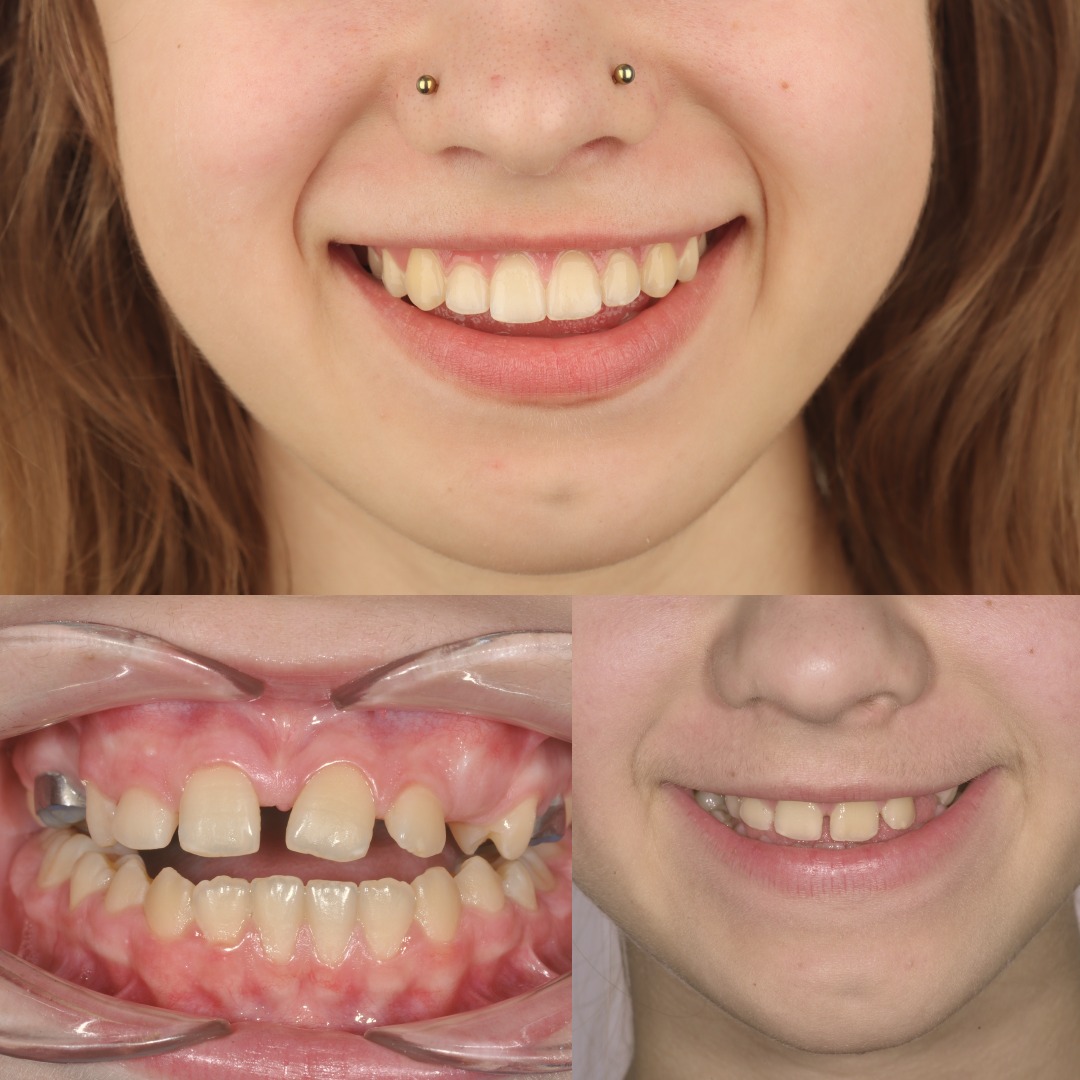
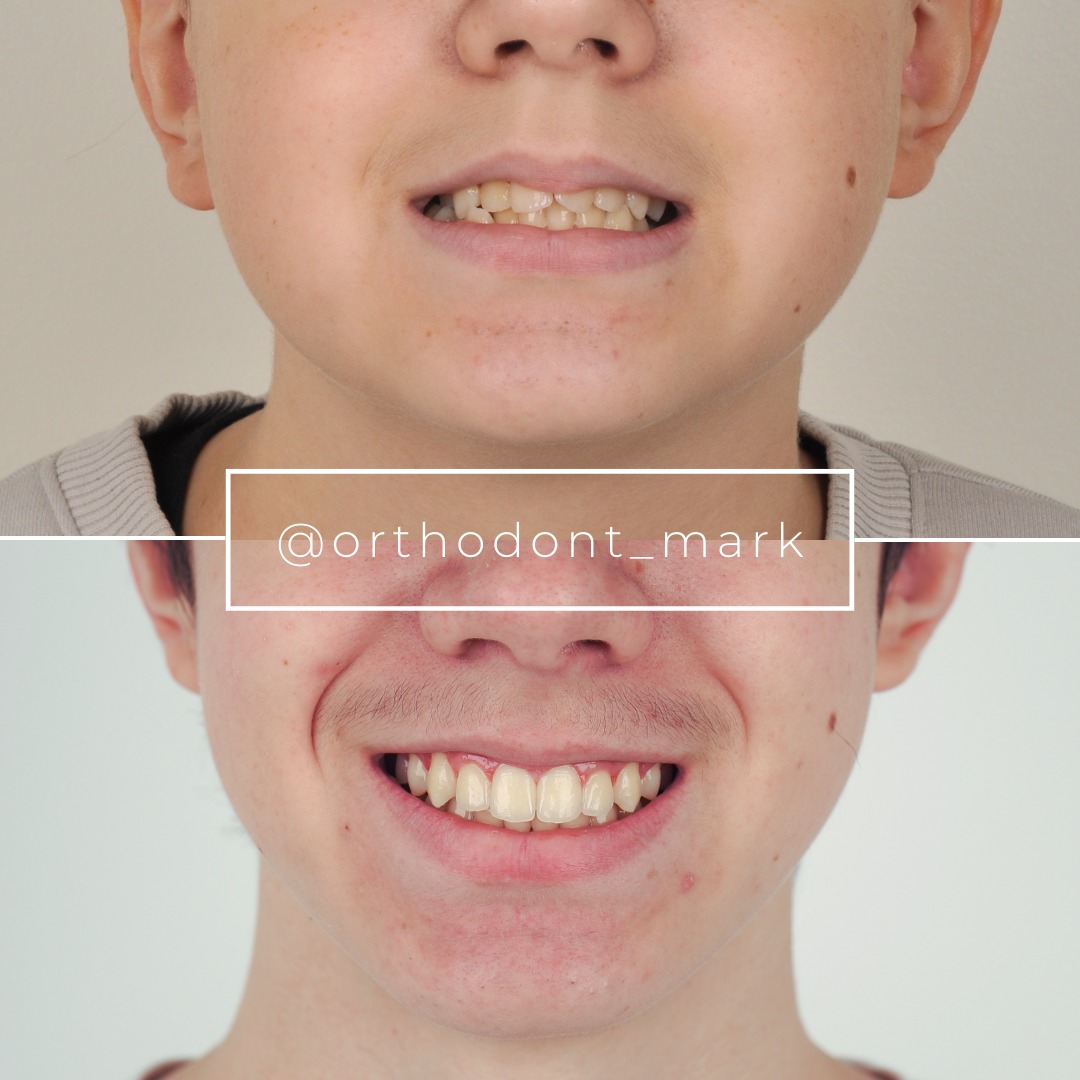
Documented outcomes
Clinical cases from Dr. Mark Radzhabov's practice
Learn the full MARPE protocol from Dr. Mark Radzhabov
Fundamental course covering CBCT patient selection, miniscrew planning, activation protocols, and 60+ clinical cases. Choose the access level that fits your practice.
Essentials of rapid palatal expansion for practicing orthodontists.
- Core RPE concepts and biomechanics
- 6 structured video lessons
- Clinical decision checklists
- Lifetime access to recordings
Deep-dive into MARPE protocol, diagnostics, and clinical execution.
- 6 modules covering MARPE from A to Z
- CBCT case selection walkthroughs
- Miniscrew placement and activation
- 60+ annotated clinical cases
- Direct Q&A with Dr. Mark Radzhabov
5-element medical consultation framework for dentists and orthodontists.
- Trust-building consultation protocol
- 5 lesson modules
- Templates for treatment plan delivery
- Works with any clinical specialty
Clinical FAQ
What are the documented RPE side effects in skeletally mature patients?
Omezli et al. (2020) document buccal tipping, extrusion, periodontal recession, buccal fenestration, palatal tissue necrosis, and midpalatal suture failure to open in skeletally mature patients — a complication profile that differs markedly from outcomes in growing patients.
How does rapid palatal expansion affect nasal airway dimensions?
Altorkat et al. (2016) measured a mean anterior nasal spine separation of 3.8 mm and a nasal base width increase of 1.6 mm following RME, confirming that palatal expansion produces quantifiable nasal structural changes beyond the dental arch.
Does expansion geometry differ between children and adolescents?
Yes. Kinzinger et al. (2022) found that children under 10 years show parallel expansion while adolescents aged 12 and older show V-shaped expansion with greater anterior than posterior transversal change — a pattern with direct implications for side-effect distribution.
How should palatal mucosal inflammation be managed during RPE treatment?
Bud et al. (2023) found that appliance removal is often sufficient to resolve palatal mucosal inflammation. Clinicians should use removal as both a therapeutic and diagnostic step before escalating to pharmacological or surgical management.
Is skeletal maturity a stronger predictor of RPE complications than age alone?
The evidence consistently links serious complications — suture failure, fenestration, necrosis — to skeletal maturity rather than calendar age alone, meaning imaging-based assessment of suture status should guide protocol selection more than age thresholds.
What evidence supports RPE-induced buccal tipping as a clinical risk?
Omezli et al. (2020) document buccal tipping as a specific outcome in skeletally mature patients treated with RME, where unresolved suture resistance causes force to be absorbed by alveolar bone and the periodontal ligament rather than the midpalatal suture.
How do V-shaped and parallel expansion patterns affect clinical outcomes differently?
Kinzinger et al. (2022) showed that V-shaped expansion in adolescents aged 12 and older concentrates transversal change anteriorly. This increases the risk of anterior dental tipping and asymmetric arch widening compared with the more uniform parallel pattern in younger patients.
When is palatal expansion appliance removal clinically indicated?
Beyond planned retention, early removal is indicated when palatal mucosal inflammation develops. Bud et al. (2023) confirm that removal often resolves tissue inflammation — making it a first-line response before more invasive interventions are considered.
What nasal changes should orthodontists disclose during RPE informed consent?
Altorkat et al. (2016) document measurable anterior nasal spine separation and nasal base widening following RME. These structural changes are expected outcomes of successful expansion and should be addressed explicitly in consent discussions, not categorised as unexpected complications.
How does evidence-based RPE counseling differ from general reassurance?
Evidence-based counseling attributes risk to specific clinical conditions — skeletal maturity, expansion geometry, and mucosal response — rather than minimising complications categorically. Studies by Omezli et al. (2020), Kinzinger et al. (2022), and Bud et al. (2023) provide the citable clinical anchors for this approach.
The evidence reviewed here makes clear that RPE side effects are not random events but predictable consequences of specific clinical conditions — suture maturity, patient age, and appliance design chief among them. Orthodontists who ground their case-selection logic in studies like Kinzinger et al. (2022) and Bud et al. (2023) are better positioned to obtain meaningful informed consent and intervene early when tissue signals appear. Dr. Mark Radzhabov invites clinicians to review a challenging expansion case or explore structured MARPE training to translate this evidence into day-one protocol decisions. Key sources: Bud et al. (2023), Biomedicines, doi:10.3390/biomedicines11123246. Altorkat et al. (2016), Surgeon, doi:10.1016/j.surge.2014.04.005. Kinzinger et al. (2022), doi:10.1007/s00056–022-00429-z.