
RPE and Nasal Breathing:
How Palatal Expansion Reshapes the Nose
Evidence-based mechanisms and clinical outcomes
Understand the immediate and delayed effects of rapid palatal expansion on nasal airway anatomy, breathing resistance, and craniofacial development—with actionable protocols for clinicians.
TL;DR Rapid palatal expansion (RPE) produces measurable changes in nasal airway dimensions, including increased nasal base width and pyriform opening enlargement. Evidence shows RPE may improve nasal breathing in selected pediatric patients, though long-term efficacy requires phenotype-specific assessment beyond apnea-hypopnea index metrics.
Rapid palatal expansion remains underutilized in addressing comorbid breathing dysfunction during orthodontic treatment. At Ortodontmark.com, Dr. Mark Radzhabov integrates airway-centered diagnostics into expansion planning—examining how RPE reshapes nasal anatomy and impacts respiratory function. This article synthesizes the biomechanical, radiographic, and clinical evidence on palatal expansion's effects on nasal breathing, providing practical protocols for clinicians seeking to optimize skeletal expansion outcomes in both pediatric and adult patients.
How Rapid Palatal Expansion
Reshapes Nasal Anatomy
Rapid palatal expansion directly influences nasal cavity geometry through skeletal and soft-tissue remodeling. When the maxilla is widened transversely, the nasal floor (formed by the hard palate) elevates and expands, increasing the cross-sectional area available for airflow. A 3D stereophotogrammetry study documented immediate changes in the nasal base width, increasing by a mean of 1.6 mm following RPE activation. The anterior nasal spine (ANS) separation averaged 3.8 mm ± 1.2 mm, indicating substantial anterior remodeling. Beyond the nasal base, the pyriform aperture—the bony nasal entrance—enlarges by approximately 1.3 mm following expansion, a morphologic shift that mechanically reduces nasal airway resistance. The columella (soft tissue between the nostrils) also responds, with statistically significant narrowing in columella width observed post-expansion. The nasal dorsum and tip undergo subtle reorientation; the nasal tip displacement angle increased significantly (p=0.001), reflecting the soft-tissue envelope's accommodation to underlying skeletal change. These anatomic shifts occur within the immediate post-expansion period, yet their functional significance depends on the preoperative nasal anatomy, septal position, and turbinate morphology. Clinicians should recognize that RPE-induced skeletal widening does not occur in isolation—compensatory soft-tissue changes occur concurrently, influencing both aesthetic and functional outcomes.
The Link Between Palatal Width
and Nasal Airway Resistance
Nasal airway resistance is inversely proportional to the cross-sectional area available for airflow; even modest reductions in nasal cavity diameter significantly increase resistance. In children with maxillary constriction, the narrowed palate often accompanies compressed nasal passages, lateral turbinate hypertrophy, and sometimes septal deviation—a constellation termed transverse maxillofacial insufficiency. Anterior rhinometry, an objective measure of nasal airflow resistance, normalizes in many pediatric patients following RPE when palatal constriction is the primary anatomic culprit. A clinical study of 31 children (mean age 8.7 years) with obstructive sleep apnea syndrome and maxillary constriction demonstrated dramatic improvements: the apnea-hypopnea index (AHI) decreased from a mean of 12.2 events per hour at baseline to <1 event per hour at 4-month follow-up following RPE consolidation. These children showed normal anterior rhinometry and clinically improved nasal breathing. However, response is phenotype-dependent—children with adenotonsillar hypertrophy, midfacial hypoplasia, or isolated retrognathia respond poorly. A recent systematic umbrella review of RME in pediatric obstructive sleep apnea noted considerable heterogeneity and advised cautious interpretation, emphasizing that RPE alone is insufficient for OSA management unless maxillary transverse constriction is the dominant anatomic driver. Clinicians must differentiate between structural airway narrowing (where RPE may succeed) and functional obstruction (where alternative or adjunctive interventions are required). This selective applicability underscores the importance of comprehensive pretreatment airway assessment.
Selecting the Right Candidate:
Phenotype Assessment Before Expansion
Successful integration of respiratory outcomes into palatal expansion planning requires systematic pretreatment phenotyping. Begin with a detailed history: sleep-disordered breathing symptoms (snoring, gasping, witnessed apneas), nasal obstruction complaints, mouth breathing habits, and growth trajectory. Clinical examination should include nasal inspection for septal deviation, turbinate hypertrophy, and polyps; oral examination for adenotonsillar size, palatal vault depth, and hard palate width; and facial assessment for sagittal jaw relationship and vertical dimensions. Anterior rhinometry provides objective baseline nasal airway resistance; nasal fiberscopy (when indicated) visualizes the dynamic airway during respiration. Lateral and frontal cephalometry reveal maxillary transverse width, palatal vault morphology, and nasal cavity boundaries. CBCT, when clinically indicated, delineates pyriform aperture dimensions, septal deviation, and airway volume at the oropharyngeal and nasopharyngeal levels. Children with maxillary constriction, normal or small adenotonsillar size, and adequate sagittal jaw relationships are ideal RPE candidates. Conversely, children with adenotonsillar hypertrophy as the primary airway obstruction should receive otolaryngologic evaluation and possible adenotonsillectomy before or concurrent with expansion. Adults present different considerations: skeletal maturity limits traditional RPE efficacy; miniscrew-assisted rapid palatal expansion (MARPE) offers an alternative for adults requiring transverse correction and airway optimization. Dr. Mark Radzhabov emphasizes that comprehensive pretreatment airway assessment—not macroscopic malocclusion alone—should drive expansion protocol selection.
Expansion Protocols That Optimize
Nasal Airway Changes
RPE timing in the growth cycle critically influences both skeletal response and nasal airway remodeling. In children, the optimal window is prepeak height velocity (PHV) or early pubertal growth, when sutural resistance is minimal and palatal bones remain highly responsive to orthopedic force. Activation protocols vary: traditional rapid expansion (0.5 mm daily for 14–20 days) followed by 6–12 months of retention produces maximal skeletal widening and allows bone remodeling to stabilize. Slower expansion protocols (0.25 mm daily) reduce transient nasal congestion and discomfort but may sacrifice some skeletal gain in highly resistant cases. Mean maxillary transverse expansion of 4.3 ± 0.7 mm in pediatric cohorts consistently correlates with measurable pyriform opening and nasal base enlargement. In consolidated retention (6–12 months post-activation), nasal cavity remodeling continues; anterior rhinometry often improves beyond the immediate post-activation phase. Post-expansion follow-up should include repeat rhinometry at 4 months to document normalization of airway resistance; clinical reassessment of nasal breathing and sleep-related symptoms validates functional gain. For adult patients or those with limited skeletal response, miniscrew-assisted rapid palatal expansion offers improved control and sustained force delivery without reliance on sutural compliance. Regardless of expansion modality, orthognathic timing must account for nasal airway goals: expansion should precede or coincide with mandibular advancement if both transverse and sagittal corrections are needed, ensuring coordinated airway enlargement.
What the Evidence Shows—and What Remains
Uncertain
Short-term evidence supports RPE-induced changes in nasal anatomy and acute improvements in nasal airway resistance in phenotypically suitable children. However, long-term durability and generalizability remain areas of debate. A 2023 systematic umbrella review examining RME in pediatric obstructive sleep apnea across seven polysomnographic studies found no consistent long-term evidence favoring RPE for OSA treatment. Heterogeneity arose from variable patient age, follow-up duration, adenotonsillar status, and definition of treatment success. While short-term AHI reductions are documented (as shown in the 4-month follow-up pediatric cohort), longer-term relapse—including return of nasal obstruction symptoms—has been reported in some cases, particularly when maxillary constriction is secondary to other craniofacial or neuromuscular factors. The authors noted that methodologically rigorous, longer-duration studies with standardized outcome measures (including airflow dynamics, symptom resolution, and quality-of-life metrics beyond AHI) are needed. Additionally, many published studies lack control groups or objective nasal airway assessment, limiting causal inference. Clinically, this evidence gap means that RPE should not be positioned as a definitive cure for sleep-disordered breathing in children; rather, it is one component of a multidisciplinary approach. Phenotype-driven selection—addressing maxillary constriction as a primary anatomic driver—remains the strongest predictor of success. Future research should employ standardized protocols, longer follow-up, and integrated assessment of dental, skeletal, and functional breathing outcomes.
Free Clinical Guide
Which Expansion Appliance at Which Age?
Get Dr. Mark Radzhabov's guide to skeletal-expansion appliances — indications, pros & cons, and how to choose by patient age. Free to your inbox.
Prefer video? Watch the free demo lesson on MARPE appliance types, features and trade-offs.
Documented outcomes
Clinical cases from Dr. Mark Radzhabov's practice
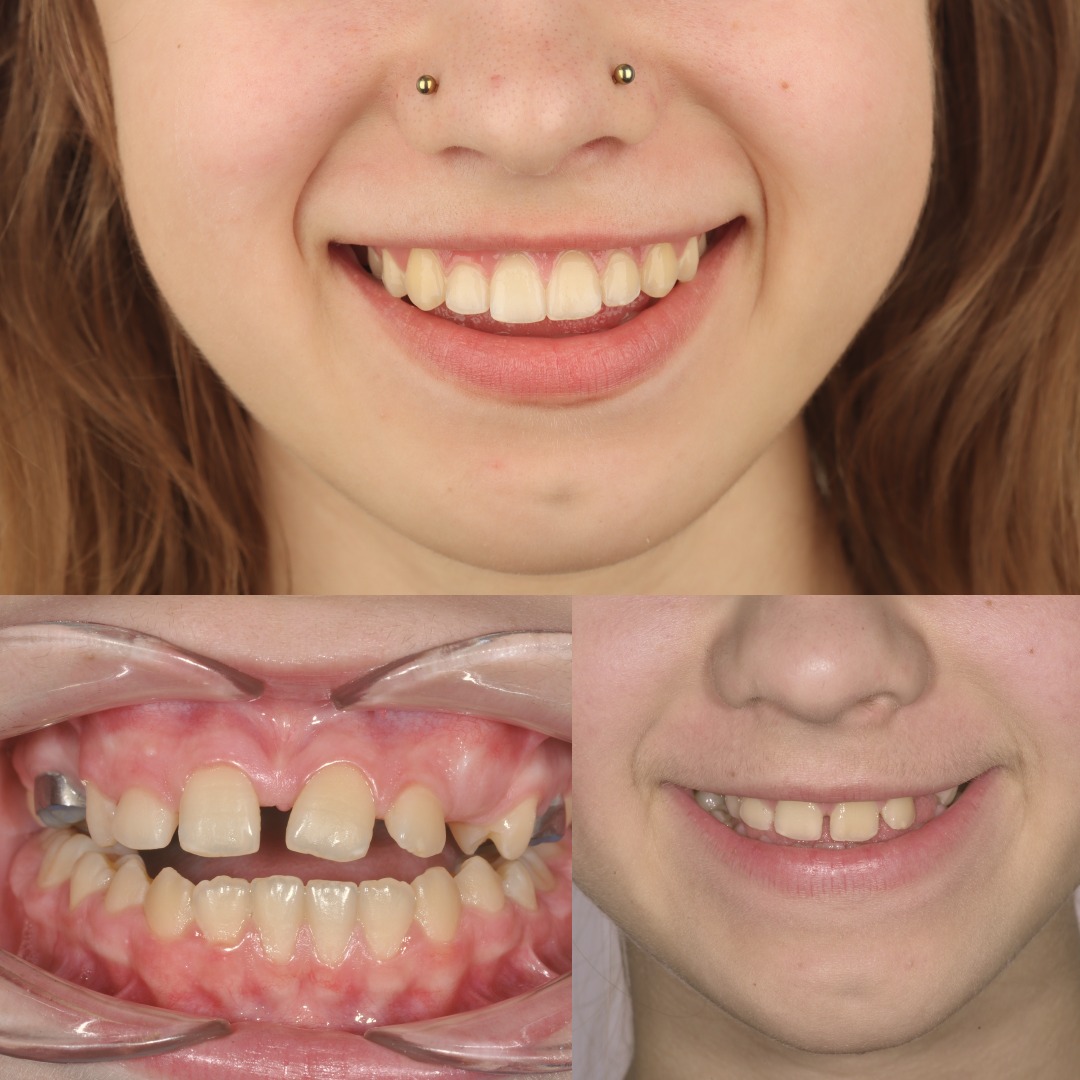
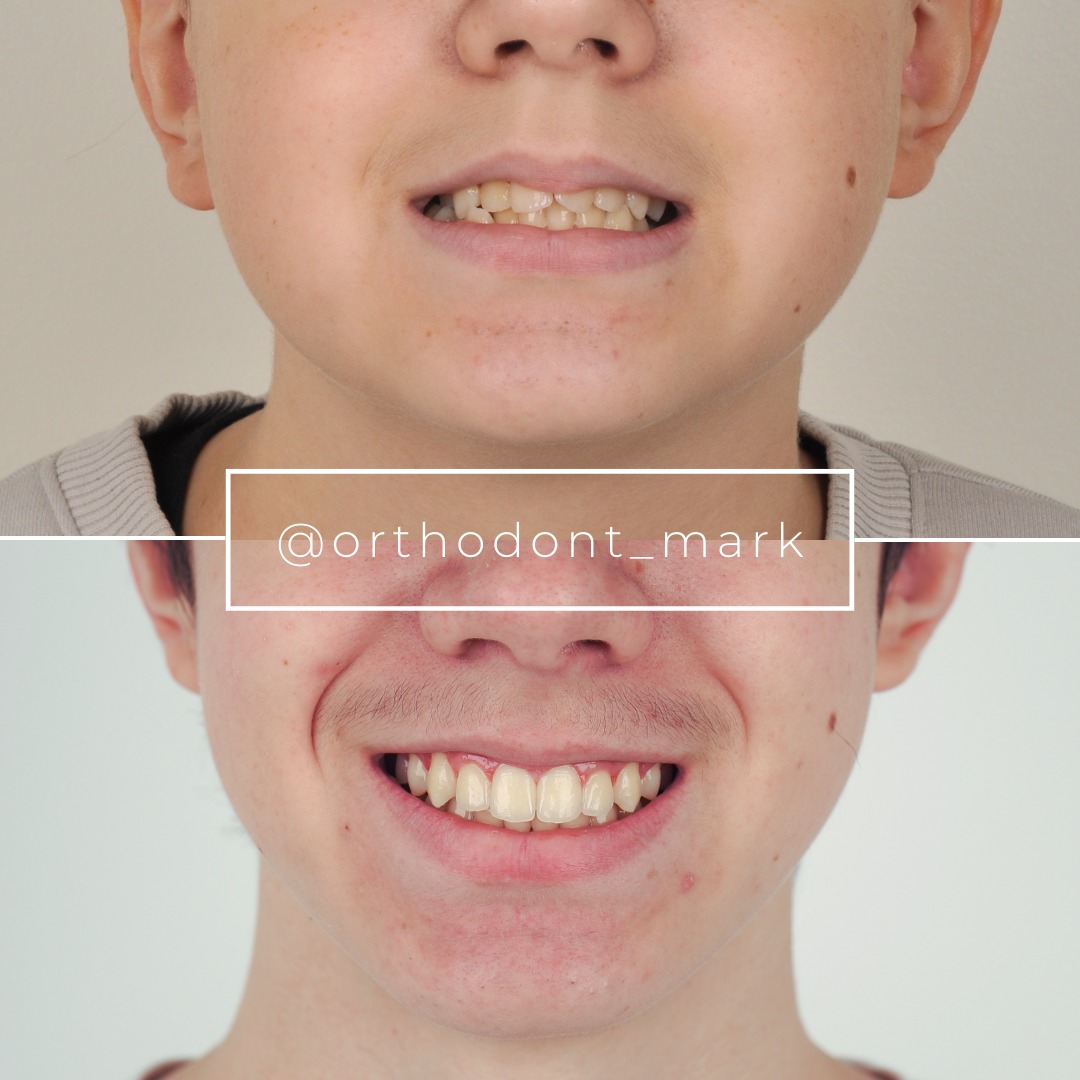
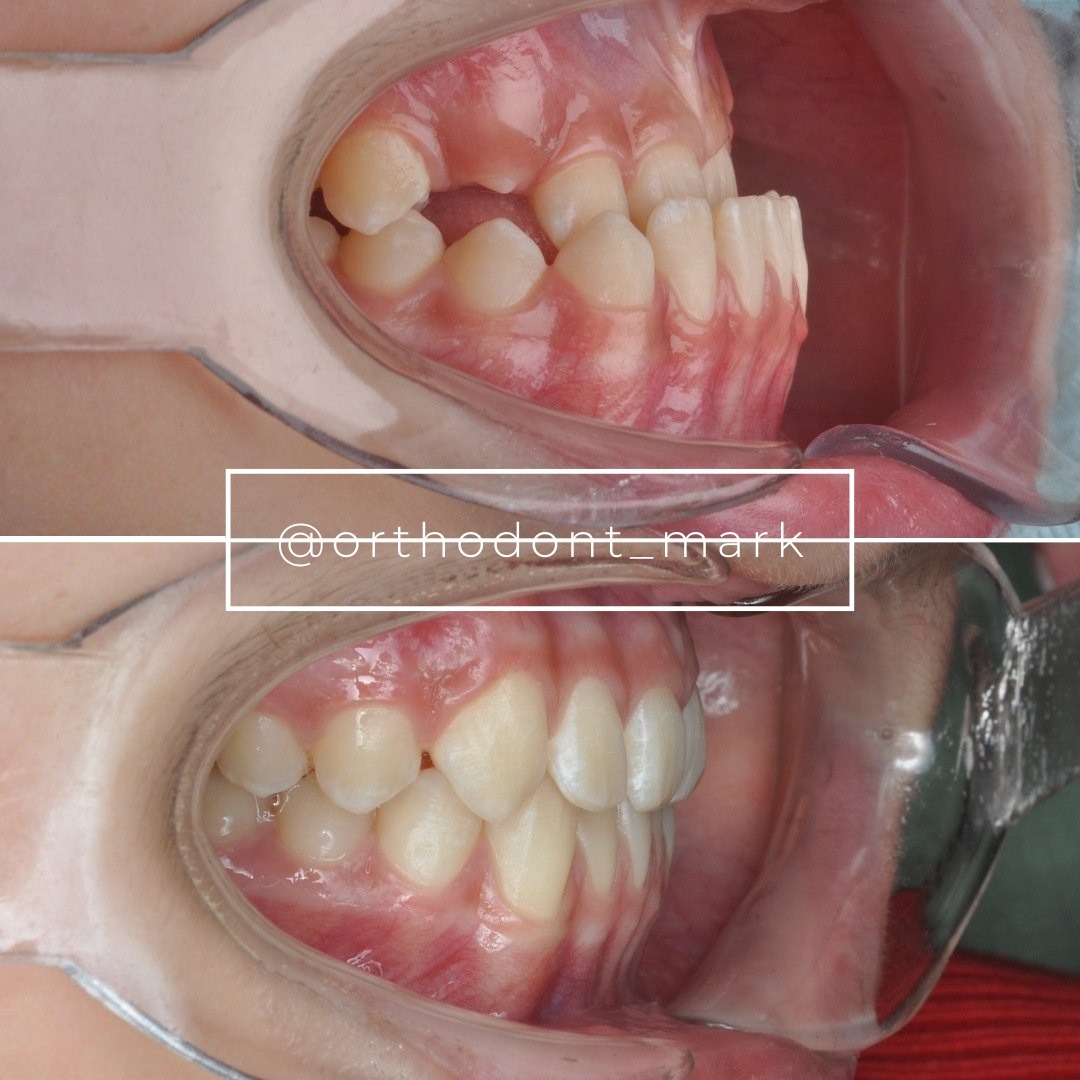
Learn the full MARPE protocol from Dr. Mark Radzhabov
Fundamental course covering CBCT patient selection, miniscrew planning, activation protocols, and 60+ clinical cases. Choose the access level that fits your practice.
Essentials of rapid palatal expansion for practicing orthodontists.
- Core RPE concepts and biomechanics
- 6 structured video lessons
- Clinical decision checklists
- Lifetime access to recordings
Deep-dive into MARPE protocol, diagnostics, and clinical execution.
- 6 modules covering MARPE from A to Z
- CBCT case selection walkthroughs
- Miniscrew placement and activation
- 60+ annotated clinical cases
- Direct Q&A with Dr. Mark Radzhabov
5-element medical consultation framework for dentists and orthodontists.
- Trust-building consultation protocol
- 5 lesson modules
- Templates for treatment plan delivery
- Works with any clinical specialty
Clinical FAQ
Does rapid palatal expansion improve nasal airway dimensions objectively?
Yes. 3D imaging shows increases in nasal base width (~1.6 mm), pyriform opening (~1.3 mm), and anterior nasal spine separation (~3.8 mm). Anterior rhinometry often normalizes post-expansion in responsive patients.
What patient phenotype benefits most from RPE for nasal breathing improvement?
Children with maxillary transverse constriction, normal adenotonsillar size, adequate sagittal jaw position, and confirmed nasal obstruction secondary to palatal narrowness. Adenotonsillar hypertrophy requires concurrent ENT management.
How does palatal expansion affect the pyriform aperture and why does it matter?
Expansion widens the pyriform aperture (nasal entrance) by ~1.3 mm, reducing nasal airway resistance. Larger pyriform opening improves nasal airflow mechanics, supporting breathing function during sleep and wakefulness.
What is the optimal age to perform RPE for maximum nasal airway benefit?
Prepeak height velocity or early pubertal growth offers maximal skeletal response and airway remodeling. Younger children (ages 6–10) show greater sutural compliance and long-term retention of expansion gains.
Can RPE alone treat obstructive sleep apnea in children?
No. RPE may reduce apnea-hypopnea index in children with maxillary constriction, but long-term evidence is inconsistent. It is one component of multidisciplinary management; adenotonsillar hypertrophy and other airway obstruction sites require evaluation.
What should clinicians measure before starting RPE to predict breathing outcomes?
Conduct anterior rhinometry (baseline nasal resistance), nasal fiberscopy (dynamic airway visualization), CBCT (septal and pyriform anatomy), and assess adenotonsillar size and sagittal jaw relationships.
How long does the nasal airway improvement from RPE last?
Short-term improvements (4–12 months post-expansion) are well-documented. Long-term durability beyond 12–24 months is unclear; relapse can occur if growth or functional factors shift. Extended retention supports stability.
Are there differences in nasal airway response between traditional RPE and miniscrew-assisted expansion?
MARPE offers improved force control and efficacy in older children and adults with limited sutural compliance. Both produce nasal cavity widening; MARPE may allow more precise titration in resistant cases or skeletally mature patients.
What soft-tissue changes accompany palatal expansion in the nasal region?
The columella narrows, nasal tip displacement angle increases, and nasal base widens. Naso-labial angle changes are subtle. Soft-tissue envelope accommodation is immediate; remodeling continues during retention.
How should clinicians counsel patients on realistic breathing improvements from RPE?
Explain that RPE improves nasal anatomy in phenotypically suitable cases but is not a guaranteed cure for sleep apnea or chronic nasal obstruction. Set expectations for functional assessment pre- and post-treatment; multidisciplinary coordination is often necessary.
The relationship between palatal expansion and nasal breathing is complex, requiring individualized assessment of craniofacial phenotype, airway anatomy, and functional breathing patterns. Dr. Mark Radzhabov recommends pre-treatment rhinometry and fibroscopy in suspected breathing cases, coupled with post-expansion airway imaging to document changes. For detailed case review and personalized treatment planning, schedule a consultation through Ortodontmark.com or enroll in our evidence-based expansion protocols.