
Soft-Tissue Facial Changes
After RPE
Evidence from 3D Scanner Analysis
Stereophotogrammetry provides objective documentation of nasal and lip morphology changes during palatal expansion. Learn which facial structures shift predictably and how to counsel patients on esthetic outcomes.
TL;DR Three-dimensional stereophotogrammetry reveals that rapid palatal expansion produces measurable soft-tissue facial changes, particularly nasal base widening (1.6 mm median increase) and nasal tip displacement, with minimal effects on nasal dorsum height or upper lip length. Clinical documentation via 3D scanning provides objective baseline and post-expansion assessment for treatment planning.
Soft-tissue facial changes after rapid palatal expansion remain underreported in contemporary orthodontic literature, yet they directly influence patient esthetics and treatment acceptance. This article examines the three-dimensional evidence for how skeletal expansion affects nasal morphology, lip position, and facial contours in growing and non-growing patients. Dr. Mark Radzhabov integrates stereophotogrammetry findings with clinical protocol recommendations to help you predict and communicate soft-tissue outcomes with confidence.
What Are Soft-Tissue Facial Changes
After RPE?
Soft-tissue facial changes after rapid palatal expansion are the measurable alterations in nasal width, lip position, and facial contours documented via three-dimensional imaging following skeletal maxillary expansion. Traditional cephalometric radiography captures only the hard-tissue response—midpalatal suture separation, maxillary width gain, and buccal cortical plate movement. However, the overlying soft tissues respond with their own kinetic pattern, and these changes directly influence patient perception of treatment success. Three-dimensional stereophotogrammetry (also called 3D photogrammetry or surface scanning) captures facial morphology in detail that two-dimensional imaging cannot provide. Unlike CBCT, which excels at quantifying bone, stereophotogrammetry measures the exact position of nasal landmarks, columella width, alar base expansion, and upper lip morphology at high resolution. Studies using 3D imaging have revealed that not all soft-tissue changes are dramatic or immediate—some emerge only after the consolidation phase, while others remain subtle throughout treatment. For clinicians, understanding these soft-tissue changes is essential to setting realistic esthetic expectations, especially in adult patients or those with pre-existing nasal asymmetry. The ability to document baseline nasal morphology before expansion begins, then objectively compare post-expansion scans, transforms soft-tissue assessment from subjective clinical observation into evidence-based communication. This level of documentation strengthens informed consent conversations and helps patients understand the esthetic profile of their expansion therapy.
Documented Nasal and Lip Changes
from 3D Scanner Studies
The most consistent finding across 3D stereophotogrammetry studies is a significant increase in nasal base width during rapid palatal expansion. A 2016 study found a median nasal base width increase of 1.6 mm immediately post-expansion, which was statistically significant (p=0.001). This nasal widening reflects direct transmission of force from the expanded maxilla to the alar bases and lateral nasal walls. The anterior nasal spine, which anchors the nasal septum and columella, separates by approximately 3.8 mm ± 1.2 mm during expansion, and this skeletal movement drives alar displacement outward. Nasal tip displacement represents another significant change. The nasal tip displacement angle increased significantly (p=0.001), indicating that the tip of the nose shifts both anteriorly and laterally as the maxilla expands. This occurs because the nasal cartilages, which are not rigidly attached to bone, follow the underlying skeletal expansion and shift with the expanding pyriform aperture and nasal floor. In contrast, measurements of nasal dorsum height, nasal tip protrusion, philtrum width, and upper lip length did not reach statistical significance in most studies, suggesting that the vertical and sagittal dimensions of the nose and lip remain relatively stable during expansion. Columella width—the distance between the two nasal cavities at the cartilaginous septum base—showed a statistically significant increase (p=0.009), consistent with the overall lateral expansion of nasal structures. These findings demonstrate that soft-tissue facial changes after rapid palatal expansion are not uniform across the face; instead, they follow the vector of skeletal movement, with the greatest changes occurring in structures directly overlying the maxillary midline and alar bases.
3D Scanner Documentation
in Expansion Treatment Planning
Implementing 3D stereophotogrammetry in your expansion protocol requires three key imaging timepoints: baseline (pre-activation), immediate post-expansion (T1), and post-consolidation (typically 3 months, T2). Baseline imaging establishes the starting nasal morphology, including alar width, columella position, and nasal tip projection. This baseline scan becomes your objective reference for patient communication and post-treatment comparison. Many patients have pre-existing nasal asymmetry or deviation; documenting this baseline prevents confusion later when patients attribute natural asymmetry to the expansion itself. Immediate post-expansion imaging (T1) captures the acute soft-tissue response. At this stage, nasal base widening is maximal and most apparent to the patient. Three-dimensional images allow you to quantify the exact magnitude of alar expansion and show this measurement to the patient in consultation. If the patient perceives the nasal widening as esthetically undesirable, this is the moment to discuss the trade-off: the expanded maxilla may improve dental occlusion and airway volume significantly, while soft-tissue changes are typically subtle and often resolve partially during consolidation. Consolidation-phase imaging (T2) reveals which soft-tissue changes persist and which resolve. Research suggests that some alar widening may rebound slightly as the nasal cartilages gradually relax after active expansion force ceases. Comparing T1 and T2 scans for a given patient provides empirical evidence of this dynamic and informs your predictions for future cases. Additionally, 3D scanning integrated with [skeletal expansion affects nasal morphology](https://ortodontmark.com/blogs/marpe/) allows you to assess whether buccal tooth displacement or pure skeletal expansion dominates the treatment outcome, helping refine protocol selection (conventional RPE vs. [MARPE](https://ortodontmark.com/blogs/marpe/) vs. surgical expansion).
RPE vs. MARPE:
Soft-Tissue Response Differences
A key clinical question is whether miniscrew-assisted rapid palatal expansion (MARPE) produces different soft-tissue facial changes than conventional tooth-borne RPE. Preliminary 3D imaging evidence suggests yes. MARPE generates greater nasal width increase in both the molar and premolar regions compared to conventional RPE at equivalent expansion amounts (e.g., 35 turns of activation). This difference likely reflects the biomechanical advantage of MARPE: skeletal anchorage eliminates dental side effects (buccal tipping of anchor teeth, dentoalveolar compensation) and transmits a more purely orthopedic vector of force through the midpalatal suture to the maxillary base and nasal structures. In conventional RPE, a significant portion of the applied force is dissipated in buccal tipping of the maxillary molars and premolars, reducing the true skeletal expansion component. MARPE minimizes this side effect, allowing more of the expansion force to translate into true midpalatal suture separation and skeletal widening. As a result, nasal structures experience a larger skeletal displacement with MARPE, and the corresponding soft-tissue response (alar widening, nasal tip shift) is measurably greater. This does not mean MARPE is contraindicated in patients concerned about nasal esthetics; rather, it means your [treatment planning and case communication](https://ortodontmark.com/blogs/consultation/) should explicitly address the probability of greater soft-tissue widening if you select MARPE over conventional RPE. Clinically, this distinction is valuable in adult patients with pre-existing nasal concerns. If a patient has already expressed worry about nasal appearance, conventional RPE—despite generating some dentoalveolar side effects—may produce less absolute soft-tissue change than MARPE. Conversely, if the patient's primary goal is maximum skeletal expansion and occlusal correction, MARPE's greater nasal widening may be an acceptable trade-off. The evidence underscores that there is no universally “best” expansion method; instead, method selection should be personalized based on the patient's esthetic priorities, skeletal maturity, and treatment goals.
Factors Influencing Soft-Tissue
Facial Changes After Expansion
Patient age and skeletal maturity significantly influence the magnitude and distribution of soft-tissue facial changes after rapid palatal expansion. In prepubertal and pubertal patients with open midpalatal sutures and responsive bone remodeling, skeletal expansion is achieved with less dentoalveolar side effect and lower buccal tooth tipping. Consequently, the nasal widening in younger patients reflects a more direct skeletal response, and the relative proportion of this change to the overall force vector may be predictable. Conversely, in skeletally mature adults where suture resistance is high and bone remodeling is slower, the choice of expansion method (MARPE vs. surgical expansion) becomes critical to achieving adequate skeletal change with tolerable soft-tissue consequences. Individual anatomic variation—including pre-existing nasal asymmetry, septal deviation, and alar base position—creates heterogeneity in soft-tissue response even among patients of similar age and expansion magnitude. Some patients exhibit greater alar rebound during consolidation, while others show minimal change in nasal appearance despite documented skeletal expansion. This variation underscores the importance of baseline 3D imaging; without it, you cannot distinguish between the patient's inherent nasal asymmetry and any asymmetry generated by the expansion itself. Sex differences in soft-tissue response have not been extensively studied via 3D stereophotogrammetry in the expansion literature, but general principles of sexual dimorphism (broader nasal bases and alar width in males) suggest that male and female patients may exhibit quantitatively different soft-tissue changes for the same skeletal expansion. Additionally, ethnicity influences nasal morphology baseline and may affect soft-tissue response patterns; this area remains understudied and represents a gap in the current evidence base. Clinically, your documentation of soft-tissue changes via 3D imaging across a diverse patient population builds your own evidence library and improves personalized prediction over time.
Technical Protocol for 3D Soft-Tissue
Documentation During Expansion
Standardized imaging protocols are critical to generating reproducible and comparable 3D data across baseline, immediate post-expansion, and consolidation timepoints. Patient head position (natural head posture vs. Frankfurt horizontal plane alignment) must be consistent across all scans. Lighting, camera distance, and background should be identical to minimize artifact and drift in landmark identification. Most clinical 3D scanners (including structured-light and photogrammetry systems) allow export of point clouds and surface meshes that can be overlaid and compared using specialized software. This overlay analysis enables quantitative measurement of soft-tissue displacement at any point on the face. Landmark selection for soft-tissue analysis should include a standard set: nasion (bridge of nose), anterior nasal spine (ANS, the bony point at the base of the nasal septum), left and right alar crease landmarks (the lateral extent of the alar base), columella midpoint, nasal tip, and philtrum midline. These landmarks, once digitized consistently across scans, allow linear measurements (alar width, columella width, philtrum width, nasal tip protrusion) and angular measurements (nasolabial angle, nasal tip displacement angle) that quantify soft-tissue changes. Measurement repeatability (intra-observer and inter-observer reliability) should be verified by repeat digitization of at least 10% of scans; intraclass correlation coefficients (ICC) should exceed 0.90 for clinical relevance. Integration of 3D soft-tissue data with CBCT skeletal measurements provides a complete picture of expansion outcomes. CBCT quantifies midpalatal suture separation, maxillary width gain at the palate and alveolar crest, and nasal width at the skeletal level; 3D photogrammetry quantifies the soft-tissue overlay and esthetic outcome. Comparing skeletal nasal width gain (from CBCT) to soft-tissue alar width gain (from 3D scan) reveals the proportion of soft-tissue versus hard-tissue contribution—useful information for understanding the biomechanics of your specific expansion protocol and predicting outcomes in similar future cases.
Free Clinical Guide
Which Expansion Appliance at Which Age?
Get Dr. Mark Radzhabov's guide to skeletal-expansion appliances — indications, pros & cons, and how to choose by patient age. Free to your inbox.
Prefer video? Watch the free demo lesson on MARPE appliance types, features and trade-offs.
Documented outcomes
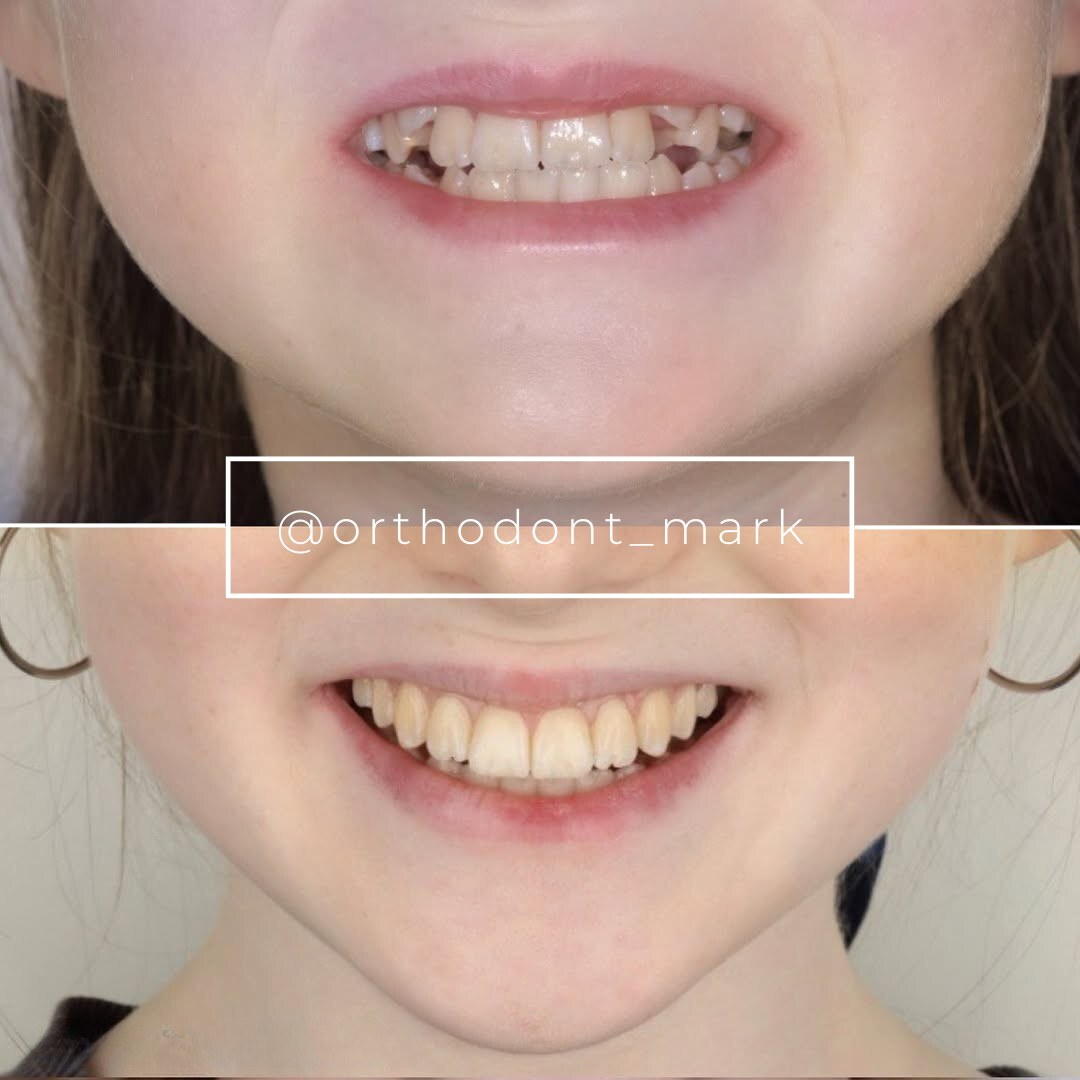
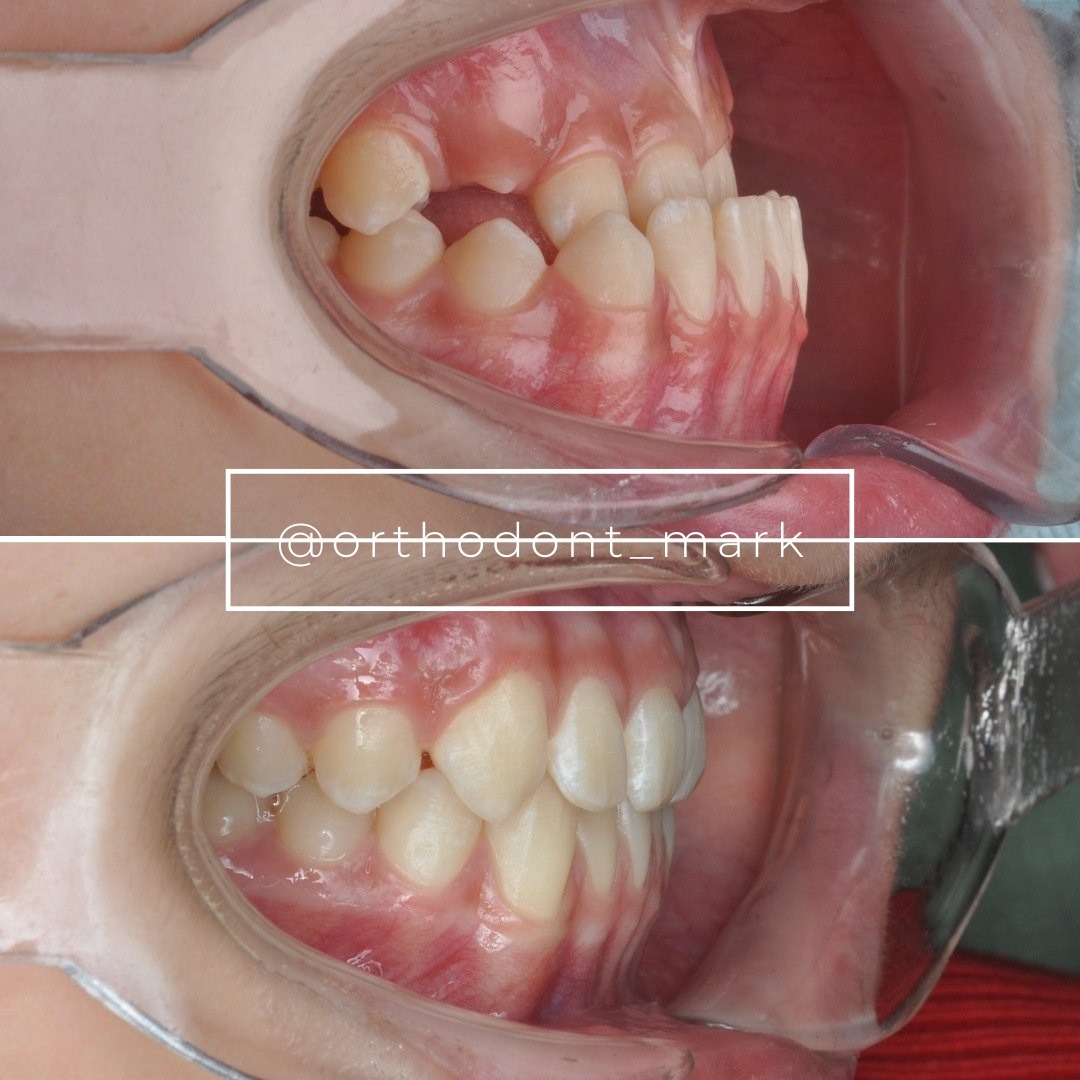
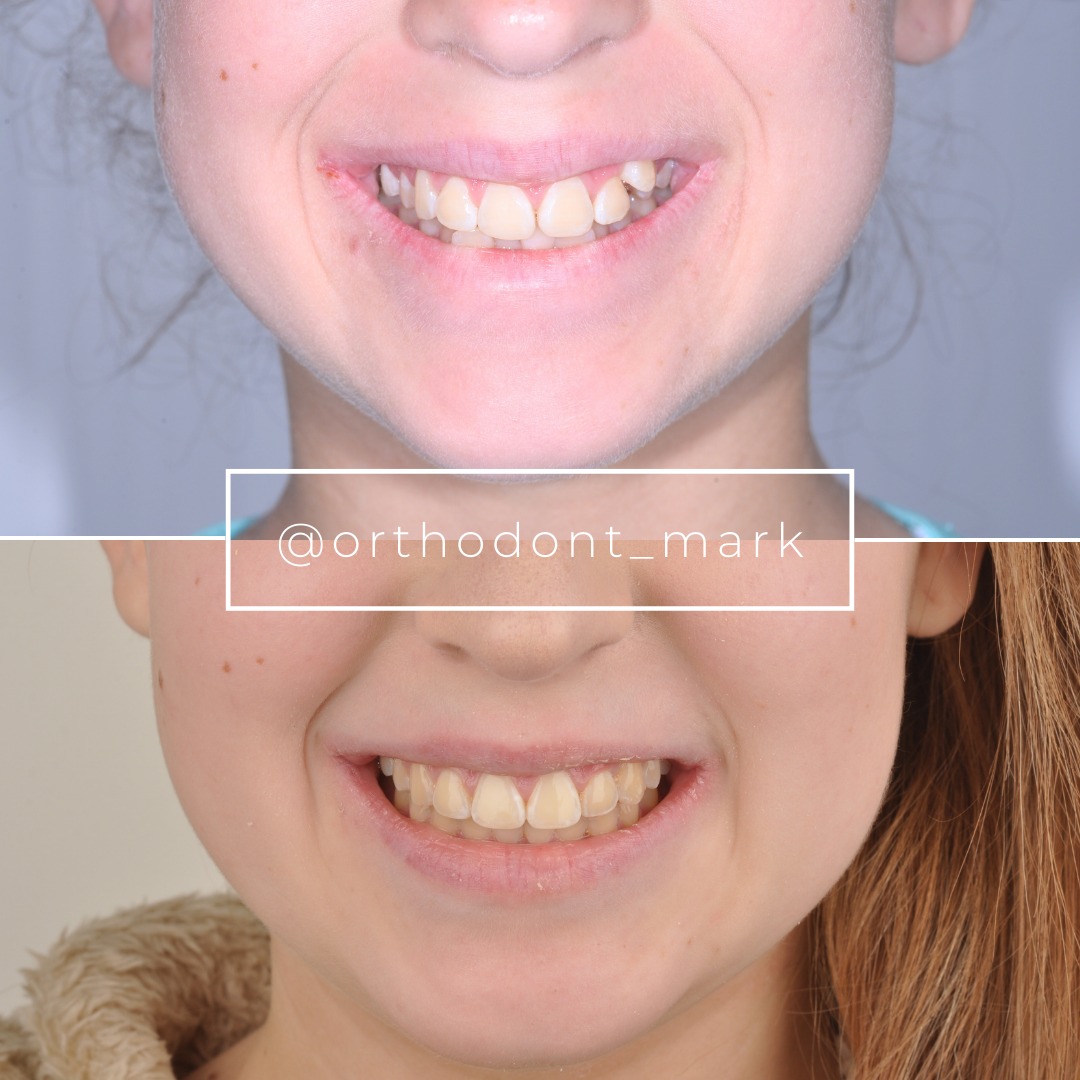
Clinical cases from Dr. Mark Radzhabov's practice
Learn the full MARPE protocol from Dr. Mark Radzhabov
Fundamental course covering CBCT patient selection, miniscrew planning, activation protocols, and 60+ clinical cases. Choose the access level that fits your practice.
Essentials of rapid palatal expansion for practicing orthodontists.
- Core RPE concepts and biomechanics
- 6 structured video lessons
- Clinical decision checklists
- Lifetime access to recordings
Deep-dive into MARPE protocol, diagnostics, and clinical execution.
- 6 modules covering MARPE from A to Z
- CBCT case selection walkthroughs
- Miniscrew placement and activation
- 60+ annotated clinical cases
- Direct Q&A with Dr. Mark Radzhabov
5-element medical consultation framework for dentists and orthodontists.
- Trust-building consultation protocol
- 5 lesson modules
- Templates for treatment plan delivery
- Works with any clinical specialty
Clinical FAQ
How much does nasal width increase immediately after rapid palatal expansion?
3D stereophotogrammetry studies report a median nasal base width increase of 1.6 mm immediately post-RPE, with anterior nasal spine separation averaging 3.8 mm ± 1.2 mm. Changes are most pronounced at the alar base and less significant in upper nasal regions.
What soft-tissue facial changes are NOT statistically significant after RPE?
Nasal dorsum height, nasal tip protrusion (sagittal depth), philtrum width, and upper lip length do not show statistically significant changes in most 3D imaging studies, indicating expansion affects lateral structures more than vertical or anterior-posterior dimensions.
Does nasal widening from RPE persist after consolidation, or does it partially rebound?
Evidence suggests partial rebound occurs during the 3-month consolidation phase as nasal cartilages gradually relax. However, complete rebound does not occur; some permanent nasal widening persists. Comparing 3D scans at T1 and T2 quantifies individual rebound patterns.
How does MARPE affect soft-tissue nasal changes compared to conventional RPE?
MARPE produces significantly greater nasal base widening than conventional RPE at equivalent expansion amounts (p < 0.05), reflecting superior skeletal force transmission without dentoalveolar compensation. This distinction is critical for patient counseling regarding esthetic outcomes.
What 3D imaging landmarks should I measure to document soft-tissue expansion changes?
Standard landmarks include nasion, anterior nasal spine (ANS), bilateral alar crease points, columella midpoint, nasal tip, and philtrum midline. Linear measurements (alar width, columella width) and angular measurements (nasolabial angle, nasal tip displacement angle) quantify change between timepoints.
At what stage of treatment should I obtain post-expansion 3D scans to show patients their nasal changes?
Immediate post-expansion (T1) imaging shows maximum nasal widening and provides the most dramatic before-and-after comparison for patient communication. However, comparing T1 and T2 (3-month consolidation) scans demonstrates rebound dynamics and more realistic long-term esthetic outcomes.
Does age influence the magnitude of soft-tissue facial changes after rapid palatal expansion?
Younger patients with open sutures experience more skeletal expansion relative to dentoalveolar side effects, potentially resulting in more proportional soft-tissue response. Skeletally mature adults require MARPE or surgical methods to achieve equivalent skeletal expansion, with correspondingly greater nasal changes.
How should I integrate 3D soft-tissue data with CBCT skeletal measurements for comprehensive outcome assessment?
Compare skeletal nasal width gain (CBCT) to soft-tissue alar width gain (3D photogrammetry) to determine the proportion of true skeletal versus soft-tissue overlay. This calculation reveals the biomechanical efficiency of your expansion protocol and informs future case selection.
What measurement reproducibility standard is required for clinical 3D soft-tissue documentation?
Intraclass correlation coefficients (ICC) for landmark identification and linear measurements should exceed 0.90 to ensure clinical relevance. Verify repeatability by re-digitizing at least 10% of scans with independent observer checks for consistency.
Can pre-existing nasal asymmetry be distinguished from expansion-induced nasal changes using 3D imaging?
Yes. Baseline 3D imaging documents inherent asymmetry before expansion begins. By comparing baseline to post-expansion asymmetry patterns, you can isolate the expansion contribution and adjust patient expectations accordingly, reducing post-treatment dissatisfaction.
Understanding soft-tissue responses to palatal expansion strengthens your ability to set realistic esthetic expectations and counsel patients preoperatively. The 3D scanner documentation approach outlined here provides objective before-and-after records that support treatment planning and case communication. To integrate these evidence-based soft-tissue assessment protocols into your practice, explore Dr. Mark Radzhabov's comprehensive MARPE and RPE clinical guides at Orthodontist Mark.