
Tongue Posture Stability After RPE:
Long-Term Neuromuscular Adaptation
Evidence from Growing Patients
Understand how palatal expansion triggers spontaneous tongue elevation and why postexpansion tongue position remains stable. Clinical insights for optimizing retention and monitoring airway development.
TL;DR Tongue posture stability after RPE shows significant spontaneous elevation and remains stable during long-term follow-up in growing patients without respiratory disturbances. The tongue adapts to the expanded palatal vault through neuromuscular remodeling, supporting treatment stability and craniofacial development.
Tongue posture adaptation following rapid palatal expansion represents a critical yet often underappreciated aspect of orthodontic treatment outcomes. This article examines the long-term stability of tongue position changes after RPE, with evidence from cephalometric studies tracking patients through active expansion and extended retention phases. Dr. Mark Radzhabov discusses how understanding these adaptive mechanisms—and the timeline for neuromuscular accommodation—can inform clinical decision-making in expanding patients and predict the durability of skeletal and dental gains.
What Is Tongue Posture Stability After RPE?
spontaneous elevation
Tongue posture stability after RPE is the maintenance of an elevated, anteriorly positioned tongue rest position achieved during maxillary expansion, sustained through long-term cephalometric follow-up without relapse. When the hard palate widens, the tongue—which has been compressed inferiorly against a narrow vault—gains adequate space to reposition itself closer to the palatal roof. This adaptation occurs spontaneously, without active patient retraining, driven by the biomechanical reality of increased available space in the oral cavity.
In growing patients without respiratory disturbances, cephalometric studies document significant reductions in tongue-to-palate distance and hyoid bone-to-mandibular plane distance following active RPE. What is clinically important is that this new tongue posture—once achieved—demonstrates long-term stability during retention and follow-up periods extending beyond 29 months postexpansion. The tongue does not relapse to its preexpansion position because the palatal skeletal foundation remains expanded.
This phenomenon is distinct from periodontal or gingival relapse. The tongue's stabilization is a neuromuscular accommodation to the new anatomical reality, not a muscular rebound. Understanding this mechanism allows clinicians to predict which patients will benefit most from expansion and to coordinate tongue posture changes with airway development, nasal breathing patterns, and long-term craniofacial growth.
Adaptive Changes in Tongue Position During Expansion
space-dependent repositioning
The mechanism driving tongue posture adaptation is fundamentally geometric and mechanical. In patients with severe maxillary constriction, the space required to accommodate the tongue close to the roof of the palate is inadequate; the tongue posture is therefore lower than physiologically optimal. When RPE creates the additional space needed, the tongue spontaneously positions itself closer to the expanded palatal roof—a process that requires no conscious patient effort or myofunctional retraining.
This adaptation reflects the tongue's primary function as a mobile floor of the oral cavity and an airway patent-keeper. As the palatal vault deepens and widens, the tongue's dorsum naturally elevates to maintain its spatial relationship with the hard palate and soft palate above. Simultaneously, the anteroposterior position of the tongue often advances slightly, reflecting the tongue's repositioning to occupy the newly available space in the expanded arch form.
The hyoid bone—which anchors the tongue musculature via the geniohyoid, stylohyoid, and hyoglossus muscles—shifts upward and anteriorly following expansion. This skeletal shift of the hyoid apparatus contributes to the overall elevation of tongue rest position. Cephalometric measurements confirm these changes within weeks of expansion completion, indicating rapid neuromuscular accommodation rather than gradual muscle remodeling over months.
Importantly, this adaptation occurs in patients with no signs or symptoms of respiratory disturbance. This suggests that the tongue's repositioning is not compensatory for airway narrowing, but rather a passive response to increased oral space. The stability of this new position over 29+ months of follow-up implies that once the skeletal foundation is expanded, the neuromuscular system 'locks in' the new tongue position as the baseline resting state.
Long-Term Stability: Beyond Active Expansion
29-month cephalometric stability
Long-term cephalometric follow-up studies tracking tongue posture after RPE in growing patients reveal a consistent pattern of stability. Initial measurements at baseline show a lower, more posterior tongue position in patients with maxillary constriction compared to controls with normal dentoskeletal anatomy. Immediately following active RPE (typically 6–8 weeks of activation), repeat cephalometric radiographs document significant elevation of tongue rest position.
The critical finding is that this elevated position is maintained during the retention phase and does not revert toward the pretreatment position during long-term follow-up. Cephalometric radiographs obtained 29+ months after completion of active expansion show no significant relapse in tongue-to-palate distance or hyoid-to-mandibular plane distance compared to measurements taken 6–7 months postexpansion. This stability contrasts sharply with the relapse often observed in alveolar width or buccolingual tipping of molars if expansion is not properly retained.
The mechanism underlying this stability is skeletal permanence combined with neuromuscular adaptation. The expanded palate provides a permanent new 'ceiling' for the tongue; the neuromuscular system adapts to this new anatomy and establishes a new resting equilibrium. Between active expansion and the retention checkpoint at 6–7 months, the tongue position stabilizes. By 29 months, the position has become part of the patient's baseline postural pattern, supported by balanced pressure between the tongue and the buccal soft tissues against the dentition.
This stability is independent of patient compliance with myofunctional retraining or active posture correction exercises. The adaptation occurs naturally in response to the geometric change in the oral cavity, not through conscious muscle retraining. This is clinically significant because it means retention protocols can rely on skeletal stability and passive neuromuscular equilibrium, rather than requiring intensive patient cooperation in tongue posture exercises during the critical retention window.
Monitoring Tongue Posture During Expansion
cephalometric checkpoints
and retention planning
Clinicians can optimize expansion outcomes by incorporating cephalometric assessment of tongue posture into their diagnostic and follow-up protocols. Baseline lateral cephalometric or CBCT imaging should document tongue-to-palate distance and hyoid bone position as part of the pretreatment record. These measurements serve as a reference point for monitoring adaptation and confirming that the expected spontaneous elevation occurs postexpansion.
A checkpoint radiograph at 6–7 months postexpansion (shortly after completion of active activation and early into retention) allows the clinician to confirm that tongue elevation has been achieved and stabilized. At this point, the patient transitions to passive retention, during which skeletal healing continues and neuromuscular equilibrium is reinforced. No active tongue posture correction is required; the expanded palate and the patient's natural adaptive response will maintain the elevated position.
For patients undergoing miniscrew-assisted expansion protocols such as MARPE in growing or young patients, the same principles apply: monitor baseline tongue posture, confirm elevation postexpansion, and document stability at retention checkpoints. The advantage of skeletal anchorage is that it allows true palatal skeletal expansion without dental tipping, which in turn creates maximum usable space for tongue repositioning.
Clinicians should also coordinate tongue posture changes with nasal airway assessment. The expanded palate increases nasal cavity volume and can improve nasal airway patency, supporting the transition to nasal breathing patterns. This combination—improved nasal airway access plus spontaneous tongue elevation—creates a favorable environment for long-term craniofacial development and stable occlusion. Dr. Mark Radzhabov emphasizes that tongue posture monitoring is not an afterthought but an integral marker of successful expansion mechanics and skeletal adaptation.
Who Benefits Most from Tongue Posture Normalization
patient selection criteria
Not all expansion patients experience the same degree of tongue posture adaptation. Growing patients without pre-existing respiratory disturbances show the most robust and stable tongue elevation following RPE. These patients have sufficient neuromuscular plasticity to accommodate the new oral geometry rapidly, and their younger age allows skeletal changes to consolidate with concurrent craniofacial growth.
Patients with severe maxillary constriction experience greater absolute change in tongue-to-palate distance compared to those with mild or moderate constriction. This is expected: a narrow palate forces the tongue more inferiorly, so expansion creates more available space and therefore a greater stimulus for tongue repositioning. Clinically, severely constricted patients often report improved comfort and airway sensation shortly after expansion completion, reflecting the tongue's gain in space.
Age is a relevant factor. While growing patients show excellent stability, the research context confirms that expansion can achieve clinical stability across various age groups. However, younger patients benefit from the combination of skeletal adaptation plus continued craniofacial growth, which may reinforce the expanded form and support long-term tongue posture stability.
Patients with a history of mouth breathing may show additional benefits from expansion-induced tongue elevation. As the tongue rises and the palate expands, nasal cavity volume increases and the patient's postural reflex may shift toward nasal breathing, creating a positive feedback loop. Conversely, patients with anatomical nasal obstruction may not gain the same airway benefit, though tongue elevation itself may still improve, providing intraoral space benefits for dentition stability.
Retention Strategy and Tongue Posture Maintenance
skeletal and soft tissue stability
Retention protocols must address both skeletal and soft tissue stability. The expanded palatal skeletal base provides the permanent foundation for tongue elevation; this does not relapse on its own. However, supporting soft tissue equilibrium—balanced pressure from tongue, cheeks, and lips against the dentition—ensures that the expanded form and the elevated tongue position remain mutually reinforcing.
Passive retention devices (palatal expanders left in place without activation, or fixed palatal vaults) can maintain skeletal width during the critical 6-month period following active expansion. The presence of the appliance also serves as a proprioceptive reminder to the tongue, reinforcing the elevated resting position. Once the appliance is removed, the expanded bone provides sufficient width that further relapse is unlikely, assuming normal eruption and growth occur.
Patient education should clarify that tongue posture 'correction' is automatic and requires no special effort. Some clinicians traditionally prescribed tongue-thrust correction exercises or myofunctional therapy following expansion, operating under the assumption that the tongue needed retraining to stay elevated. The evidence now suggests that this is unnecessary; the tongue will naturally occupy the expanded space without conscious retraining. This simplifies retention and improves patient compliance, as no active myofunctional regimen is required.
However, clinicians should remain alert to patients who develop mouth-breathing habits or excessive lip incompetence after expansion. These behavioral factors can alter the soft tissue pressure environment, potentially affecting stability. Addressing breathing pattern and lip seal through habit modification (not tongue posture correction) supports the maintained equilibrium. Long-term stability data confirm that 29+ months of sustained tongue elevation is achievable when skeletal expansion is permanent and postexpansion soft tissue pressures remain balanced.
Integration with Airway Development and Craniofacial Growth
systemic benefits of RPE
Tongue posture elevation following RPE is not an isolated dental effect but part of a coordinated systemic adaptation involving the nasal cavity, pharynx, and airway. The expanded palate increases nasal cavity volume, which can improve nasal airway patency and support the development of nasal breathing patterns. The elevated tongue position complements this by removing obstructive pressure on the pharyngeal airway and allowing more efficient airflow during inspiration.
In growing patients, these combined effects—palatal widening, nasal cavity expansion, and tongue elevation—create an environment favorable for normal craniofacial development. Nasal breathing, associated with an elevated tongue rest position, drives proper development of the maxilla and mandible, wider interdental spacing, and healthier periodontal tissues compared to mouth-breathing patterns.
The stability of tongue posture elevation over 29 months suggests that the expanded palate and the elevated tongue position become the new 'default' state for the patient's craniofacial system. This is reinforced by growth and skeletal remodeling during the retention period, especially in younger patients. By the time expansion is complete and retention transitions to passive monitoring, the patient's natural postural reflex has adapted to the new anatomy.
Clinicians should recognize that expansion outcomes extend beyond molar width and buccolingual tipping. The normalization of tongue posture—and the associated improvements in airway patency and nasal breathing—represent functional gains that support long-term stability, reduce relapse risk, and contribute to improved craniofacial development. Monitoring tongue position is therefore a marker of true skeletal expansion success, not merely a curiosity of soft tissue adaptation.
Free Clinical Guide
Which Expansion Appliance at Which Age?
Get Dr. Mark Radzhabov's guide to skeletal-expansion appliances — indications, pros & cons, and how to choose by patient age. Free to your inbox.
Prefer video? Watch the free demo lesson on MARPE appliance types, features and trade-offs.
Documented outcomes
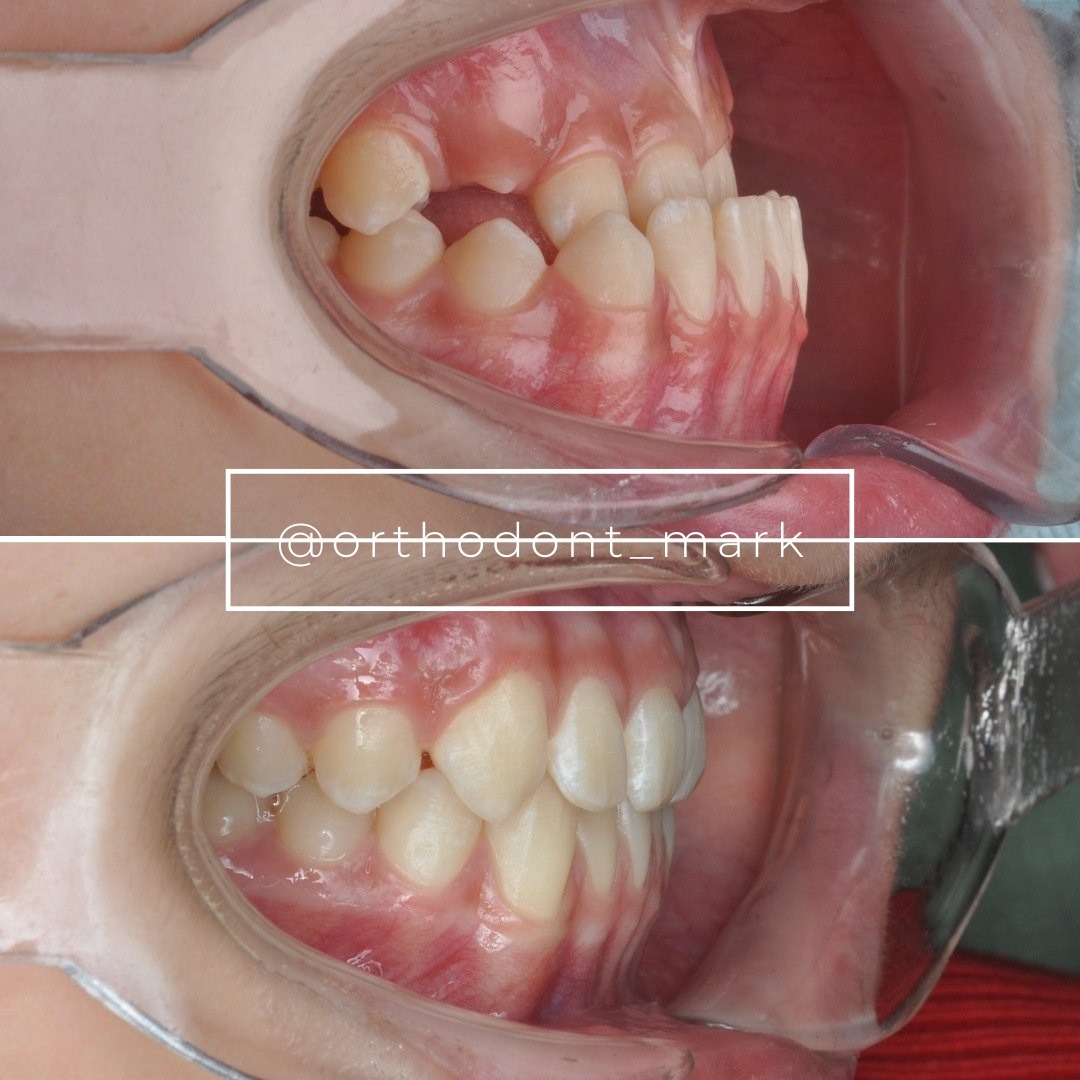
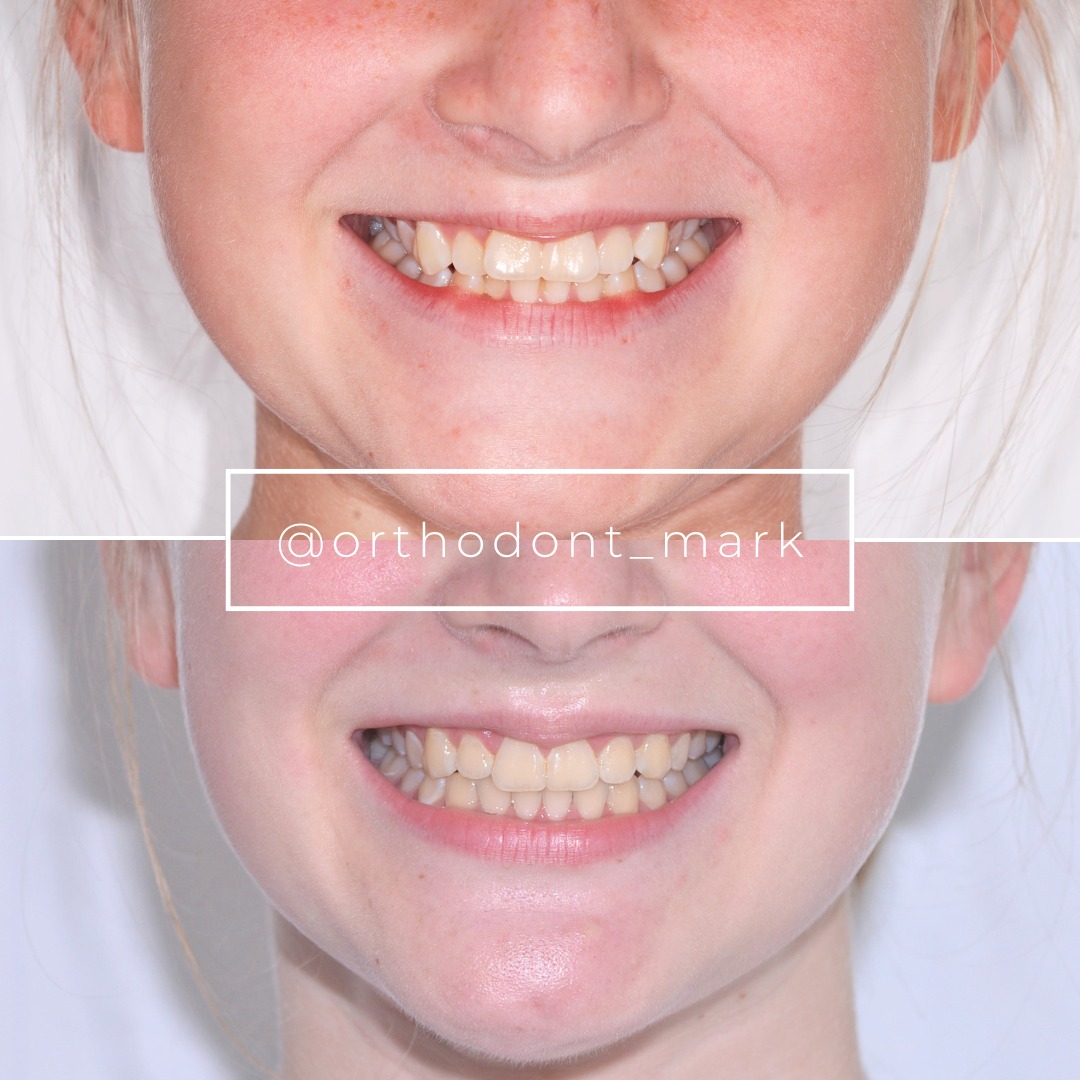
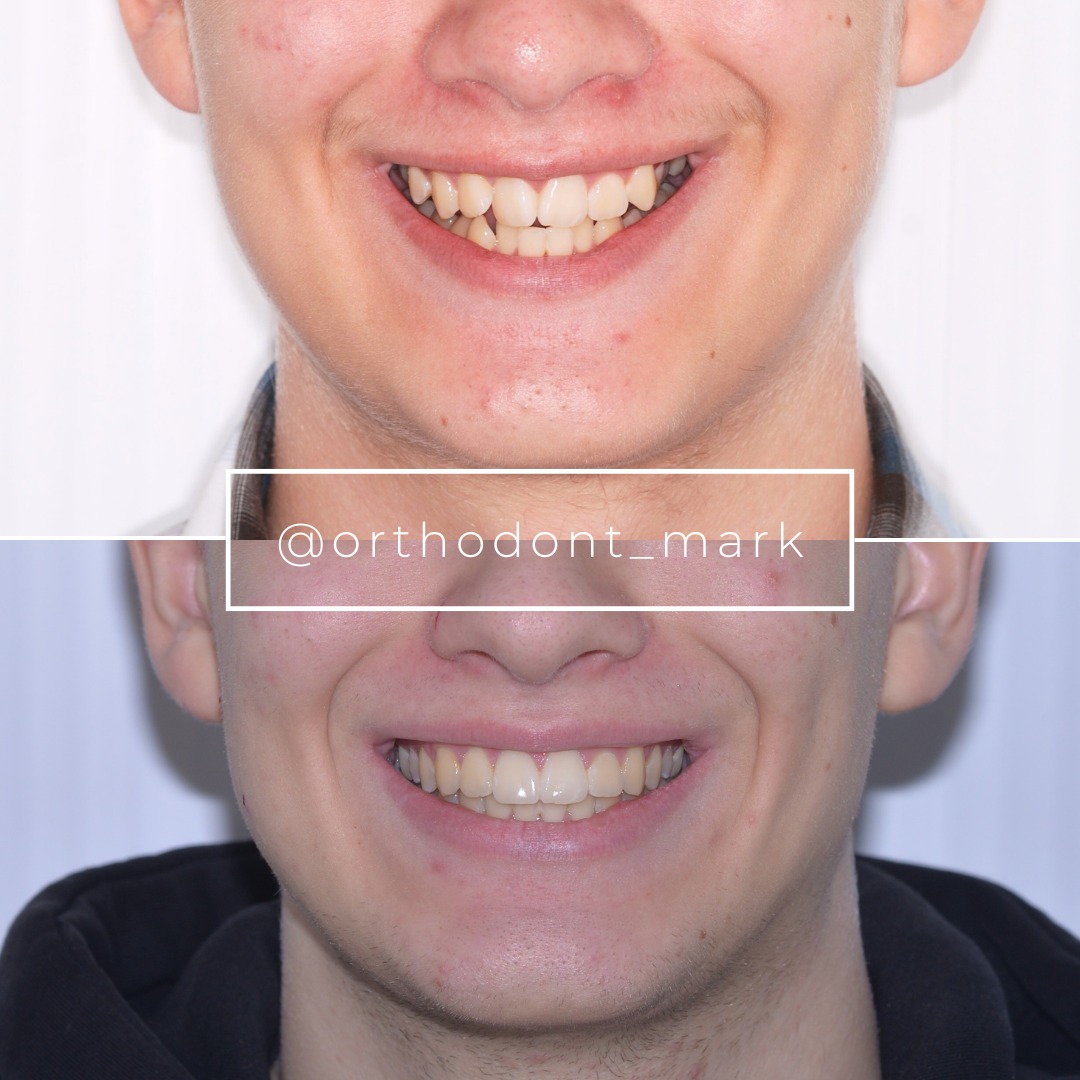
Clinical cases from Dr. Mark Radzhabov's practice
Learn the full MARPE protocol from Dr. Mark Radzhabov
Fundamental course covering CBCT patient selection, miniscrew planning, activation protocols, and 60+ clinical cases. Choose the access level that fits your practice.
Essentials of rapid palatal expansion for practicing orthodontists.
- Core RPE concepts and biomechanics
- 6 structured video lessons
- Clinical decision checklists
- Lifetime access to recordings
Deep-dive into MARPE protocol, diagnostics, and clinical execution.
- 6 modules covering MARPE from A to Z
- CBCT case selection walkthroughs
- Miniscrew placement and activation
- 60+ annotated clinical cases
- Direct Q&A with Dr. Mark Radzhabov
5-element medical consultation framework for dentists and orthodontists.
- Trust-building consultation protocol
- 5 lesson modules
- Templates for treatment plan delivery
- Works with any clinical specialty
Clinical FAQ
What is the timeline for tongue posture adaptation following active RPE in growing patients?
Significant tongue elevation occurs within 6–7 months postexpansion. Cephalometric measurements show reduced tongue-to-palate and hyoid-to-mandibular plane distances by this checkpoint, with stabilization achieved by the end of the retention phase.
Does the tongue relapse toward its pretreatment position after RPE retention is discontinued?
No. Cephalometric follow-up at 29+ months postexpansion confirms that elevated tongue posture remains stable. The expanded skeletal palate provides a permanent foundation; the tongue does not spontaneously return to its narrower, lower pretreatment position.
Do patients need myofunctional therapy or tongue posture exercises to maintain elevation after RPE?
No active tongue retraining is required. The tongue spontaneously repositions in response to increased palatal space; this adaptation is automatic and geometry-driven, not dependent on conscious muscle retraining or behavioral exercises.
How should clinicians monitor tongue posture stability during expansion and retention?
Obtain lateral cephalometric radiographs or CBCT at baseline, 6–7 months postexpansion (early retention), and at extended follow-up (12–29 months). Measure tongue-to-palate distance and hyoid bone position to document adaptation and confirm stability.
What patient characteristics predict the greatest tongue posture elevation after expansion?
Younger age, growing status, severe initial maxillary constriction, and absence of respiratory disturbances are associated with robust and stable tongue elevation. Growing patients show superior neuromuscular plasticity and skeletal consolidation.
Is tongue posture elevation a reliable indicator of successful skeletal expansion?
Yes. Spontaneous tongue elevation and long-term stability indicate that the palate has expanded at the skeletal level, not merely through dental tipping. Absence of expected tongue elevation may suggest dentoalveolar rather than true skeletal expansion.
How does tongue posture elevation relate to airway improvement and nasal breathing?
Elevated tongue position reduces pharyngeal airway obstruction and allows improved nasal airflow. Combined with the expanded palate increasing nasal cavity volume, tongue elevation supports the transition to nasal breathing—a favorable marker for long-term craniofacial development.
What retention strategy best supports long-term tongue posture stability?
Passive retention supporting skeletal width (palatal appliance left in situ without activation, or fixed vault) during the 6-month critical period is sufficient. Once skeletal healing is complete, the expanded foundation and balanced soft tissue pressures maintain the elevated position.
Can tongue posture elevation occur in non-growing patients undergoing MARPE or other skeletal expansion?
Yes, though the research context emphasizes growing patients. In adults and non-growing individuals, skeletal expansion still creates space for tongue elevation, though neuromuscular adaptation may be slightly slower and craniofacial growth benefits are absent.
How should clinicians distinguish between stable tongue elevation and temporary postexpansion muscle soreness or swelling?
Cephalometric measurements at 6–7 months postexpansion (after acute inflammation resolves) provide objective evidence of sustained tongue elevation. Temporary swelling resolves within weeks; true tongue posture adaptation persists and increases slightly as skeletal healing consolidates.
Long-term tongue posture stability after RPE is achievable in growing patients and contributes meaningfully to treatment stability and proper craniofacial development. By monitoring tongue position during and after expansion, clinicians can optimize retention protocols and coordinate with nasal airway development. For detailed guidance on integrating tongue posture assessment into your expansion protocol, Dr. Radzhabov invites you to review expanded cases or enroll in evidence-based MARPE and RPE coursework at Orthodontist Mark.