
When NOT to Use RPE in Children:
6 Pediatric Contraindications
That Demand Clinical Pause
Understand the anatomical, skeletal, and airway factors that make rapid palatal expansion inappropriate for certain pediatric cases. Prevent complications through evidence-based patient selection.
TL;DR Rapid palatal expansion (RPE) is not appropriate for all pediatric patients. Six critical scenarios—adenotonsillar hypertrophy, high-angle skeletal patterns, anterior open bite, severe airway obstruction, palatal suture fusion, and uncontrolled vertical growth—demand careful case assessment before treatment initiation. Understanding when NOT to use RPE prevents complications and improves clinical outcomes.
Rapid palatal expansion remains a cornerstone of pediatric orthodontics, yet its indiscriminate use in growing patients can compromise airway patency, exacerbate vertical patterns, and complicate long-term stability. Dr. Mark Radzhabov examines six pediatric scenarios that demand pause and alternative treatment planning, drawing on contemporary literature and clinical practice patterns. This evidence-based framework helps orthodontists identify contraindications early and make informed treatment decisions that prioritize airway health and skeletal harmony in the developing child.
Understanding RPE Contraindications in Growing Patients
patient selection
Rapid palatal expansion has demonstrated efficacy in treating transverse maxillary deficiency and improving nasal airway dimensions in selected pediatric populations. However, not all children presenting with maxillary constriction are candidates for RPE. The distinction between indicated and contraindicated cases rests on careful assessment of skeletal maturity, vertical growth pattern, adenotonsillar status, and airway anatomy. Clinicians who fail to recognize contraindications risk exacerbating vertical dimensions, compromising posterior airway space, perpetuating anterior open bite, or triggering unwanted dentoalveolar side effects. Systematic patient screening—combining clinical examination, cephalometric analysis, and airway imaging—ensures that expansion therapy aligns with each child's unique craniofacial and respiratory profile. This article synthesizes six pediatric scenarios where rapid palatal expansion should be reconsidered or abandoned in favor of alternative interventions.
Adenotonsillar Hypertrophy: When Airway Obstruction Dominates
adenotonsillar hypertrophy
Children presenting with Grade 3–4 tonsillar enlargement or significant adenoid obstruction occupy a precarious position in the RPE decision tree. While some evidence suggests that maxillary expansion may modestly reduce adenotonsillar-mediated airway obstruction by increasing nasal cavity volume and decreasing nasal resistance, this benefit is neither universal nor predictable across all patients. A 2022 retrospective cohort of 60 pediatric patients demonstrated that volumetric changes in palatine tonsil and adenoid tissue following conventional Hyrax expansion showed considerable heterogeneity, with no consistent reduction in obstruction symptoms in all subjects. More critically, when tonsillar hypertrophy is the primary driver of sleep-disordered breathing or obstructive sleep apnea, adenotonsillectomy remains the first-line intervention according to current American Academy of Pediatrics and American Academy of Otolaryngology guidelines. Attempting to use RPE as a sole therapy in these cases delays definitive surgical management, perpetuates oral breathing, and may worsen nasal airway remodeling long-term. Orthodontists should recognize that large tonsils with documented sleep apnea or significant daytime breathing obstruction warrant ENT referral prior to or instead of expansion therapy. A collaborative airway phenotyping approach—combining sleep questionnaires, polysomnography, and endoscopic visualization—clarifies whether expansion is adjunctive or contraindicated.
Hyperdivergent Skeletal Pattern: When RPE Exacerbates Vertical Excess
hyperdivergent skeletal
Children exhibiting long-face morphology, increased posterior facial height, high mandibular plane angle (>38°), or anterior facial height exceeding 60% of total facial height represent a problematic population for conventional rapid palatal expansion. RPE mechanics inherently generate distal and inferior movement of the maxilla as the palatal suture widens, a side effect that exacerbates vertical growth patterns and increases lower anterior facial height. In hyperdivergent patients, this posterior maxillary drop can open the bite, steepen the occlusal plane, increase gonial angle progression, and perpetuate mouth breathing—precisely the opposite of the treatment goal. Cephalometric predictors of unfavorable response include pretreatment anterior facial height ratio >62%, gonial angles >135°, or Y-axis angles exceeding normal range for age. These patients benefit from vertical control mechanisms—including selective intrusion, anterior vertical elastics, or functional appliances that restrain inferior maxillary movement—rather than transverse expansion. If transverse correction is genuinely necessary in a high-angle case, miniscrew-assisted rapid palatal expansion (MARPE) offers superior control of vertical vectors compared to tooth-borne expansion, though even MARPE requires meticulous force direction and monitoring. Clinicians should obtain pre-treatment cephalometric analysis and calculate anterior facial height indices before committing to RPE in any growing patient with visual long-face morphology.
Anterior Open Bite: When Expansion Deepens Skeletal Dysplasia
anterior open bite
Children with pre-existing anterior open bite—whether skeletal or dentoalveolar in origin—face significant risk of bite deepening and treatment destabilization when exposed to rapid palatal expansion. The mechanical reality is that RPE widens the maxilla through palatal suture separation, simultaneously generating posterior and inferior vector forces that increase the interincisal angle and open bite depth. In patients with existing anterior open bite (> 2–3 mm), this iatrogenic worsening becomes clinically manifest within weeks of activation. Furthermore, open-bite patients often demonstrate concurrent vertical growth tendency and tongue positioning abnormalities that RPE exacerbates rather than corrects. A child with skeletal anterior open bite typically exhibits vertical maxillary excess, increased lower anterior facial height, and posterior airway narrowing—three factors that are already problematic and will be compounded by standard expansion. Alternative approaches include selective intrusion of maxillary molars using mini-implants, functional appliances that promote anterior closure, or staged treatment that addresses vertical control first and transverse deficiency second. If the open bite is purely dentoalveolar (maxillary incisor extrusion) and the child demonstrates favorable growth vector, RPE may be considered after vertical control is established. However, skeletal anterior open bite in a growing child is a red flag that typically mandates deferral or modification of expansion protocol. Cephalometric indices—particularly interincisal angle, anterior facial height ratio, and maxillary-mandibular vertical relationship—should guide case selection rigorously.
Severe Airway Obstruction: When RPE Delays Critical ENT Intervention
severe airway obstruction
Pediatric patients presenting with symptomatic obstructive sleep apnea (AHI >5 events/hour), daytime somnolence, or documented upper airway obstruction on endoscopy occupy a clinical emergency zone where rapid palatal expansion is contraindicated as a first-line or sole intervention. While evidence supports RPE's capacity to increase nasal cavity volume and reduce nasal airway resistance in selected patients without adenotonsillar hypertrophy, severe OSA typically requires immediate ENT evaluation and often surgical intervention—adenotonsillectomy, nasal septoplasty, or functional endoscopic sinus surgery—before orthodontic expansion is considered. Attempting to manage moderate-to-severe sleep apnea primarily through RPE delays definitive airway surgery by months, perpetuates sleep fragmentation and neurocognitive impairment, and may inadequately address the multi-level obstruction characteristic of pediatric OSA. A documented AHI >10 events/hour, oxygen desaturation events, or parent-reported severe snoring with witnessed apneic episodes mandates immediate polysomnography and ENT surgical consultation. Orthodontists must recognize the limits of their scope: expansion therapy is supportive of nasal airway patency in mild-to-moderate cases without adenotonsillar obstruction, not a substitute for surgical airway management in children with documented sleep apnea. Collaborative care pathways—involving sleep medicine, otolaryngology, and orthodontics—ensure that airway obstruction is addressed in appropriate sequence and with appropriate modality.
Palatal Suture Maturity: When Skeletal Markers Preclude Dental Expansion
palatal suture maturity
While most orthodontists associate palatal suture maturity assessment with skeletal maturity in adolescents and adults, the concept also applies to late-mixed and early-permanent dentition patients approaching skeletal maturity. Children beyond age 14–15 years—and particularly those with advanced hand-wrist skeletal development (Fishman Stage 8–9 or cervical vertebral maturity Stage 5–6)—demonstrate progressive palatal suture ossification that reduces the biomechanical efficacy of conventional tooth-borne expansion. Radiographic assessment of the midpalatal suture via lateral cephalometry or CBCT reveals progressive density and narrowing of the suture space. As suture maturity increases, the force required to achieve palatal opening escalates dramatically, and the likelihood of dentally-mediated side effects (buccal alveolar tipping, root resorption, external root resorption of posterior teeth) increases. In patients with advanced skeletal maturity indicators and narrowed midpalatal suture on imaging, conventional RPE may produce predominantly dental (rather than skeletal) expansion, yielding unstable tipping of maxillary molars and perpetuating the transverse deficiency. For these near-mature or skeletally mature cases where transverse correction is indicated, miniscrew-assisted rapid palatal expansion (MARPE) offers superior skeletal control and bypasses the force limitations of tooth-borne mechanics. Clinicians should obtain CBCT imaging or detailed cephalometric assessment of palatal suture anatomy in patients age 13 and older, or in any patient with advanced skeletal maturation indicators, before committing to conventional RPE protocol.
Extreme Vertical Growth Trajectory: When Biology Defeats Mechanics
extreme vertical growth
Pediatric patients demonstrating exceptionally rapid vertical growth rates—evidenced by serial cephalometric analysis showing annual increases in posterior facial height exceeding 4–5 mm, or gonial angle progression >1° per year—represent a population where rapid palatal expansion is generally contraindicated without simultaneous and aggressive vertical control. These children often exhibit severe mouth breathing, anterior open bite progression, and downward-forward mandibular growth vectors that are fundamentally incompatible with the biomechanics of standard RPE. The mechanical reality is that RPE generates posterior and inferior maxillary displacement vectors that, in extreme vertical growers, amplify the pre-existing vertical dysplasia and perpetuate anterior open bite development. Furthermore, these children often demonstrate uncontrolled airway obstruction, enlarged adenoids or tonsils, and sleep-disordered breathing—creating a clinical syndrome where orthodontic expansion addresses a minor problem (transverse deficiency) while missing the major problem (vertical growth and airway compromise). Cephalometric trending over 6–12 months in any child suspected of extreme growth is mandatory before committing to RPE. If vertical growth is confirmed as severe, treatment planning should prioritize vertical control (selective intrusion, functional/orthopedic appliances, timing of surgical intervention) before or instead of transverse expansion. When transverse deficiency correction is genuinely necessary in a severe vertical grower, collaborative planning with growth modification specialists or surgical-orthodontic timing becomes essential. Dr. Mark Radzhabov emphasizes in clinical practice that deferring expansion in extreme vertical growers until vertical stabilization is achieved, or transitioning to surgical-assisted correction strategies, yields superior long-term stability and airway patency compared to early aggressive RPE in these phenotypes.
Building a Diagnostic Framework: How to Identify Contraindicated Cases Early
diagnostic framework
Implementing a systematic pre-treatment screening protocol ensures that contraindicated RPE cases are identified and redirected toward appropriate alternative interventions before iatrogenic complications occur. This framework integrates clinical examination, cephalometric analysis, airway imaging, and multi-disciplinary consultation into a decision tree that answers three critical questions: (1) Is transverse maxillary deficiency truly the primary problem, or are vertical growth pattern, airway obstruction, and skeletal dysplasia the dominant features? (2) Is palatal suture patency and skeletal growth status adequate to support dento-alveolar or skeletal expansion? (3) Are adenotonsillar, airway, or other ENT factors present that require surgical intervention before or instead of orthodontic expansion? The diagnostic protocol begins with detailed clinical observation of facial height ratio, mandibular plane angle, mouth breathing, snoring history, and tolerance for nasal breathing. Cephalometric analysis should include anterior facial height ratio, gonial angle, Y-axis angle, palatal plane inclination, and assessment of posterior airway space. CBCT imaging or advanced radiography clarifies palatal suture anatomy, adenotonsillar size, and airway cross-sectional dimensions in at-risk cases. Sleep questionnaires (Pediatric Sleep Questionnaire) or formal polysomnography clarifies obstructive sleep apnea risk. ENT referral is indicated for any patient with large tonsils, adenoid obstruction on clinical examination, or reported snoring and apneic episodes. This multi-disciplinary approach transforms RPE decision-making from a unidimensional consideration of transverse deficiency into a comprehensive assessment of the child's entire craniofacial growth pattern and respiratory status. Cases identified as contraindicated during this screening are redirected toward MARPE (miniscrew-assisted expansion) for superior vector control, surgical ENT intervention for primary airway obstruction, or completely alternative approaches (functional appliances, selective intrusion, staged treatment timing) that address the true underlying pathology.
The Case for Thoughtful Patient Selection in Pediatric Expansion
thoughtful patient selection
Rapid palatal expansion has earned its place as a valuable tool in pediatric orthodontics through consistent evidence of efficacy in select populations: children with transverse maxillary deficiency, favorable growth vectors, patent palatal sutures, and absence of significant airway obstruction or adenotonsillar hypertrophy. Yet the simplicity of RPE mechanics—“widen the palate, improve the bite”—can obscure the complexity of pediatric craniofacial biology and seduce clinicians into applying the technique indiscriminately across heterogeneous case populations. The six contraindicated scenarios outlined in this article are not edge cases or rare presentations; collectively, they represent a substantial proportion of children with transverse deficiency who present to orthodontic practices. Adenotonsillar obstruction, high-angle growth patterns, anterior open bite, documented airway obstruction, advanced suture maturity, and extreme vertical growth trajectories are identifiable through routine clinical and radiographic examination. Recognition of these contraindications is not a limitation of knowledge but a demonstration of clinical wisdom—the ability to match treatment modality to patient phenotype and to prioritize patient safety and long-term outcomes over procedural convenience. For pediatric patients where rapid palatal expansion is contraindicated, contemporary alternatives exist: miniscrew-assisted expansion (MARPE) offers superior skeletal control in high-angle or near-mature cases; functional and orthopedic appliances address vertical growth and airway patency; surgical ENT intervention clears primary obstructions before orthodontic treatment; and staged, sequenced treatment protocols accommodate complex multi-system pathology. The goal of this article is to encourage a paradigm shift from “can we expand?” toward “should we expand?”—a question that demands integration of growth pattern, airway status, skeletal maturity, and patient safety into every treatment plan.
Free Clinical Guide
Which Expansion Appliance at Which Age?
Get Dr. Mark Radzhabov's guide to skeletal-expansion appliances — indications, pros & cons, and how to choose by patient age. Free to your inbox.
Prefer video? Watch the free demo lesson on MARPE appliance types, features and trade-offs.
Documented outcomes
Clinical cases from Dr. Mark Radzhabov's practice
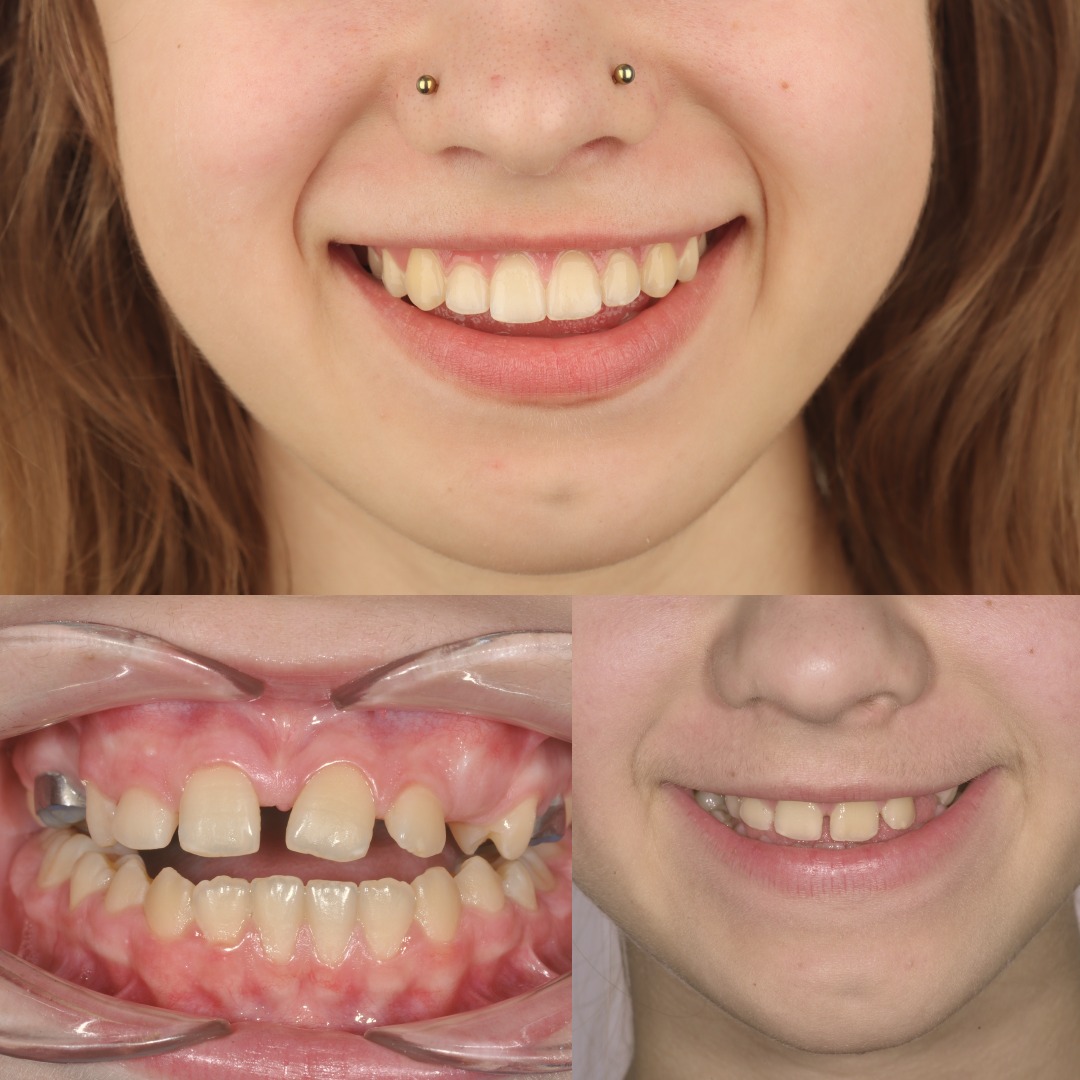
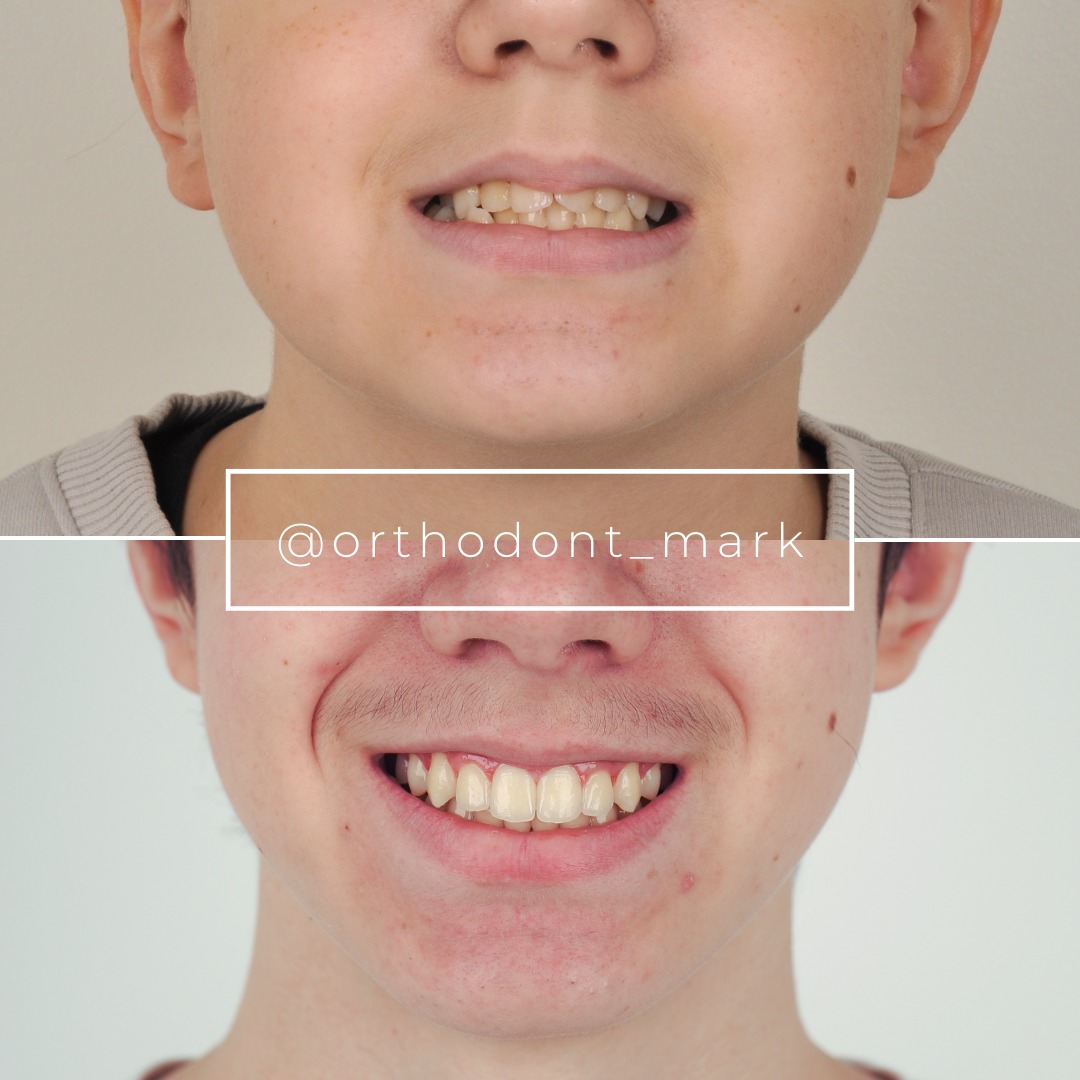
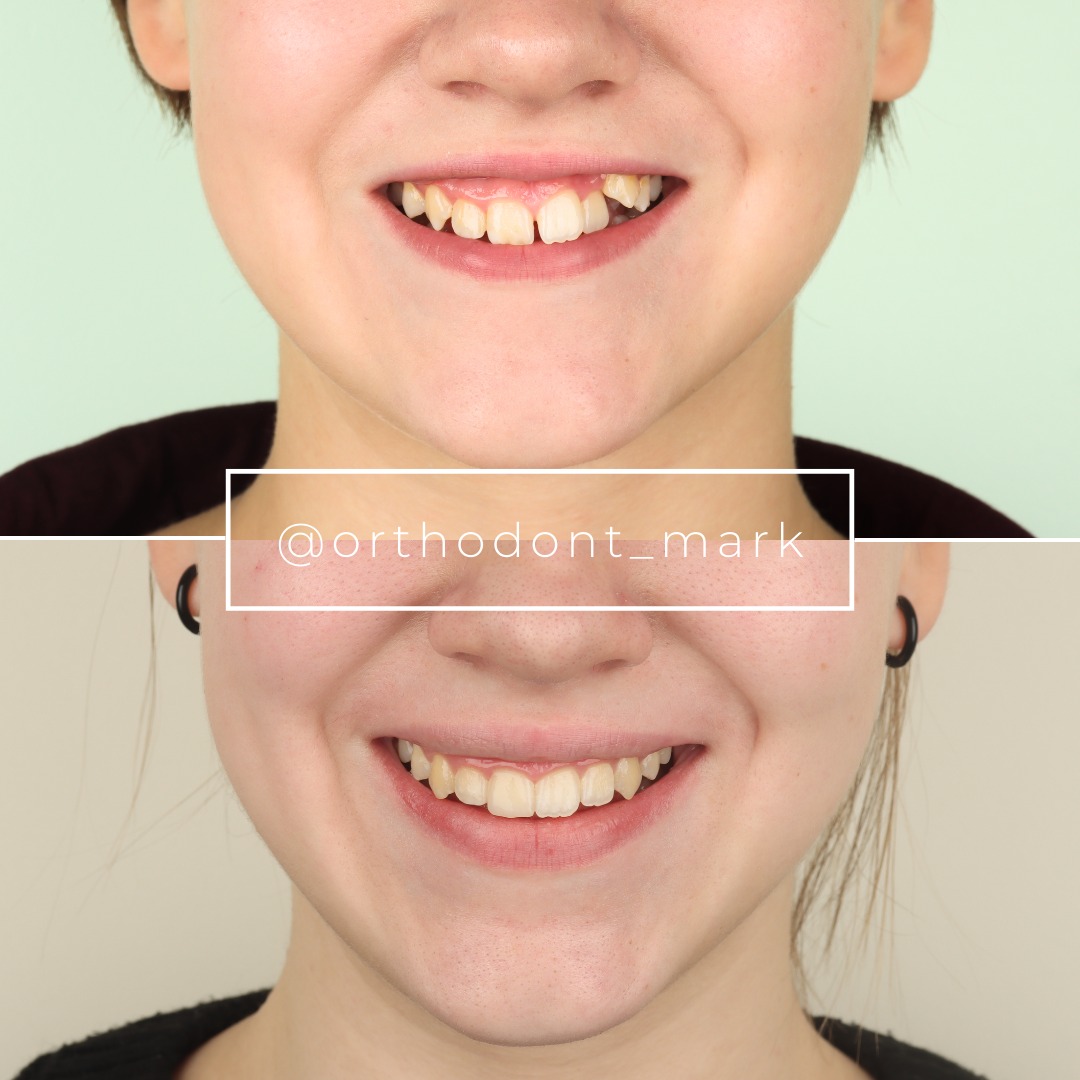
Learn the full MARPE protocol from Dr. Mark Radzhabov
Fundamental course covering CBCT patient selection, miniscrew planning, activation protocols, and 60+ clinical cases. Choose the access level that fits your practice.
Essentials of rapid palatal expansion for practicing orthodontists.
- Core RPE concepts and biomechanics
- 6 structured video lessons
- Clinical decision checklists
- Lifetime access to recordings
Deep-dive into MARPE protocol, diagnostics, and clinical execution.
- 6 modules covering MARPE from A to Z
- CBCT case selection walkthroughs
- Miniscrew placement and activation
- 60+ annotated clinical cases
- Direct Q&A with Dr. Mark Radzhabov
5-element medical consultation framework for dentists and orthodontists.
- Trust-building consultation protocol
- 5 lesson modules
- Templates for treatment plan delivery
- Works with any clinical specialty
Clinical FAQ
What is the relationship between adenotonsillar hypertrophy and RPE contraindication in pediatric patients?
Grade 3–4 tonsils with documented sleep apnea require adenotonsillectomy before or instead of RPE. Conventional expansion cannot reliably reduce tonsillar obstruction; early ENT referral prevents treatment delays and airway compromise in growing children.
How do I assess whether a child has a hyperdivergent skeletal pattern that contraindicates RPE?
Measure anterior facial height ratio (AFH/TFH) and gonial angle on cephalometric radiographs. AFH >62% or gonial angle >135° predicts unfavorable RPE response with bite deepening. Refer to MARPE or vertical control strategies instead.
Can RPE be used safely in children with pre-existing anterior open bite?
No. RPE exacerbates anterior open bite through posterior maxillary descent and increased interincisal angle. Skeletal anterior open bite (>3 mm) with vertical growth tendency is a red flag contraindication. Treat vertical excess first; reconsider expansion after stabilization.
At what apnea-hypopnea index (AHI) threshold should RPE be withheld in favor of surgical airway intervention?
AHI >5–10 events/hour with daytime symptoms warrants polysomnography and ENT evaluation before orthodontic treatment. Documented moderate-to-severe OSA requires surgical airway clearance first; RPE may be adjunctive post-operatively, never primary therapy.
How do I determine palatal suture maturity and when does it preclude conventional RPE?
CBCT imaging or detailed cephalometric assessment of midpalatal suture anatomy is indicated in patients age 13+ or with advanced skeletal maturity (CVMS 5–6, Fishman 8–9). Narrow or densified suture predicts insufficient skeletal opening; MARPE or surgical-assisted RPE becomes necessary.
What growth rate threshold indicates extreme vertical growth that contraindicates standard RPE?
Serial cephalometric analysis showing annual posterior facial height increase >4–5 mm or gonial angle progression >1° per year indicates severe vertical growth. RPE is contraindicated without concurrent aggressive intrusion or vertical control; defer expansion until growth moderates.
Should children with mouth breathing and suspected sleep-disordered breathing undergo polysomnography before RPE initiation?
Yes. Mouth breathing with parent-reported snoring or witnessed apneic episodes warrants sleep questionnaire screening and polysomnography consideration. Documented obstructive sleep apnea mandates ENT evaluation and airway surgery before or instead of expansion.
What is the role of MARPE in cases where conventional RPE is contraindicated?
Miniscrew-assisted rapid palatal expansion (MARPE) offers superior control of vertical vectors and avoids dentoalveolar side effects. It is preferred in high-angle cases, near-mature patients, and cases requiring precise skeletal expansion with minimal dental movement.
How does anterior facial height ratio guide RPE suitability in pediatric patients?
AFH ratio >62% indicates maxillary vertical excess. RPE worsens vertical dimensions in these cases. Calculate AFH ratio on baseline cephalometrics; values >60% suggest vertical control is prioritized over transverse correction; defer RPE or select alternative approach.
What diagnostic steps should I incorporate into my pre-RPE screening protocol to avoid high-risk case selection?
Integrate clinical examination (facial height, mouth breathing, snoring), cephalometric analysis (AFH ratio, gonial angle, suture maturity), CBCT airway assessment, sleep questionnaire, and ENT referral for large tonsils or airway obstruction. This multi-modal framework identifies contraindicated cases before treatment commitment.
The decision to employ rapid palatal expansion in pediatric patients requires nuanced clinical judgment that extends beyond transverse deficiency alone. As Dr. Mark Radzhabov emphasizes, understanding when NOT to use RPE—recognizing adenotonsillar involvement, vertical growth patterns, and airway compromise—separates competent treatment planning from predictable complications. For detailed case assessment and personalized treatment protocols, schedule a consultation or review the comprehensive MARPE and RPE frameworks available through Orthodontist Mark's clinical resources.