
Miniscrew Mobility Grading MARPE:
Continue, Pause, or Replace
A Chairside Stability Scale for Active Expansion
A structured mobility grading scale lets you act on early anchorage warning signs—protecting skeletal gain and reducing dental side effects throughout the activation window.
TL;DR Miniscrew mobility grading MARPE provides a structured chairside framework to classify anchorage stability and decide whether to continue activation, pause loading, or replace a failing screw before suture response is compromised. Early grading prevents anchorage loss that, once established, significantly reduces skeletal gain and elevates the risk of undesirable dental tipping.
A loosening miniscrew mid-activation is one of the most consequential complications in MARPE treatment, yet no universally adopted chairside scale exists to grade the degree of mobility and translate it into an immediate clinical decision. Dr. Mark Radzhabov at ortodontmark.com presents this evidence-informed grading framework to help orthodontists distinguish a stable screw from one requiring a protocol pause or immediate replacement—before anchorage failure compromises the entire expansion cycle. Because activation durations in published MARPE protocols vary considerably, knowing where a specific patient stands on a mobility continuum is essential to safe, predictable treatment.
Why Does Miniscrew Stability Determine
Skeletal Outcome
in MARPE Activation?
Miniscrew mobility grading in MARPE is a chairside classification system that scores each palatal miniscrew's resistance to lateral and axial displacement at a given activation stage, enabling the clinician to assign a continue, pause, or replace decision before anchorage failure propagates across the appliance. The rationale for systematic grading lies in what lost anchorage actually costs: when a screw migrates rather than transmitting force across the midpalatal suture, activation turns to dental loading instead of skeletal loading, compounding side effects without adding useful expansion. Kapetanovi et al. (2021) quantified this distinction in a meta-analysis showing that successful MARPE produced a skeletal width increase of 2.33 mm versus a dental intermolar width increase of 6.55 mm—meaning the dental component already dominates in stable cases. Any reduction in miniscrew integrity shifts that ratio further toward undesired dental tipping, decreased buccal bone thickness, and alveolar height changes, all of which Kapetanovi et al. (2021) flagged as significant side effects of MARPE treatment. Sex and maturation interact to determine how quickly an unstable screw becomes clinically critical. Jeon et al. (2022) analysed 215 MARPE patients—95 males and 120 females aged 6 to 60—and found an overall suture separation success rate of 79.53%, with 94.17% in females and only 61.05% in males. In the subgroup where separation did occur, the amount of separation decreased significantly with increasing age in both sexes. This compressed margin in males means anchorage loss has less remaining suture opening potential to compensate for, making mobility grading even more decisive in that cohort.
How the Chairside Screw Stability
Assessment Scale
Translates Mobility into Action
A practical chairside miniscrew stability assessment uses a four-grade continuum applied individually to each of the four palatal screws at every activation visit. Grade 0 denotes full osseointegration: the screw head accepts firm lateral pressure from a probe without perceptible movement, the peri-implant mucosa is healthy, and activation may continue at the prescribed rate. Grade 1 represents micromovement detectable only under magnification or with tactile probe pressure exceeding normal chewing force—continue activation but reduce the weekly turn increment and reassess at the next visit. Grade 2 defines clinically visible mobility: the screw shifts under light probe pressure, often accompanied by mild peri-implant erythema or a hairline radiolucency on periapical imaging. At Grade 2, the protocol decision is to pause further activation on that side and evaluate whether the contralateral screw can temporarily carry asymmetric load. This threshold matters because Kapetanovi et al. (2021) identified a meta-analysis success rate of 92.5% when MARPE anchorage was maintained throughout the full activation window—dropping below that requires a protocol adjustment, not simply continuing. Grade 3 describes a screw that rotates or translates without resistance, with loss of bone contact audible or tactile and peri-implant tissue breakdown present. The decision is immediate replacement using a divergent insertion angle to engage fresh cortical bone, typically repositioned 2–3 mm mesial or distal to the original site within the same sagittal corridor. Attempting to complete activation through a Grade 3 screw converts the remaining turns into pure dental force, negating the skeletal expansion already achieved and elevating relapse risk.
When to Grade: Aligning Stability Checks
with the Activation Window
Across the Full Protocol
The activation duration in published MARPE protocols is not fixed—Kapetanovi et al. (2021) reported that mean activation ranged from 20 to 126 days across included studies. This breadth means a single mobility check at case completion is wholly inadequate. Screw stability can deteriorate at any point along that span, with the highest-risk window typically occurring when cumulative load across the midpalatal suture peaks in the middle third of activation. A practical grading schedule anchors one formal stability assessment to every activation visit, not every calendar week. At each visit the clinician applies a calibrated probe load perpendicular to the long axis of each screw, records the grade per screw, and documents the finding in the activation log. Asymmetric mobility—where two ipsilateral screws differ by more than one grade—is a more actionable red flag than uniform mild loosening, because it indicates uneven force distribution that will progressively torque the appliance and open the suture asymmetrically. Imaging reinforces but does not replace chairside grading. A cone-beam CT taken at the midpoint of activation allows direct visualisation of peri-screw bone density and early suture opening—criteria that Govaerts et al. (2023) used to establish that sutural closure patterns vary considerably across anatomical regions, making region-specific bone assessment essential. For orthodontists exploring the full imaging and activation protocol in depth, the miniscrew-assisted palatal expansion protocol resource at ortodontmark.com provides detailed decision frameworks. Clinicians who grade consistently shorten the window between a problem emerging and a protocol adjustment being made—the core purpose of any chairside scale.
Which Patients Tolerate Screw Loosening
Least Well
and Why Grading Thresholds Must Shift
Not every Grade 1 finding carries equal clinical weight. Suture ossification status, patient sex, and age all modulate how quickly a mildly mobile screw becomes a protocol-ending event. Govaerts et al. (2023) documented that in females aged 15–17 years, pterygomaxillary suture closure ranged from 83 to 100% while midpalatal suture closure stood at 61%—meaning a meaningful proportion of the resistance to expansion in this age band originates outside the midpalatal suture itself, placing additional stress on miniscrew anchorage with each turn. In older patients, the calcification front is more advanced across all sutural regions. Govaerts et al. (2023) identified a cut-off age for recommending surgical assistance at 15.1 years for orthodontist observers and 14.8 years for maxillofacial surgeon observers—thresholds that also serve as reference points for interpreting why miniscrew mobility accelerates in older cohorts: the bone resisting sutural opening is denser, so the same activation force creates higher localised stress at the screw–bone interface. Jeon et al. (2022) reinforced this by showing that older age was significantly associated with suture non-separation in males, but not in females. For the clinician using a mobility grading scale, this translates to a practical rule: advance your threshold for a pause or replacement decision by one grade in adult male patients relative to adolescent female patients, because the skeletal reserve for catching up after an anchorage event is substantially smaller. Orthodontists reviewing a complicated case can submit detailed records for direct consultation to assess whether a protocol modification or a switch to surgical assistance is warranted.
How to Execute a Mid-Activation
Screw Replacement
Without Losing Suture Progress
A Grade 3 mobility finding demands immediate screw replacement rather than a pause, because the peri-implant tissue breakdown at this stage will not resolve under a reduced load—it requires fresh bone contact. The replacement sequence begins with removal under topical anaesthesia, irrigation of the original site, and immediate placement of a replacement screw at a deliberately divergent angle (typically 10–15° relative to the original trajectory) to engage cortical bone that has not been mechanically fatigued. Activation must be suspended for the replaced screw's side for a consolidation period long enough to establish primary stability, with the contralateral pair continuing at a reduced rate to maintain midpalatal suture patency without generating asymmetric skeletal forces. The length of this pause is determined clinically by return to Grade 0 or Grade 1 on subsequent probing—not by a fixed calendar interval—because the evidence base shows that activation durations across successful MARPE cases already span from 20 to 126 days according to Kapetanovi et al. (2021), indicating that protocol flexibility is inherent to the method. Documenting the replacement event in the activation log with the pre-replacement grade, the repositioning coordinates, and the post-replacement grade at the next visit creates a clinical record that supports both treatment continuity and, if needed, medicolegal documentation. Clinicians building this workflow into their practice for the first time will find the structured MARPE training and case mentorship at ortodontmark.com an efficient path to standardising the grading and replacement protocol across their team. A screw replaced at Grade 3 before irreversible bone loss extends distally is a clinical recovery. The same screw left in place for two additional activation weeks is a surgical referral.
Free Clinical Guide
Which Expansion Appliance at Which Age?
Get Dr. Mark Radzhabov's guide to skeletal-expansion appliances — indications, pros & cons, and how to choose by patient age. Free to your inbox.
Prefer video? Watch the free demo lesson on MARPE appliance types, features and trade-offs.
Documented outcomes
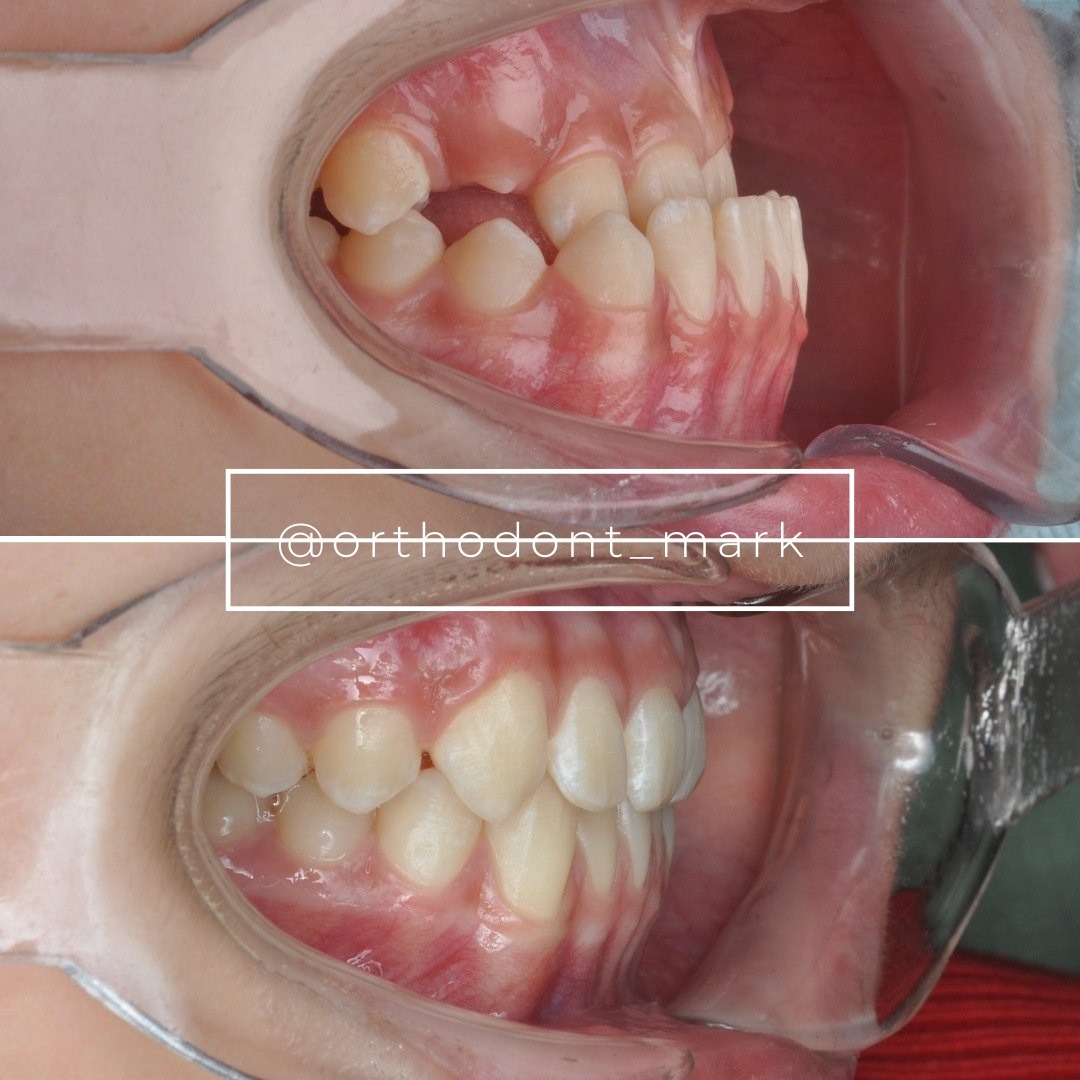
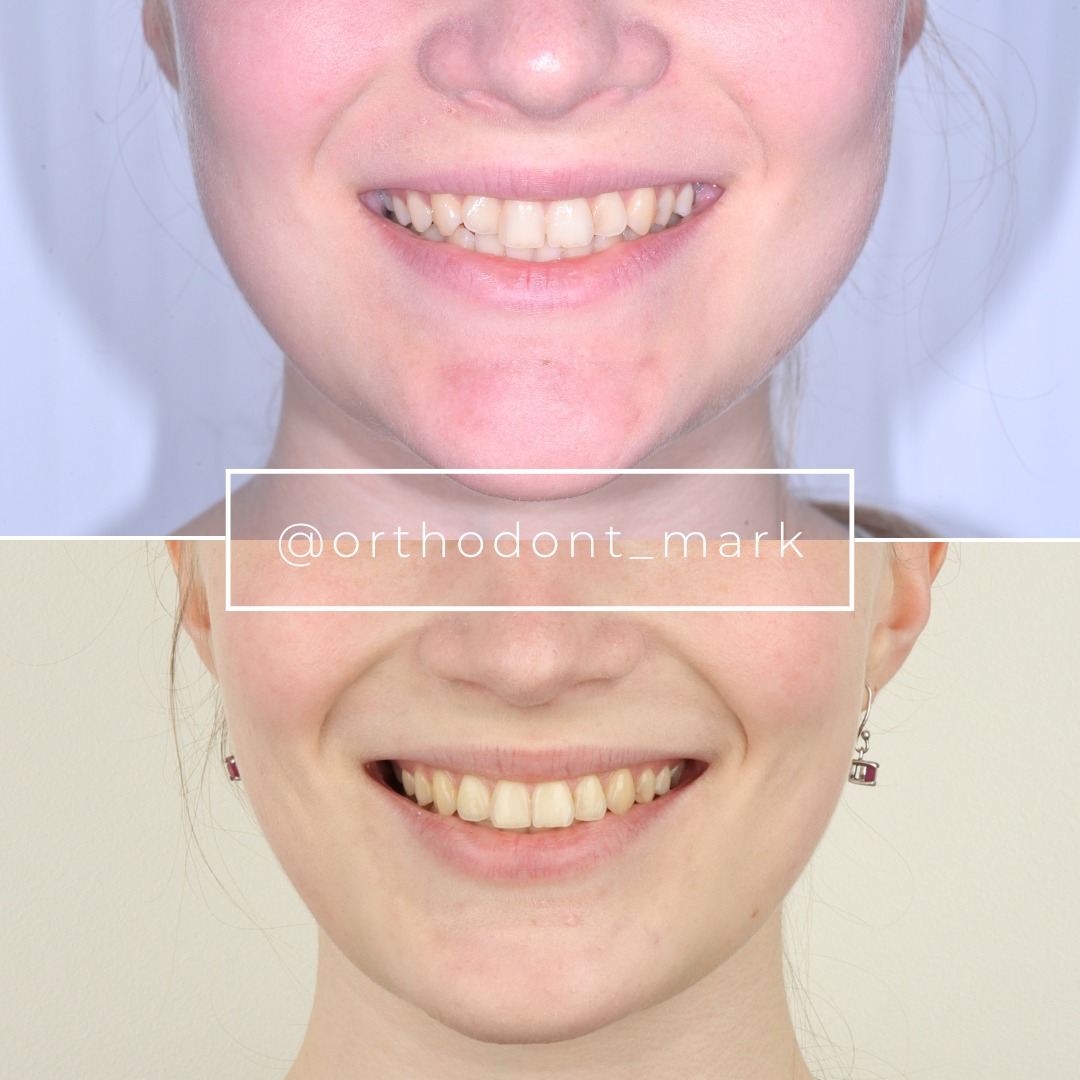
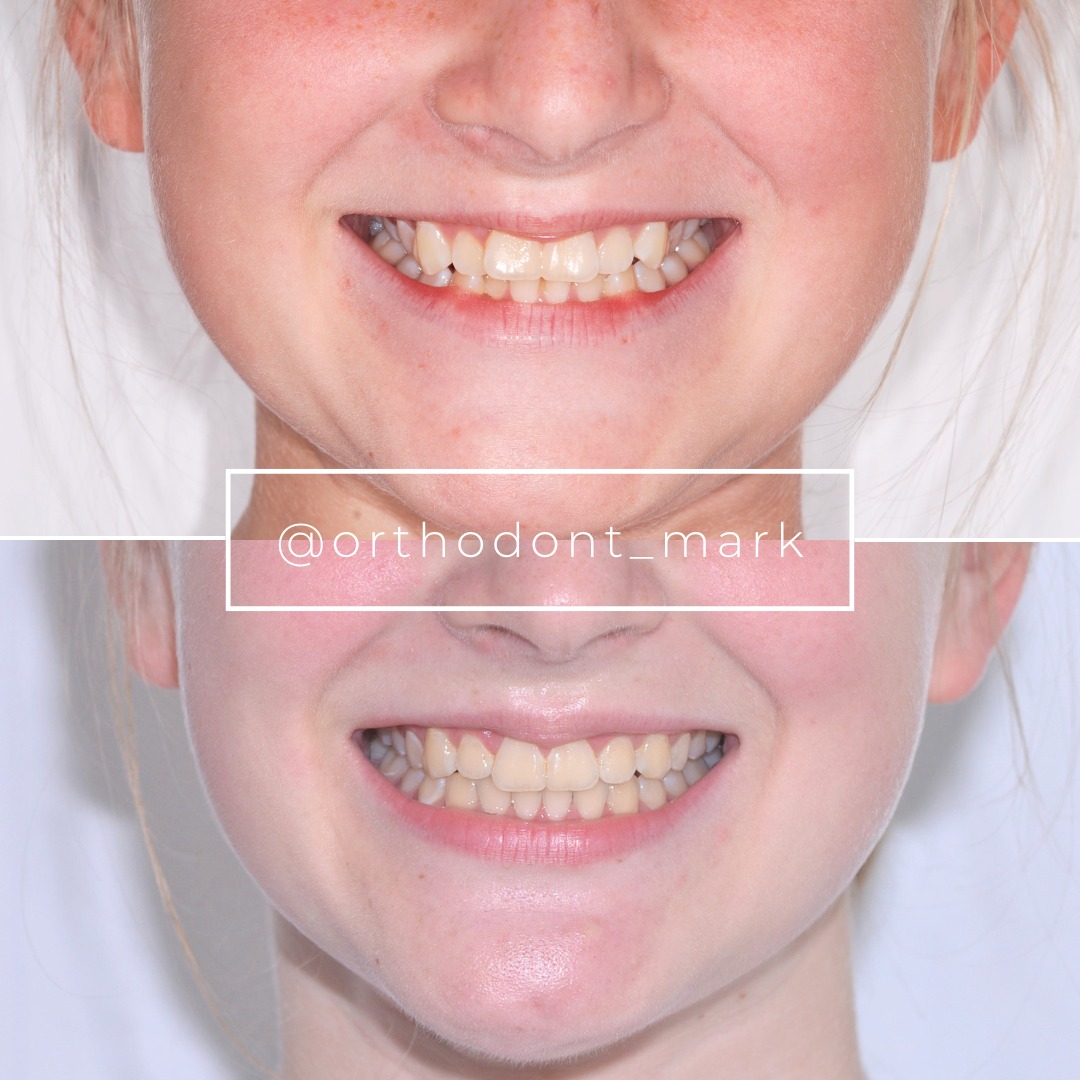
Clinical cases from Dr. Mark Radzhabov's practice
Learn the full MARPE protocol from Dr. Mark Radzhabov
Fundamental course covering CBCT patient selection, miniscrew planning, activation protocols, and 60+ clinical cases. Choose the access level that fits your practice.
Essentials of rapid palatal expansion for practicing orthodontists.
- Core RPE concepts and biomechanics
- 6 structured video lessons
- Clinical decision checklists
- Lifetime access to recordings
Deep-dive into MARPE protocol, diagnostics, and clinical execution.
- 6 modules covering MARPE from A to Z
- CBCT case selection walkthroughs
- Miniscrew placement and activation
- 60+ annotated clinical cases
- Direct Q&A with Dr. Mark Radzhabov
5-element medical consultation framework for dentists and orthodontists.
- Trust-building consultation protocol
- 5 lesson modules
- Templates for treatment plan delivery
- Works with any clinical specialty
Clinical FAQ
What is miniscrew mobility grading in MARPE and why does it matter clinically?
Miniscrew mobility grading MARPE is a chairside scale (0–3) that scores each screw's resistance to lateral and axial displacement during active expansion, enabling a continue, pause, or replace decision before anchorage failure shifts load from skeletal to dental structures and increases tipping risk.
At what mobility grade should MARPE activation be paused rather than continued?
Grade 2—clinically visible movement under light probe pressure with peri-implant erythema—is the threshold for pausing ipsilateral activation. Grade 1 micro-movement warrants a reduced turn increment and close monitoring. Grade 3 requires immediate screw replacement, not a pause.
How does patient sex affect the MARPE screw loosening assessment scale decision thresholds?
Jeon et al. (2022) found suture separation success of 61.05% in males versus 94.17% in females across 215 patients, with age significantly predicting failure in males. Clinicians should advance the pause threshold by one grade in adult male patients relative to adolescent females.
How often should chairside miniscrew stability checks be performed during MARPE activation?
Grade every screw individually at each activation visit, not on a fixed weekly calendar. Kapetanovi et al. (2021) found activation durations ranging from 20 to 126 days. The highest-risk degradation window typically falls in the middle third of the protocol.
What imaging criteria support a chairside mobility grading decision in MARPE?
A midpoint CBCT allows visualisation of peri-screw bone density and early suture opening. Govaerts et al. (2023) demonstrated that sutural closure varies by region, making site-specific bone assessment more actionable than age-based estimates alone.
What are the dental side effects of allowing a Grade 2 or Grade 3 MARPE screw to continue activation?
Kapetanovi et al. (2021) identified significant dental tipping, decreased buccal bone thickness, and alveolar height reduction as MARPE side effects. A mobile screw converts remaining activation turns into dental rather than skeletal force, amplifying all three of these outcomes.
How should a Grade 3 miniscrew be replaced mid-activation without losing suture progress?
Remove immediately, place the replacement screw at 10–15° divergence to engage undamaged cortical bone, and suspend ipsilateral activation until the replacement returns to Grade 0–1 on probing. Continue the contralateral pair at a reduced rate to maintain midpalatal suture patency.
Does sutural ossification status affect how quickly a MARPE screw progresses through mobility grades?
Yes. Govaerts et al. (2023) found pterygomaxillary suture closure of 83–100% in females aged 15–17, concentrating expansion stress at the miniscrews. Greater regional sutural resistance per activation turn accelerates screw-bone interface fatigue in partially ossified patients.
What age cut-off should prompt surgical assistance evaluation when mobility grading MARPE anchorage?
Govaerts et al. (2023) placed the SARPE recommendation cut-off at 15.1 years for orthodontist observers and 14.8 years for maxillofacial surgeon observers. Patients near these thresholds with Grade 2 mobility should be evaluated for surgical assistance before further screw loss occurs.
How does asymmetric miniscrew mobility between ipsilateral screws change the clinical decision in MARPE?
Asymmetric mobility—where two ipsilateral screws differ by more than one grade—is a more urgent flag than uniform mild loosening. It indicates uneven force distribution that will progressively torque the appliance and open the suture asymmetrically, requiring immediate load redistribution or screw replacement.
Post-activation miniscrew mobility grading is not a supplementary check—it is the mechanism by which a clinician protects the skeletal response already invested in an ongoing expansion cycle. When anchorage integrity is monitored systematically at every activation visit, the decision to continue, pause, or replace becomes protocol-driven rather than reactive. Reviewing your own case mix against the stability criteria outlined here is the first step. For structured MARPE training and individualised case guidance, Dr. Mark Radzhabov offers a dedicated learning pathway and direct consultation at ortodontmark.com. Key sources: Jeon et al. (2022), Clinical Oral Investigations, doi:10.1007/s00784–021-04281–0. Kapetanovi et al. (2021), European Journal of Orthodontics, doi:10.1093/ejo/cjab005. Govaerts et al. (2023), Journal of Orofacial Orthopedics, doi:10.1007/s00056–023-00487-x.