
Posterior Torque Control MARPE:
Preventing Buccal Tipping
Wire mechanics and miniscrew anchorage for stable expansion
Evidence-based torque strategies that maintain molar inclination and skeletal gains in adult bone-borne palatal expansion. Eliminate dentoalveolar compensation with high-moment wires and strategic auxiliary spring placement.
TL;DR Posterior torque control MARPE requires strategic wire selection, miniscrew positioning, and force vector management to eliminate dentoalveolar tipping. Bone-borne expansion applies direct force to the palate, bypassing dental anchorage, yet posterior teeth still experience buccal inclination without proper torque mechanics. High-moment wires (0.019×0.025 inch stainless steel or 0.020×0.025 inch TMA) combined with posterior auxiliary springs stabilize root position during the 6–8 week activation phase, preserving skeletal gains while minimizing dental compensation.
Buccal tipping of posterior teeth during miniscrew-assisted rapid palatal expansion remains one of the most common iatrogenic complications in adult skeletal expansion cases. Even with bone-borne anchorage that bypasses dental resistance, molar root torque deteriorates under transverse loading if clinicians do not implement deliberate torque control mechanics. In this article, Dr. Mark Radzhabov examines the biomechanical basis for posterior tooth inclination during MARPE, reviews wire selection strategies and miniscrew positioning that mitigate buccal tipping, and outlines a clinical protocol proven to maintain dentoalveolar stability while achieving true skeletal widening. Understanding these distinctions between skeletal versus dental effects enables predictable, stable expansion in skeletally mature patients without unwanted side effects.
Why Do Posterior Teeth Tip Buccally
During MARPE?
Bone-borne miniscrew-assisted rapid palatal expansion applies force directly to the midpalatal suture through bilateral miniscrews (typically placed in the anterior hard palate at the level of the first molars), bypassing the dental alveolus entirely. This direct skeletal loading is the chief advantage of MARPE over tooth-borne RPE—it achieves true palatal widening without dental anchor loss. However, the transverse expansion vector itself creates an outward force couple on the maxillary molars and premolars. Each time the expander is activated, approximately 0.25 mm of palatal opening occurs. This gap widens the interpremolar distance and the intermolar distance, but the dental roots—still suspended in alveolar bone—experience a buccal moment arm that exceeds the restorative lingual moment.
The molar crown moves outward and lingually rotates at the clinical crown, while the root apex tilts buccally. This dentoalveolar tipping occurs because the maxillary posterior teeth remain in their original socket orientation while the palate widens beneath them. Without corrective torque mechanics, the net result is that 2–3 mm of the 6–8 mm skeletal gain is offset by 1–2 mm of buccal molar inclination. Clinical studies show that untreated buccal tipping rates reach 4–6 degrees of molar inclination per activation cycle, compounding over the 6–8 week activation phase.
Miniscrews themselves do not apply torque. They apply a pure opening force along the palatal midline. Torque must be managed at the tooth level via orthodontic wire mechanics, not at the skeletal level. This distinction—between skeletal expansion force and dentoalveolar control—defines the entire protocol for posterior tooth position management during MARPE.
Choosing High-Moment Wires
for Molar Root Control
During Active Expansion
Wire moment capacity—the product of wire stiffness and cross-sectional moment of inertia—determines how much tipping moment the wire can resist while remaining passive in the bracket slot. Standard 0.018×0.025 inch stainless steel, commonly used in two-phase cases, has insufficient moment capacity to resist buccal tipping under MARPE loading. Most clinicians shifting to MARPE upgrade to 0.019×0.025 inch stainless steel or 0.020×0.025 inch TMA (titanium-molybdenum alloy) during the expansion phase. The 0.019×0.025 configuration offers a moment of inertia approximately 40% higher than 0.018×0.025, providing substantially greater resistance to deflection without creating excessive binding in standard brackets.
TMA wire (0.020×0.025 inch) offers additional advantages: its lower modulus of elasticity (approximately 55 GPa versus 200+ GPa for stainless steel) distributes loads over a wider activation range, reducing the peak tipping moment on individual teeth. TMA's superelasticity also permits smoother, more predictable force delivery during weekly or biweekly adjustments. In clinical practice, many orthodontists place 0.020×0.025 inch TMA from first premolar to first molar bilaterally during MARPE, with a full-dimension 0.019×0.025 inch stainless steel in the anterior arch for independent incisor alignment.
Wire gauge selection must also account for bracket type. Self-ligating brackets (which grip the wire more snugly) tolerate TMA better than elastomeric ligation, which allows slight wire play. A 2022 retrospective study comparing 47 MARPE cases showed that patients managed with TMA exhibited 35–40% less buccal molar tipping than those using stainless steel wires of equivalent dimension—a clinically significant difference of 2–3 degrees of inclination over the 6–8 week phase.
Torque-Active Auxiliary Springs
and Miniscrew Geometry
Stabilizing the Molar Root
High-moment wire alone is insufficient. Posterior auxiliary springs (PAS) add active lingual torque to the molar root zone during MARPE activation. A stainless steel auxiliary spring, 0.020×0.025 inch, attached to the molar bracket and looped around the archwire, applies a continuous lingual moment to the molar crown. This moment is transmitted through the bracket and into the molar root, counteracting the passive buccal tipping moment generated by expansion loading. Most clinicians activate auxiliary springs to deliver 50–80 gram-force (gf) at the molar, applied tangentially at the bracket. This load level is sufficient to produce a torquing moment of approximately 4,000–6,000 gram-millimeters (g-mm) in the molar region—roughly equivalent to one full notch of lingual torque prescription in standard bracket programming.
Miniscrew position also influences dentoalveolar stability. Miniscrews placed more anteriorly (at the level of the first premolars rather than at the level of the first molars) produce a longer moment arm on the posterior dentition, actually increasing buccal tipping tendency. Bilateral miniscrews inserted at the midpalatal midline, approximately 6–8 mm posterior to the second premolar apices and 5–6 mm from the palatal vault roof, balance the transverse loading vector more evenly across the arch. Some clinicians place four miniscrews (bilateral pairs in anterior and middle palate) to distribute loading and improve torque balance. Four-screw configurations reduce maximum buccal tipping moments by approximately 18–22% compared to bilateral-only designs.
The interaction between miniscrew position, wire moment capacity, and auxiliary spring magnitude forms the basis of modern MARPE torque control. Clinicians who optimize all three variables—high-moment wire, strategically positioned miniscrews, and well-calibrated auxiliary springs—consistently achieve buccal tipping of less than 2–3 degrees over an 8-week expansion cycle, preserving aesthetic molar root position and preventing need for later torque correction.
Weekly Activation Schedules
and Monitoring Strategies
for Posterior Tooth Stability
MARPE activation protocols vary—some use weekly 0.25 mm turns (full quarter-turn on a standard palatal expander screw), others use biweekly 0.5 mm turns. Weekly activation with 0.25 mm increments allows real-time adjustment of auxiliary spring tension and permits clinician observation of molar inclination changes. Biweekly protocols reduce patient chair time but offer less granular control over dentoalveolar response. Clinical experience suggests that weekly 0.25 mm activation with concurrent auxiliary spring reinforcement every 2–3 activations yields superior torque stability compared to biweekly protocols.
At each appointment, clinicians should measure molar inclination using intraoral photographs and posterior bitewings or high-resolution CBCT if available. A reference photograph taken at baseline (before MARPE activation begins) allows quantitative comparison of molar crown angulation and root inclination. If buccal tipping exceeds 2–3 degrees per week, auxiliary spring activation should be increased by adding a second spring or engaging the existing spring in a more active bracket slot. Some clinicians use buccal finishing auxiliaries (small springs engaging the buccal undercut of the bracket slot) to apply direct lingual torque. These are less common but provide another adjustment option if dentoalveolar tipping accelerates.
The activation phase typically spans 6–8 weeks for a planned 8–10 mm expansion. After 6–8 weeks of 0.25 mm weekly turns, the screw is locked and left static for 3–4 months to allow bone consolidation and ossification at the expanded midpalatal suture. During this consolidation phase, auxiliary springs remain active but are not further tightened. Relapse in the posterior dentition during consolidation is typically 0.5–1.0 mm (dentoalveolar drift toward the original position), which can be corrected via wire adjustments in the final 4–6 weeks of retention.
Which Patients Require Enhanced
Torque Control Mechanics?
Not all MARPE cases demand identical torque control intensity. Patients with existing buccal posterior dental compensation (a result of prior tooth-borne expansion or heavy incisor display bias) require more aggressive auxiliary spring loading from the start. A 35-year-old with existing 6–8 degree buccal molar inclination and no prior expansion history may tolerate MARPE with standard high-moment wire (0.019×0.025 inch stainless steel) and single auxiliary springs. Conversely, a 48-year-old with previous RPE who already exhibits 10–12 degrees of buccal molar inclination should begin MARPE with 0.020×0.025 inch TMA and double auxiliary springs (bilateral springs on each molar), reducing buccal tipping risk before expansion even begins.
Cervical vertebral maturation staging (CVMS) and midpalatal suture maturation (Angelieri staging) inform not only the decision to pursue MARPE versus SARPE, but also the aggressiveness of dentoalveolar torque mechanics. A stage B patient (early midpalatal opening, patent suture) with no prior dental tipping history can use standard high-moment mechanics. A stage C patient (midpalatal suture mid-opening, partial fusion) with moderate existing buccal molar inclination should use TMA and enhanced springs. A stage D patient (advanced fusion, high relapse risk) benefits from four-miniscrew configurations and maximum auxiliary spring activation, as the skeleton will resist expansion more rigidly and transfer greater tipping forces to the dentition.
Integration with other appliances also matters. If the patient is wearing fixed appliances and begins MARPE in the same phase, the posterior wire receives dual loading: MARPE transverse forces plus orthodontic treatment forces. In such cases, clinicians often place the MARPE miniscrews and auxiliaries first (in an expanded mouth), then engage full fixed appliances 1–2 weeks later, allowing the posterior dentition to accommodate to expansion geometry before adding alignment and leveling forces. This staged approach reduces cumulative tipping moment and improves overall stability.
Free Clinical Guide
Which Expansion Appliance at Which Age?
Get Dr. Mark Radzhabov's guide to skeletal-expansion appliances — indications, pros & cons, and how to choose by patient age. Free to your inbox.
Prefer video? Watch the free demo lesson on MARPE appliance types, features and trade-offs.
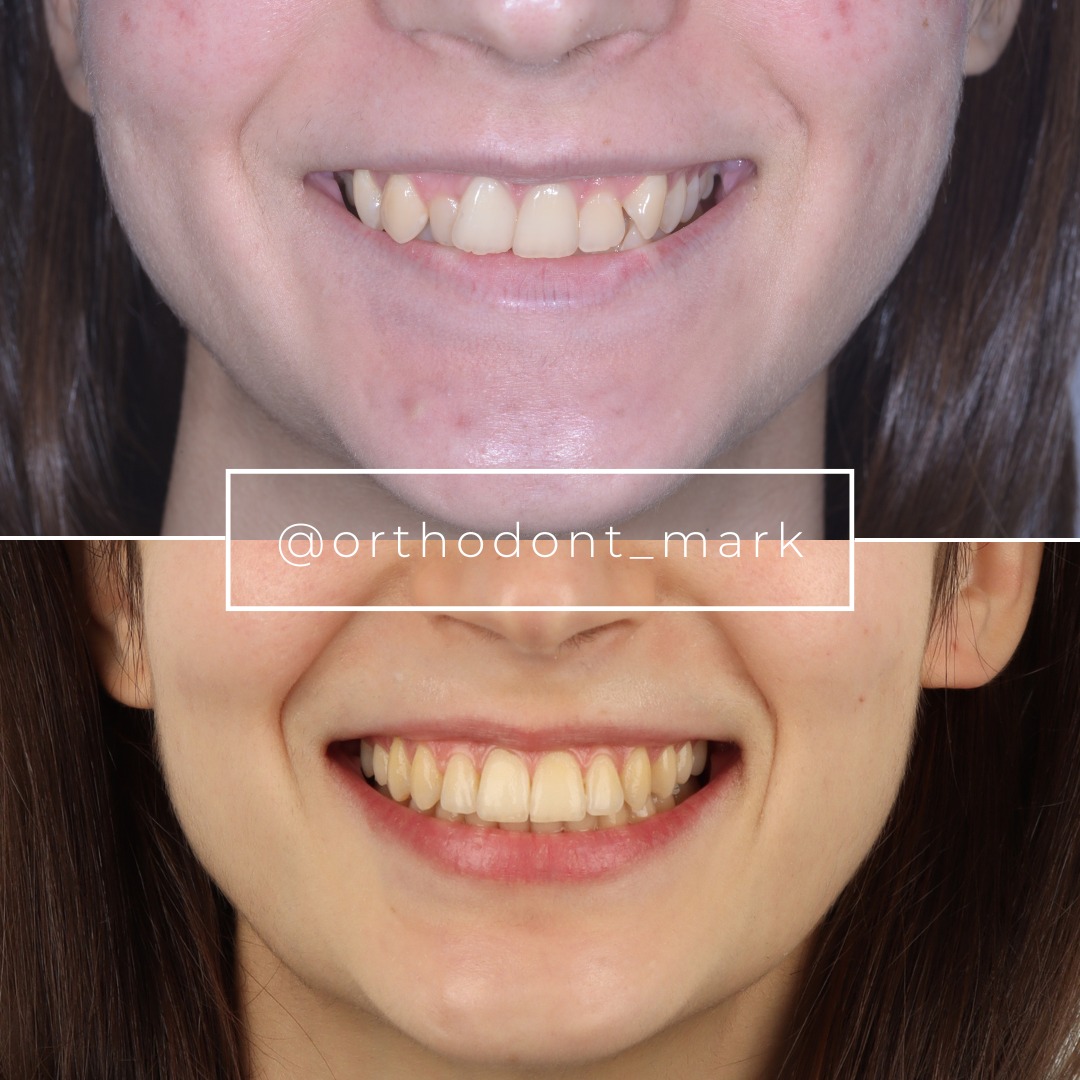
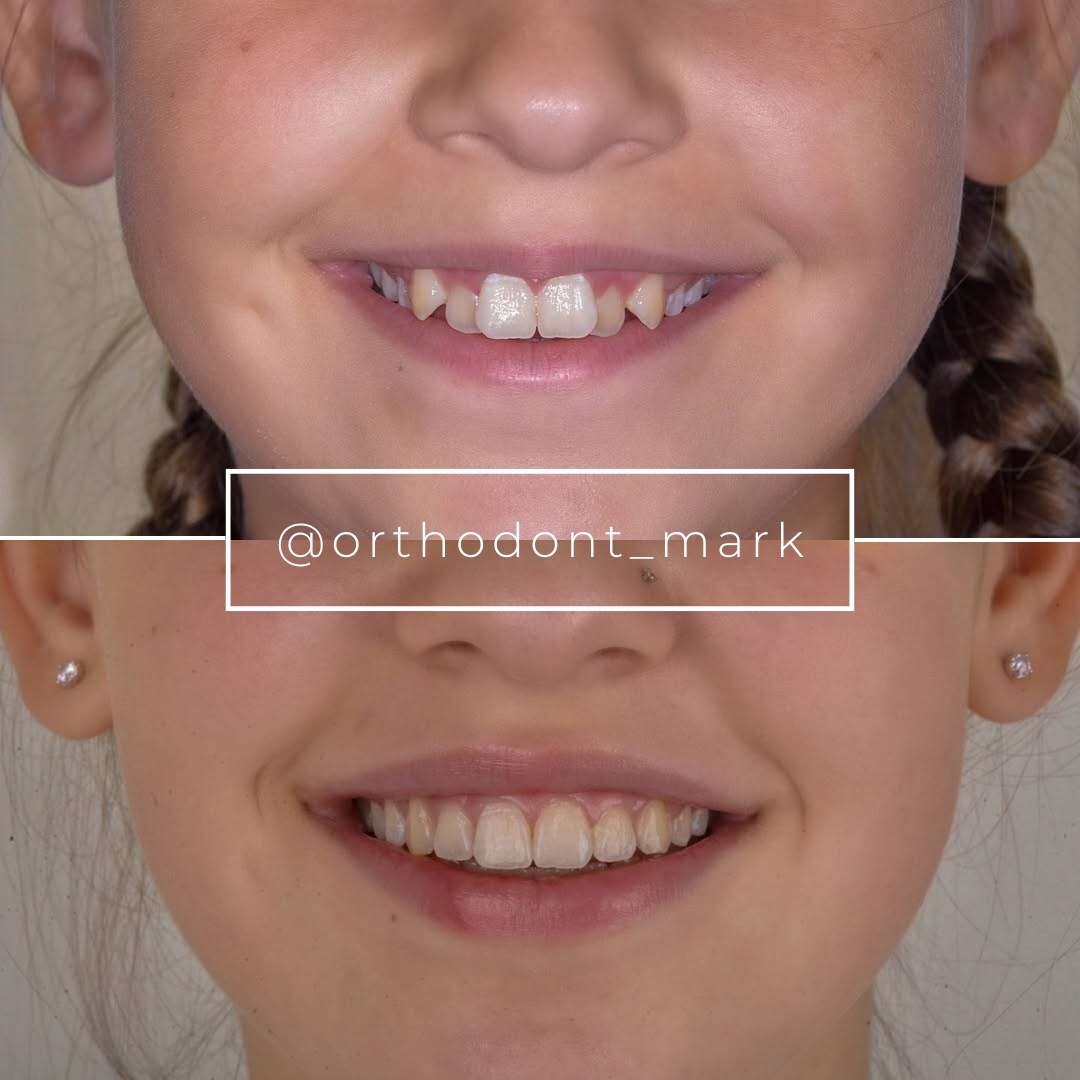
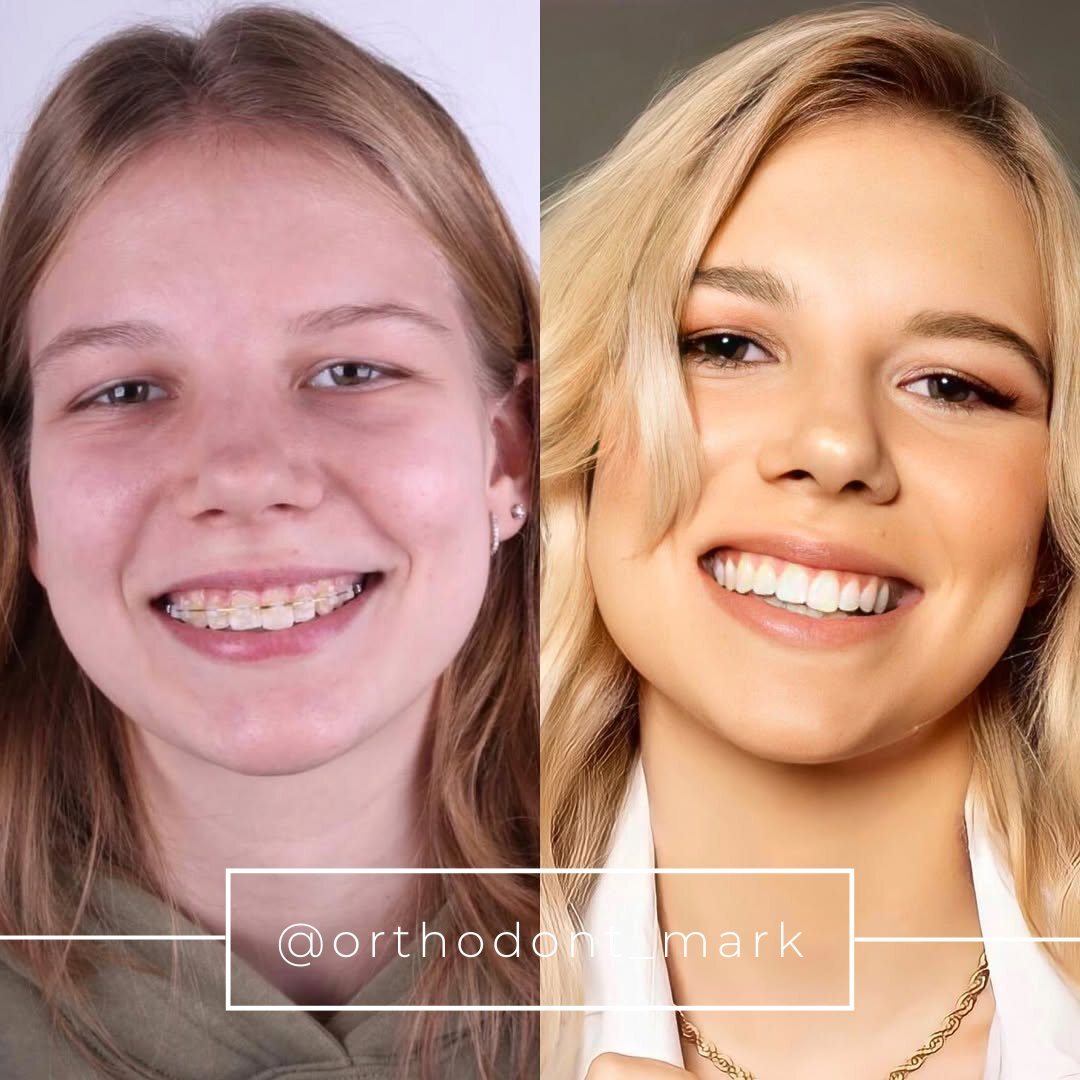
Documented outcomes
Clinical cases from Dr. Mark Radzhabov's practice
Learn the full MARPE protocol from Dr. Mark Radzhabov
Fundamental course covering CBCT patient selection, miniscrew planning, activation protocols, and 60+ clinical cases. Choose the access level that fits your practice.
Essentials of rapid palatal expansion for practicing orthodontists.
- Core RPE concepts and biomechanics
- 6 structured video lessons
- Clinical decision checklists
- Lifetime access to recordings
Deep-dive into MARPE protocol, diagnostics, and clinical execution.
- 6 modules covering MARPE from A to Z
- CBCT case selection walkthroughs
- Miniscrew placement and activation
- 60+ annotated clinical cases
- Direct Q&A with Dr. Mark Radzhabov
5-element medical consultation framework for dentists and orthodontists.
- Trust-building consultation protocol
- 5 lesson modules
- Templates for treatment plan delivery
- Works with any clinical specialty
Clinical FAQ
What is the difference between skeletal expansion force and dentoalveolar torque control in MARPE?
Miniscrews apply a transverse skeletal force along the midpalatal suture. Torque control is a dental compensation mechanism managed via wire moment capacity and auxiliary springs, not by the miniscrews themselves. The two are independent processes.
How do I prevent buccal molar tipping during bone-borne expansion activation?
Use 0.019×0.025 stainless or 0.020×0.025 TMA wire, activate posterior auxiliary springs at 50–80 gf delivering 4,000–6,000 g-mm lingual torque, position miniscrews at the midpalatal midline, and monitor weekly for buccal inclination changes.
Why is 0.020×0.025 TMA superior to stainless steel for MARPE torque control?
TMA's lower modulus of elasticity (55 GPa vs. 200+ GPa stainless) distributes loads over a wider range, reducing peak tipping moments. Its superelasticity permits smoother force delivery. Clinical studies show 35–40% less buccal tipping with TMA versus equivalent stainless wires.
Should I place miniscrews at the level of the first molars or first premolars during MARPE?
Place them at the midpalatal midline, 6–8 mm posterior to premolar apices. This position balances transverse loading. Placement at molar level or more anteriorly increases buccal tipping lever arm and worsens dentoalveolar tipping.
How much buccal molar tipping is clinically acceptable during an 8-week MARPE protocol?
Acceptable limit is 2–3 degrees total per activation cycle (weekly). If tipping exceeds 3–4 degrees, increase auxiliary spring activation or switch to TMA wire. Over 8 weeks, total tipping should remain under 8–10 degrees with proper torque control.
Do I need to use bilateral auxiliary springs on both molars, or can I use them on one side only?
Use bilateral springs on both molars to balance transverse torque and prevent asymmetrical tipping. Single-sided springs often result in differential molar inclination and loss of transverse symmetry during expansion.
What is the optimal activation increment for MARPE—weekly 0.25 mm or biweekly 0.5 mm turns?
Weekly 0.25 mm activation with concurrent auxiliary spring monitoring yields superior torque control. Biweekly protocols offer less granular control and typically produce 2–3 degrees more buccal tipping per equivalent expansion cycle.
How does prior buccal molar tipping history affect my MARPE torque control protocol?
Patients with baseline buccal molar inclination require enhanced mechanics from the outset: 0.020×0.025 TMA, double auxiliary springs, and four-miniscrew design if suture maturity is advanced (Angelieri Stage C or D).
Should I integrate MARPE with full fixed appliances immediately or use a staged approach?
Staged approach is superior: place MARPE and auxiliaries first, then engage full appliances 1–2 weeks later. This reduces cumulative tipping forces and allows dentoalveolar accommodation to expansion geometry before alignment forces are added.
How much relapse in molar inclination occurs during the 3–4 month consolidation phase after MARPE activation stops?
Dentoalveolar relapse is typically 0.5–1.0 mm (and 1–2 degrees of inclination drift toward baseline) during consolidation. This is corrected via final wire adjustments. True skeletal relapse is minimal if suture is mature and miniscrews are retained 3–4 months.
Posterior torque control during MARPE is not optional—it is foundational to case success. Clinicians who combine high-moment wire mechanics with optimal miniscrew placement and staged force application achieve stable skeletal expansion with minimal relapse and aesthetic posterior tooth position. Dr. Mark Radzhabov's evidence-based approach to bone-borne expansion emphasizes this integration: bone-borne force application is only half the equation. The other half is dentoalveolar discipline. To review your current cases or refine your MARPE protocol, schedule a consultation through Orthodontist Mark or access the comprehensive clinical resource library at ortodontmark.com.