
MARPE retention protocol comparison:
fixed, removable
or leaving the appliance in situ?
An evidence-based breakdown of post-expansion stabilization strategies to help orthodontists choose the protocol that best preserves suture integrity and minimises relapse.
TL;DR Choosing the right marpe retention protocol comparison framework matters because skeletal relapse begins during consolidation, not after appliance removal. Fixed retention preserves suture fill more reliably than removable alternatives, while leaving the appliance in situ distributes load across the newly formed bone. Evidence shows MARPE maintains skeletal, dentoalveolar, and periodontal gains better than tooth-borne RPE after consolidation.
When a clinician activates a MARPE appliance and achieves midpalatal separation, the harder decision often comes next: which retention strategy actually protects those skeletal gains through consolidation? The marpe retention protocol comparison debate—fixed versus removable versus leaving the appliance in situ—carries direct consequences for relapse, periodontal health, and patient compliance. Dr. Mark Radzhabov at ortodontmark.com addresses this clinical gap by reviewing the documented evidence on post-expansion stabilization, helping practicing orthodontists move from intuition-based retention choices to protocol decisions grounded in peer-reviewed imaging and outcome data.
What does a documented MARPE retention protocol
actually
involve—and why does protocol choice matter?
A MARPE retention protocol is a planned stabilization strategy—fixed hardware, removable appliance, or appliance in situ—designed to maintain transverse skeletal correction while the midpalatal suture undergoes ossification. The choice between these three approaches is not cosmetic. Each applies a different mechanical environment to immature woven bone that has not yet matured into lamellar cortical tissue. Selecting the wrong strategy can allow suture rebound before ossification is complete. Chun et al. (2022) structured their comparison by delivering identical expansion protocols—35 activation turns in both the MARPE and RPE groups—with CBCT imaging taken at baseline, immediately post-expansion, and at a 3-month consolidation endpoint. That controlled design matters because it isolates the retention phase rather than confounding it with variable expansion amounts. Any retention comparison that ignores consolidation imaging is missing the window when most skeletal relapse actually occurs. Chun et al. (2022) found that both RPE and MARPE produced significant basal bone expansion, and skeletal relapse was detectable during the consolidation period—not after the retainer was removed. This timing reframes the clinical question: the retention appliance must be active and structurally stable throughout consolidation, not simply present. For clinicians evaluating miniscrew-assisted skeletal expansion protocols, understanding which hardware maintains force continuity through this phase is the first decision in protocol design.
How do MARPE and RPE retention outcomes
diverge
across skeletal, dentoalveolar, and periodontal parameters?
The clearest argument for maintaining the MARPE appliance—or transitioning to an equivalently anchored fixed retainer—comes from the differential in post-consolidation outcomes between bone-borne and tooth-borne systems. Chun et al. (2022) found that MARPE resulted in better maintenance of skeletal, dentoalveolar, and periodontal gains compared to RPE after the 3-month consolidation period. The likely mechanism is reduced tipping force on anchor teeth throughout retention: the miniscrew anchorage distributes load to the palatal cortex rather than deflecting it through the periodontal ligament. Chun et al. (2022) also documented that MARPE demonstrated significantly less buccal displacement of anchor teeth compared to RPE across the consolidation window. This finding has a direct implication for tooth-borne retention appliances: transitioning from a bone-borne expander to a Hawley-style removable retainer reintroduces dental tipping forces at precisely the moment when suture bone is most vulnerable. The appliance-in-situ strategy avoids this transition entirely. For clinicians weighing tooth-borne RPE retention considerations against bone-borne alternatives, the consolidated evidence suggests that the retention phase should preserve the mechanical character of the expansion phase. A removable appliance worn part-time cannot replicate the continuous periosteal load of a fixed bone-borne system. Whether that demands leaving the original device in place or substituting a fixed palatal retainer with miniscrew anchorage is a case-specific judgment, but the direction of evidence is unambiguous.
Which complications during retention should change
your protocol
timeline or appliance choice?
Leaving a MARPE appliance in situ is biomechanically appealing, but the tissue environment around the hardware creates its own clinical risks that must be factored into retention planning. Yoon et al. (2022) reported that gingival inflammation around the MARPE appliance was the most frequent complication, occurring in 83.9% of patients. An inflamed sulcus adjacent to miniscrew heads is not merely uncomfortable—it signals a hygiene failure that can progress to miniscrew mobility and loss of the very anchorage the retention strategy depends on. Yoon et al. (2022) also found that pain during and after MARPE expansion was reported by 45% of patients, and appliance breakage occurred in 10% of patients. For retention planning, breakage is particularly relevant: a fractured palatal bar or bent arm does not merely inconvenience the patient—it disrupts the force equilibrium across the suture during ossification. Any in-situ retention protocol must include a structured recall schedule with appliance integrity checks at each visit. Asymmetric expansion adds a further layer of complexity. Yoon et al. (2022) observed that asymmetric expansion exceeding 1 mm was present in 47.8% of MARPE patients. When one side of the suture has separated more than the other, in-situ retention stabilizes an asymmetric skeletal position. A removable appliance that generates equal bilateral force might inadvertently correct minor asymmetry but could also introduce torsional stress. Documenting the degree of asymmetry at expansion completion, via CBCT cross-sections through the anterior, middle, and posterior suture thirds, gives the retention protocol a precise baseline.
Does patient sex or skeletal age affect which
retention
protocol length is appropriate?
Retention duration cannot be uniform across a MARPE-treated population because the biological capacity for suture ossification varies. Jeon et al. (2022) found that in male patients, older age was significantly associated with MARPE suture separation failure, but this age-related effect was not statistically significant in females. The implication for retention is that a male patient near the upper boundary of successful separation likely has slower, less predictable suture fill—and therefore needs a longer or more robust retention protocol to protect gains that were harder to achieve. For female patients, the same study found no significant age-related failure pattern, suggesting that suture biology in this group follows a different trajectory. Clinicians using the appliance-in-situ strategy should therefore apply different retention timelines by sex rather than defaulting to a single consolidation period for all adults. A fixed schedule applied uniformly across both sexes may over-retain female patients—adding unnecessary complication burden—while under-retaining older male patients. This sex-differential finding from Jeon et al. (2022) does not stand alone. It reinforces the rationale for CBCT-guided retention decisions rather than calendar-based ones. When the suture in the posterior third still appears as a dark radiolucent gap on axial sections, the retention appliance—fixed or in situ—should remain regardless of elapsed time. When bridging bone is visible across all three suture thirds, transition to a removable post-expansion stabilization device becomes defensible, particularly in female patients with lower inherent relapse pressure.
How should clinicians choose between fixed, removable,
or in-situ
retention following MARPE expansion?
The three documented MARPE retention strategies—fixed palatal retainer, removable plate, and appliance left in situ—each carry a different risk profile. Leaving the appliance in situ maintains the bone-borne mechanical environment that produced superior outcomes in Chun et al. (2022), but exposes the patient to sustained gingival inflammation risk documented by Yoon et al. (2022) in the majority of cases. A fixed palatal retainer without miniscrew anchorage removes this tissue burden but sacrifices direct periosteal loading. A removable plate offers the lowest complication burden but provides intermittent force at best. The evidence-supported hierarchy places appliance in situ as the mechanically superior option for the early ossification phase, transitioning to a fixed palatal retainer once suture fill is partially established, and reserving removable retention for patients who have completed radiographically confirmed ossification and who present low relapse risk based on sex and skeletal age. This is not a rigid sequence—clinical factors including miniscrew stability, hygiene capacity, and appliance integrity per Yoon et al. (2022) may accelerate transition. For clinicians building a post-MARPE stabilization workflow, the critical output of this protocol comparison is that no single retention strategy is universally appropriate. The structured MARPE training available through Dr. Mark Radzhabov at ortodontmark.com addresses retention planning as an integrated component of the expansion protocol—not an afterthought assigned at debond. Linking retention choice to the same CBCT data used for case selection creates a consistent, evidence-anchored framework that reduces reliance on clinical habit.
Free Clinical Guide
Which Expansion Appliance at Which Age?
Get Dr. Mark Radzhabov's guide to skeletal-expansion appliances — indications, pros & cons, and how to choose by patient age. Free to your inbox.
Prefer video? Watch the free demo lesson on MARPE appliance types, features and trade-offs.
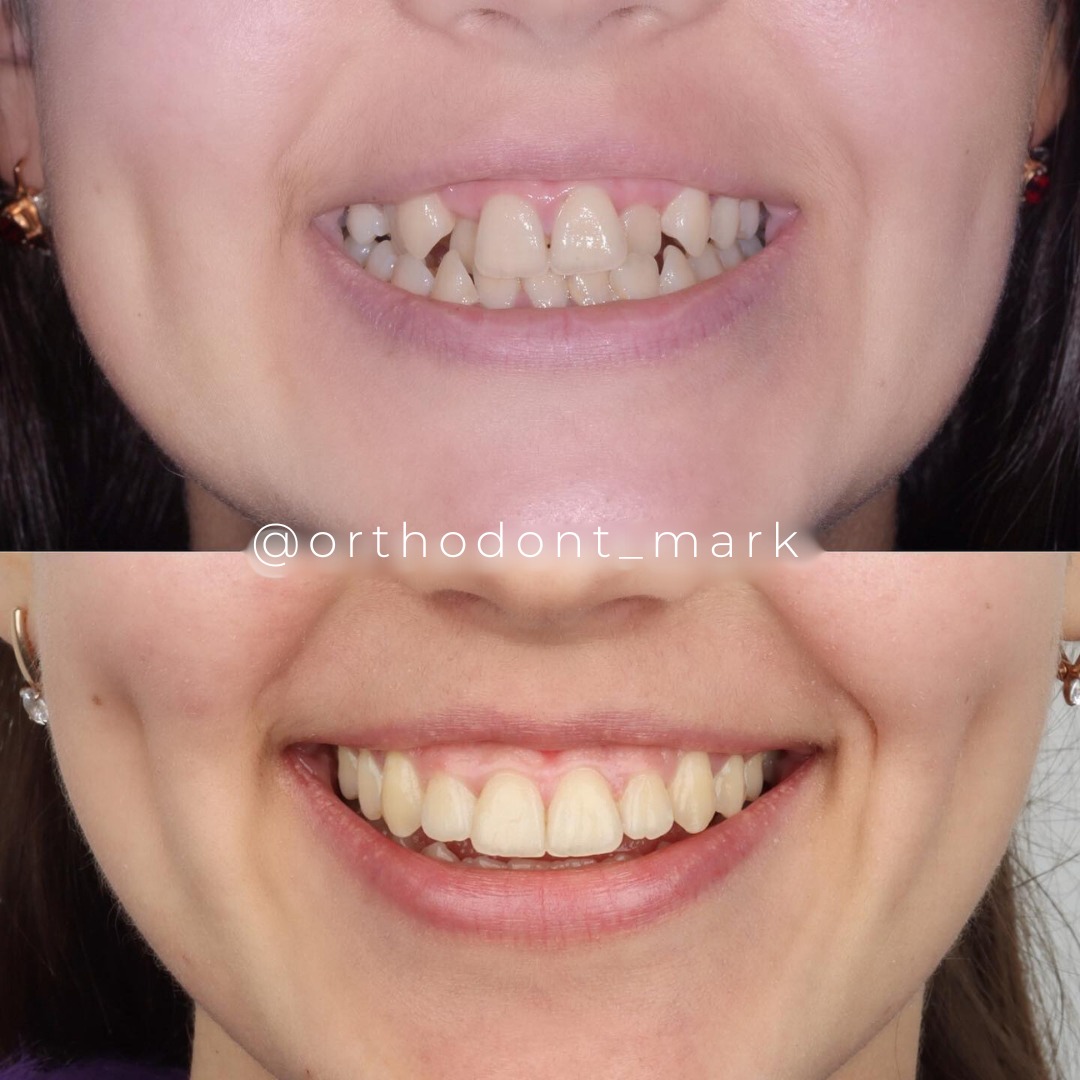
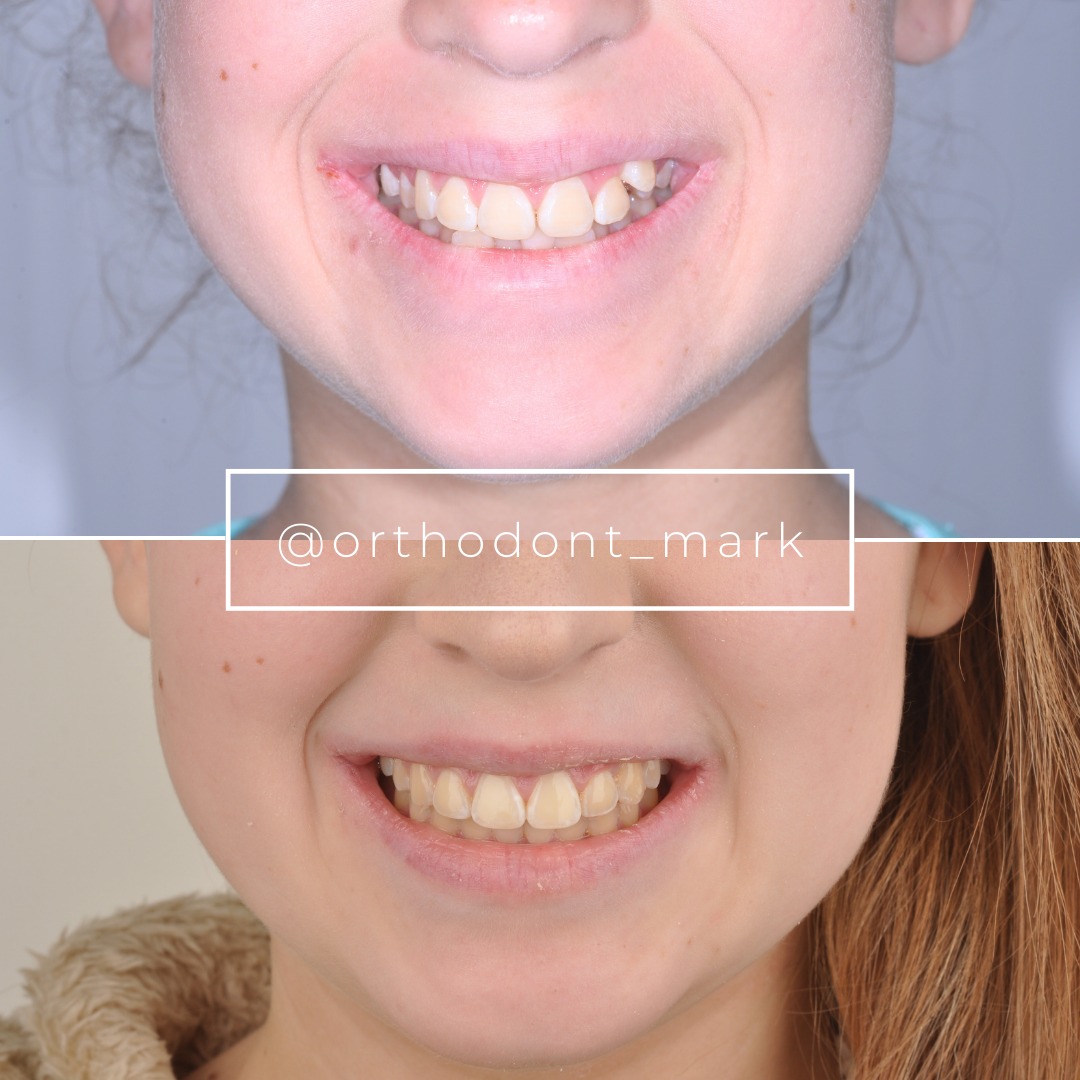
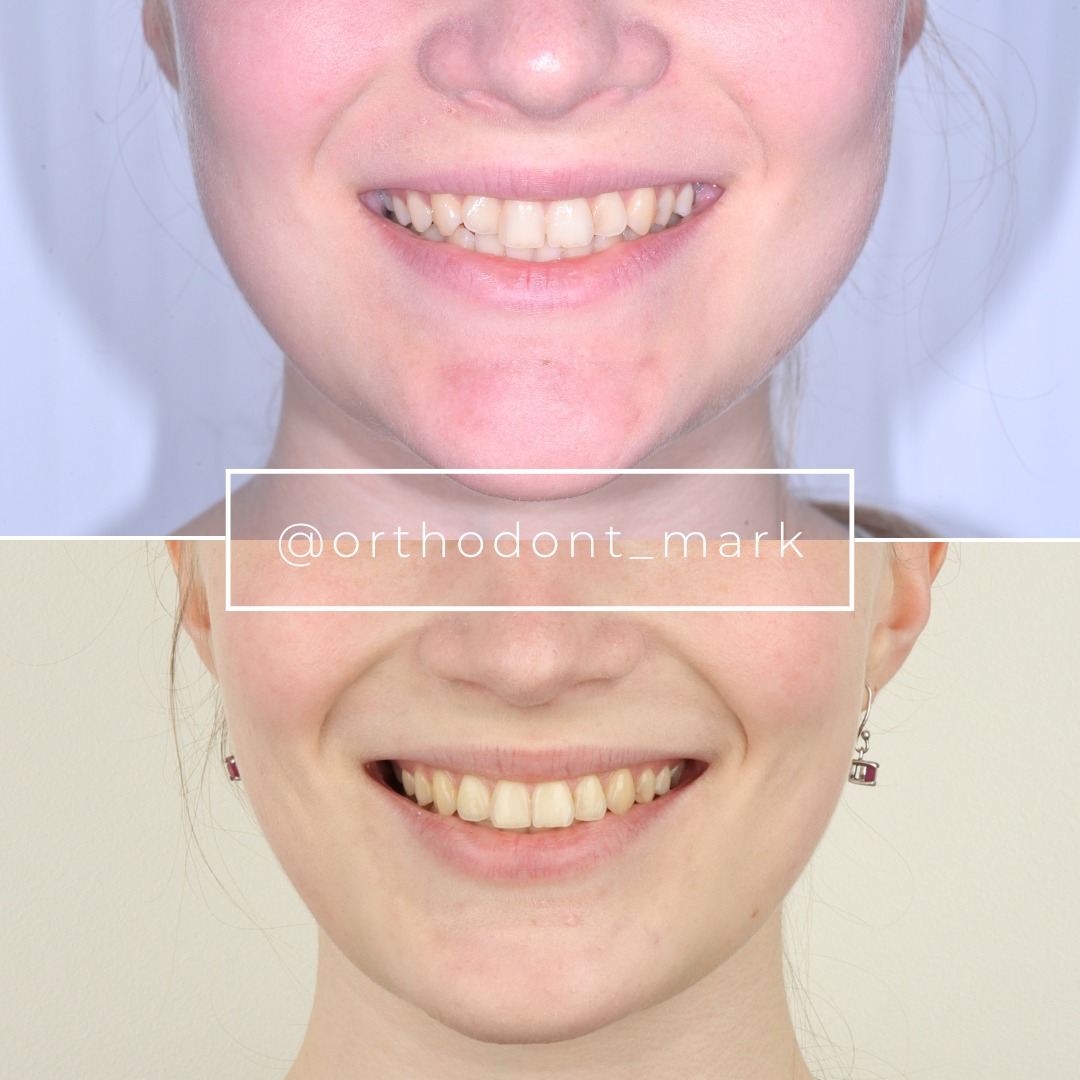
Documented outcomes
Clinical cases from Dr. Mark Radzhabov's practice
Learn the full MARPE protocol from Dr. Mark Radzhabov
Fundamental course covering CBCT patient selection, miniscrew planning, activation protocols, and 60+ clinical cases. Choose the access level that fits your practice.
Essentials of rapid palatal expansion for practicing orthodontists.
- Core RPE concepts and biomechanics
- 6 structured video lessons
- Clinical decision checklists
- Lifetime access to recordings
Deep-dive into MARPE protocol, diagnostics, and clinical execution.
- 6 modules covering MARPE from A to Z
- CBCT case selection walkthroughs
- Miniscrew placement and activation
- 60+ annotated clinical cases
- Direct Q&A with Dr. Mark Radzhabov
5-element medical consultation framework for dentists and orthodontists.
- Trust-building consultation protocol
- 5 lesson modules
- Templates for treatment plan delivery
- Works with any clinical specialty
Clinical FAQ
How long should a MARPE appliance stay in for retention after active expansion?
Duration should be governed by CBCT evidence of suture ossification across all three suture thirds, not a fixed calendar. Chun et al. (2022) used a 3-month consolidation window for imaging, but patients with slower fill — particularly older males per Jeon et al. (2022) — may need longer retention.
Does leaving the MARPE expander in situ prevent relapse better than a fixed palatal retainer?
In-situ retention preserves the bone-borne mechanical environment associated with better skeletal and periodontal maintenance per Chun et al. (2022). However, gingival inflammation in the majority of patients per Yoon et al. (2022) can compromise miniscrew stability, making clinical monitoring essential before committing to extended in-situ retention.
When is removable retention appropriate following miniscrew-assisted rapid palatal expansion?
Removable retention is most defensible once CBCT confirms bridging bone across all suture thirds and the patient demonstrates low relapse risk based on sex and skeletal maturity. Introducing removable part-time retention during early consolidation is unsupported by the current comparative evidence.
How does transverse stability differ between MARPE and RPE during the retention phase?
Chun et al. (2022) found MARPE produced better maintenance of skeletal, dentoalveolar, and periodontal gains after consolidation compared to RPE, with significantly less buccal anchor tooth displacement. This differential favours a bone-borne retention strategy rather than transitioning to tooth-borne hardware.
What is the clinical significance of asymmetric MARPE expansion for retention protocol design?
Yoon et al. (2022) found asymmetric expansion exceeding 1 mm in 47.8% of MARPE patients. Symmetric removable retainers may apply unequal bilateral forces to an already asymmetric suture. Document left-right suture separation before choosing a retention appliance.
Does patient sex affect how long fixed retention after MARPE should be maintained?
Yes. Jeon et al. (2022) showed that older age significantly predicts suture separation failure in males but not females. Older male patients likely have slower suture ossification and should be retained longer with more robust fixed hardware before any protocol downgrade is considered.
How does gingival inflammation affect the decision to leave a MARPE appliance in situ?
Yoon et al. (2022) reported gingival inflammation in 83.9% of MARPE patients. Uncontrolled inflammation adjacent to miniscrew heads can lead to miniscrew mobility, directly undermining in-situ retention. Hygiene protocol and recall frequency must be intensified when in-situ retention is chosen.
What CBCT criteria justify transitioning from fixed to removable post-MARPE stabilization?
Transition is clinically defensible when axial CBCT sections show continuous bridging bone across the anterior, middle, and posterior suture thirds, with no residual dark radiolucent gap. The posterior third ossifies last and should be the radiographic discharge criterion, not the anterior region.
How does appliance breakage risk factor into MARPE retention protocol length?
Yoon et al. (2022) reported appliance breakage in 10% of MARPE patients. A fracture during consolidation disrupts periosteal loading at the most vulnerable ossification stage. Appliance integrity checks at every retention recall are mandatory, and breakage should trigger immediate repair or protocol transition.
Which MARPE retention protocol best preserves periodontal health through consolidation?
Chun et al. (2022) found MARPE produced better periodontal maintenance than RPE after consolidation, attributable to reduced buccal anchor tooth displacement with bone-borne anchorage. Fixed bone-borne retention replicates this advantage. Tooth-borne removable alternatives reintroduce dental tipping forces that RPE was already shown to be inferior for.
Selecting a post-expansion stabilization strategy without a structured framework risks undermining the skeletal gains that made MARPE worthwhile in the first place. The evidence reviewed here supports a conservative approach: retain the appliance or transition to a fixed alternative until suture ossification is radiographically confirmed, monitor for gingival inflammation, and document asymmetry early. For clinicians building or refining their expansion protocols, Dr. Mark Radzhabov offers structured MARPE training and case consultation through ortodontmark.com. Key sources: Chun et al. (2022), BMC Oral Health, doi:https://doi.org/10.1186/s12903–022-02138-w. Yoon et al. (2022) retrospective analysis. Jeon et al. (2022), Clinical Oral Investigations, doi:https://doi.org/10.1007/s00784–021-04281–0.