
MSE and Hybrid Retention Regimens:
Screw Removal
Evidence-Based Timing for Removing the Screws
Compare documented consolidation protocols across MSE and hybrid appliance systems—so your removal decisions rest on published evidence, not convention.
TL;DR Documented MSE and hybrid retention regimens lack a single universal screw-removal timeline, making evidence-based timing a critical clinical decision. Suture separation reliability and appliance design both influence consolidation strategy. Sarraj et al. (2021) confirmed midpalatal suture separation in 100% of patients across two appliance groups, underscoring that mechanical success is achievable—but post-expansion stabilization remains protocol-dependent.
Deciding precisely when to remove the screws or detach the retentive framework of a bone-borne palatal expander is one of the least-standardized steps in the MSE and hybrid retention regimens workflow. Appliance designers have approached consolidation differently, leaving clinicians to reconcile sparse comparative data with individual patient anatomy. At ortodontmark.com, Dr. Mark Radzhabov synthesizes the available peer-reviewed evidence to help practicing orthodontists build defensible, evidence-informed removal timelines—reducing relapse risk without unnecessarily prolonging appliance wear.
How Does the MSE Expander Body Stay in Place
During Consolidation?
A hybrid retention regimen is a post-expansion stabilization strategy that combines the fixed bone-borne or tooth-borne expander body with supplementary locking or cementation elements to resist relapse while new bone fills the widened midpalatal suture. Understanding what holds the appliance to the palate during this period is the starting point for any rational removal timeline. According to Giudice et al. (2020), MSE placement typically uses two miniscrews positioned in the anterior palatal region—a geometric choice that concentrates the anchorage load close to the midpalatal suture rather than distributing it across the dental arch. This anterior bias has direct implications for how force is transmitted during both active expansion and the passive consolidation phase that follows. Giudice et al. (2020) further document that the expander body is connected to those miniscrews through either dedicated retention screws or cementation caps, creating two mechanically distinct attachment modes. Retention screws allow the clinician to selectively unlock the appliance at a chosen timepoint without disturbing the osseointegrated miniscrews themselves, while cementation caps bond the appliance body to the screw heads as a single rigid unit. That distinction matters when planning removal: a cemented interface requires debonding procedures that carry different risks for the peri-implant mucosa than simply disengaging a threaded retention component. Documenting which interface type was placed at delivery is therefore a precondition for evidence-based removal planning.
Which Appliance Delivers More Separation,
and Does It Change the Retention Clock?
Before setting a removal timeline, clinicians need to know whether suture separation occurred at all and how much arch width was gained—because both variables affect how long new woven bone requires before the appliance can be safely withdrawn. Sarraj et al. (2021) reported that total first-molar expansion reached 5.9 mm with MSE and 4.7 mm with the BAME appliance, a clinically meaningful difference of more than a millimeter. A wider expansion arc in the MSE group implies a larger suture gap volume that must be bridged by new bone during consolidation—an argument for longer retention in higher-expansion cases, though the literature has not yet codified a millimeter-per-week conversion formula. Critically, Sarraj et al. (2021) confirmed midpalatal suture separation in 100% of patients across both the MSE and BAME groups. The universality of suture opening means that consolidation protocols in these documented cases were not managing a probabilistic outcome—they were managing the timing of osseous infill after a confirmed split. Clinicians reviewing their own removal timelines against this data should recognize that the consolidation question shifts from “did the suture open?” to “how long does this specific gap volume take to mineralize sufficiently to resist relapse forces?” Current evidence does not supply a single numeric answer, but the magnitude of expansion—higher with MSE per Sarraj et al. (2021)—remains a logical weighting factor.
What Do Surgical Expansion Data Tell Us About
Adult Consolidation
Thresholds?
When non-surgical expansion approaches their biological ceiling in older patients, surgically assisted protocols enter the picture—and their retention literature offers comparative context for understanding why screw-removal timing cannot be uniform across age groups. Sant'Ana et al. (2016) studied 24 adult patients—14 receiving a midpalatal split procedure and 10 without midpalatal sectioning—providing one of the cleaner head-to-head comparisons in the surgical expansion record. Patients ranged from 18.3 to 31.8 years with a mean age of 24.29 years, a demographic that overlaps substantially with the adult cases where miniscrew-assisted palatal expansion is now routinely attempted. Recognizing this overlap allows orthodontists to reference surgical consolidation norms as a ceiling estimate when non-surgical bone-borne timelines are debated. Sant'Ana et al. (2016) further demonstrated that midpalatal split produced greater expansion efficacy, with a between-group difference reaching P = 0.00—a statistically unambiguous result. For retention planning, this finding implies that procedures involving deliberate suture osteotomy generate a qualitatively different osseous healing environment than non-surgical widening, likely requiring its own consolidation timeline rather than borrowing directly from MSE or MARPE protocols. Clinicians managing adult palatal expansion cases—whether surgical or via miniscrew-assisted palatal expansion—should track these distinctions carefully when selecting how long to maintain the retentive appliance framework before proceeding to passive retention or fixed bonded retainer coverage.
Free Clinical Guide
Which Expansion Appliance at Which Age?
Get Dr. Mark Radzhabov's guide to skeletal-expansion appliances — indications, pros & cons, and how to choose by patient age. Free to your inbox.
Prefer video? Watch the free demo lesson on MARPE appliance types, features and trade-offs.
Documented outcomes
Clinical cases from Dr. Mark Radzhabov's practice
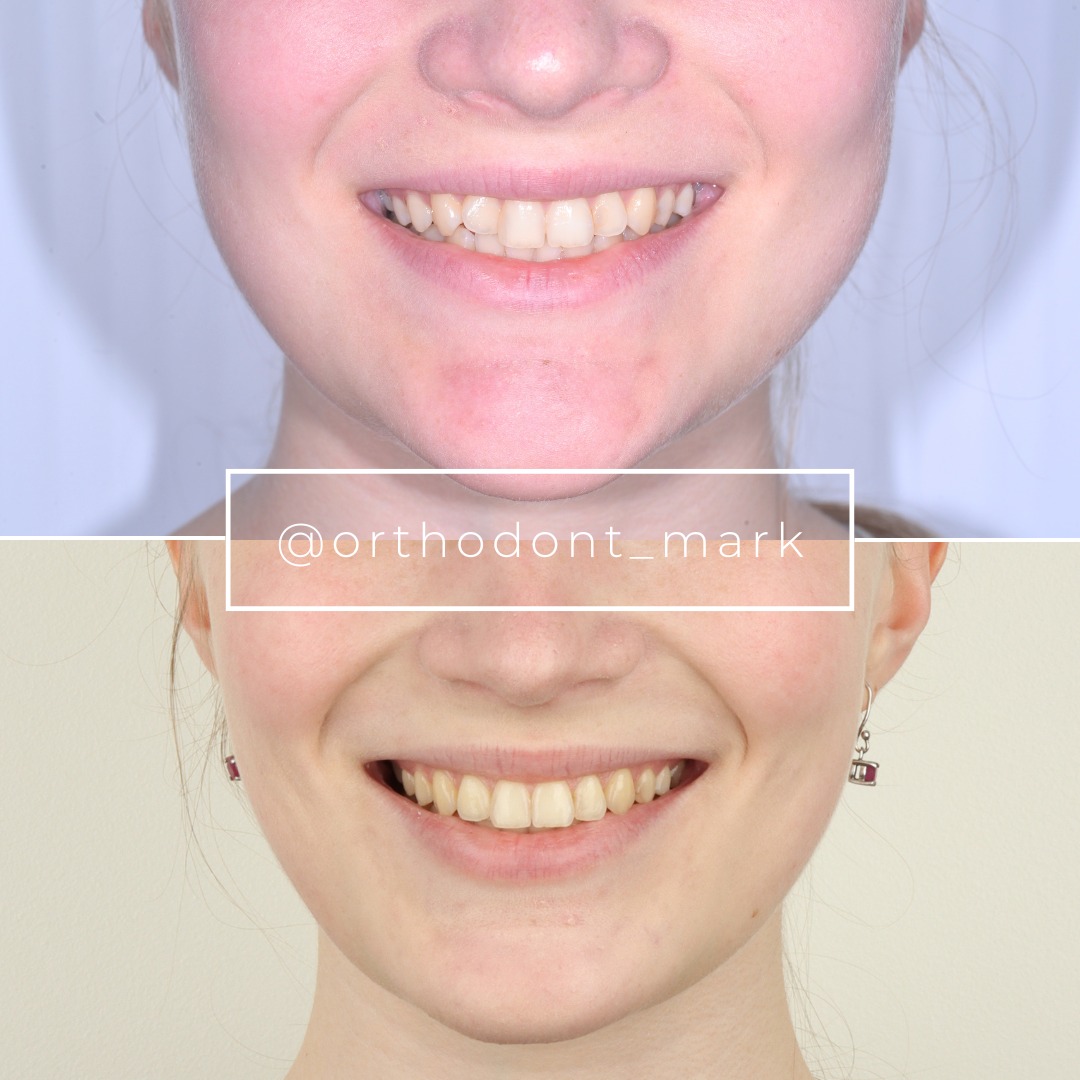
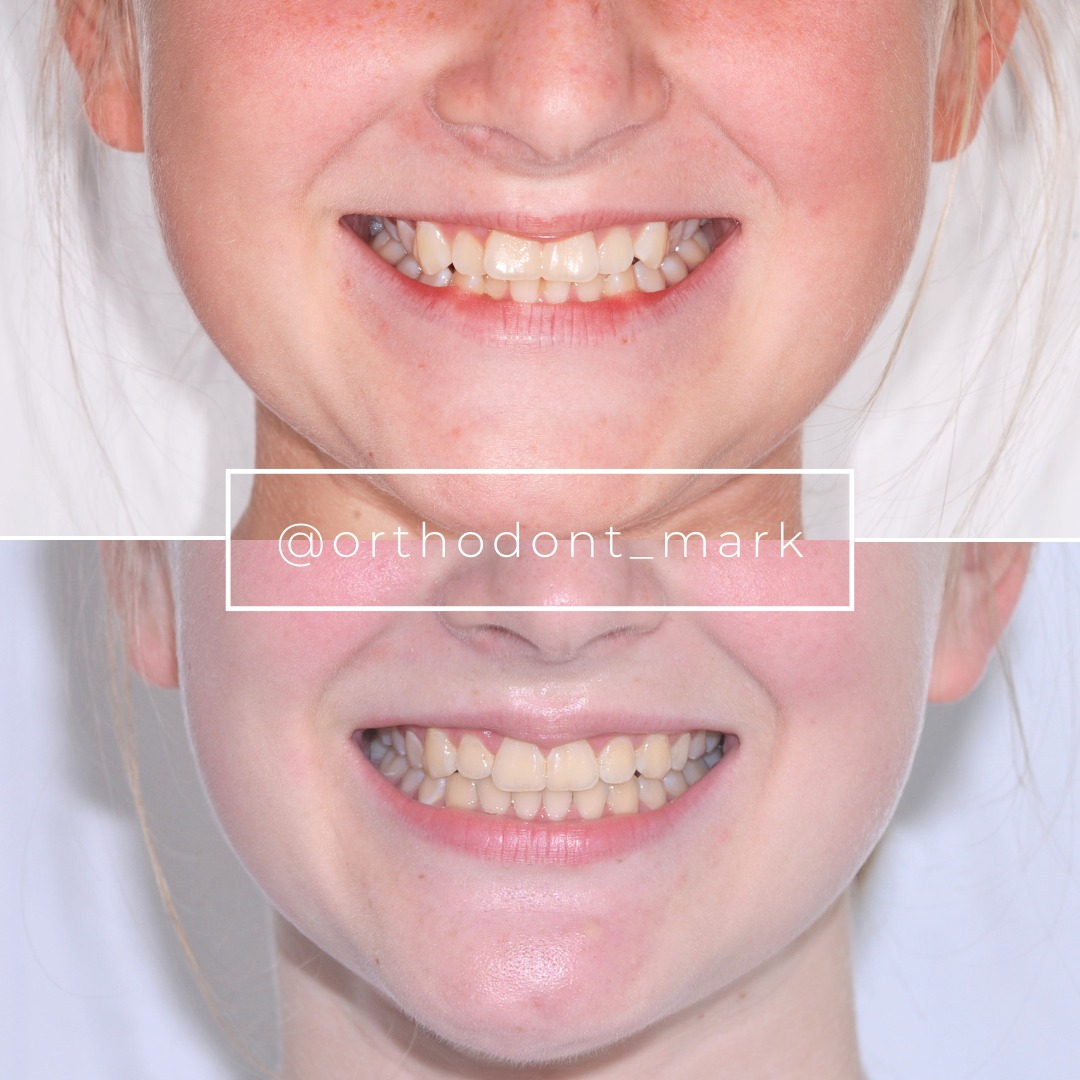
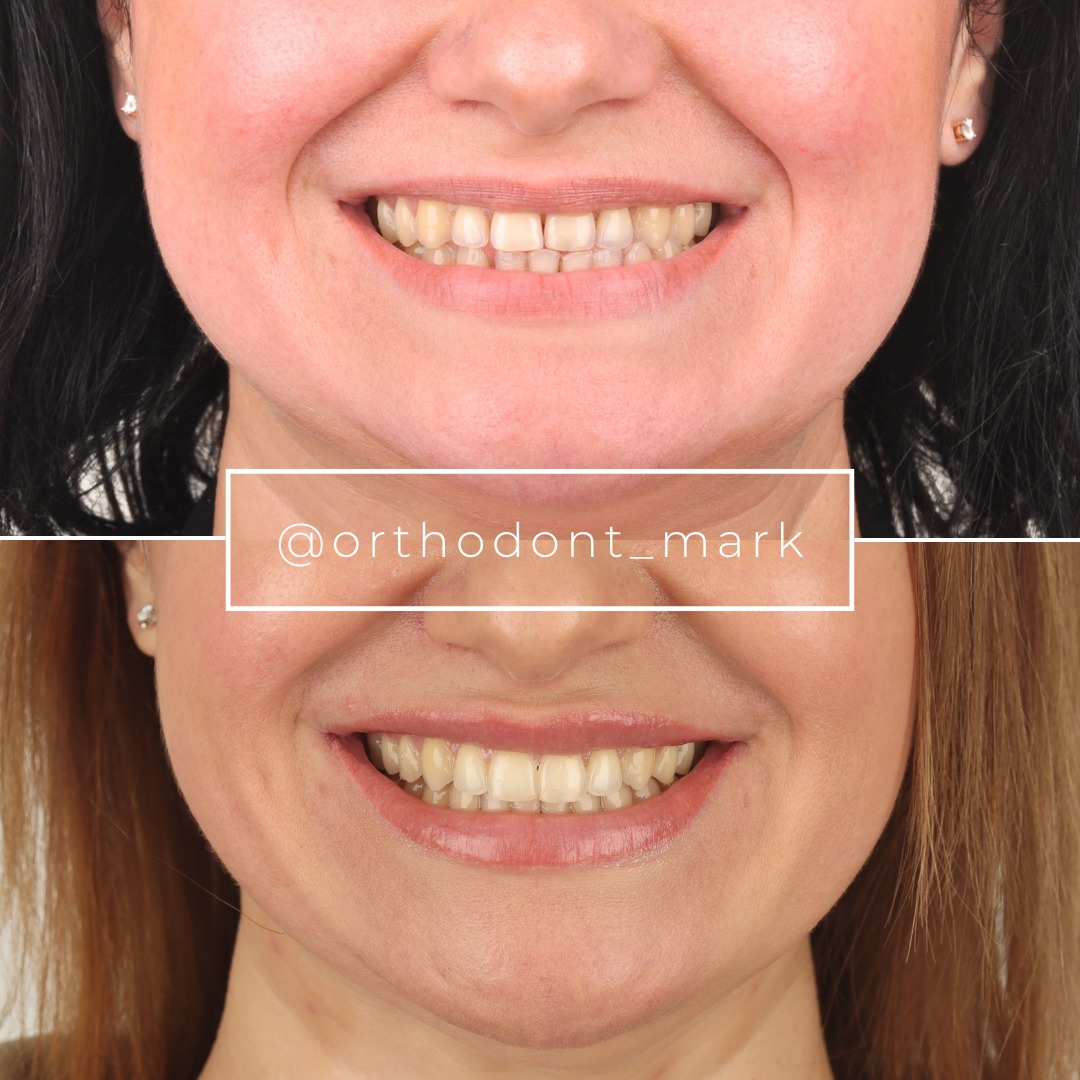
Learn the full MARPE protocol from Dr. Mark Radzhabov
Fundamental course covering CBCT patient selection, miniscrew planning, activation protocols, and 60+ clinical cases. Choose the access level that fits your practice.
Essentials of rapid palatal expansion for practicing orthodontists.
- Core RPE concepts and biomechanics
- 6 structured video lessons
- Clinical decision checklists
- Lifetime access to recordings
Deep-dive into MARPE protocol, diagnostics, and clinical execution.
- 6 modules covering MARPE from A to Z
- CBCT case selection walkthroughs
- Miniscrew placement and activation
- 60+ annotated clinical cases
- Direct Q&A with Dr. Mark Radzhabov
5-element medical consultation framework for dentists and orthodontists.
- Trust-building consultation protocol
- 5 lesson modules
- Templates for treatment plan delivery
- Works with any clinical specialty
Clinical FAQ
How does appliance design affect evidence-based timing for removing MSE screws?
The retention interface—threaded screws versus cemented caps—determines the removal procedure's mechanical demands and soft-tissue risk. Giudice et al. (2020) document both attachment modes for MSE. Clinicians should record which interface was placed at delivery to plan removal appropriately.
Does first-molar expansion magnitude influence the consolidation period after MSE?
Sarraj et al. (2021) reported 5.9 mm of first-molar expansion with MSE versus 4.7 mm with BAME. A larger suture gap volume requires more osseous infill before the appliance can be safely removed, suggesting that higher-expansion cases warrant longer retention, though a precise week-per-millimeter formula is not yet established.
Is midpalatal suture separation reliable enough to base consolidation timelines on it?
Sarraj et al. (2021) confirmed suture separation in 100% of patients across both MSE and BAME groups. When separation is this consistent, the consolidation question shifts from whether the suture opened to how long the specific gap takes to mineralize—a distinction that should anchor clinical removal decisions.
How do surgical expansion age ranges inform non-surgical MSE retention planning?
Sant'Ana et al. (2016) enrolled patients aged 18.3 to 31.8 years with a mean of 24.29 years. Their consolidation experience provides a comparative ceiling for non-surgical bone-borne cases in the same demographic, helping orthodontists contextualize their own retention timelines.
What is the clinical significance of a P = 0.00 midpalatal split finding for consolidation protocols?
Sant'Ana et al. (2016) found midpalatal split produced significantly greater expansion efficacy at P = 0.00. This implies a qualitatively different osseous healing environment compared to non-surgical widening, meaning retention periods derived from surgical studies should not be applied directly to MSE or hybrid appliance timelines.
When should a clinician choose retention screws over cementation caps in a hybrid MSE system?
Retention screws permit staged removal—detach the expander body while leaving miniscrews in place—extending anchorage if CBCT shows incomplete suture fill. Cementation caps create a single rigid unit but require debonding procedures that introduce peri-implant soft-tissue shear. Document the choice at placement.
How do I use CBCT findings to determine optimal MSE screw removal timing?
CBCT allows direct visualization of suture fill density before committing to removal. Because Sarraj et al. (2021) confirmed universal suture opening across appliance groups, imaging after active expansion should focus on osseous bridging quality rather than confirming separation itself.
What sample size does the Sant'Ana et al. (2016) surgical expansion study use, and is it generalizable?
Sant'Ana et al. (2016) included 24 adult patients: 14 with midpalatal split and 10 without. The relatively modest sample warrants caution in direct extrapolation, but the statistically unambiguous P = 0.00 between-group finding supports using the study as a benchmark reference for adult consolidation comparisons.
Can documented MSE retention regimens be applied uniformly across all patient ages?
No. Suture maturation varies with age, meaning the same expansion magnitude requires different consolidation durations in younger versus older patients. Sant'Ana et al. (2016) demonstrate this in a surgical context spanning 18.3 to 31.8 years. Analogous age-related variation should be expected in non-surgical MSE cases.
What are the key steps in building an evidence-based screw-removal protocol for hybrid retention systems?
Document the retention interface at delivery (Giudice et al., 2020), record post-expansion first-molar separation (Sarraj et al., 2021), obtain CBCT to assess suture infill quality, and benchmark removal timing against published surgical data for comparable age groups (Sant'Ana et al., 2016) before proceeding.
Consolidation after skeletal palatal expansion deserves the same rigor applied to the active expansion phase itself. The evidence reviewed here—spanning appliance-specific separation rates and surgical cohort age ranges—confirms that no single removal timeline fits every protocol, and that appliance design, patient age, and suture response must all be weighted together. Orthodontists who wish to audit their own retention decisions against the published record will find structured case-review resources at ortodontmark.com. Dr. Mark Radzhabov continues to update this clinical framework as new comparative data emerge. Key sources: Sarraj et al. (2021), APOS Trends in Orthodontics, doi:10.25259/APOS_160_2020. Sant'Ana et al. (2016), doi:10.1016/j.ijom.2016.03.005. Giudice et al. (2020), Materials, doi:10.3390/ma13081815.