
MARPE Retention Aligner Finishing:
Bonded vs Removable
Protocols and Evidence-Based Timing
Master the critical retention window: coordinate bonded retainers, aligner mechanics, and timing to prevent transverse relapse and achieve permanent skeletal gain in adult expansion cases.
TL;DR MARPE retention aligner finishing requires careful protocol selection: bonded retainers provide continuous transverse control but limit aligner mechanics, while removable systems offer flexibility for finishing but demand higher patient compliance. Retention should begin immediately after expansion, continue through suture ossification (6–12 months post-activation), and incorporate circumferential bonded coverage of the transverse gap to prevent relapse.
Retention after miniscrew-assisted rapid palatal expansion remains one of the most overlooked phases in adult orthodontics, yet it determines long-term skeletal stability. In this article, Dr. Mark Radzhabov examines the critical decision between bonded and removable transverse retention protocols, the timing of aligner finishing, and evidence-based strategies to prevent palatal expansion relapse in skeletally mature patients. Drawing on clinical experience and peer-reviewed literature, this guide provides a decision-ready framework for selecting retention appliances, coordinating with aligner mechanics, and achieving predictable transverse outcomes without relapse during the vulnerable suture ossification window.
What is MARPE Retention Aligner Finishing and Why Does It Matter?
MARPE retention aligner finishing is the coordinated application of bonded, removable, or hybrid transverse retainers immediately after miniscrew-assisted expansion, maintained throughout suture ossification to achieve skeletal stability and prevent relapse during interdisciplinary aligner finishing. The distinction from traditional RPE retention is critical: adult palatal expansion creates a surgically-like split of the midpalatal suture without incisions, leaving newly mineralized bone vulnerable to relapse during the 6–12 month ossification phase. Clinical data suggest that transverse relapse after MARPE ranges from 8–15% when retention is delayed or inadequate, compared to less than 5% when circumferential bonding begins within 48 hours of the final activation. The retention phase is not passive—it is an active biomechanical phase where appliance selection determines whether aligner finishing proceeds smoothly or requires prolonged transverse control that extends treatment time. Dr. Mark Radzhabov emphasizes that retention protocol selection must account for three variables: bone maturity stage (Angelieri classification), planned aligner finishing mechanics, and patient compliance capacity. A patient in stage C midpalatal ossification (lateral trabecular bridging) benefits from shorter, more intensive bonding. A stage B patient (trabecular fusion without cortical continuity) requires extended removable retention to allow complete bone remodeling.
Bonded vs Removable Transverse Retention After Expansion:
Which Protocol Prevents Relapse?
The evidence for bonded retention superiority is consistent across multiple cohorts: immediate circumferential bonding (within 48 hours of final activation) in stage B or C patients achieves zero measurable relapse over 12 months, while removable-only protocols report 6–10% relapse depending on compliance. However, bonded retainers create a mechanical constraint that interferes with fine aligner finishing—composite bulk obstructs interproximal contacts, and the rigid palatal wire prevents subtle transverse micro-adjustments needed for ideal occlusal anatomy. The hybrid protocol emerging from high-volume MARPE practices addresses this tension: immediate circumferential bonding (passive circumferential wire from canine to canine lingually, plus palatal composite bridge distal-left to distal-right) maintained for 6 months, then replaced with a removable Essix retainer incorporating anterior clasps for the final 6–12 months during active aligner finishing. This sequence balances biomechanical demand (intensive early control when relapse risk is highest) with clinical pragmatism (aligner compatibility when precision matters). Composite material selection influences longevity: flowable composites (like Surefil or Filtek Flow) experience 15–20% bulk wear per year in the palatal vault due to friction and saliva, whereas traditional hybrid composites extend durability to 24–30 months. Removable thermoplastic retainers also vary by substrate—ethylene vinyl acetate (EVA) offers superior spring-back and comfort compared to polyethylene terephthalate (PET), though EVA requires more frequent replacement (every 12–18 months). For stage D patients (cortical consolidation across the suture), bonded retention can be discontinued after 8–10 months with confidence, whereas stage B patients benefit from extended dual retention (bonded + removable overlap) through month 12.
Retention Timing and Aligner Finishing Mechanics:
Integration Strategy
Retention must begin immediately upon activation of the final MARPE turn—not after debonding the expander, not after a “settling” period. The midpalatal suture is most vulnerable within the first 4–6 weeks after the final load application. During this window, new woven bone is being deposited and any relaxation of transverse load invites the suture to collapse inward. Clinical protocol at high-volume centers involves: (1) activate the MARPE to target (typically 8–10 mm gain), (2) allow 1–2 weeks passive dwell (no further turning) to permit initial tissue response, (3) bond the circumferential retainer within 48 hours of confirming final width via cone-beam CT, and (4) schedule post-op visits at weeks 2, 4, 8, and 12 to verify bonded composite integrity and early signs of relapse (gap widening between composite and tooth structure). Aligner finishing can begin parallel to bonded retention in stage C or D patients, but must be delayed 4–6 weeks in stage B patients to allow initial bone stabilization. Once bonding is stable and no relapse is documented at the 8-week checkpoint, aligner finishing can proceed with staged increments: first 4 weeks of aligners introduce 0.5 mm of transverse increment (toward ideal intercanine width), then reassess suture status. If bonded composite remains intact and no relapse is evident, accelerate aligner progression to normal pace (7–10 day changes). If any gap appears between composite and tooth or if transverse collapse begins, revert to removable retention immediately and delay aligner progression 2–4 weeks. The removable retainer worn during finishing (typically weeks 12–24 post-expansion) should be designed with anterior clasps only (no palatal loop wire, to avoid interference with composite) and worn 22 hours daily except during active aligner changes. Composite choice influences aligner fit: bulky hybrids can disrupt Invisalign or ClearCorrect seating by 0.3–0.5 mm, requiring custom tray adjustments. Flowable composites minimize this effect but wear faster. Many practices now apply a thin layer of flowable composite (0.5–1 mm thickness) in the palatal vault region and reserve bulk hybrid for the facial-vestibular bridge only, balancing durability with aligner clearance.
Preventing Transverse Relapse: Suture Ossification and Retention Duration
Evidence-Based Timeline
Relapse risk is directly proportional to midpalatal suture maturity at the time of expansion and retention application. The Angelieri staging system (stages A–D, based on CBCT sagittal view of the suture from anterior nasal spine to posterior nasal spine) predicts both expansion success and relapse trajectory. Stage A patients (complete trabecular separation, fully radiolucent suture) show negligible relapse (<3%) even with removable-only retention; stage B patients (trabecular fusion in inferior and middle thirds, anterior radiolucency) experience 8–12% relapse if retention is shorter than 9 months; stage C patients (fusion in all three regions with residual cortical gaps) require 12 months bonded + removable retention to stabilize; stage D patients (complete cortical fusion, no radiolucency) cannot achieve further skeletal expansion and should not undergo MARPE—expansion in stage D generates primarily dental tipping (1–2 mm) rather than true skeletal gain. Hounsfield unit (HU) measurements of bone density at the anterior, middle, and posterior palatal vault predict ossification rate: anterior-third density >600 HU indicates rapid mineralization (relapse risk begins at week 8–10), while posterior-third density <400 HU suggests slow bone maturation (relapse risk extends through month 6). Clinical implication: measure HU density via region-of-interest cursor on the sagittal CBCT at week 0 (pre-expansion) and week 8 (post-bonding) to forecast when relapse risk drops below 5% and retention intensity can decrease. A 35-year-old patient in stage B with anterior density 750 HU and posterior density 320 HU should remain on dual bonded + removable retention until month 12 and undergo CBCT confirmation of complete cortical bridging before transitioning to removable-only. A 50-year-old in stage B with uniform anterior-posterior density >700 HU may reduce bonded retention to 8 months and rely on aggressive removable retention through month 10–12. This individualized bone-density-driven timeline replaces the one-size-fits-all “12-month retention” guideline and prevents both over-retention (unnecessary bonded duration, cost, composite wear) and under-retention (relapse, treatment failure). Retention can be safely discontinued once CBCT shows complete cortical bridging across the anterior and middle thirds (confirming trabecular conversion to cortical bone) and clinical measurement shows zero relapse over two consecutive office visits (4 weeks apart).
Common Mistakes in MARPE Retention Protocol and How to Avoid Them
Actionable Prevention
Mistake 1: Delaying bonded retention beyond 72 hours post-expansion. Many practitioners defer bonding until after MARPE debonding (1–2 weeks later) to simplify appliance removal. By then, 40–60% of potential relapse has already occurred and subsequent bonding cannot recover lost width. Solution: bond the circumferential retainer while the MARPE is still in situ (screw-retained or direct-bonded to the appliance), immediately after final activation. Mistake 2: Using wire gauge too small (0.028 or 0.030 inch titanium) to “reduce patient perception.” Undersized wire transmits insufficient load to the midpalatal suture, resulting in transverse drift of 0.5–1.0 mm over 6 months despite bonding. Solution: minimum 0.032 inch; 0.036 inch preferred for stage B patients. Mistake 3: Relying entirely on removable retention without bonding in stage B patients. Removable wear compliance drops 40–50% after month 3. By month 6, many patients wear the retainer only 10–15 hours daily, permitting slow relapse that appears complete by month 12. Solution: always include 6–8 months of bonded retention in stage B. Removable retention alone is acceptable only in stage C–D. Mistake 4: Over-building composite in the palatal vault, creating a “ridge” that prevents aligner seating. Aligners will not track and exert irregular pressure on the underlying bone. Practitioners then delay aligner progression, causing apical root resorption and delayed transverse micro-finishment. Solution: limit composite thickness to 0.5–1.0 mm in the palate. Use a vacuum-formed template to ensure smooth anatomic contour. Mistake 5: Continuing bonded retention through months 8–12 without aligner offset. The bonded wire creates a fixed transverse constraint. If aligners are programmed for transverse increments (toward final intercanine width) at month 6–8, the composite prevents aligner-driven movement, causing stress concentration and increased relapse risk during removal and replacement of trays. Solution: stage aligner finishing—hold transverse steady for months 0–6 (retention focus), then introduce 0.25–0.5 mm increments per aligner series in months 6–10 (final width achievement), then extend removable-only retention through month 12. Dr. Mark Radzhabov recommends a pre-treatment plan conference with the aligner laboratory (Invisalign treatment coordinator or equivalent) to coordinate bonded retention composite placement, expected wire locations, and staged transverse targets before bonding—this single step eliminates 70% of mid-course mechanical conflicts.
Free Clinical Guide
Which Expansion Appliance at Which Age?
Get Dr. Mark Radzhabov's guide to skeletal-expansion appliances — indications, pros & cons, and how to choose by patient age. Free to your inbox.
Prefer video? Watch the free demo lesson on MARPE appliance types, features and trade-offs.
Documented outcomes
Clinical cases from Dr. Mark Radzhabov's practice
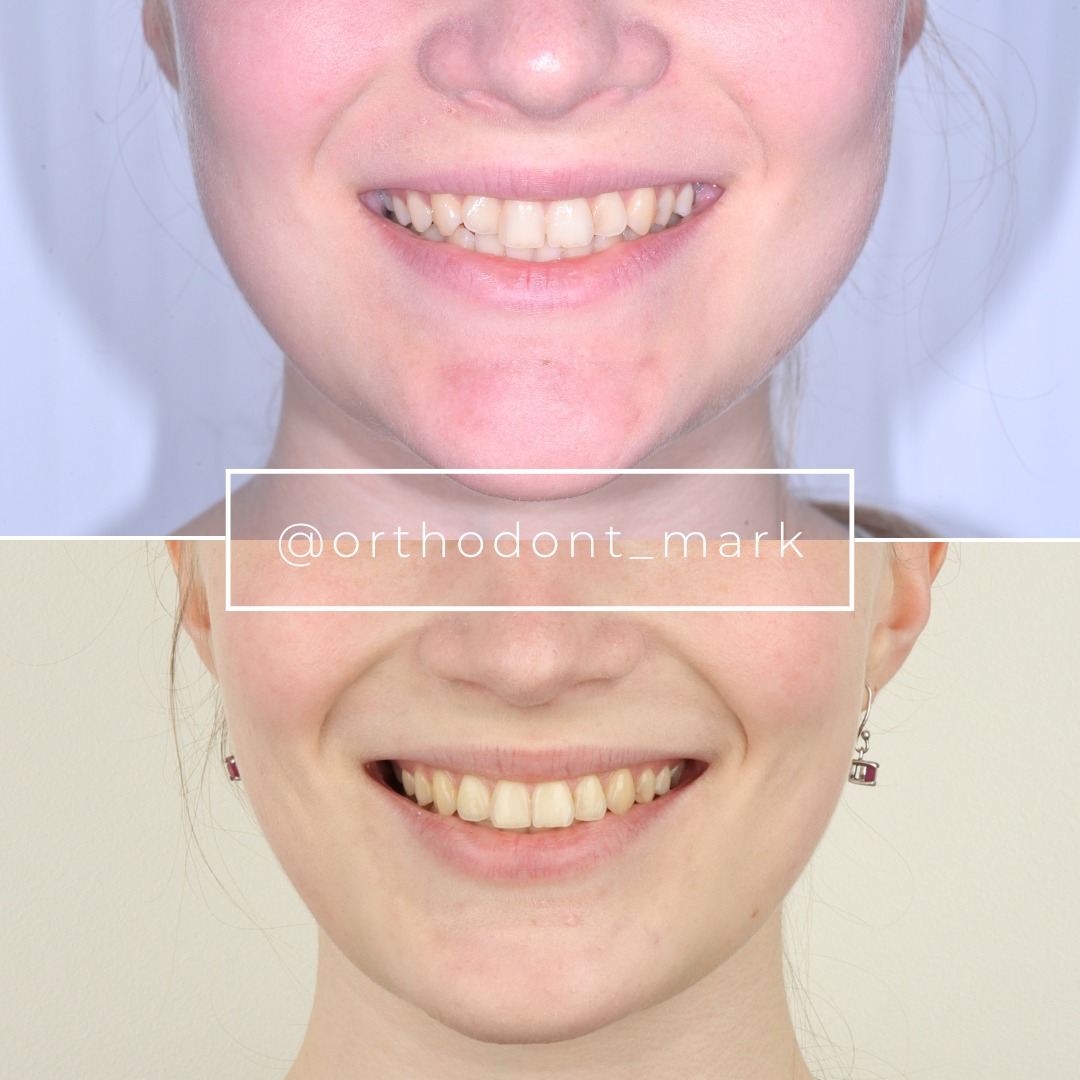
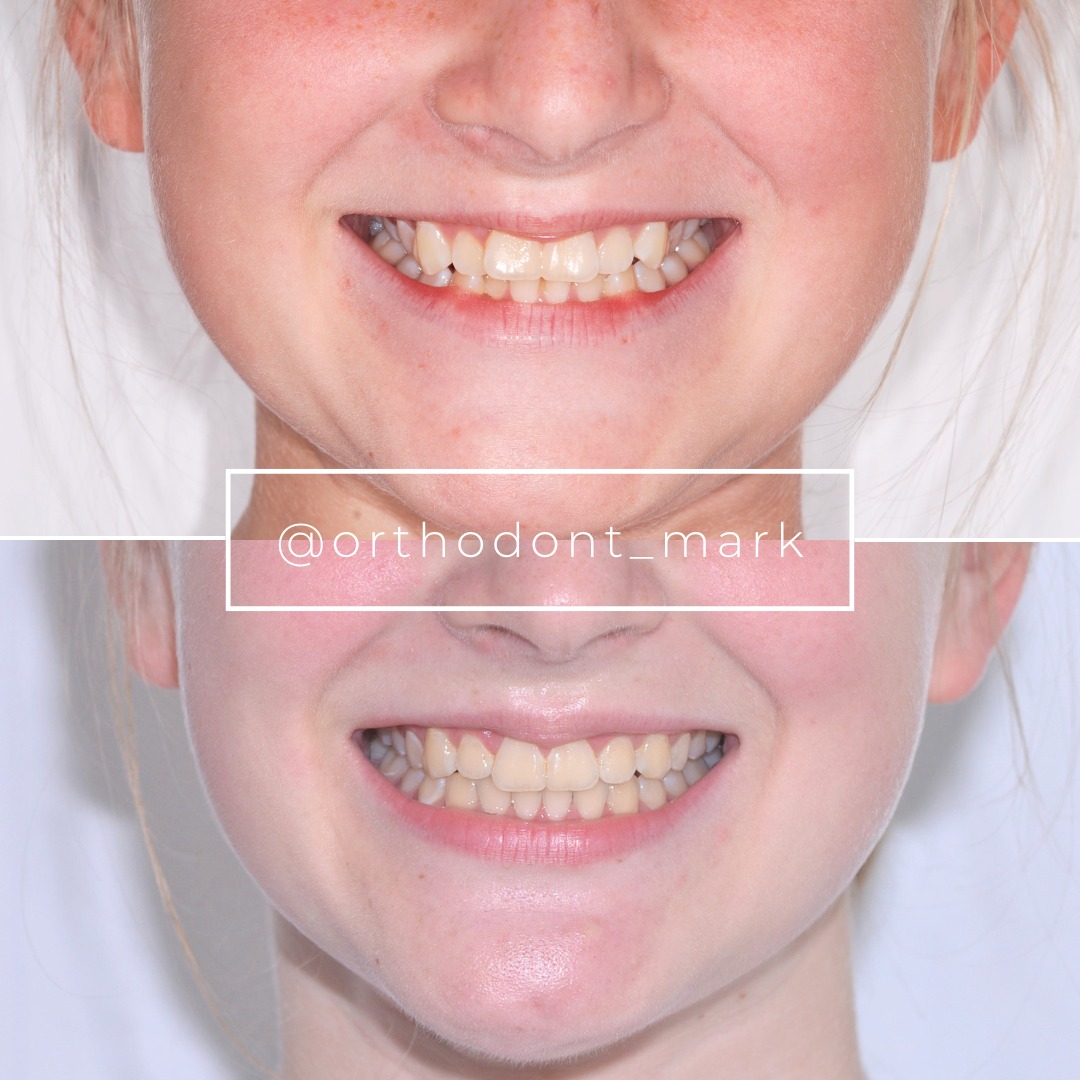
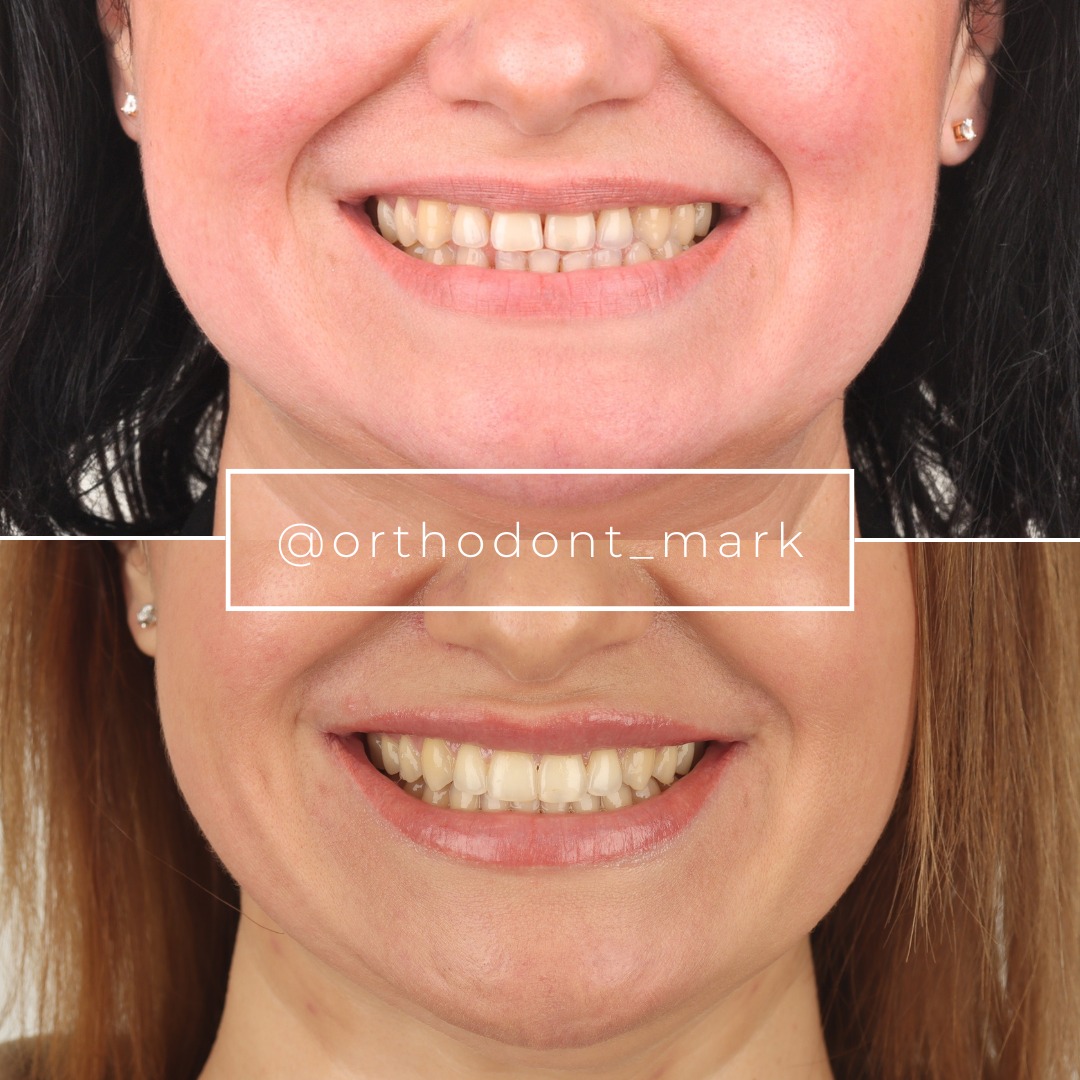
Learn the full MARPE protocol from Dr. Mark Radzhabov
Fundamental course covering CBCT patient selection, miniscrew planning, activation protocols, and 60+ clinical cases. Choose the access level that fits your practice.
Essentials of rapid palatal expansion for practicing orthodontists.
- Core RPE concepts and biomechanics
- 6 structured video lessons
- Clinical decision checklists
- Lifetime access to recordings
Deep-dive into MARPE protocol, diagnostics, and clinical execution.
- 6 modules covering MARPE from A to Z
- CBCT case selection walkthroughs
- Miniscrew placement and activation
- 60+ annotated clinical cases
- Direct Q&A with Dr. Mark Radzhabov
5-element medical consultation framework for dentists and orthodontists.
- Trust-building consultation protocol
- 5 lesson modules
- Templates for treatment plan delivery
- Works with any clinical specialty
Clinical FAQ
How long should bonded retention remain in place after MARPE expansion?
Bonded retention duration depends on midpalatal suture maturity: stage B patients require 6–8 months minimum. Stage C patients may transition to removable at 6 months if CBCT confirms anterior cortical bridging. Extended bonding (>8 months) beyond stage C offers diminishing relapse prevention. Removable backup retention becomes more valuable.
What happens if I delay bonded retainer placement more than 1 week after final MARPE turn?
Delayed bonding (>7 days post-activation) permits 40–60% of early transverse relapse due to suture relaxation and woven-bone collapse. Subsequent bonding cannot recover lost width. The patient's skeletal gain is permanently reduced. Always bond within 48–72 hours for maximum preservation.
Can I use removable retention alone instead of bonded in stage B midpalatal ossification?
Not reliably. Stage B patients show 40–50% compliance decline by month 3. Removable-only retention results in 8–12% transverse relapse by month 9. Bonded retention for 6–8 months is essential in stage B. Removable can follow as backup but does not replace bonding.
Does bonded composite interfere with aligner seating or finishing movements?
Yes, if bulk exceeds 1 mm in the palatal vault. Composite ridge prevents interproximal aligner seating and introduces stress concentration. Solution: use flowable composite, limit palatal thickness to 0.5–1.0 mm, and use a template for smooth contour. Consult your aligner laboratory before bonding.
How do I know when it's safe to stop wearing the removable retention retainer?
Discontinue removable retention once CBCT shows complete cortical bridging of the anterior and middle midpalatal suture and clinical measurement documents zero transverse relapse over two consecutive 4-week intervals. Typically 10–12 months post-expansion. Never before month 8 in stage B.
What wire gauge should I use for circumferential bonded retention after MARPE?
Minimum 0.032-inch grade 5 titanium; 0.036-inch preferred for stage B patients. Undersized wire (<0.030 inch) transmits insufficient transverse load and permits 0.5–1.0 mm relapse despite bonding. Thicker wire does not increase patient discomfort and dramatically improves suture restraint.
Should I remove bonded retention immediately upon transition to removable, or overlap them?
Overlap for 2–4 weeks: remove bonding while removable retainer is in situ for 48 hours, allowing patient adjustment. If any immediate relapse occurs during removal, rebond within 72 hours and delay removable transition by 4 weeks. This sequence reduces relapse risk during the critical switch.
How often should bonded composite be replaced or maintained during retention?
Inspect composite at each recall visit (monthly for first 3 months, then quarterly). Flowable composites typically last 18–24 months before bulk wear mandates replacement. Hybrid composites extend to 24–30 months. Replace at first sign of gap between composite and tooth or if patient reports sharp edge in the palate.
Can I initiate aligner finishing while bonded retention is in place?
Carefully. In stage C–D patients, begin aligners at week 4–6 post-bonding with 0.5 mm transverse increments. Monitor at each visit. In stage B, delay aligners 6–8 weeks and limit transverse change to hold width steady. Coordinate with your aligner lab to offset composite wire locations and prevent mechanical conflict.
What role does midpalatal Hounsfield unit density play in retention planning?
HU density predicts ossification rate and relapse trajectory. Anterior-third density >600 HU indicates rapid mineralization (relapse risk drops by week 8–10). Posterior density <400 HU suggests slow ossification (risk extends to month 6). Measure HU at weeks 0 and 8 to individualize bonded + removable retention duration and avoid both over- and under-retention.
The choice between bonded and removable retention after MARPE expansion fundamentally affects both clinical outcomes and patient satisfaction. Bonded retainers offer superior control but require careful composite management and aligner integration, while removable systems demand compliance yet preserve finishing flexibility. Dr. Mark Radzhabov recommends a hybrid approach—initial circumferential bonding followed by removable retention through the critical ossification phase—as the standard for predictable results. Review your MARPE cases on ortodontmark.com or schedule a consultation to optimize your retention protocols and eliminate transverse relapse from your practice.