
Initial situation
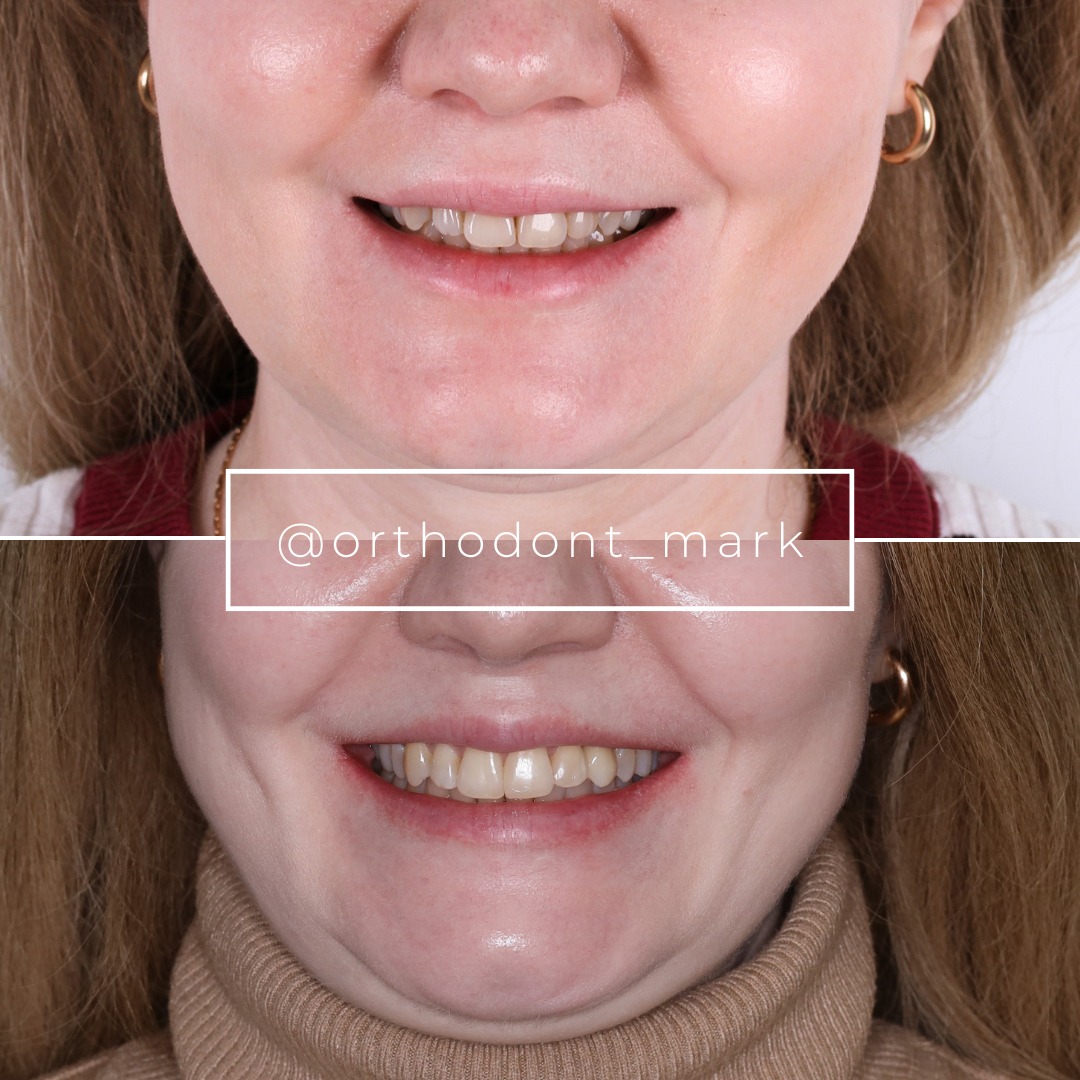
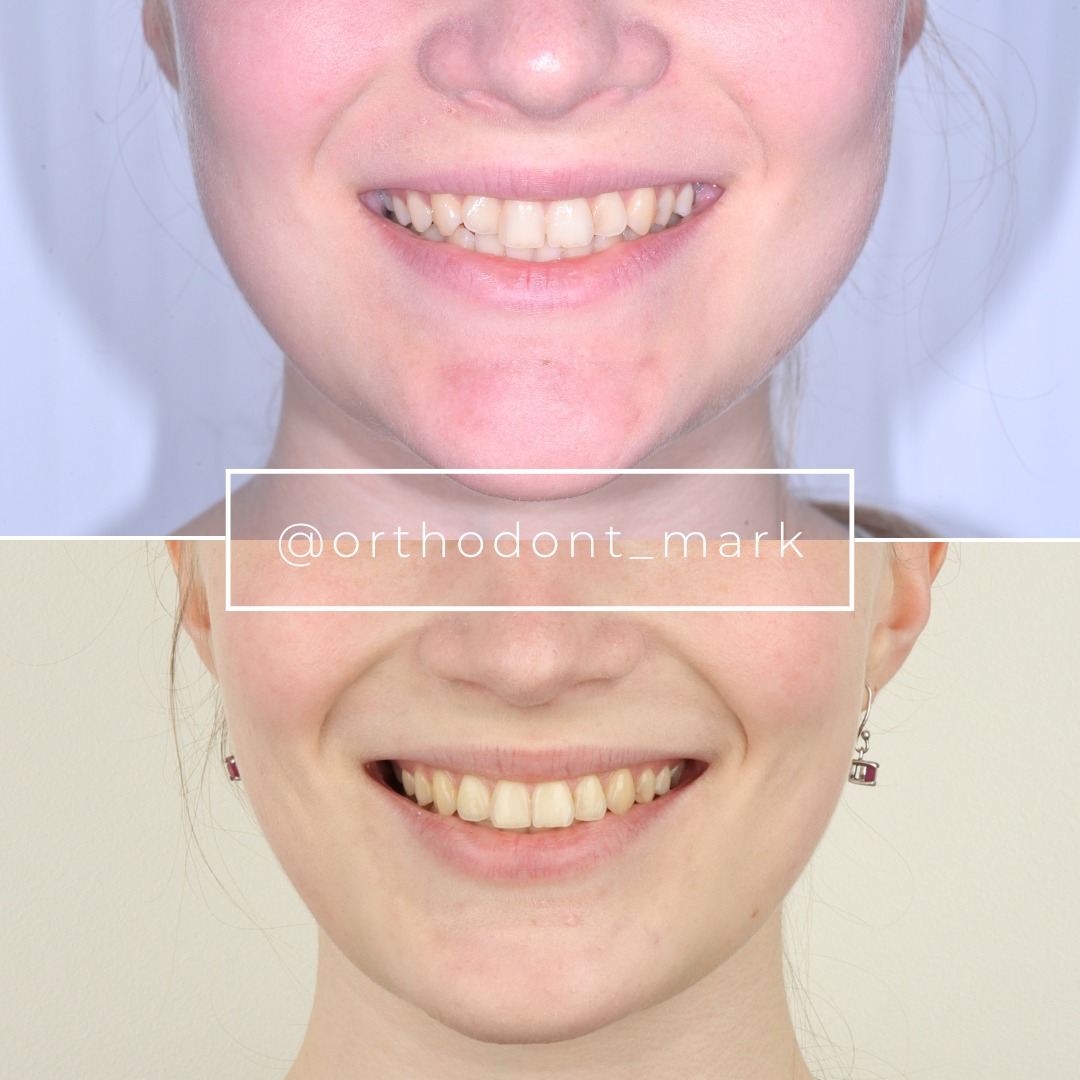
- Temporary restorations placed during the tooth alignment stage
The case was reviewed retrospectively as part of ongoing analysis of results and identification of areas for improvement.
The decision
Temporary restorations were used starting at the tooth alignment stage. The clinician's rationale is general: restoring tooth shape and size improves function, creates proper contacts between teeth, and helps compensate for discrepancies in tooth size, including those related to the Bolton index. It also lets the patient visualize and get used to the future smile before treatment is completed.
Showing patients their future smile through temporary restorations, rather than only explaining it, helps them commit to the treatment outcome.
The result
Temporary restorations were placed during the alignment stage. In the clinician's approach, they let the patient visualize and get used to the future smile before treatment is completed.
Introducing temporary restorations during the alignment stage, rather than only at the end of treatment, helps patients visualize the final result and can improve case acceptance and communication.
About skeletal expansion & MARPE
Tooth-size discrepancies, quantified through tools like the Bolton index, sit at the intersection of orthodontics and restorative dentistry, and addressing them well often requires coordinating both disciplines from early in treatment. In cases like this, clinicians typically identify shape and size mismatches during diagnosis and decide how much of the correction should come from tooth movement versus restorative build-up. Introducing temporary restorations earlier, rather than waiting until finishing, can also improve patient communication and buy-in throughout the process.
Questions clinicians ask
Why are restorations important in orthodontic treatment, beyond esthetics?
Restoring tooth shape and size improves function, creates proper interdental contacts, and helps compensate for discrepancies such as those related to the Bolton index.
Why were temporary restorations placed during the alignment stage rather than at the end?
Placing them early lets the patient visualize and get used to the future smile before treatment is finished, which supports communication and case acceptance.
What is the Bolton index and why does it matter here?
It is a measure of the size relationship between upper and lower teeth, and discrepancies in it can be compensated for through restorative changes in tooth shape and size.
Learn the decision-making behind cases like this
Get Dr. Mark Radzhabov's free guide to skeletal-expansion appliances — which appliance to choose at which age — plus a free introductory MARPE lesson.
Get the Free Guide →More clinical cases

Original case shared by Dr. Mark Radzhabov on Instagram @orthodont_mark · Published for professional education.