
Initial situation
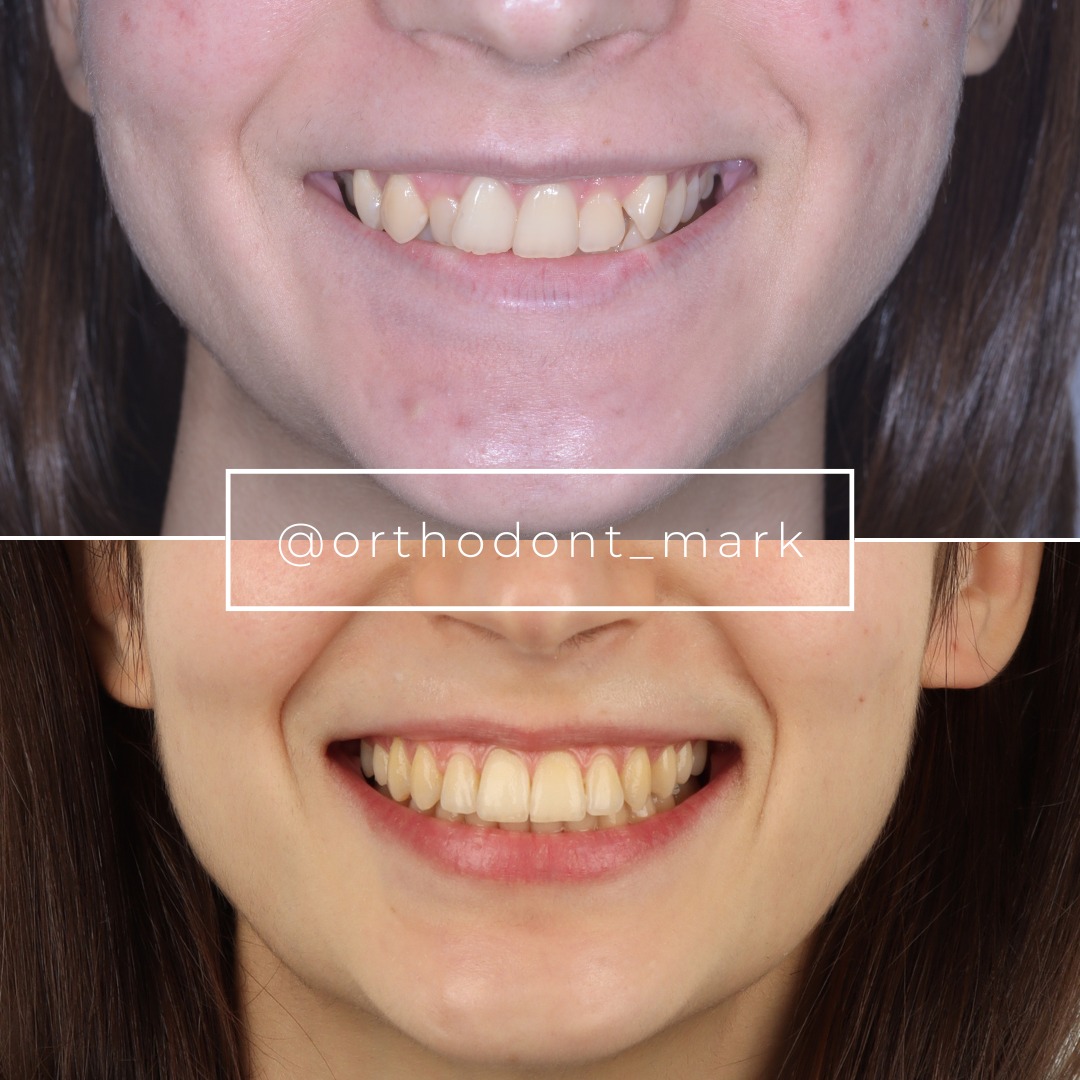
- Significant dental crowding
- Tilt of the occlusal plane on the left side
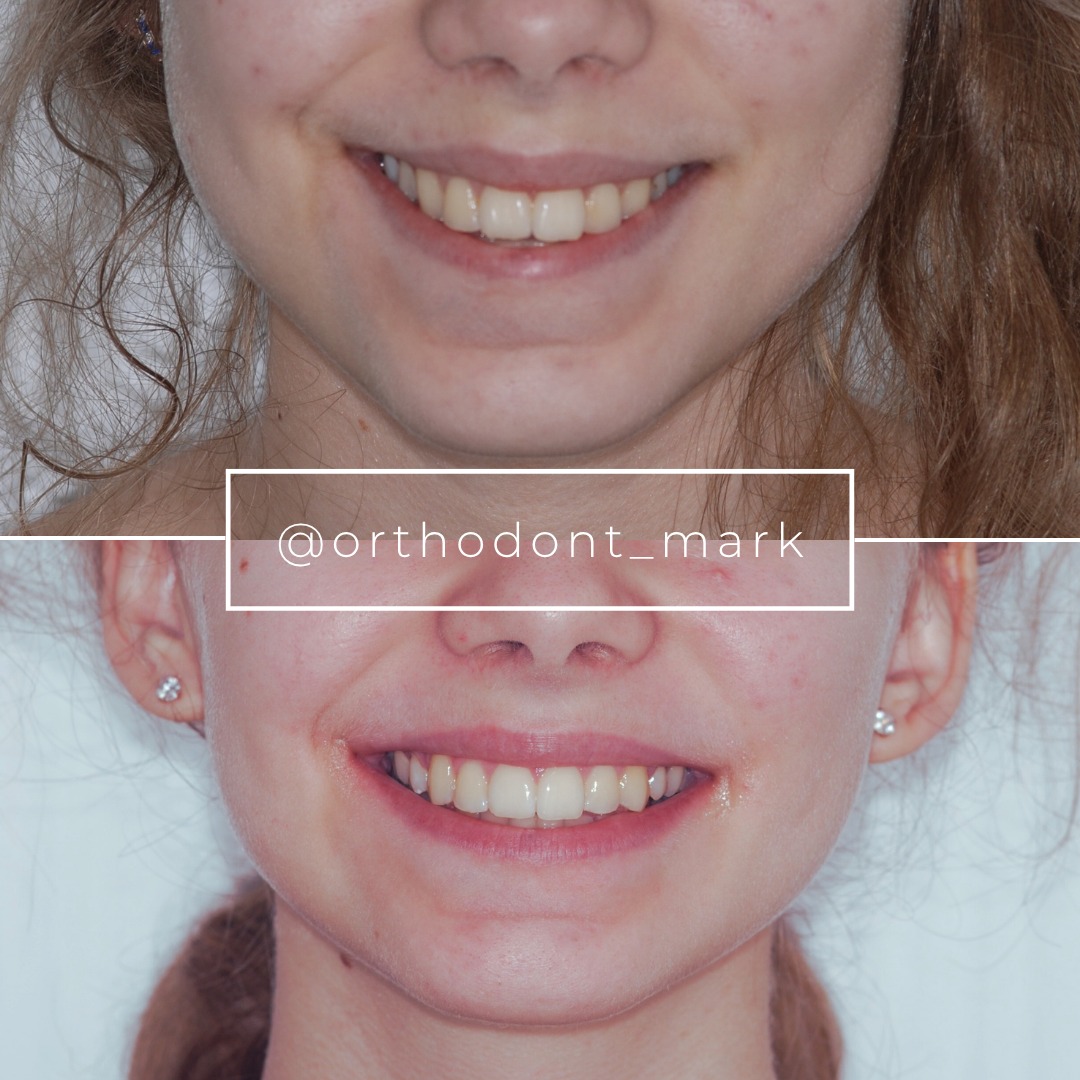
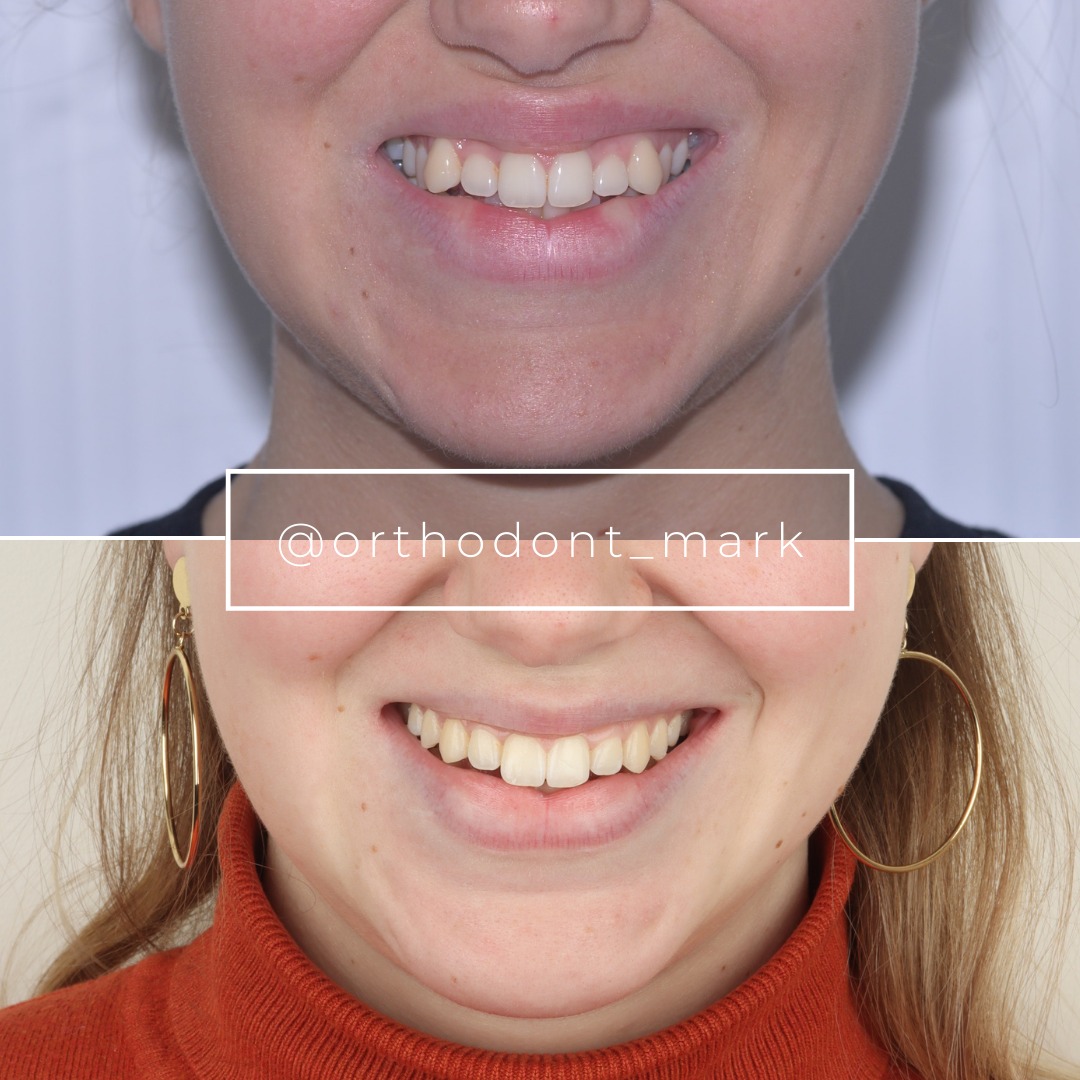
The focus of treatment was improving the shape and symmetry of the smile arc for the most aesthetic result.
The decision
A TAD was placed on the left side specifically to intrude that segment and restore proper arch geometry, correcting the occlusal plane tilt and evening out the smile arc.
Careful attention to smile arc symmetry, down to gingival display, distinguishes a good result from a great one.
The result
The smile arc became even and harmonious, with gingival show on the left side eliminated and a clean, symmetrical line. The result has remained completely stable at both two and three years after treatment.
Precise, segment-specific intrusion with a TAD can resolve occlusal plane asymmetry and smile arc irregularities that would be difficult to correct with conventional mechanics alone.
About skeletal expansion & MARPE
This case is less about transverse skeletal correction and more about the vertical and esthetic dimension of treatment planning, specifically smile arc and occlusal plane symmetry. Even so, comprehensive diagnostics benefit from evaluating the arch in three dimensions together, since a tilt in one plane can affect perceived width and symmetry in another. In cases like this, clinicians typically use targeted skeletal anchorage, such as a TAD, when a localized correction is needed that conventional mechanics cannot achieve as precisely.
Questions clinicians ask
Why was a TAD needed to correct the occlusal plane tilt?
A TAD allowed one segment of the arch to be intruded precisely without relying on the reciprocal anchorage of adjacent teeth, achieving a more targeted correction.
What does smile arc symmetry actually refer to?
It describes how the curve of the upper incisal edges relates to the lower lip line and how even the gingival display is from side to side.
How long should a result like this be monitored before calling it stable?
Clinicians often wait two to three years or more after treatment to confirm that a corrected occlusal plane and smile arc have held.
Learn the decision-making behind cases like this
Get Dr. Mark Radzhabov's free guide to skeletal-expansion appliances — which appliance to choose at which age — plus a free introductory MARPE lesson.
Get the Free Guide →More clinical cases
Original case shared by Dr. Mark Radzhabov on Instagram @orthodont_mark · Published for professional education.