
Learning MARPE for Orthodontists:
Sequencing
Skills from Diagnosis to Insertion
A published-curriculum pathway covering CBCT suture staging, appliance force mechanics, and miniscrew technique—so every clinical decision rests on evidence, not guesswork.
TL;DR Learning MARPE for orthodontists is most effective when structured as a progressive curriculum: suture staging via CBCT, appliance selection informed by force mechanics, and miniscrew insertion technique. Evidence confirms MARPE achieves greater skeletal nasal-width expansion with significantly less buccal dental tipping than conventional RPE, making protocol sequencing critical to predictable outcomes.
Clinicians who want to add bone-borne palatal expansion to their practice face a genuine sequencing problem: without a structured pathway, it is easy to attempt insertion before mastering CBCT interpretation, or to select an appliance without understanding its force profile. Learning MARPE for orthodontists at ortodontmark.com is framed around that exact progression—diagnosis first, mechanics second, insertion third. Dr. Mark Radzhabov has compiled the published curricula and trial data that allow a resident or an established clinician to build competence in a deliberate, auditable order rather than learning reactively from early complications.
Why Does Midpalatal Suture Staging Come Before
Appliance Selection?
A MARPE learning pathway is a sequenced clinical curriculum that takes an orthodontist from midpalatal suture staging and CBCT interpretation through appliance force selection to miniscrew insertion technique, ensuring each competency layer is established before the next is introduced. The diagnostic stage is foundational because suture maturity determines whether bone-borne force will produce a true skeletal split or merely dental tipping—a distinction with profound consequences for treatment stability. CBCT interpretation anchors Stage One. High-resolution axial slices allow the clinician to assess suture density, identify bridging ossification, and evaluate bone quality at the anterior palate, where miniscrews will ultimately engage cortical bone. Stefanmichael et al. (2022) used CBCT and dental cast analysis across patients aged 7.3 to 13.8 years to evaluate age-dependent sutural responses during rapid maxillary expansion, underscoring how dramatically the tissue response changes across even a narrow developmental window. That range illustrates why a clinician must read the image rather than rely on the patient's chronological age. When the suture assessment supports expansion, the clinical question shifts to expected skeletal versus dental outcomes. Chun et al. (2022) reported midpalatal suture separation in 90% of RPE patients and 95% of MARPE patients in a prospective randomized trial, confirming that both modalities achieve separation when cases are appropriately selected—but the distribution of that expansion differs meaningfully between appliance types, as later stages of the curriculum address.
Which Appliance Force Profile Should You Choose
Before Placing a Single Miniscrew?
Once suture staging confirms suitability, Stage Two of the MARPE skill progression demands a working knowledge of appliance force mechanics. Selecting a device without understanding its output range is a protocol gap that manifests clinically as either inadequate expansion or excessive dental loading. Camporesi et al. (2013) tested three expansion devices in vitro and found that Hyrax and A2620 expanders produced forces exceeding 20 kg, while Palatal Split screws generated approximately 16 kg—all within the range considered adequate for palatal expansion, but with meaningfully different load distributions across anchor structures. Camporesi et al. (2013) also note that RPE forces in the published literature range from 16.6 to 34.8 pounds (7.54 to 15.8 kg), highlighting how wide the acceptable window is and why device-specific calibration matters. For bone-borne designs in particular, knowing whether an appliance sits near the lower or upper boundary of that range informs activation schedule decisions—a critical skill for clinicians adding MARPE insertion to an existing RPE practice. The choice between bone-borne and tooth-borne force transmission is not merely mechanical preference. It carries direct consequences for anchor teeth. Chun et al. (2022) demonstrated that MARPE produced significantly less buccal displacement of anchor teeth during both expansion and consolidation phases compared to RPE. For clinicians treating patients where dental tipping would compromise posterior occlusion or periodontal support, that finding makes the force-pathway decision a patient-protection decision, not just an appliance preference.
How Should Insertion Technique Be Sequenced
After Diagnosis and Mechanics?
The insertion stage is where the prior two competency layers converge into a procedural skill set. A clinician who has staged the suture correctly and selected an appliance with an appropriate force profile still needs to execute miniscrew placement with anatomical precision—depth, angulation, and cortical engagement at the anterior palate are not forgiving of improvisation. Curriculum resources recommend practice on anatomical models before the first patient placement, specifically to internalize the tactile feedback of cortical purchase versus soft-tissue resistance. Appliance activation begins only after radiographic confirmation that all miniscrews have achieved stable primary stability. The activation schedule must then respect the force output of the chosen device: a Palatal Split screw delivering approximately 16 kg per Camporesi et al. (2013) calls for a different turn-per-day protocol than a Hyrax producing forces exceeding 20 kg by the same data. Clinicians learning the insertion stage benefit from logging force outputs against activation increments in their first cases to build an empirical reference for subsequent patients. Consolidation planning closes the insertion stage. Chun et al. (2022) confirmed that MARPE produced significantly greater skeletal expansion in nasal width and at the greater palatine foramen compared to conventional RPE, which means the retention period must account for a wider osseous gap requiring organized bone infill. Clinicians completing the pathway through structured MARPE training on ortodontmark.com gain explicit protocols for consolidation timing based on the same evidence base reviewed here.
Free Clinical Guide
Which Expansion Appliance at Which Age?
Get Dr. Mark Radzhabov's guide to skeletal-expansion appliances — indications, pros & cons, and how to choose by patient age. Free to your inbox.
Prefer video? Watch the free demo lesson on MARPE appliance types, features and trade-offs.
Documented outcomes
Clinical cases from Dr. Mark Radzhabov's practice
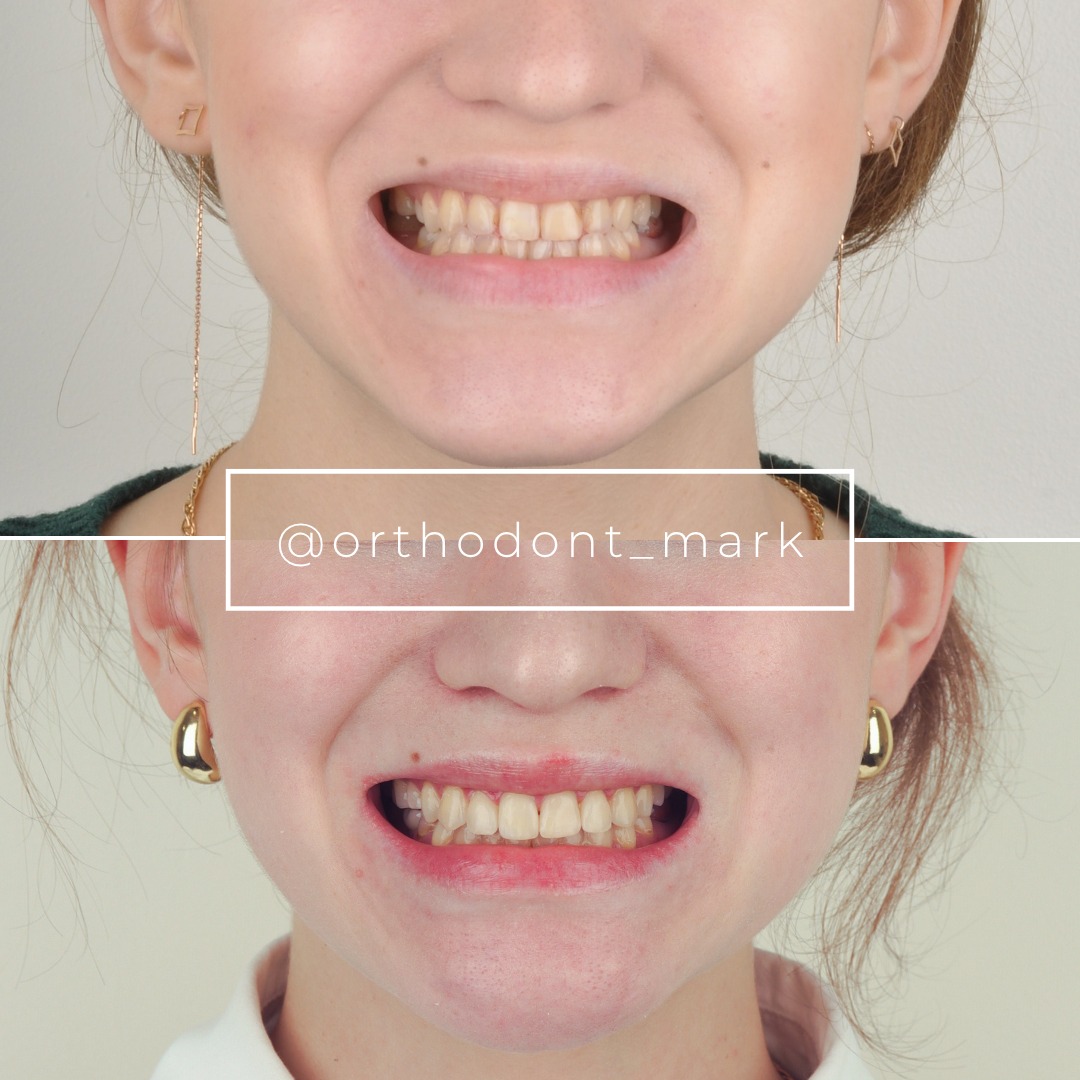
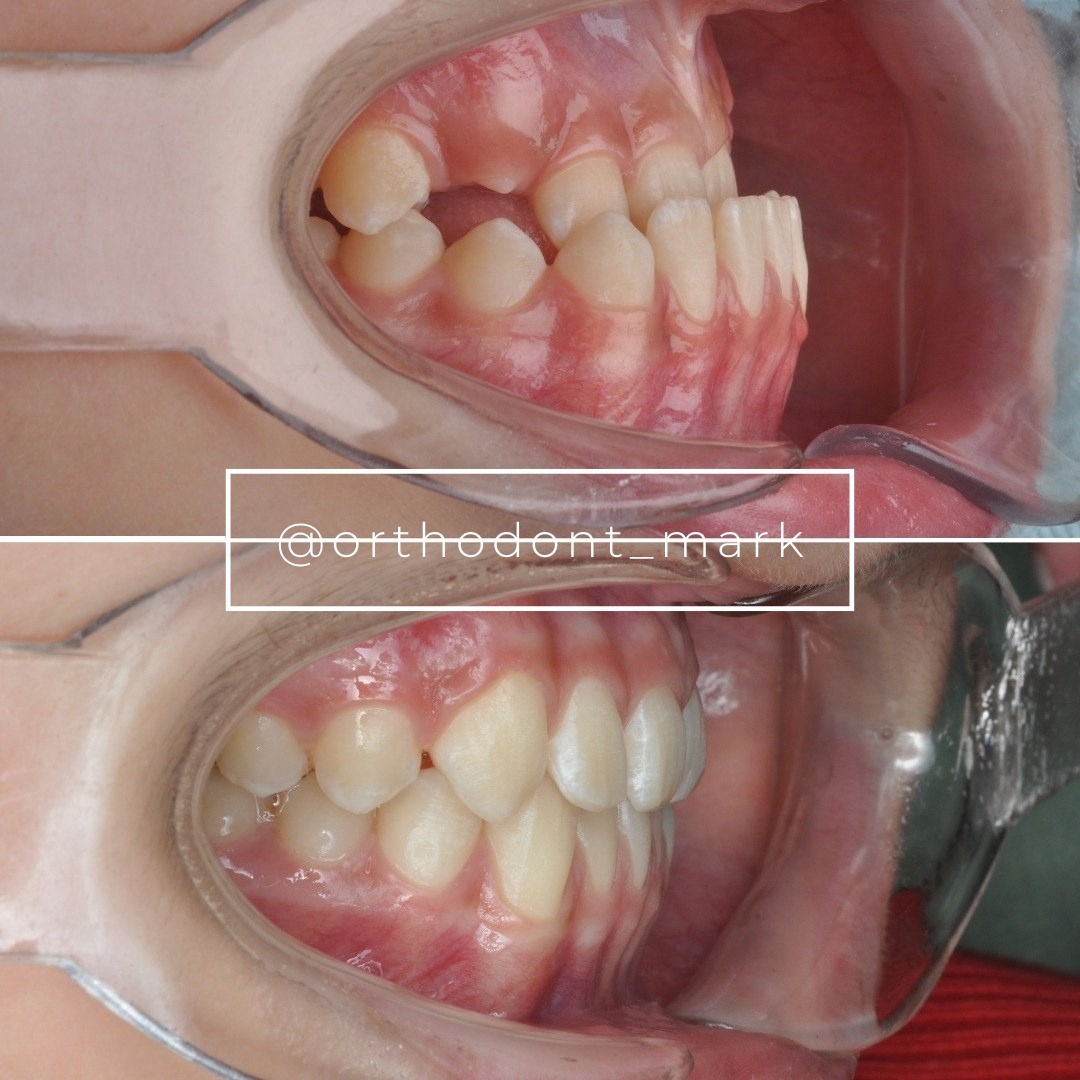
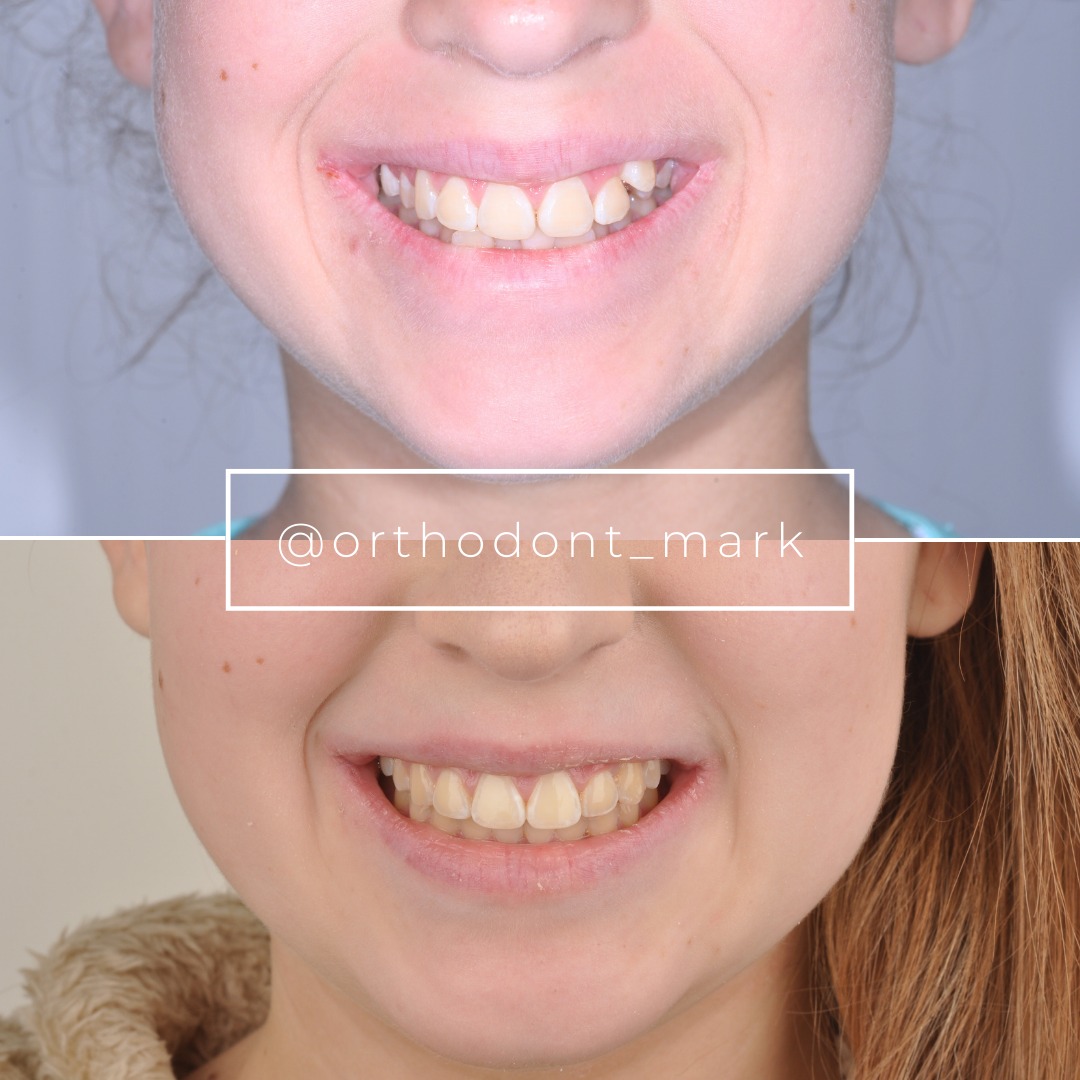
Learn the full MARPE protocol from Dr. Mark Radzhabov
Fundamental course covering CBCT patient selection, miniscrew planning, activation protocols, and 60+ clinical cases. Choose the access level that fits your practice.
Essentials of rapid palatal expansion for practicing orthodontists.
- Core RPE concepts and biomechanics
- 6 structured video lessons
- Clinical decision checklists
- Lifetime access to recordings
Deep-dive into MARPE protocol, diagnostics, and clinical execution.
- 6 modules covering MARPE from A to Z
- CBCT case selection walkthroughs
- Miniscrew placement and activation
- 60+ annotated clinical cases
- Direct Q&A with Dr. Mark Radzhabov
5-element medical consultation framework for dentists and orthodontists.
- Trust-building consultation protocol
- 5 lesson modules
- Templates for treatment plan delivery
- Works with any clinical specialty
Clinical FAQ
What is the recommended sequence for learning MARPE insertion technique as an orthodontic resident?
Start with CBCT suture staging, then study appliance force profiles before any hands-on practice. Model-based miniscrew insertion follows, and supervised patient placement comes last. This sequence prevents technique errors that cannot be corrected after the miniscrews are seated.
How does MARPE compare to RPE for midpalatal suture separation in a prospective randomized trial?
Chun et al. (2022) reported suture separation in 95% of MARPE patients and 90% of RPE patients in a prospective randomized trial. Both achieve separation in well-selected cases, but MARPE produces significantly greater skeletal expansion at nasal width and greater palatine foramen.
What force range should orthodontists expect from common rapid palatal expansion devices?
Camporesi et al. (2013) found Hyrax and A2620 expanders exceeded 20 kg, while Palatal Split screws generated approximately 16 kg. Published RPE literature reports forces between 16.6 and 34.8 pounds (7.54 to 15.8 kg), so device selection must be matched to the clinical force target.
Why does MARPE produce less buccal tipping of anchor teeth than conventional RPE?
MARPE delivers force directly through miniscrews into palatal bone, bypassing the dental roots used as anchorage in tooth-borne appliances. Chun et al. (2022) confirmed significantly less buccal displacement of anchor teeth during both expansion and consolidation phases with MARPE.
How should CBCT be used in the MARPE diagnosis stage to evaluate suture maturity?
Axial slices through the anterior, middle, and posterior suture thirds allow grading of ossification density and bridging. Stefanmichael et al. (2022) examined patients aged 7.3 to 13.8 years and showed that sutural response varies substantially within that band, making image-based staging more reliable than age alone.
When is miniscrew primary stability confirmed before MARPE activation begins?
Periapical or CBCT imaging should confirm cortical engagement of all miniscrews before the first activation turn. Beginning expansion without confirmed primary stability risks early anchor loss and appliance failure, undermining the skeletal force distribution that makes MARPE superior to tooth-borne expansion.
What activation schedule is appropriate for a bone-borne expander producing around 16 kg of force?
A device delivering approximately 16 kg—such as the Palatal Split screw benchmarked by Camporesi et al. (2013)—requires a conservative activation cadence. The specific turns-per-day protocol should be matched to that device's output rather than applied generically across all expander types.
How long should the consolidation phase last after MARPE expansion in non-growing patients?
Consolidation duration should be tied to sutural gap width confirmed on post-expansion CBCT. Because Chun et al. (2022) showed greater skeletal separation with MARPE than RPE, the gap requiring osseous infill is wider, generally supporting a longer retention period than tooth-borne protocols.
What are the core competency stages in an evidence-based MARPE skill progression for practicing orthodontists?
Three stages: suture staging via CBCT, appliance force mechanics, and miniscrew insertion technique. Each must be established before the next is introduced. This sequencing is the framework behind structured MARPE training at ortodontmark.com, anchored to published trial and mechanical testing data.
Does patient age alone predict sutural response during maxillary expansion well enough for clinical decisions?
No. Stefanmichael et al. (2022) examined patients across a 7.3-to-13.8-year age range and found age-dependent variation in sutural response, but CBCT anatomy provides finer discrimination. Relying on chronological age without imaging risks miscategorising patients whose suture maturity diverges from their birthdate.
Adding MARPE to a practice is a staged clinical commitment, not a single weekend course. Competence accumulates when diagnosis, appliance mechanics, and miniscrew technique are learned in deliberate sequence—each layer reinforcing the next. The evidence reviewed here, from force benchmarking to suture-separation rates, gives you a defensible rationale at every decision point. Dr. Mark Radzhabov invites clinicians to review a live case through the consultation page at ortodontmark.com, or to enroll in structured MARPE training to accelerate the pathway from first CBCT to first confident insertion. Key sources: Chun et al. (2022), BMC Oral Health, doi:https://doi.org/10.1186/s12903–022-02138-w. Camporesi et al. (2013), BioMedical Engineering OnLine, doi:http://www.biomedical-engineering-online.com/content/12/1/128.