
Adding MARPE to Your Practice:
Workflow,
Appointments and Staff Roles
A clinician-to-clinician guide covering chairside workflow, delegation, and appliance mechanics for miniscrew-assisted palatal expansion.
TL;DR Adding MARPE to your practice requires a sequenced appointment framework, defined staff roles, and appliance-specific force management before the first miniscrew is placed. Chun et al. (2022) recorded suture separation in 95% of MARPE patients versus 90% with conventional RPE, confirming the skeletal advantage that justifies the added clinical infrastructure.
Integrating miniscrew-assisted rapid palatal expansion into an orthodontic practice is a clinical and logistical undertaking that rewards preparation. At ortodontmark.com, Dr. Mark Radzhabov outlines how a structured chairside workflow — from CBCT triage and appliance fabrication through miniscrew placement, activation, and retention — separates predictable outcomes from avoidable complications. This article translates that framework into appointment-by-appointment guidance, covering staff delegation, imaging criteria, screw mechanics, and the specific appliance parameters that determine how much force reaches the midpalatal suture. Practitioners who map the entire sequence before treating their first case avoid the costly detours that erode both efficiency and patient trust.
Why the Suture Separation Numbers Justify
the Infrastructure Investment
Adding MARPE to your practice is the process of integrating miniscrew-assisted rapid palatal expansion — appliance selection, CBCT-guided treatment planning, chairside insertion, and staff-delegated activation — into a repeatable clinical workflow. Before scheduling a single case, every practitioner should understand the skeletal rationale that motivates the added complexity. Chun et al. (2022) reported midpalatal suture separation in 95% of MARPE patients, compared with 90% in the conventional RPE group, across a prospective randomized trial in which both groups received identical expansion of 35 turns and underwent CBCT imaging at baseline, immediately after expansion, and at 3 months post-expansion. That differential — five percentage points in favor of MARPE — does not sound dramatic in isolation, but it is paired with a mechanically important finding: MARPE showed greater maxillary width gains at premolars and molars with meaningfully less buccal movement of anchor teeth during expansion and consolidation (Chun et al., 2022). Reduced dental tipping is the clinical dividend that justifies the miniscrew placement visit. The imaging dimension also matters for workflow design. A 2022 CBCT and dental cast analysis found that the midpalatal suture opening changes from a parallel gap pattern to a triangular one as patient age increases during rapid maxillary expansion. That shift in suture geometry affects how you interpret post-expansion CBCT scans — a parallel opening indicates relatively uniform load distribution, while a triangular opening signals anterior-dominant separation and should prompt a critical review of screw position and activation schedule before the consolidation phase begins.
Screw Selection and Force Ranges:
What the Bench Data
Tell You Before Placement
Appliance selection for miniscrew-assisted expansion is not interchangeable. Camporesi et al. (2013) measured that Hyrax and A2620 expansion screws generated forces exceeding 20 kg, while Palatal Split screws produced approximately 16 kg — a difference large enough to influence both tissue response and patient tolerance. Understanding where your chosen screw sits in that force spectrum is a prerequisite for designing an activation schedule. The per-turn increment is equally specific. Expansion screws of 10 mm size produce 0.8 mm of expansion per full turn, with each quarter-turn providing 0.2 mm (Camporesi et al., 2013). For a practitioner prescribing once-daily quarter-turn activations, that means approximately 0.2 mm per day — a rate the patient or caregiver must execute accurately. Calibrating the activation instruction to the screw's actual output, rather than a generic protocol, is a detail that separates well-designed MARPE workflows from improvised ones. Rapid maxillary expansion appliances produce forces in the range of 7.54 to 15.8 kg (16.6 to 34.8 pounds), depending on appliance design and number of turns delivered (Camporesi et al., 2013). Those figures frame a useful counseling point during the treatment planning appointment: the forces involved are substantial, and screw design — not just activation rate — determines how much load transfers to the midpalatal suture versus to the anchor teeth.
How to Structure the MARPE Appointment
Sequence
From Records to Retention
A coherent MARPE appointment sequence typically spans five defined visits: records and CBCT triage, appliance fit and miniscrew placement, an early activation check, a mid-expansion CBCT review, and a transition to the retention phase. Collapsing any two of these into a single appointment without adjusting staff roles is the kind of scheduling pressure that produces errors in screw torque or missed imaging findings. The records appointment is where case selection happens. CBCT analysis of suture maturity stage — evaluated at the anterior, middle, and posterior thirds — determines whether the patient is a MARPE candidate or requires surgical referral. That imaging review should be completed and documented before the laboratory prescription is written, because appliance design (specifically, miniscrew position relative to the midpalatal suture) depends on what the scan shows. The groove dimensions for screw arm seating — 1.5 mm wide and 4.0 mm deep at first premolars, 1.5 mm wide and 3.5 mm deep at first molars — must be communicated to the laboratory at prescription time, not corrected chairside (Camporesi et al., 2013). The miniscrew placement visit requires the treating orthodontist to be present for insertion and torque verification. Post-placement tasks such as occlusal stop checks and appliance seating confirmation can be delegated to a trained assistant. The activation check appointment, typically scheduled within the first two weeks, is the correct moment to verify that the patient is executing quarter-turn increments accurately and that no screw binding has occurred. Chun et al. (2022) used a standardized 35-turn expansion protocol with CBCT documentation at three discrete timepoints — a framework that translates directly into a practice's imaging policy for expansion cases.
Which MARPE Tasks Can Staff Handle —
and Which Cannot
Leave the Orthodontist's Chair
Orthodontic staff training for MARPE should be built around a clear division: tasks that require clinical judgment or introduce irreversible consequences belong to the treating orthodontist. Tasks that are measurable, repeatable, and low-risk are appropriate for trained clinical assistants. Miniscrew insertion, torque specification, and CBCT interpretation are in the first category without exception. Staff can reliably manage appliance delivery preparation — verifying that laboratory groove dimensions match the prescription (1.5 mm wide, 4.0 mm deep at premolars; 1.5 mm wide, 3.5 mm deep at molars per Camporesi et al., 2013), confirming screw turn count at each activation check appointment, and documenting the expansion log. Patient instruction on activation technique is a staff-delegable task, but only after the orthodontist has verified the activation protocol is correctly matched to the screw's per-turn output. Given that a 10 mm screw delivers 0.8 mm per full turn (Camporesi et al., 2013), an error in activation instruction compounds with every turn delivered. Building a staff competency checklist specific to the miniscrew-assisted expansion workflow prevents the most common source of chairside inefficiency: staff uncertainty at high-stakes moments. That checklist should cover sterilization protocol for the miniscrew insertion kit, CBCT scan preparation, activation log management, and the criteria that trigger an unscheduled call to the treating orthodontist — unexpected screw mobility, patient-reported palatal pain beyond baseline, or a visible midline diastema that is narrowing rather than widening during active expansion.
Where MARPE Workflows Break Down —
and How
to Prevent Each Failure Mode
The most preventable MARPE complications share a common origin: a decision made in one appointment that was not re-evaluated at the next. Screw force selection is the clearest example. When a practitioner chooses a Hyrax or A2620 screw — which Camporesi et al. (2013) measured at forces exceeding 20 kg — without accounting for the patient's suture maturity stage, the mismatch between force magnitude and tissue response can produce pain, miniscrew mobility, or incomplete suture separation. The 2022 CBCT and dental cast analysis reinforces this: triangular suture opening in older patients signals uneven load distribution that a higher-force screw will not correct and may worsen. Skipping the mid-expansion CBCT is the second failure mode most likely to go unnoticed until retention. Chun et al. (2022) documented CBCT imaging at three discrete timepoints — baseline, immediately post-expansion, and at 3 months — and that sequence exists precisely because suture behavior during consolidation is not predictable from clinical appearance alone. A diastema that looks adequate at the gumline may mask asymmetric or incomplete posterior suture opening that predisposes to relapse. Activation instruction errors compound silently. Because each quarter-turn of a 10 mm screw delivers exactly 0.2 mm (Camporesi et al., 2013), a patient who misses one turn per week over a multi-week protocol falls measurably short of the prescribed expansion. Embedding a turn-count verification step into every activation-check appointment — not just the first — is the procedural safeguard that catches these gaps before the planned turn count is declared complete.
Free Clinical Guide
Which Expansion Appliance at Which Age?
Get Dr. Mark Radzhabov's guide to skeletal-expansion appliances — indications, pros & cons, and how to choose by patient age. Free to your inbox.
Prefer video? Watch the free demo lesson on MARPE appliance types, features and trade-offs.
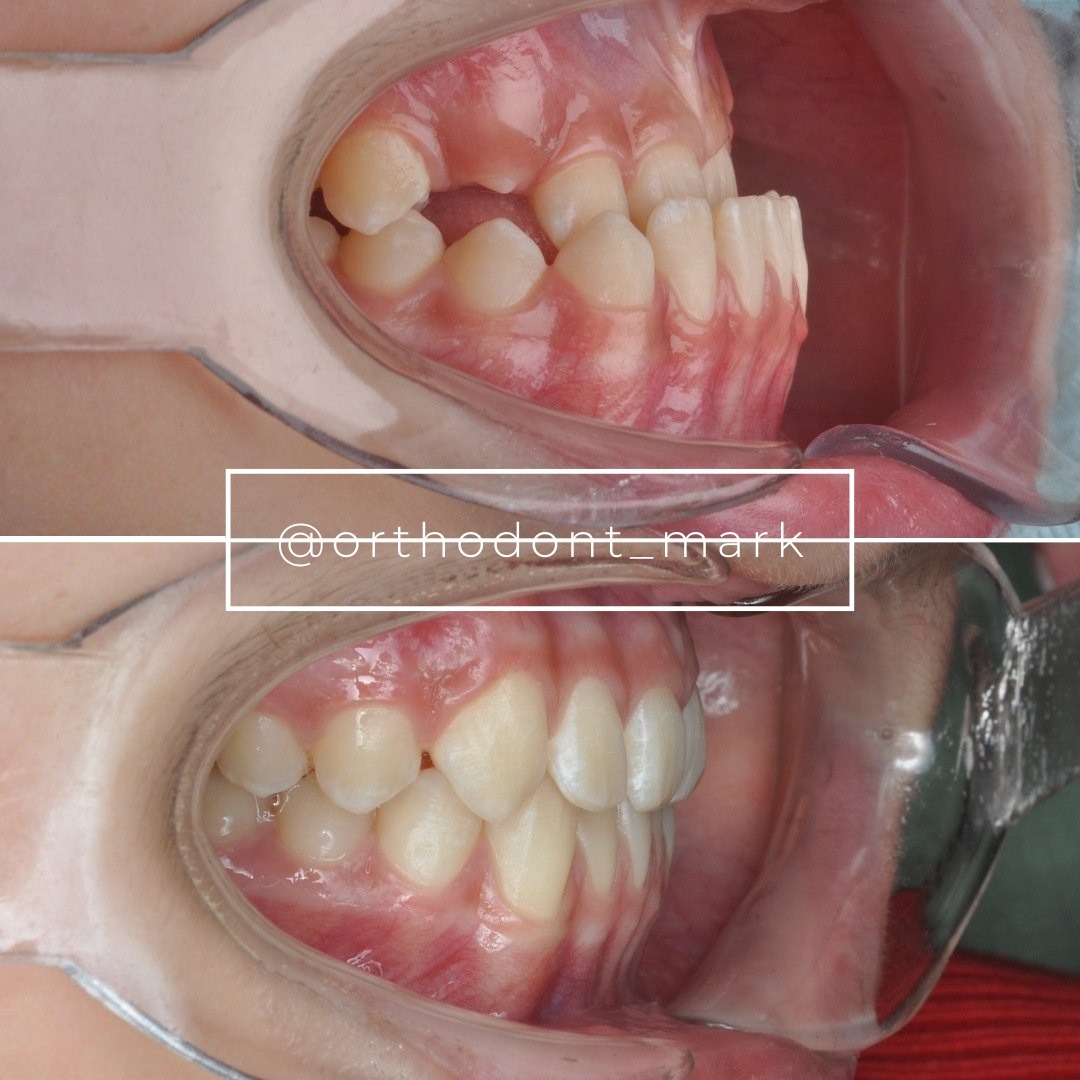
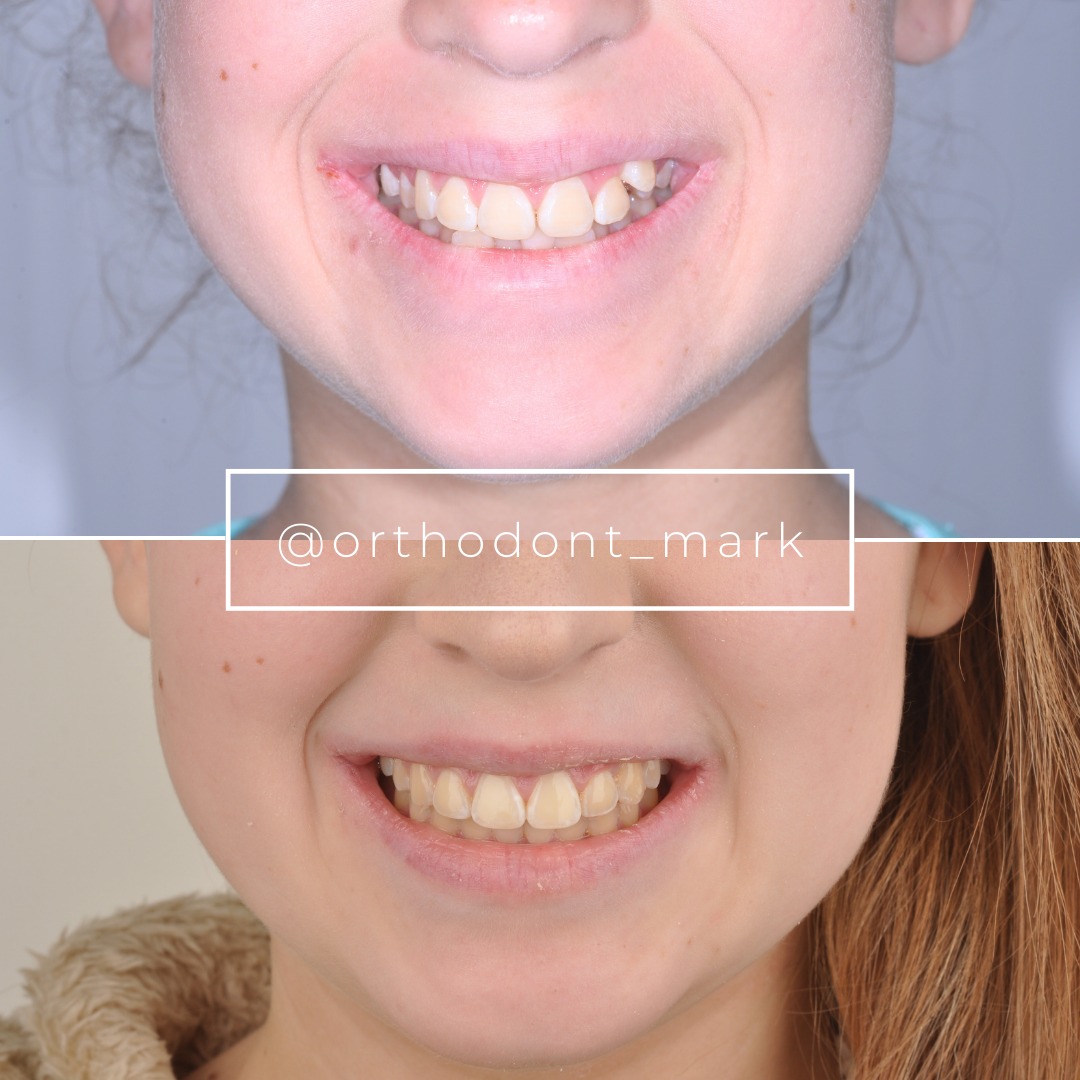
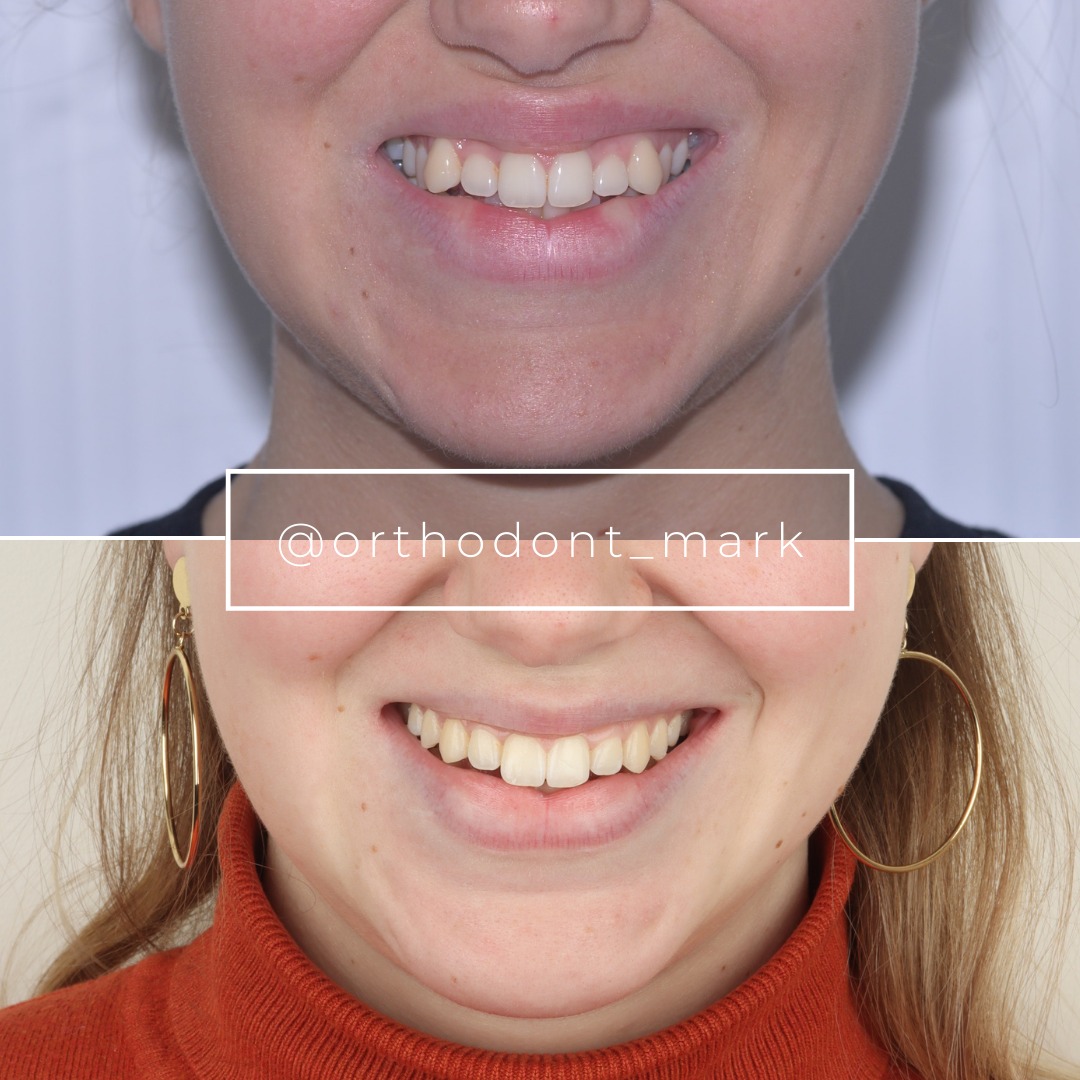
Documented outcomes
Clinical cases from Dr. Mark Radzhabov's practice
Learn the full MARPE protocol from Dr. Mark Radzhabov
Fundamental course covering CBCT patient selection, miniscrew planning, activation protocols, and 60+ clinical cases. Choose the access level that fits your practice.
Essentials of rapid palatal expansion for practicing orthodontists.
- Core RPE concepts and biomechanics
- 6 structured video lessons
- Clinical decision checklists
- Lifetime access to recordings
Deep-dive into MARPE protocol, diagnostics, and clinical execution.
- 6 modules covering MARPE from A to Z
- CBCT case selection walkthroughs
- Miniscrew placement and activation
- 60+ annotated clinical cases
- Direct Q&A with Dr. Mark Radzhabov
5-element medical consultation framework for dentists and orthodontists.
- Trust-building consultation protocol
- 5 lesson modules
- Templates for treatment plan delivery
- Works with any clinical specialty
Clinical FAQ
What is the MARPE appointment workflow for a typical skeletal expansion case?
A reliable MARPE workflow covers five visits: CBCT triage and case selection, appliance fit with miniscrew placement, an early activation check, a mid-expansion imaging review, and retention transition. Each visit should have a defined clinical owner before scheduling begins.
How does MARPE compare to conventional RPE for midpalatal suture separation rates?
Chun et al. (2022) reported suture separation in 95% of MARPE patients versus 90% with conventional RPE, using identical 35-turn protocols and CBCT documentation at baseline, post-expansion, and 3 months. MARPE also produced less buccal tipping of anchor teeth.
Which chairside MARPE tasks can be delegated to trained dental assistants?
Staff can manage activation log documentation, turn-count verification, CBCT scan preparation, and appliance delivery checks. Miniscrew insertion, torque specification, and CBCT suture interpretation must remain with the treating orthodontist — these carry irreversible clinical consequences.
How much expansion does a 10 mm MARPE screw deliver per quarter-turn activation?
Camporesi et al. (2013) measured that a 10 mm expansion screw delivers 0.8 mm per full turn and 0.2 mm per quarter-turn. Activation instructions must specify which increment applies, and turn-count should be verified at every check appointment, not just at delivery.
What force ranges should clinicians expect from rapid palatal expansion screws?
Camporesi et al. (2013) measured RME appliance forces from 7.54 to 15.8 kg (16.6 to 34.8 pounds) across designs. Hyrax and A2620 screws exceeded 20 kg. Palatal Split produced approximately 16 kg. Screw choice should reflect suture maturity and patient age, not convenience.
Why does CBCT imaging need to occur at multiple timepoints in a MARPE protocol?
Chun et al. (2022) documented CBCT at baseline, immediately post-expansion, and at 3 months — because suture consolidation is not predictable from clinical appearance. A 2022 CBCT and dental cast analysis also showed that suture opening geometry changes with age, making serial imaging diagnostically meaningful.
How do groove dimensions in MARPE appliances affect laboratory prescription accuracy?
Camporesi et al. (2013) specified grooves of 1.5 mm wide and 4.0 mm deep at first premolars and 1.5 mm wide and 3.5 mm deep at first molars. These dimensions must appear explicitly in the laboratory prescription — chairside correction after cementation is not a reliable alternative.
How does suture opening geometry on CBCT change with patient age during palatal expansion?
A 2022 CBCT and dental cast analysis found that the midpalatal suture opening shifts from a parallel gap to a triangular shape as patient age increases. A triangular pattern signals anterior-dominant separation and should prompt review of screw position and activation schedule before consolidation.
What staff training is required before integrating miniscrew-assisted expansion into an orthodontic practice?
Staff training should cover sterilization protocol for the miniscrew kit, CBCT preparation, activation log management, groove-dimension verification against the laboratory prescription, and escalation criteria — including unexpected screw mobility or a midline diastema that narrows rather than widens.
How do I prevent activation drift when training patients on MARPE screw turning at home?
Because a 10 mm screw delivers exactly 0.2 mm per quarter-turn (Camporesi et al., 2013), missed activations accumulate measurably. Embed a turn-count verification step at every activation-check appointment, and provide patients with a written activation log rather than verbal instruction alone.
Building a reliable MARPE workflow is less about mastering a single procedure and more about designing a system where every appointment has a defined purpose, every staff member has a specific role, and appliance parameters are set deliberately rather than by default. The imaging findings, force ranges, and screw specifications covered here give that system its clinical footing. Dr. Mark Radzhabov invites colleagues to review their current expansion case mix at ortodontmark.com and to enroll in structured MARPE training to compress the learning curve on their first miniscrew-assisted cases. Key sources: Chun et al., 2022, BMC Oral Health, doi:10.1186/s12903–022-02138-w. Camporesi et al., 2013, BioMedical Engineering OnLine, doi:10.1186/1475–925X-12–128.