
MARPE fee structure
that records real work
before the appliance reaches the chair
Build case value from imaging, appliance engineering, laboratory control, and clinically documented treatment complexity.
TL;DR A MARPE fee structure should separate diagnostic imaging, appliance engineering, laboratory oversight, placement visits, activation review, and retention supervision. Price the documented work required to deliver a functional device rather than a generic expansion label. CBCT records, appliance fit checks, and complexity-driven remakes make the clinical rationale for case value visible.
A laboratory invoice can look modest until the MARPE device arrives misaligned, rough, or impossible to activate around the planned TAD positions. A defensible MARPE fee structure therefore starts with the work that protects treatment execution: CBCT review, appliance design decisions, technician communication, chair time, and contingency planning. Dr. Mark Radzhabov at ortodontmark.com outlines the clinical checkpoints behind those costs. This article helps orthodontists connect documented complexity with a transparent case-value model before treatment begins.
Why does a
fee model
need clinical documentation?
A MARPE fee should not be framed as an expansion screw plus placement visit. The documented scope begins with the diagnostic record, then extends through TAD-position communication, appliance selection, laboratory design review, seating, activation verification, and retention oversight. Each item can be named in the treatment estimate without promising a biological outcome. The record should explain why the device is bone-supported, tooth-supported, pin first, or pin last. Dr. Radzhabov’s protocol requires the technician to receive the order form, CBCT scan, and jaw impression or scan. That handoff is billable professional coordination because it determines whether the appliance can be fabricated and seated as planned.
Which records support
case value
before activation?
CBCT is not merely an acquisition cost. It supports appliance planning and becomes a record of the expansion response. After 35 turns, Chun et al. (2022) obtained low-dose CBCT before treatment, immediately after expansion, and after a consolidation period. This sequence illustrates why imaging interpretation, record comparison, and clinician review belong in the fee model. Do not equate a visible diastema or appliance turning with skeletal response. Chun et al. (2022) reported midpalatal suture separation in 95% of the MARPE group and 90% of the RPE group. A consent discussion and fee estimate should distinguish the work performed from the result that anatomy ultimately permits.
Where does laboratory complexity
change
the expansion treatment fee?
Analog fabrication needs a plaster model or impression with transfer caps and laboratory analogs so the TAD site and angulation can be transferred. Digital fabrication needs a complete upper-arch scan, CBCT dataset, and compatible component libraries. A hybrid route is appropriate when a fully digital file set is unavailable. The appliance inspection deserves its own chair-time allowance. Dr. Radzhabov advises removing and reseating the device on its model, confirming the requested attachments, checking soldering and roughness, and turning the expansion screw forward and back. If beams or retaining hardware obstruct access, returning the device for correction is safer than forcing installation.
How should screw mechanics
shape
pricing palatal expansion?
The expansion screw is not a generic laboratory part. Camporesi et al. (2013) found that Hyrax and A2620 expanders developed forces over 20 kg, while Palatal Split screws developed about 16 kg. Record the selected screw and its intended integration with the appliance instead of treating every expander as mechanically interchangeable. Camporesi et al. (2013) reported that one full activation turn equated to 0.8 mm through 4 activations of 0.2 mm for the tested screws. This does not establish a universal clinical schedule, but it supports explaining that appliance mechanics, activation monitoring, and documentation are distinct elements of orthodontic chair time.
How can documented skeletal complexity
support
higher expansion treatment fees?
Build the estimate around predictable deliverables: diagnostic review, appliance planning, laboratory communication, placement, monitoring, and retention. Add a documented contingency for poor fit, inaccessible retaining hardware, damaged solder joints, or a required redesign. This is more defensible than adding an unexplained premium after the case becomes difficult. Age-related morphology should influence planning without becoming a shortcut for billing. Kinzinger et al. (2022) found RME expansion rather parallel in children up to 10 years and increasingly V-shaped, especially from 12 years. In the fee narrative, describe the records reviewed and the device-management work required rather than claiming certainty from age alone.
Free Clinical Guide
Which Expansion Appliance at Which Age?
Get Dr. Mark Radzhabov's guide to skeletal-expansion appliances — indications, pros & cons, and how to choose by patient age. Free to your inbox.
Prefer video? Watch the free demo lesson on MARPE appliance types, features and trade-offs.
Documented outcomes
Clinical cases from Dr. Mark Radzhabov's practice
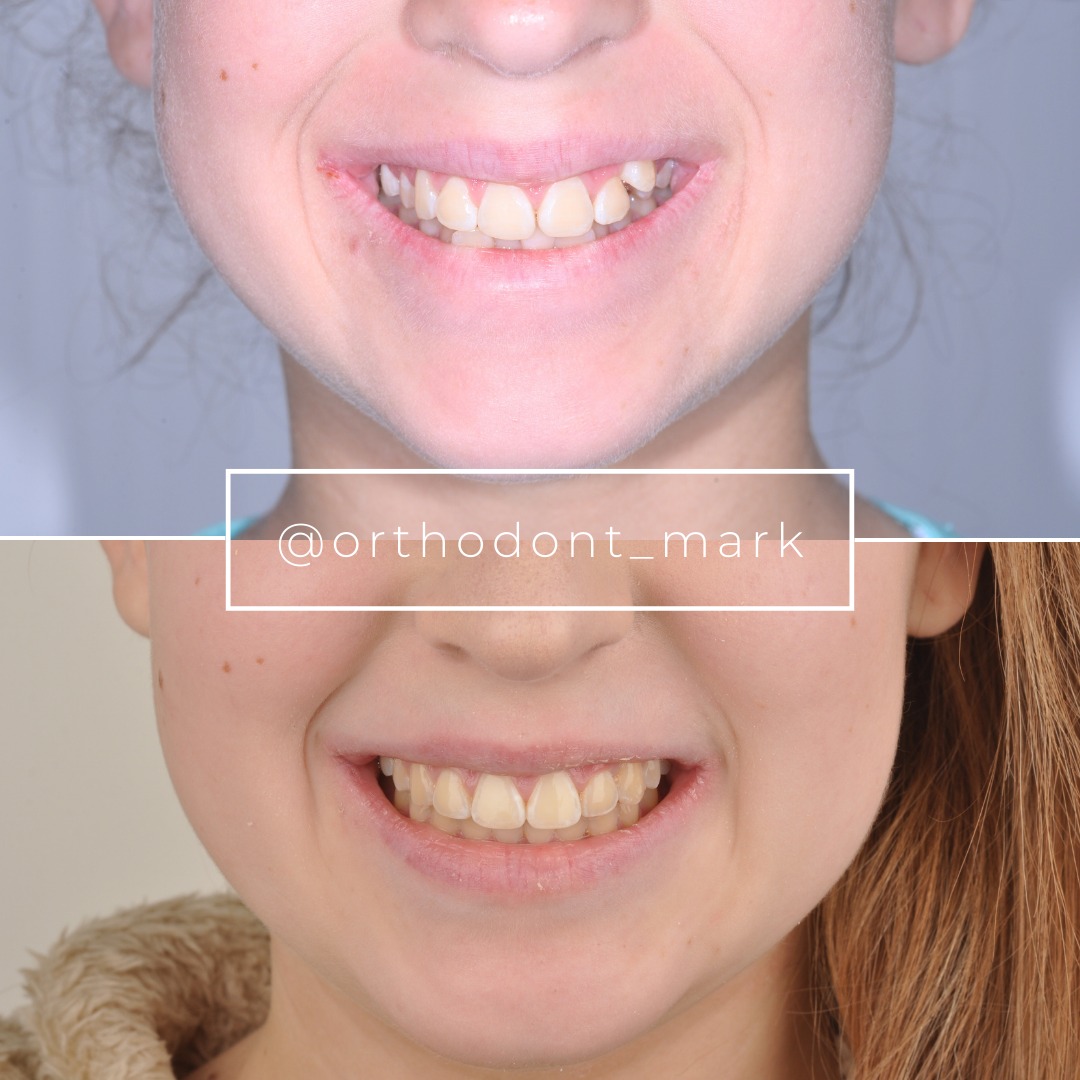
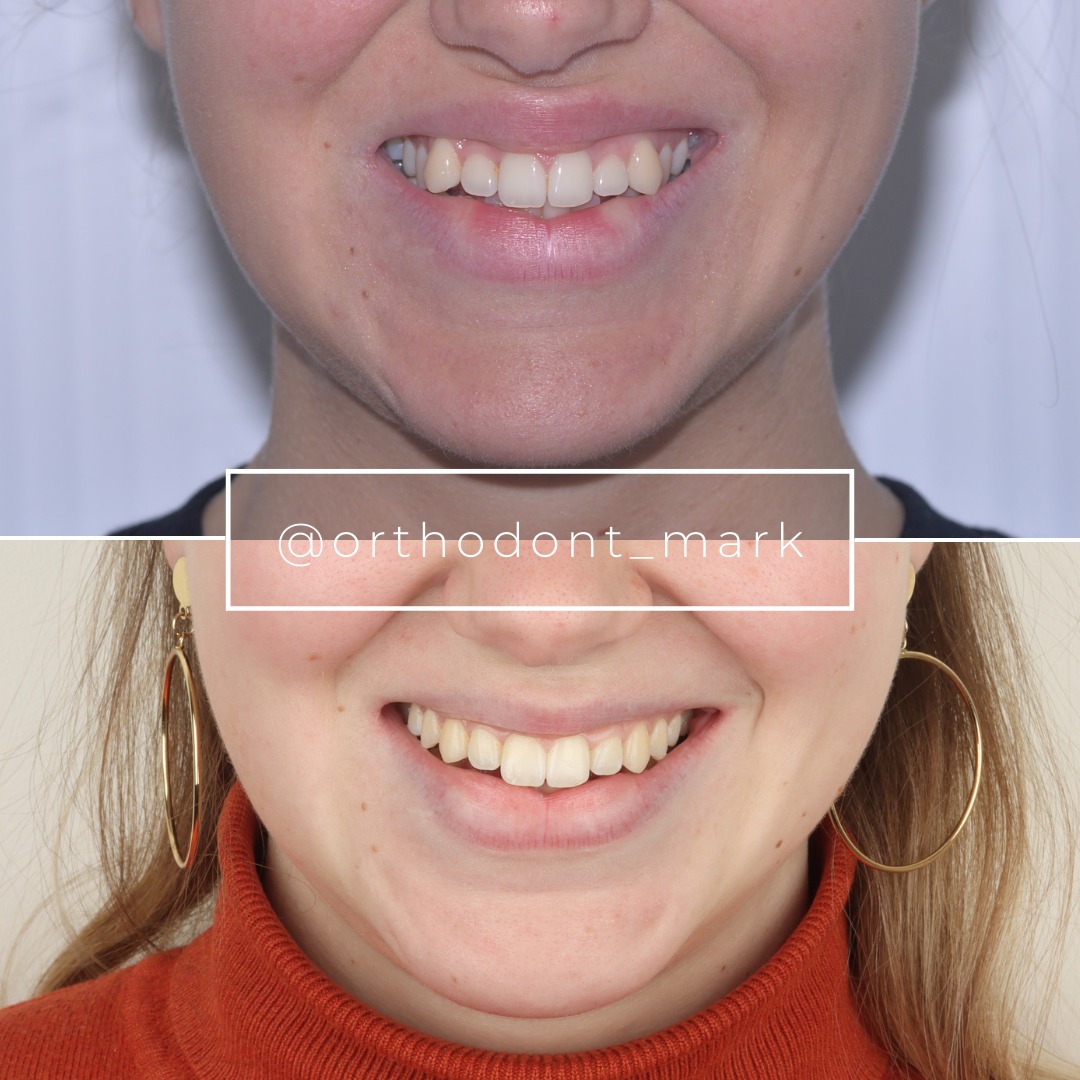
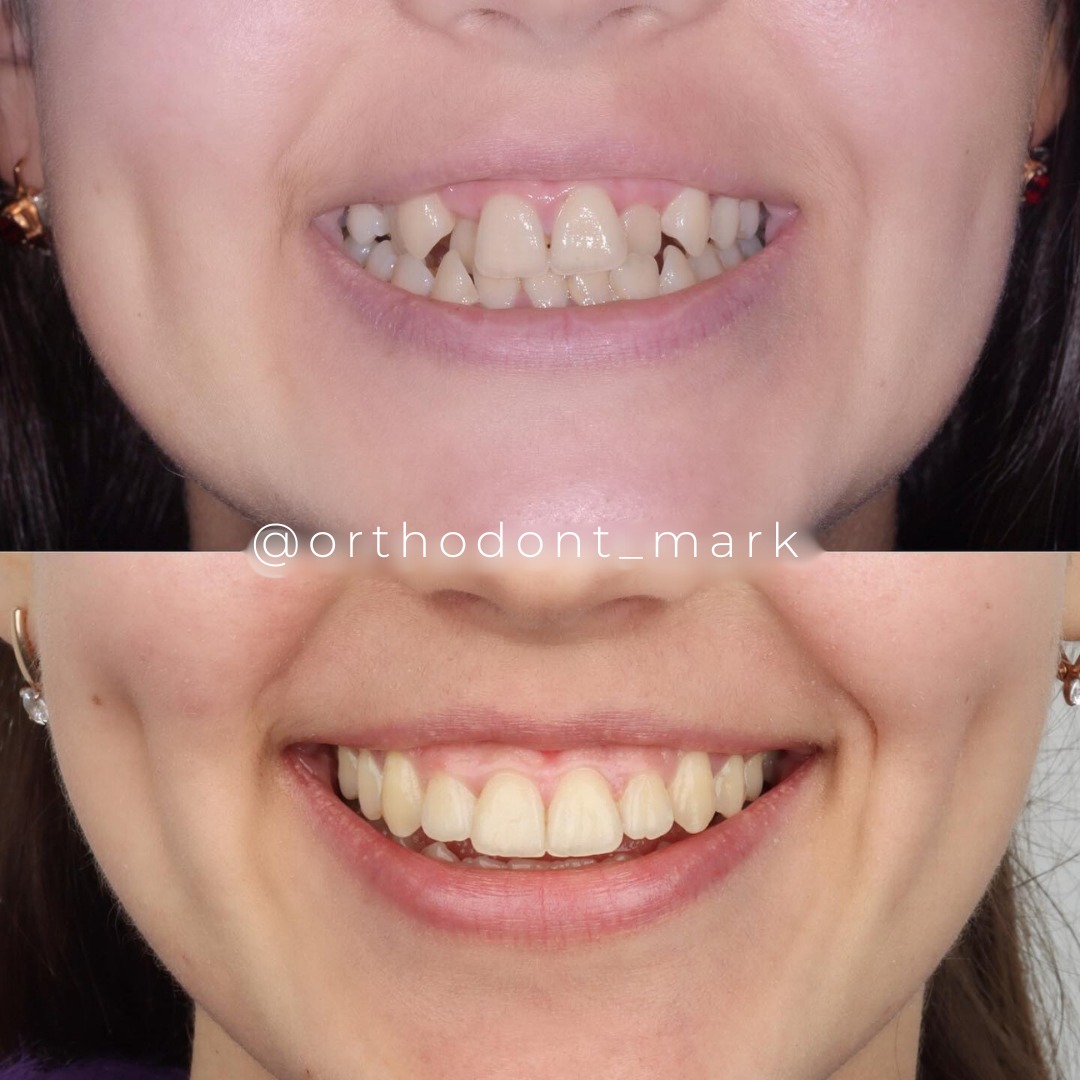
Learn the full MARPE protocol from Dr. Mark Radzhabov
Fundamental course covering CBCT patient selection, miniscrew planning, activation protocols, and 60+ clinical cases. Choose the access level that fits your practice.
Essentials of rapid palatal expansion for practicing orthodontists.
- Core RPE concepts and biomechanics
- 6 structured video lessons
- Clinical decision checklists
- Lifetime access to recordings
Deep-dive into MARPE protocol, diagnostics, and clinical execution.
- 6 modules covering MARPE from A to Z
- CBCT case selection walkthroughs
- Miniscrew placement and activation
- 60+ annotated clinical cases
- Direct Q&A with Dr. Mark Radzhabov
5-element medical consultation framework for dentists and orthodontists.
- Trust-building consultation protocol
- 5 lesson modules
- Templates for treatment plan delivery
- Works with any clinical specialty
Clinical FAQ
How should clinicians build a MARPE fee structure based on chair time and complexity?
List diagnostic review, laboratory coordination, appliance placement, activation checks, complication management, and retention supervision as separate deliverables. The fee should reflect documented work, not a promised skeletal result.
What CBCT and laboratory costs should be included when pricing palatal expansion?
Include CBCT interpretation, file preparation, technician communication, component sourcing, design review, appliance inspection, and remake coordination when needed. Chun et al. (2022) used CBCT before treatment, immediately after expansion, and after consolidation.
How can documented skeletal complexity support higher expansion treatment fees?
Use records to show the added planning, appliance engineering, access checks, laboratory revisions, and monitoring required. Avoid presenting complexity as a guarantee of suture separation or treatment success.
What is the best MARPE case value model for adult skeletal expansion?
A practical model separates diagnostic records, appliance fabrication, clinician-led design control, placement, monitoring, retention, and contingencies. It makes the professional work visible before the appliance is delivered.
How do orthodontists calculate the cost of miniscrew expansion treatment?
Calculate the cost from imaging review, TAD-related planning, component expenses, laboratory fabrication, placement chair time, follow-up visits, and retention supervision. Keep a contingency for redesign or repair.
When should an orthodontist choose analog rather than digital MARPE fabrication?
Choose according to the available records, component libraries, technician capability, and need for repairability. Dr. Radzhabov’s protocol permits analog, digital, and hybrid fabrication pathways.
How should a clinician document MARPE laboratory costs?
Keep the prescription, CBCT files, scan or impression records, selected components, design communications, inspection notes, and any remake decision. These records explain the laboratory scope.
Which mechanical detail should be recorded for expansion treatment fees?
Record the selected expansion screw and its role in the appliance. Camporesi et al. (2013) found differing force development among tested screw designs.
How should clinicians explain uncertainty in MARPE treatment planning?
Explain the planned diagnostic and clinical work separately from the biological response. Chun et al. (2022) reported midpalatal separation in 95% of MARPE cases studied, not certainty for every case.
Why include retention supervision in a MARPE fee structure?
Retention supervision is part of completing the expansion workflow and reviewing the documented response. Chun et al. (2022) obtained imaging after a 3-month consolidation period.
The strongest fee conversation is built from records that show why this expansion case requires more than a routine appliance. Document the imaging review, selected fabrication pathway, laboratory instructions, seating verification, activation checks, and retention supervision as distinct clinical work. For a difficult case review or structured MARPE training, clinicians can consult Dr. Mark Radzhabov through Orthodontist Mark. Key sources: Chun, 2022, BMC Oral Health, doi:10.1186/s12903–022-02138-w. Kinzinger, 2022, JOrofacOrthop, doi:10.1007/s00056–022-00429-z. Bud, 2023, Biomedicines, doi:10.3390/biomedicines11123246.