
MARPE Appointment Sequencing:
Fee & Chair-Time
Model for Expansion Efficiency
Assign staff roles, price each visit accurately, and keep skeletal expansion cases moving without sacrificing the imaging checkpoints that protect outcomes.
TL;DR MARPE appointment sequencing determines how efficiently a practice converts case selection into delivered skeletal expansion. A structured chair-time model assigns distinct staff roles at each visit, from CBCT interpretation through miniscrew placement and activation checks, reducing idle time and supporting transparent fee allocation across the full expansion protocol.
Inefficient scheduling is the silent drain on any MARPE program: the clinician arrives at a placement visit without confirmed CBCT-based suture staging, the assistant has not pre-set the torque driver, and the fee conversation happens after the patient is already seated. Dr. Mark Radzhabov at ortodontmark.com addresses this gap directly, presenting a practical chair-time model and MARPE appointment sequencing framework built around the imaging and biological evidence that governs case selection. Reading this article equips the practicing orthodontist to assign staff roles, allocate visit time, and price expansion treatment with the precision the protocol demands.
Why Does Pre-Treatment CBCT Staging Drive the Entire
Scheduling
Sequence?
MARPE appointment sequencing is the structured allocation of clinical visits, staff responsibilities, and imaging checkpoints across the full arc of miniscrew-assisted rapid palatal expansion treatment — from pre-treatment CBCT staging through active expansion and consolidation. Before a single appointment slot is reserved for appliance placement, the treating orthodontist must confirm midpalatal suture status, because the biological window determines whether the case proceeds with MARPE at all, proceeds to a surgical referral, or requires accelerated scheduling to catch a closing suture. Govaerts et al. (2023) found in a CBCT retrospective cohort that the midpalatal suture was already closed in 61% of female patients at age 15, while the transpalatal suture showed 78–85% closure beginning at age 15 in the same population. These figures translate directly into a triage rule: at the intake visit, the clinical coordinator must flag any female patient at or past age 15 for same-week CBCT imaging rather than a routine four-week scheduling gap. Delaying that scan by a month can shift a viable MARPE candidate into a surgical case without any change in the patient's underlying anatomy. Staff role at this visit is divided clearly. The orthodontist reviews the CBCT using a region-of-interest cursor placed at the anterior, middle, and posterior thirds of the midpalatal suture to classify suture maturation stage. The treatment coordinator simultaneously prepares the fee presentation, which should itemize the CBCT interpretation, the placement visit, each activation-check appointment, and the consolidation-phase CBCT as separate line items. Bundling all fees into a single opaque number makes it harder to justify the imaging cost or to reschedule visits without financial ambiguity.
How Should the Placement Appointment Be Staffed to
Protect
Chair Time?
The placement visit carries the highest procedural density in the expansion fee and chair-time model. The orthodontist must insert miniscrews into the hard palate, seat the expansion appliance, confirm torque values, and deliver activation instructions — all within a predictable window. That predictability depends on preparation completed before the patient is reclined. A dedicated clinical assistant should pre-set the torque driver to the practitioner's preferred insertion torque, arrange irrigation syringes, and verify that the appliance has been tried in at a pre-visit fitting appointment so that chair time at placement is not consumed by band sizing. Kinzinger et al. (2022) demonstrated through dental cast analysis of 60 patients across 3 age groups that expansion pattern shifts from parallel in patients up to age 10 to V-shaped with anterior and inferior dominance from age 12 onward. This means the assistant briefing before a placement in a teenage or adult patient should include confirmation that the appliance design accommodates anterior-dominant force distribution, not the symmetric pattern appropriate for younger children. For miniscrew-assisted expansion protocols in particular, the fee line assigned to the placement visit should reflect the two-clinician or clinician-plus-assistant time required — not the shorter duration of a conventional band-and-cement appointment. Practices that underestimate placement chair time create downstream scheduling collisions by booking the next patient too soon. A conservative buffer of unscheduled time immediately after placement allows for post-insertion occlusal checks and written activation instructions without rushing dismissal. Exploring detailed miniscrew-assisted expansion protocol decisions before booking a first case helps new practitioners set realistic time blocks from the start.
Which Staff Roles Belong at Each Activation and
Progress
Check Visit?
Activation-check appointments are brief but clinically critical, and they are the visits most commonly misassigned in practices without a formal MARPE workflow. A trained clinical assistant can confirm that the patient has completed the prescribed activation turns, photograph the midline diastema, and document any soft-tissue response around miniscrew heads — all before the orthodontist enters the room. This pre-screening step concentrates the orthodontist's chair time on the decision that requires clinical judgment: whether to continue the activation schedule, pause it, or advance to the consolidation phase. Chun et al. (2022) conducted a randomized controlled trial in which both RPE and MARPE groups received identical 35-turn expansion, with imaging performed at baseline, immediately after completion, and at a 3-month consolidation point. That three-timepoint imaging protocol is a direct template for scheduling: the activation-check visit calendar should be built backward from the planned consolidation CBCT so that the total turn count and the imaging dates are pre-booked at placement, not arranged ad hoc. The same trial found that MARPE produced significantly less buccal displacement of anchor teeth compared to conventional RPE through the consolidation period (Chun et al., 2022). Documenting that outcome at each activation visit — via clinical photography of anchor molar angulation and, where indicated, digital study models — gives the practice a defensible record and supports the clinical rationale for the higher MARPE fee relative to a tooth-borne appliance. Practices interested in formalizing this workflow can explore structured MARPE training for your practice to build consistent activation and documentation habits across the clinical team.
How Do You Build the Consolidation Phase Into an Expansion
Fee Model
That Patients Can Follow?
Consolidation is the phase most often underrepresented in fee presentations, yet it accounts for a meaningful share of total chair time and requires a second CBCT to confirm bony fill. Chun et al. (2022) set the consolidation imaging point at 3 months post-expansion — a timeline that should appear explicitly in the signed treatment contract so that neither the practice nor the patient is surprised by a mid-treatment imaging charge. Govaerts et al. (2023) found that the pterygomaxillary suture showed 83–100% closure between ages 13 and 17 years in females. That anatomical context matters for consolidation planning: in patients approaching or within that age range, the window for predictable bony consolidation across all three suture regions narrows, and the consolidation CBCT timeline should be treated as non-negotiable rather than flexible. Scheduling consolidation imaging late, or skipping it to reduce patient burden, removes the only objective endpoint the fee model can reference when closing the active-expansion billing period. At discharge from active expansion, the treatment coordinator closes the expansion fee ledger, confirms that the consolidation CBCT has been reported in the clinical record, and transitions the patient's scheduling to the fixed-appliance or retention phase. This handoff is a distinct administrative event — not folded silently into a routine orthodontic check. Practices that separate it explicitly report fewer disputes over what the expansion fee included, because the scope of service was defined visit by visit from the first appointment. Clinicians who want to submit a case for consultation on consolidation timing or fee structure can do so directly through ortodontmark.com.
Free Clinical Guide
Which Expansion Appliance at Which Age?
Get Dr. Mark Radzhabov's guide to skeletal-expansion appliances — indications, pros & cons, and how to choose by patient age. Free to your inbox.
Prefer video? Watch the free demo lesson on MARPE appliance types, features and trade-offs.
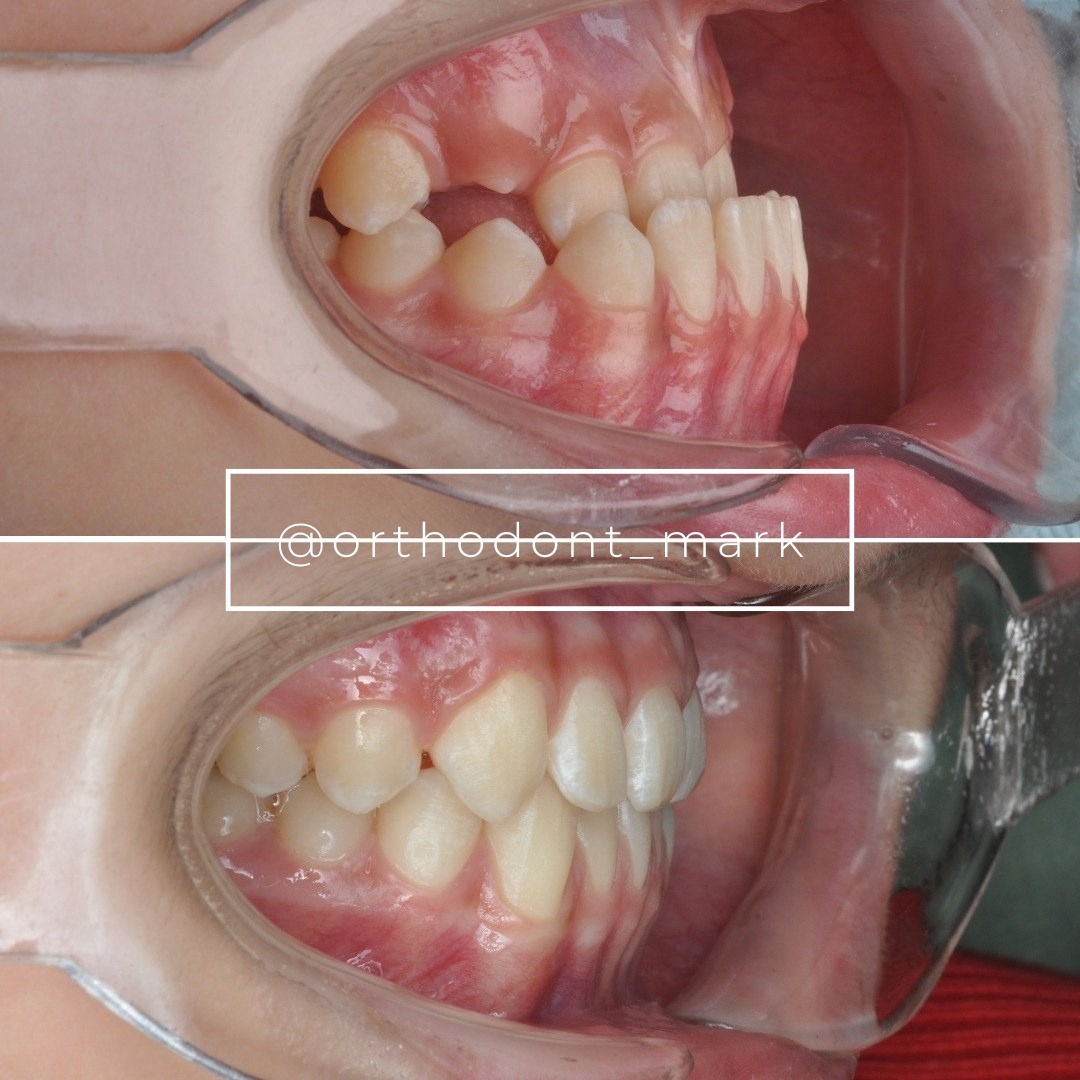
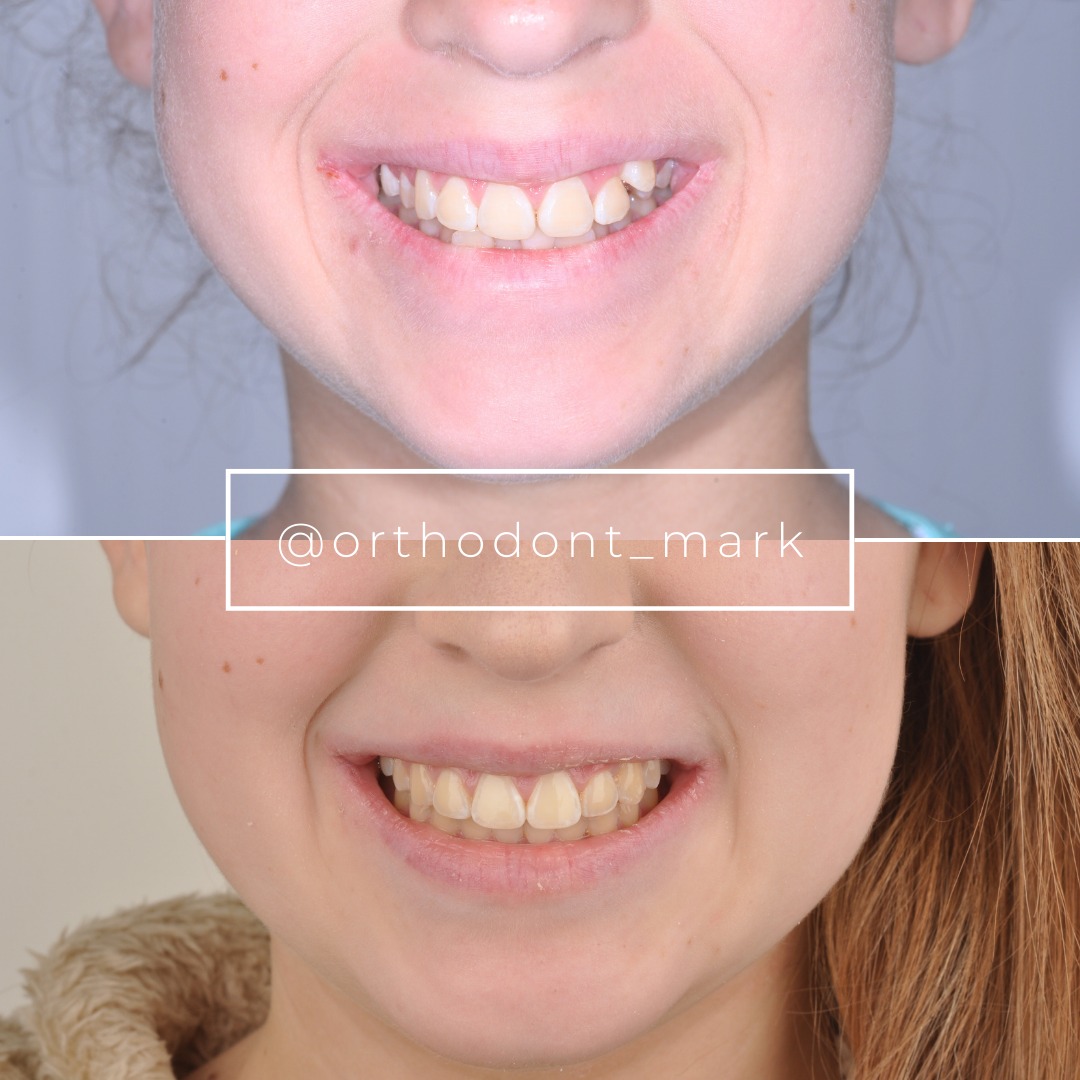
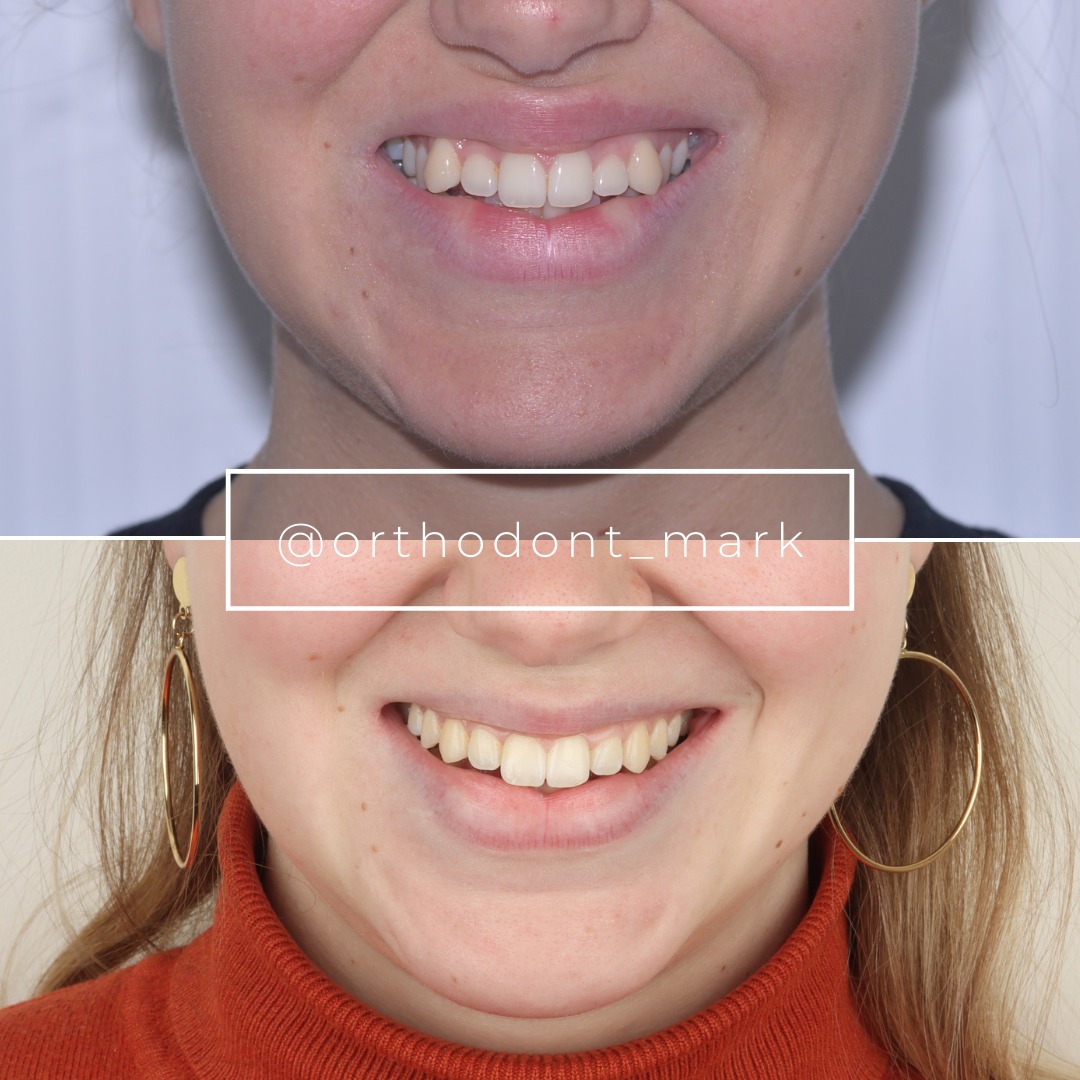
Documented outcomes
Clinical cases from Dr. Mark Radzhabov's practice
Learn the full MARPE protocol from Dr. Mark Radzhabov
Fundamental course covering CBCT patient selection, miniscrew planning, activation protocols, and 60+ clinical cases. Choose the access level that fits your practice.
Essentials of rapid palatal expansion for practicing orthodontists.
- Core RPE concepts and biomechanics
- 6 structured video lessons
- Clinical decision checklists
- Lifetime access to recordings
Deep-dive into MARPE protocol, diagnostics, and clinical execution.
- 6 modules covering MARPE from A to Z
- CBCT case selection walkthroughs
- Miniscrew placement and activation
- 60+ annotated clinical cases
- Direct Q&A with Dr. Mark Radzhabov
5-element medical consultation framework for dentists and orthodontists.
- Trust-building consultation protocol
- 5 lesson modules
- Templates for treatment plan delivery
- Works with any clinical specialty
Clinical FAQ
How should I allocate chair time for each MARPE appointment type in a busy practice?
Segment time by visit function: CBCT review and fee presentation at intake, a longer protected block for miniscrew placement, brief pre-screened slots for activation checks, and a dedicated consolidation imaging visit. Pre-booking all three imaging timepoints at placement keeps the schedule predictable.
What staff roles are essential for an efficient MARPE workflow?
The orthodontist handles CBCT staging, placement decisions, and activation judgments. A clinical assistant pre-sets instruments and screens activation visits. The treatment coordinator manages the itemized fee ledger and schedules the consolidation CBCT at the time of appliance placement.
How does suture maturation staging affect MARPE appointment sequencing?
Govaerts et al. (2023) found 61% midpalatal suture closure in females at age 15. Any patient at or past that age should receive CBCT within days of initial presentation, not weeks — the imaging finding determines whether expansion, accelerated placement, or surgical referral is scheduled next.
What imaging checkpoints should be built into the MARPE scheduling calendar?
Three points based on Chun et al. (2022): baseline before activation begins, immediately after the target turn count is reached, and at 3-month consolidation. Pre-booking the consolidation CBCT at placement avoids administrative gaps and clarifies the fee scope.
How do age-dependent expansion patterns change the appliance preparation brief for a placement visit?
Kinzinger et al. (2022) showed expansion is parallel in patients up to age 10 but becomes V-shaped with anterior and inferior dominance from age 12. The assistant briefing before any adolescent or adult placement should confirm the appliance design accommodates anterior-dominant force distribution.
How should the MARPE fee structure be presented to clearly separate expansion from comprehensive orthodontic fees?
List CBCT interpretation, placement, each activation-check visit, consolidation imaging, and the discharge handoff as distinct line items in the signed contract. This prevents disputes at billing close and lets each fee reflect actual chair time and staff involvement.
When does the expansion fee ledger close in a MARPE protocol?
At the discharge handoff appointment, after the consolidation CBCT confirms bony fill and the result is documented in the clinical record. The treatment coordinator formally closes the expansion billing period before transitioning the patient to fixed-appliance or retention scheduling.
How does MARPE's effect on anchor teeth influence documentation requirements at activation visits?
Chun et al. (2022) found significantly less buccal displacement of anchor teeth with MARPE compared to RPE. Documenting molar angulation via photography at each activation visit records that clinical advantage and supports the higher fee relative to tooth-borne alternatives.
What suture closure data should inform urgency of MARPE scheduling in adolescent females?
Govaerts et al. (2023) reported transpalatal suture closure of 78–85% starting at age 15 and pterygomaxillary suture closure of 83–100% between ages 13 and 17 in females — data that justify accelerating CBCT and placement scheduling rather than following routine wait times.
How does a structured MARPE training program help orthodontists build realistic chair-time models?
Formal training establishes practitioner-specific placement times, activation protocols, and documentation habits before the first case. Without that baseline, time blocks are guessed rather than calibrated, leading to scheduling collisions and fee gaps that erode practice efficiency over time.
A well-designed MARPE appointment sequencing model does more than protect clinic throughput — it embeds evidence-based decision points at each visit so that suture staging, appliance activation, and consolidation imaging each occur on schedule and in the right hands. The clinician who structures staff roles around the biological timetable of expansion, rather than around administrative convenience, will see fewer emergencies, cleaner records, and a fee structure patients can follow. Dr. Mark Radzhabov encourages colleagues to audit their current scheduling flow and submit a case for review at ortodontmark.com to identify where chair time and clinical decisions can be better aligned. Key sources: Chun et al. (2022), BMC Oral Health, doi:https://doi.org/10.1186/s12903–022-02138-w. Govaerts et al. (2023), Journal of Orofacial Orthopedics, doi:https://doi.org/10.1007/s00056–023-00487-x. Kinzinger et al. (2022), doi:https://doi.org/10.1007/s00056–022-00429-z.