MARPE Chairside Staff Roles:
Delegation
That Safeguards Skeletal Expansion Quality
A task-segmented framework for bonding prep, activation monitoring, and hygiene checks—built for orthodontists scaling MARPE in their practices.
TL;DR Defining MARPE chairside staff roles for bonding preparation, activation monitoring, and hygiene checks allows the orthodontist to focus on diagnosis and force-load decisions. Structured delegation reduces chair time, standardizes protocol execution, and supports the skeletal expansion outcomes documented in peer-reviewed imaging studies. Clear role boundaries protect clinical quality.
When a practice adds miniscrew-assisted palatal expansion to its clinical menu, the workflow demands that MARPE chairside staff roles be defined before the first appliance is bonded—not discovered case by case. Dr. Mark Radzhabov at ortodontmark.com has observed that ambiguous delegation is the primary source of protocol drift, missed activation counts, and peri-miniscrew hygiene failures. This article outlines a task-segmented chairside workflow covering appliance bonding, activation monitoring, and hygiene maintenance, grounding every recommendation in peer-reviewed imaging and clinical trial evidence so orthodontists can implement confidently.
Why Defined Staff Roles Change
Expansion Outcomes
Before the First Turn Is Made
A dental assistant managing the MARPE bonding protocol without a defined scope is not a workflow problem—it is a data-integrity problem. Every deviation in primer application depth, etch timing, or miniscrew torque sequence introduces a variable that downstream CBCT measurements cannot separate from biological non-response. The orthodontist's role at the bonding appointment is therefore supervisory and confirmatory: verifying landmark positioning, checking insertion angulation against the pre-operative CBCT, and signing off on torque before delegating clean-up and documentation to trained staff. The clinical consequence of suture architecture makes this discipline non-negotiable. Govaerts et al. (2023) found that the midpalatal suture reaches stages D–E in 61% of 15-year-old females, meaning that a significant proportion of adolescent patients in any active practice already have a suture that resists opening. In that context, every newton of force delivered through the MARPE appliance must land on a properly seated, fully bonded device—something that depends entirely on how well the bonding step was executed by the chairside team. Kinzinger et al. (2022) tracked a dental cast analysis across 60 patients divided into three age groups—PG1 under age 10 (n=20), PG2 aged 10 to under 12 (n=20), and PG3 aged 12 and above (n=20)—and demonstrated that expansion patterns differ substantially by developmental stage. Younger patients showed greater posterior width increase while older groups showed preferential anterior widening. Recognizing these patterns at monitoring visits is a trained staff competency, not incidental observation, and it should be explicitly written into the assistant's chairside role description.
Which Activation Monitoring Tasks
Belong
to the Dental Assistant?
Activation monitoring in a MARPE case involves two distinct layers: turn counting and tissue response assessment. Turn counting—verifying that the patient or caregiver completed the prescribed number of screw activations between visits, recording cumulative turns in the chart, and cross-checking against the expansion plan—is entirely within the scope of a trained dental assistant. Tissue response assessment, by contrast, requires the orthodontist: evaluating the diastema closure rate, comparing nasal width change against the expected skeletal response, and deciding whether to pause, reduce, or accelerate activation. Chun et al. (2022) used a standardized protocol of 35 turns of expansion with CBCT imaging at baseline, immediately after expansion, and again after a 3-month consolidation period. That structured timeline maps directly onto a delegation framework: the assistant confirms turn counts at each visit, schedules the consolidation CBCT at the correct interval, and prepares the imaging comparison template—while the orthodontist interprets the skeletal response. MARPE produced significantly greater increases in nasal width and greater palatine foramen dimensions compared to RPE after expansion and consolidation in that same trial, outcomes that only emerge when activation is executed to protocol. For practices pursuing MARPE appliance selection and clinical workflow standardization, the activation log should capture: visit date, cumulative turns delivered, patient-reported activation compliance, and any asymmetric screw resistance noted by the orthodontist. Asymmetric resistance is a clinical flag that must escalate immediately—it cannot be triaged by a dental assistant without direct orthodontist assessment.
How Should Hygiene Checks Be Structured
Around
the MARPE Appliance?
Peri-miniscrew hygiene is the most frequently neglected chairside task in MARPE workflows because responsibility defaults to no one. A formal hygiene check role assigns one team member—typically the dental assistant or hygiene support—to examine the tissue collar around each of the four miniscrew heads at every activation visit, photograph any erythema or granulation tissue, and trigger a direct orthodontist assessment if the tissue deviates from a clean, keratinized margin. This is a protocol task, not a clinical judgment: the trained staff member applies a defined criteria checklist. The orthodontist decides whether to intervene. The bone-borne force path that distinguishes MARPE from tooth-borne rapid palatal expansion is also what makes hygiene maintenance critical. Chun et al. (2022) demonstrated that MARPE produced significantly less buccal displacement of anchor teeth during expansion and consolidation compared to RPE—a meaningful advantage that depends on the miniscrew-palate interface remaining stable throughout treatment. Peri-miniscrew infection or soft tissue overgrowth can compromise that interface and redirect force through the dental anchor, erasing the skeletal selectivity the appliance was chosen for. Practices reviewing their miniscrew-assisted skeletal expansion case review workflow should formalize hygiene documentation as a structured field in the activation visit note, not a free-text addendum. The record should capture: tissue color at each screw site, presence or absence of plaque accumulation on the expansion screw body, patient-reported cleaning compliance with the prescribed irrigation tool, and the date of the last full hygiene debriefing. Govaerts et al. (2023) documented that the pterygomaxillary suture closes in 83–100% of females aged 13–17 years, underscoring that the window for non-surgical skeletal change is narrow—no week of that window should be lost to an avoidable hygiene complication.
Does Suture Maturation Stage Affect
Staff
Monitoring Priorities During Expansion?
The expansion pattern a patient displays at monitoring visits is not uniform across age groups, and chairside staff should be trained to recognize what normal progress looks like for each demographic. Kinzinger et al. (2022) showed that children under age 10 (PG1) demonstrate significantly greater posterior palatal height increase during expansion, while older children exhibit anterior-dominant width changes. An assistant who has only observed adolescent MARPE cases may flag a posterior-dominant response in a younger patient as atypical when it is, in fact, age-appropriate—a false alert that consumes orthodontist time and erodes staff confidence. Govaerts et al. (2023) add a clinical urgency layer: with orthodontists recommending SARPE over non-surgical expansion at a cut-off of 15.1 years and surgeons placing that threshold at 14.8 years, the practice's monitoring schedule must be tight enough to detect delayed or asymmetric sutural response before the patient crosses into a zone where the surgical conversation becomes unavoidable. The dental assistant's role is not to make that call—but a well-trained staff member who flags stalled diastema formation at week four gives the orthodontist decision-making time that a passive monitoring approach would eliminate. For practices pursuing structured MARPE training and protocol resources, incorporating age-stratified normal-range reference images into the monitoring checklist is a practical way to calibrate assistant expectations without requiring advanced radiographic training. The assistant compares the clinical presentation to the reference. The orthodontist interprets the significance.
Free Clinical Guide
Which Expansion Appliance at Which Age?
Get Dr. Mark Radzhabov's guide to skeletal-expansion appliances — indications, pros & cons, and how to choose by patient age. Free to your inbox.
Prefer video? Watch the free demo lesson on MARPE appliance types, features and trade-offs.
Documented outcomes
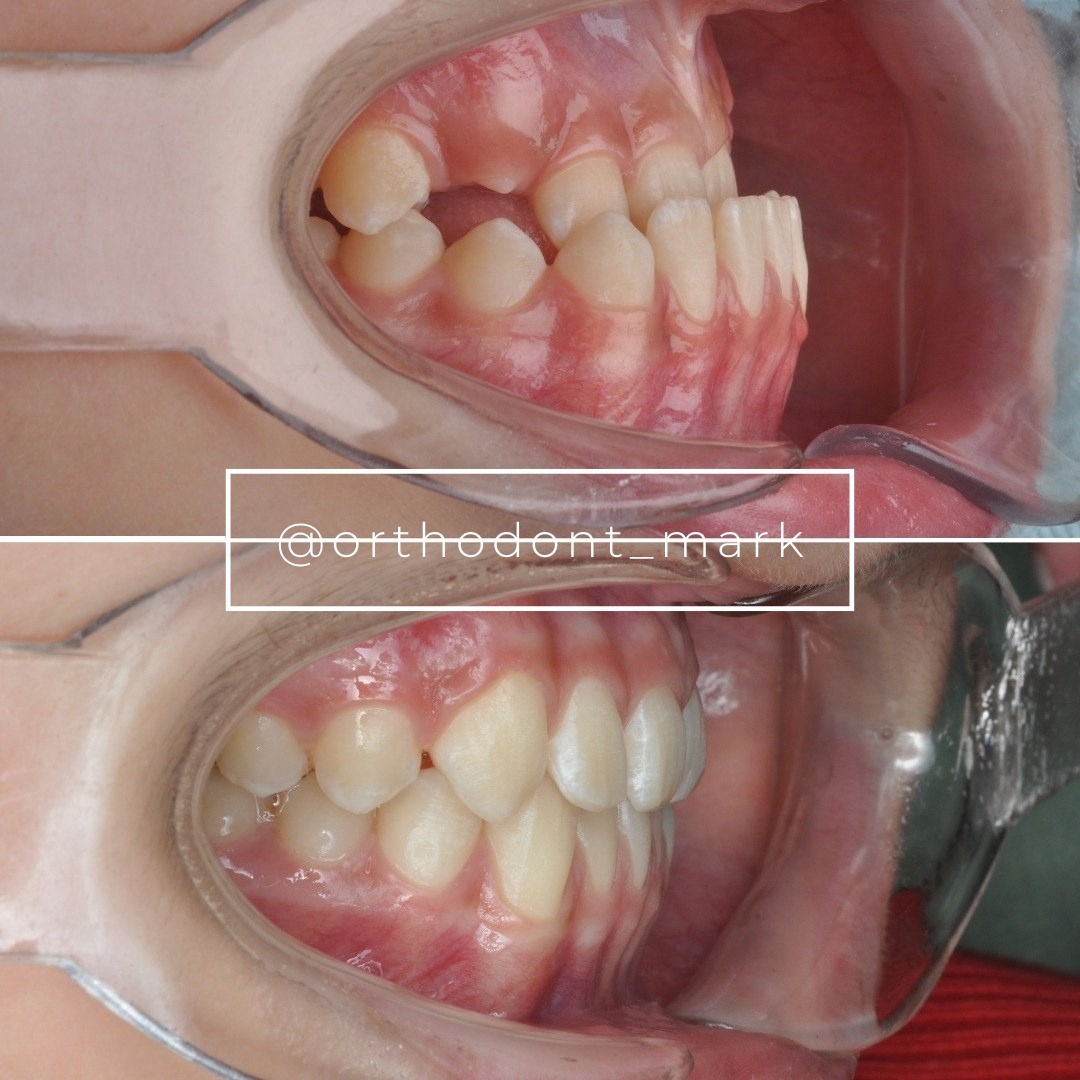
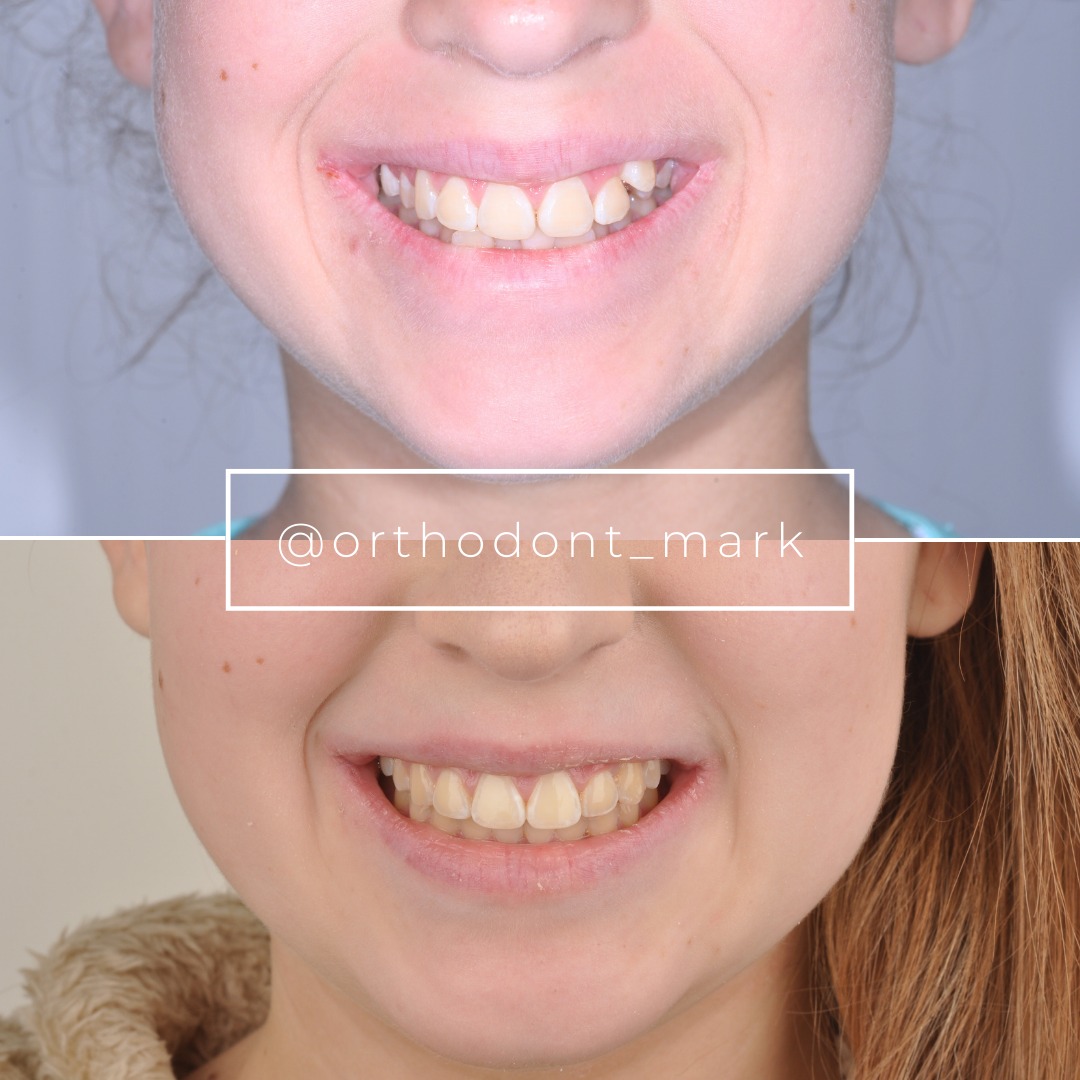
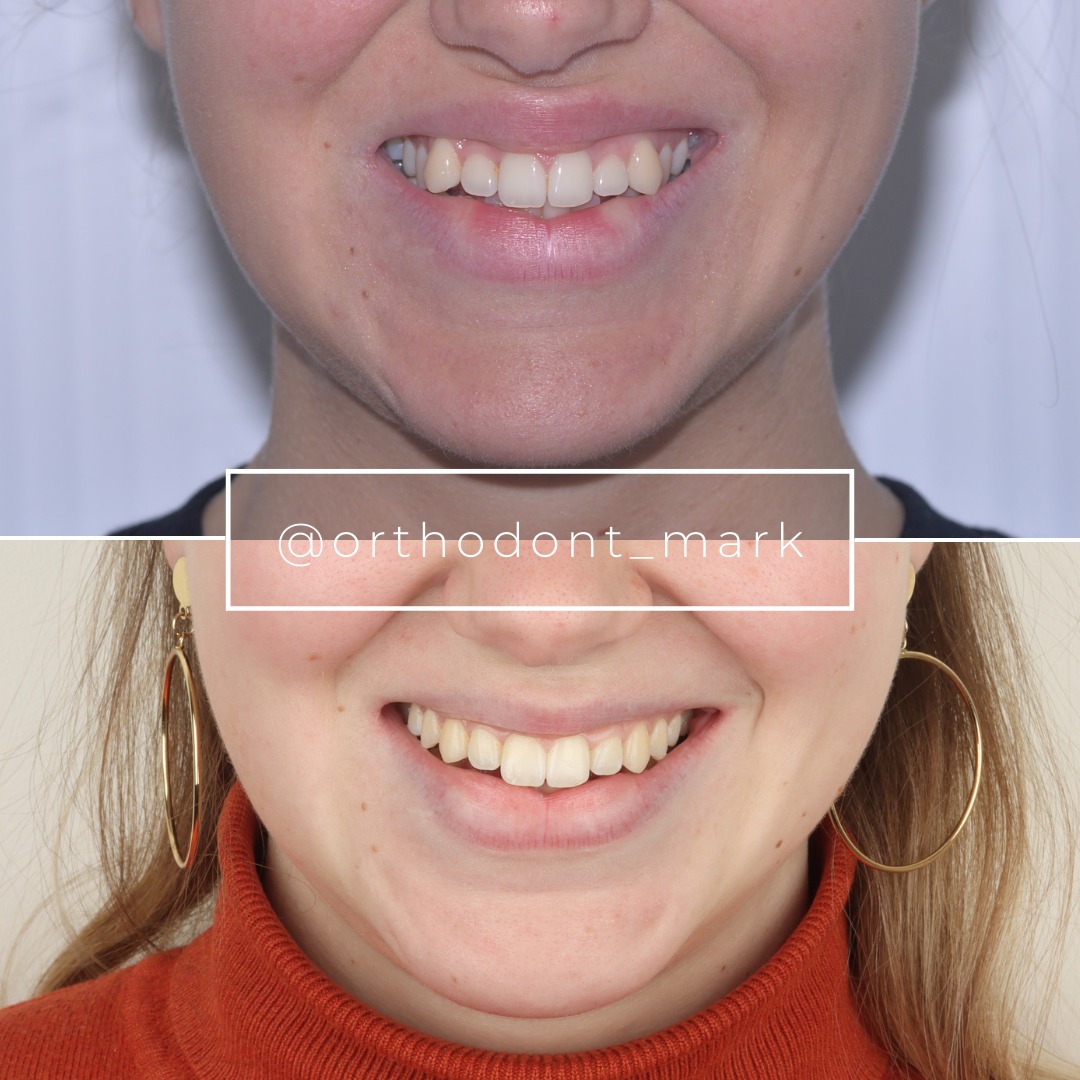
Clinical cases from Dr. Mark Radzhabov's practice
Learn the full MARPE protocol from Dr. Mark Radzhabov
Fundamental course covering CBCT patient selection, miniscrew planning, activation protocols, and 60+ clinical cases. Choose the access level that fits your practice.
Essentials of rapid palatal expansion for practicing orthodontists.
- Core RPE concepts and biomechanics
- 6 structured video lessons
- Clinical decision checklists
- Lifetime access to recordings
Deep-dive into MARPE protocol, diagnostics, and clinical execution.
- 6 modules covering MARPE from A to Z
- CBCT case selection walkthroughs
- Miniscrew placement and activation
- 60+ annotated clinical cases
- Direct Q&A with Dr. Mark Radzhabov
5-element medical consultation framework for dentists and orthodontists.
- Trust-building consultation protocol
- 5 lesson modules
- Templates for treatment plan delivery
- Works with any clinical specialty
Clinical FAQ
Which MARPE chairside staff roles can a trained dental assistant legally perform during the bonding appointment?
Scope varies by jurisdiction, but assistants typically handle tray preparation, etch timing, primer application, and adhesive cleanup under direct supervision. The orthodontist must verify miniscrew angulation, confirm torque, and document seating before delegating any post-bonding steps.
How should activation monitoring be documented when delegating turn counting to chairside staff?
The assistant records cumulative turns, patient compliance, and any reported asymmetric resistance in a structured activation log at every visit. The orthodontist reviews the log, interprets skeletal response, and makes activation adjustments. Separation of recording from interpretation is the key delegation boundary.
What hygiene check criteria should staff use to assess peri-miniscrew tissue health at each visit?
Staff should evaluate tissue color, keratinization margin integrity, presence of granulation tissue, and plaque accumulation on the screw body at each visit. Any erythema, overgrowth, or screw mobility must be escalated immediately to the orthodontist rather than managed independently.
How does suture maturation stage affect the monitoring frequency a chairside team should maintain?
Govaerts et al. (2023) found the midpalatal suture closed at stages D–E in 61% of 15-year-old females. In patients near skeletal maturity, shorter intervals between monitoring visits allow the orthodontist to detect stalled sutural response before surgical consultation becomes the only remaining option.
Should staff be trained differently for MARPE cases in patients under age 10 versus adolescents?
Yes. Kinzinger et al. (2022) showed that patients under age 10 exhibit greater posterior palatal width and height change during expansion, while older groups show anterior-dominant patterns. Monitoring staff need age-stratified reference images to distinguish normal responses from appliance or activation problems.
What consolidation timeline should the scheduling team use when booking post-expansion CBCT imaging?
Chun et al. (2022) used a 3-month consolidation period before the final CBCT. The scheduling coordinator should flag this interval in the treatment timeline at the bonding appointment so the imaging appointment is not delayed by availability, which would confound skeletal response measurement.
How does MARPE's dental side-effect profile affect the assistant's anchor tooth monitoring role?
Chun et al. (2022) found that MARPE produced significantly less buccal displacement of anchor teeth compared to RPE. Assistants should still photograph and measure buccal bone margins at monitoring visits. Reduced displacement makes deviations from baseline easier to detect and clinically significant when present.
At what age cut-off should the clinical team begin preparing a surgical referral pathway for transverse deficiency cases?
Govaerts et al. (2023) reported that orthodontists recommended SARPE over non-surgical expansion at a cut-off of 15.1 years and surgeons placed that threshold at 14.8 years. Practices should build a referral escalation pathway into the MARPE protocol for patients approaching these ages with limited sutural response.
How should the dental assistant handle a patient-reported skipped activation day during the expansion phase?
The assistant records the missed turns in the activation log with the reported date and flags the entry for orthodontist review before the visit ends. The clinician decides whether to adjust the activation schedule or extend the expansion phase. The assistant should not counsel the patient on protocol changes independently.
What training resources are available for orthodontic teams adding MARPE chairside delegation protocols to their practice?
Orthodontist Mark at ortodontmark.com provides structured MARPE training that includes role-specific delegation frameworks, activation monitoring templates, and hygiene assessment checklists designed for implementation across the full expansion and 3-month consolidation timeline documented in clinical trials.
A disciplined chairside workflow—where MARPE bonding preparation, activation logging, and hygiene maintenance each have a named, trained owner—protects the quality of skeletal expansion outcomes while preserving the orthodontist's chair time for genuine diagnostic decisions. Practices ready to formalize this framework can review structured MARPE training resources and detailed case documentation at ortodontmark.com, or submit a specific case for direct consultation. Dr. Mark Radzhabov welcomes peer-to-peer discussion on protocol refinement, staff training structures, and appliance selection logic for complex transverse deficiency presentations. Key sources: Chun et al. (2022), BMC Oral Health, doi:10.1186/s12903–022-02138-w. Govaerts et al. (2023), Journal of Orofacial Orthopedics, doi:10.1007/s00056–023-00487-x. Kinzinger et al. (2022), doi:10.1007/s00056–022-00429-z.