Bone-Borne Expansion Consent Framework:
Mapping
Literature Risks to Discussion Points
A clinician-to-clinician guide for structuring expansion risk disclosures around peer-reviewed force, tissue, and suture data.
TL;DR A bone-borne expansion consent framework maps published complication data directly to structured discussion points, giving orthodontists a defensible, evidence-grounded record. Key disclosures include appliance-generated forces, dental tipping risk, mucosal response, and age-dependent expansion geometry. Anchoring each consent item to a specific finding—rather than generic language—strengthens both documentation and patient communication.
When a bone-borne expansion case encounters a complication, the quality of the pre-treatment consent record determines how defensible the clinical decision-making appears. Building a bone-borne expansion consent framework around published biomechanical and histological findings—rather than boilerplate language—transforms a routine form into a precise clinical communication tool. Dr. Mark Radzhabov at ortodontmark.com reviews how specific force ranges, tissue responses, and suture-separation data from peer-reviewed literature can be mapped directly to structured disclosure points, giving orthodontists a practical, evidence-grounded approach to documenting expansion risk discussions before treatment begins.
Why Generic Consent Language Fails for
Bone-Borne
Expansion Cases
A bone-borne expansion consent framework is a structured documentation approach that maps each published complication category—force magnitude, dental side effects, mucosal response, and age-dependent suture geometry—to a discrete, evidence-attributed discussion point recorded before treatment begins. Generic orthodontic consent forms rarely capture the biomechanical specificity that MARPE and MSE cases demand, leaving documentation gaps that become liabilities when outcomes diverge from expectations. The core problem with templated expansion consent is that it lists risk categories without quantifying them. Clinicians who discuss appliance forces in the abstract miss the opportunity to anchor that disclosure to measured data. Camporesi et al. (2013) demonstrated that RPE appliances produce expansion forces ranging from 7.54 to 15.8 kg, with some devices such as the Hyrax and A2620 exceeding 20 kg. Stating these ranges in the consent record—attributed to a specific source—transforms a vague 'pressure and discomfort' disclosure into a precise, defensible clinical statement. Age-dependent suture geometry is equally under-documented in standard consent forms. A 2022 CBCT and dental cast analysis of 60 children and adolescents, divided into three age groups of 20 each, found that the expansion pattern shifts from parallel in patients under 10 years to V-shaped in those aged 12 and older. When counselling patients on expected expansion geometry, this distinction shapes how anterior spacing, midline diastema, and dental tipping are discussed—and all three are legitimate consent topics that differ by developmental stage.
Which Appliance Force Numbers Belong in the
Consent
Conversation?
Documenting expansion risks credibly requires naming the mechanical variables that drive them. Activation increments are a logical starting point: Camporesi et al. (2013) established that standard expansion screws measure 10 mm in total travel, with each full activation turn delivering 0.8 mm of expansion and each quarter-turn delivering 0.2 mm. When a patient or parent asks how rapidly the arch is being widened, these figures provide an honest, sourced answer—and that answer should appear in the consent documentation, not only in verbal recall. Suture-separation probability is the clinical outcome patients most want to understand, and it is the figure most commonly absent from consent records. Chun et al. (2022) reported midpalatal suture separation in 90% of RPE patients and 95% of MARPE patients across their prospective randomized clinical trial. Presenting these probabilities during the consent conversation—and recording that they were presented—gives the documentation specificity that generic 'expansion may or may not open the suture' language cannot provide. Bone-borne appliances are distinguished from tooth-borne devices partly by their dental side-effect profile. Chun et al. (2022) found that MARPE demonstrated less buccal displacement of anchor teeth compared to RPE during both the active expansion and consolidation periods. This difference is clinically meaningful and should be documented as a rationale for appliance selection, connecting the device choice to a specific published finding rather than to clinician preference alone.
Documenting Soft-Tissue and Skeletal Risks
Beyond
the Midpalatal Suture
Consent frameworks for skeletal expansion frequently focus on the suture and the teeth while underweighting soft-tissue outcomes. Bud et al. (2023) established in a retrospective histological study that palatal expanders are invasive devices that frequently produce hyperplasia of oral mucosa due to mechanical trauma. This finding belongs in the expansion risk disclosure as a named, sourced tissue response—not as a generic 'soft tissue irritation' footnote. Documenting that mucosal hyperplasia is a recognized histological consequence of mechanical loading sets a more accurate clinical expectation. Skeletal versus dental effects also require explicit differentiation in the consent record. Chun et al. (2022) found that MARPE produced greater skeletal expansion at the nasal width and greater palatine foramen compared to RPE—anatomical regions that extend well beyond the dental arch. Disclosing that expansion forces act at these cranial landmarks, not only at the maxillary dental arch, changes the scope of the consent conversation considerably and is particularly relevant for patients inquiring about nasal airway changes. For orthodontists building or refining their miniscrew-assisted rapid palatal expansion protocol, connecting each risk category to a published source is the practical standard that peer-reviewed documentation systems now expect. Reviewing the full evidence base for MARPE—including device selection, activation schedules, and histological tissue response—through resources at ortodontmark.com provides a coherent framework for updating both clinical protocols and consent language simultaneously.
How Activation Schedule Documentation Supports
Risk
Disclosure for MARPE Informed Consent
The activation schedule is typically recorded in the clinical chart as an instruction set, but it carries equal weight as a consent disclosure. Each quarter-turn of a standard expansion screw delivers 0.2 mm of expansion, as documented by Camporesi et al. (2013), and cumulative activation builds toward the total mechanical load transferred across the midpalatal suture and supporting bone. When patients or parents ask whether the expansion can be stopped or reversed, the activation-increment data provides a concrete, sourced basis for explaining the incremental and largely irreversible nature of suture loading. Force ceiling disclosure is another under-utilized element of the MARPE informed consent conversation. Camporesi et al. (2013) measured that devices such as the Hyrax produced forces exceeding 20 kg, while Palatal Split screws reached approximately 16 kg—a range of 16.6 to 34.8 pounds. For a patient whose primary concern is physical discomfort, these numbers contextualize the sensation more honestly than subjective descriptors, and their presence in the consent record demonstrates that mechanical parameters were discussed, not assumed. Expansion geometry discussions also benefit from the activation-protocol framing. Because a 2022 CBCT and dental cast analysis found that adolescents aged 12 and older exhibit a V-shaped rather than parallel expansion pattern, the activation schedule for these patients has different spatial consequences at the anterior versus posterior palate. Documenting this age-dependent geometric expectation alongside the activation rate creates a consent record that is both anatomically specific and clinically coherent.
Nasal Width and Palatine Foramen: Disclosing the
Full Skeletal
Reach of Bone-Borne Expansion
One of the most under-documented dimensions of MARPE consent is the three-dimensional skeletal scope of the treatment. Bone-borne appliances transfer force across the midpalatal suture, but the mechanical consequences extend to the nasal floor, nasal walls, and palatine neurovascular anatomy. Chun et al. (2022) found that MARPE produced greater skeletal expansion at the nasal width and greater palatine foramen compared to RPE—two landmarks that are clinically significant for airway function and neurovascular integrity, respectively. The palatine foramen finding is particularly relevant to informed consent because it introduces potential neurovascular risk as a discussable item. When expansion forces reach the greater palatine foramen, the greater palatine nerve and vessels traverse a region undergoing mechanical loading. Documenting that this anatomical zone is affected—citing Chun et al. (2022)—elevates the consent record from dental-arch-centric language to a skeletally accurate disclosure that reflects the actual scope of the procedure. Nasal airway changes, by contrast, represent a potential benefit rather than a risk, but they still require structured documentation. Patients often attribute nasal breathing improvements to expansion without understanding the anatomical mechanism. Recording the nasal-width finding with its source citation both validates the patient's perception and establishes that the skeletal effect was anticipated, discussed, and documented prior to treatment—an important distinction when reviewing outcomes.
Free Clinical Guide
Which Expansion Appliance at Which Age?
Get Dr. Mark Radzhabov's guide to skeletal-expansion appliances — indications, pros & cons, and how to choose by patient age. Free to your inbox.
Prefer video? Watch the free demo lesson on MARPE appliance types, features and trade-offs.
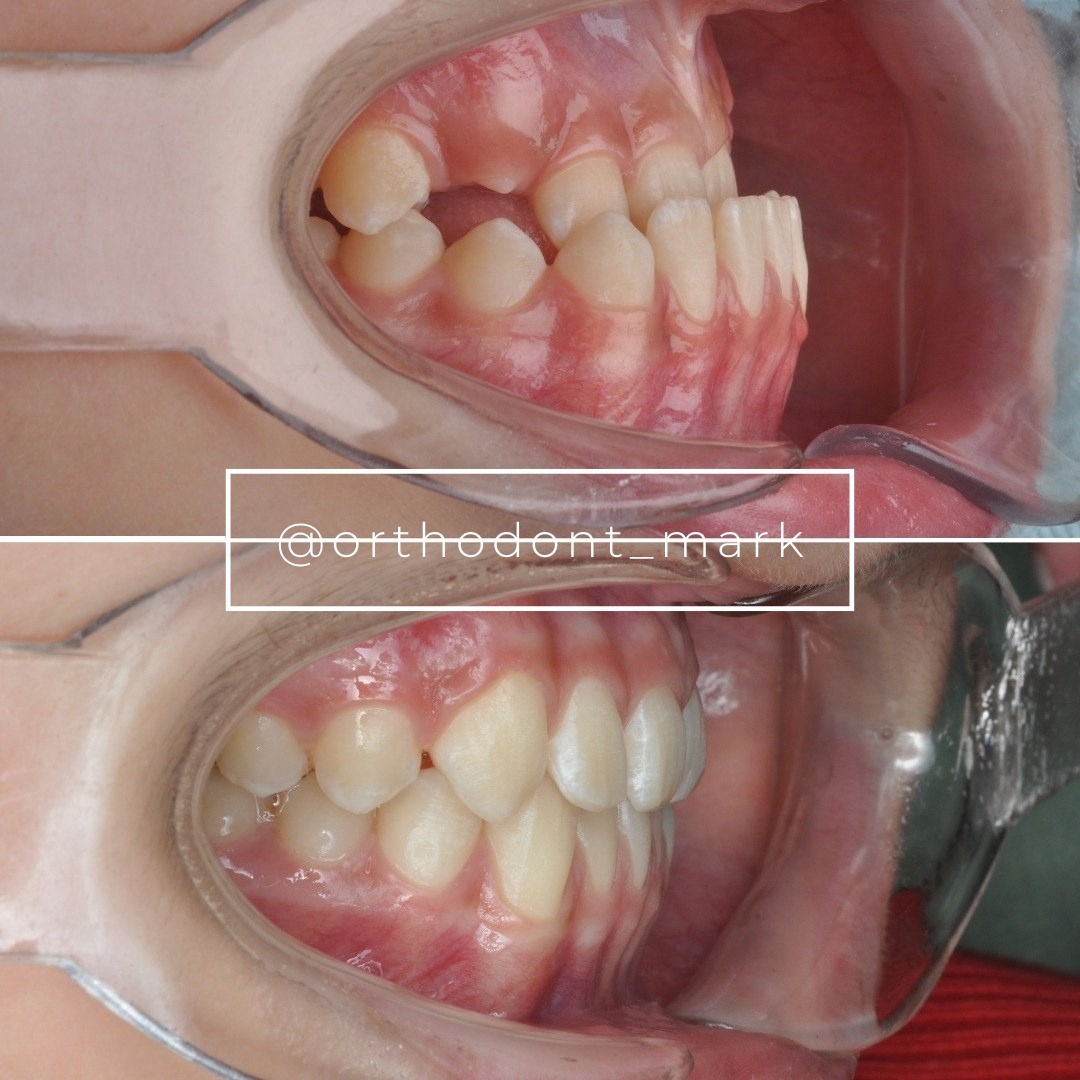
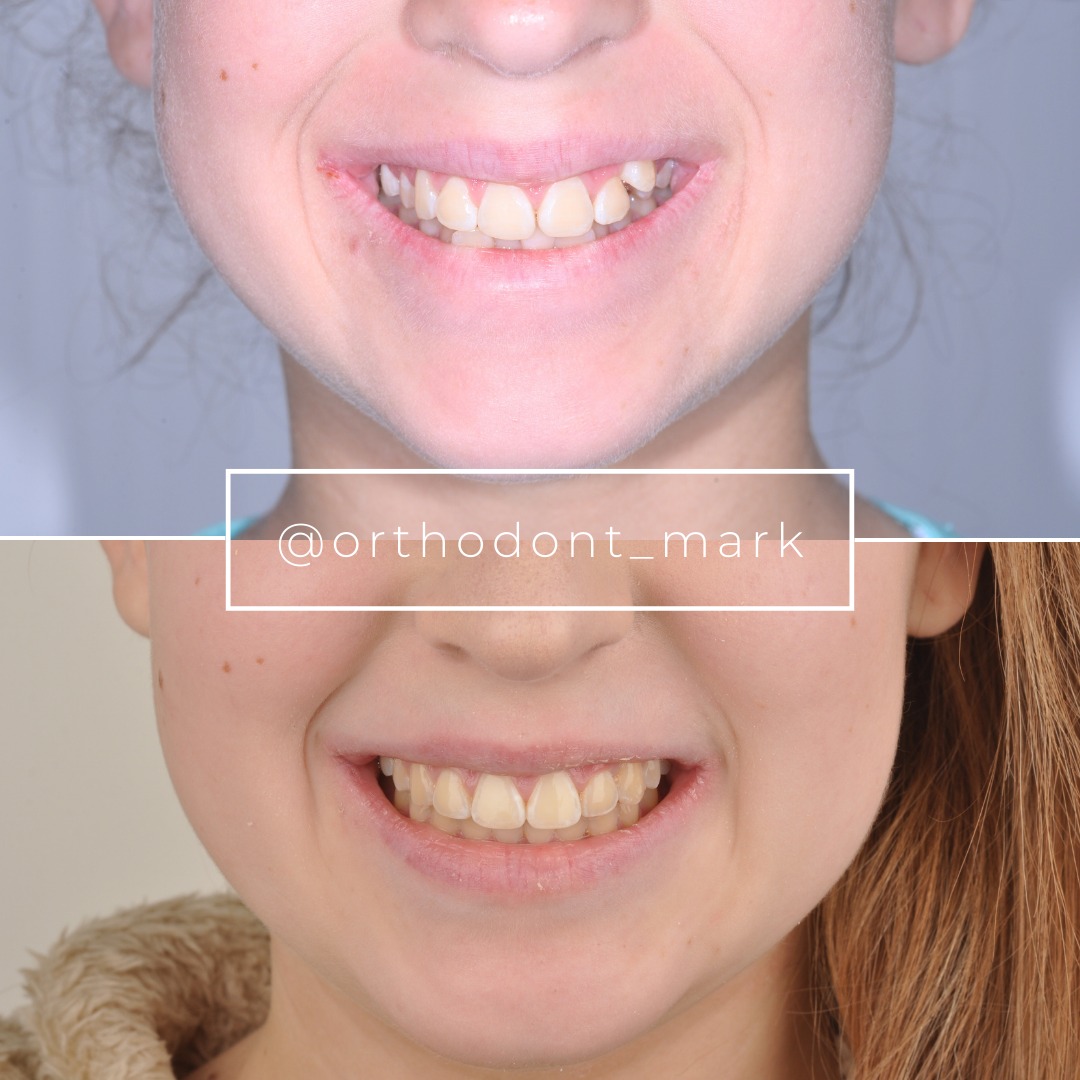
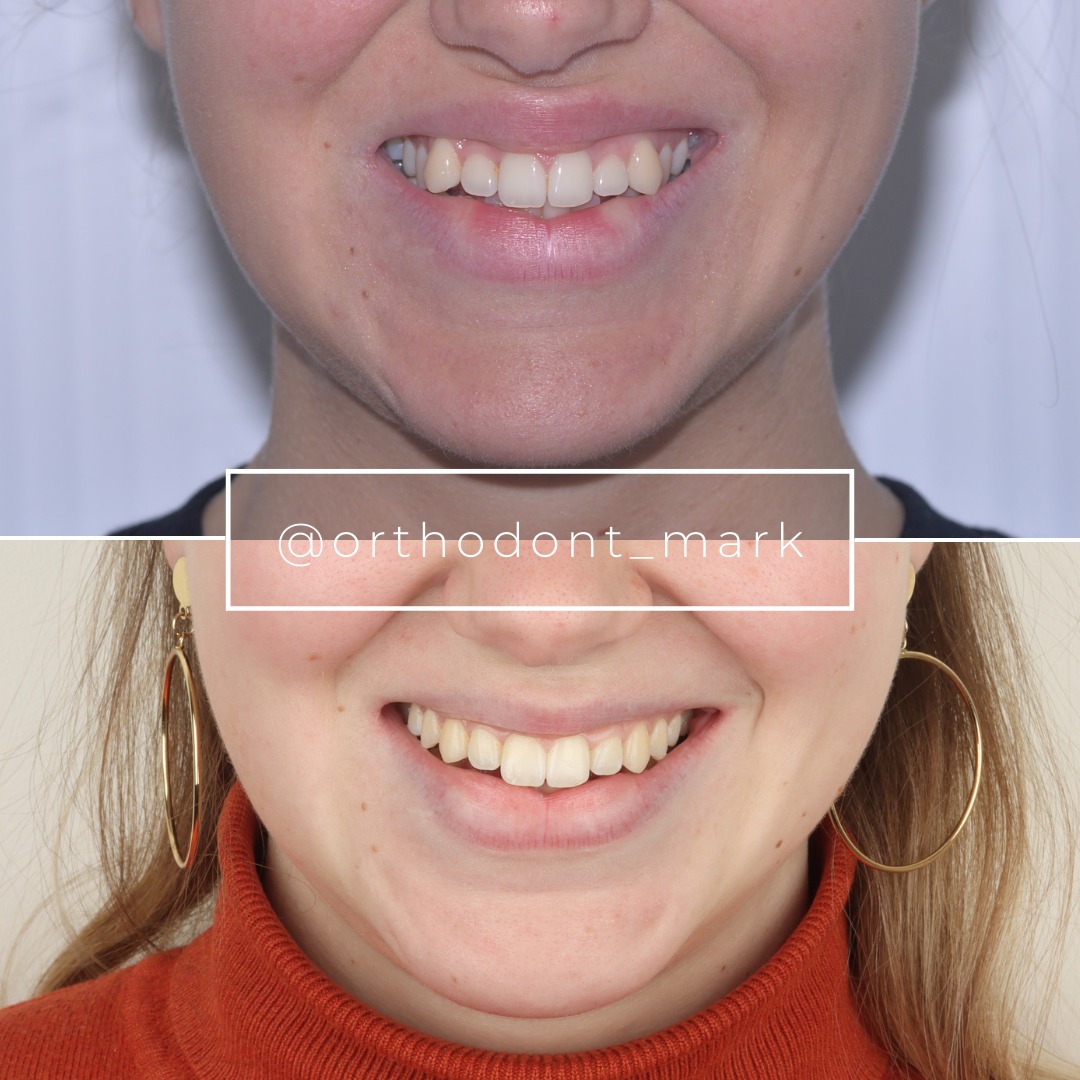
Documented outcomes
Clinical cases from Dr. Mark Radzhabov's practice
Learn the full MARPE protocol from Dr. Mark Radzhabov
Fundamental course covering CBCT patient selection, miniscrew planning, activation protocols, and 60+ clinical cases. Choose the access level that fits your practice.
Essentials of rapid palatal expansion for practicing orthodontists.
- Core RPE concepts and biomechanics
- 6 structured video lessons
- Clinical decision checklists
- Lifetime access to recordings
Deep-dive into MARPE protocol, diagnostics, and clinical execution.
- 6 modules covering MARPE from A to Z
- CBCT case selection walkthroughs
- Miniscrew placement and activation
- 60+ annotated clinical cases
- Direct Q&A with Dr. Mark Radzhabov
5-element medical consultation framework for dentists and orthodontists.
- Trust-building consultation protocol
- 5 lesson modules
- Templates for treatment plan delivery
- Works with any clinical specialty
Clinical FAQ
What force data should be documented in a MARPE informed consent form?
Camporesi et al. (2013) measured RPE appliance forces from 7.54 to 15.8 kg, with Hyrax devices exceeding 20 kg. Recording the specific device selected and its associated force range in the consent record ties the mechanical disclosure to a published, peer-reviewed measurement.
How should suture separation probability be communicated during expansion risk disclosure?
Chun et al. (2022) reported midpalatal suture separation in 90% of RPE patients and 95% of MARPE patients. Presenting these device-specific figures during the consent conversation—and documenting that they were presented—is more precise than generic outcome language.
Is mucosal hyperplasia a required disclosure point in palatal expansion consent?
Yes. Bud et al. (2023) confirmed that palatal expanders frequently produce hyperplasia of oral mucosa due to mechanical trauma. This is a documented histological risk rather than a speculative one and should appear as a named disclosure point in any structured expansion consent framework.
How does age-dependent expansion geometry affect what orthodontists must disclose?
A 2022 CBCT and dental cast analysis found that expansion shifts from parallel in patients under 10 years to V-shaped in those aged 12 and older. Consent discussions for adolescent patients should address this anterior-posterior asymmetry so expected arch changes are accurately framed.
Why should appliance selection rationale be part of the documented consent conversation?
Chun et al. (2022) found MARPE produces less buccal displacement of anchor teeth compared to RPE. Documenting this comparative finding as the basis for choosing a bone-borne appliance grounds the device decision in published evidence rather than undocumented clinical preference.
What anatomical landmarks beyond the dental arch should be named in a bone-borne expansion consent record?
Chun et al. (2022) found MARPE produced greater skeletal expansion at the nasal width and greater palatine foramen versus RPE. Both landmarks involve clinically significant anatomy—airway and neurovascular structures—and both warrant explicit, source-attributed mention in the consent documentation.
How should activation increments be framed in a MARPE consent discussion?
Camporesi et al. (2013) established that each full turn of a standard expansion screw delivers 0.8 mm and each quarter-turn delivers 0.2 mm. Communicating these increments helps patients understand cumulative mechanical loading and supports an accurate discussion of whether and how the process can be modified.
What distinguishes bone-borne from tooth-borne expansion in terms of documented dental side effects?
Chun et al. (2022) demonstrated that MARPE produces less buccal displacement of anchor teeth than RPE during both expansion and consolidation. This difference in dental side-effect profile is a valid consent discussion point and should be documented alongside the rationale for appliance selection.
How can orthodontists structure an evidence-based consent framework for skeletal expansion without over-relying on boilerplate forms?
Map each risk category—force magnitude, suture separation, dental tipping, mucosal response, and skeletal scope—to a specific published finding. Attribute each item to a named source in the consent record rather than describing risks in generic terms unsupported by cited data.
Does documenting expansion risks with specific citations improve clinical defensibility?
Attributed risk disclosures demonstrate that complication categories were discussed using measurable, peer-reviewed data rather than assumed. When outcomes deviate from expectations, a consent record containing specific force values, separation probabilities, and anatomical scope citations provides a substantially stronger clinical account.
A well-structured bone-borne expansion consent framework does more than satisfy documentation requirements—it sharpens your own clinical reasoning by forcing you to match each risk item to a specific, sourced finding. When force thresholds, mucosal response, and suture-separation probabilities are named explicitly in the consent record, the entire treatment plan becomes more coherent. Dr. Mark Radzhabov encourages orthodontists to review their current consent language against the literature, identify unsupported assertions, and replace them with attributed data points. Submit a case for consultation at ortodontmark.com or explore structured MARPE training to refine your documentation protocol from the ground up. Key sources: Chun et al., 2022, BMC Oral Health, doi:https://doi.org/10.1186/s12903–022-02138-w. Bud et al., 2023, Biomedicines, doi:https://doi.org/10.3390/biomedicines11123246. Camporesi et al., 2013, BioMedical Engineering OnLine, doi:http://www.biomedical-engineering-online.com/content/12/1/128.