
Re-expansion after prior RPE
needs a new decision
not a repeat prescription
A practical framework for evaluating repeat transverse correction, appliance loading, and the threshold for surgical support.
TL;DR Re-expansion after prior RPE can be considered, but prior treatment alone does not establish whether a second skeletal response will occur. Review the original transverse correction, current tooth position, appliance mechanics, and imaging before selecting re-treatment. Dr. Mark Radzhabov’s approach favors controlled activation, observation of resistance, and a surgical pathway when non-surgical distraction remains uncertain.
Re-expansion after prior RPE creates a familiar re-treatment problem: the posterior relationship can again demand width, yet the earlier appliance has already changed the clinical starting point. Dr. Mark Radzhabov at ortodontmark.com frames the decision around the current maxilla rather than an assumed memory of the first expansion. This review helps the orthodontist separate dental compensation from a plausible skeletal objective, choose device architecture, and recognise when resistance warrants reassessment. It also places repeat expansion beside evidence on basal-bone shape, relapse, screw mechanics, and surgical assistance.
What is the real question in
second expansion feasibility
?
Re-expansion after prior RPE is a new assessment of transverse correction in a maxilla previously expanded with a rapid palatal appliance. The supplied literature does not directly test repeat expansion after an earlier RPE, so the clinician should not promise a predictable suture response from treatment history alone. Chun et al. (2022) found separation in both RPE and MARPE groups, while both approaches produced triangular basal-bone expansion and skeletal relapse during consolidation. That comparison supports examining present skeletal form, dental inclination, and the clinical source of the recurrent transverse discrepancy before choosing MARPE re-treatment planning.
Could the current anatomy support a
second opening
?
CBCT is useful when re-treatment planning requires an anatomical explanation rather than an arch-width impression. Kinzinger et al. (2022) measured CBCT datasets from 9 patients aged 7.3 to 13.8 years, identifying age-related change in expansion geometry. Kinzinger et al. (2022) reported relatively parallel expansion through age 10 and a progressively V-shaped pattern, especially from age 12. In a repeat case, inspect basal-bone form, asymmetry, root position, palatal vault morphology, and whether the desired correction remains skeletal rather than primarily dental.
Which mechanics make
MSE re-expansion
credible?
Device selection should follow anchorage, access, palatal anatomy, and the anticipated resistance to activation. Dr. Radzhabov distinguishes pin-first systems, which permit appliance removal without removing the TADs, from pin-last systems, where the appliance is fixed through its structure. Camporesi et al. (2013) found that Hyrax and A2620 expanders generated forces above 20 kg, whereas Palatal Split screws generated about 16 kg. Force generation is not evidence of repeat separation. It is a reason to use a rigid, appropriately supported design and review rapid palatal expansion review principles before loading.
How should a prior RPE alter
activation decisions
?
In Dr. Radzhabov’s protocol, activation is adapted to resistance and to the appearance of an incisor diastema. Strong tension calls for a pause so bone and TAD support can adapt. Continued forceful turning risks deformation, ring depressurisation, and unnecessary tooth loading. A repeat plan should define the intended transverse endpoint before activation, monitor TAD stability, and reassess if distraction is not clinically evident. After the target width is reached, the appliance remains passive during stabilization rather than being removed immediately. Clinicians adding this workflow can use structured MARPE training to standardize device selection and follow-up.
When does repeat expansion need a
surgical pathway
?
When non-surgical loading cannot produce credible distraction or appliance integrity is threatened, surgical assistance becomes a treatment-planning option rather than a failed orthodontic effort. The decision should incorporate the desired transverse correction, current anatomy, and the burden of dental side effects. Sant et al. (2016) studied 24 adult SARME patients: 14 received a midpalatal split and 10 did not. Greater efficacy was reported with the split, while surgical discomfort was similar immediately after surgery and at 14 days. This evidence informs surgical mechanics, not the likelihood of success after prior RPE.
Free Clinical Guide
Which Expansion Appliance at Which Age?
Get Dr. Mark Radzhabov's guide to skeletal-expansion appliances — indications, pros & cons, and how to choose by patient age. Free to your inbox.
Prefer video? Watch the free demo lesson on MARPE appliance types, features and trade-offs.
Documented outcomes
Clinical cases from Dr. Mark Radzhabov's practice
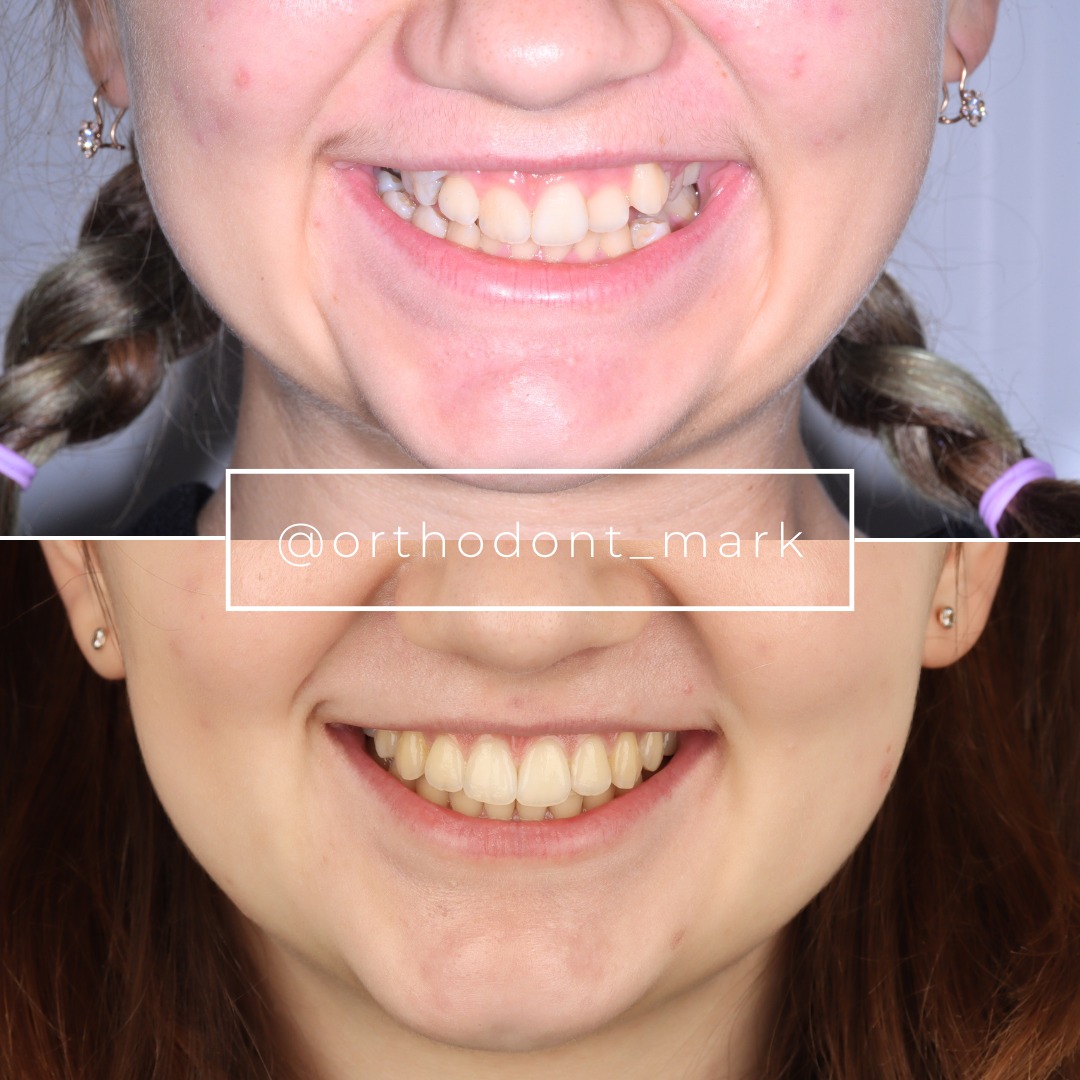
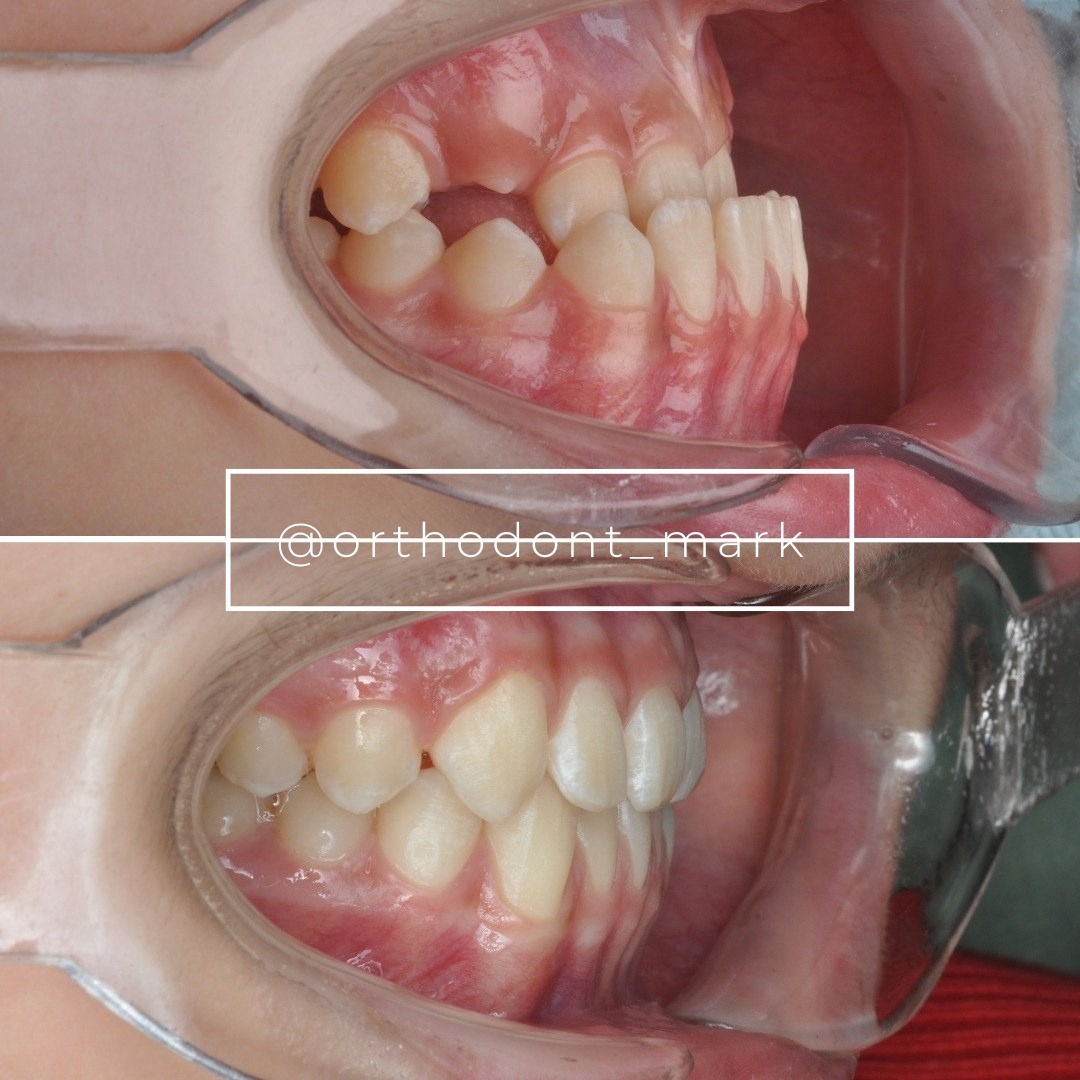
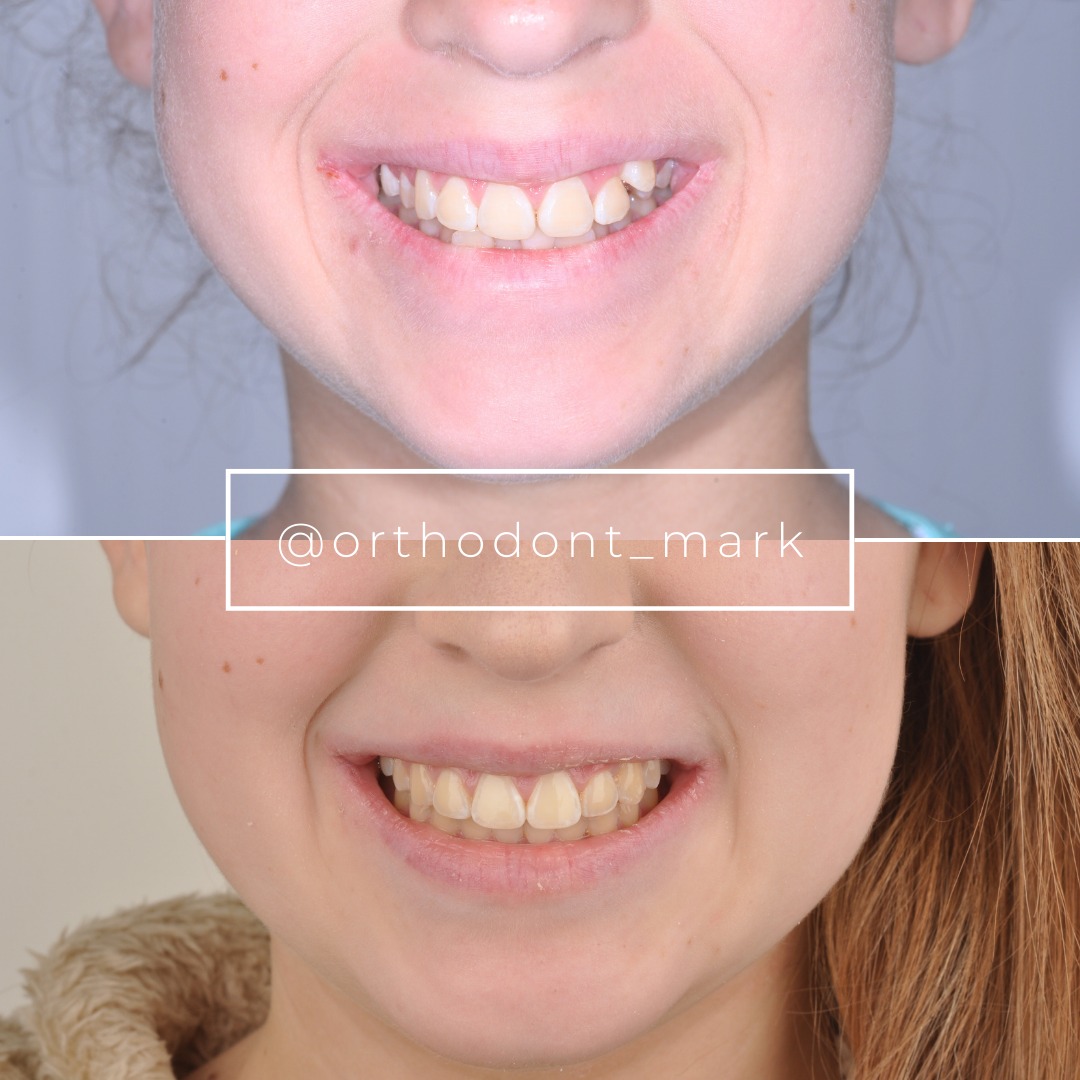
Learn the full MARPE protocol from Dr. Mark Radzhabov
Fundamental course covering CBCT patient selection, miniscrew planning, activation protocols, and 60+ clinical cases. Choose the access level that fits your practice.
Essentials of rapid palatal expansion for practicing orthodontists.
- Core RPE concepts and biomechanics
- 6 structured video lessons
- Clinical decision checklists
- Lifetime access to recordings
Deep-dive into MARPE protocol, diagnostics, and clinical execution.
- 6 modules covering MARPE from A to Z
- CBCT case selection walkthroughs
- Miniscrew placement and activation
- 60+ annotated clinical cases
- Direct Q&A with Dr. Mark Radzhabov
5-element medical consultation framework for dentists and orthodontists.
- Trust-building consultation protocol
- 5 lesson modules
- Templates for treatment plan delivery
- Works with any clinical specialty
Clinical FAQ
Can MARPE be used after previous rapid palatal expansion?
MARPE may be considered after prior RPE, but the supplied literature does not directly establish predictability for repeat separation. Base selection on current anatomy, dental compensation, appliance stability, and the intended skeletal objective.
What is the feasibility of a second palatal expansion after RPE?
Second palatal expansion feasibility cannot be inferred from the earlier appliance alone. Reassess the current transverse discrepancy, CBCT findings, resistance during activation, and whether the correction sought is skeletal or dental.
How does the midpalatal suture respond to repeat maxillary expansion?
The supplied evidence does not directly describe repeat maxillary expansion after prior RPE. A clinician should evaluate present anatomy and clinical distraction rather than assume that a previous opening determines the current response.
Does prior RPE reduce skeletal expansion with MSE?
No supplied comparison directly tests whether prior RPE reduces skeletal expansion with MSE. Prior treatment should prompt careful reassessment rather than an automatic expectation of either success or failure.
What evidence supports re-expanding a previously treated maxilla?
The available evidence supports understanding expansion geometry, relapse, appliance force, and surgical mechanics, but it does not directly test re-expanding a previously treated maxilla. Consent should reflect that evidence boundary.
How should clinicians assess prior RPE suture response before re-treatment?
Assess current basal-bone form, tooth inclination, root position, palatal morphology, TAD support, and the source of the transverse discrepancy. Do not substitute the historic diastema or appliance record for a current diagnostic assessment.
When is MARPE after rapid palatal expansion preferable to another tooth-borne appliance?
Consider MARPE after rapid palatal expansion when the clinical objective remains skeletal and the planned anchorage can tolerate loading. If the discrepancy is chiefly dentoalveolar, a skeletal device may not be the appropriate response.
How should activation be modified for orthodontic re-treatment expansion?
Dr. Radzhabov’s protocol uses resistance-guided activation, observation for a diastema, and pauses when tension is strong. Re-treatment should not rely on forceful uninterrupted turning when appliance or TAD stability is in doubt.
Does maxillary transverse deficiency relapse justify automatic re-expansion?
No. Relapse identifies a renewed clinical problem, not its mechanism. Confirm whether the recurrent transverse finding reflects skeletal form, dental inclination, occlusal interference, or a combination before selecting another expander.
When should a clinician discuss SARME during repeat palatal expansion evidence review?
Discuss SARME when non-surgical mechanics cannot credibly deliver the planned distraction or threaten appliance integrity. Sant et al. (2016) found greater efficacy when SARME included a midpalatal split.
Repeat expansion should be treated as a fresh biomechanical decision, not as a routine continuation of the first appliance. Dr. Mark Radzhabov recommends a documented case review connecting current imaging, appliance stability, activation resistance, and the intended transverse endpoint before re-treatment begins. Enrol in structured MARPE training or request a consultation to test the plan against the available evidence and the practical limits of the device. Key sources: Sant, 2016, Int. J. Oral Maxillofac. Surg., doi:10.1016/j.ijom.2016.03.005. Chun, 2022, BMC Oral Health, doi:10.1186/s12903–022-02138-w.