
Fixed appliances after MARPE:
timing
bracket engagement during consolidation
An evidence-based protocol for sequencing consolidation, retention, and bracket bonding after skeletal expansion — built for practicing orthodontists.
TL;DR Fixed appliances after MARPE should be engaged only after the consolidation period protects the skeletal gain. Chun et al. (2022) documented skeletal relapse during consolidation in both RPE and MARPE, so early bracket load risks losing transverse correction. Dr. Mark Radzhabov's protocol keeps the expander passive, then sequences light archwires once bone fill begins.
A common clinical dilemma: expansion is complete, the screw is locked, and the schedule pushes you toward bonding — but the midpalatal suture is not yet stable. Deciding when to place fixed appliances after MARPE is one of the most consequential timing choices in skeletal expansion treatment, because bracket and archwire forces introduced too early can erode the gain you just created. In this article, Dr. Mark Radzhabov of ortodontmark.com reviews the evidence on consolidation, relapse mechanics, and appliance sequencing, giving practicing orthodontists a decision-ready framework for the transition from expansion to comprehensive fixed mechanics.
What is MARPE consolidation in orthodontic mechanics?
MARPE consolidation is the passive retention phase after active screw opening, during which the expander stays locked so new bone can form across the separated midpalatal suture before any fixed appliance load is applied. In Dr. Radzhabov's protocol, this phase is non-negotiable: the appliance that created the split also protects it, and no bracket engagement is scheduled until stability is confirmed.
The rationale is biomechanical, not cosmetic. Chun et al. (2022) showed that both RPE and MARPE produce triangular basal-bone expansion and that skeletal relapse occurs during consolidation — the gain narrows while the suture is still immature. Adding archwire forces on top of that active remodeling window compounds the loss rather than preventing it.
Notably, Chun et al. (2022) also found that after consolidation, MARPE showed a smaller decline in skeletal, dentoalveolar, and periodontal variables than RPE under identical expansion amounts, which supports bone-borne anchorage as the more stable platform for subsequent fixed treatment. This is why the miniscrew-assisted rapid palatal expansion protocols on ortodontmark.com treat consolidation as a distinct clinical phase with its own checkpoints.
How long should consolidation last before brackets go on?
The clearest published benchmark comes from Chun et al. (2022), whose post-expansion assessment included a 3-month consolidation period. Within that window, skeletal relapse was measurable in both appliance groups, which tells you the suture is still remodeling and still vulnerable — and that premature bracket load lands exactly on this instability.
Separation itself is not the limiting step. Chun et al. (2022) observed midpalatal suture separation in 90% of RPE patients and 95% of MARPE patients, and Sarraj et al. (2021) reported separation in every patient in both the MSE and BAME groups. The bottleneck is retention of the achieved width, not achievement of it — so the timing question is really a relapse-management question.
Across expansion and consolidation, Chun et al. (2022) found MARPE produced less buccal displacement of anchor teeth, meaning less dental compensation to unwind later with fixed appliances. In Dr. Radzhabov's protocol, the expander remains in place as the retention device, and bracket bonding is deferred until the consolidation window has run its course.
Which patients consolidate well enough for fixed appliances after expansion?
Suture maturation — not the calendar — decides how safely you can proceed. Jeon et al. (2022) reported MARPE suture-separation success of 79.53% overall and 94.17% in females, confirming that most well-selected patients split predictably. Among those who did separate, older age subgroups showed smaller separation amounts in both sexes (Jeon et al., 2022).
Smaller initial separation means less raw width to lose during consolidation, but it also means the achieved expansion is closer to the clinical target from the start. For the older borderline patient, Dr. Radzhabov's protocol favors thorough pre-expansion imaging and suture staging before committing to a timeline, rather than a fixed schedule applied to everyone.
Device design matters too. LoGiudice et al. (2020) describe MSE as engaging four miniscrews in the palatal and nasal cortical bone layers, a bicortical grip that resists the very tipping and anchor-tooth displacement that complicate the transition to fixed mechanics. In the course, Dr. Radzhabov recommends miniscrews of at least 2 mm in diameter to withstand expansion loads without deformation.
What does the expansion-to-brackets sequence look like in practice?
In Dr. Radzhabov's protocol, activation follows the appliance-specific schedule — for example, three screw turns per week with MSE 1 in a child versus six with MSE II, whose smaller pitch generates less force per turn. Once the target width is reached, the screw is locked and the appliance stays passive as the retention device through consolidation.
During this phase, hygiene is the main complication driver: the course stresses irrigator use and clear instructions for pain, inflammation, or miniscrew mobility, since mucosal inflammation around a screw leads to mobility — and a mobile anchor during consolidation jeopardizes the result before brackets are ever placed.
Bracket engagement then proceeds only after stability is verified at the follow-up: miniscrew stability is checked, the appliance fit and expansion screw function are confirmed, and only then is the case handed to fixed mechanics with a light initial archwire. Sarraj et al. (2021) measured total expansion at the first molar of 5.9 mm with MSE and 4.7 mm with BAME, a reminder that system choice sets how much transverse correction your fixed appliances must hold. Clinicians building this workflow benefit from structured MARPE training for your practice before their first consolidation-to-bonding transition.
Which mistakes sabotage transverse stability before brackets are even placed?
The first failure is treating consolidation as empty calendar time. Chun et al. (2022) documented skeletal relapse during consolidation in both RPE and MARPE, so every week of that phase is biologically active — and any premature load, whether from early bonding or an unlocked screw, spends the gain you are trying to keep.
The second is ignoring the retention appliance's condition. In Dr. Radzhabov's course, a miniscrew inserted too deeply blanches the mucosa, invites inflammation, and becomes mobile. A screw head that stays smooth where it contacts tissue is specifically preferred to avoid that cascade. A compromised anchor converts the retention phase into slow relapse.
The third is appliance mismatch. The course lists narrow palatal vault, very dense or very thin low-density palatal bone, and prior midface trauma as situations where MSE installation is difficult — conditions that should redirect you to a pin-first system such as BENEfit or toward surgical assistance rather than forcing the transition to fixed appliances on an unstable base. For borderline cases, a case review and treatment planning consultation is cheaper than a failed consolidation.
Free Clinical Guide
Which Expansion Appliance at Which Age?
Get Dr. Mark Radzhabov's guide to skeletal-expansion appliances — indications, pros & cons, and how to choose by patient age. Free to your inbox.
Prefer video? Watch the free demo lesson on MARPE appliance types, features and trade-offs.
Documented outcomes
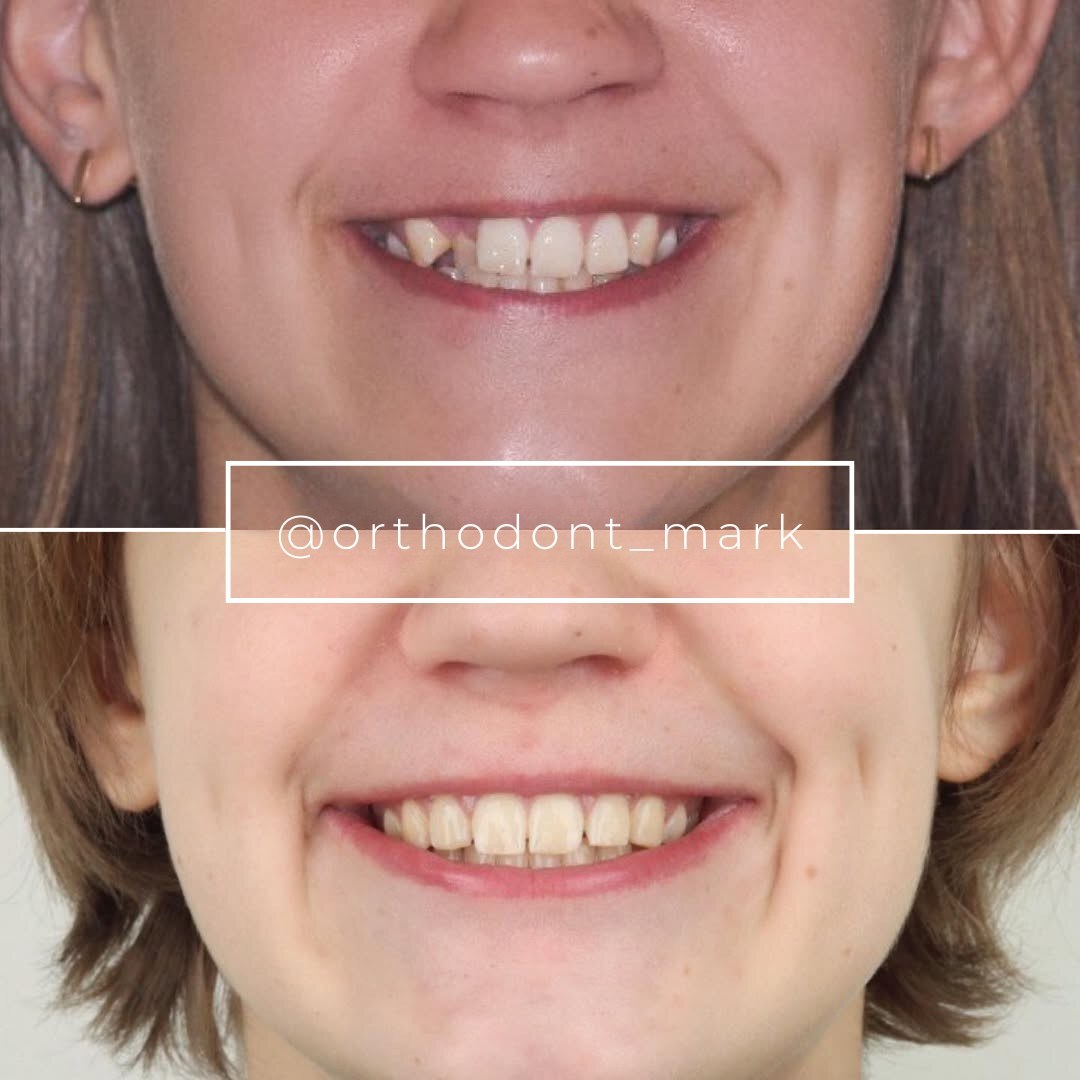
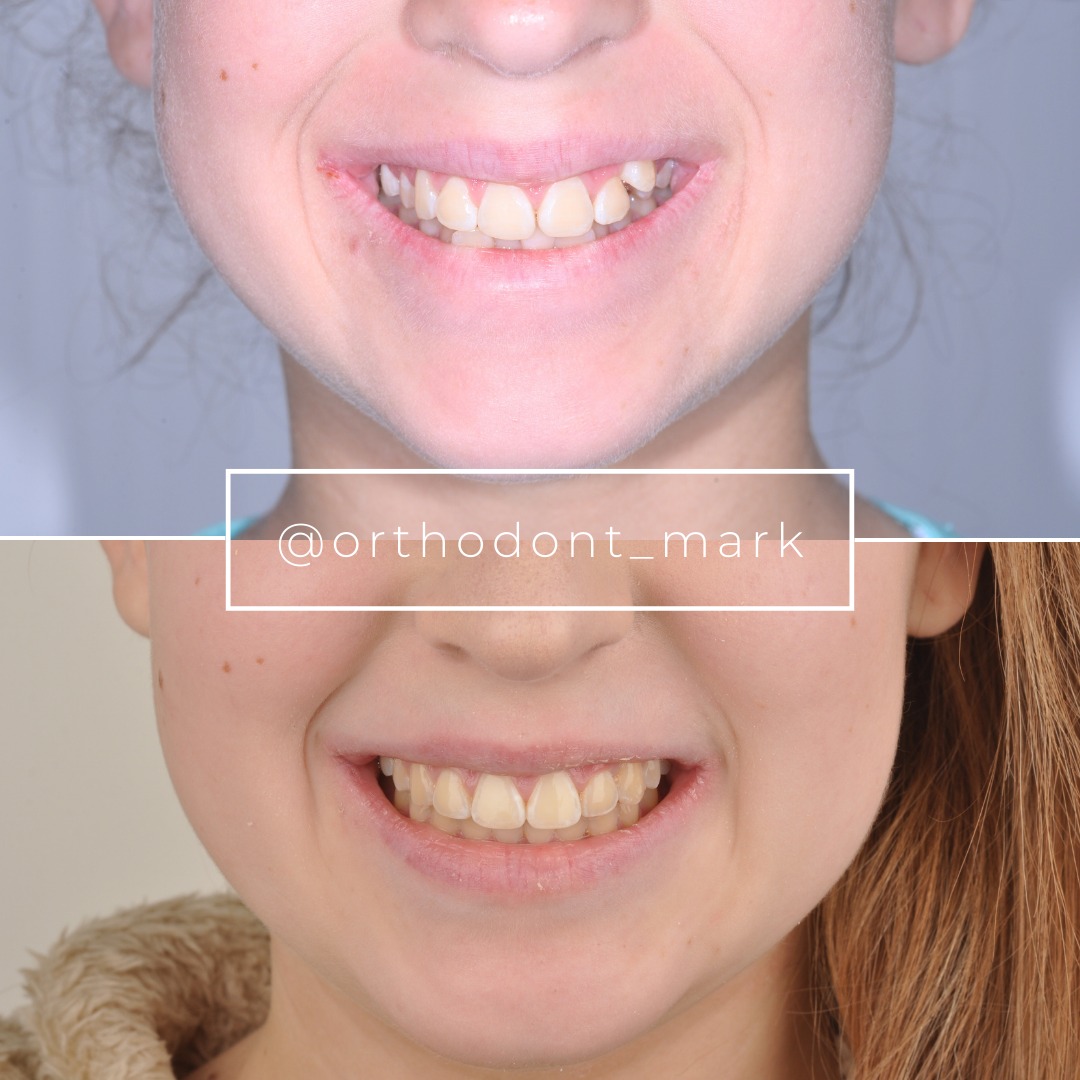
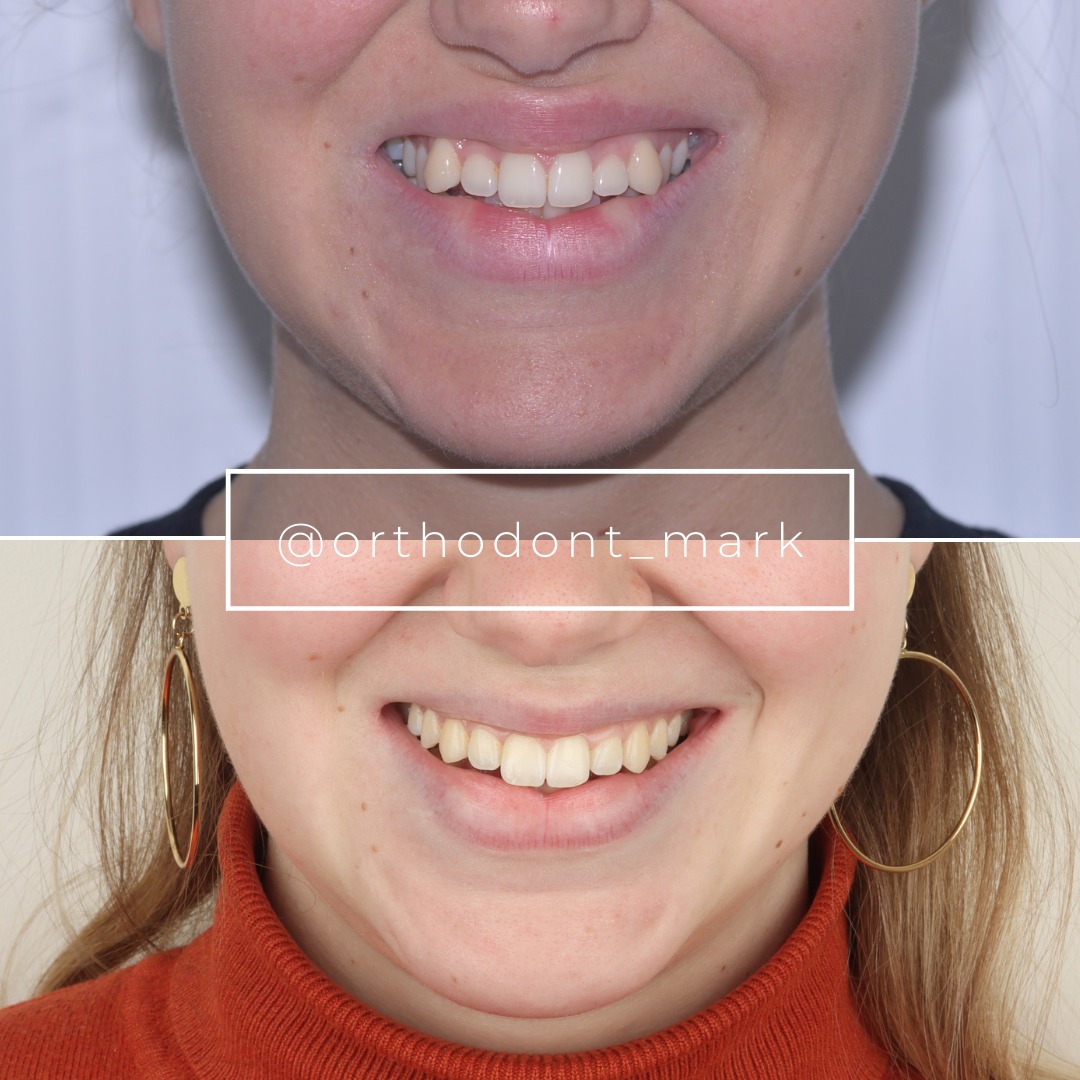
Clinical cases from Dr. Mark Radzhabov's practice
Learn the full MARPE protocol from Dr. Mark Radzhabov
Fundamental course covering CBCT patient selection, miniscrew planning, activation protocols, and 60+ clinical cases. Choose the access level that fits your practice.
Essentials of rapid palatal expansion for practicing orthodontists.
- Core RPE concepts and biomechanics
- 6 structured video lessons
- Clinical decision checklists
- Lifetime access to recordings
Deep-dive into MARPE protocol, diagnostics, and clinical execution.
- 6 modules covering MARPE from A to Z
- CBCT case selection walkthroughs
- Miniscrew placement and activation
- 60+ annotated clinical cases
- Direct Q&A with Dr. Mark Radzhabov
5-element medical consultation framework for dentists and orthodontists.
- Trust-building consultation protocol
- 5 lesson modules
- Templates for treatment plan delivery
- Works with any clinical specialty
Clinical FAQ
When should brackets be bonded after MARPE expansion?
After the consolidation phase, not during active retention remodeling. Chun et al. (2022) used a 3-month consolidation period before reassessment and documented skeletal relapse during that window, so Dr. Radzhabov's protocol keeps the expander locked and passive until stability is confirmed at follow-up.
Can fixed appliances be started during MARPE consolidation?
It is not recommended. Chun et al. (2022) showed skeletal relapse occurs during consolidation in both RPE and MARPE, meaning the suture is still actively remodeling. Adding archwire load in that window compounds transverse loss rather than preventing it.
What is the recommended archwire sequence after MARPE?
Begin with a light, flexible initial archwire only after consolidation ends and miniscrew stability is verified, then progress to working archwires as alignment allows. The course emphasizes checking appliance fit, expansion screw function, and anchor stability before handing the case to fixed mechanics.
How do fixed appliances affect transverse stability after skeletal expansion?
Fixed mechanics hold the arch form you finished with. They cannot recover width lost during consolidation. Chun et al. (2022) found MARPE preserved skeletal, dentoalveolar, and periodontal variables better than RPE after consolidation, giving fixed appliances a more stable transverse base.
What is the ideal MSE treatment timeline from expansion to bracket engagement?
Active opening on the appliance-specific schedule, then a locked passive retention phase, then bonding after consolidation. In Dr. Radzhabov's protocol, activation is three turns weekly with MSE 1 in a child versus six with MSE II, and bracket engagement waits for confirmed stability.
How much expansion should I expect at the molar before planning fixed mechanics?
Sarraj et al. (2021) measured 5.9 mm total expansion at the first molar with MSE and 4.7 mm with BAME on CBCT. Plan your fixed-appliance phase around the system-specific gain you actually achieved, not a generic target.
Does MARPE success differ between male and female patients?
Yes. Jeon et al. (2022) reported MARPE suture-separation success of 94.17% in females and 79.53% overall, and among patients who separated, older subgroups showed smaller separation amounts in both sexes. Factor sex and age into prognosis when scheduling the fixed phase.
What is the MARPE consolidation period and why does it exist?
It is the passive retention interval after active screw opening during which new bone forms across the separated suture. Chun et al. (2022) documented triangular basal-bone expansion and skeletal relapse during this phase, which is exactly why the expander must stay locked and unloaded.
Should I remove the MARPE appliance before bonding brackets?
Only after consolidation is complete and the transverse result is verified stable. In Dr. Radzhabov's protocol the expander itself serves as the retention device. Removing it early eliminates the very structure protecting the skeletal gain during bone fill.
Which MARPE complications delay the start of fixed appliance treatment?
Miniscrew mobility from mucosal inflammation, appliance breakage, and difficult anatomy. The course lists narrow palatal vault, dense or thin low-density palatal bone, and prior midface trauma as complicating MSE installation — each can extend retention and postpone bracket engagement.
The takeaway is straightforward: the consolidation interval is not dead time but the phase in which your transverse result is either secured or silently lost, so resist the scheduling pressure to bond early and let the suture mature under a passive appliance. Match the expander system to the patient, respect the activation and retention sequence, and verify stability before engaging fixed mechanics. If you want to pressure-test a specific case, Dr. Mark Radzhabov offers structured case review and consultation through ortodontmark.com, and his MARPE course walks through the full installation-to-retention protocol step by step. Key sources: Chun et al. (2022), BMC Oral Health, doi:10.1186/s12903–022-02138-w. Sarraj et al. (2021), APOS Trends in Orthodontics, doi:10.25259/APOS_160_2020. Jeon et al. (2022), Clinical Oral Investigations, doi:10.1007/s00784–021-04281–0.