MARPE activation force recommendations:
suture response
what the evidence actually reconciles
A clinical review of activation load data, suture separation predictors, and protocol logic for bone-borne palatal expansion.
TL;DR MARPE activation force literature reports inconsistent load targets, making protocol decisions difficult. Suture separation outcomes vary by sex and age, as Jeon et al. (2022) demonstrated across 215 subjects. Clinicians must integrate CBCT suture morphology, patient demographics, and documented expansion response rather than relying on a single force-magnitude figure.
Force magnitude recommendations for miniscrew-assisted rapid palatal expansion appear inconsistently across the published literature, leaving clinicians without a single defensible activation threshold. Dr. Mark Radzhabov at ortodontmark.com examines this gap directly, drawing on peer-reviewed imaging studies and prospective trials to help practicing orthodontists reconcile conflicting load guidance. Understanding how documented suture response relates to applied activation load is essential for setting realistic expansion protocols, counseling patients on expected timelines, and deciding when bone-borne force alone is insufficient.
Why reported activation loads differ so widely
across MARPE trials
MARPE activation force is the orthopedic load delivered through palatal miniscrews to separate the midpalatal suture, and its optimal magnitude remains contested across the clinical literature. Studies vary in how they quantify applied force, how frequently they confirm suture opening radiographically, and what they accept as a successful skeletal outcome. Without a unified measurement standard, direct comparison across trials is hazardous. Chun et al. (2022) provide one of the cleaner controlled datasets: both the RPE and MARPE groups received identical expansion of 35 turns, with CBCT imaging taken at baseline, immediately post-expansion, and after a 3-month consolidation period. Holding the turn count constant allowed the authors to isolate the effect of anchorage type rather than conflating force magnitude with appliance design — a distinction most comparative studies fail to make. Holding turns constant, Chun et al. (2022) found that midpalatal suture separation occurred in 90% of RPE patients and 95% of MARPE patients — a clinically meaningful difference that implicates the bone-borne force vector, not a higher absolute load. This finding challenges the assumption that greater force magnitude alone drives better separation. The more defensible interpretation is that force pathway and anchorage stability modulate the suture's mechanical response, independent of raw activation count.
How age and sex alter the suture response to expansion loads
beyond what force magnitude can compensate
Force magnitude recommendations cannot be decoupled from the biological resistance of the target tissue. Jeon et al. (2022) conducted a retrospective analysis of MARPE outcomes across 215 subjects aged 6–60 years (95 male, 120 female), providing the broadest age range in any single MARPE dataset currently available. That breadth is precisely why their predictor analysis is instructive for protocol planning. Critically, increasing age significantly predicted suture nonseparation in male patients (p = 0.001) but not in female patients (p = 0.221), according to Jeon et al. (2022). This sex-specific divergence means that applying identical activation loads to male and female adults of the same chronological age will not produce equivalent biological outcomes. A protocol calibrated to a female patient in her fourth decade is mechanically under-powered for a male patient at the same age. Jeon et al. (2022) further established that among patients who did achieve successful suture separation, the amount of separation decreased significantly with older age in both sexes (p = 0.001). The implication for load management is direct: as the suture matures, neither increasing activation frequency alone nor extending treatment duration reliably compensates for the loss of separation magnitude. Clinicians planning force protocols for older patients must set conservative expansion targets and communicate reduced skeletal gain expectations before treatment begins.
When does activation load need surgical augmentation
rather than higher force alone
The logical endpoint of force-threshold analysis is identifying the case where no practical increase in activation load can overcome suture resistance. Sant'Ana et al. (2016) provide direct comparative evidence: SARME with midpalatal split showed significantly greater efficacy than SARME without midpalatal split (p = 0.00). The implication is that surgical reduction of midpalatal resistance — not amplification of the applied force — is the operative variable once suture maturation crosses a critical threshold. This finding contextualizes the MARPE force debate at a practical level. If even surgically assisted protocols require release of the midpalatal structure to achieve adequate separation, then the assumption that progressive force escalation through miniscrew activation alone can substitute for surgical preparation in resistant cases is unsupported by the available data. Understanding this threshold is foundational for any clinician using miniscrew-assisted rapid palatal expansion in adult patients. The clinical decision point — MARPE alone versus surgical augmentation — therefore should not hinge on force magnitude alone. CBCT-based suture staging, patient sex, and age-related resistance data from Jeon et al. (2022) provide a more defensible framework. When a male patient's suture staging and age profile places him in the nonseparation-risk zone identified in that dataset, referral for surgical assistance is the protocol-consistent decision, not upward adjustment of the activation schedule.
Airway volume changes and what they imply for expansion protocol design
as a secondary load-planning variable
Force magnitude discussions typically focus on dental and skeletal width outcomes, but documented changes in airway volume suggest that the extent of suture separation also drives three-dimensional structural change. Benetti et al. (2024) reviewed the airway literature and found that nasopharynx volume increased by 6.4%, 20.7%, and 14.1% immediately after MARPE across three different study populations. The spread across those figures — more than threefold — directly reflects the variability in suture response that the force-magnitude debate is trying to explain. Clinicians using rapid palatal expander comparisons to benchmark MARPE outcomes should note that airway volume changes are not a direct function of activation turns. Benetti et al. (2024) captured outcomes across protocols that differed in appliance design, patient age distribution, and suture maturation status, which is precisely why the reported airway gains span such a wide range. The inter-study variance in nasopharynx response is itself evidence that force magnitude alone does not determine the clinical outcome. For the clinician designing an activation protocol, these airway data serve as a secondary validation signal: consistent, measurable airway response after expansion provides indirect confirmation that genuine skeletal displacement occurred. Conversely, the absence of expected airway change — despite adequate activation — warrants CBCT re-evaluation of suture separation status before additional turns are prescribed. Benetti et al. (2024) offer the scoping review framework that best contextualizes these inter-study differences for practicing orthodontists.
Building an activation protocol when the literature gives no single force target
from fragmented evidence
No single force magnitude has been validated as universally optimal for MARPE. The evidence base instead supports a multi-variable decision framework in which suture biology, patient demographics, and radiographic monitoring together inform load management. Chun et al. (2022) established that with matched expansion turns, MARPE produced significantly greater maxillary width at premolar and molar regions compared to RPE (p = 0.05) — confirming that bone-borne anchorage delivers force more efficiently, but stopping short of prescribing a specific Newton target. The practical synthesis is: select bone-borne anchorage when skeletal displacement efficiency is the priority, calibrate initial activation to the patient's suture staging and age-sex risk profile drawn from Jeon et al. (2022), monitor CBCT suture response at the consolidation timepoint used by Chun et al. (2022) — at 3 months — and adjust the protocol based on documented separation rather than a predetermined turn count. Clinicians seeking to build this decision logic into their workflow can explore structured MARPE training that integrates published evidence with case-based decision modeling. When suture staging and demographic risk factors place a patient beyond the reliable separation window, the protocol question shifts from force magnitude to surgical planning. Sant'Ana et al. (2016) confirm that surgical midpalatal release is the mechanically defensible intervention at that threshold — not continued escalation of bone-borne activation load. Documenting this decision pathway in the clinical record also supports informed consent by demonstrating that the choice between expansion modalities was evidence-driven.
Free Clinical Guide
Which Expansion Appliance at Which Age?
Get Dr. Mark Radzhabov's guide to skeletal-expansion appliances — indications, pros & cons, and how to choose by patient age. Free to your inbox.
Prefer video? Watch the free demo lesson on MARPE appliance types, features and trade-offs.
Documented outcomes
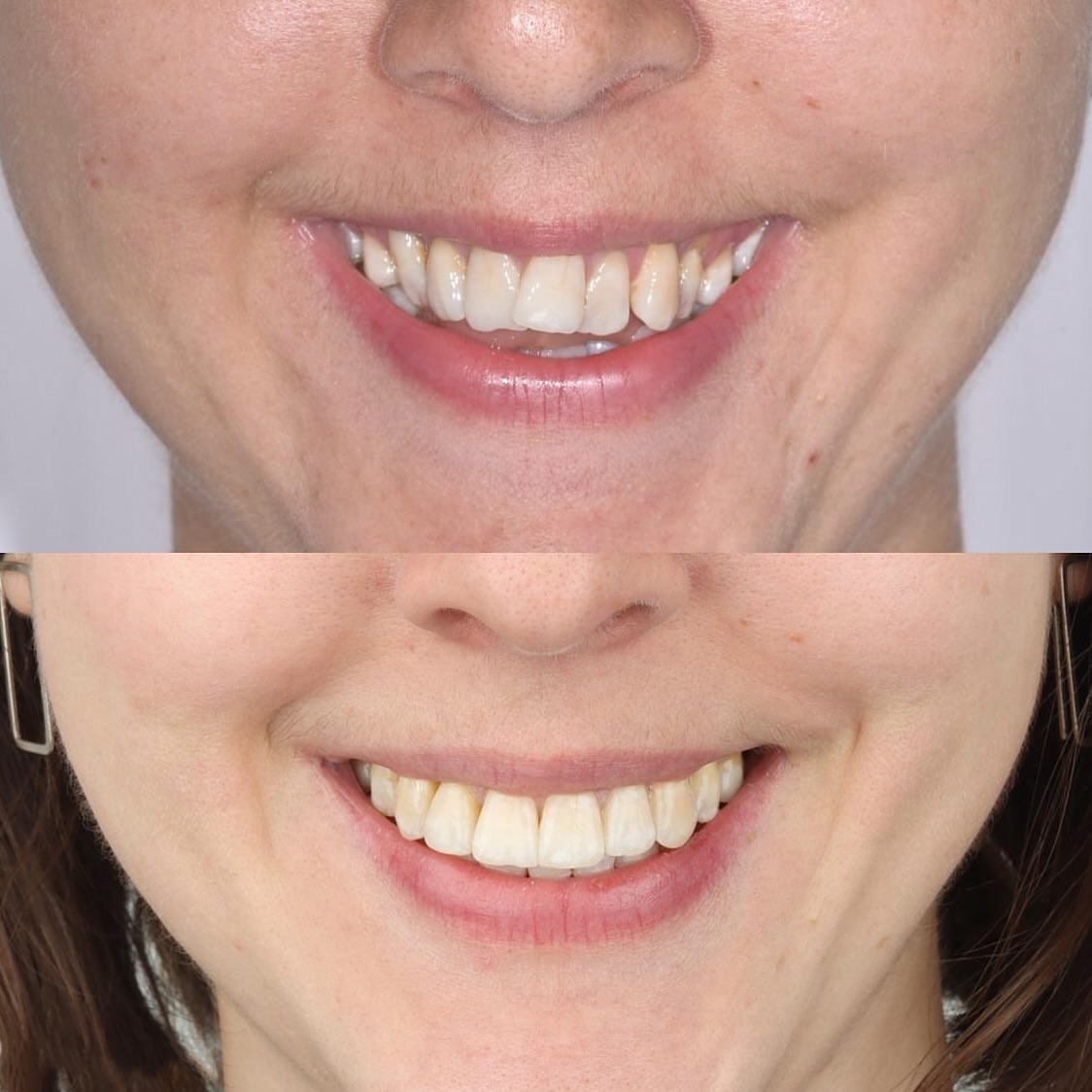
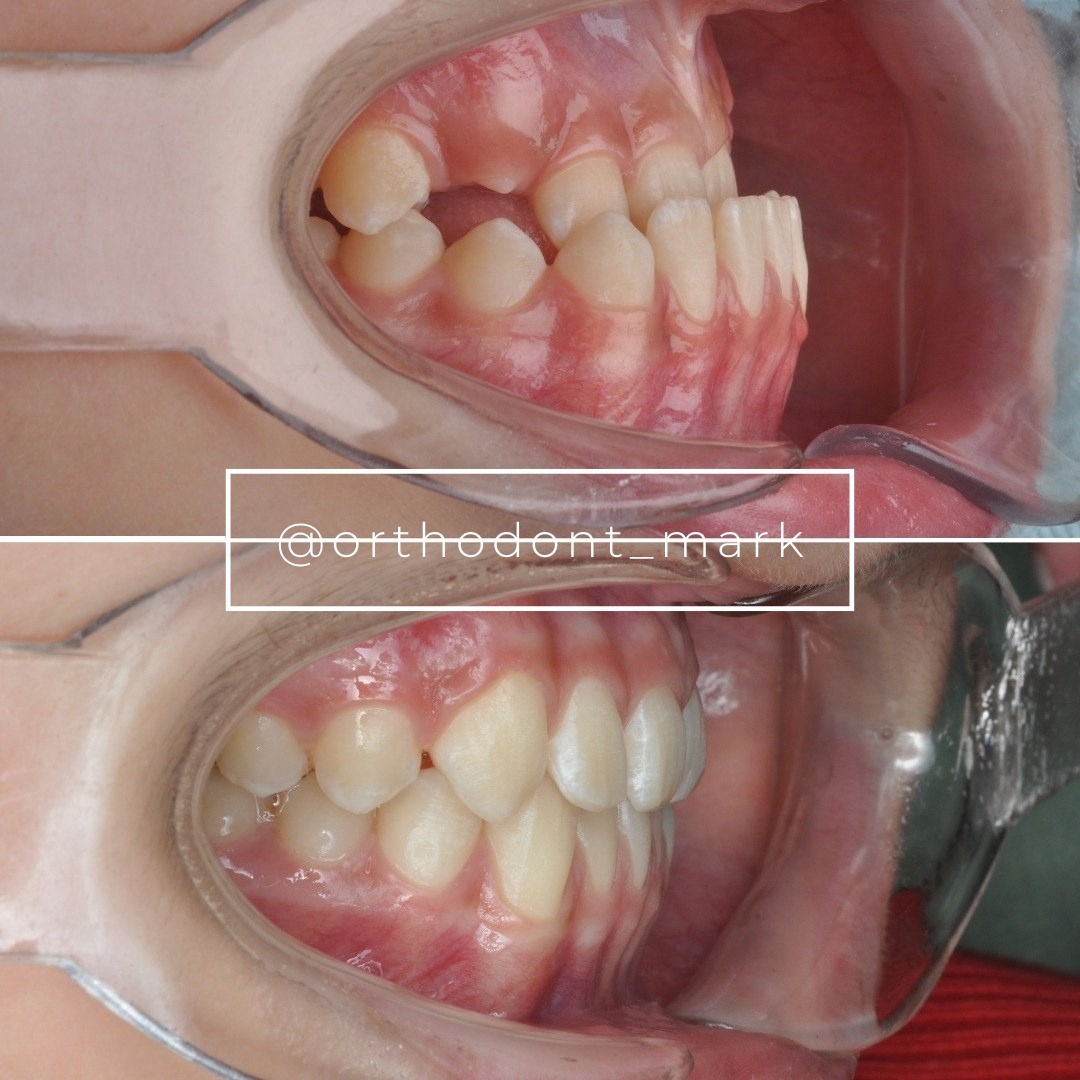
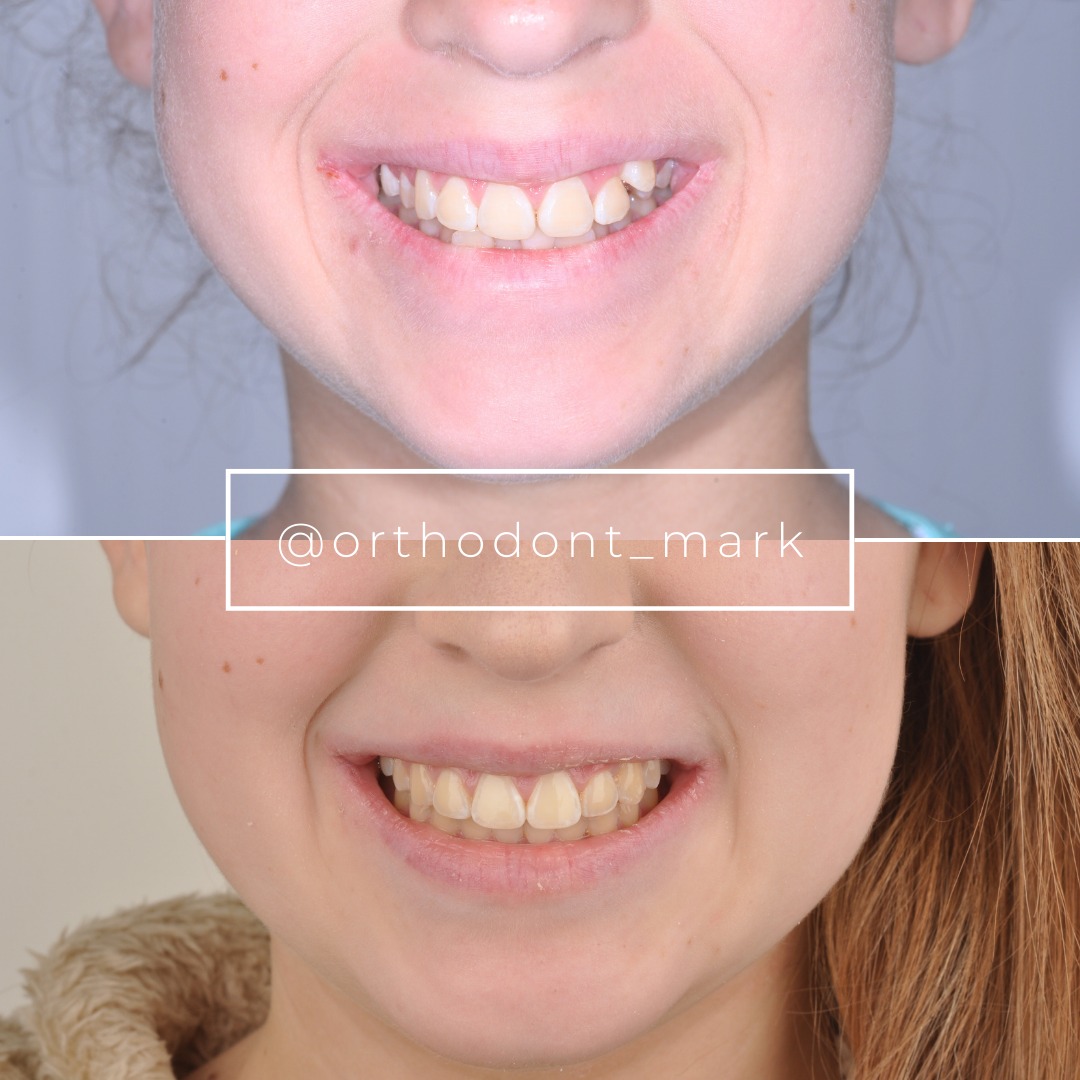
Clinical cases from Dr. Mark Radzhabov's practice
Learn the full MARPE protocol from Dr. Mark Radzhabov
Fundamental course covering CBCT patient selection, miniscrew planning, activation protocols, and 60+ clinical cases. Choose the access level that fits your practice.
Essentials of rapid palatal expansion for practicing orthodontists.
- Core RPE concepts and biomechanics
- 6 structured video lessons
- Clinical decision checklists
- Lifetime access to recordings
Deep-dive into MARPE protocol, diagnostics, and clinical execution.
- 6 modules covering MARPE from A to Z
- CBCT case selection walkthroughs
- Miniscrew placement and activation
- 60+ annotated clinical cases
- Direct Q&A with Dr. Mark Radzhabov
5-element medical consultation framework for dentists and orthodontists.
- Trust-building consultation protocol
- 5 lesson modules
- Templates for treatment plan delivery
- Works with any clinical specialty
Clinical FAQ
What is the optimal activation force magnitude for MARPE in adult patients?
No single force target has been validated across studies. The evidence supports calibrating activation to suture staging, patient sex, and age rather than a fixed Newton or turn-count threshold. Chun et al. (2022) used 35 identical turns across groups to isolate anchorage type as the key variable.
How does patient sex affect suture response to expansion loads in MARPE therapy?
Jeon et al. (2022) found increasing age significantly predicted suture nonseparation in males (p = 0.001) but not in females (p = 0.221). Protocols treating male and female adult patients identically are not supported by the available data.
Does MARPE produce better skeletal expansion than RPE with identical activation turns?
Yes. Chun et al. (2022) showed MARPE produced significantly greater maxillary width at premolar and molar regions compared to RPE at p = 0.05, despite both groups receiving identical 35-turn expansion protocols.
How does age affect the amount of midpalatal suture separation in successful MARPE cases?
Even when separation occurs, Jeon et al. (2022) found separation magnitude decreased significantly with older age in both sexes (p = 0.001). Clinicians should set conservative skeletal targets for older patients regardless of activation load.
When should SARME with midpalatal split be chosen over MARPE force escalation?
Sant'Ana et al. (2016) demonstrated SARME with midpalatal split produced significantly greater efficacy than SARME without it (p = 0.00). When suture staging and demographics suggest high nonseparation risk, surgical release is the evidence-supported intervention, not higher activation.
What CBCT follow-up interval should be used to confirm MARPE suture separation?
Chun et al. (2022) imaged at baseline, immediately post-expansion, and at 3-month consolidation. The 3-month consolidation CBCT provides the most clinically useful feedback point for confirming separation and planning retention or further activation.
What age range does the strongest MARPE outcomes evidence cover?
Jeon et al. (2022) examined 215 subjects aged 6–60 years, making it the broadest age range in a single MARPE dataset. Their predictor analysis across that range is the most applicable evidence for adult protocol decisions currently available.
How does MARPE affect nasopharynx volume after expansion?
Benetti et al. (2024) reported nasopharynx volume increases of 6.4%, 20.7%, and 14.1% immediately post-MARPE across different study populations. The wide range reflects inter-study variation in suture response rather than a predictable fixed gain.
Can force escalation compensate for age-related suture resistance in male patients?
The evidence does not support this. Jeon et al. (2022) found age predicted nonseparation in males at p = 0.001, and Sant'Ana et al. (2016) confirm surgical midpalatal release — not higher load — is the mechanically effective intervention at resistant sutures.
How does the MARPE suture separation rate compare to RPE in a controlled trial?
Chun et al. (2022) reported suture separation in 95% of MARPE patients versus 90% of RPE patients when both groups received 35 identical expansion turns. The difference implicates bone-borne force delivery efficiency rather than greater absolute activation load.
Reconciling MARPE activation force recommendations requires integrating suture maturation imaging, patient sex, and age-related resistance data rather than applying a single universal load target. Chun et al. (2022) showed that even with identical expansion turns, MARPE consistently outperformed RPE at the premolar and molar levels, confirming that force pathway matters as much as magnitude. For clinicians building or refining their expansion protocols, Dr. Mark Radzhabov offers structured case review and mentorship through ortodontmark.com. Bring your CBCT series to a consultation and align your activation protocol with the evidence. Key sources: Jeon et al. (2022), Clinical Oral Investigations, doi:10.1007/s00784–021-04281–0. Chun et al. (2022), BMC Oral Health, doi:10.1186/s12903–022-02138-w. Benetti et al. (2024), Dentistry Journal, doi:10.3390/dj12030060.